
Diving at Urchin Reef, Units #14 & #15 (United States)
Diving here, the sensation of cool water immediately envelops you. Sunlight filters through the emerging kelp canopy, creating a dappled effect on the rocky bottom. There's an unmistakable current of renewal as you observe a vibrant underwater landscape actively transforming. The environment buzzes with subtle life, a stark contrast to what it once was, hinting at a powerful ecological resurgence.
Tonight's objective overview for Urchin Reef, Units #14 & #15 shows an air temperature of 28°C. The measured surface conditions include wave heights around 0.4 m. This environmental data is logged for the close of the day.
Dive Site Location & Key Facts
Dive Site Overview
Urchin Reef, specifically Units #14 & #15, represents a dynamic success story in marine conservation, distinguishing it as a significant dive site within the United States. Part of a dedicated Kelp Forest Restoration project, this location initiated efforts in August 2020, where commercial divers systematically work to remove purple urchins.
Prior to these efforts, the reef presented as extensive urchin barrens, thick with purple urchins. Now, divers experience a remarkable transition, moving from barren patches to areas where juvenile kelp and other algae are actively re-establishing. Over 21,000 pounds of purple urchin have been removed from over six acres, demonstrating the scale of the intervention.
The goal here is to create space for a diverse assemblage of spores, fostering the growth of bull kelp refugia that also support perennial stipitate and coralline algae. Coralline algae, for instance, act as a "juvenile abalone magnet." Monitoring by Reef Check divers assesses the effectiveness, comparing restored sections to control reefs.
Witnessing ecological recovery firsthand, this active management makes diving here an opportunity to observe the powerful impact of a systematic approach to culling destructive urchin populations. Maximum depths for recreational divers exploring the recovering reef typically fall within the 30 m (100 ft) range, consistent with advanced open water limits.
Conditions are Excellent
07:00 - 14:00
Optimal conditions expected
Current conditions near Urchin Reef, Units #14 & #15 show 28° air, 30° sea temperature, 0.3 m waves, and 21 km/h wind. Forecast data is refreshed regularly to ensure accuracy.
Best Time to Dive
Favorable ocean conditions often define the best periods for diving Urchin Reef, allowing for more consistent access to the restoration areas. Months like July, August, and September typically offer lighter surface conditions, with average wave heights around 0.6 meters (2.0 ft) and average wind speeds ranging from 22.7 to 24.1 km/h (14.1-15.0 mph). Air temperatures during this peak season are comfortably warm, averaging between 27-29°C (81-84°F), which enhances surface intervals and overall comfort. Rain precipitation is generally moderate during these months, around 3.2-5.6 mm (0.13-0.22 inches). Other good periods include April through June, where air temperatures climb from 20.5°C (69°F) in April to 27°C (81°F) in June, and average rain remains low, between 2.4-4.9 mm (0.1-0.19 inches). Wave heights during this spring-early summer transition also tend to be manageable, usually below 0.9 meters (3.0 ft). While water temperatures aren't consistently reported, coastal waters in this region are generally cooler, necessitating appropriate thermal protection regardless of the season. Planning your visit during these calmer periods maximizes dive opportunities and visibility.
PEAK SEASON SCORE
Scores combine air & water temps, waves, wind & rainfall for overall conditions.
BEST MONTHS TO DIVE
Monthly records compiled from satellite and marine observation nodes over the last 3 years. Data provided by Open-Meteo and MET Norway.
Dive Experience & Conditions
Divers exploring Urchin Reef will encounter a varied depth profile, influenced by both natural contours and restoration efforts. Recreational diving generally occurs in shallower sections, where sport divers pursue medium-sized purple urchins, typically found at depths suitable for breath-holding or standard SCUBA limits. Commercial urchin divers, however, often descend to much greater depths to target larger, red urchins. Maximum depths at the site can reach up to 30 m (100 ft), although many points of interest for observing kelp regrowth are found in shallower, well-lit zones. Conditions on the reef can vary; while protected areas like North Noyo Cove offer some shelter from adverse ocean conditions, currents may still be present, especially near the river output. Visibility is not consistently reported but is generally influenced by swell and rainfall. Observing the transformation from dense urchin barrens to areas supporting new kelp growth provides a unique perspective on the reef's dynamic ecosystem. A calm, relaxed approach is beneficial for appreciating the detailed recovery underway.
Dive Difficulty & Safety Guidelines
For those planning to dive and harvest urchins at Urchin Reef, securing a sport fishing license is a fundamental requirement, readily available online or at local shops. Recreational divers must adhere to strict limits, harvesting no more than 35 urchins per day.
However, most divers find themselves collecting only a few, as managing a larger haul can be challenging, especially from a kayak. An expert tip for successful diving here emphasizes maintaining a calm and relaxed demeanor underwater.
The cold water, the focus on breath, and the visual stimulus of marine life can elevate heart rates, counteracting the goal of extended bottom time or breath-holds. Instead of fighting sensory input, embrace the rich "biomass along the coast," observing the evolving ecosystem.
Always dive within your training and experience limits, and be mindful of the ongoing restoration work being conducted by commercial and research divers. Respect the effort put into transforming these recovering hard reef environments.
Recommended Equipment
- Dive Computer
This gear list is based on verified equipment signals for Urchin Reef, Units #14 & #15, United States. Always confirm final gear choices with your dive operator, guide, or liveaboard.
Recommended Dive Suit
Repeated dives during the same day can gradually reduce overall body warmth.
The water around Urchin Reef, Units #14 & #15 is currently holding at approximately 30°C (86°F), setting the tone for today's dives. Surface air temperatures are resting at 28°C (83°F). Divers spending extended time underwater often rely on dive skin or rash guard for balanced warmth and flexibility.
A modest cooling trend is expected in the upcoming forecast. Cooler days are ahead; you might want a warmer option for later in the week. A thicker wetsuit may be worth considering for extended dives.
Emergency & Medical Support
Essential information to help you plan your dive trip to Urchin Reef, Units #14 & #15.

Hyperbaric chambers are a critical part of dive safety infrastructure. Availability varies significantly by region, and not all dive areas have immediate access.
Before diving, it's recommended to:
- confirm nearest medical facilities
- check emergency procedures with local dive operators
- ensure dive insurance covers evacuation if required
Divers Alert Network
Diving emergency assistance available through DAN World.
+1-919-684-9111- 24/7 emergency hotline
- Diving medical assistance
- Evacuation coordination
Emergency contacts are provided for reference. Always verify local emergency services before diving.
Marine Life at Urchin Reef, Units #14 & #15
A remarkable ecological shift currently defines the underwater landscape of Urchin Reef. Once dominated by "thick piles of purple urchin," the terrain now reveals growing patches of resilient kelp and various coralline algae.
These "bull kelp refugia" provide crucial habitat, and coralline algae's presence is especially important as it attracts juvenile abalone. Divers will observe fewer purple urchins, although red urchins may still be present.
This transition from barren moonscapes to a recovering, diverse assemblage of spores is visually impressive, showcasing the direct results of sustained restoration efforts. Enriching the overall health and complexity of the reef's ecosystem, the return of these foundational species is vital.

Dive Sites Near Urchin Reef, Units #14 & #15
View all dive sites in United StatesDiscover more underwater gems in this area.
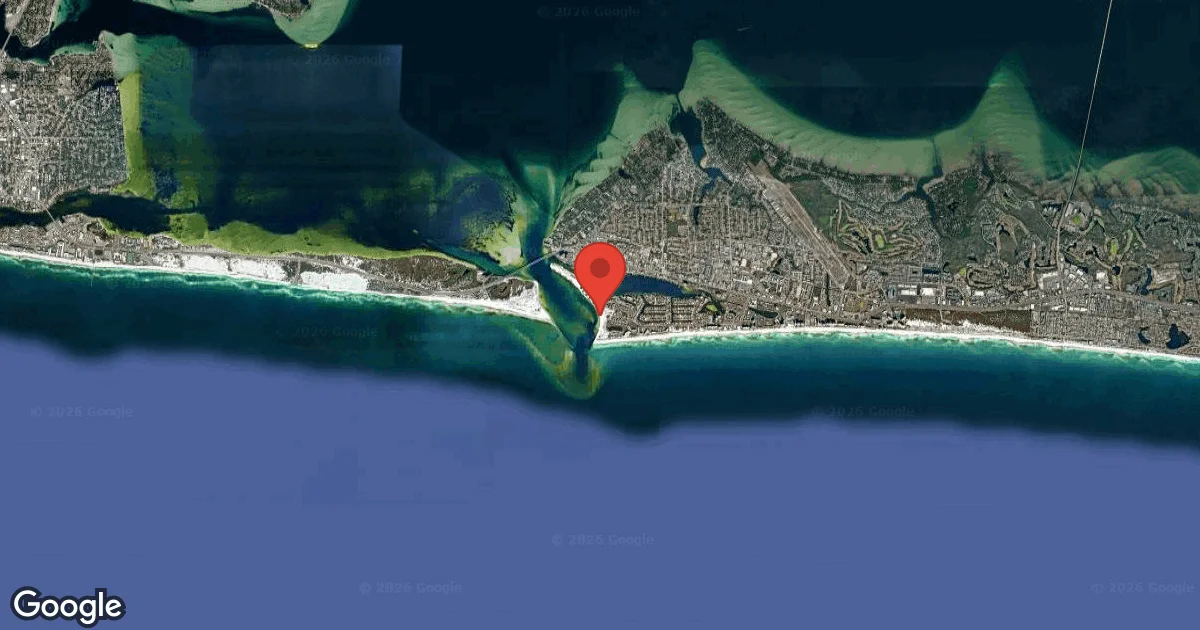
Dive Centers Near Urchin Reef, Units #14 & #15
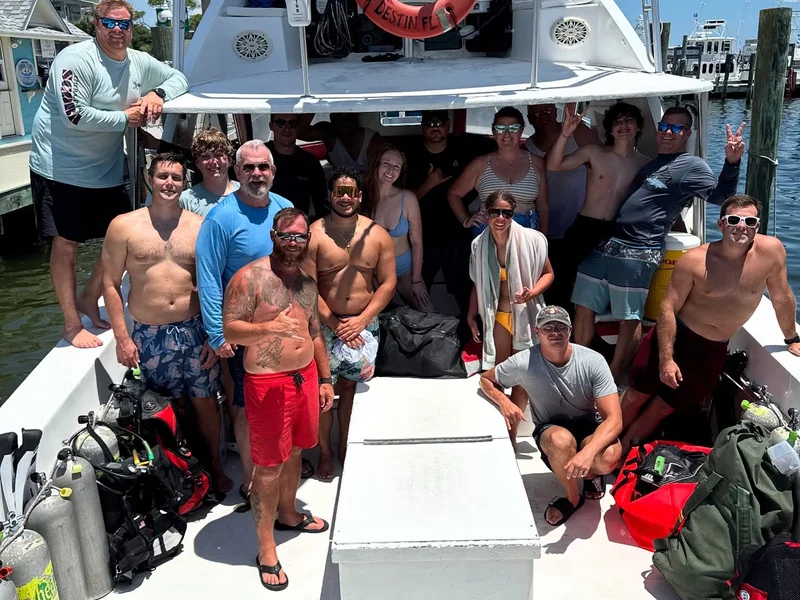
Today: 09:00 - 16:00
Nearest Airports
Nearest airports to help plan travel to this dive area.
Search Flights
Check available flights and routes on Expedia, using the nearby airports listed in this section.
Search Flights on Expedia
Plan Your Stay
Looking for a place to stay for your dive trip? Explore hotels, stays, and vacation rentals for dive groups near Destin.
Dive Navigator may earn a commission from these links at no extra cost to you.
Frequently Asked Questions
Do I need a special license to dive at Urchin Reef?
Yes, if you plan to harvest urchins, you must secure a sport fishing license. These are available online, at select local shops, and sometimes at larger retailers like Rite Aid.
What is the daily limit for harvesting urchins?
Recreational divers are permitted to harvest no more than 35 urchins per day. Many divers find balancing even a few good-sized urchins challenging, especially from a kayak.
What type of urchins should recreational divers look for?
Recreational divers typically target medium-sized purple urchins. Commercial divers often go deeper for larger, red urchins.
What is the Urchin Reef restoration project?
This is a kelp forest restoration initiative that began in August 2020, involving commercial divers removing purple urchins. Its primary aim is to reduce herbivore pressure, allowing kelp and other beneficial algae to re-establish.
How has the reef changed since the restoration started?
Divers have observed a dramatic transition from sites once overrun with thick piles of purple urchins to areas with emerging kelp patches. This creates a more diverse habitat, attracting species like juvenile abalone.
What kind of water temperatures can I expect?
Water temperatures are not consistently reported for this specific site, but coastal waters in the region are generally cool. Divers should plan for adequate thermal protection, such as a thick wetsuit or drysuit, year-round.
Is there a specific dive training level recommended for Urchin Reef?
The recreational depth range, which can reach around 30 m (100 ft), suggests that advanced open water certification is beneficial. Shallower areas are accessible to open water certified divers.
Planning to dive Urchin Reef, Units #14 & #15?
Send one inquiry and receive offers directly from the best verified local dive operators.
Conditions are Excellent
07:00 - 14:00
Optimal conditions expected
Current conditions near Urchin Reef, Units #14 & #15 show 28° air, 30° sea temperature, 0.3 m waves, and 21 km/h wind. Forecast data is refreshed regularly to ensure accuracy.