
Diving at Valp #3 (United States)
Diving the Gulf of Mexico off the coast of South Padre Island provides access to artificial reef systems and oil rig structures, acting as vital havens for marine life. Trips generally depart from shore, typically covering distances averaging 15 to 17 miles to reach these subsurface points of interest. This offers a departure from natural coral reefs, focusing instead on submerged man-made structures.
Tonight's objective overview for Valp #3 shows an air temperature of 27°C. The measured surface conditions include wave heights around 1.1 m. This environmental data is logged for the close of the day.
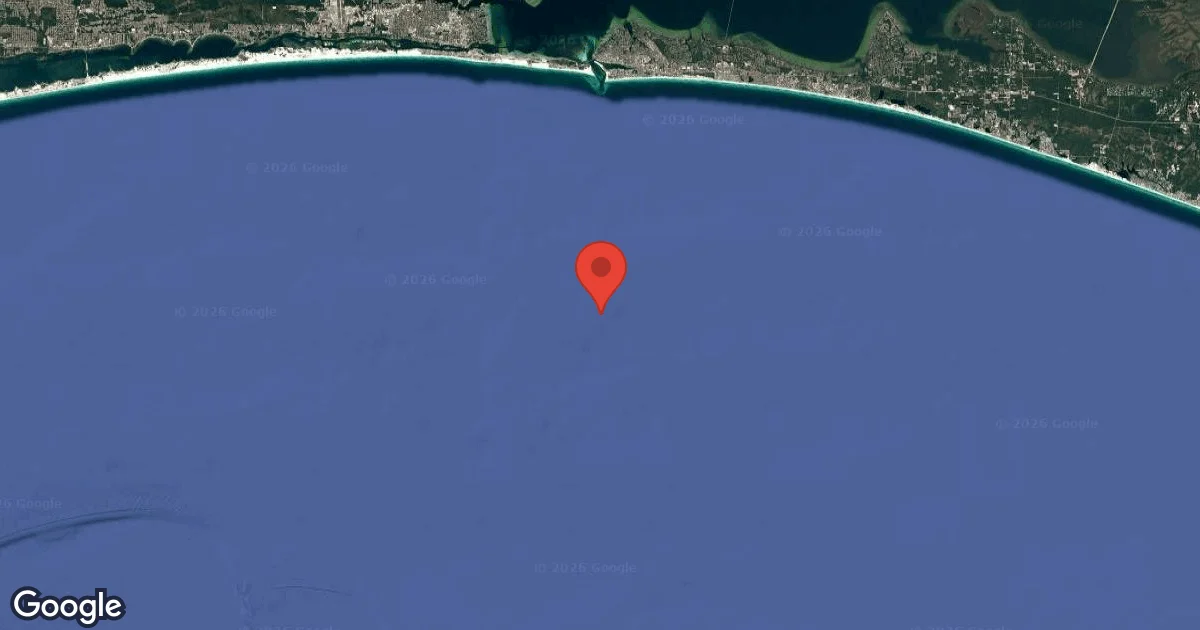
Dive Site Location & Key Facts
Dive Site Overview
What makes diving in this region distinctive is the reliance on artificial structures for compelling underwater exploration. Given the Gulf of Mexico's natural mud and sand bottom near the shoreline, extensive coral reefs are absent.
Instead, divers encounter purposefully sunk vessels like the 450 ft (137 m) Texas Clipper, which serves as a premier artificial reef, alongside structures like the RGV Reef, featuring a 90-foot shrimp boat, and numerous oil rigs. These sites create necessary habitat, attracting diverse marine species. Diving here accommodates a range of skill levels, with depths varying from 9 m (30 ft) at some oil rig sites to more advanced depths reaching 40 m (130 ft) at the Texas Clipper.
Conditions, including currents and visibility, are subject to change, underscoring the dynamic nature of these offshore Gulf dives.
Conditions are Excellent
07:00 - 14:00
Optimal conditions expected
Current conditions near Valp #3 show 27° air, 30° sea temperature, 0.4 m waves, and 17 km/h wind. Forecast data is refreshed regularly to ensure accuracy.
Best Time to Dive
Planning your dive for the optimal season significantly enhances the experience, with the period from May through September generally offering the best conditions. During these months, the region experiences ‘Good’ dive scores, marked by consistently warmer air temperatures, ranging from 24°C to 29°C (75-84°F). Rainfall is moderate, typically around 3.6-6.7 mm, and wave heights are generally lower, averaging between 0.7-0.9 m (2.3-3.0 ft). American Diving's season at South Padre Island specifically runs from early April to mid-September, aligning with these favorable weather patterns. Outside this window, especially from December to April, conditions are moderate, with cooler air temperatures and slightly higher wave activity.
PEAK SEASON SCORE
Scores combine air & water temps, waves, wind & rainfall for overall conditions.
BEST MONTHS TO DIVE
Monthly records compiled from satellite and marine observation nodes over the last 3 years. Data provided by Open-Meteo and MET Norway.
Dive Experience & Conditions
Descending into the Gulf of Mexico, divers should anticipate a sensory experience defined by its variability. Changing currents are common, influencing drift and exertion levels throughout a dive. Sea conditions can shift, impacting boat rides to and from sites which are typically 15 miles or more offshore. Visibility, too, is not consistently reported and will vary depending on recent weather and local currents. The seabed is predominantly mud and sand, making the artificial reefs and oil rigs critical focal points for underwater activity. Dives range from shallower sections down to a maximum depth of 40 m (130 ft) for advanced explorations, requiring attention to decompression limits.
Dive Difficulty & Safety Guidelines
Engaging in Gulf of Mexico diving necessitates adherence to clear safety protocols and certification standards. All divers must possess valid scuba certification from an accredited training agency before participating in any trips. Due to the potentially dynamic conditions, including variable currents and sea states, advanced level training and capabilities are recommended for many of the sites.
Dive operators prioritize safety; trips are strictly weather permitting and are not conducted when seas reach 0.9-1.5 meters (3-5 feet) or above. Divers should always check marine forecasts and live buoy data before planning a trip.
Recommended Equipment
- Dive Computer
This gear list is based on verified equipment signals for Valp #3, United States. Always confirm final gear choices with your dive operator, guide, or liveaboard.
Recommended Dive Suit
Short-term weather patterns suggest stable conditions for divers visiting the area.
Some divers prefer slightly warmer exposure protection simply for additional comfort. Stronger winds may also make surface intervals feel cooler than usual.
Dive skin or rash guard usually works well for maintaining comfort during standard dive profiles in these conditions. Consider warmer surface protection (like a boat coat) due to brisk winds. Divers preparing to enter the water at Valp #3 will likely find temperatures around 30°C (87°F) today. Surface air temperatures are resting at 27°C (81°F).
Due to technical issues with our weather providers, data hasn't been fetched for over 48 hours. The data above reflects the conditions at the time of the last successful fetch.
Emergency & Medical Support
Essential information to help you plan your dive trip to VALP #3.

Hyperbaric chambers are a critical part of dive safety infrastructure. Availability varies significantly by region, and not all dive areas have immediate access.
Before diving, it's recommended to:
- confirm nearest medical facilities
- check emergency procedures with local dive operators
- ensure dive insurance covers evacuation if required
Divers Alert Network
Diving emergency assistance available through DAN World.
+1-919-684-9111- 24/7 emergency hotline
- Diving medical assistance
- Evacuation coordination
Emergency contacts are provided for reference. Always verify local emergency services before diving.
Marine Life at Valp #3
What you'll typically observe first when diving here is the concentration of marine life around the artificial structures. Since the Gulf's natural seabed near the coast consists of mud and sand, these wrecks and oil rigs are essential for attracting and supporting a diverse array of species.
From various fish congregating around the structure to invertebrates making these habitats their home, the artificial reefs create vibrant underwater ecosystems. While specific species aren't consistently reported, these structures provide the foundation for noticeable marine activity.
Dive Sites Near Valp #3
View all dive sites in United StatesDiscover more underwater gems in this area.
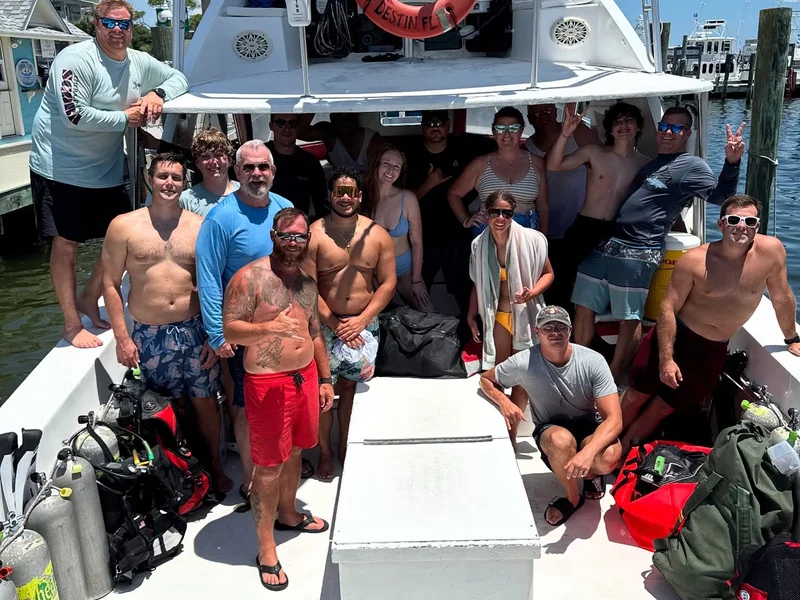
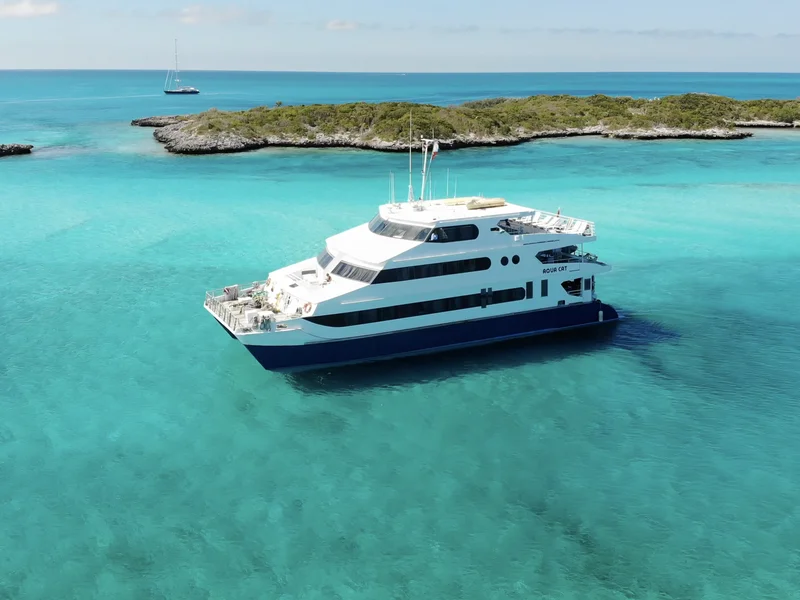
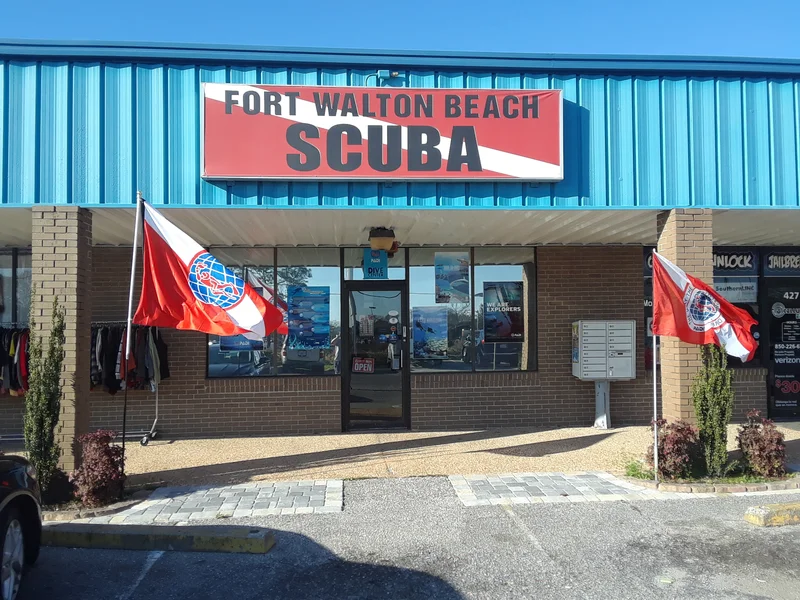
Dive Centers Near Valp #3
Today: 09:00 - 16:00
Nearest Airports
Nearest airports to help plan travel to this dive area.
Search Flights
Check available flights and routes on Expedia, using the nearby airports listed in this section.
Search Flights on ExpediaFrequently Asked Questions
What types of dive sites are available in the Gulf of Mexico near South Padre Island?
Dive sites primarily consist of artificial reefs and oil rig structures. Notable examples include the Texas Clipper, a 450 ft ship, and the RGV Reef which incorporates a 90-foot shrimp boat. These man-made structures create essential habitats in the sand and mud bottom.
What are the typical dive depths at these sites?
Depths vary widely to accommodate different skill levels. Some sites, like certain oil rigs, offer dives from 9 m (30 ft), while more advanced dives, such as the Texas Clipper, can reach depths of 40 m (130 ft).
Is scuba certification required for diving?
Yes, absolutely. All divers participating in trips must be scuba certified by an accredited training agency. Advanced level training and capabilities are also recommended for some of the more challenging dives.
What are the typical sea conditions in the Gulf of Mexico?
Conditions can be dynamic and unpredictable. Divers should be prepared for changing currents, variable sea states, and fluctuating visibility. Trips are always weather permitting for safety.
When is the best time to dive in this area?
The prime dive season generally runs from May through September, offering 'Good' dive scores. During this period, you'll experience warmer air temperatures, less rain, and lower wave heights, making for more comfortable diving experiences.
Are dive trips weather-dependent?
Yes, all dive trips are strictly weather permitting. For diver safety, operators typically do not take divers out if seas are 0.9-1.5 meters (3-5 feet) or above. It's advisable to check marine forecasts prior to your trip.
How far offshore are the dive sites located?
Dive sites in the Gulf of Mexico off South Padre Island are typically located an average of 15 to 17 miles from shore. This requires boat travel to access the sites.
Planning to dive Valp #3?
Send one inquiry and receive offers directly from the best verified local dive operators.
Conditions are Excellent
07:00 - 14:00
Optimal conditions expected
Current conditions near Valp #3 show 27° air, 30° sea temperature, 0.4 m waves, and 17 km/h wind. Forecast data is refreshed regularly to ensure accuracy.