
Diving at WM-LB-69 (United States)
Diving experiences across the United States vary greatly, with specific locations offering distinct underwater conditions. From the consistently warm waters of Florida's freshwater springs to the dynamic currents surrounding artificial reefs in the Atlantic, divers encounter a broad spectrum of environments. Diverse depths are accessible, ranging from recreational spring basins at 8 m (27 ft) to deep wreck dives extending to 46 m (150 ft).
Tonight's objective overview for WM-LB-69 shows an air temperature of 29.5°C. The measured surface conditions include wave heights around 0.4 m. This environmental data is logged for the close of the day.
Dive Site Location & Key Facts
Dive Site Overview
Divers exploring the diverse underwater world of the US will encounter a remarkable range of environments, shaped by both ancient geology and intentional human design. Natural spring systems, unique to areas like Florida, present clear freshwater challenges and rewards.
Alexander Springs, for example, features a broad, accessible basin that gradually deepens, while Manatee Springs descends along a steep limestone cliff to a distinctive cavern entrance. These subterranean formations often create strong flows, adding an exhilarating dimension to the dive. Contrasting with these natural wonders are extensive artificial reefs, deliberately placed to foster new marine ecosystems and attract divers.
The Eagle and Ophelia Brian freighters off the coast of Florida exemplify these efforts, forming complex structures that now teem with life. Further south, the Jupiter Wreck Trek combines multiple sunken vessels, often connected by consistent currents, allowing for engaging drift dives across several sites.
For a different freshwater experience, Paradise Springs, a privately owned sinkhole, provides a much deeper environment, while the shallower basins of Hart Springs cater to less experienced divers or those seeking extended bottom time in a more confined setting. Each site presents a distinct profile, from open sandy bottoms to intricate wreck penetrations, demanding varied approaches and skill sets.
Conditions are Good
07:00 - 14:00
Optimal conditions expected
Current conditions near WM-LB-69 show 30° air, 31° sea temperature, 0.6 m waves, and 16 km/h wind. Forecast data is refreshed regularly to ensure accuracy.
Best Time to Dive
Planning dives for optimum conditions usually directs attention toward the warmer months, ensuring a more comfortable and predictable experience. From May through September, air temperatures reliably sit between 24.5-29°C (76-84°F), contributing to generally pleasant surface intervals. During this period, sea states are often calmer; wave heights typically average between 0.7 to 0.9 meters, which is a key factor in achieving 'Good' dive scores. This allows for easier boat access to offshore sites and improved overall visibility. As the year progresses into winter, specifically from December to March, air temperatures cool to a range of 14.5-19°C (58-66°F). Expect slightly higher wave activity during these cooler months, leading to 'Moderate' dive scores more frequently. Regardless of the season, rainfall across these regions remains consistently low, generally below 6.5 mm per month, meaning weather-related postponements due to heavy rain are rare. Divers can still enjoy various sites year-round, but conditions are markedly more favorable in the late spring and summer.
PEAK SEASON SCORE
Scores combine air & water temps, waves, wind & rainfall for overall conditions.
BEST MONTHS TO DIVE
Monthly records compiled from satellite and marine observation nodes over the last 3 years. Data provided by Open-Meteo and MET Norway.
Dive Experience & Conditions
Navigating the varied underwater topography presents different challenges and rewards depending on the site. Strong currents can be a factor on specific wreck dives, like the Eagle or those along the Jupiter Wreck Trek, necessitating descents on mooring lines. Freshwater springs often feature strong flows emanating from vents at their deepest parts, as reported at Alexander Springs. Depths range significantly, from the shallow 2-6 m (7-20 ft) spring basins to deeper wreck and sinkhole environments extending to 46 m (150 ft). Visibility varies by location, often influenced by water flow and sediment.
Dive Difficulty & Safety Guidelines
Responsible diving across these diverse sites demands an understanding of specific local guidelines. For instance, entering overhead environments within springs, like the cavern at Manatee Springs, requires appropriate cave certification; dive lights are restricted without it.
Always respect reported strong currents at deeper wreck sites by utilizing mooring lines for descent and ascent. Be aware of the presence of local wildlife, including gators, which can be observed in some spring environments. Most sites require a valid open water dive card for scuba diving.
Recommended Equipment
- Dive Computer
This gear list is based on verified equipment signals for WM-LB-69, United States. Always confirm final gear choices with your dive operator, guide, or liveaboard.
Recommended Dive Suit
For dives of average duration, dive skin or rash guard usually provides sufficient protection from heat loss. A hood or vest is suggested for sensitive divers due to surface winds.
Current readings at WM-LB-69 show water temperatures near 31°C (87°F). Surface air temperatures are resting at 30°C (85°F).
A modest cooling trend is expected in the upcoming forecast. Cooler days are ahead; you might want a warmer option for later in the week. Having a second exposure option available is often a good precaution.
Due to technical issues with our weather providers, data hasn't been fetched for over 48 hours. The data above reflects the conditions at the time of the last successful fetch.
Emergency & Medical Support
Essential information to help you plan your dive trip to WM-LB-69.

Hyperbaric chambers are a critical part of dive safety infrastructure. Availability varies significantly by region, and not all dive areas have immediate access.
Before diving, it's recommended to:
- confirm nearest medical facilities
- check emergency procedures with local dive operators
- ensure dive insurance covers evacuation if required
Divers Alert Network
Diving emergency assistance available through DAN World.
+1-919-684-9111- 24/7 emergency hotline
- Diving medical assistance
- Evacuation coordination
Emergency contacts are provided for reference. Always verify local emergency services before diving.
Marine Life at WM-LB-69
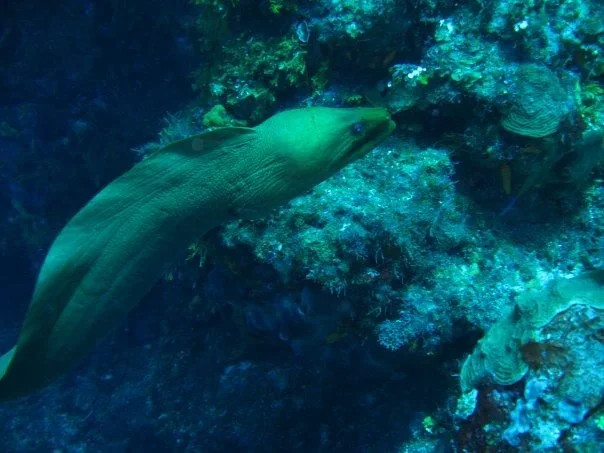
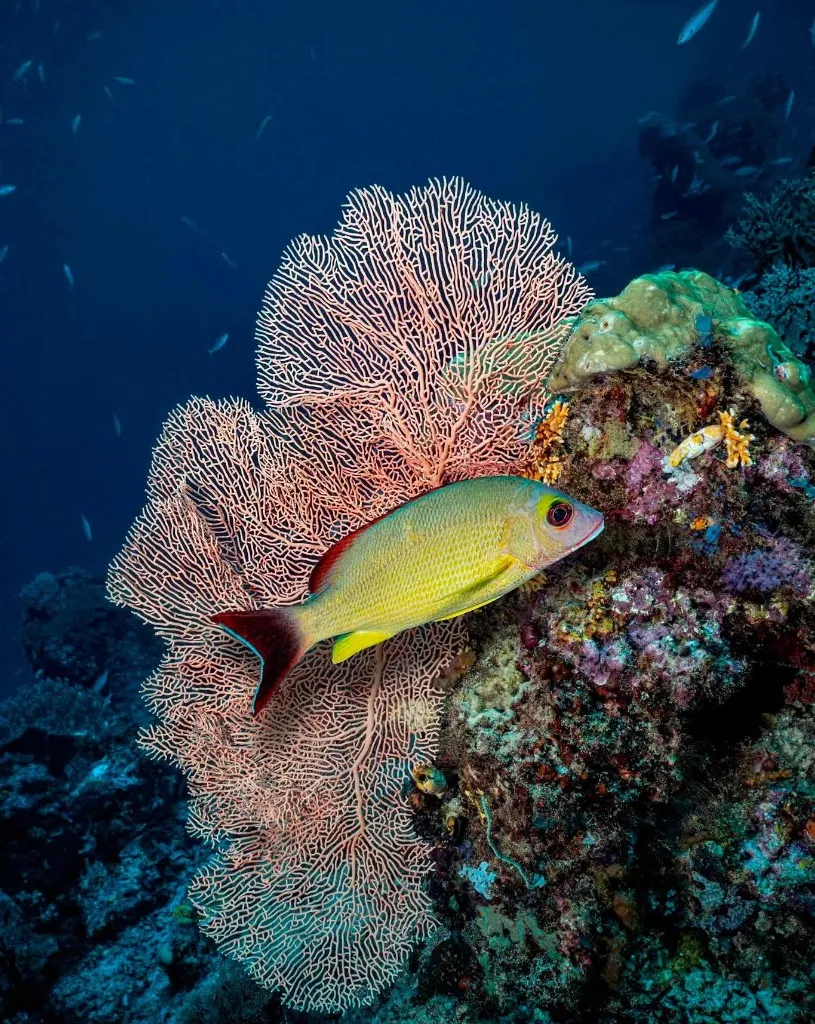
Amidst the varied underwater structures, diverse marine life thrives. Wreck sites like the Eagle, Ophelia Brian, and those comprising the Jupiter Wreck Trek act as artificial reefs, hosting healthy collections of sea fans, sponges, and brain coral.
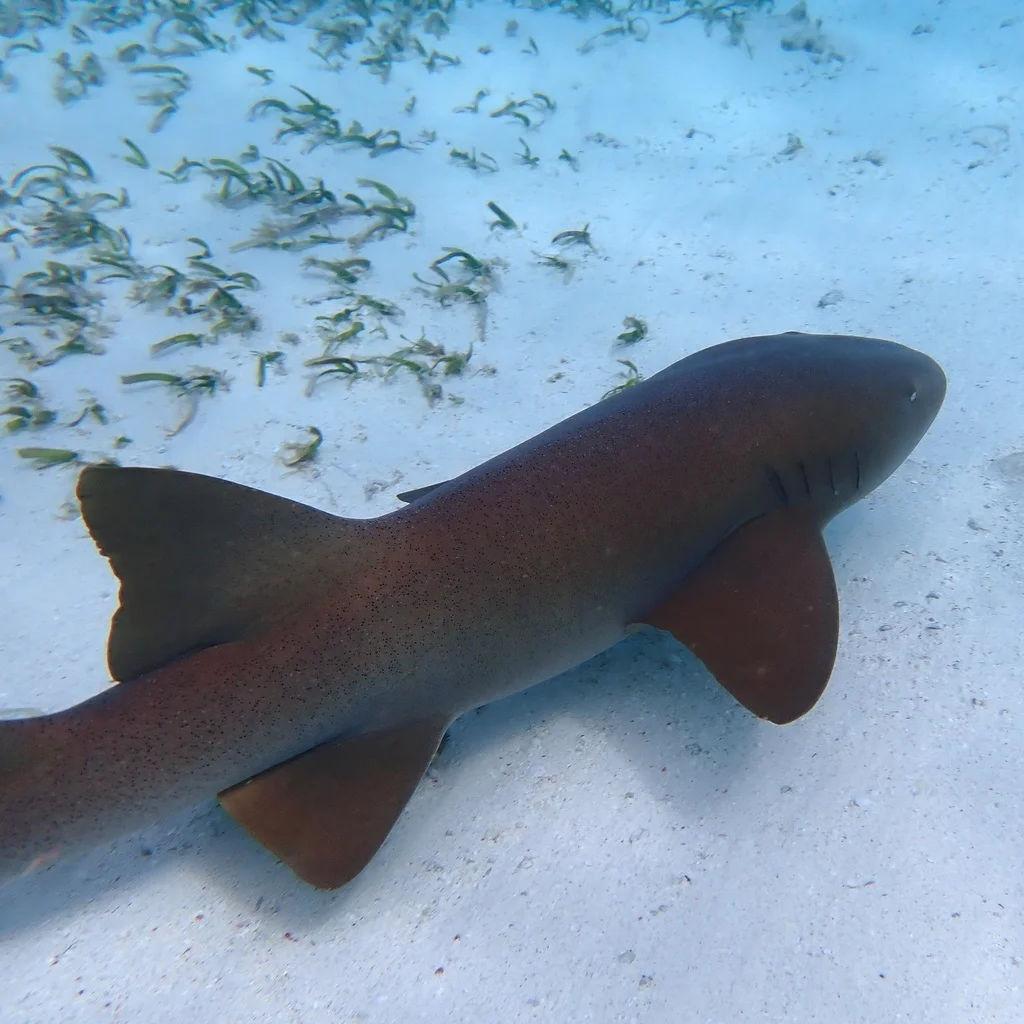
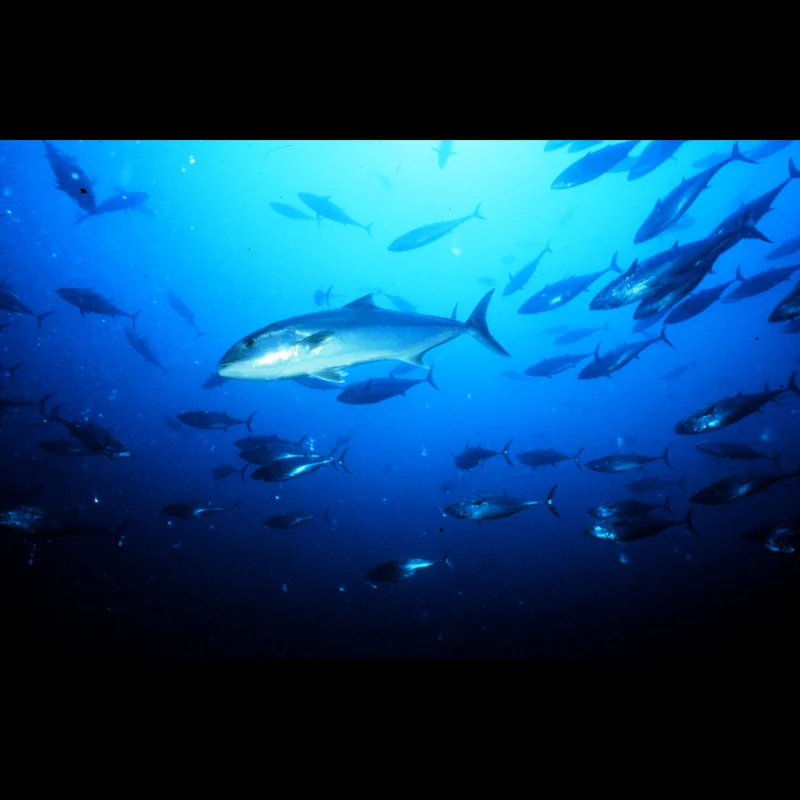
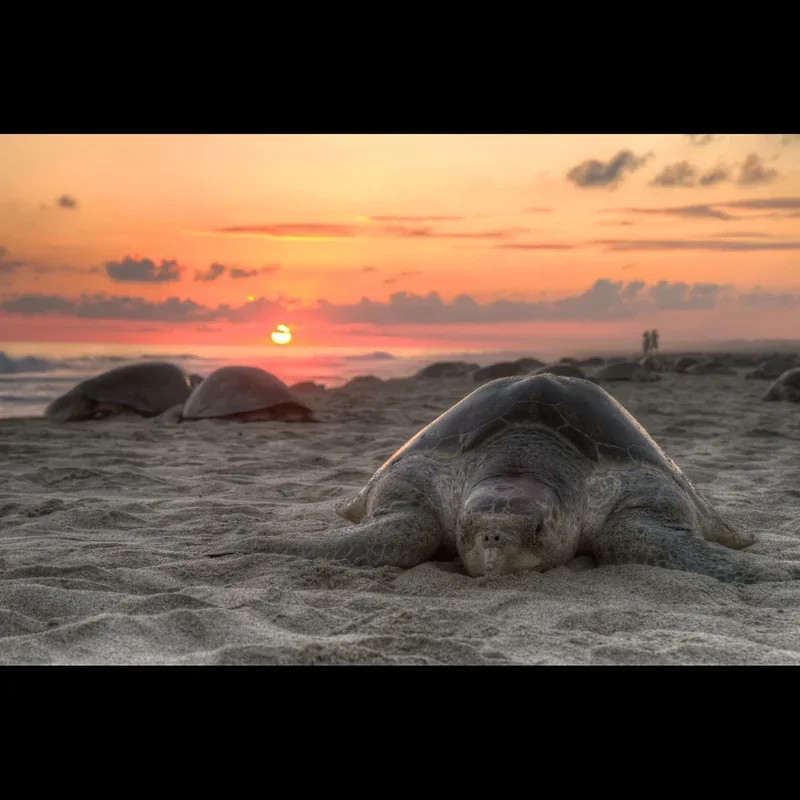
These structures attract numerous fish species including goatfish, grunts, moray eels, snapper, lobster, and Goliath groupers. Larger pelagic species like amberjacks, nurse sharks, cobia, sea turtles, and sting rays are also commonly observed.
Freshwater springs, while different, support their own ecosystems, with a notable chance to encounter gators in specific areas like Alexander Springs.
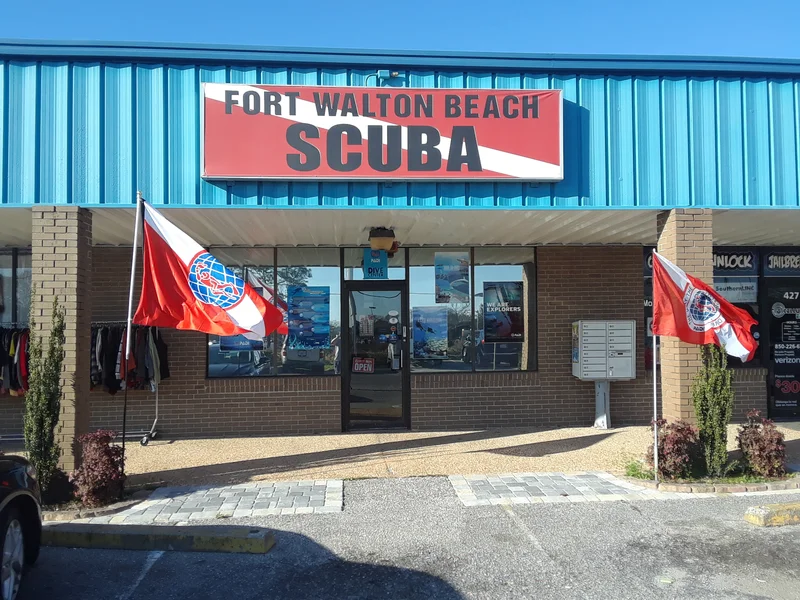
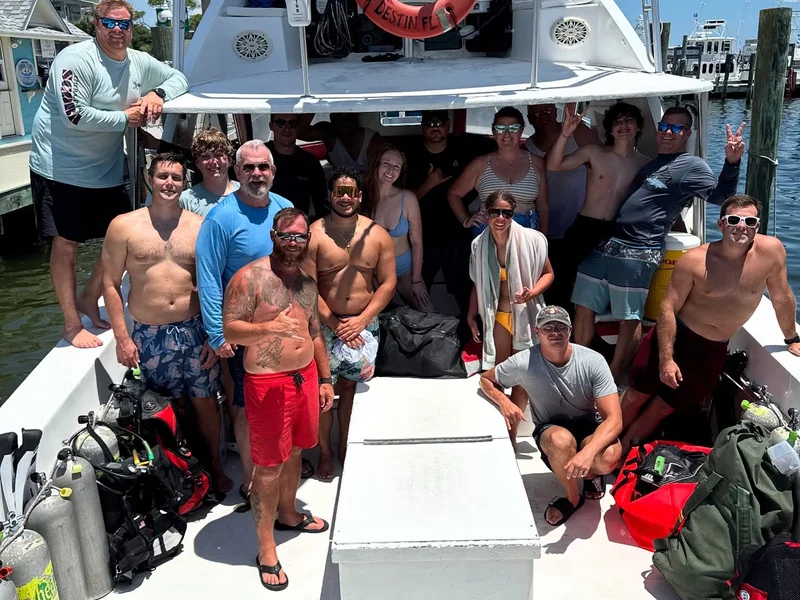
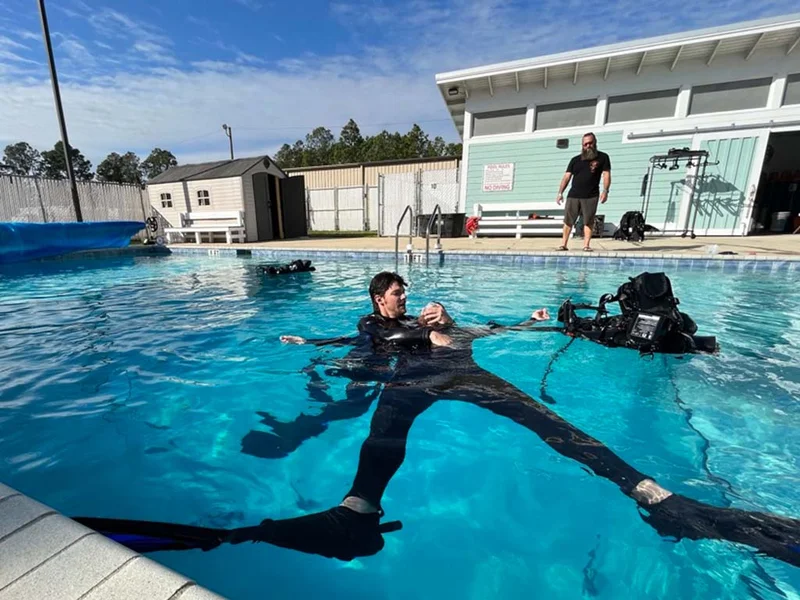
Dive Centers Near WM-LB-69
Today: 08:00 - 17:00
Nearest Airports
Nearest airports to help plan travel to this dive area.
Search Flights
Check available flights and routes on Expedia, using the nearby airports listed in this section.
Search Flights on ExpediaFrequently Asked Questions
What are the typical depth ranges for diving in US sites?
Dive depths in the US are highly varied. You'll find shallow freshwater springs, with basins ranging from 2-8 m (7-27 ft), alongside deeper sinkholes and ocean wrecks extending beyond 40 meters.
Are there strong currents to be aware of at these dive sites?
Yes, strong currents are present at several locations. Wreck dives, such as the Eagle, often experience significant currents, requiring divers to use mooring lines. Some springs also have strong flows from underwater vents.
Is specialized certification required for certain dives?
Absolutely. Sites like Manatee Springs prohibit dive lights in cavern entrances without cave certification. Always verify specific requirements, as an open water dive card is a baseline for most scuba activities.
What kind of marine life can be expected on wrecks?
Wrecks are vibrant artificial reefs attracting a wide array of marine life. Divers frequently observe goatfish, grunts, moray eels, various snapper, lobster, grouper, and hogfish, alongside corals and sponges. Larger species like amberjacks, nurse sharks, and Goliath groupers are also common.
Are gators a common sight in Florida springs?
While not guaranteed, there is a possibility of seeing gators in certain Florida spring environments, such as Alexander Springs. Divers should always be aware of their surroundings and respect local wildlife.
How do artificial reefs benefit the marine ecosystem?
Artificial reefs significantly boost local marine ecosystems by creating new homes and habitats for fish and other marine creatures. They also help divert diving pressure from natural reefs, promoting broader conservation.
Planning to dive WM-LB-69?
Send one inquiry and receive offers directly from the best verified local dive operators.
Conditions are Good
07:00 - 14:00
Optimal conditions expected
Current conditions near WM-LB-69 show 30° air, 31° sea temperature, 0.6 m waves, and 16 km/h wind. Forecast data is refreshed regularly to ensure accuracy.