
Diving at WM-LC-49 (United States)
Lake Champlain, a prominent freshwater body situated between Vermont and New York, holds a significant collection of underwater historical sites. Its submerged landscape features an array of well-preserved shipwrecks, offering a distinct freshwater wreck diving experience in the northeastern United States. This lake presents a historical tapestry beneath its surface.
Evening condition tracking at WM-LC-49 features an air temperature of 29°C. We have recorded wave heights measuring 0.4 m during this period. These figures outline the environmental parameters currently present.
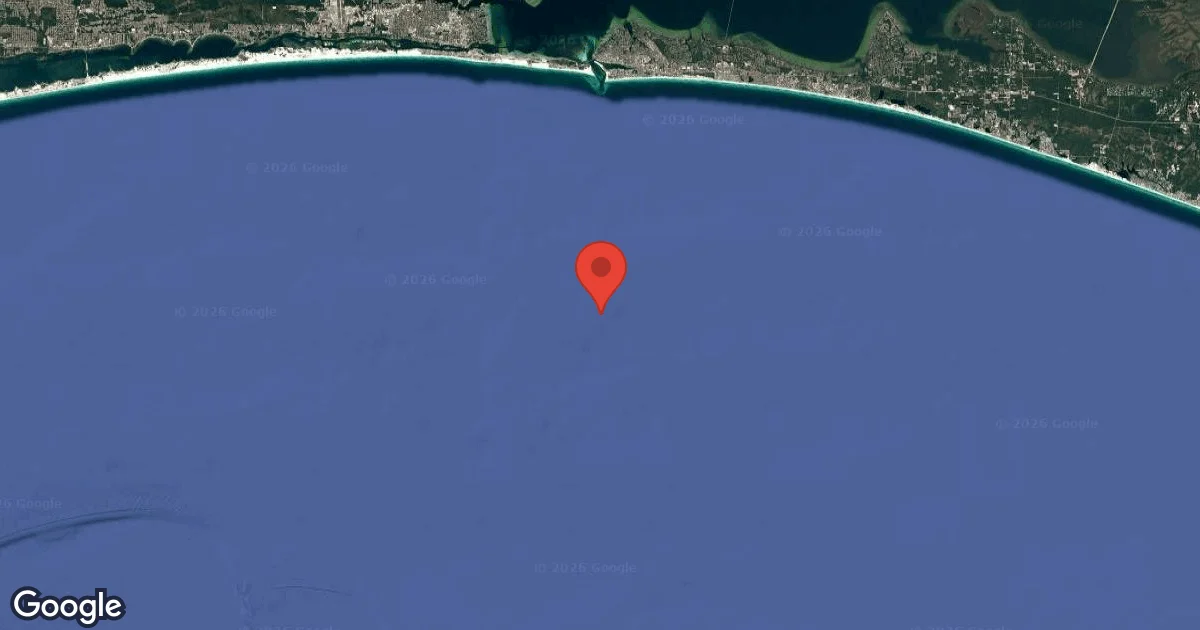
Dive Site Location & Key Facts
Dive Site Overview
Descend into the cool freshwater of Lake Champlain to explore a captivating underwater museum, where history lies preserved on the lakebed. Divers encounter a remarkable array of historical shipwrecks, many dating back to the Revolutionary War era.
This destination isn't merely about diving; it's an immersion into maritime heritage, with sites including the Standard Canal Boat A.R.Noyes, the Steamboat Champlain II, and the Sailing Canal Boat General Butler. Other notable wrecks include the Horse Ferry, the Sailing Canal Boat O.J.Walker, the Steamboat Phoenix, and the Tugboat U.S. La Vallee.
Each wreck presents a tangible link to past eras, showcasing the diverse vessels that once plied these waters. The Lake Champlain Maritime Museum (LCMM) and the Vermont Division for Historic Preservation (VT DHP) carefully manage these underwater historic preserves.
Divers must register online to access these sites, a process essential for both safety and preservation. For those seeking deeper knowledge, a PADI Distinctive Specialty course, "The Wrecks of Lake Champlain," is available, taught by a recognized expert in the field.
Conditions are Excellent
07:00 - 14:00
Optimal conditions expected
Current conditions near WM-LC-49 show 29° air, 30° sea temperature, 0.5 m waves, and 18 km/h wind. Forecast data is refreshed regularly to ensure accuracy.
Best Time to Dive
Planning a dive in Lake Champlain should account for seasonal patterns, which significantly influence conditions and visibility. May through September generally provide the most favorable diving conditions, reflected by "Good" dive scores. During these months, average air temperatures range from 24.5°C (76°F) in May to 29°C (84°F) in August, creating comfortable surface intervals. Wave heights also tend to be lower, averaging around 0.7 to 0.9 meters (2.3 to 3.0 ft), which can contribute to better water clarity and easier boat operations. While specific water temperature data isn't consistently reported, freshwater lakes like Champlain typically experience warmer surface waters in summer, with cooler temperatures at deeper sections. Outside this period, from October to April, dive conditions are moderate. Air temperatures drop to between 14°C (57°F) and 23.5°C (74°F), and wave heights increase, averaging 1.1 to 1.3 meters (3.6 to 4.3 ft). Rain levels remain relatively low year-round, typically ranging from 3.0 to 6.4 mm (0.12 to 0.25 inches) per month.
PEAK SEASON SCORE
Scores combine air & water temps, waves, wind & rainfall for overall conditions.
BEST MONTHS TO DIVE
Monthly records compiled from satellite and marine observation nodes over the last 3 years. Data provided by Open-Meteo and MET Norway.
Dive Experience & Conditions
A distinct freshwater diving experience awaits in Lake Champlain, primarily focused on exploring its meticulously preserved shipwrecks. Conditions in the lake vary; currents aren't consistently reported as a dominant factor, though localized flows around structures are always possible. Water clarity fluctuates depending on recent weather and seasonal changes, but many wrecks are situated in depths where visibility can be good. Divers should anticipate colder water, especially in deeper sections or outside peak summer months, due to the nature of a large freshwater body. Appropriate thermal protection is generally needed. Absence of tidal currents simplifies navigation, allowing divers to focus on the intricate details of historical artifacts. Each site, from a humble canal boat to a majestic steamboat, presents a historical narrative to uncover. Diving here prioritizes careful observation and appreciation for maritime history over dynamic current challenges.
Dive Difficulty & Safety Guidelines
Approaching wreck dives in Lake Champlain involves adherence to specific regulations designed to preserve these valuable historical sites. A primary challenge for divers is ensuring compliance with the mandatory registration requirement set forth by the Lake Champlain Maritime Museum (LCMM) and the Vermont Division for Historic Preservation (VT DHP). Online registration is critical before any dives commence.
Wrecks are delicate artifacts, some dating back centuries, demanding respectful interaction from divers. Strict "look but don't touch" policies are in effect, prohibiting the removal of any objects or disturbance of the wreck sites.
Proper wreck diving techniques, including buoyancy control, are essential to prevent accidental contact. Understanding these as archaeological sites is crucial, as their integrity relies on responsible diver behavior.
Divers should be adequately trained for cold water and overhead environments if planning penetration dives, although many wrecks are accessible without specialized penetration skills.
Recommended Equipment
- Dive Computer
This gear list is based on verified equipment signals for WM-LC-49, United States. Always confirm final gear choices with your dive operator, guide, or liveaboard.
Recommended Dive Suit
Dive skin or rash guard usually provides adequate warmth in water around this temperature. For divers entering the water at WM-LC-49, temperatures are currently hovering around 30°C (85°F). Surface air temperatures are resting at 29°C (84°F).
Weather models currently point toward consistent diving conditions over the next several days.
Conditions can vary slightly across different parts of the same dive site.
Emergency & Medical Support
Essential information to help you plan your dive trip to WM-LC-49.

Hyperbaric chambers are a critical part of dive safety infrastructure. Availability varies significantly by region, and not all dive areas have immediate access.
Before diving, it's recommended to:
- confirm nearest medical facilities
- check emergency procedures with local dive operators
- ensure dive insurance covers evacuation if required
Divers Alert Network
Diving emergency assistance available through DAN World.
+1-919-684-9111- 24/7 emergency hotline
- Diving medical assistance
- Evacuation coordination
Emergency contacts are provided for reference. Always verify local emergency services before diving.
Marine Life at WM-LC-49
Lake Champlain's underwater landscape is primarily defined by its historical shipwrecks, which serve as the main attraction for divers. Submerged structures have become foundational elements in the lake's ecosystem, providing surfaces for algae and habitat for various aquatic species.
While the focus isn't on large pelagic encounters, divers may observe various freshwater fish species that inhabit and patrol the wrecks. Smaller invertebrates and crustaceans also find refuge and sustenance within the wrecks' timbers and metal structures.
Natural tranquility of the lake's freshwater environment allows for careful observation of these secondary inhabitants, complementing the primary exploration of maritime history.
Dive Sites Near WM-LC-49
View all dive sites in United StatesDiscover more underwater gems in this area.
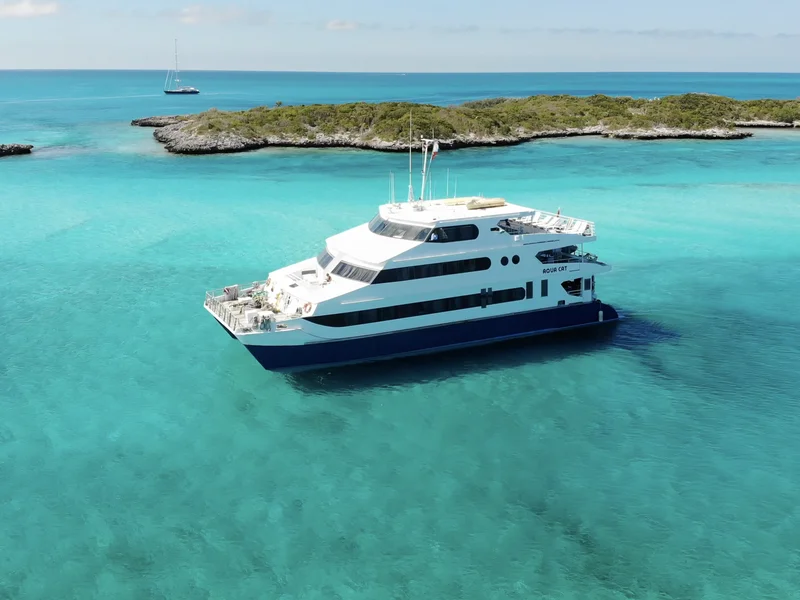
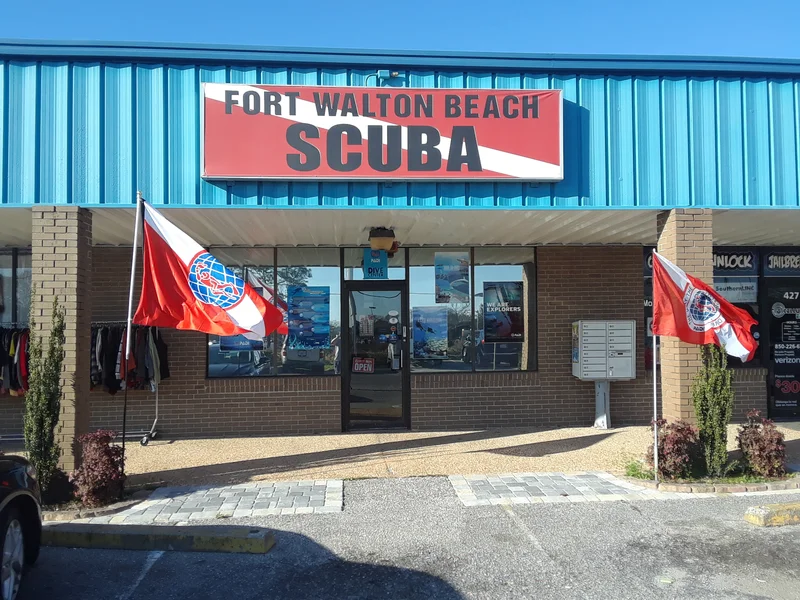
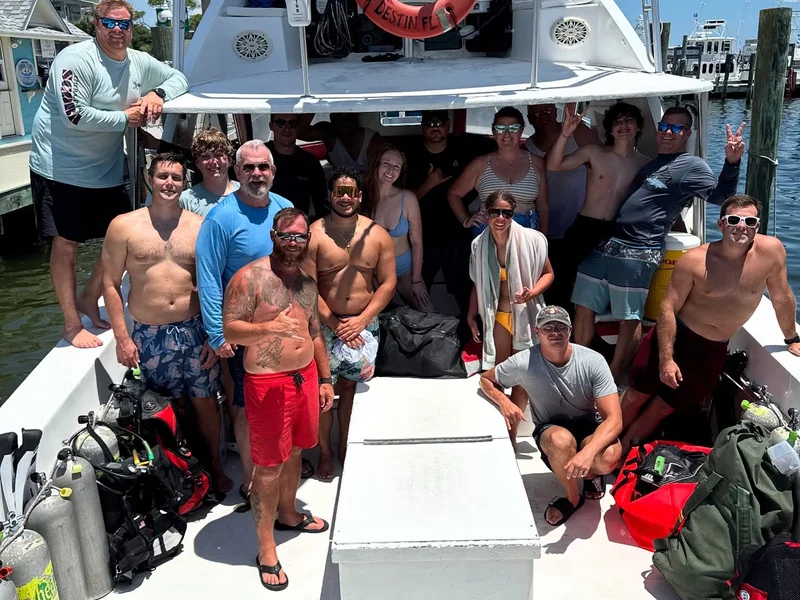
Dive Centers Near WM-LC-49
Today: Closed
Nearest Airports
Nearest airports to help plan travel to this dive area.
Search Flights
Check available flights and routes on Expedia, using the nearby airports listed in this section.
Search Flights on ExpediaFrequently Asked Questions
What types of wrecks are available to dive in Lake Champlain?
Lake Champlain hosts a variety of historical wrecks, including canal boats like the A.R.Noyes and O.J.Walker, steamboats such as the Champlain II and Phoenix, a horse ferry, a tugboat (U.S. La Vallee), and the Lake Schooner Water Witch. These sites span different eras of maritime history on the lake.
Is registration required to dive these wrecks?
Yes, divers must register to dive the wrecks in Lake Champlain. Registration can be completed online through the Lake Champlain Maritime Museum (LCMM) Underwater Historic Preserves page.
Where can divers find detailed information about Lake Champlain wrecks?
Detailed information, rules, and guidelines for diving these historical sites are available at the Lake Champlain Maritime Museum (LCMM) Underwater Historic Preserves page and the Vermont Division for Historic Preservation (VT DHP) Underwater Historic Preserves page.
Is there a specialty course for diving Lake Champlain wrecks?
Yes, there is a PADI Distinctive Specialty course titled "The Wrecks of Lake Champlain." It's specifically designed to educate divers on the unique aspects of these sites.
What are the typical diving conditions in Lake Champlain?
Lake Champlain offers freshwater diving. While water temperatures are not consistently reported, divers should expect cooler conditions, especially at depth, and prepare with appropriate thermal protection. Visibility can vary with seasonal changes and weather.
When is the best time of year to dive Lake Champlain?
The most favorable diving conditions generally occur from May through September. During these months, air temperatures are warmer, and wave heights tend to be lower, which contributes to more comfortable and potentially clearer dives.
Are there any specific marine life highlights at the Lake Champlain wrecks?
The primary highlight is the historical wrecks themselves, which form artificial reefs in the freshwater environment. Divers may observe various freshwater fish species and invertebrates inhabiting the structures.
Planning to dive WM-LC-49?
Send one inquiry and receive offers directly from the best verified local dive operators.
Conditions are Excellent
07:00 - 14:00
Optimal conditions expected
Current conditions near WM-LC-49 show 29° air, 30° sea temperature, 0.5 m waves, and 18 km/h wind. Forecast data is refreshed regularly to ensure accuracy.