
Diving at Wreck of the USS San Diego (United States)
Successfully navigating the USS San Diego wreck off Fire Island, New York, demands careful preparation and advanced diving skills. This World War I armored cruiser rests inverted at an intermediate depth, presenting a complex exploration opportunity. Its historical significance and challenging structure draw experienced divers eager to explore a preserved piece of naval history. Planning a dive here involves considering the wreck's unique orientation and environmental factors.
Tonight's objective overview for Wreck of the USS San Diego shows an air temperature of 26°C. The measured surface conditions include wave heights around 0.6 m. This environmental data is logged for the close of the day.
Dive Site Location & Key Facts
Dive Site Overview
Beneath the Atlantic waters off Fire Island, New York, lies the USS San Diego (CA-6), an armored cruiser lost to a German mine in 1918. This significant wreck sits in 110 ft (33.5 m) of water, offering a substantial dive for certified enthusiasts.
Upon sinking, the ship capsized, settling completely upside down on the seabed; this 'turtle' position means much of its upper structure is crushed or buried under silt. Following its sinking, naval vessels mistakenly attacked the wreck with bombs, believing it to be a German U-boat, adding to the damage over time.
Despite the degradation, the USS San Diego remains a popular and well-documented diving site, providing ample opportunity for exploration. Crevases within the wreck offer protection to various marine organisms, making it a living monument.
Conditions are Good
Optimal conditions expected
Current conditions near Wreck of the USS San Diego show 26° air, 23° sea temperature, 0.9 m waves, and 33 km/h wind. Forecast data is refreshed regularly to ensure accuracy.
Best Time to Dive
Selecting the optimal time for a dive on the USS San Diego depends heavily on seasonal weather variations. While conditions are generally rated as 'Moderate' throughout much of the year, August stands out with a 'Good' dive score. During this month, air temperatures average around 22.5°C (72°F), accompanied by minimal rainfall (approximately 2.9 mm) and lower average wave heights, typically around 1.2 m (3.9 ft). Conversely, winter months, such as January, February, and March, present considerably colder air temperatures, ranging from 1.5°C to 5.5°C (42°F)to 42.3°F). These cooler periods often coincide with higher wind speeds, exceeding 35 km/h (21.7 mph), and increased wave activity, reaching up to 1.5 m (4.9 ft), making dive conditions more challenging.
PEAK SEASON SCORE
Scores combine air & water temps, waves, wind & rainfall for overall conditions.
BEST MONTHS TO DIVE
Monthly records compiled from satellite and marine observation nodes over the last 3 years. Data provided by Open-Meteo and MET Norway.
Dive Experience & Conditions
Exploring the USS San Diego wreck means descending to its maximum depth of 110 ft (33.5 m), positioning it firmly within recreational limits but requiring careful planning. As an intermediate-level dive, it necessitates solid buoyancy control and wreck diving experience due to the vessel's inverted posture. The ship lies 'turtle' on the sea floor, meaning the boat deck and superstructure are either crushed or deeply embedded in silt. Divers must be mindful of potential silt disturbances, which can significantly reduce visibility. While specific visibility values for the San Diego are not consistently reported, local conditions often dictate how clear the water will be on any given day. The surrounding waters are known to host abundant large marine life, adding to the visual experience.
Dive Difficulty & Safety Guidelines
Diving the USS San Diego, classified as an intermediate difficulty site, requires divers to prioritize specific safety considerations. Given the maximum depth, proper decompression planning and air management are crucial. The wreck's inverted and damaged state means overhead environments and entanglement hazards exist, especially for divers who might attempt penetrations.
Significant silt accumulation inside and around the wreck can drastically reduce visibility if disturbed, emphasizing the need for excellent finning techniques and situational awareness. Always ensure you are certified for deep wreck diving and consider carrying appropriate signaling devices and a primary cutting tool.
Recommended Equipment
Overhead / entanglement risk. Wreck penetration requires proper training.
- Dive Computer
- DSMB
- Primary & Backup Lights
- Wreck Reel
- Cutting Tool
This gear list is based on verified equipment signals for Wreck of the USS San Diego, United States. Always confirm final gear choices with your dive operator, guide, or liveaboard.
Recommended Dive Suit
Divers who spend more time observing marine life often prefer slightly warmer gear.
The water around Wreck of the USS San Diego is currently holding at approximately 23°C (74°F), setting the tone for today's dives. Surface air temperatures are resting at 26°C (79°F). Water temperatures in this range are often well suited to diving with 3-5mm wetsuit. A hood or vest is suggested for sensitive divers due to surface winds.
A modest cooling trend is expected in the upcoming forecast. A significant temperature drop is forecast; strongly suggest bringing a backup warmer suit option. A thicker wetsuit may be worth considering for extended dives.
Emergency & Medical Support
Essential information to help you plan your dive trip to Wreck of the USS San Diego.

Hyperbaric chambers are a critical part of dive safety infrastructure. Availability varies significantly by region, and not all dive areas have immediate access.
Before diving, it's recommended to:
- confirm nearest medical facilities
- check emergency procedures with local dive operators
- ensure dive insurance covers evacuation if required
Divers Alert Network
Diving emergency assistance available through DAN World.
+1-919-684-9111- 24/7 emergency hotline
- Diving medical assistance
- Evacuation coordination
Emergency contacts are provided for reference. Always verify local emergency services before diving.
Marine Life at Wreck of the USS San Diego
Despite its challenging environment, the USS San Diego wreck serves as an artificial reef, fostering a surprisingly rich ecosystem. The surrounding waters are abundant in various larger marine life species.
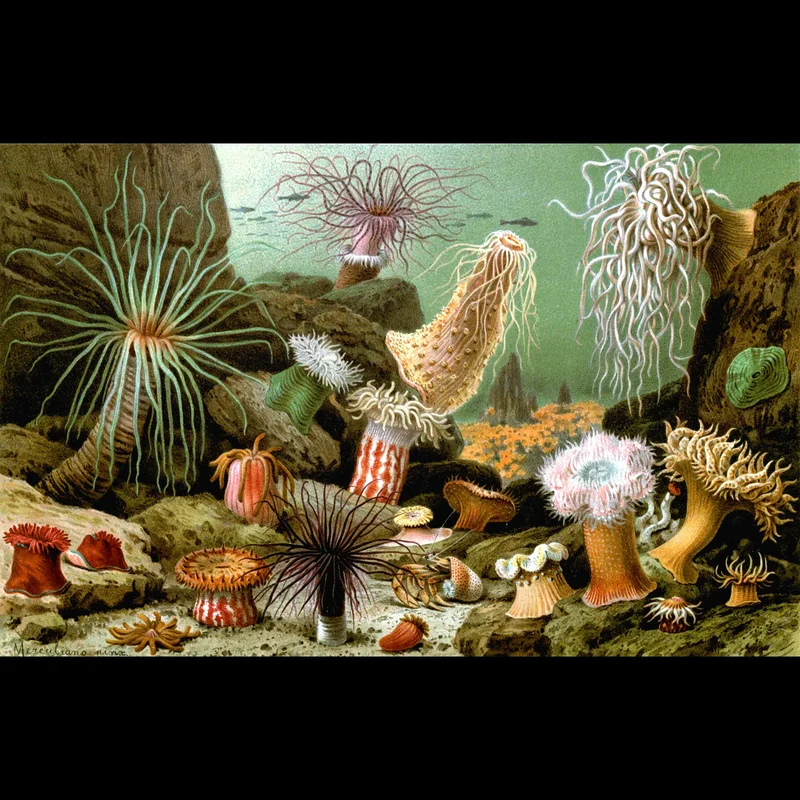
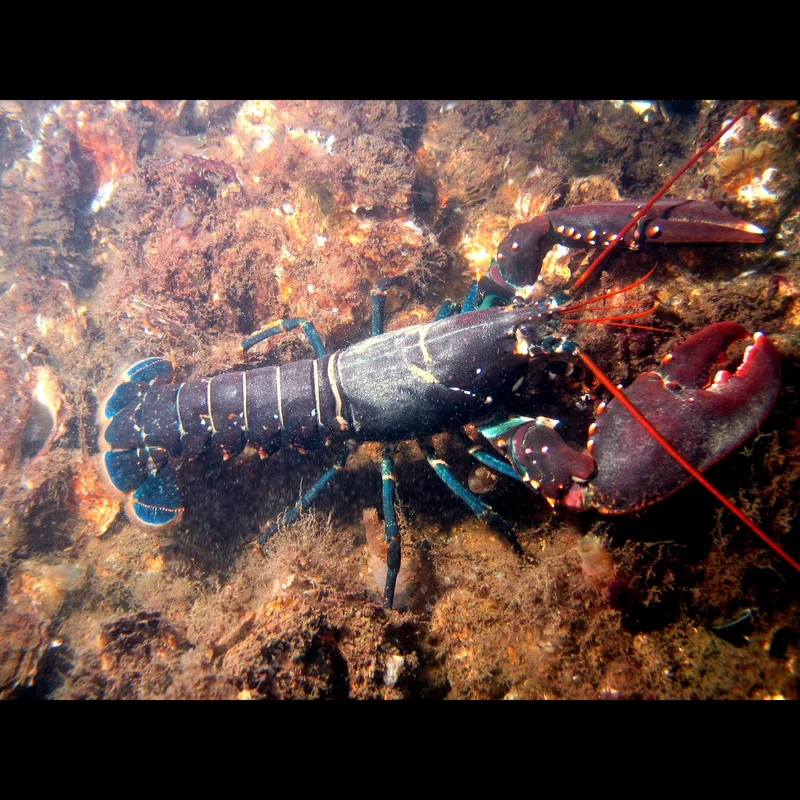
Crevases and protected areas within the wreck structure offer refuge and habitat for numerous creatures. Divers commonly observe anemones clinging to the metal, along with lobsters seeking shelter in nooks.
Various fish species also congregate around the wreck, utilizing its complex structure for protection and feeding opportunities, making the site vibrant.
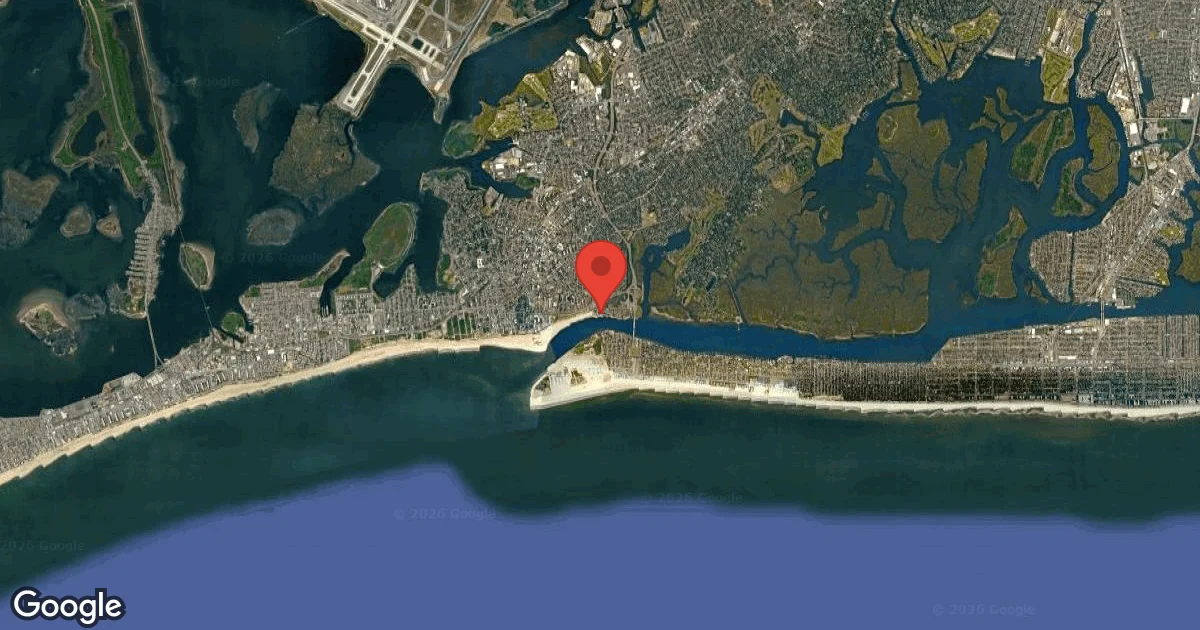
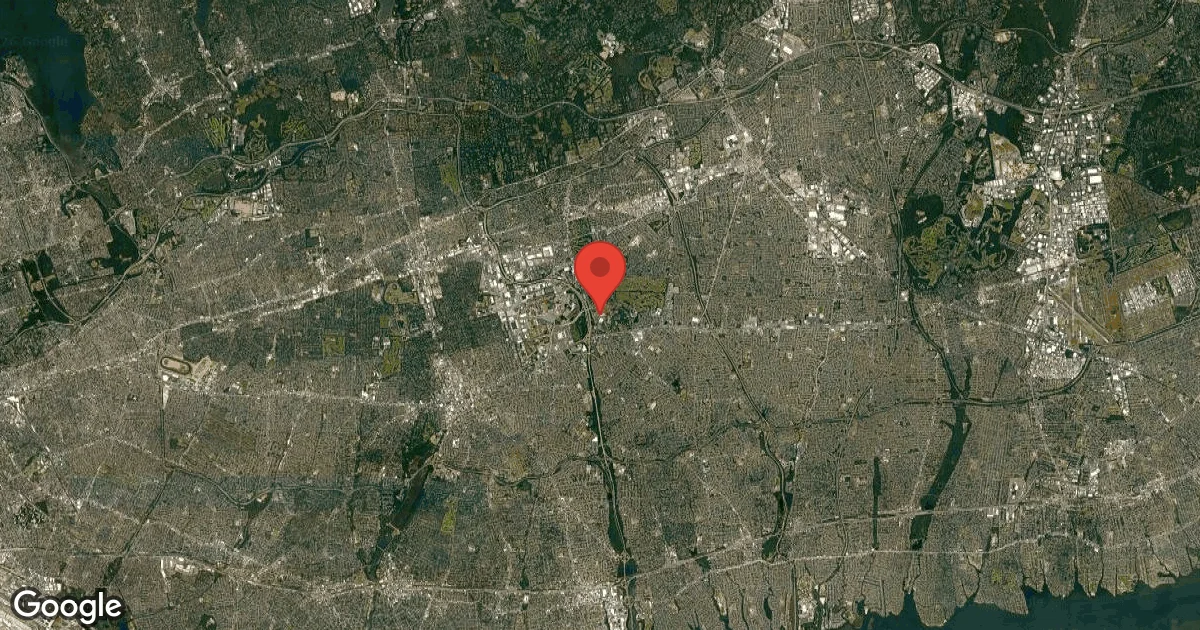
Dive Sites Near Wreck of the USS San Diego
View all dive sites in United StatesDiscover more underwater gems in this area.
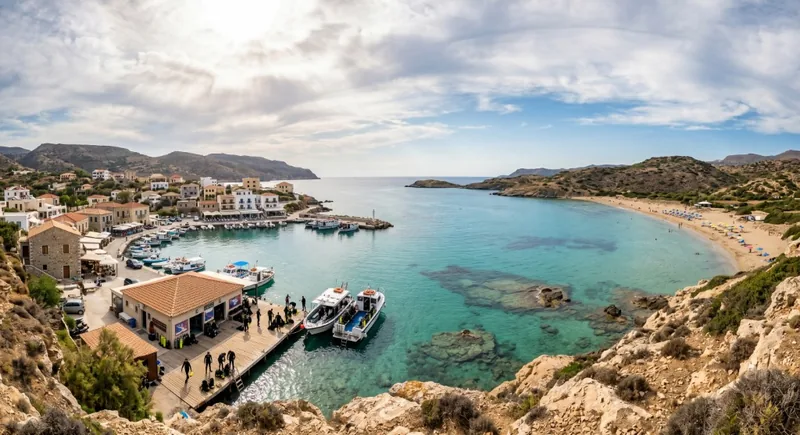
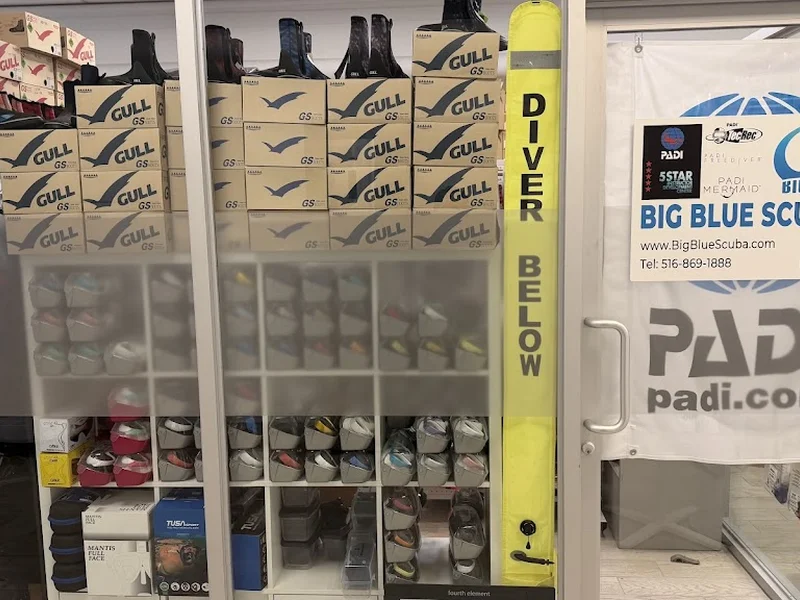
Dive Centers Near Wreck of the USS San Diego
Nearest Airports
Nearest airports to help plan travel to this dive area.
Search Flights
Check available flights and routes on Expedia, using the nearby airports listed in this section.
Search Flights on Expedia
Plan Your Stay
Looking for a place to stay for your dive trip? Explore hotels, stays, and vacation rentals for dive groups near Point Lookout.
Dive Navigator may earn a commission from these links at no extra cost to you.
Frequently Asked Questions
Where is the Wreck of the USS San Diego located?
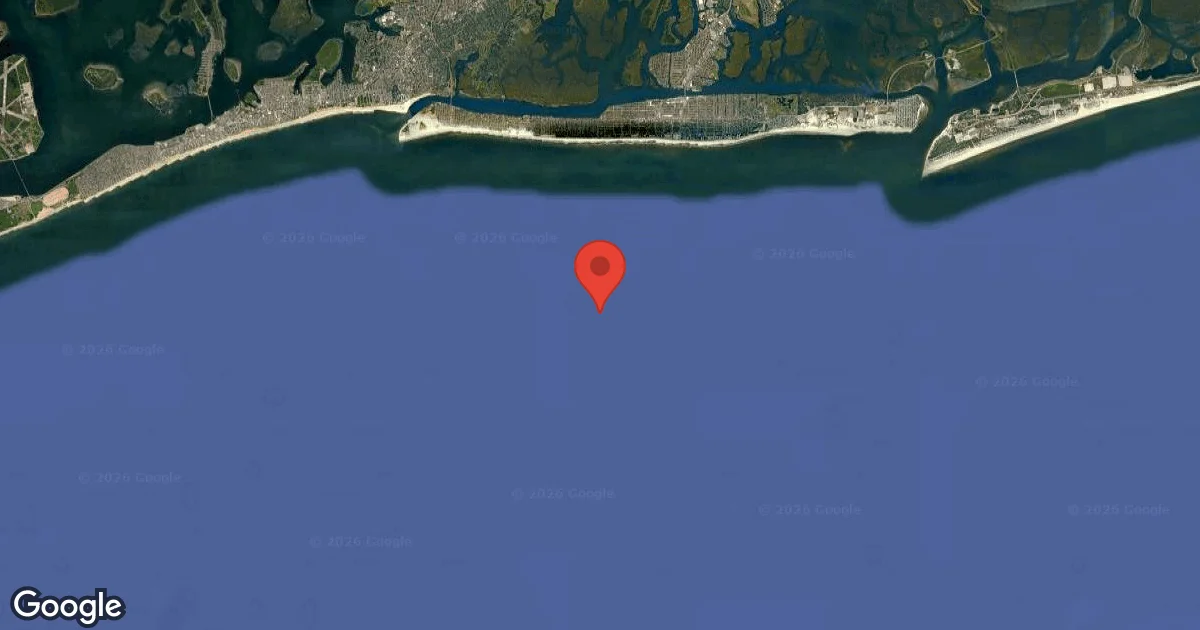
The USS San Diego (CA-6) wreck lies off Cherry Grove on Fire Island, New York. It is situated in the Atlantic Ocean, making it an offshore boat dive accessible from the New York coast.
What is the depth of the USS San Diego wreck?
Sitting at approximately 110 ft (33.5 m) of water, the USS San Diego wreck is an intermediate dive. Such depths require appropriate certification and experience.
What is the wreck's orientation on the seabed?
Upon sinking, the USS San Diego capsized, settling completely upside down on the sea floor. Its inverted, or 'turtle,' position means much of the superstructure is either crushed or buried in silt.
What caused the USS San Diego to sink?
The USS San Diego was sunk by a German mine in 1918 during World War I. Unfortunately, naval vessels later attacked the wreck with bombs, mistaking it for a German U-boat, adding to its damage.
What kind of marine life can be observed on the wreck?
The wreck functions as an artificial reef, attracting a variety of marine life. Divers can expect to see anemones, lobsters, and numerous fish species utilizing the wreck's crevices and structure for shelter and food.
Is the USS San Diego suitable for beginner divers?
No, the USS San Diego is rated as an intermediate difficulty dive. Its depth of 110 ft (33.5 m) and inverted, damaged structure require experience in wreck diving, deep diving certification, and excellent buoyancy control.
When is the best time of year to dive the USS San Diego?
August generally offers the best diving conditions, with moderate wave heights, lower wind speeds, and warmer air temperatures around 22.5°C (72°F). Other months are typically rated as 'Moderate' but may present colder air temperatures and rougher surface conditions.
Planning to dive Wreck of the USS San Diego?
Send one inquiry and receive offers directly from the best verified local dive operators.
Conditions are Good
Optimal conditions expected
Current conditions near Wreck of the USS San Diego show 26° air, 23° sea temperature, 0.9 m waves, and 33 km/h wind. Forecast data is refreshed regularly to ensure accuracy.