Diving in Bulgaria
Across Bulgaria, underwater environments vary, creating a range of diving conditions to consider. We currently feature 6 mapped dive sites across Bulgaria.
Exploring Bulgaria's Black Sea coast provides a dive experience distinct from tropical destinations, primarily facilitated by established dive centers. Operations are generally shore-based or involve brief boat excursions from key locations like Sozopol and Varna. This logistical setup ensures straightforward access to a range of sites, from shallow areas suitable for new divers to more complex, deeper wreck explorations.
The underwater topography here blends natural features with historical elements. Divers can investigate dramatic underwater cliffs, discover unique stone forests, and explore a notable collection of historical shipwrecks. The Black Sea environment offers a different kind of aquatic adventure.
Though not home to vast coral reefs, these waters support a specific ecosystem. Encounters with marine life often include seahorses, crabs, Black Sea turbot, sprat, and mackerel. Periodic sightings of dolphins and rare sea turtles also enhance the overall experience, drawing divers interested in a combination of history and specialized Black Sea biodiversity.
Dive Map of Bulgaria
To effectively plan a diving trip in Bulgaria, utilizing a dive map is key for understanding the geographical spread of sites. The map helps divers pinpoint clusters of dive locations relative to major coastal towns and resorts, streamlining logistics for daily excursions.
Key regions, such as the Southern Black Sea Coast around Sozopol and the Northern Black Sea Coast near Varna, feature prominent dive sites. Identifying these hubs on a map allows for efficient planning, whether you're interested in exploring wrecks like the Rodina or the Russian destroyer "Lieutenant Pushchin," or natural formations such as the Underwater Stone Forest.
This visual aid is particularly useful for connecting dive sites with nearby accommodation and transportation, ensuring divers can maximize their time underwater. Popular spots like Cape Kaliakra and St. Ivan Island are easily located, providing context for trip itineraries.
Dive Sites to Explore
View all 6 sites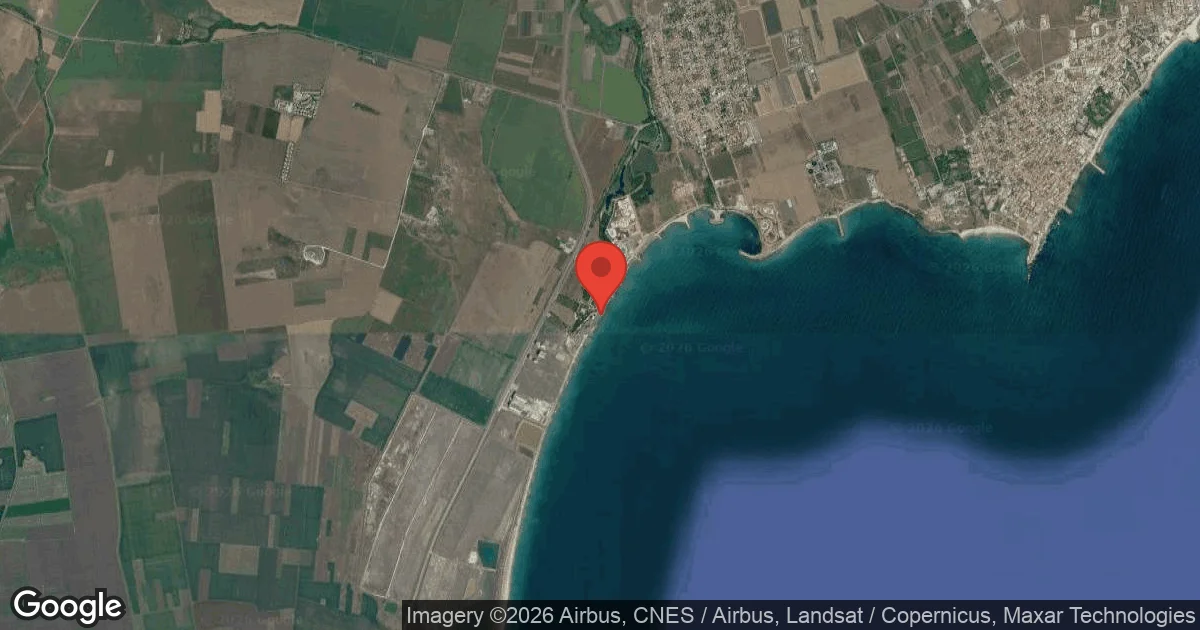
Bulgaria's Black Sea coast offers a diverse range of dive sites, primarily clustered around its northern and southern regions, each presenting unique underwater landscapes and historical artifacts. From shallow, accessible spots ideal for beginners to deep, challenging wrecks, the country caters to various certification levels.
Along the Southern Black Sea Coast, particularly near Sozopol and Burgas, divers can explore several historical wrecks. The Rodina Wreck, lying at 40 m (130 ft) depth, is a notable site for experienced divers, known for its significant displacement. Another popular wreck is the Wreck Pioneer, an intentionally submerged fishing ship around 30 m (100 ft) deep, which has become an artificial reef. Near Burgas, the Wreck of the Mopang offers a historical journey into a World War I shipwreck. For easier access, sites like the Underwater Stone Forest near Chernomorec provide a unique geological experience with entry from the beach and a maximum depth of 17 m (56 ft), suitable for Open Water Divers.
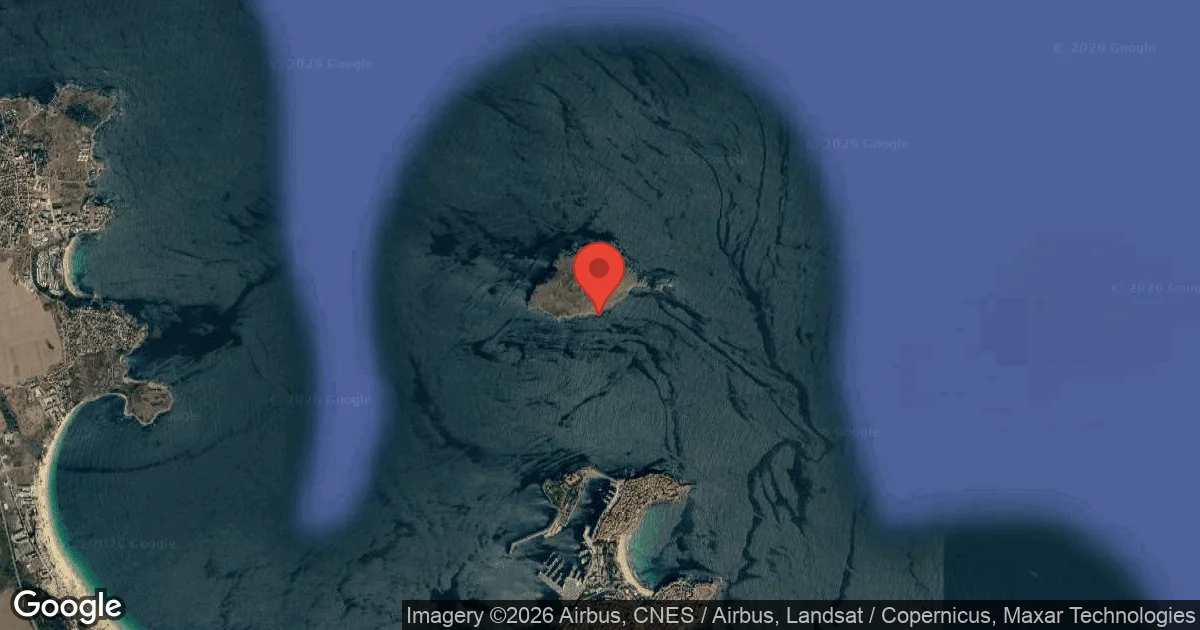
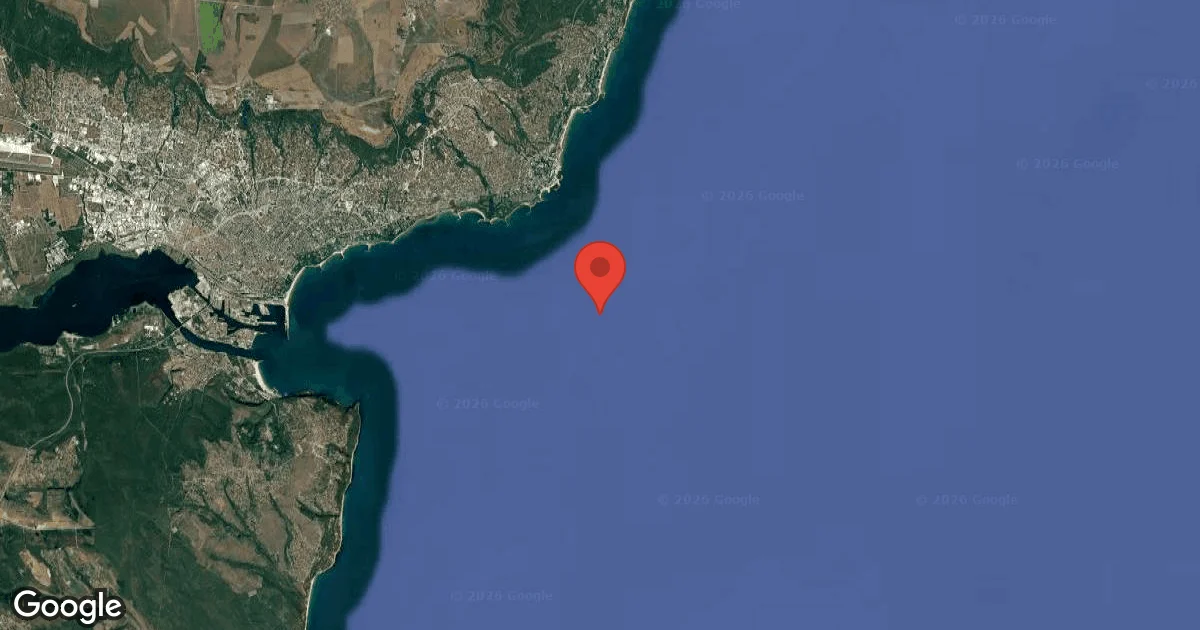
Further north, around Varna and Cape Kaliakra, the dive landscape shifts to dramatic underwater cliffs and additional wreck sites. The Russian destroyer "Lieutenant Pushchin" is a significant wreck lying at 33 m (108 ft) depth, broken in two, offering an advanced dive. Cape Kaliakra itself is known for its underwater cliffs and biodiversity. For those seeking unique natural formations, Tyulenovo Caverns and Goat Cave near St. Ivan Island provide thrilling cave and cavern diving, with Goat Cave accessible to Open Water Divers at 18 m (59 ft). Visibility across these sites generally ranges from 5 to 20 m (16 to 66 ft), depending on local conditions.
Best Time to Dive in Bulgaria
Optimal diving conditions in Bulgaria's Black Sea are primarily seasonal, offering the best combination of visibility, calm currents, and comfortable weather. The main diving season typically runs from late May to September, aligning with warmer temperatures and peak underwater clarity.
Spring and autumn, specifically April to mid-June and into November, can also provide excellent diving opportunities. During these shoulder seasons, divers often experience calm waters and good visibility, though water temperatures will be cooler. The period from April to mid-June is particularly noted for seahorse sightings in specific areas like Seahorse Alley. Summer, between June and September, brings the warmest water temperatures and generally the best overall conditions for extended dives, with opportunities for occasional dolphin sightings.
While currents are generally mild along the Bulgarian coast, certain areas may require attention to waves and currents, especially near large rock formations. Visibility can vary from 5 to 20 m (16 to 66 ft) depending on the site and prevailing weather, making the summer months the most reliable for clearer conditions.
Monthly Sea Temperatures
The sea temperature in Bulgaria's Black Sea significantly dictates diver comfort and wetsuit selection across the season. During the main dive period, from late May to September, water temperatures typically fluctuate between 16°C and 24°C (60°F and 75°F).
In spring and autumn, the cooler shoulder seasons, temperatures trend towards the lower end of this range. Divers often find a 7mm wetsuit or a semi-dry suit essential for maintaining thermal comfort during these months.
As summer advances through July and August, the Black Sea warms up considerably, with temperatures stabilizing around 24°C (75°F). For these warmer conditions, a 5mm wetsuit is generally adequate, facilitating longer and more comfortable dive durations.
| Jan | Feb | Mar | Apr | May | Jun | Jul | Aug | Sep | Oct | Nov | Dec | |
|---|---|---|---|---|---|---|---|---|---|---|---|---|
| Max | 10° | 9° | 10° | 13° | 19° | 25° | 28° | 27° | 25° | 21° | 16° | 13° |
| Avg | 8° | 8° | 8° | 10° | 16° | 22° | 25° | 25° | 23° | 18° | 13° | 10° |
| Min | 6° | 6° | 6° | 7° | 12° | 18° | 22° | 23° | 21° | 15° | 11° | 8° |
Dive Conditions
Conditions for diving along the Bulgarian Black Sea coast are largely shaped by visibility and currents, which present variations depending on depth and site characteristics. Visibility commonly spans 5 to 20 m (16 to 66 ft), though this can shift with weather patterns and specific dive locations.
Shallow sites, for instance the Underwater Chapel at 6 m (20 ft) or Seahorse Alley, typically offer mild conditions and good visibility during peak season. Conversely, deeper wrecks such as the Rodina at 40 m (130 ft) or the Russian destroyer at 33 m (108 ft) might exhibit different, sometimes less clear, visibility trends.
Currents are generally mild across most areas, allowing many sites to be accessible for divers of varying skill levels. However, certain locations, particularly those featuring extensive seabed rocks or exposed sections like parts of Cape Kaliakra, may experience stronger waves and currents. Divers should consider these variations when planning dives to match their experience and comfort.
Marine Life Highlights
Most Mentioned Species
Marine life in Bulgaria varies across dive locations, with different species appearing depending on environment and conditions. The species highlighted here are the most frequently associated with dive sites in our data, offering a realistic overview of what divers are most likely to encounter.
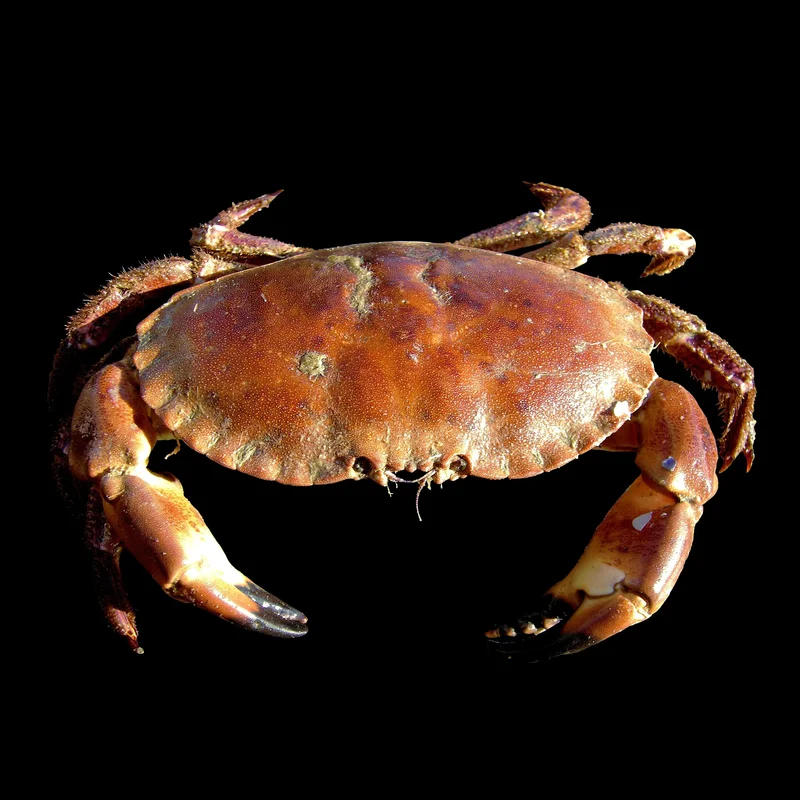
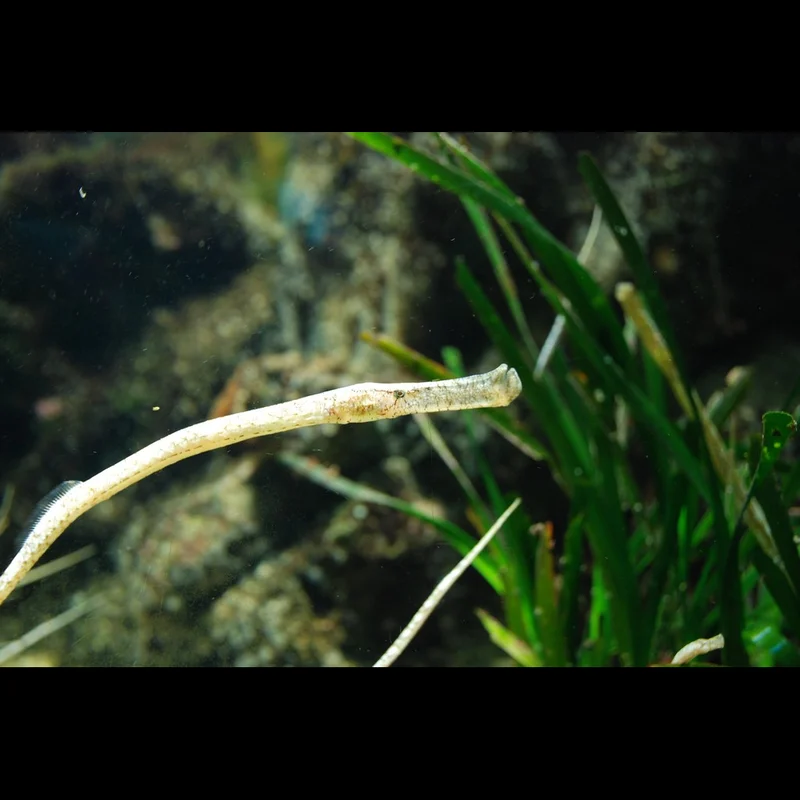
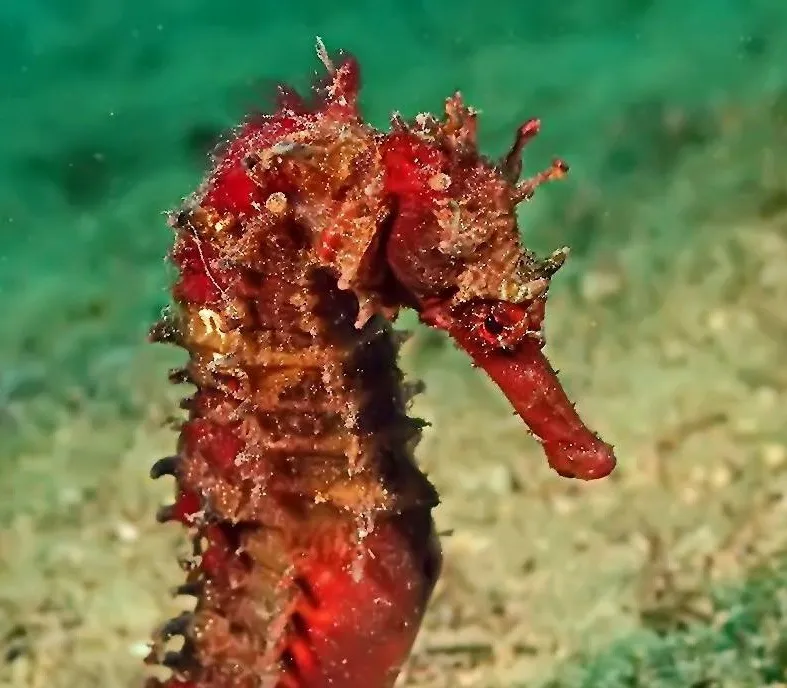
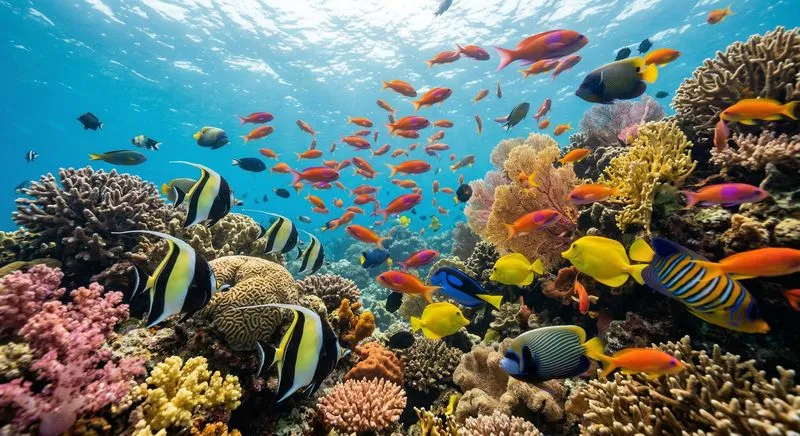
The Black Sea's marine ecosystems in Bulgaria support a distinct collection of life, flourishing around underwater cliffs, artificial reefs formed by wrecks, and natural coastal structures. Large pelagic species like sharks and rays are uncommon here, given the Black Sea's unique characteristics, but divers will still find a variety of interesting species.
Seahorses are frequently encountered, especially abundant from April to mid-June in specific areas like Seahorse Alley. Crabs, various mollusks, and fish species such as Black Sea turbot, sprat, mackerel, and blue fish are regular observations.
During warmer periods, dolphins are occasionally seen, providing a memorable addition to dives. Though infrequent, sea turtles are also notable visitors. This biodiversity, while differing from tropical environments, offers a captivating look into the unique aquatic life adapted to these waters.
Regions for Diving
Dive opportunities across Bulgaria are geographically distributed into two primary coastal regions, each presenting distinct experiences and access points. These areas are well-supported by local dive centers and offer a range of sites from shore entries to boat-accessed wrecks.
Southern Black Sea Coast: This region, anchored by the popular resort towns of Sozopol, Nessebar, and Burgas, acts as a major hub for diving. Sozopol, in particular, serves as a frequent departure point for boat dives to sites like Cape Kolokita and St. Ivan Island, often within a 20-30 minute boat ride. Here, divers can explore the Rodina Wreck (40 m / 130 ft) and the Wreck Pioneer (30 m / 100 ft), or enjoy shallower sites such as the Underwater Stone Forest (17 m / 56 ft), which is accessible from the beach. Other destinations like Kiten, Pomorie, and Tsarevo also provide access to local dive opportunities. The diving season here, like the rest of the coast, runs from late May to September for optimal conditions, with water temperatures reaching up to 24°C (75°F).
Northern Black Sea Coast: Further north, the area around Varna, Cape Kaliakra, and Tyulenovo presents another set of dive sites. Varna is a key access point for deeper wreck dives, including the Russian destroyer "Lieutenant Pushchin" at 33 m (108 ft) and the Submarine U-211 at 25 m (82 ft). Cape Kaliakra is known for its dramatic underwater cliffs and rich biodiversity, suitable for both divers and snorkelers. Tyulenovo is home to its Caverns and offers accessible shore diving, such as at Tyulenovo South. This region also experiences its best diving conditions during the summer months, with similar visibility ranges of 5 to 20 m (16 to 66 ft) and mild currents.
Travel & Passport Guide
Travel Basics
Trip Planning
Safety & Diving Considerations
Ensuring dive safety along Bulgaria's coast involves a clear understanding of site-specific conditions, particularly varying currents and depths, alongside holding the correct certification. Many locations present generally mild currents, but areas with extensive seabed rocks or exposed sections can experience stronger flows, necessitating careful attention from divers.
Certification levels needed differ significantly across dive sites. Shallow spots like the Underwater Chapel at 6 m (20 ft) or Seahorse Alley are suitable for beginners, requiring no prior diving experience. For destinations such as St. Ivan Island at 18 m (59 ft) and the Underwater Stone Forest at 17 m (56 ft), an Open Water Diver certificate suffices.
However, advanced wreck dives, including the Rodina Wreck at 40 m (130 ft), are specifically for experienced divers, and certain boat excursions might require an Advanced certification. Cave diving, such as at a site with a narrow tunnel entry at 14 m (46 ft), also demands specialized training and caution, as these sites often accommodate only one diver at a time. Access methods combine shore entries with boat trips, with many popular Sozopol sites being a 20-30 minute boat ride away.
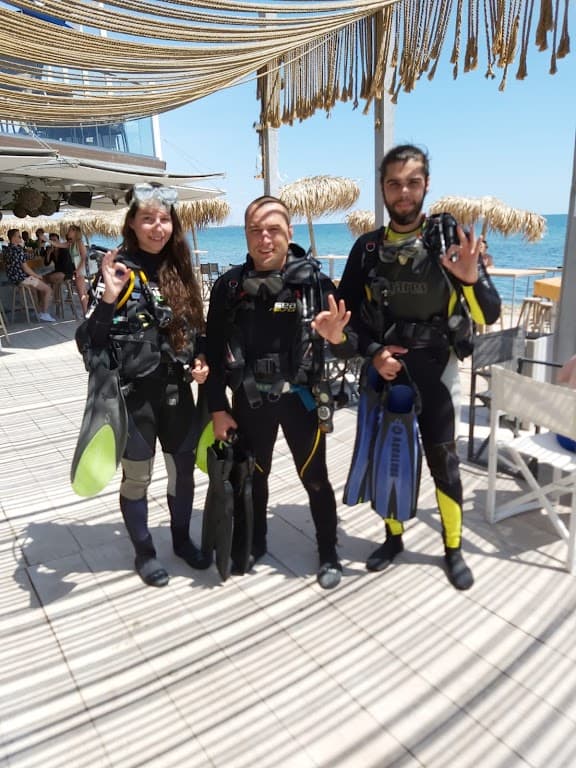
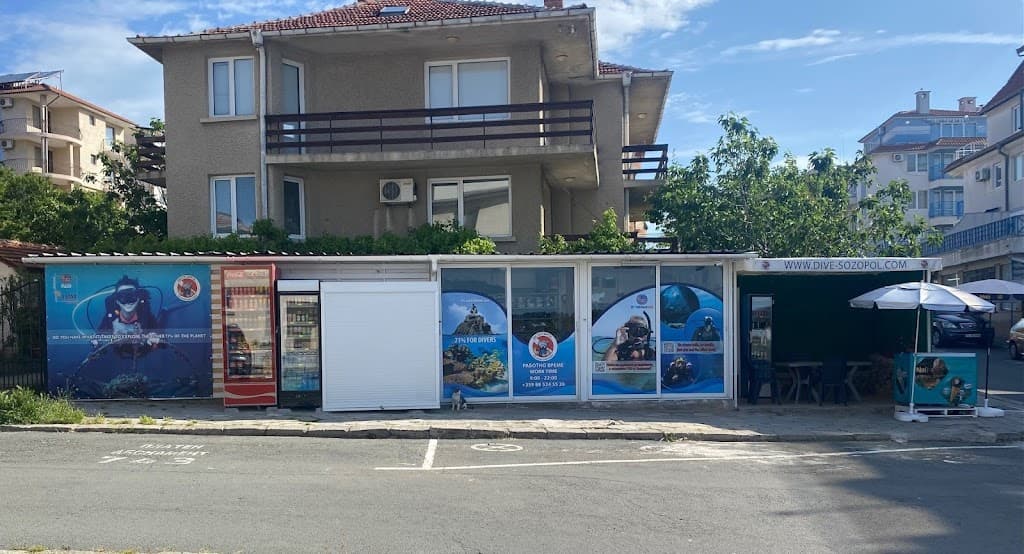
Dive Centers in Bulgaria
View all 17 dive centers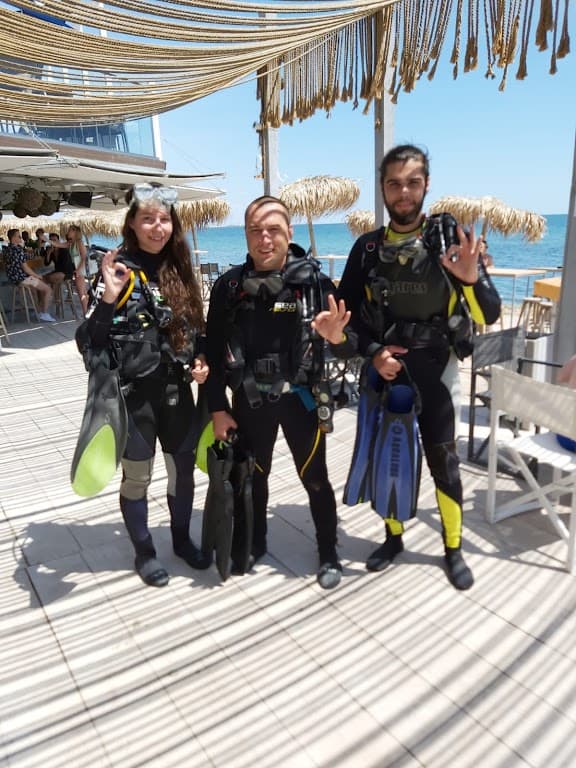
Frequently Asked Questions
What is the best time of year to dive in Bulgaria?
The optimal time for diving in Bulgaria's Black Sea is from late May to September. This period offers the warmest water temperatures, reaching up to 24°C (75°F), and generally the best visibility, which can range from 5 to 20 m (16 to 66 ft). The summer months of June through September are particularly ideal for extended dives and occasional dolphin sightings. Spring (April to mid-June) and autumn (into November) also provide good conditions with calm waters, though temperatures will be cooler.
What marine life can I expect to see while diving in Bulgaria?
Divers in Bulgaria can encounter a variety of marine life unique to the Black Sea ecosystem. Common sightings include seahorses, especially from April to mid-June, crabs, and a range of fish species such as Black Sea turbot, sprat, and mackerel. Mollusks are also prevalent. While larger pelagic species like sharks and rays are rare, occasional sightings of dolphins and infrequent sea turtles can occur during the warmer months, adding a special element to the dive experience.
Are there suitable dive sites for beginners in Bulgaria?
Yes, Bulgaria offers several dive sites well-suited for beginners and those with limited experience. Sites like the Underwater Chapel, with a maximum depth of 6 m (20 ft), and Seahorse Alley are considered beginner-friendly, requiring no prior diving experience. Harbour Kiten is also noted as a good location for Open Water Diver training. These sites often feature easy shore access and are generally protected from strong currents, providing a safe and enjoyable introduction to diving.
What are some notable wreck dives in Bulgaria?
Bulgaria is home to several notable wreck dives that appeal to certified divers. The Rodina Wreck is a prominent site, lying at 40 m (130 ft) depth and recommended for experienced divers. The Wreck Pioneer, an intentionally submerged fishing boat, serves as an artificial reef at around 30 m (100 ft). Off the coast of Burgas, the Wreck of the Mopang offers a historical dive from World War I. Additionally, the Russian destroyer "Lieutenant Pushchin" at 33 m (108 ft) and the Submarine U-211 at 25 m (82 ft) near Varna provide intriguing explorations for advanced divers.