
Diving at Hundimiento Urabain (Argentina)
Fishing vessel Urabain, once a workhorse of the Argentine sea, now rests on its port side, creating a unique artificial reef. Its final chapter began with a devastating fire, leading to its deliberate sinking as a dive attraction. Exploring its considerable structure offers divers a tangible connection to maritime history and the powerful forces of nature that transform sunken ships into vibrant marine habitats. It’s a compelling wreck dive in Patagonia.
At Hundimiento Urabain, the ambient air temperature is currently recorded at 10.5°C. This dive site in Argentina is operating under normal seasonal weather patterns. Familiarize yourself with the local topography prior to navigating.
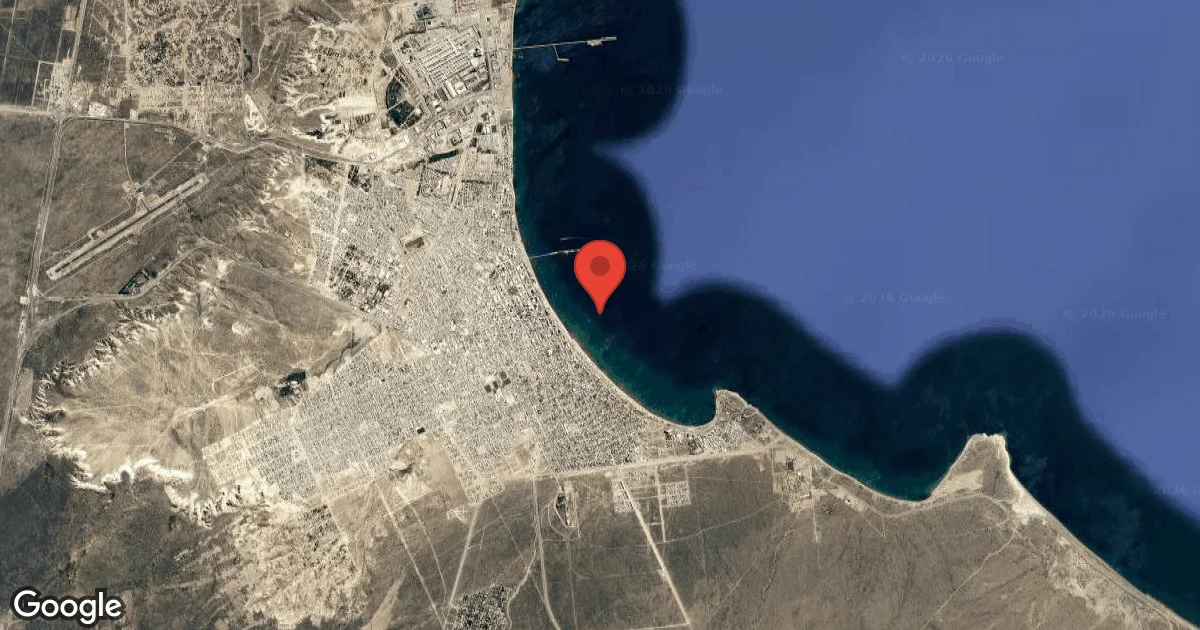
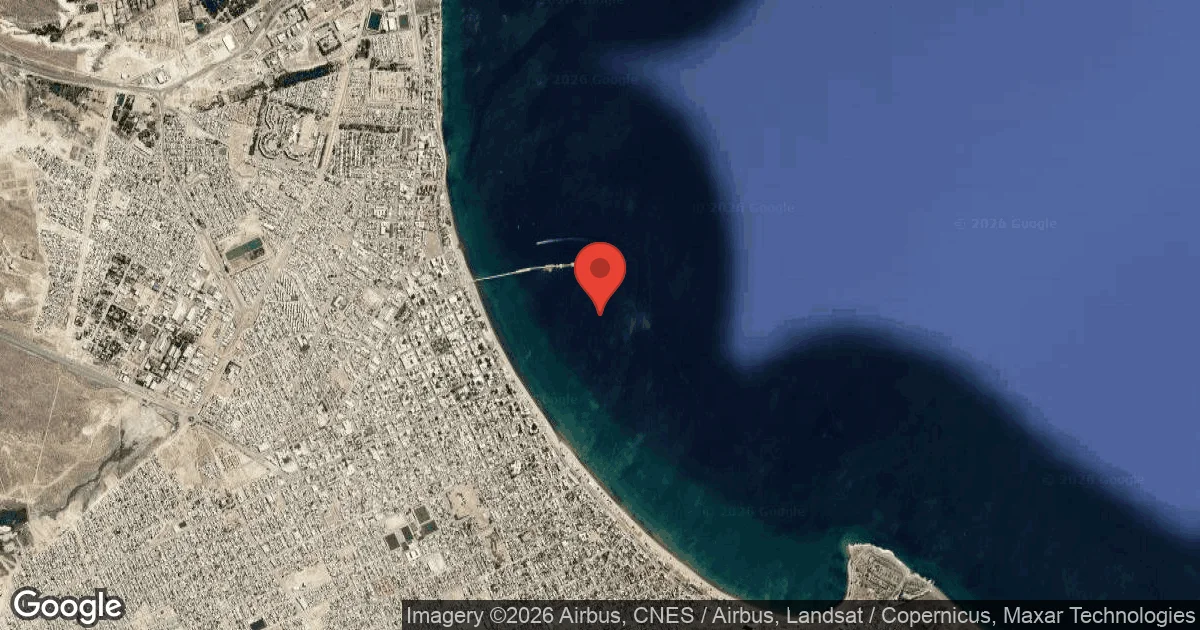
Dive Site Location & Key Facts
Dive Site Overview
Once a formidable fishing and refrigeration vessel, the Urabain measured 79 meters (260 ft) long and 12 meters (40 ft) wide, displacing 1,730 tons. After suffering a fire in port, it was cleaned and intentionally sunk in February 2018 to serve as an artificial reef, now lying completely on its port side.
This immense size, combined with the limited natural light reaching its maximum depth of 22 meters (72 ft), generates a sense of adventure for divers. Over time, coral and sponges have colonized the ship's structure, notably around its windows, creating a thriving ecosystem and painting surfaces with orange hues.
Bars below deck, now covered with clams and anemones, form column-like structures, making intriguing photographic subjects. Its transformation from an industrial vessel to a vibrant underwater habitat is a clear testament to nature's reclamation process.
Conditions are Good
07:00 - 14:00
Optimal conditions expected
Current conditions near Hundimiento Urabain show 11° air, 10° sea temperature, N/A waves, and 21 km/h wind. Forecast data is refreshed regularly to ensure accuracy.
Best Time to Dive
Planning a dive to Hundimiento Urabain involves considering the regional climate, which remains suitable for diving throughout much of the year, with overall 'Good' dive scores. Warmer months, from January to March, typically see air temperatures ranging from 18.5°C to 23°C (65-73°F), accompanied by minimal rainfall, averaging between 0.4 mm and 0.55 mm. As the seasons shift, conditions remain favorable; for instance, April to September often presents air temperatures between 7°C and 14.5°C (45-57.7°F). During this period, rainfall can be slightly higher, reaching up to 0.93 mm in April, September, and November, yet these aren't typically significant enough to deter diving. Winds generally range from 25.9 km/h to 33.3 km/h (16-20.7 mph) throughout the year, impacting surface conditions more than underwater experiences.
PEAK SEASON SCORE
Scores combine air & water temps, waves, wind & rainfall for overall conditions.
BEST MONTHS TO DIVE
Monthly records compiled from satellite and marine observation nodes over the last 3 years. Data provided by Open-Meteo and MET Norway.
Dive Experience & Conditions
Descending onto the Urabain reveals a scene shaped by deep-water conditions and the Patagonian environment. Divers typically encounter water temperatures around 15.5°C (60°F), which necessitates robust thermal protection. The wreck's maximum depth sits at recreational levels, offering substantial exploration for certified divers. Limited natural light at depth contributes to an atmospheric dive, enhancing the sense of discovery. While specific current reports for the Urabain are limited, the general region of the Nuevo Golfo is known for its relatively transparent waters, suggesting reasonable underwater visibility on favorable days. Exploring the extensive exterior and structural elements provides ample opportunities for observation, especially around the areas where marine life has heavily encrusted the former vessel.
Dive Difficulty & Safety Guidelines
Exploring the Urabain requires divers to be well-prepared for its specific environment and the prevailing cold-water conditions. Given its status as a deeper recreational wreck, divers should hold at least an Advanced Open Water certification or equivalent, with specific training in wreck diving highly recommended. The wreck lies on its port side, influencing navigation and orientation during the dive.
Always ensure proper buoyancy control to avoid disturbing the silty bottom or the delicate encrusting organisms. Maintaining constant awareness of depth, bottom time, and thermal comfort is crucial for a safe and enjoyable experience on this sizable artificial reef.
Recommended Equipment
- Dive Computer
This gear list is based on verified equipment signals for Hundimiento Urabain, Argentina. Always confirm final gear choices with your dive operator, guide, or liveaboard.
Recommended Dive Suit
In these water temperatures, drysuit (strongly recommended) is a common choice for recreational diving. Strong winds are present; please take strong precautions against rapid cooling during surface intervals. Strong cold advisory: dress warmly immediately after exiting the water. Longer dive profiles can make thermal protection more important than short exploratory dives.
Conditions at Hundimiento Urabain currently place the water temperature near 10°C (50°F). Surface air temperatures are resting at 11°C (51°F).
Forecast models indicate that diving conditions should remain largely unchanged.
Due to technical issues with our weather providers, data hasn't been fetched for over 48 hours. The data above reflects the conditions at the time of the last successful fetch.
Emergency & Medical Support
Essential information to help you plan your dive trip to Hundimiento Urabain.

Hyperbaric chambers are a critical part of dive safety infrastructure. Availability varies significantly by region, and not all dive areas have immediate access.
Before diving, it's recommended to:
- confirm nearest medical facilities
- check emergency procedures with local dive operators
- ensure dive insurance covers evacuation if required
Divers Alert Network
Diving emergency assistance available through DAN World.
+1-919-684-9111- 24/7 emergency hotline
- Diving medical assistance
- Evacuation coordination
Emergency contacts are provided for reference. Always verify local emergency services before diving.
Marine Life at Hundimiento Urabain
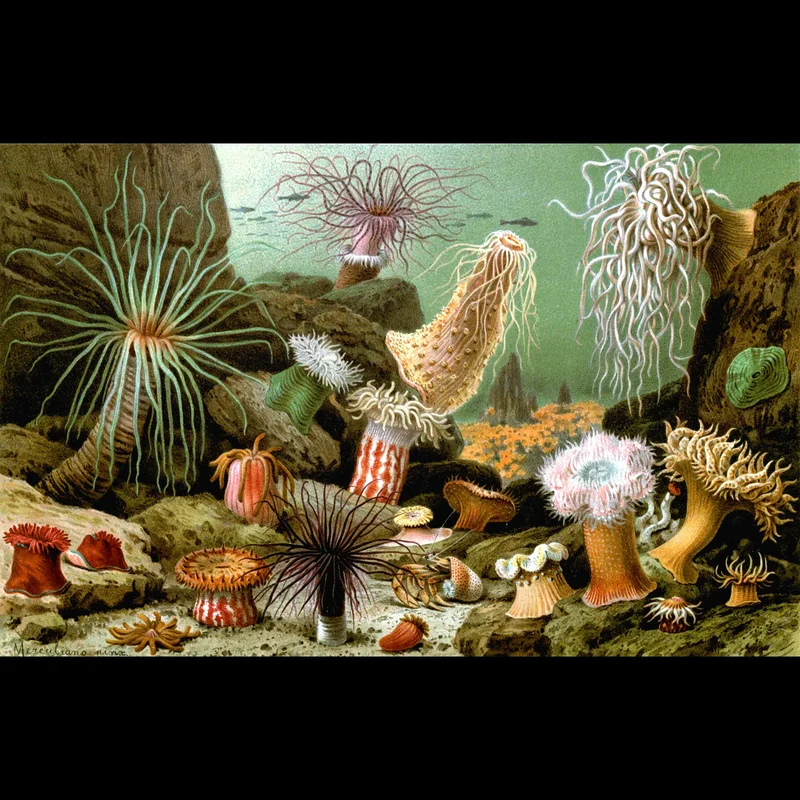
Urabain functions as a canvas of developing marine ecosystems, where the ship's structure now supports a vibrant community. Divers immediately notice the extensive growth of coral and sponges, which beautifully adorn the hull and especially frame the former windows.
Encrusting organisms provide habitat for numerous small fish, adding dynamic movement to the wreck. Observations also frequently include bars below deck, now completely covered with various clams and anemones.
Sea stars, mussels, and diverse algae further contribute to the lively tapestry, creating a fascinating artificial reef.

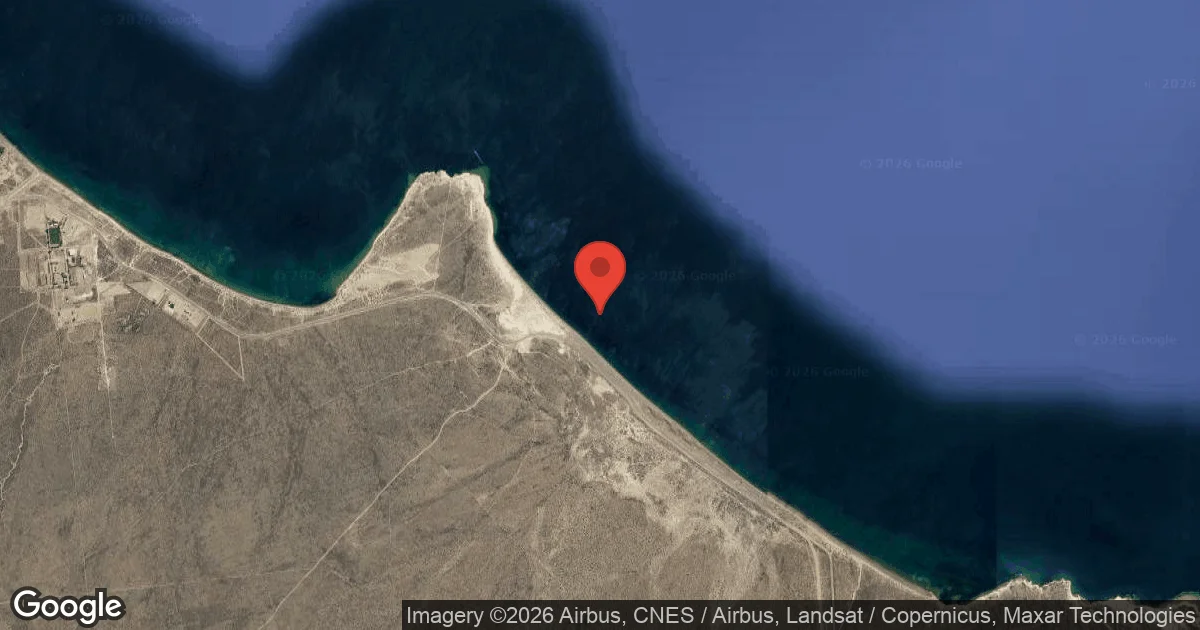
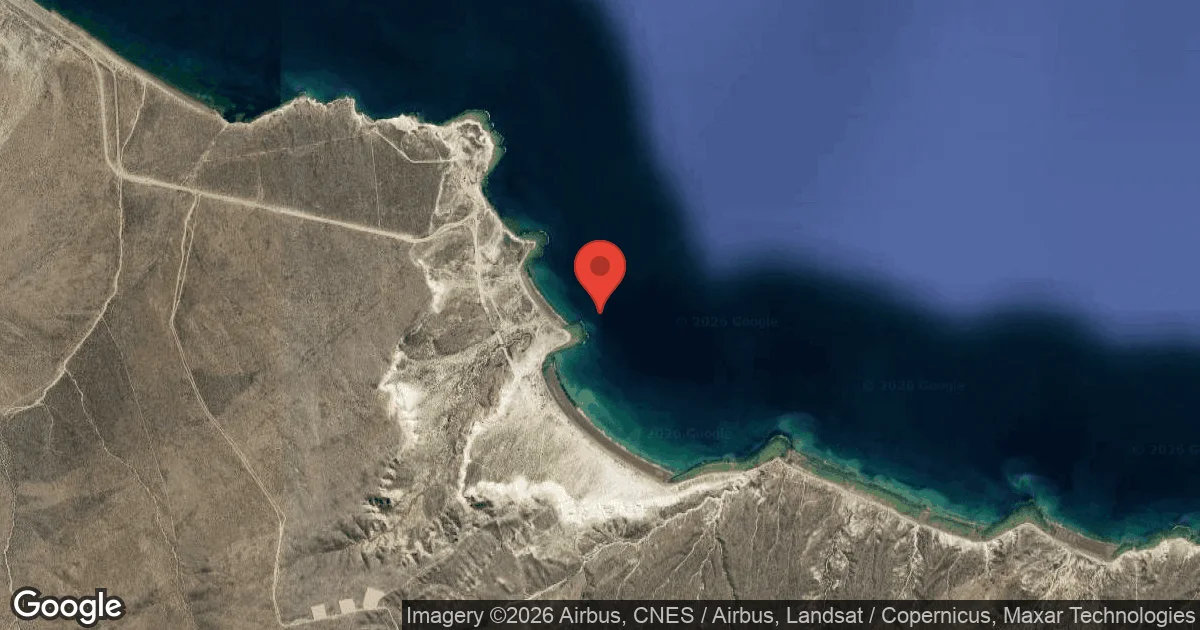
Dive Sites Near Hundimiento Urabain
View all dive sites in ArgentinaDiscover more underwater gems in this area.
Dive Centers Near Hundimiento Urabain
Nearest Airports
Nearest airports to help plan travel to this dive area.
Search Flights
Check available flights and routes on Expedia, using the nearby airports listed in this section.
Search Flights on ExpediaFrequently Asked Questions
What is the maximum depth of the Urabain wreck?
The Hundimiento Urabain rests at a maximum depth of 22 meters (72 ft). This depth makes it accessible for recreational divers with appropriate training and experience.
What kind of vessel was the Urabain?
The Urabain was originally a large fishing and refrigeration vessel. It measured 79 meters (260 ft) long and 12 meters (40 ft) wide, displacing 1,730 tons during its operational life.
When did the Urabain sink?
The Urabain sank in February 2018. It was intentionally cleaned and scuttled to create an artificial reef after it suffered a fire in port.
What is the water temperature like at Hundimiento Urabain?
Water temperatures in this Patagonian region typically hover around 15.5°C (60°F). Divers should be prepared for cold water by wearing adequate thermal protection like thick wetsuits or dry suits.
What marine life can be seen on the wreck?
The wreck is heavily colonized by coral, sponges, clams, and anemones. These provide a home for various small fish, sea stars, and mussels, transforming the sunken vessel into a thriving artificial reef.
Is the Urabain suitable for beginner divers?
While the maximum depth is within recreational limits, diving the Urabain is recommended for divers with at least an Advanced Open Water certification. Its size and cold-water environment benefit from experience and proper preparation.
Planning to dive Hundimiento Urabain?
Send one inquiry and receive offers directly from the best verified local dive operators.
Conditions are Good
07:00 - 14:00
Optimal conditions expected
Current conditions near Hundimiento Urabain show 11° air, 10° sea temperature, N/A waves, and 21 km/h wind. Forecast data is refreshed regularly to ensure accuracy.