
Diving in Argentina
Dive locations in Argentina are spread across different environments, each presenting distinct conditions and challenges. 8 dive sites are currently cataloged across Argentina in our system. Each site includes data that supports better dive planning.
Argentina's underwater world unfolds as a study in contrasts, reflecting its vast and varied geography. From the temperate freshwater lakes and coastal zones of its northern and central provinces to the colder, wild marine environments of Patagonia and the extreme south, the country presents a distinct diving identity.
Key diving regions include inland freshwater experiences in areas like Buenos Aires and Córdoba. Further south, the coastal reaches of Chubut, Peninsula Valdes, and Tierra del Fuego reveal rich marine ecosystems.
The country's diving opportunities encompass wreck exploration, artificial reefs, and drift diving, particularly prevalent in the Patagonian sea. Freshwater diving in lakes and dams, notably in provinces such as Mendoza and Neuquén, also forms a significant part of the diver's itinerary. Marine life ranges from playful South American sea lions and Magellanic penguins in the south to various fish species like groupers and rays, alongside diverse invertebrates such as octopuses, crabs, and sea stars, all contributing to a unique underwater landscape.
Dive Map of Argentina
The nation's dive regions are generally organized along its extensive coastline and within its inland provinces, each presenting distinct geographical and underwater characteristics. Northern and central areas, including Buenos Aires and Córdoba, primarily offer freshwater diving in lakes and quarries.
Moving south, the Atlantic coast of Patagonia, particularly Chubut and Peninsula Valdes, stands out as a marine diving hub. This region is dotted with notable sites like the artificial reefs and shipwrecks of Puerto Madryn, often considered the country's diving capital.
Further south, Tierra del Fuego provides extreme cold-water diving in the Beagle Channel, a unique sub-Antarctic environment.
Dive Sites to Explore
View all 8 sites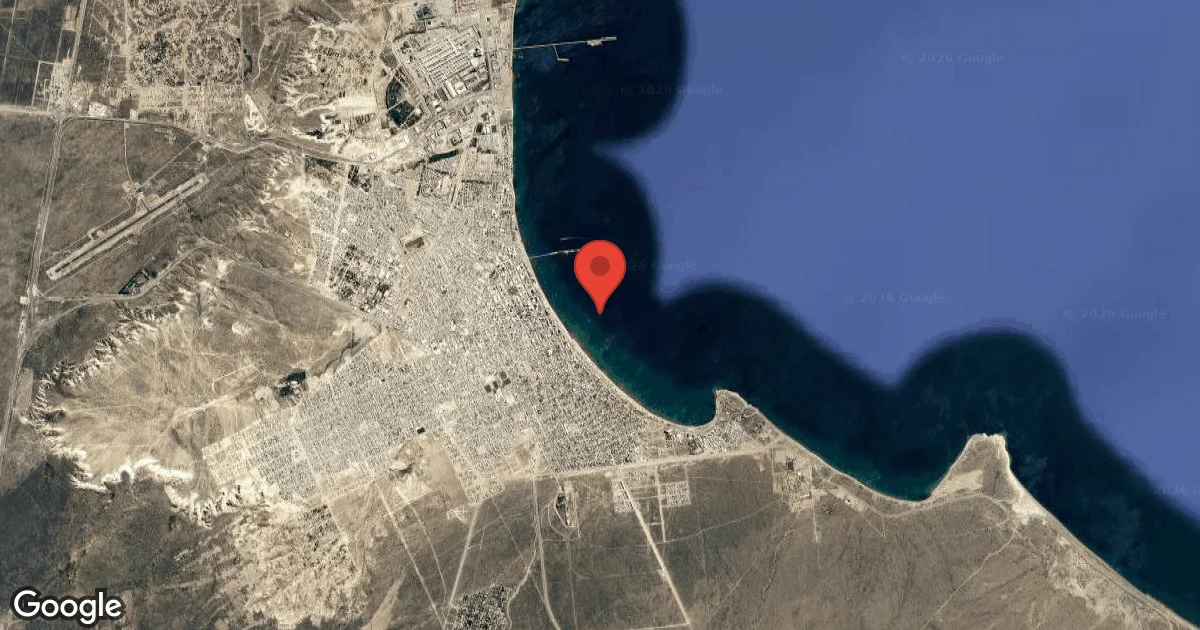
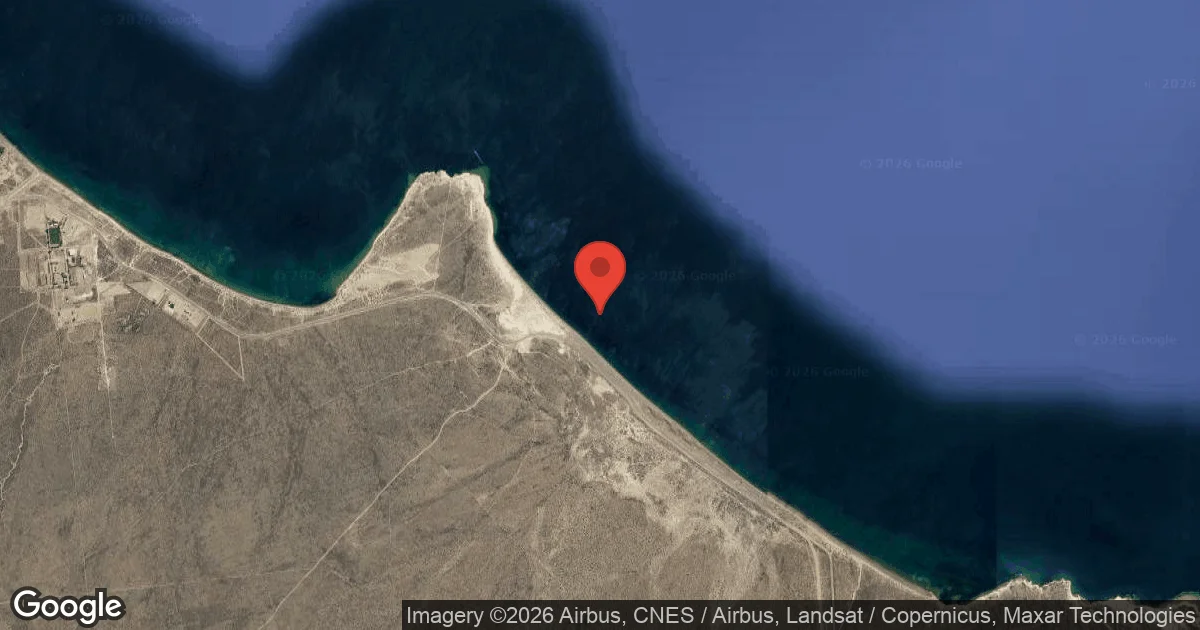
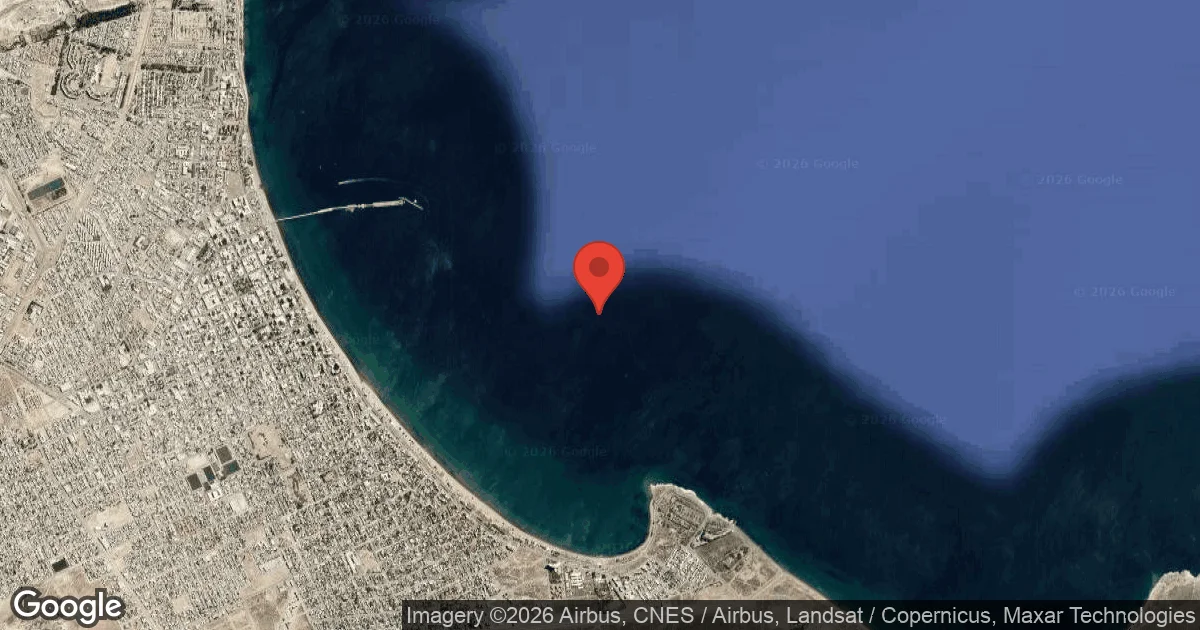
A diverse range of underwater environments awaits divers, from beginners exploring shallow freshwater lakes to advanced enthusiasts seeking challenging cold-water wrecks and kelp forests. Many sites, particularly in the central provinces, offer accessible conditions for introductory dives, while the southern regions provide more demanding environments.
For those seeking specific experiences, the country presents a variety of underwater landscapes. Here are a few notable sites:
Punta Loma, Puerto Madryn (Chubut): This site is a prime location for interactions with playful South American sea lions in their natural habitat. Visibility here can vary but is often good, making it an excellent spot for both new and experienced divers to observe marine mammals up close.
Folias Wreck, Puerto Madryn (Chubut): A relatively shallow sunken cargo ship, the Folias Wreck lies at about 9 m (30 ft) and is covered in marine growth. It's a popular spot for sea lions, which often approach divers, adding a distinct dimension to wreck exploration. The site is suitable for various diver levels.
Albatros Wreck, Puerto Madryn (Chubut): Positioned deeper at 27 m (90 ft), the Albatros Wreck offers an advanced dive experience. This 90-foot-long vessel attracts large schools of fish, providing a dynamic and vibrant underwater scene for experienced wreck enthusiasts.
Submerged Forest of Lake Traful (Neuquén): In the transparent waters of Lake Traful, divers can explore a distinctive submerged forest. This freshwater site in Neuquén province offers excellent visibility, showcasing geological formations and freshwater fish, suitable for both exploration and underwater photography.
Beagle Channel (Tierra del Fuego): This southernmost diving destination offers a distinct cold-water experience. Divers encounter kelp forests, colorful algae, and the remains of shipwrecks. Visibility can reach 15-20 m (50-65 ft), revealing a subantarctic world with unique marine invertebrates and Patagonian marine life.
Best Time to Dive in Argentina
Optimizing a dive trip requires weighing trade-offs between warmer waters, optimal visibility, and specific marine life encounters. The best period for diving generally spans from November to March, coinciding with the austral summer. During these months, water temperatures are milder, and visibility tends to be at its peak across many regions.
In Northern coastal areas like Buenos Aires Province, the dive season primarily runs from October to April, with improved visibility and comfortable water temperatures. For the southern regions, including Puerto Madryn, Peninsula Valdes, and Ushuaia, November to March is ideal for warmer waters and better conditions, though diving is possible year-round in some areas like Ushuaia despite cold temperatures.
April to May offers fewer tourists and generally good conditions, making it a viable shoulder season. Whale season in Puerto Madryn, from June to December, provides a unique opportunity to potentially hear whales underwater, though surface conditions and water temperatures might be cooler. Winter months, while bringing cooler temperatures and reduced visibility in some areas like Mar del Plata, still allow experienced divers to explore specific sites. Stronger currents can also be present during winter in locations like Río Negro.
Monthly Sea Temperatures
Underwater temperatures exhibit a significant shift depending on the region and time of year, ranging from temperate to frigid. In the northern coastal areas, such as Buenos Aires Province, water temperatures during the peak season (October to April) are comfortable, typically ranging between 20-26°C (68-79°F).
Moving south to areas like Puerto Madryn and Chubut Province, water temperatures are milder during the summer months (November to March), often around 15-23°C (59-73°F). However, these waters are generally considered cold.
For the southernmost diving in Tierra del Fuego Province and the Beagle Channel, conditions are distinctly cold-water. Temperatures here range from 5-13°C (41-55°F), with some reports of water as low as 5°C (41°F) in Ushuaia. Drysuit diving is highly recommended for these colder environments.
| Jan | Feb | Mar | Apr | May | Jun | Jul | Aug | Sep | Oct | Nov | Dec | |
|---|---|---|---|---|---|---|---|---|---|---|---|---|
| Max | 25° | 24° | 24° | 21° | 18° | 16° | 14° | 14° | 16° | 19° | 22° | 23° |
| Avg | 24° | 23° | 22° | 19° | 16° | 13° | 12° | 12° | 14° | 17° | 20° | 22° |
| Min | 23° | 21° | 20° | 17° | 14° | 11° | 10° | 11° | 12° | 15° | 17° | 20° |
Dive Conditions
Underwater conditions display considerable variability, influenced by both geographical location and seasonality. Visibility is often a key factor, with ranges from 3 to 15 m (10 to 50 ft) in many coastal areas, and improving significantly in summer months. For instance, in Puerto Madryn, visibility is at its best from November to March, and in Río Negro, it can reach up to 20 m (65 ft) during summer.
In Tierra del Fuego Province, visibility commonly reaches 15-20 m (50-65 ft), providing clear conditions for exploring kelp forests and shipwrecks. Freshwater sites in provinces like Mendoza and Córdoba also boast excellent visibility, making them suitable for underwater photography. Currents are generally mild in many popular dive areas, particularly in shallow, calm waters like those found in parts of Puerto Madryn.
However, stronger currents can be encountered during winter months in coastal Río Negro. Divers should always consult with local dive operators to understand the specific conditions for their chosen site and time of year, especially when planning dives in areas known for oceanic influence or colder waters.
Marine Life Highlights
Most Mentioned Species
Marine life in Argentina varies across dive locations, with different species appearing depending on environment and conditions. The species highlighted here are the most frequently associated with dive sites in our data, offering a realistic overview of what divers are most likely to encounter.
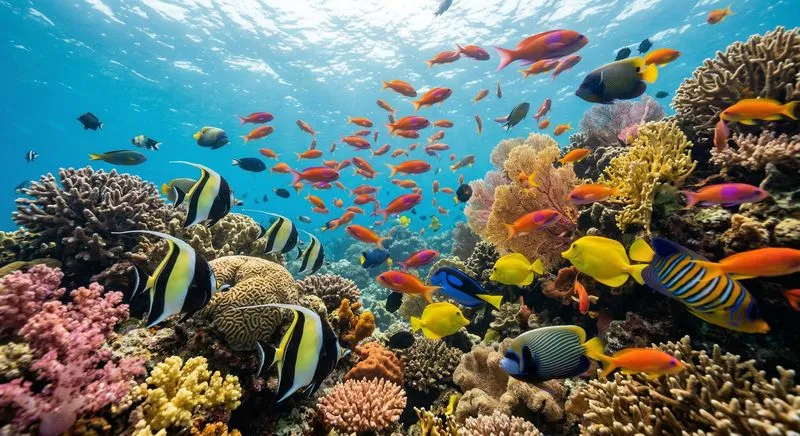
A fascinating array of marine life inhabits these waters, with some truly iconic species drawing divers to its coasts. Playful South American sea lions are a signature encounter, particularly in areas like Punta Loma near Puerto Madryn, where divers can interact with them. Magellanic penguins are also frequently observed in large coastal colonies, especially around Peninsula Valdes.
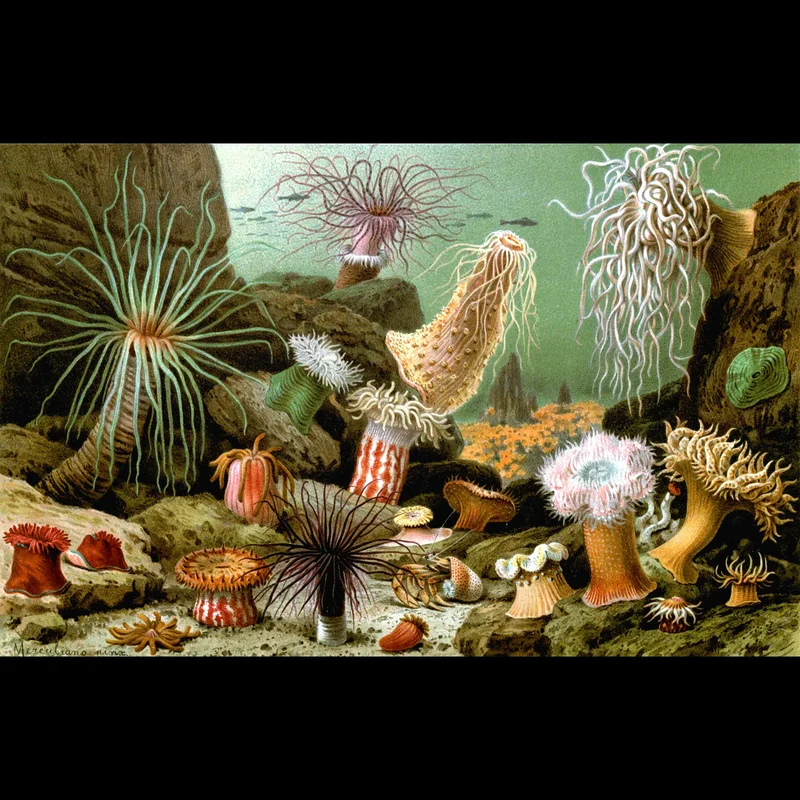
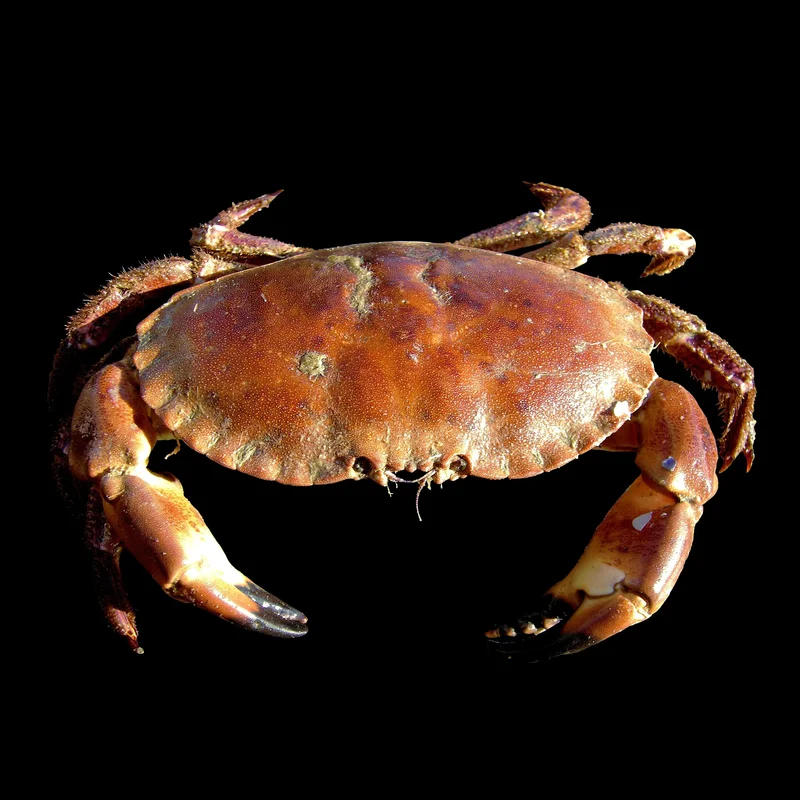
Beyond these charismatic mammals, divers can expect to find a diverse invertebrate community. Octopuses, sea stars, sea urchins, crabs, and lobsters are common sights, particularly around shipwrecks and rocky reefs. The subantarctic waters of the Beagle Channel host unique creatures like the southern king crab, jellyfishes, and a variety of colorful sea slugs and anemones.
Fish species present include groupers, sea bass, anchovies, and rays, with large schools of fish often seen around wrecks. Kelp forests, particularly in southern regions, create rich ecosystems supporting crustaceans, gastropods, and sponges. While less common, southern right whales, orcas, and dolphins can occasionally be spotted, especially in areas like Peninsula Valdes.
Regions for Diving
Distinct diving experiences unfold across the country's regions, with Patagonia emerging as a primary highlight for marine enthusiasts. Puerto Madryn in Chubut Province is often considered the national diving capital, providing access to the clear, cold waters of the Golfo Nuevo and Peninsula Valdes.
Patagonia (Chubut & Peninsula Valdes): This region, including Puerto Madryn, is known for its cold-water diving in the Atlantic. Water temperatures range from around 15-23°C (59-73°F) in summer, with visibility often at its best from November to March. Divers can explore numerous shipwrecks like the Folias and Albatros, interact with sea lions at Punta Loma, and discover artificial reefs. The area is also recognized for its diverse marine mammals, including whales and penguins.
Tierra del Fuego Province: Located at the southern tip of the country, this province offers a distinctive subantarctic diving experience, primarily in the frigid waters of the Beagle Channel near Ushuaia. Water temperatures here are significantly colder, typically 5-13°C (41-55°F), requiring drysuit diving. Visibility can be excellent, reaching 15-20 m (50-65 ft), revealing kelp forests, shipwrecks, and an abundance of unique invertebrates like southern king crabs and colorful algae. The prime diving season is from November to April.
Buenos Aires Province: This region provides a mix of coastal marine and freshwater diving opportunities. Destinations like Mar del Plata and Quequén offer shipwrecks, artificial reefs, and wall dives, with water temperatures around 20-26°C (68-79°F) during the warmer months (October to April). Visibility can range from 3 to 15 m (10 to 50 ft). Freshwater sites near Buenos Aires also feature submerged rock formations and local fish species.
Inland Provinces (Córdoba & Mendoza): These central provinces offer unique freshwater diving in lakes, dams, and quarries. Sites like Los Molinos in Córdoba or Potrerillos Dam in Mendoza feature submerged rock formations and freshwater fish. Visibility is often excellent in these clear mountain lakes. Diving here is best from October to March, when water temperatures are warmer and conditions are at their peak for exploration and photography.
Travel & Passport Guide
Travel Basics
Trip Planning
Safety & Diving Considerations
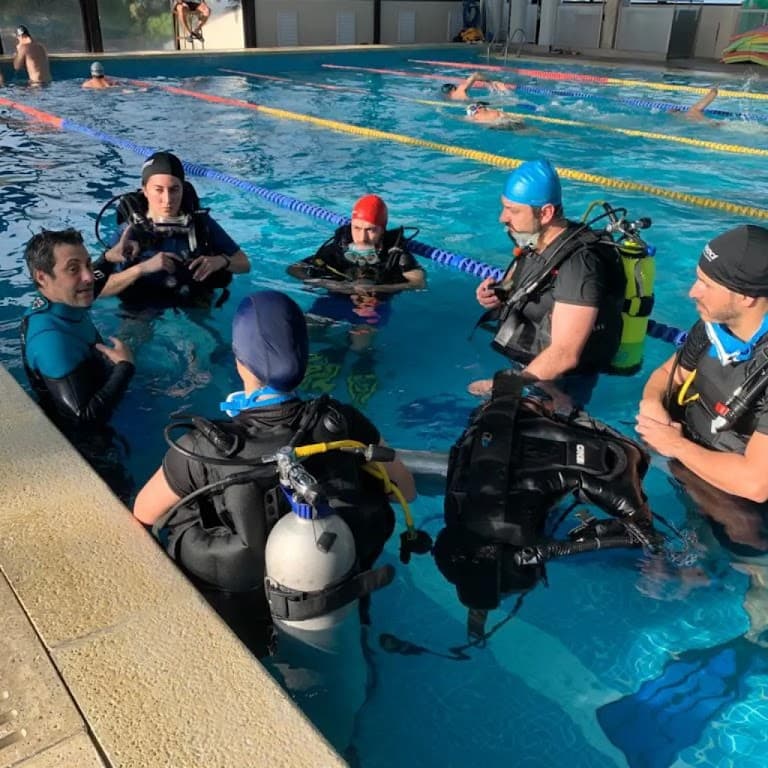
Professional dive centers support diving activities, especially in key destinations like Puerto Madryn and Ushuaia, offering PADI courses and guided dives. While specific details on hyperbaric chamber locations are not provided, the presence of established dive operations suggests a level of support infrastructure for divers.
Understanding local conditions is crucial. Currents are generally mild in many popular, shallow dive sites, but can become stronger, particularly in coastal Río Negro during winter months. Divers should always be aware of the potential for cold water, especially in Patagonia and Tierra del Fuego, where drysuit diving is often recommended due to temperatures as low as 5°C (41°F).
It's advisable for divers to plan their trips during the recommended seasons for improved visibility and milder conditions. Always dive with reputable operators, ensure your equipment is well-maintained, and follow all safety protocols. Being prepared for varying temperatures and consulting with local experts will ensure a safe and enjoyable dive experience.
Dive Centers in Argentina
View all 42 dive centers

Frequently Asked Questions
What are the best dive sites for beginners in Argentina?
Beginners can find suitable dive sites in various regions. Quequén in Buenos Aires Province offers artificial reefs for all skill levels. In the freshwater lakes of Neuquén, such as Moquehue and Aluminé, baptism diving and guided excursions are available in shallow depths (under 8 meters or 26 feet). Puerto Madryn also has shallow, calm waters suitable for beginners, including artificial reefs like Yellow Submarine Reef.
When is the best time to see marine mammals like sea lions or whales?
The best time to see marine mammals varies by species and location. For general marine life and optimal visibility, November to March is recommended. However, for specific encounters, June to December is whale season in Puerto Madryn, where you might hear them underwater. Sea lions are frequently encountered year-round in places like Punta Loma near Puerto Madryn.
What kind of unique marine life can I expect in Argentina's cold waters?
Argentina's cold waters, particularly in the Beagle Channel near Ushuaia, host a unique subantarctic ecosystem. Divers can expect to find giant kelp forests, colorful algae, sea urchins, starfishes, spider crabs, and the highlight, the southern king crab. Other invertebrates like octopuses, sea slugs, hermit crabs, and sponges also thrive in these environments, creating a distinct underwater world.
Are there any specific safety considerations for diving in Argentina?
Safety in Argentina involves being prepared for diverse conditions. Cold water is a significant factor in southern regions, where drysuit diving is highly recommended. While currents are often mild, they can be strong in some areas, especially during winter. Always dive with a certified local operator, ensure your gear is appropriate for the water temperature, and be aware of your experience level for specific sites like deeper wrecks.