
Diving at Naufragio Emma (Argentina)
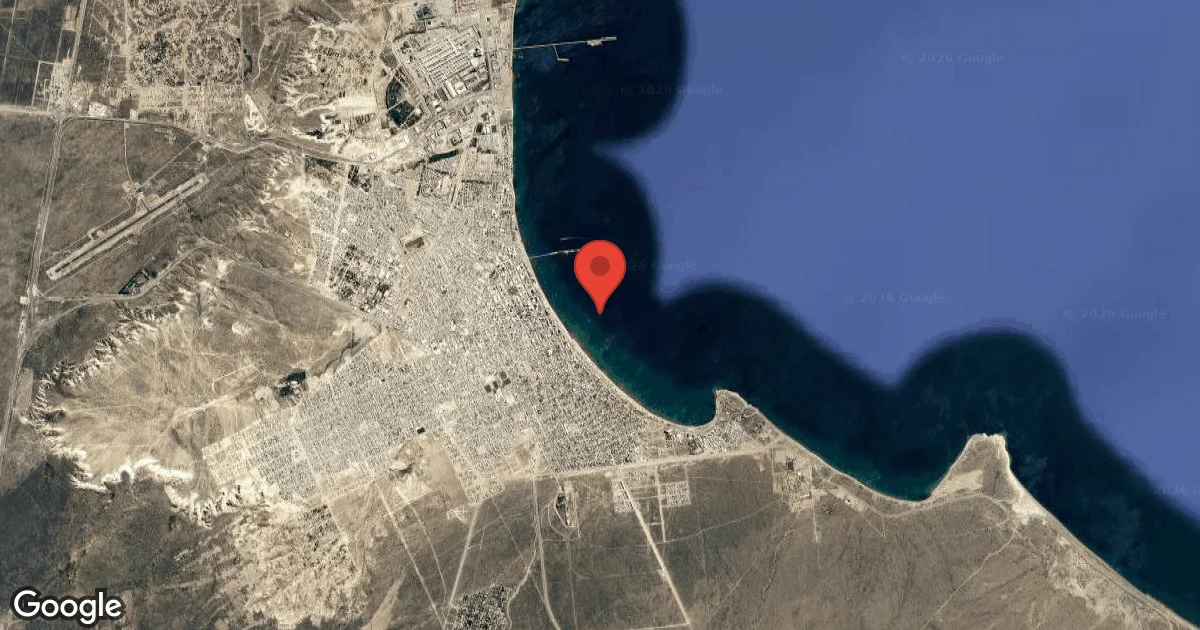
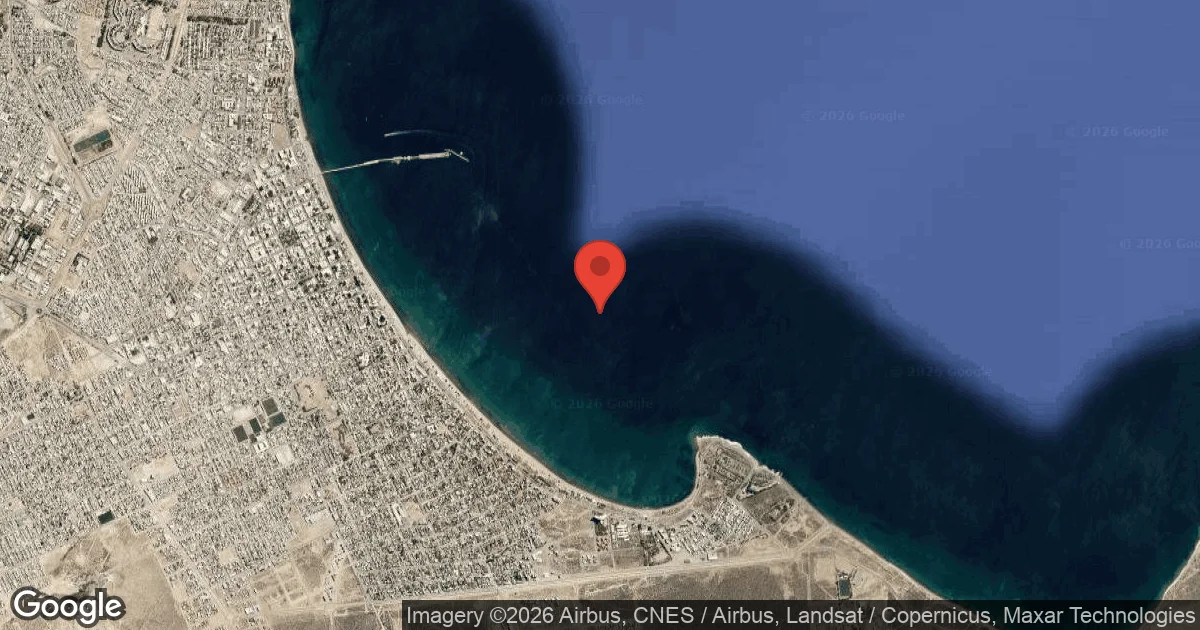
Naufragio Emma rests off the coast of Puerto Madryn, Argentina, an inverted three-masted steam schooner that settled to the seafloor on January 20, 1947. Divers approaching the site first discern the distinctive shape of its keel, exposed due to its completely overturned and partially buried orientation. This historic vessel, once part of explorer Shackleton's Antarctic fleet, now serves as an archaeological wreck and an important artificial reef within the Parque Profundo.
The latest environmental reading at Naufragio Emma indicates an air temperature of 15.5°C. The regional climate in Argentina is aligning with expected historical averages. Prepare your gear according to these specific local conditions.
Dive Site Location & Key Facts
Dive Site Overview
A historic three-masted schooner offers a fascinating window into early 20th-century maritime history, specifically its connection to Shackleton's first Antarctic voyage. Submerged to a maximum depth of 17 m (56 ft) during high tide and 11 m (36 ft) at low tide, Naufragio Emma is largely inverted and partially buried in the seabed.
Key components like one of its engines, the keel, and the windlass are distinguishable amidst the structure. Its challenging 90-degree list adds a layer of complexity to its exploration, making it a site that rewards attentive and experienced divers. As the centerpiece of the region's first artificial deep park, it has transformed into a thriving habitat, attracting various forms of marine life that shelter within its framework.
Diving here provides an opportunity to explore a significant piece of history while observing a developing underwater ecosystem.
Conditions are Good
07:00 - 14:00
Optimal conditions expected
Current conditions near Naufragio Emma show 16° air, 10° sea temperature, N/A waves, and 21 km/h wind. Forecast data is refreshed regularly to ensure accuracy.
Best Time to Dive
Divers generally find the warmer summer months, from December to February, present the highest air temperatures, averaging around 19.5°C (67°F) to 22.5°C (72°F). This period also aligns with generally good dive scores for the area. However, water temperatures even in summer can hover around 18°C (64°F), indicating that robust thermal protection is advisable year-round. While rain levels are relatively low throughout the year, wind speeds, typically ranging from 27 to 33 km/h (17-21 mph), can affect surface conditions and visibility. Cooler months, such as June to August, see air temperatures drop significantly to 7-8°C (45-46°F), yet dive scores remain consistently good, suggesting that prepared divers can still enjoy the site, albeit in colder conditions with careful planning.
PEAK SEASON SCORE
Scores combine air & water temps, waves, wind & rainfall for overall conditions.
BEST MONTHS TO DIVE
Monthly records compiled from satellite and marine observation nodes over the last 3 years. Data provided by Open-Meteo and MET Norway.
Dive Experience & Conditions
Submerging towards Naufragio Emma, divers will encounter the distinctive profile of this inverted schooner resting on the seafloor within a recreational depth range of 11 to 17 meters (36 to 56 feet), depending on tidal variations. Its unique 90-degree list can challenge buoyancy control and navigation, requiring careful attention from divers. Visibility conditions vary considerably, influenced by recent weather events; reports indicate it can sometimes be less than a meter (3 feet), especially after wind and rain. Water temperatures, even during summer, are relatively cool, around 18°C (64°F), requiring appropriate thermal gear. Offering interesting structures from its visible keel to parts of the engine and windlass, the artificial reef provides a complex environment for exploration.
Dive Difficulty & Safety Guidelines
Specific considerations guide safe dives at Naufragio Emma, a site sometimes utilized for advanced certifications. The wreck's 90-degree list and inverted, partially buried state present unique navigational challenges; divers must maintain excellent buoyancy control. Variable visibility, which can drop to less than a meter (3 ft) under adverse conditions, adds to the complexity.
Water temperatures, even in summer, are quite cool, necessitating proper thermal protection to prevent hypothermia. Given these factors, dives to Naufragio Emma are best undertaken by certified divers with experience in wreck diving or those undergoing specialized training under direct supervision.
Always consult with local dive operators for current conditions and adhere strictly to all dive plan parameters.
Recommended Equipment
- Dive Computer
This gear list is based on verified equipment signals for Naufragio Emma, Argentina. Always confirm final gear choices with your dive operator, guide, or liveaboard.
Recommended Dive Suit
The latest conditions reported around Naufragio Emma place the water temperature close to 10°C (51°F). Surface air temperatures are resting at 16°C (60°F).
For the majority of recreational dives here, drysuit (strongly recommended) should provide suitable protection. Strong winds are present; please take strong precautions against rapid cooling during surface intervals. A thermal robe or jacket is recommended between dives.
Forecasts suggest a slight cooling pattern in the days ahead. Cooler days are ahead; you might want a warmer option for later in the week. Some divers prefer carrying a slightly thicker suit as a backup.
Due to technical issues with our weather providers, data hasn't been fetched for over 48 hours. The data above reflects the conditions at the time of the last successful fetch.
Emergency & Medical Support
Essential information to help you plan your dive trip to Naufragio Emma.

Hyperbaric chambers are a critical part of dive safety infrastructure. Availability varies significantly by region, and not all dive areas have immediate access.
Before diving, it's recommended to:
- confirm nearest medical facilities
- check emergency procedures with local dive operators
- ensure dive insurance covers evacuation if required
Divers Alert Network
Diving emergency assistance available through DAN World.
+1-919-684-9111- 24/7 emergency hotline
- Diving medical assistance
- Evacuation coordination
Emergency contacts are provided for reference. Always verify local emergency services before diving.
Marine Life at Naufragio Emma
An artificial reef, Naufragio Emma promotes diverse marine life within its structure and the surrounding Parque Profundo. Inverted hull and internal components offer shelter and surfaces for encrusting organisms to thrive, establishing a foundational habitat.
Fish life typical of temperate artificial reefs can be observed seeking refuge or foraging around the wreck. While specific large species are not consistently reported for the immediate wreck, the broader Golfo Nuevo area is known for marine biodiversity.
Encouraging close observation of smaller reef inhabitants, the developing ecosystem reveals marine colonization processes on a submerged historical artifact.
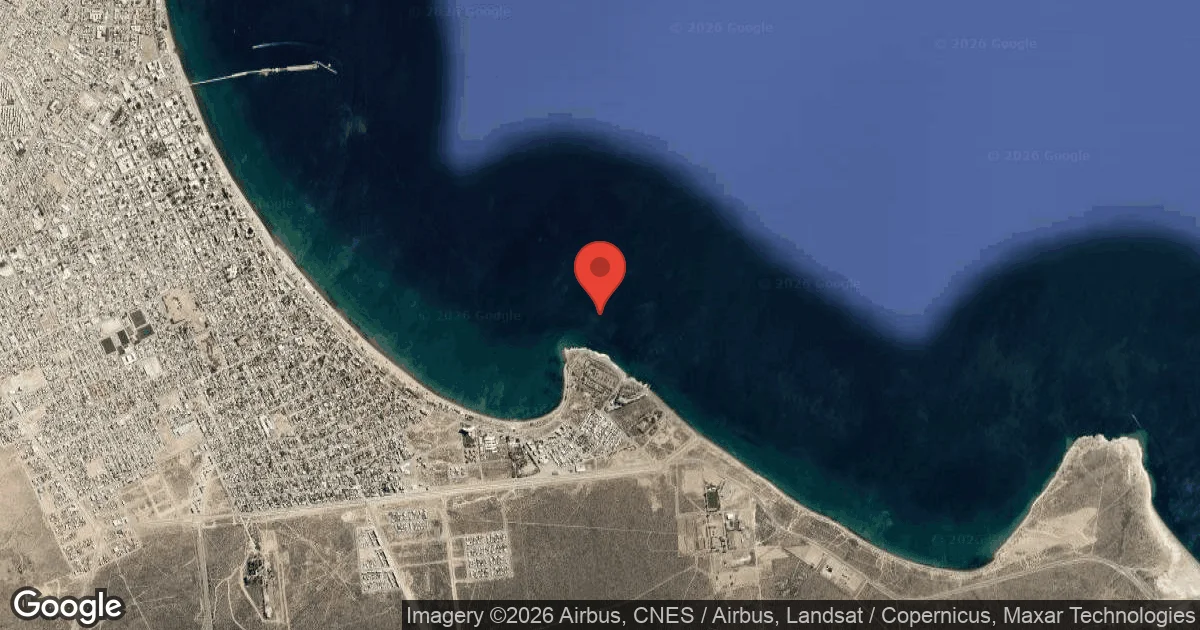
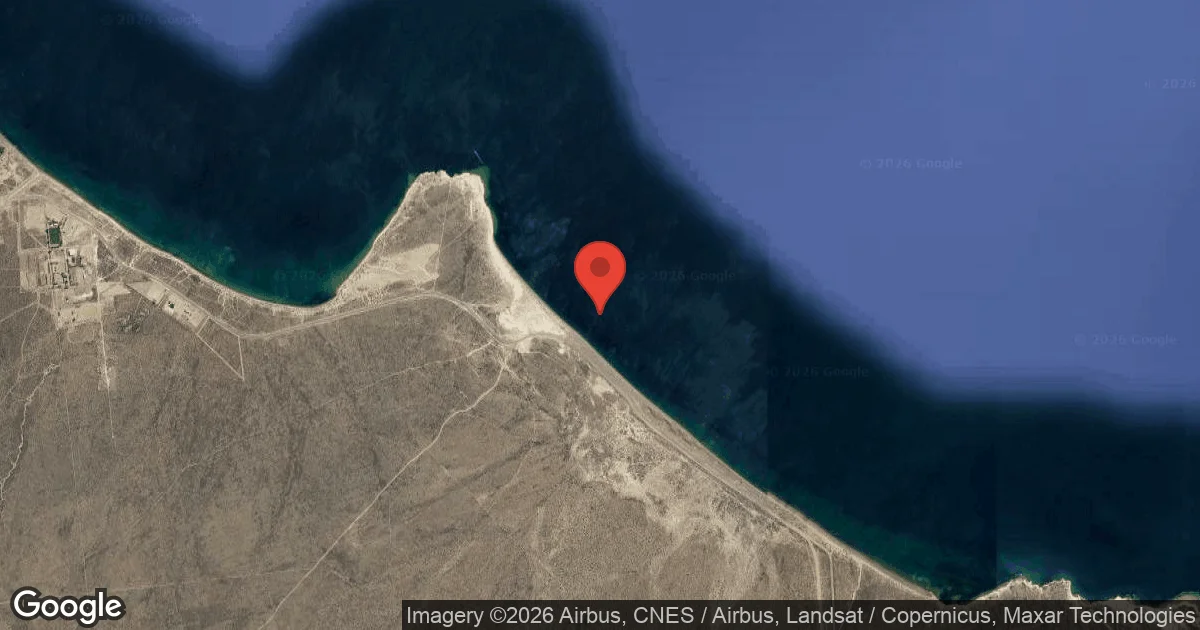
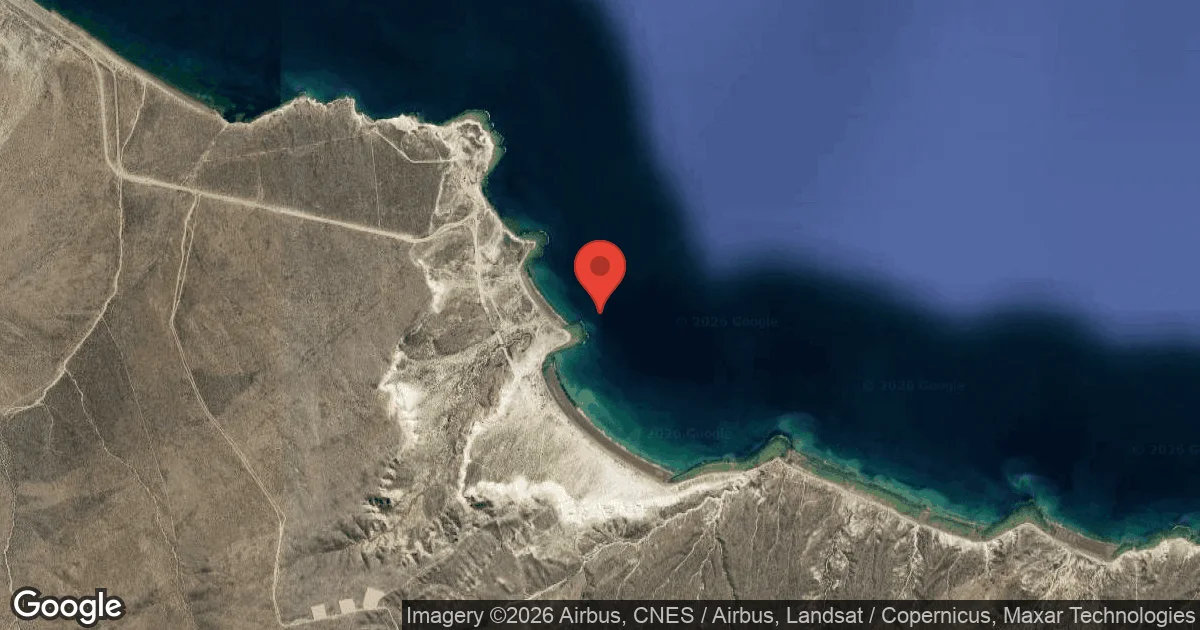
Dive Sites Near Naufragio Emma
View all dive sites in ArgentinaDiscover more underwater gems in this area.
Dive Centers Near Naufragio Emma
Nearest Airports
Nearest airports to help plan travel to this dive area.
Search Flights
Check available flights and routes on Expedia, using the nearby airports listed in this section.
Search Flights on ExpediaFrequently Asked Questions
What type of vessel is Naufragio Emma?
Naufragio Emma is a three-masted wooden and metal steam sailing schooner. It has significant historical value, having been part of explorer Shackleton's fleet for his inaugural Antarctic journey.
When did Naufragio Emma sink?
Sinking on January 20, 1947, off the coast of Puerto Madryn, Argentina, the schooner has since become an archaeological wreck and an artificial reef.
How deep is the Naufragio Emma wreck?
Wreck depth varies with the tides, ranging from approximately 11 m (36 ft) at low tide to 17 m (56 ft) during high tide, placing it well within recreational diving limits.
What parts of the wreck are visible?
Due to its inverted and partially buried state, divers can typically distinguish one of its engines, the keel, and the windlass. Its 90-degree list also presents a unique visual.
What are the typical water conditions at Naufragio Emma?
Water temperatures in the area can reach around 18°C (64°F) in summer, but are cooler outside these months. Visibility is variable and can be limited, sometimes less than a meter, depending on recent weather.
Is Naufragio Emma suitable for beginner divers?
Naufragio Emma's unique orientation and potentially limited visibility make it more challenging. It is often used for advanced or specialty wreck diving certifications, suggesting that prior experience or specific training is highly recommended.
Why is Naufragio Emma considered an archaeological wreck?
Its historical significance as part of Shackleton's fleet and its age qualify it as an archaeological site. Its status underscores the importance of respectful interaction with the wreck and its preservation.
Planning to dive Naufragio Emma?
Send one inquiry and receive offers directly from the best verified local dive operators.
Conditions are Good
07:00 - 14:00
Optimal conditions expected
Current conditions near Naufragio Emma show 16° air, 10° sea temperature, N/A waves, and 21 km/h wind. Forecast data is refreshed regularly to ensure accuracy.