
Diving at Ex-Hmas Tobruk (Australia)
Australia's newest military wreck, the Ex-HMAS Tobruk, presents an exciting challenge for divers. A former Royal Australian Navy Landing Ship Heavy lies on its starboard side, offering a distinctive underwater landscape. Its colossal structure, accessible from 10 m (33 ft) down to a maximum of 30 m (98 ft), demands thoughtful navigation and a readiness for expansive exploration. Each descent reveals more of its vast interior, inviting divers to engage with a truly immersive experience.
As evening covers Ex-Hmas Tobruk, the local air temperature is measured at 20°C. The current wave height at the surface is recorded at 0.4 m. These late-day readings characterize the surface conditions for the night.
Dive Site Location & Key Facts
Dive Site Overview
Plunging into the waters off Hervey Bay, divers encounter the Ex-HMAS Tobruk, a vessel reimagined as an artificial reef. Commissioned in 1981, this Landing Ship Heavy served the Royal Australian Navy for decades before its scuttling in February 2019.
Now resting on its starboard side, the wreck offers a truly distinctive environment, unparalleled by many other military sites. Exploration means navigating vast internal spaces, notably the impressive main tank deck. That deck provides a nearly 120-meter (394 ft) full-length swim-through.
Maximum depth reaches 30 m (98 ft), ensuring ample sections cater to both Open Water and Advanced certified divers, blending comfort and challenge. Visibility is generally good, often attributed to Fraser Island's shelter, allowing year-round access.
Currently, a burgeoning ecosystem thrives on this former transport ship, demonstrating nature's rapid reclamation. Guided tours depart from Hervey Bay, typically including two dives and necessary weight belts, ensuring structured and safe exploration.
Travel to the site takes approximately one hour from Hervey Bay, covering about 25 nautical miles. Divers should prepare for varying departure times, as dives are often tide-dependent to optimize conditions. Diver certification and logbooks are required for participation.
Conditions are Excellent
07:00 - 14:00
Optimal conditions expected
Current conditions near Ex-Hmas Tobruk show 20° air, 21° sea temperature, 0.5 m waves, and 27 km/h wind. Forecast data is refreshed regularly to ensure accuracy.
Best Time to Dive
Maintaining good visibility is often key to appreciating the scale of the Ex-HMAS Tobruk. Benefitting from Fraser Island's natural protection, clearer waters are generally present throughout the year. Diving conditions are rated 'Good' for most months, May through February, with March noting 'Moderate' conditions. Consistent quality allows for year-round diving, though specific departure times may adjust daily based on tidal patterns to maximize optimal viewing. Warmer months, from December to February, typically average 25.5-26.5°C (78-80°F) in air temperature, with low rainfall, usually 2.8-3.4 mm. Conversely, cooler periods from June to August see air temperatures around 18.5-19°C (65-66°F) and even less rain, often below 1.4 mm, which contributes to settled surface conditions. Seasonal variations in weather don't significantly impede diving at the Tobruk, but cooler air temperatures might warrant warmer gear for surface intervals. April and October also present excellent conditions, with air temperatures in the 22.5-24°C (72-75°F) range, and minimal rain, making for comfortable boat rides and surface preparations.
PEAK SEASON SCORE
Scores combine air & water temps, waves, wind & rainfall for overall conditions.
BEST MONTHS TO DIVE
Monthly records compiled from satellite and marine observation nodes over the last 3 years. Data provided by Open-Meteo and MET Norway.
Dive Experience & Conditions
Understanding current dynamics is important when planning your dive at the Ex-HMAS Tobruk. While the site benefits from Fraser Island's shelter, tidal influences can still be a factor, dictating optimal dive times to ensure smooth navigation around the wreck. Its orientation, resting on its starboard side, creates an intriguing multi-level dive, allowing access from around 10 m (33 ft) to its deeper sections near the seabed at 30 m (98 ft). Vast internal spaces, including the expansive tank deck, offer a complex environment to explore, with numerous entry and exit points designed for diver safety. Divers will find themselves navigating hallways and open decks, exploring structural remnants of its military past. Water temperature isn't consistently reported, but the year-round diving season suggests temperate conditions suitable for various wetsuit thicknesses. The wreck's sheer size ensures a multifaceted experience; some dives focus on upper structures and entry-level penetrations, while others venture deeper into cargo holds and engine room areas, depending on diver certification and experience.
Dive Difficulty & Safety Guidelines
Exploring the Ex-HMAS Tobruk requires respect for its deep and expansive structure, presenting specific safety considerations. Given its nature as a wreck dive with potential penetrations, a PADI Wreck Diver certification is highly recommended for those wishing to venture beyond external exploration. All dives at this site are guided, ensuring experienced professionals lead divers through the wreck's intricacies and identify potential hazards.
Visibility, while generally good, can fluctuate, making a dive torch an essential piece of equipment for illuminating darker internal sections and identifying marine life. Divers must carry certification information and a logbook, adhering strictly to group sizes, typically a maximum of 10 divers per vessel, to maintain personalized attention and safety protocols.
Falling within the Great Sandy Marine Park, the site requires an approved permit, which dive tour operators typically handle. Always stay with your guide and manage air consumption carefully, especially when exploring deeper or within enclosed spaces.
Recommended Equipment
Overhead / entanglement risk. Wreck penetration requires proper training.
- Dive Computer
- DSMB
- Primary & Backup Lights
- Wreck Reel
- Cutting Tool
This gear list is based on verified equipment signals for Ex-Hmas Tobruk, Australia. Always confirm final gear choices with your dive operator, guide, or liveaboard.
Recommended Dive Suit
Divers visiting Ex-Hmas Tobruk today can expect water conditions around 21°C (70°F). Surface air temperatures are resting at 20°C (68°F).
Many divers choose 3-5mm wetsuit when diving in similar conditions. A hood or vest is suggested for sensitive divers due to surface winds. Surface intervals may feel cooler.
Short-term weather patterns suggest stable conditions for divers visiting the area.
Emergency & Medical Support
Essential information to help you plan your dive trip to Ex-HMAS Tobruk.

Hyperbaric chambers are a critical part of dive safety infrastructure. Availability varies significantly by region, and not all dive areas have immediate access.
Before diving, it's recommended to:
- confirm nearest medical facilities
- check emergency procedures with local dive operators
- ensure dive insurance covers evacuation if required
Divers Alert Network
Diving emergency assistance available through DAN World.
+1-919-684-9111- 24/7 emergency hotline
- Diving medical assistance
- Evacuation coordination
Emergency contacts are provided for reference. Always verify local emergency services before diving.
Marine Life at Ex-Hmas Tobruk
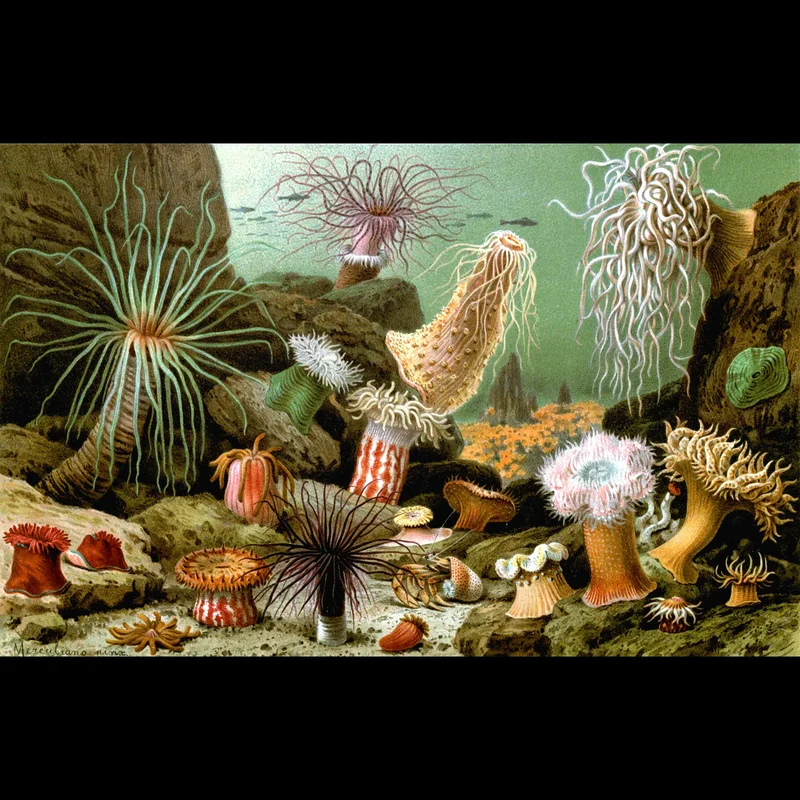
Ex-HMAS Tobruk's evolving underwater landscape now serves as a vibrant habitat for diverse marine species. Corals and mollusks have rapidly colonized its surfaces, creating textured environments where colorful reef fish and anemones now flourish.
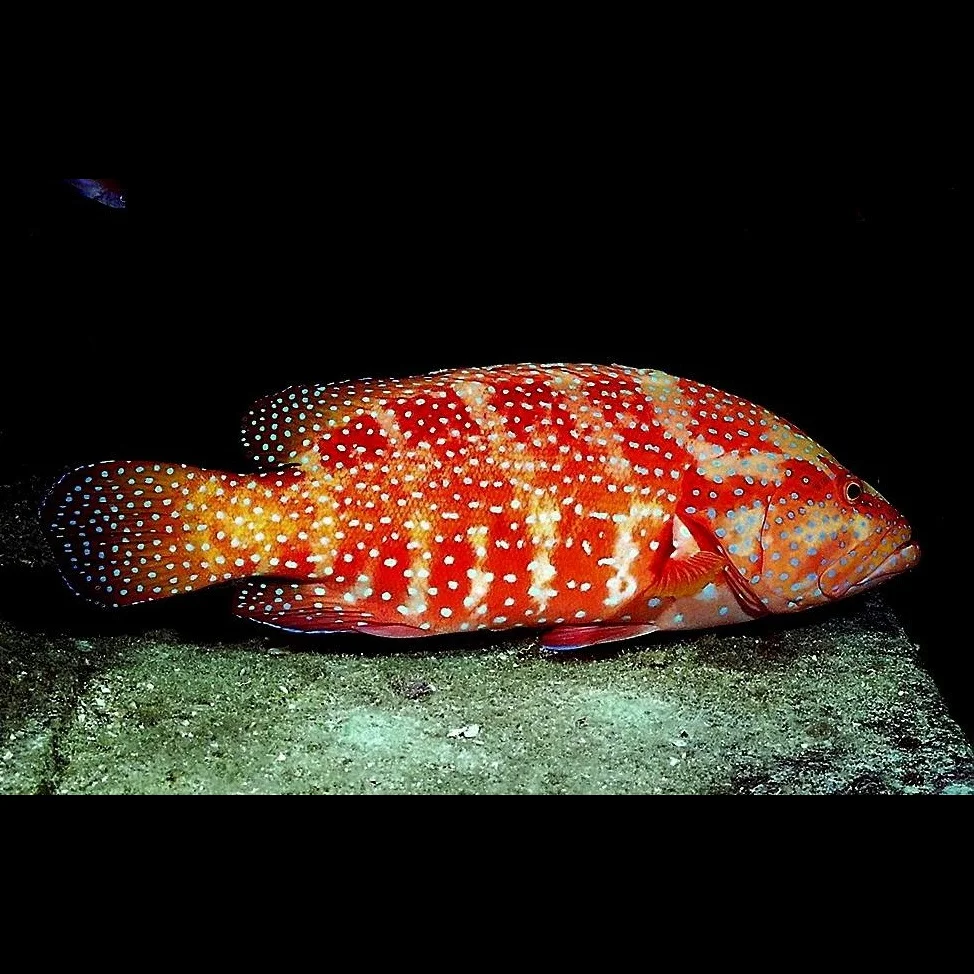
Venturing deeper, divers frequently encounter wobbegong sharks resting on the seabed, alongside groupers and rays patrolling the wreck's periphery. Schools of glittering silver baitfish often congregate around the structure, providing a dynamic visual spectacle.
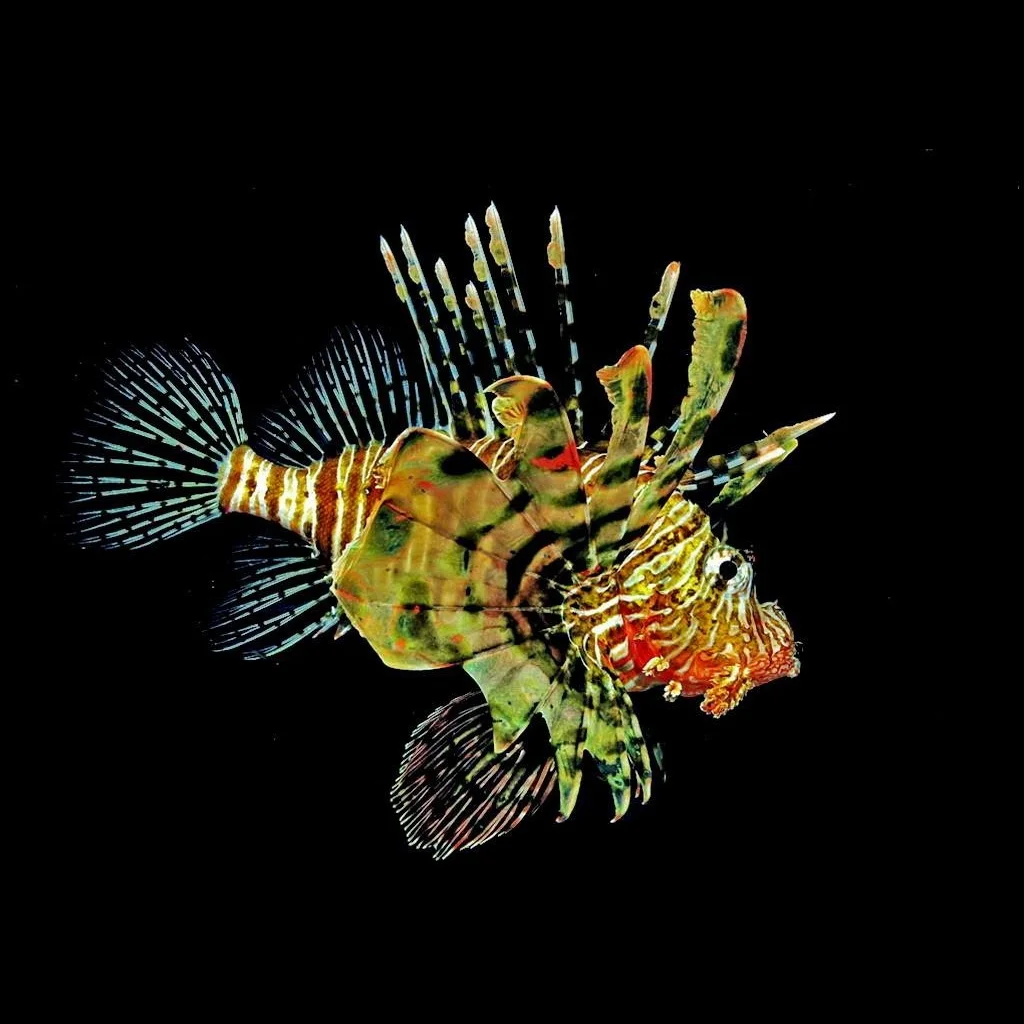
Occasional sightings of octopus, lionfish, pufferfish, and even passing turtles add to the richness of encounters. Such a transformation from military vessel to thriving ecosystem provides a constant surprise for observers.

Dive Centers Near Ex-Hmas Tobruk
Nearest Airports
Nearest airports to help plan travel to this dive area.
Search Flights
Check available flights and routes on Expedia, using the nearby airports listed in this section.
Search Flights on ExpediaFrequently Asked Questions
What is the maximum depth of the Ex-HMAS Tobruk dive?
The wreck's depths range from its shallowest points at 10 m (33 ft) to the seabed at a maximum of 30 m (98 ft). This allows for diverse exploration across different certification levels.
Is the Ex-HMAS Tobruk suitable for all divers?
The wreck offers sections appropriate for both Open Water and Advanced divers. However, those wishing to explore inside the wreck are strongly advised to hold a PADI Wreck Diver certification.
Where do dive tours for the Ex-HMAS Tobruk depart from?
Dive tours typically depart from the Boat Club Marina at Urangan Harbour in Hervey Bay, Queensland. The site is about an hour's boat ride away.
What marine life can I expect to see at the Tobruk?
Divers often encounter colorful reef fish, anemones, octopus, groupers, and wobbegong sharks. Turtles and rays are also common sightings around the wreck.
Are dives at the Ex-HMAS Tobruk guided?
Yes, all dives on the Ex-HMAS Tobruk are guided by experienced professionals. This ensures diver safety and helps navigate the complex structure effectively.
Do I need special equipment for this dive?
A dive torch is highly recommended for exploring internal sections and identifying marine life in darker areas. Your tour typically includes tanks and weight belts, but other gear may be for hire.
Can you dive the Tobruk wreck year-round?
Yes, the wreck is generally diveable year-round, thanks to the shelter provided by Fraser Island. Dive departure times are often adjusted to align with optimal tidal conditions for better visibility.
Planning to dive Ex-Hmas Tobruk?
Send one inquiry and receive offers directly from the best verified local dive operators.
Conditions are Excellent
07:00 - 14:00
Optimal conditions expected
Current conditions near Ex-Hmas Tobruk show 20° air, 21° sea temperature, 0.5 m waves, and 27 km/h wind. Forecast data is refreshed regularly to ensure accuracy.