
Diving at Martin Island (Australia)
Martin Island rises off the southern seaward approach to Wollongong, part of the Five Islands group. Its topography features a prominent reef wall that descends to significant depths, establishing a complex underwater structure. These surrounding waters provide a rich environment, making it a compelling dive destination for exploring both geological formations and diverse aquatic life.
As evening covers Martin Island, the local air temperature is measured at 27.5°C. The current wave height at the surface is recorded at 0.8 m. These late-day readings characterize the surface conditions for the night.
Dive Site Location & Key Facts
Dive Site Overview
The waters surrounding Martin Island offer a striking combination of geological drama and vibrant marine interactions. This destination, a short boat trip from Port Kembla, draws divers into a dynamic environment where deep reef walls meet playful marine megafauna.
The primary dive profile involves exploring a colourful vertical face, adorned with an impressive array of sponges, sea squirts, and gorgonians, which descends to significant depths, typically up to 30 m / 100 ft. These structures provide habitat for numerous reef fish and invertebrates, creating a rich tapestry of life against the ancient rock. After exploring the deeper sections, the dive transitions upward to shallower reef tops, where light penetration enhances the colours and reveals different species.
PADI Open Water Divers will find the site accessible, particularly given that the resident Australian Fur Seals often engage with divers, from the surface all the way down to the seabed. This interplay of robust geological features and engaging wildlife defines the distinctive Martin Island dive experience.
Conditions are Good
07:00 - 14:00
Optimal conditions expected
Current conditions near Martin Island show 28° air, 18° sea temperature, 1.0 m waves, and 24 km/h wind. Forecast data is refreshed regularly to ensure accuracy.
Best Time to Dive
While conditions generally remain favorable for diving for much of the year, distinct seasonal shifts impact the Martin Island experience, particularly concerning marine life encounters and water clarity. Cooler water periods, typically from autumn through winter (May to August), consistently draw larger congregations of Australian Fur Seals. These months, when water temperatures can drop to 15-18°C / 59-64°F, are optimal for close seal interactions. Conversely, summer months (December-February) see warmer water, around 20-22°C / 68-72°F, which can sometimes lead to reduced visibility but still provides good diving. Average air temperatures range from around 12°C / 54°F in winter months like June-August to over 21°C / 70°F in summer. Low average rainfall, often below 5 mm / 0.2 inches per month, contributes to generally good dive scores throughout the year, with January sometimes registering moderate conditions due to potential summer swells or plankton blooms. Divers should consult local reports for real-time visibility and current information.
PEAK SEASON SCORE
Scores combine air & water temps, waves, wind & rainfall for overall conditions.
BEST MONTHS TO DIVE
Monthly records compiled from satellite and marine observation nodes over the last 3 years. Data provided by Open-Meteo and MET Norway.
Dive Experience & Conditions
Exploring Martin Island means navigating a dynamic underwater landscape, typically accessed by boat, with the dive usually starting from an anchor point near a distinctive gully and channel. From there, divers often follow a prominent reef wall that deepens considerably, extending to rough estimates of 25 to 30 m / 82 to 100 ft at its base. Beyond this wall, the topography changes, as the reef gradually gives way to scattered rocks before transitioning into a sand bottom, approximately 20 to 30 meters away. Water conditions vary seasonally; cooler water, often between 15-18°C / 59-64°F, specifically attracts the robust fur seal colony, enhancing interaction opportunities. While not consistently reported, divers should prepare for potential currents that can range from mild to moderate, necessitating good buoyancy control. Visibility is generally good, often exceeding 10 meters, but can be influenced by plankton blooms or recent weather events.
Dive Difficulty & Safety Guidelines
Approaching Martin Island requires thoughtful dive planning, especially considering the depth profile of its walls and the potential for varied currents. Maintaining situational awareness is crucial, particularly when navigating along the reef walls and monitoring air supply to ensure a safe return to the anchor point. Given the depths encountered, staying well within no-decompression limits is paramount for diver safety.
Divers must also practice proper buoyancy control to protect the delicate fixed marine life, such as sponges and gorgonians, that adorn the walls. Respecting the protected Australian Fur Seal colony is also vital; divers should observe them without disturbance, maintaining a respectful distance, and avoiding any actions that might alter their natural behaviour. Always consider local conditions reported by dive operators before entering the water.
Recommended Equipment
- Dive Computer
- DSMB
This gear list is based on verified equipment signals for Martin Island, Australia. Always confirm final gear choices with your dive operator, guide, or liveaboard.
Recommended Dive Suit
In these water temperatures, 5mm wetsuit is a common choice for recreational diving. A hood or vest is suggested for sensitive divers due to surface winds. Longer dive profiles can make thermal protection more important than short exploratory dives.
The waters surrounding Martin Island are currently maintaining temperatures close to 18°C (65°F). Surface air temperatures are resting at 28°C (82°F).
Environmental conditions may feel slightly cooler as the week progresses. A significant temperature drop is forecast; strongly suggest bringing a backup warmer suit option. Bringing an additional thermal layer can be helpful if conditions change.
Emergency & Medical Support
Essential information to help you plan your dive trip to Martin Island.

Hyperbaric chambers are a critical part of dive safety infrastructure. Availability varies significantly by region, and not all dive areas have immediate access.
Before diving, it's recommended to:
- confirm nearest medical facilities
- check emergency procedures with local dive operators
- ensure dive insurance covers evacuation if required
Divers Alert Network
Diving emergency assistance available through DAN World.
+1-919-684-9111- 24/7 emergency hotline
- Diving medical assistance
- Evacuation coordination
Emergency contacts are provided for reference. Always verify local emergency services before diving.
Marine Life at Martin Island
The primary draw to Martin Island is its thriving colony of 40-70 Australian Fur Seals, often a mix of bachelor males and juveniles. These seals are known to interact with divers, playing from the surface down to the seabed.
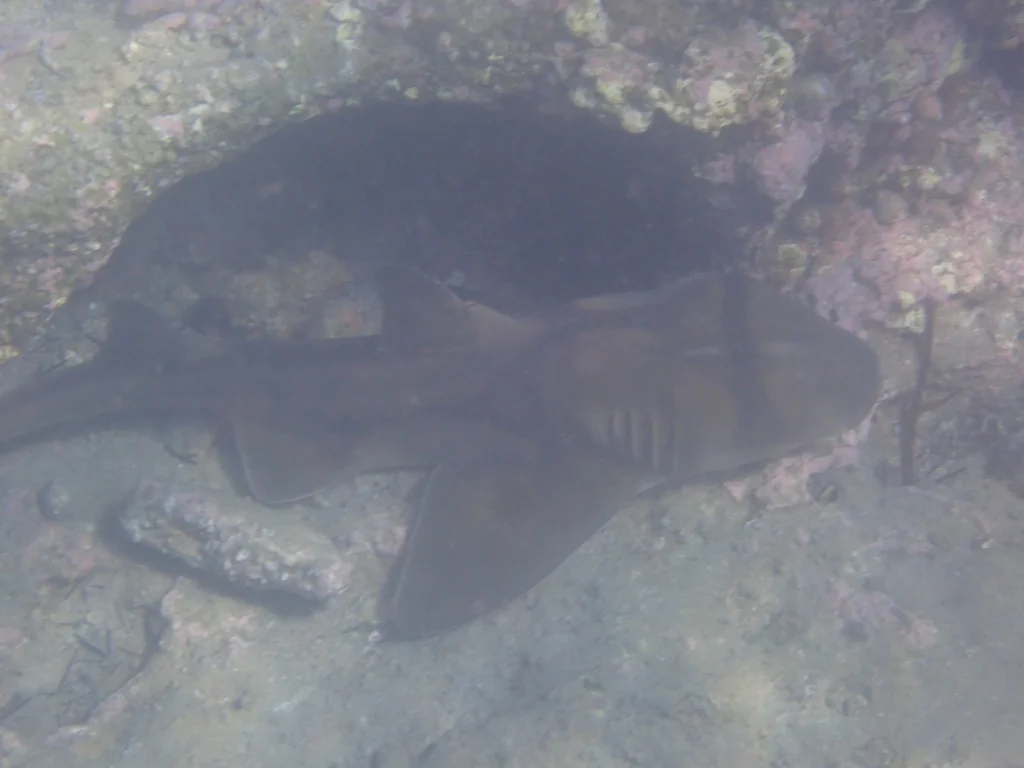
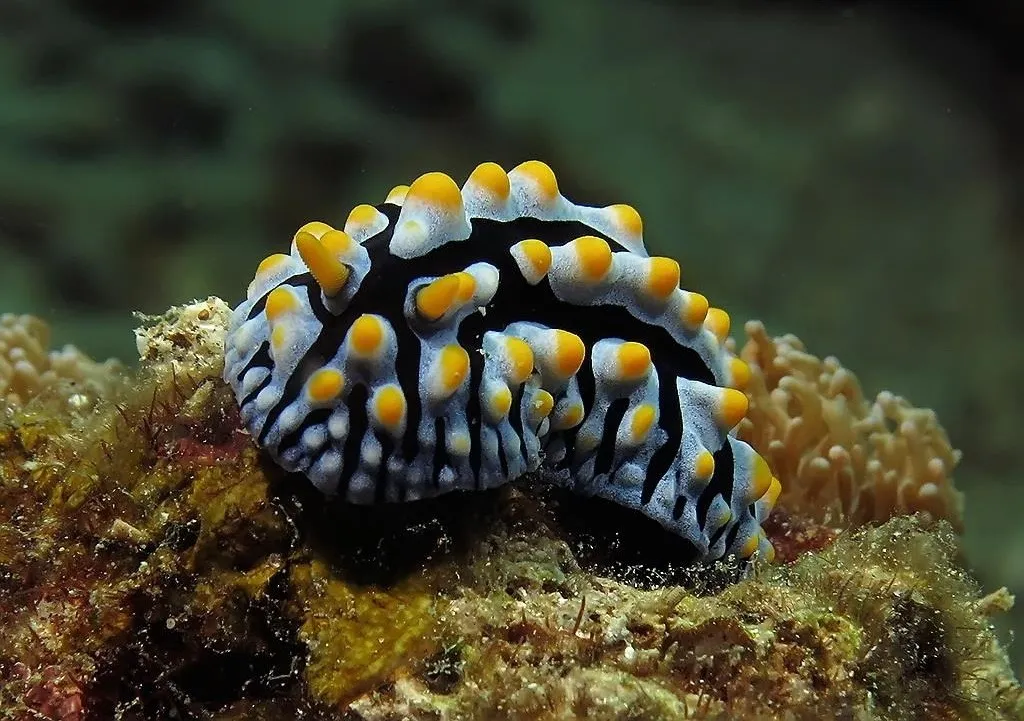
Beyond these charismatic pinnipeds, the reef structures support a variety of fish, including black reef and mosaic leatherjackets, combfish, groper, seapike, and ladder-finned pomfret. Nudibranchs are plentiful, and Port Jackson sharks can be observed during winter and autumn months. Common sightings also include sharks, whales, dolphins, and turtles.

Dive Centers Near Martin Island
Today: 07:00 - 17:00
Nearest Airports
Nearest airports to help plan travel to this dive area.
Search Flights
Check available flights and routes on Expedia, using the nearby airports listed in this section.
Search Flights on ExpediaFrequently Asked Questions
What is the typical maximum depth at Martin Island?
Martin Island offers dives reaching a maximum depth of approximately 25 to 30 meters / 82 to 100 feet. The seals, however, play throughout the water column, making it enjoyable for various certification levels.
When is the best time to see the Australian Fur Seals?
The Australian Fur Seals tend to congregate more at Martin Island when cooler water moves through. This typically occurs during the autumn and winter months, from roughly May through August.
What other marine life can I expect to see here?
Beyond the fur seals, divers frequently encounter black reef and mosaic leatherjackets, combfish, groper, seapike, and ladder-finned pomfret. Port Jackson sharks are also seen, particularly during winter and autumn, along with numerous nudibranchs.
What is the access method for Martin Island?
Martin Island is exclusively accessible by boat. The most common starting point for trips to the island is the Port Kembla boat ramp.
What certification level is recommended for diving at Martin Island?
Divers with a PADI Open Water Diver certification are suitable for Martin Island. The site's varied depths and the seals' activity from surface to bottom accommodate different experience levels.
Are there any strong currents at Martin Island?
Specific current conditions are not consistently reported for Martin Island. Divers should be prepared for varying water dynamics and always consult local dive operators for the most up-to-date conditions.
Planning to dive Martin Island?
Send one inquiry and receive offers directly from the best verified local dive operators.
Conditions are Good
07:00 - 14:00
Optimal conditions expected
Current conditions near Martin Island show 28° air, 18° sea temperature, 1.0 m waves, and 24 km/h wind. Forecast data is refreshed regularly to ensure accuracy.