
Diving at Neptune Islands (Australia)
Rising from the deep waters of Spencer Gulf, the Neptune Islands present a rugged, wind-swept frontier where the Southern Ocean dramatically meets granite outcrops. This remote setting creates a powerful sense of isolation, with the raw elements shaping an environment as wild above the surface as it is below. Rocky-cragged coves offer momentary shelter from the open sea, setting the scene for an immersive dive experience.
Tonight's objective overview for Neptune Islands shows an air temperature of 17.5°C. The measured surface conditions include wave heights around 1.7 m. This environmental data is logged for the close of the day.
Dive Site Location & Key Facts
Dive Site Overview
Exploring the Neptune Islands offers a profound opportunity to engage with one of the ocean's most formidable predators, the white shark, within its natural habitat. Positioned at the mouth of South Australia's Spencer Gulf, these islands comprise two distinct groups, the North and South Neptunes, forming a significant marine park.
This area stands as Australia's sole location for regulated white shark encounters. Divers can choose between surface cage experiences, which require no prior scuba certification, or descend in a submersible cage to a maximum depth of 20 m (65 ft). This allows for an unparalleled perspective of sharks gliding over the diverse reef structures and sandy seafloor.
Beyond the main attraction, expeditions often include the chance to swim with playful Australian sea lions and explore the protected islands themselves, providing a comprehensive wildlife adventure.
Conditions are Moderate
High Wind Advisory (46km/h). Unsafe surface.
Current conditions near Neptune Islands show 18° air, 16° sea temperature, 1.8 m waves, and 46 km/h wind. Forecast data is refreshed regularly to ensure accuracy.
Best Time to Dive
Planning an expedition to the Neptune Islands prioritizes aligning with peak white shark activity, often overriding considerations for calmest weather. While average air temperatures range from cooler winter highs of around 14°C (57°F) to warmer summer highs of 19°C (66°F), specific trips are scheduled to coincide with the largest numbers of great whites, frequently in May as an example. Conditions can be challenging, with average wave heights ranging from 2.6 to 3.8 meters (8.5 to 12.5 ft) and wind speeds from 30 to 40 km/h (19 to 25 mph) year-round. Rain is generally minimal, typically less than 5 mm (0.2 inches) monthly. Water temperatures are not consistently reported but generally remain cool, demanding appropriate thermal protection. Ultimately, divers accepting these often-robust conditions will maximize their chances for shark encounters.
PEAK SEASON SCORE
Scores combine air & water temps, waves, wind & rainfall for overall conditions.
BEST MONTHS TO DIVE
Monthly records compiled from satellite and marine observation nodes over the last 3 years. Data provided by Open-Meteo and MET Norway.
Dive Experience & Conditions
Approaching the Neptune Islands, divers encounter waters known for excellent visibility, a crucial factor for observing large marine life. The diving itself centers around cage experiences, either at the surface or submerged. Surface cage diving accommodates all experience levels, requiring no prior scuba certification. For those seeking a deeper perspective, a submersible cage takes certified Open Water divers to depths around 20 m (65 ft). The site features varied underwater terrain, including channel areas, reef systems, and stretches of sandy seafloor. Conditions can be dynamic due to the islands' remote, wind-swept nature and deep-water proximity, often characterized by strong currents and significant wave action that necessitate robust vessel operations. Divers should prepare for a potentially exhilarating, yet physically demanding, experience.
Dive Difficulty & Safety Guidelines
Engaging with white sharks at the Neptune Islands demands adherence to strict safety protocols and guidelines set by permitted operators. All diving activities, particularly cage diving, occur under expert supervision to ensure diver safety and marine life protection. White sharks are a protected species in South Australia, making it imperative to follow all instructions regarding interaction distances and behaviors.
For submersible cage dives, an Open Water certification is a prerequisite, enabling safe descent to maximum recreational depths. Surface cage diving does not require prior scuba certification.
Liveaboard operators often hold the sole permits for landing on the protected islands, emphasizing the importance of booking with reputable and authorized expeditions for any shore excursions.
Recommended Equipment
- Dive Computer
This gear list is based on verified equipment signals for Neptune Islands, Australia. Always confirm final gear choices with your dive operator, guide, or liveaboard.
Recommended Dive Suit
According to recent observations, water temperatures near Neptune Islands are approximately 16°C (60°F). Surface air temperatures are resting at 18°C (64°F).
A modest cooling trend is expected in the upcoming forecast. Cooler days are ahead; you might want a warmer option for later in the week. A neoprene vest or hood can add flexibility if temperatures feel cooler underwater.
In water temperatures like these, 5-7mm wetsuit typically offers sufficient warmth for most recreational dives. A hood or vest is suggested for sensitive divers due to surface winds. Some divers naturally tolerate cooler water better than others. Surface intervals may feel noticeably cooler once you exit the water.
Emergency & Medical Support
Essential information to help you plan your dive trip to Neptune Islands.

Hyperbaric chambers are a critical part of dive safety infrastructure. Availability varies significantly by region, and not all dive areas have immediate access.
Before diving, it's recommended to:
- confirm nearest medical facilities
- check emergency procedures with local dive operators
- ensure dive insurance covers evacuation if required
Divers Alert Network
Diving emergency assistance available through DAN World.
+1-919-684-9111- 24/7 emergency hotline
- Diving medical assistance
- Evacuation coordination
Emergency contacts are provided for reference. Always verify local emergency services before diving.
Marine Life at Neptune Islands
The Neptune Islands serve as a critical aggregation point for white sharks, drawn by the extensive long-nosed fur seal colonies. Divers primarily seek encounters with these magnificent sharks, often observing them from the safety of a cage.
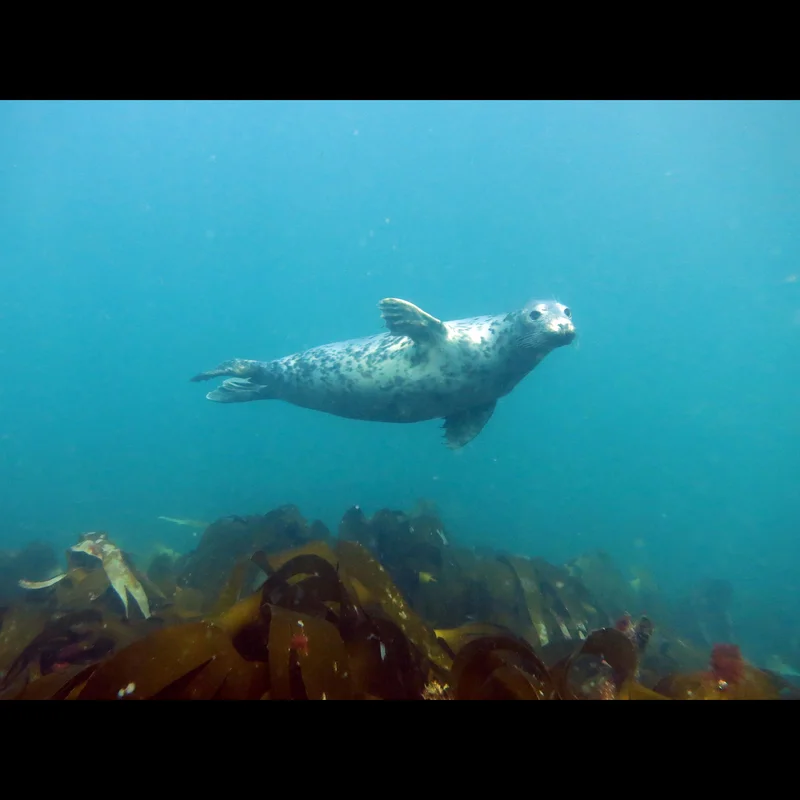
The area also hosts a vibrant population of Australian sea lions, providing opportunities for playful interactions away from the main shark diving sites.
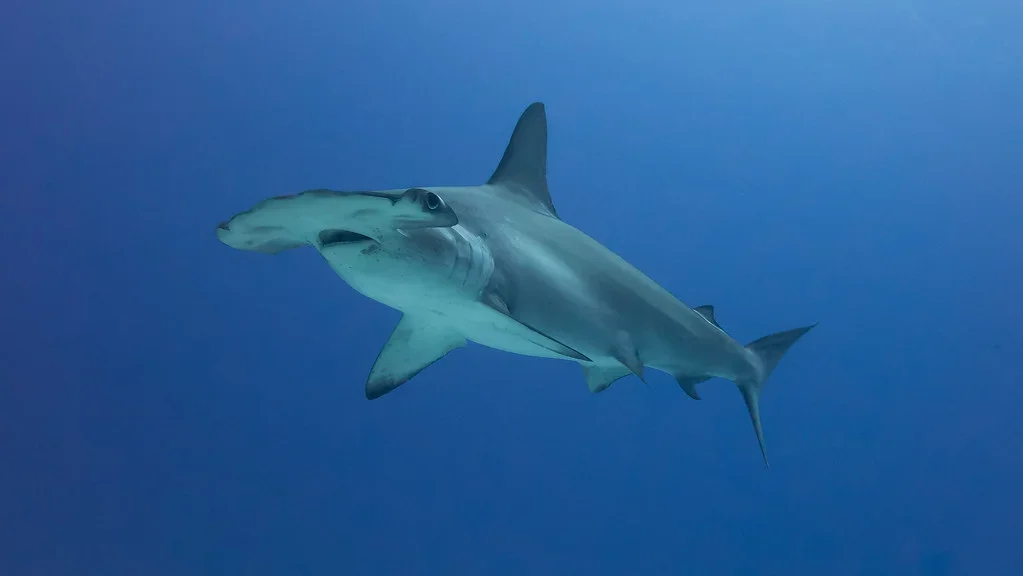
Additionally, the marine park's sheltered seagrasses and deeper habitats are home to other shark species, including mako, bronze whaler, blue, and hammerhead sharks. Above water, the islands themselves are a haven for birdlife, with white-breasted sea eagles, rock parrots, and albatrosses commonly sighted during island explorations.
Dive Centers Near Neptune Islands
No Dive Centers Local To Neptune Islands
Are you a dive center visiting this location? Get listed to reach divers.
Nearest Airports
Nearest airports to help plan travel to this dive area.
Search Flights
Check available flights and routes on Expedia, using the nearby airports listed in this section.
Search Flights on ExpediaFrequently Asked Questions
What is the primary draw for divers at Neptune Islands?
The main draw for divers is cage diving with white sharks, providing an unparalleled opportunity to observe these predators in their natural habitat. These islands are recognized as a prime location globally for such encounters.
Is a scuba certification required for cage diving?
A scuba certification is not required for surface cage diving, making it accessible to non-certified individuals. However, an Open Water certification is necessary for those wishing to use the submersible cage, which descends to deeper sections.
What depths are involved in cage diving here?
Surface cage diving occurs just below the water's surface. For a more immersive experience, the submersible cage can take certified divers down to approximately 20 m (65 ft) to view sharks along the seafloor.
What other marine life can be seen besides sharks?
Beyond white sharks, the area is home to significant colonies of long-nosed fur seals and Australian sea lions, which divers can often interact with. Other shark species like mako, bronze whaler, blue, and hammerhead sharks are also present.
Can divers visit the islands themselves?
Yes, some liveaboard operators hold the exclusive permits allowing shore excursions onto the protected Neptune Islands. These trips offer opportunities to observe unique island wildlife, including various bird species and seals on the rocks.
What are the typical water conditions for diving?
Water conditions can be dynamic, characterized by good visibility, but also strong currents and notable wave action due to the exposed nature of the islands. Generally, water temperatures remain cool and are not consistently reported, requiring adequate thermal protection.
When is the best time to see great white sharks?
Expeditions are typically scheduled to coincide with the periods when the largest numbers of great white sharks gather around the islands. This often occurs around May, though specific dates vary by operator and year.
Planning to dive Neptune Islands?
Send one inquiry and receive offers directly from the best verified local dive operators.
Conditions are Moderate
High Wind Advisory (46km/h). Unsafe surface.
Current conditions near Neptune Islands show 18° air, 16° sea temperature, 1.8 m waves, and 46 km/h wind. Forecast data is refreshed regularly to ensure accuracy.