
Diving at Port Campbell Bay Reef (Australia)
Nestled along Victoria's famed Shipwreck Coast, Port Campbell Bay Reef stands as a testament to the region's diverse underwater landscape. While the coast is more widely associated with the dramatic silhouettes of historic wrecks like the Ex-HMAS Canberra, this protected bay offers a contrasting, yet equally engaging, shore diving experience. It provides a sanctuary of marine life, a calm counterpoint to the more demanding adventure dives found further offshore.
Evening condition tracking at Port Campbell Bay Reef features an air temperature of 13°C. We have recorded wave heights measuring 2.7 m during this period. These figures outline the environmental parameters currently present.
Dive Site Location & Key Facts
Dive Site Overview
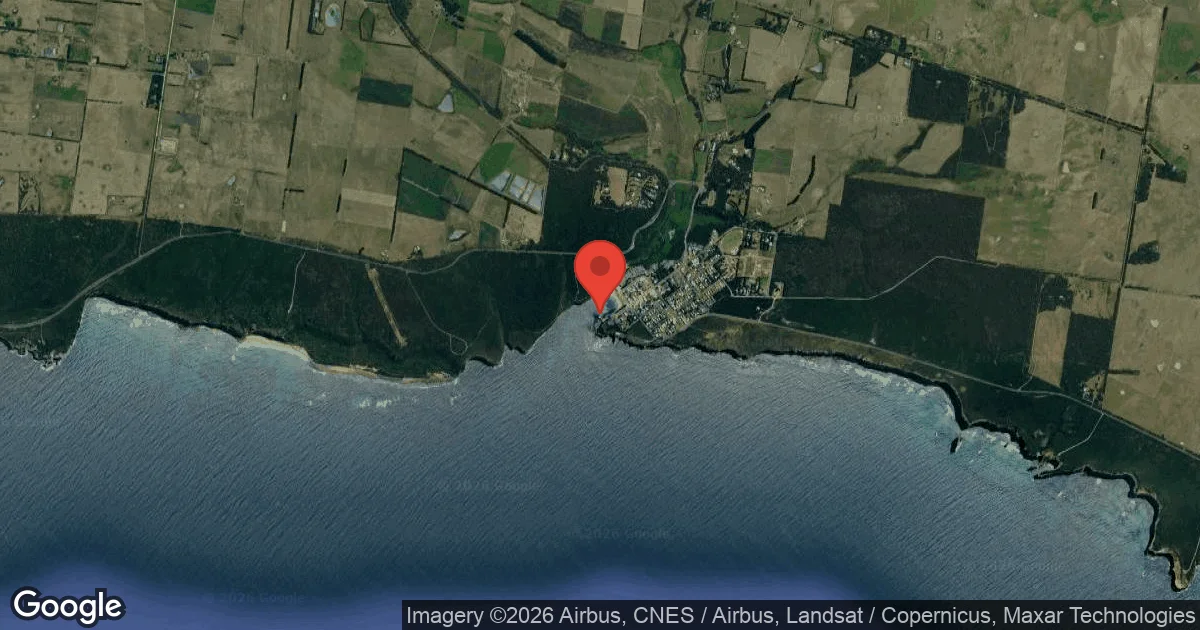
Port Campbell Bay features a natural formation, creating a sheltered haven on an otherwise exposed stretch of coastline. Historically, the bay's geology, a 200-meter (656 ft) wide, partially in-filled valley, shaped the area, with the town spreading over the eastern slopes and the beach bounded by Port Campbell Creek.
Divers typically access the water from the shore directly in front of the Surf Life Saving Club, a convenient starting point for exploring the bay's unique underwater topography. Following the reef wall to the right, divers encounter an old riverbed on the left, a feature adding structural complexity. Densely carpeted with various marine grasses and plant life, the wall forms an intricate habitat.
Diving here unfolds in shallow waters, with depths ranging from 2 to 12 meters (7 to 39 ft), making it accessible for open water divers and beyond. A protected environment, combined with its shallow profile, generally offers a more relaxed dive compared to some of Victoria’s deeper, current-prone sites.
Conditions are Poor
High Swell Advisory. Not recommended.
Current conditions near Port Campbell Bay Reef show 13° air, 14° sea temperature, 2.9 m waves, and 45 km/h wind. Forecast data is refreshed regularly to ensure accuracy.
Best Time to Dive
Optimizing a dive at Port Campbell Bay Reef hinges on specific conditions: aim for low tide with a minimal swell of 1.7 meters (5.6 ft) or less, accompanied by a North, East, or Westerly wind. While ideal swell conditions are crucial, average wave heights in the region during peak seasons can exceed this, necessitating careful real-time assessment of sea state. The warmer months generally present better opportunities, particularly from December through April. During January and February, air temperatures average around 18°C (64°F), with rainfall remaining very low, approximately 1.0 to 1.07 mm. March sees average air temperatures of 17°C (63°F) and 1.14 mm of rain, while December offers 16°C (61°F) and 2.40 mm of rain. Although water temperatures aren't consistently reported in system data, the region's temperate waters typically range from 21°C (70°F) in summer to 11°C (52°F) in winter, influencing gear choices. These months consistently show 'Moderate' dive scores, indicating more favorable weather for shore-based exploration.
PEAK SEASON SCORE
Scores combine air & water temps, waves, wind & rainfall for overall conditions.
BEST MONTHS TO DIVE
Monthly records compiled from satellite and marine observation nodes over the last 3 years. Data provided by Open-Meteo and MET Norway.
Dive Experience & Conditions
Beginning a dive at Port Campbell Bay Reef starts directly from the shore, in front of the local Surf Life Saving Club. Simple shore entry here allows divers to acclimate quickly before heading out. Once submerged, primary navigation follows the prominent reef wall, which is typically kept to the diver's right. An old riverbed on the left often parallels this feature, further enhancing the underwater landscape. The dive unfolds across shallow depths, usually between 2 meters (7 ft) and a maximum of 12 meters (39 ft). A largely protected environment minimizes exposure to strong currents, though local conditions can always vary. Water temperatures in Victoria's temperate zone range from about 11°C (52°F) in winter to 21°C (70°F) in summer. Visibility is not consistently reported but generally improves during settled conditions, especially on low tide. Such conditions make for a pleasant dive for Open Water certified divers and those with more experience.
Dive Difficulty & Safety Guidelines
Diving at Port Campbell Bay Reef, while considered a protected shore dive, still requires adherence to standard safety protocols. The site is suitable for Open Water divers and above, but local conditions, particularly swell and wind, dictate the optimal time to dive.
Always check the current forecast and sea state, as conditions can change rapidly on an exposed coast. Given the potential for boat traffic in the bay area, deploying a Diver Below Flag and float is strongly advised.
This ensures surface vessels are aware of your presence, a critical safety measure. Pay attention to tide cycles, as the site is best enjoyed during low tide.
Plan your dive according to your certification level and experience, and consider diving with a local guide if unfamiliar with the site.
Recommended Equipment
- Dive Computer
- Hard-soled Dive Boots
This gear list is based on verified equipment signals for Port Campbell Bay Reef, Australia. Always confirm final gear choices with your dive operator, guide, or liveaboard.
Recommended Dive Suit
For dives of average duration, 7mm wetsuit or semidry usually provides sufficient protection from heat loss. Consider warmer surface protection (like a boat coat) due to brisk winds. A thermal robe or jacket is recommended between dives.
Divers planning a dive at Port Campbell Bay Reef today will likely encounter water temperatures close to 14°C (58°F). Surface air temperatures are resting at 13°C (56°F).
Weather models indicate a small drop in surface temperatures later this week. Cooler days are ahead; you might want a warmer option for later in the week. Having a second exposure option available is often a good precaution.
Emergency & Medical Support
Essential information to help you plan your dive trip to Port Campbell Bay Reef.

Hyperbaric chambers are a critical part of dive safety infrastructure. Availability varies significantly by region, and not all dive areas have immediate access.
Before diving, it's recommended to:
- confirm nearest medical facilities
- check emergency procedures with local dive operators
- ensure dive insurance covers evacuation if required
Divers Alert Network
Diving emergency assistance available through DAN World.
+1-919-684-9111- 24/7 emergency hotline
- Diving medical assistance
- Evacuation coordination
Emergency contacts are provided for reference. Always verify local emergency services before diving.
Marine Life at Port Campbell Bay Reef
Extensive marine grass and plant life covering the reef wall at Port Campbell Bay Reef create a rich habitat, drawing in a variety of local species. Divers frequently observe abundant fish populations, particularly towards the end of the reef wall at approximately 8 meters (26 ft) depth.
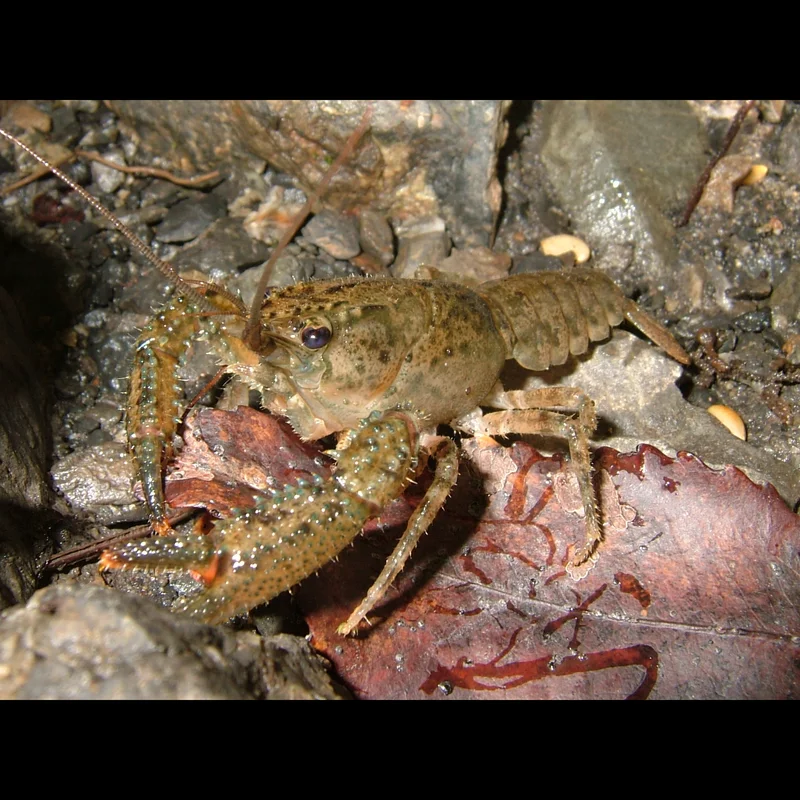
Crayfish and diverse invertebrates also find refuge among the dense vegetation. Expect a critter-rich environment, offering opportunities to spot unique southern Australian inhabitants.
Keep an eye out for 'weedies,' a common name for Weedy Seadragons. These distinctive creatures, generally reddish with yellow spots and less flamboyant projections than their Leafy counterparts, blend seamlessly into the marine plants, rewarding patient observation.

Dive Sites Near Port Campbell Bay Reef
View all dive sites in AustraliaDiscover more underwater gems in this area.
Dive Centers Near Port Campbell Bay Reef
No Dive Centers Local To Port Campbell Bay Reef
Are you a dive center visiting this location? Get listed to reach divers.
Nearest Airports
Nearest airports to help plan travel to this dive area.
Search Flights
Check available flights and routes on Expedia, using the nearby airports listed in this section.
Search Flights on ExpediaFrequently Asked Questions
Where is the entry point for Port Campbell Bay Reef?
Divers enter the water from the shore, directly in front of the Surf Life Saving Club in Port Campbell. It's a convenient and straightforward shore access point.
What are the typical depths for diving at Port Campbell Bay Reef?
Depths at the dive site range from 2 meters (7 ft) to a maximum of 12 meters (39 ft). Such a shallow profile suits divers with various experience levels.
What specific conditions are best for diving Port Campbell Bay Reef?
For the best experience, divers should aim for low tide with a swell of 1.7 meters (5.6 ft) or less, and winds from the North, East, or West. Always check current weather and sea conditions before diving.
What marine life can divers expect to see?
Abundant marine grasses and plants cover the reef wall, providing shelter for numerous fish, crayfish, and invertebrates. Weedy Seadragons, often reddish with yellow spots, are also a notable highlight for patient observers.
Is Port Campbell Bay Reef suitable for all diver levels?
Yes, Port Campbell Bay Reef is generally suitable for Open Water certified divers and beyond. Its protected nature and shallow depths make it accessible, but checking conditions remains important.
What are the water temperatures at this dive site?
Water temperatures in this temperate region typically range from approximately 11°C (52°F) in winter to 21°C (70°F) during the summer months. Appropriate thermal protection is recommended year-round.
Planning to dive Port Campbell Bay Reef?
Send one inquiry and receive offers directly from the best verified local dive operators.
Conditions are Poor
High Swell Advisory. Not recommended.
Current conditions near Port Campbell Bay Reef show 13° air, 14° sea temperature, 2.9 m waves, and 45 km/h wind. Forecast data is refreshed regularly to ensure accuracy.