
Diving at Port Campbell Jetty (Australia)
Beneath Port Campbell Jetty, an artificial reef ecosystem flourishes, transforming discarded structures into a thriving underwater garden. Anemones blanket the pylons and old tires, creating vibrant displays of color and texture. A sheltered environment draws a multitude of juvenile fish, darting amongst the shadows cast by the pier, offering a close-up encounter with the coast's hidden life. It's an accessible window into the shallow, dynamic nearshore world.
Tonight's objective overview for Port Campbell Jetty shows an air temperature of 12.5°C. The measured surface conditions include wave heights around 2.9 m. This environmental data is logged for the close of the day.
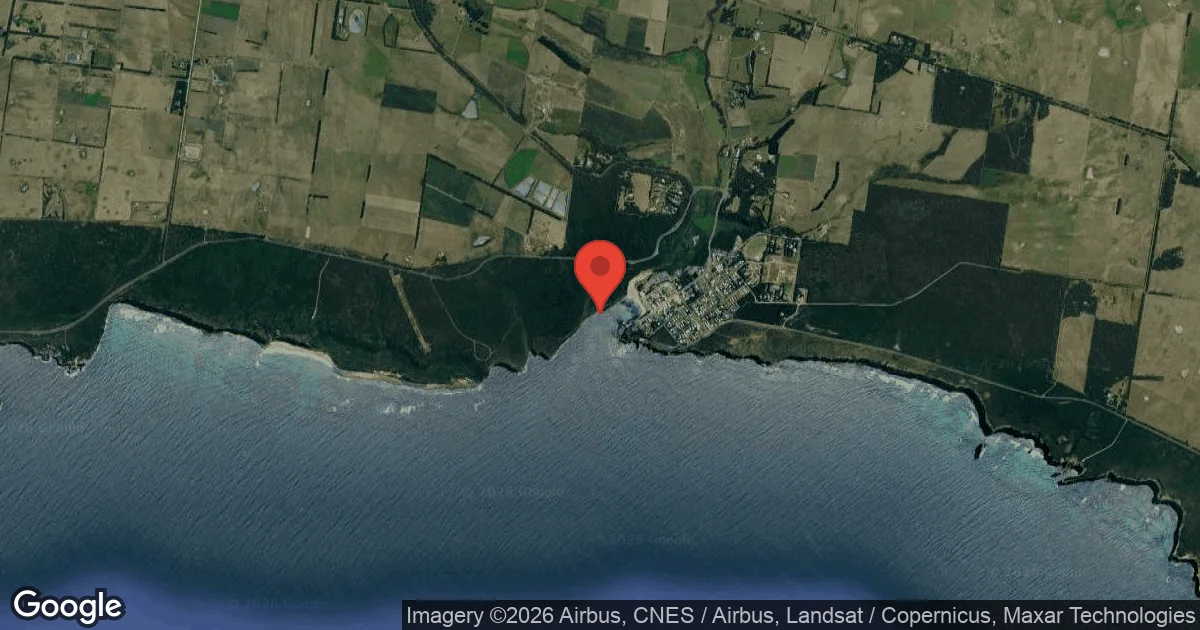
Dive Site Location & Key Facts
Dive Site Overview
Embark on an accessible shore or giant stride dive at Port Campbell Jetty, where the underwater world immediately captures attention. Port Campbell Jetty offers an inviting entry for divers seeking an easy immersion into a lively marine habitat.
Divers can start from the beach, tracing the reef line to the pier, or by taking a direct stride off the jetty itself. Beneath the jetty's structure, the primary draw, a rich tapestry of life thrives, with supports hosting varied organisms.
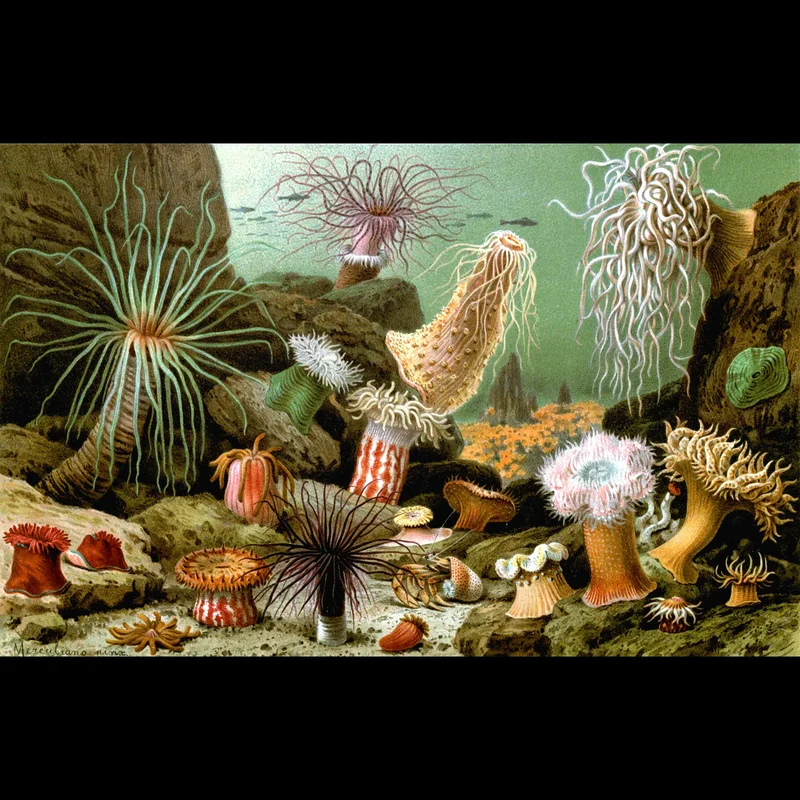
Anemones cling to pylons and abandoned tires, forming colorful, garden-like arrangements that appear to bloom in the filtered light. Keep an eye out for an old anchor on the approach, hinting at the area's maritime history.
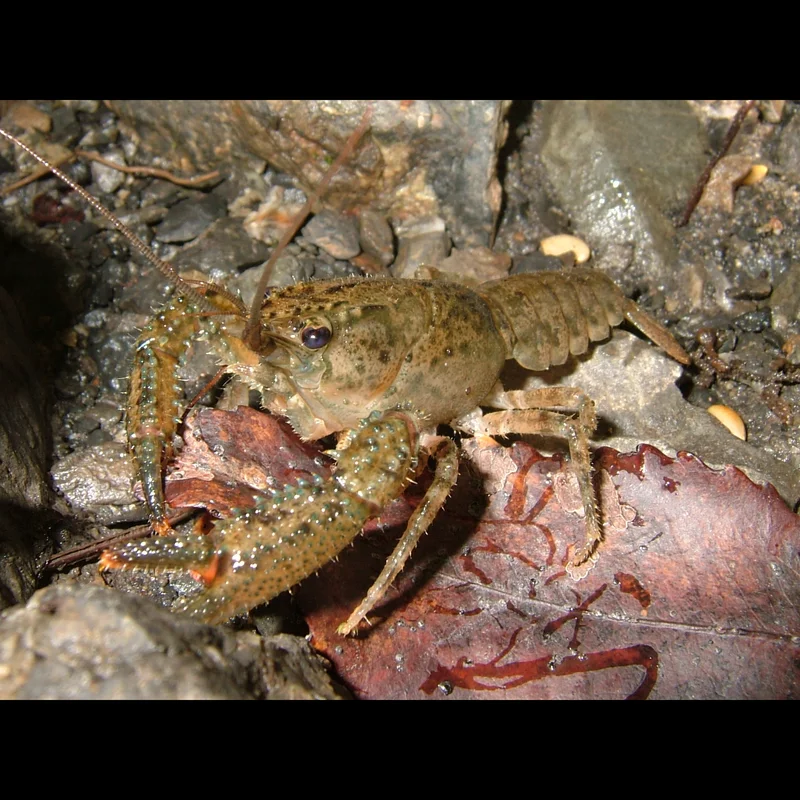
Life here teems with abalone, small crayfish, and an array of juvenile fish, providing continuous interest for observers. Expect to find plenty of fishing lures snagged on the structures, a reminder of surface activities.
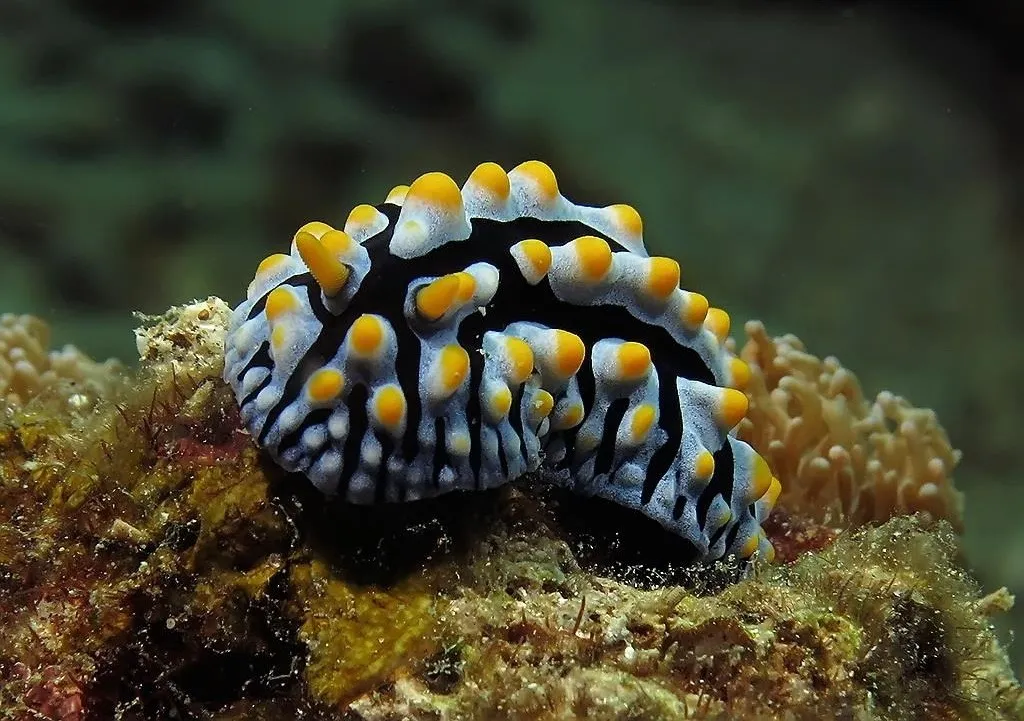
Despite its ease of access and relatively shallow profile, Port Campbell Jetty retains an engaging quality; nudibranchs and other small creatures are often discovered tucked away within adjacent reef sections. A nearby reef wall, extending to about 8 m (26 ft), offers additional exploration opportunities, covered in marine grasses that shelter further fish and invertebrates.
It's a dive that rewards slow exploration and keen observation, making it suitable for a wide range of skill levels.
Conditions are Poor
High Swell Advisory. Not recommended.
Current conditions near Port Campbell Jetty show 13° air, 14° sea temperature, 2.9 m waves, and 45 km/h wind. Forecast data is refreshed regularly to ensure accuracy.
Best Time to Dive
Optimal visibility at Port Campbell Jetty is predominantly influenced by swell and wind conditions. A favorable period generally spans from December through April, aligning with Australia's summer and early autumn. During these months, average air temperatures are warmer, typically ranging from 14-18°C (57-64°F), and average rainfall is comparatively lower, often less than 2 mm (0.08 in) monthly, contributing to more stable conditions. Divers should prioritize days with low swell, ideally 1.7 m (5.6 ft) or less, as the site is highly susceptible to surge and large swells that significantly diminish visibility and make diving challenging. Northerly, Easterly, or Westerly winds are preferred; Southerly winds, even at low speeds, tend to stir up the bay and reduce clarity. Planning a dive during a low tide can further enhance the experience by minimizing current and improving the overall underwater view.
PEAK SEASON SCORE
Scores combine air & water temps, waves, wind & rainfall for overall conditions.
BEST MONTHS TO DIVE
Monthly records compiled from satellite and marine observation nodes over the last 3 years. Data provided by Open-Meteo and MET Norway.
Dive Experience & Conditions
Accessing Port Campbell Jetty is straightforward, either via a giant stride directly from the jetty or a shore entry from the adjacent beach. Its flexibility makes it an easy dive for various experience levels. Once in the water, divers find themselves in relatively shallow conditions, exploring the vibrant ecosystem under the pier. Conditions can be quite dynamic; while generally easy, the site is prone to surge and substantial swells, which can increase navigation effort. Underwater, structures are adorned with anemones, providing shelter for an abundance of juvenile fish. Visibility varies significantly with prevailing weather; calm days offer clearer views of the abalone and small crayfish inhabiting pylons and reef. Near the pier, the seabed gradually transitions to a sandy bottom mixed with reef patches, offering ample space for exploration.
Dive Difficulty & Safety Guidelines
While Port Campbell Jetty offers an accessible dive, navigating its conditions requires awareness, particularly regarding swell and wind. Known for experiencing surge and significant swells, the site can quickly turn an easy dive into a challenging one. It's crucial to check local forecasts for low swell conditions, ideally below 1.7 m (5.6 ft), and avoid diving when Southerly winds are present, as they often correlate with less favorable underwater clarity and stronger currents.
Due to potential boat traffic in Port Campbell Bay, carrying a Diver Below Flag and float is a prudent measure, especially when exploring further along the reef wall. Maintaining situational awareness around the jetty structure, actively used by anglers, is important to avoid fishing lines and lures.
Always dive with a buddy, and if conditions appear too rough from the surface, consider rescheduling to ensure a safe and enjoyable experience.
Recommended Equipment
- Dive Computer
- Hard-soled Dive Boots
This gear list is based on verified equipment signals for Port Campbell Jetty, Australia. Always confirm final gear choices with your dive operator, guide, or liveaboard.
Recommended Dive Suit
Divers planning deeper dives may feel cooler than those staying in shallower areas.
Many divers find that 7mm wetsuit or semidry offers a comfortable balance between warmth and mobility. Consider warmer surface protection (like a boat coat) due to brisk winds. A thermal robe or jacket is recommended between dives. The coming days appear slightly cooler according to the latest forecast. Cooler days are ahead; you might want a warmer option for later in the week. Carrying a secondary suit is common practice among experienced divers.
Current temperature readings suggest that the water at Port Campbell Jetty is around 14°C (58°F). Surface air temperatures are resting at 13°C (55°F).
Emergency & Medical Support
Essential information to help you plan your dive trip to Port Campbell Jetty.

Hyperbaric chambers are a critical part of dive safety infrastructure. Availability varies significantly by region, and not all dive areas have immediate access.
Before diving, it's recommended to:
- confirm nearest medical facilities
- check emergency procedures with local dive operators
- ensure dive insurance covers evacuation if required
Divers Alert Network
Diving emergency assistance available through DAN World.
+1-919-684-9111- 24/7 emergency hotline
- Diving medical assistance
- Evacuation coordination
Emergency contacts are provided for reference. Always verify local emergency services before diving.
Marine Life at Port Campbell Jetty
Beneath Port Campbell Jetty, the immediate impression is one of dense, intricate growth. Anemones brilliantly color the supporting pylons and any submerged old tires, creating a lively visual spectacle.
Look closely, and you'll quickly spot abundant juvenile fish schooling through the structures. Among the pylons, abalone and small crayfish can be observed sheltering.
Away from the immediate jetty, surrounding reef sections often conceal nudibranchs and various smaller invertebrates, rewarding a careful search. Such diversity reflects a healthy nearshore ecosystem adapting to the artificial habitat provided by the pier.

Dive Sites Near Port Campbell Jetty
View all dive sites in AustraliaDiscover more underwater gems in this area.
Dive Centers Near Port Campbell Jetty
No Dive Centers Local To Port Campbell Jetty
Are you a dive center visiting this location? Get listed to reach divers.
Nearest Airports
Nearest airports to help plan travel to this dive area.
Search Flights
Check available flights and routes on Expedia, using the nearby airports listed in this section.
Search Flights on ExpediaFrequently Asked Questions
What's the best way to access the dive site?
You can access Port Campbell Jetty either by a giant stride entry directly off the jetty or by a more gradual shore entry from the adjacent beach. Both methods are straightforward and suitable for various diver preferences.
What kind of marine life can I expect to see?
Under the jetty, you'll find prolific life including abalone, small crayfish, and many juvenile fish. Anemones grow extensively on the pylons and old tires, and nudibranchs can be found on the nearby reef.
Is the dive site suitable for beginners?
Yes, Port Campbell Jetty is considered a very easy dive, making it suitable for divers of all skill levels, including beginners. However, it's essential to check conditions for surge and swell.
What are the typical depths?
This is a relatively shallow dive. While specific depths under the jetty aren't consistently reported, nearby reef walls in Port Campbell Bay extend to about 8 m (26 ft).
Are there any currents at Port Campbell Jetty?
The site is prone to surge and can experience strong swells, especially during unfavorable weather conditions. Actual currents may vary depending on tide and weather, but surge is a primary consideration.
What wind conditions should be avoided?
It's best to avoid diving when Southerly winds are present. These winds tend to increase swell and surge, significantly reducing visibility and making the dive less enjoyable.
Is there a good time of year to visit for diving?
The period from December through April generally offers more stable and favorable conditions, with warmer air temperatures and lower average rainfall. Always check local forecasts for low swell and appropriate wind direction.
Planning to dive Port Campbell Jetty?
Send one inquiry and receive offers directly from the best verified local dive operators.
Conditions are Poor
High Swell Advisory. Not recommended.
Current conditions near Port Campbell Jetty show 13° air, 14° sea temperature, 2.9 m waves, and 45 km/h wind. Forecast data is refreshed regularly to ensure accuracy.