
Diving at Red Beach (Australia)
Red Beach presents a generally accessible coastal topography, typical of many Australian shore dives. Its structure is shaped by ongoing marine processes, influencing the dive environment. While specific geological formations are not consistently reported for this site, divers can anticipate features common to exposed beach settings. Conditions here are often dictated by broader regional ocean movements and localized factors.
Evening condition tracking at Red Beach features an air temperature of 20°C. We have recorded wave heights measuring 0.5 m during this period. These figures outline the environmental parameters currently present.
Dive Site Location & Key Facts
Dive Site Overview
A dive at Red Beach plunges you into a highly dynamic coastal environment, where conditions frequently shift, demanding a responsive approach to planning and execution. Experiences here are largely defined by prevailing weather patterns, particularly wind and wave action, which can significantly influence both underwater visibility and the ease of entry and exit.
Moderate wave activity is common here, with average heights varying from 0.5 m (1.6 ft) in calmer periods to 0.9 m (3.0 ft) during more energetic months. This constant movement sculpts the underwater terrain, which often consists of a sandy bottom interspersed with occasional rocky outcrops. Typical recreational depths are likely found, allowing for varied exploration without exceeding standard limits, usually remaining within 18-30 m (60-100 ft).
Divers should anticipate a site that interacts directly with the open ocean, requiring close attention to environmental cues before and during the dive. The continuous interplay of forces provides an authentic experience of Australia's coastal dive settings, challenging divers to adapt to its ever-changing nature.
Understanding how these elements combine on any given day is paramount for a successful outing. A watchful eye on the surface conditions before descending will always pay dividends.
Conditions are Excellent
07:00 - 14:00
Optimal conditions expected
Current conditions near Red Beach show 20° air, 22° sea temperature, 0.6 m waves, and 26 km/h wind. Forecast data is refreshed regularly to ensure accuracy.
Best Time to Dive
Optimizing a dive at Red Beach often means prioritizing periods of reduced rainfall and calmer seas for better visibility and more comfortable conditions. The winter months, particularly June to August, typically offer the most favorable window. June, for example, registers an 'Excellent' dive score, with minimal average rainfall at 1.6 mm (0.06 inches) and lower wave heights around 0.5 m (1.6 ft). Air temperatures during this period are cooler, averaging 19-20°C (66-68°F). Conversely, summer months like January and February bring higher average air temperatures of 26-27°C (79-81°F), but also higher rainfall (around 3.9-4.4 mm or 0.15-0.17 inches) and stronger wave action, which may reduce underwater clarity.
PEAK SEASON SCORE
Scores combine air & water temps, waves, wind & rainfall for overall conditions.
BEST MONTHS TO DIVE
Monthly records compiled from satellite and marine observation nodes over the last 3 years. Data provided by Open-Meteo and MET Norway.
Dive Experience & Conditions
Divers approaching Red Beach should anticipate varying current dynamics, as is common along exposed Australian coastlines. Conditions are significantly influenced by wind patterns, with average speeds ranging from 28 km/h (17 mph) in June to 38 km/h (24 mph) in February, directly impacting surface chop and subsurface water movement. Wave heights also play a role, from around 0.5 m (1.6 ft) in winter to nearly 1 m (3.3 ft) in summer, affecting entry and exit points. Water temperatures are not consistently reported for this specific site, but typically align with regional seasonal averages. Understanding the interplay of these elements is key to planning a successful and enjoyable dive.
Dive Difficulty & Safety Guidelines
Navigating Red Beach successfully requires an understanding of its exposed coastal setting. Divers should meticulously monitor local weather forecasts, paying close attention to predicted wind speeds and wave heights, as these directly influence dive feasibility and safety. While specific hazards aren't consistently reported, coastal sites can present rip currents, surge, and varying visibility.
Always conduct a thorough pre-dive safety check, remain within your certification limits, and maintain continuous communication with your buddy. Having a clear entry and exit plan, especially in fluctuating conditions, is paramount for a safe experience here.
Recommended Equipment
- Dive Computer
- DSMB
This gear list is based on verified equipment signals for Red Beach, Australia. Always confirm final gear choices with your dive operator, guide, or liveaboard.
Recommended Dive Suit
With water temperatures around 22°C (71°F), many divers find a 3-5mm wetsuit provides comfortable protection.
Divers performing multiple dives may appreciate slightly warmer protection later in the day.
Environmental conditions appear stable for the near future.
Emergency & Medical Support
Essential information to help you plan your dive trip to Red beach.

Hyperbaric chambers are a critical part of dive safety infrastructure. Availability varies significantly by region, and not all dive areas have immediate access.
Before diving, it's recommended to:
- confirm nearest medical facilities
- check emergency procedures with local dive operators
- ensure dive insurance covers evacuation if required
Divers Alert Network
Diving emergency assistance available through DAN World.
+1-919-684-9111- 24/7 emergency hotline
- Diving medical assistance
- Evacuation coordination
Emergency contacts are provided for reference. Always verify local emergency services before diving.
Marine Life at Red Beach
While specific marine life observations for Red Beach are not consistently reported, coastal areas along the Australian mainland typically host a diverse array of species. Divers can generally expect to encounter various reef fish, crustaceans, and mollusks adapted to sandy bottom or rocky reef environments.
Depending on the season and prevailing conditions, occasional pelagic visitors might also be observed. The underwater landscape here encourages a watchful approach to discover its often subtle, yet resilient, inhabitants.
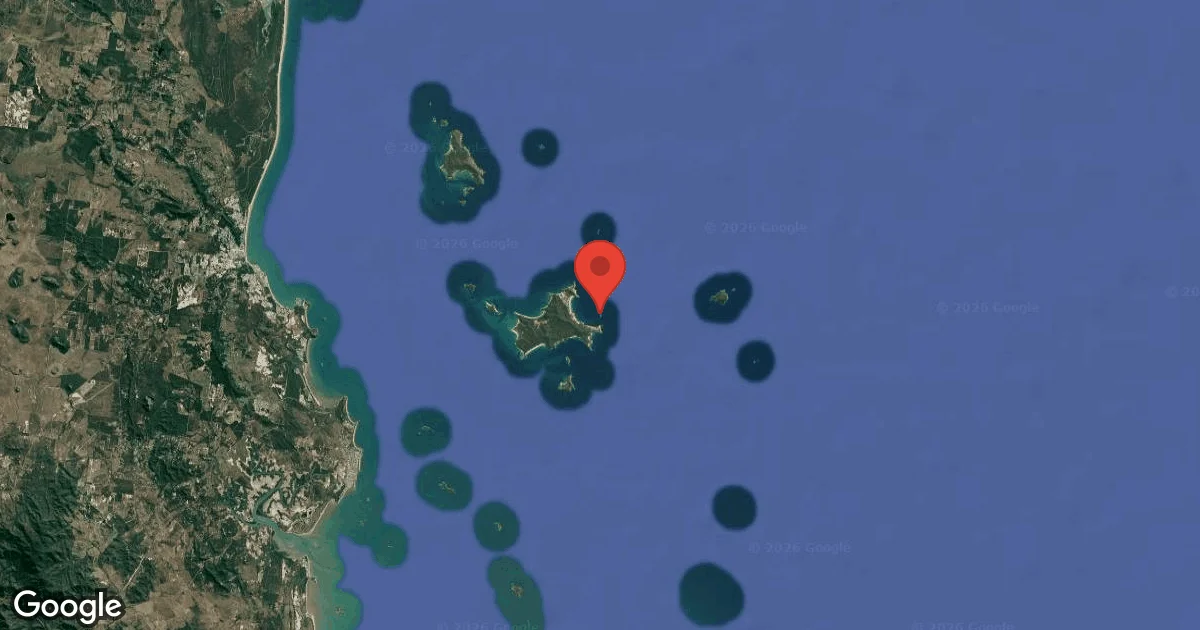
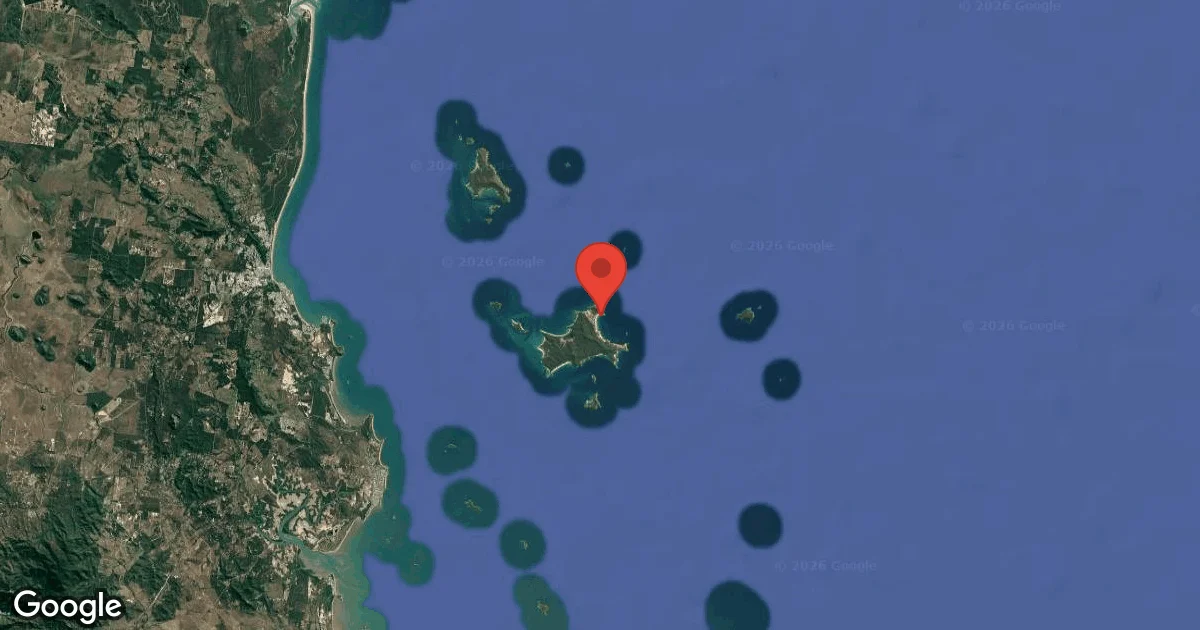
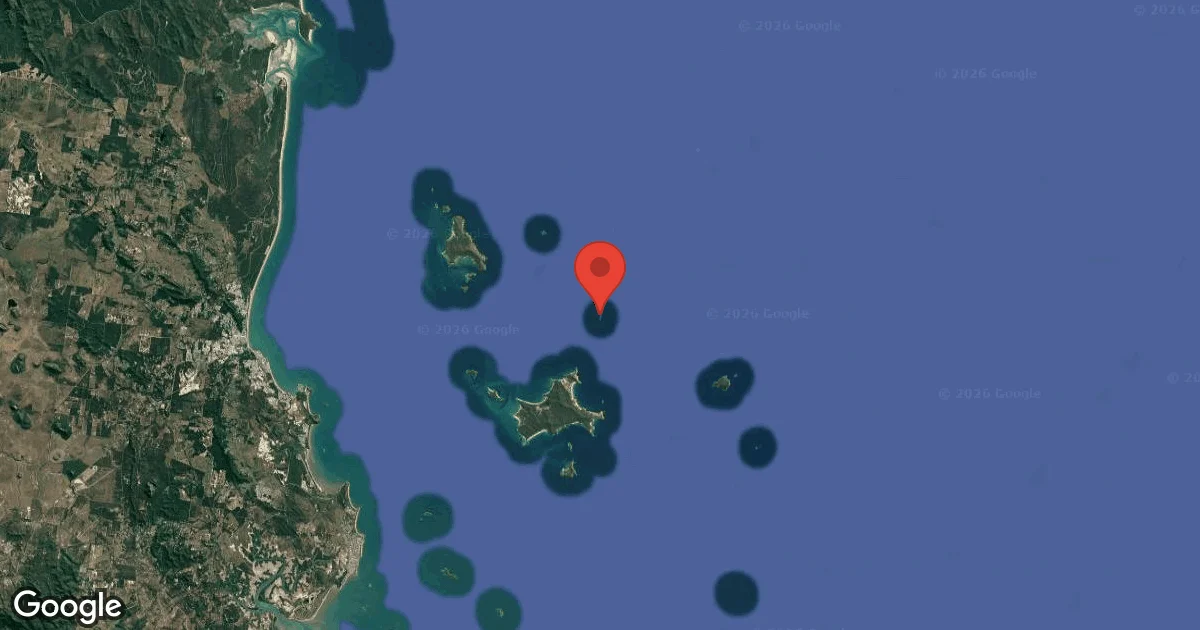
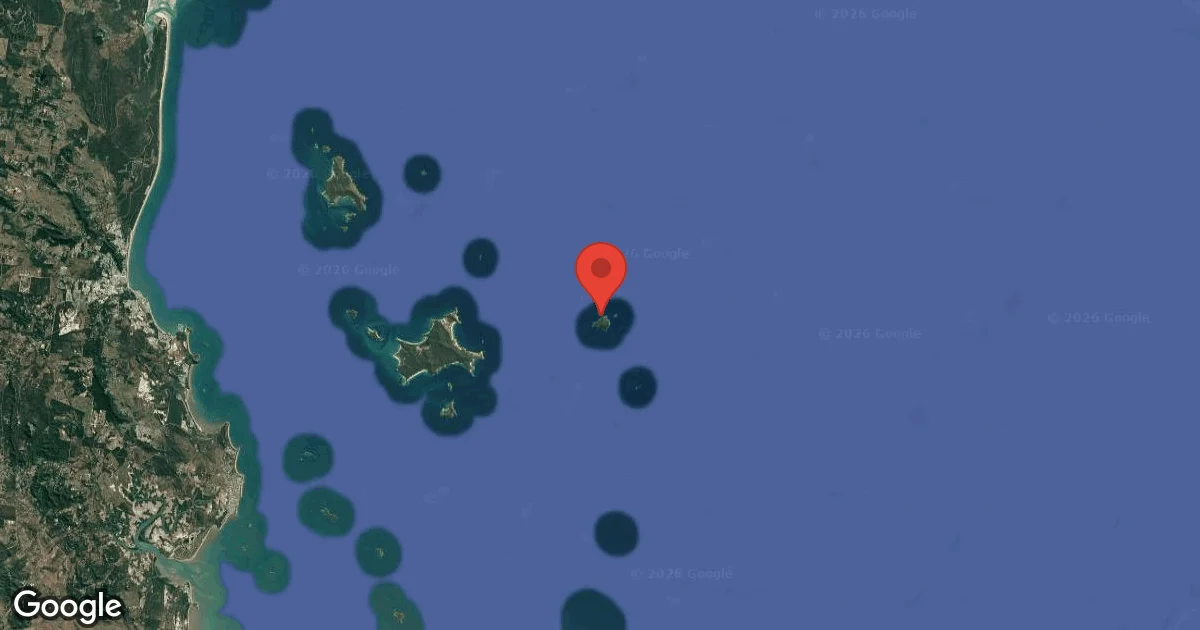
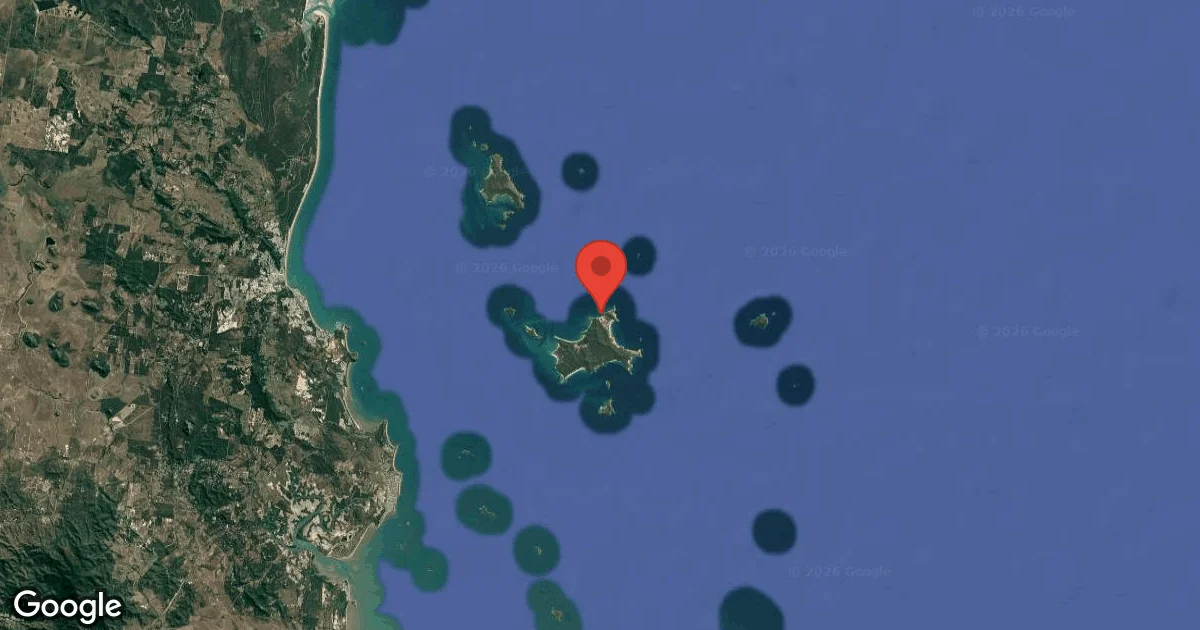
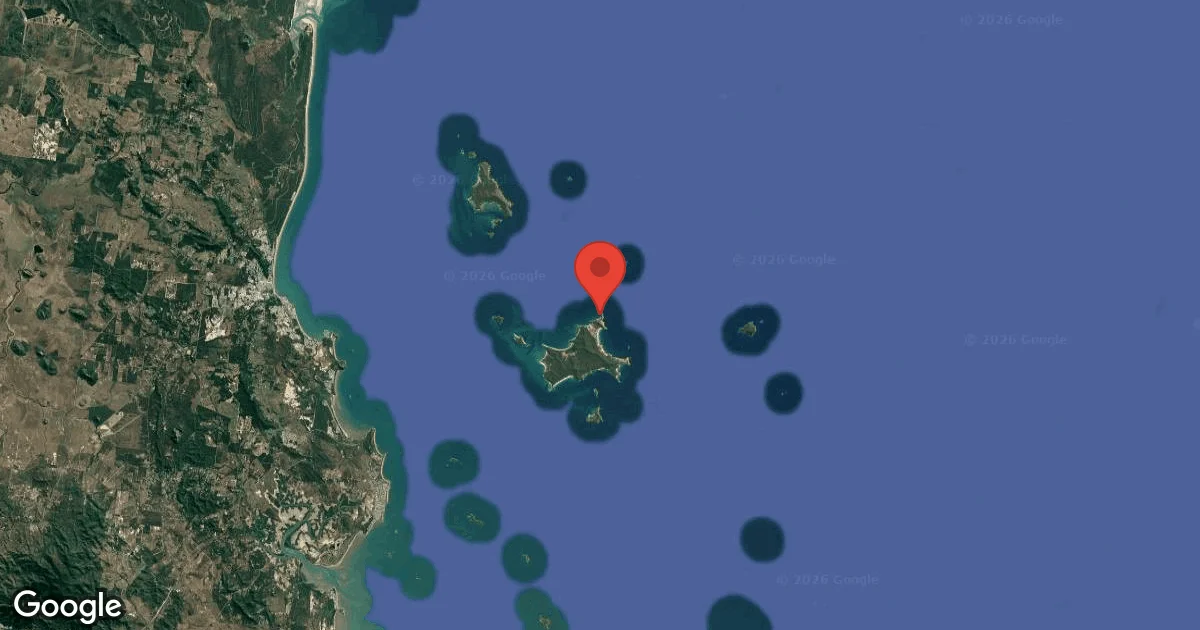
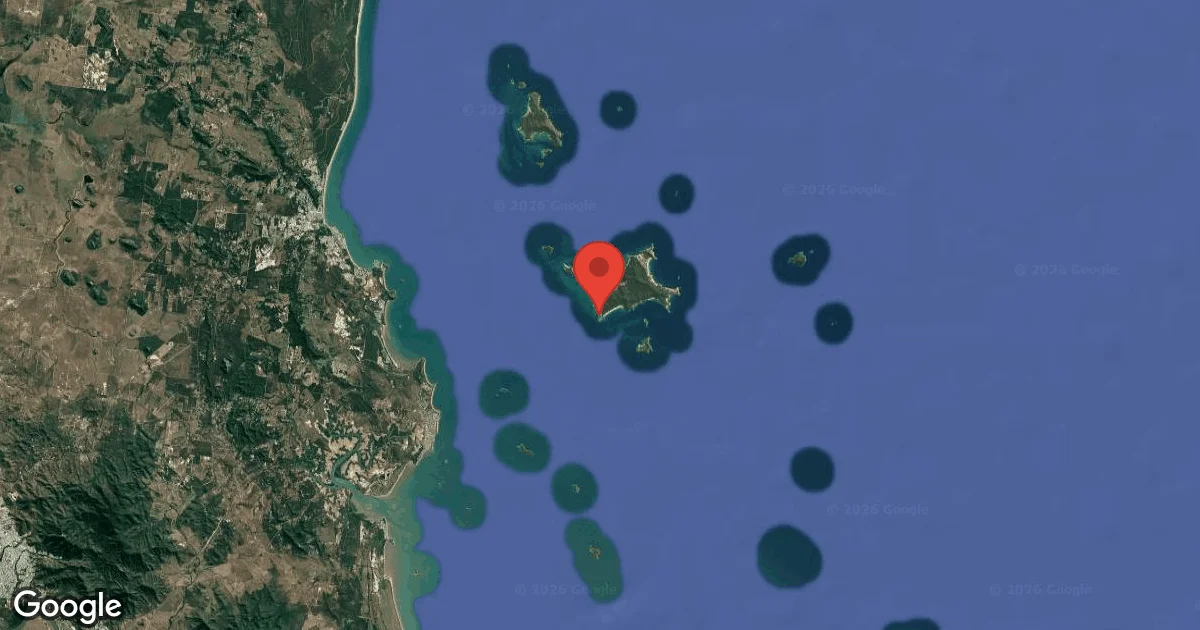
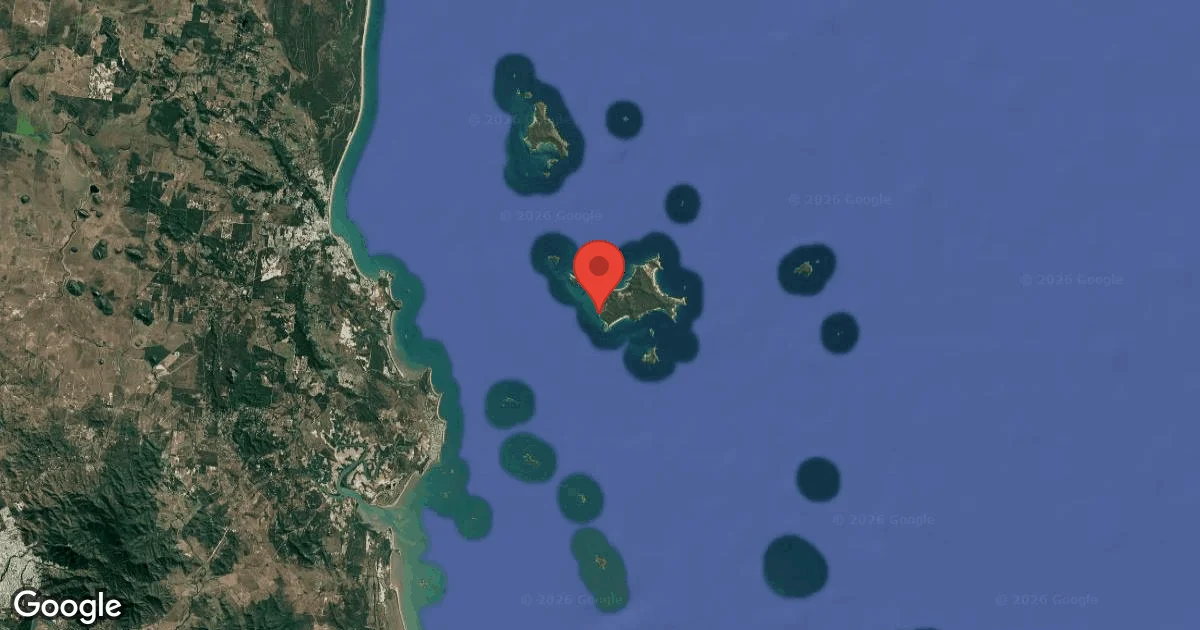
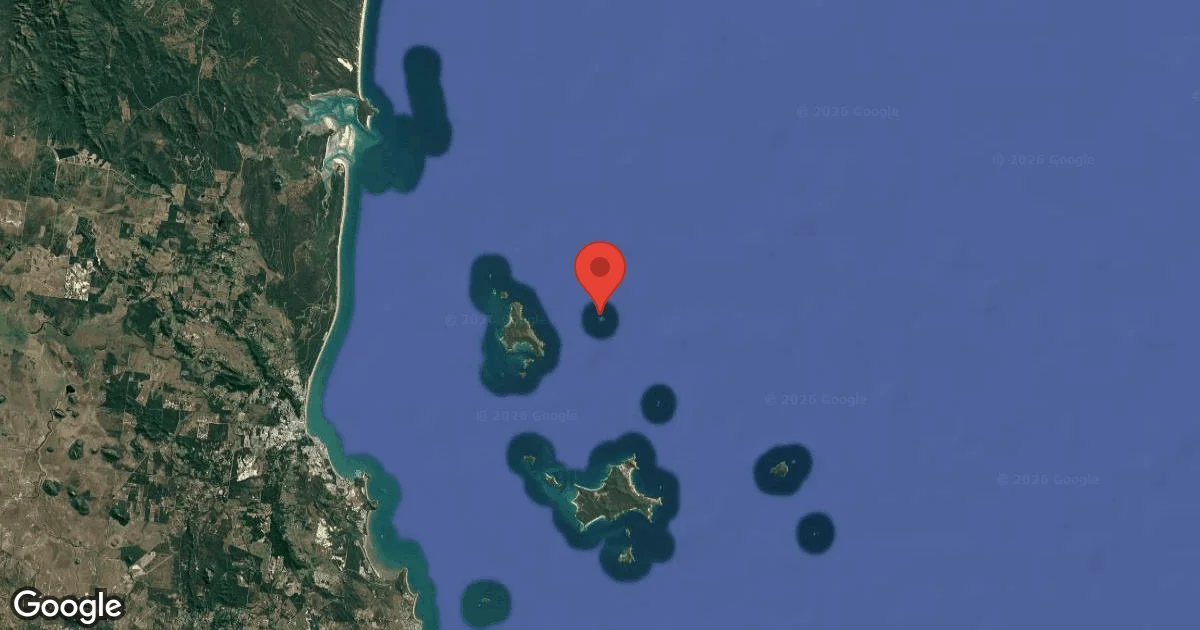
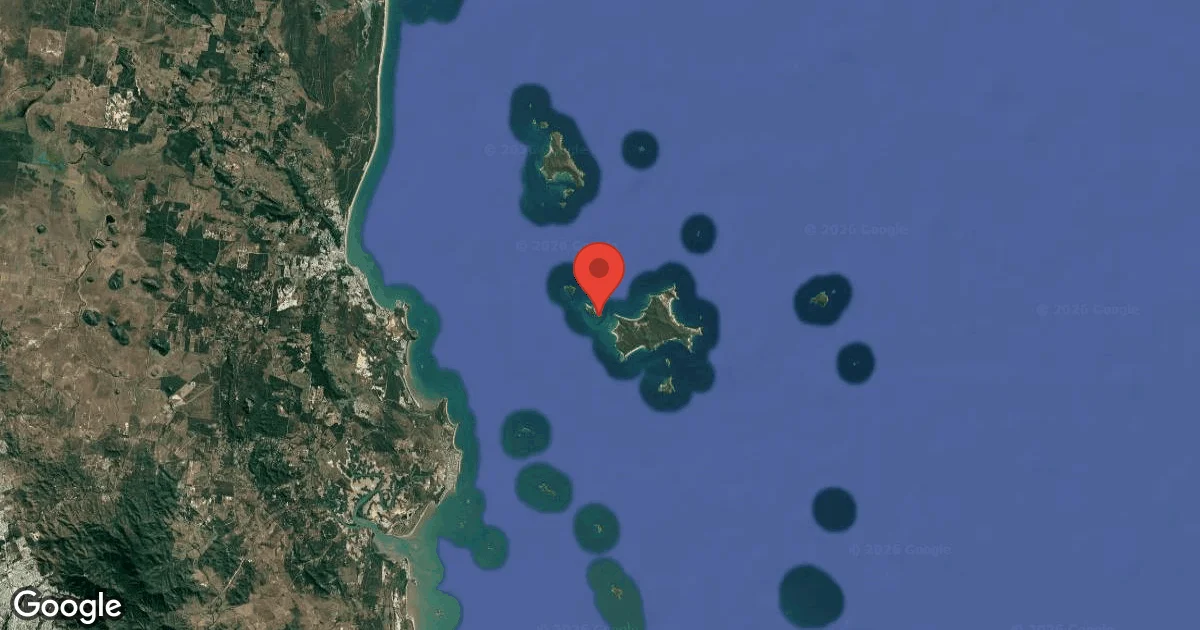
Dive Sites Near Red Beach
View all dive sites in AustraliaDiscover more underwater gems in this area.
Dive Centers Near Red Beach
No Dive Centers Local To Red Beach
Are you a dive center visiting this location? Get listed to reach divers.
Nearest Airports
Nearest airports to help plan travel to this dive area.
Search Flights
Check available flights and routes on Expedia, using the nearby airports listed in this section.
Search Flights on ExpediaFrequently Asked Questions
What is the typical depth range at Red Beach?
Specific depth details for Red Beach are limited, but as a coastal dive site, it typically offers recreational depths. Divers can generally expect to explore areas within the standard recreational range, likely up to 18-30 m (60-100 ft) depending on the specific dive profile.
What are the water conditions like at Red Beach?
Water conditions at Red Beach vary with the seasons and local weather. Wave heights can range from 0.5 m (1.6 ft) in calmer months to nearly 1 m (3.3 ft) in more active periods. Water temperatures are not consistently reported for this specific location, but would generally reflect regional averages for coastal Australia.
Is Red Beach suitable for beginner divers?
Due to the variable coastal conditions and potential for currents and wave action, Red Beach might be more suitable for divers with some experience. Beginners should assess conditions carefully and consider diving with experienced local guides or instructors.
What marine life can I expect to see at Red Beach?
Specific marine life reports for Red Beach are not readily available. However, coastal environments in Australia commonly host various species such as smaller reef fish, crabs, and nudibranchs. Occasional larger pelagic species might also pass through, depending on the time of year.
When is the best time of year to dive Red Beach?
The winter months, particularly June to August, are often recommended due to lower rainfall and reduced wave heights, which can lead to better visibility. Air temperatures average around 19-20°C (66-68°F) during these months, offering good diving scores.
Are there any specific hazards to be aware of?
While no specific hazards for Red Beach are consistently reported, coastal dives can feature unpredictable currents, surge, and changes in visibility. Always monitor weather, dive with a buddy, and have a clear entry and exit plan to mitigate general coastal diving risks.
Planning to dive Red Beach?
Send one inquiry and receive offers directly from the best verified local dive operators.
Conditions are Excellent
07:00 - 14:00
Optimal conditions expected
Current conditions near Red Beach show 20° air, 22° sea temperature, 0.6 m waves, and 26 km/h wind. Forecast data is refreshed regularly to ensure accuracy.