
Diving at Big Peninsula / Secret Beach (Australia)
While many Australian dive sites garner widespread attention, the Big Peninsula / Secret Beach offers a more understated yet equally captivating underwater experience. This destination stands apart by providing a blend of accessible coastal diving and pristine reef environments, reflecting the diverse appeal found across Australia's extensive coastlines. It's a place where serene exploration contrasts with the vibrant energy of established marine habitats.
As evening covers Big Peninsula / Secret Beach, the local air temperature is measured at 21°C. The current wave height at the surface is recorded at 0.9 m. These late-day readings characterize the surface conditions for the night.
Dive Site Location & Key Facts
Dive Site Overview
Exploring the underwater landscape here reveals a topography shaped by extensive reef systems, offering diverse structures from gentle slopes to dramatic drop-offs and scattered pinnacles. Similar to other regions, divers might encounter areas where the reef descends from a shallow 5 m (16 ft) to depths reaching 21 m (69 ft), creating spectacular walls adorned with caverns, crevices, and overhangs.
Other sections feature prominent rock pinnacles that rise from the seafloor, nearly touching the surface in some areas, inviting extended exploration in around 8 m (26 ft) of water. The site often incorporates expansive plate coral fields interspersed with sandy channels, alongside rocky ledges rich with soft corals and sponges. Further offshore, some locations within Australia's broader reef systems present hard coral gardens featuring bommies and swim-throughs, extending to max depths around 28 m (92 ft) in certain wreck environments.
Access typically involves short boat rides, though some nearshore reefs provide easy shore diving opportunities.
Conditions are Good
Optimal conditions expected
Current conditions near Big Peninsula / Secret Beach show 21° air, 22° sea temperature, 1.0 m waves, and 33 km/h wind. Forecast data is refreshed regularly to ensure accuracy.
Best Time to Dive
Optimizing visibility is often a primary consideration when planning a dive here, with the clearest conditions typically observed from May through November. During these months, visibility can range from 10-24 m (32-80 ft), occasionally exceeding 30 m (100 ft) at offshore cays, especially under calm sea states. The air temperature shows a comfortable spread, averaging 20-27°C (68-81°F) from June through February, making surface intervals pleasant. While specific water temperatures for this location aren't consistently reported, data from similar Australian regions suggests averages between 20-23°C (68-73°F) from May to October, warming to 24-27°C (75-80°F) from November to April. Rainfall remains relatively low throughout the year, with averages typically between 0.4-5.2 mm (0.02-0.2 inches) per month, reducing freshwater runoff effects. Wave heights are generally moderate, usually below 0.9 m (3 ft), contributing to favorable diving conditions, particularly in the June-July period which often sees reduced wave activity and higher dive scores.
PEAK SEASON SCORE
Scores combine air & water temps, waves, wind & rainfall for overall conditions.
BEST MONTHS TO DIVE
Monthly records compiled from satellite and marine observation nodes over the last 3 years. Data provided by Open-Meteo and MET Norway.
Dive Experience & Conditions
Current dynamics around Big Peninsula / Secret Beach can vary; many sites feature sheltered fringing reefs, making them ideal for newer divers to experience mostly gentle conditions. Conversely, some outer walls may present currents suitable for engaging drift dives. Water temperatures generally range from approximately 20-27°C (68-81°F) across the seasons, influencing thermal protection choices. Visibility is typically good, often between 10-24 m (32-80 ft), allowing clear views of the diverse marine habitats. Surface conditions are often shaped by moderate winds, averaging 28-38 km/h (17-24 mph), and wave heights that usually remain below 0.9 m (3 ft). A 3-5mm wetsuit is generally standard, with divers often adding a hooded vest during the cooler winter months for added comfort.
Dive Difficulty & Safety Guidelines
Diving at this location requires an awareness of potential natural hazards, similar to other biodiverse Australian waters. For instance, in some areas, large schools of snapper can attract larger predators like white pointer sharks during their migration periods; local advice should always be sought regarding such seasonal movements. Divers should maintain a respectful distance from all marine life, particularly in aquatic reserves, and avoid touching corals or disturbing underwater ecosystems.
Always adhere to dive plan limits, including depth and bottom time, and monitor air consumption carefully. It's advisable to dive with a buddy and to carry appropriate safety equipment, such as a surface marker buoy.
Prior to any dive, consult local dive operators for the most current site-specific information and conditions.
Recommended Equipment
- Dive Computer
- DSMB
This gear list is based on verified equipment signals for Big Peninsula / Secret Beach, Australia. Always confirm final gear choices with your dive operator, guide, or liveaboard.
Recommended Dive Suit
Divers planning deeper dives may feel cooler than those staying in shallower areas.
Many divers find that 3-5mm wetsuit offers a comfortable balance between warmth and mobility. Consider warmer surface protection (like a boat coat) due to brisk winds. Surface intervals may feel cooler. Forecast trends indicate similar diving conditions over the next few days.
Divers heading to Big Peninsula / Secret Beach today should expect water temperatures around 22°C (71°F). Surface air temperatures are resting at 21°C (70°F).
Due to technical issues with our weather providers, live updates are temporarily delayed. The data above reflects the conditions at the time of the last successful fetch.
Emergency & Medical Support
Essential information to help you plan your dive trip to Big peninsula / Secret beach.

Hyperbaric chambers are a critical part of dive safety infrastructure. Availability varies significantly by region, and not all dive areas have immediate access.
Before diving, it's recommended to:
- confirm nearest medical facilities
- check emergency procedures with local dive operators
- ensure dive insurance covers evacuation if required
Divers Alert Network
Diving emergency assistance available through DAN World.
+1-919-684-9111- 24/7 emergency hotline
- Diving medical assistance
- Evacuation coordination
Emergency contacts are provided for reference. Always verify local emergency services before diving.
Marine Life at Big Peninsula / Secret Beach
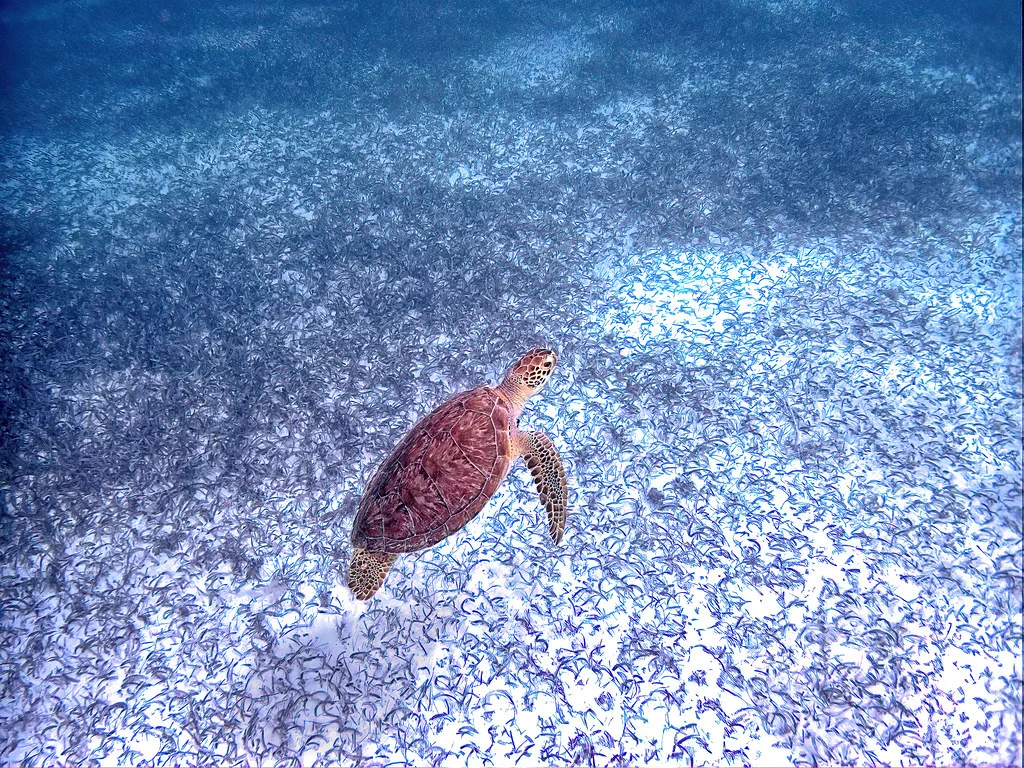
The vibrant marine life here showcases a rich array of species commonly found in Australian waters. Divers can expect encounters with green and loggerhead turtles, which are frequently seen and also nest in certain areas from November to March, with hatchlings often observed from January to April.
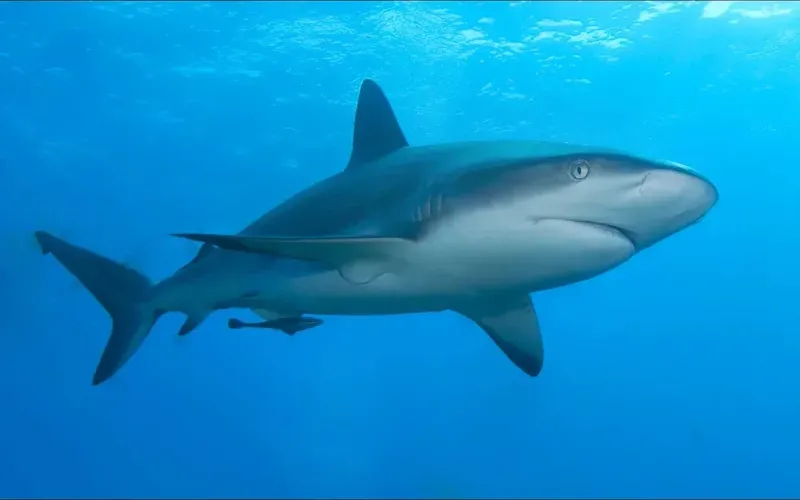
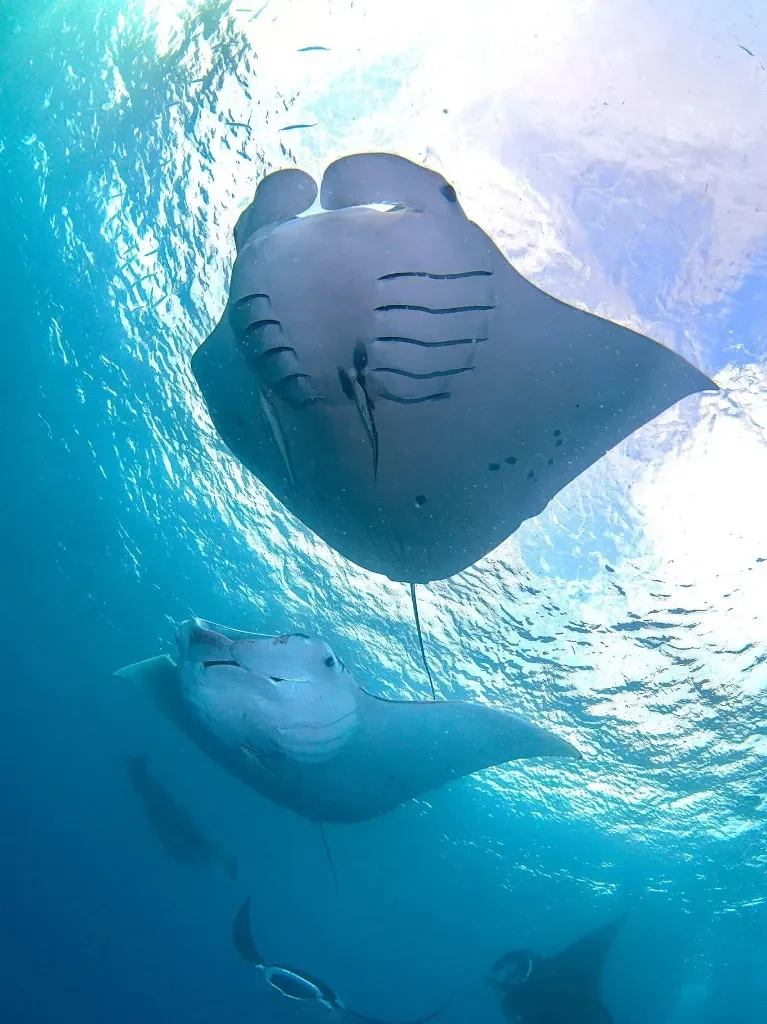
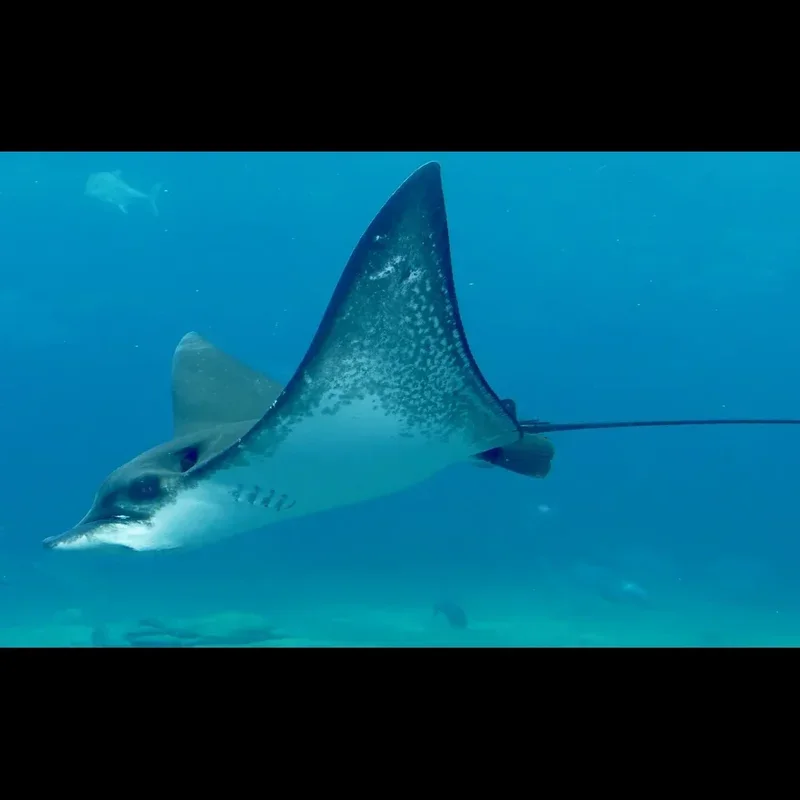
Reef sharks, including lemon and whitetip species, patrol the outer edges of the reefs, while schooling trevally and sweetlips are common sights. Occasionally, manta rays and eagle rays glide through the water.
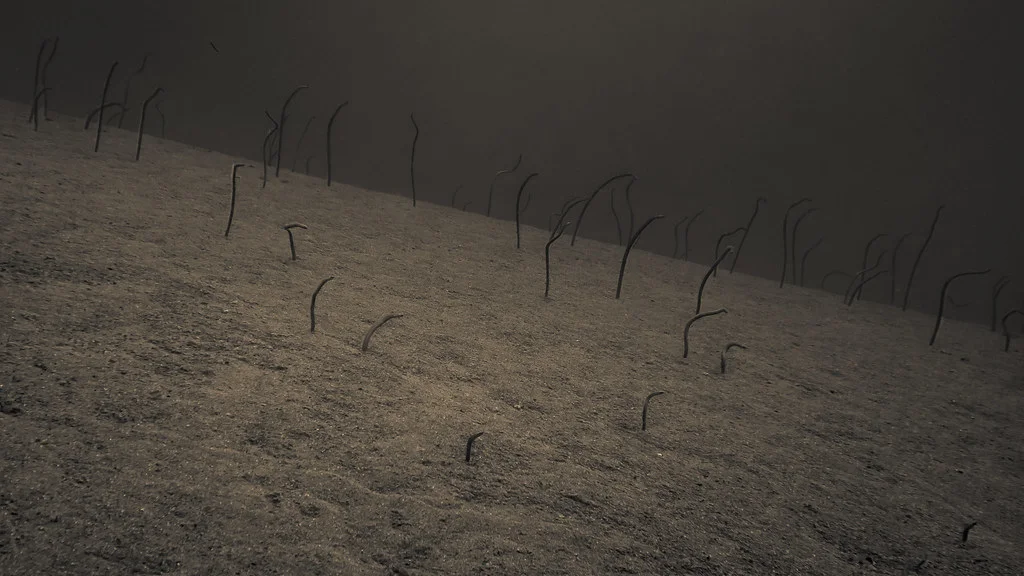
The reefs are home to a variety of smaller creatures as well, such as garden eels and diverse nudibranchs, providing macro photography opportunities. Soft corals, sponges, and extensive hard coral gardens create a colorful backdrop for this diverse underwater community.
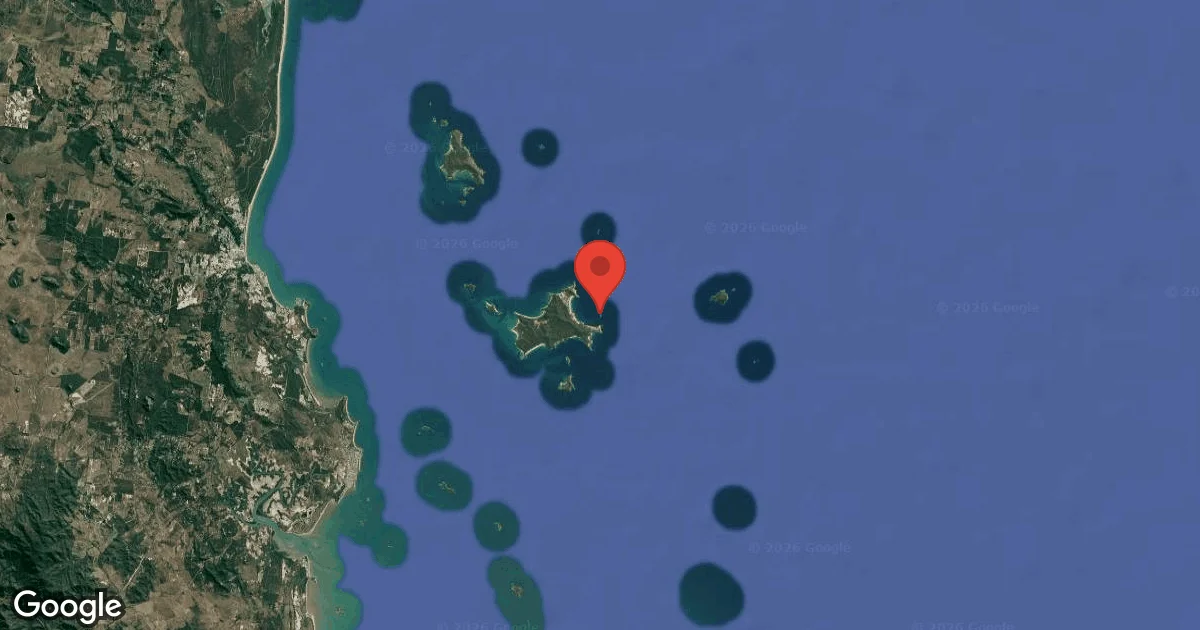
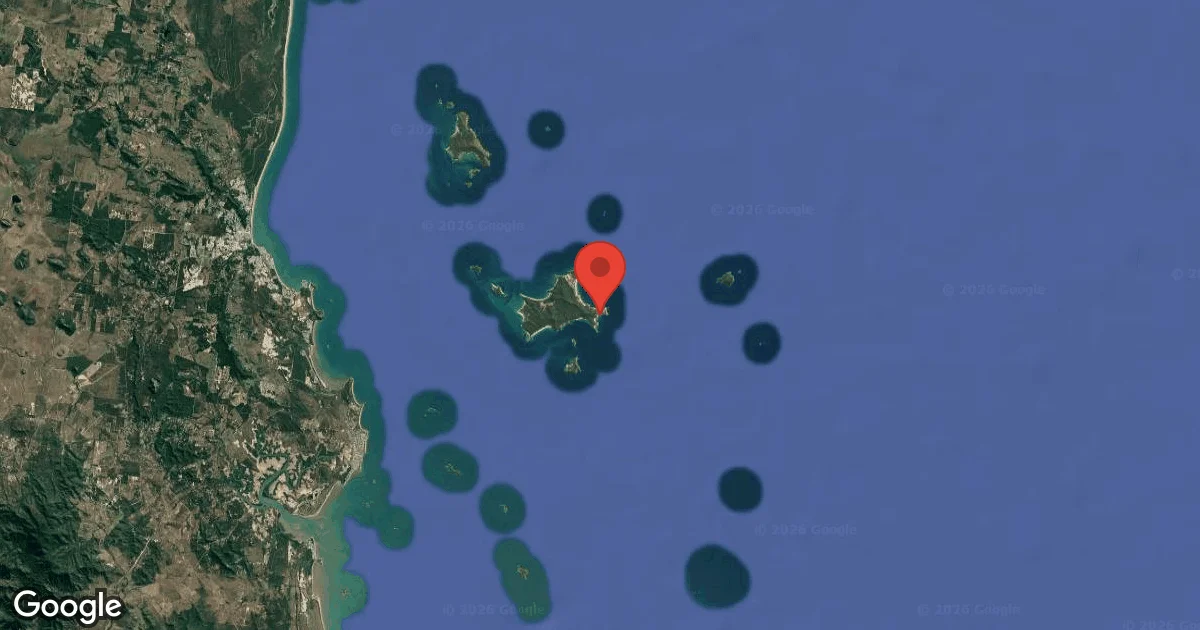
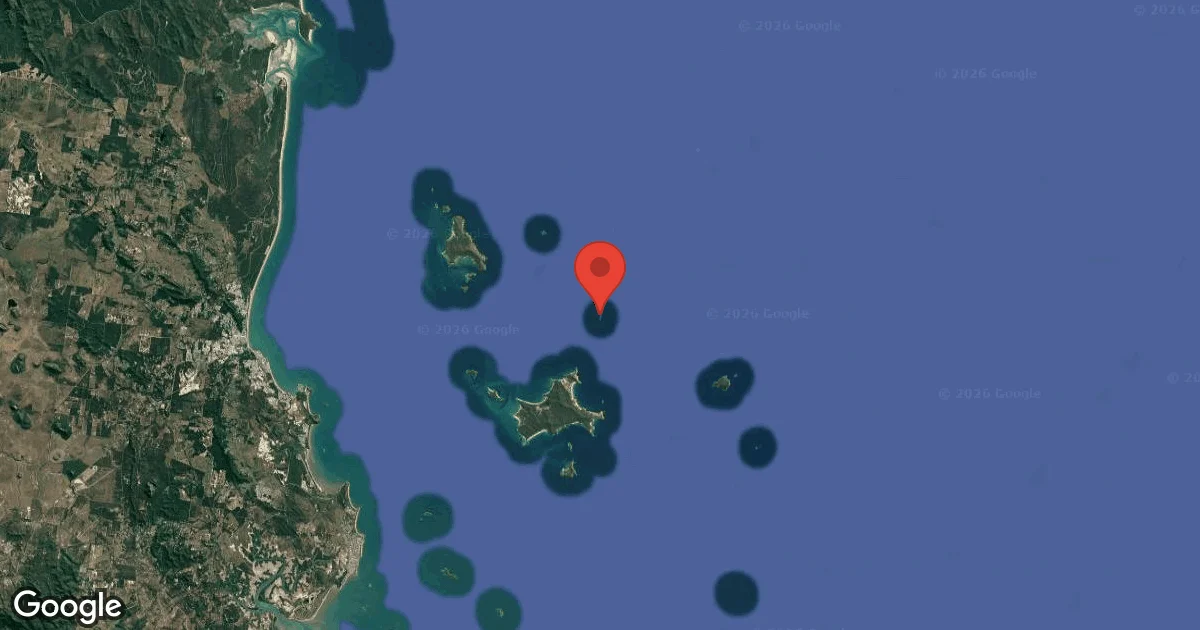
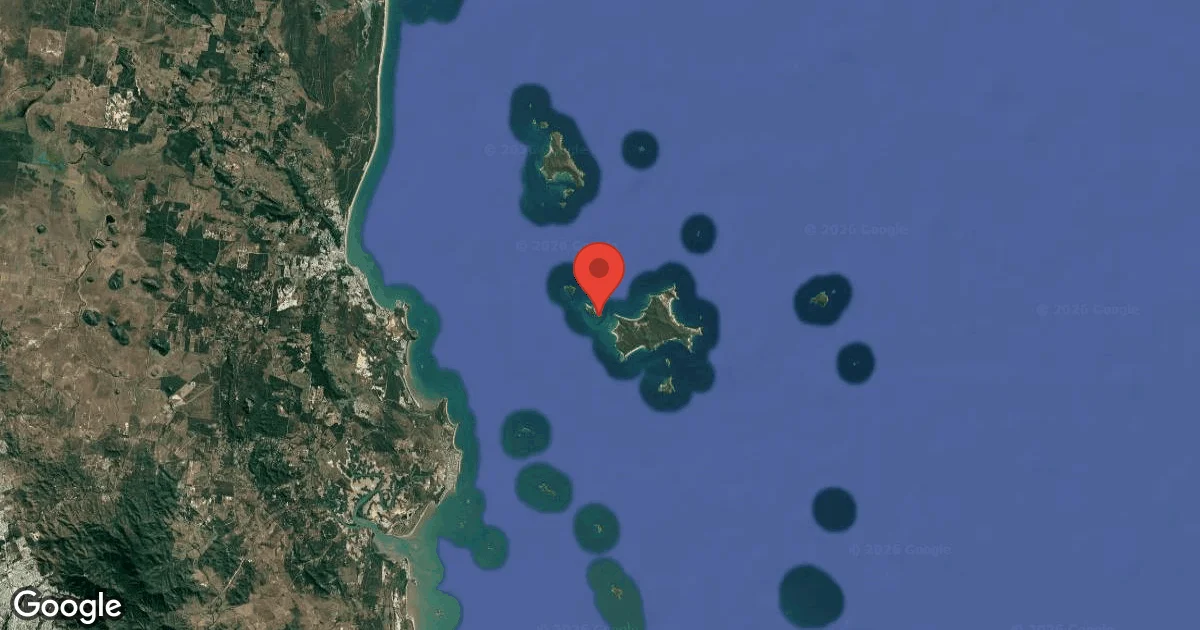
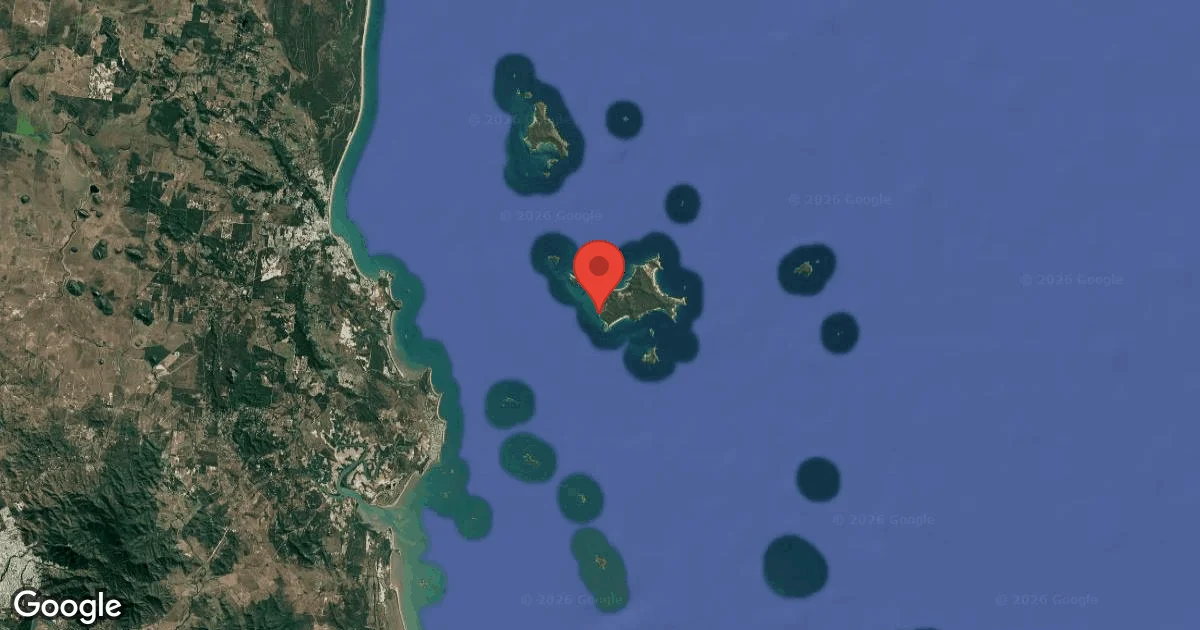
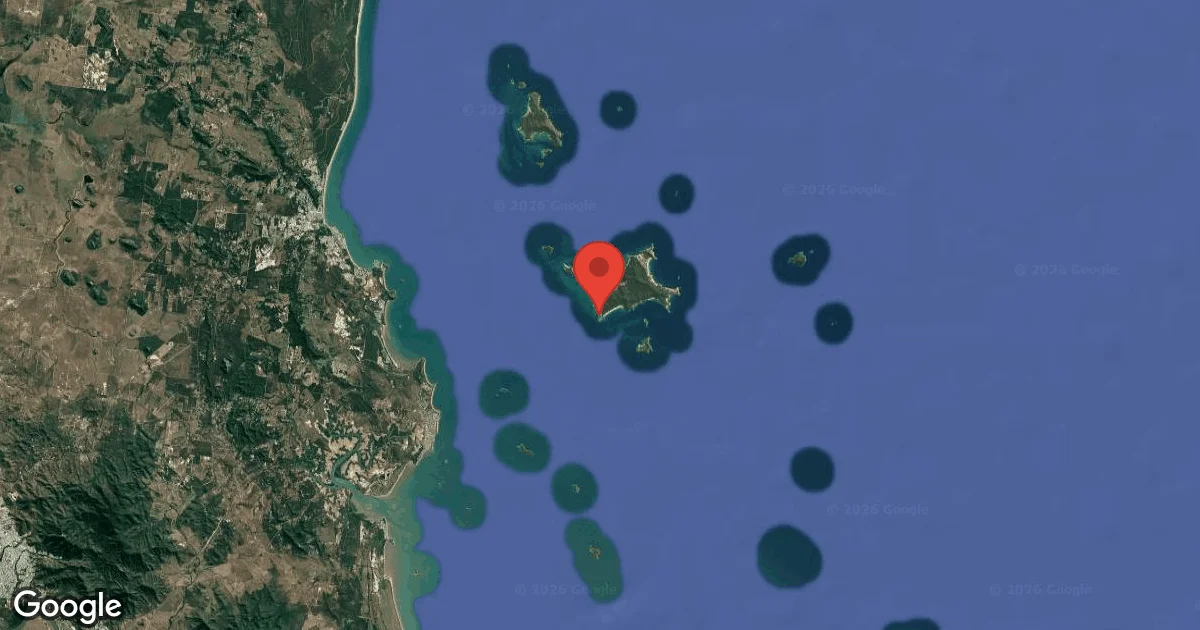
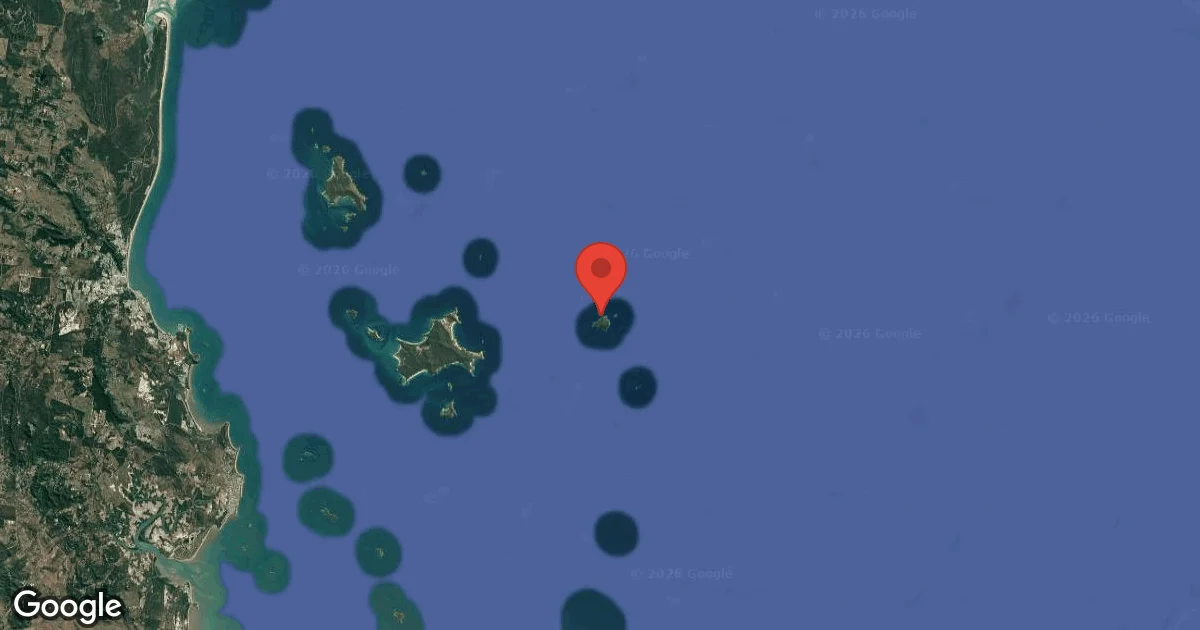
Dive Sites Near Big Peninsula / Secret Beach
View all dive sites in AustraliaDiscover more underwater gems in this area.
Dive Centers Near Big Peninsula / Secret Beach
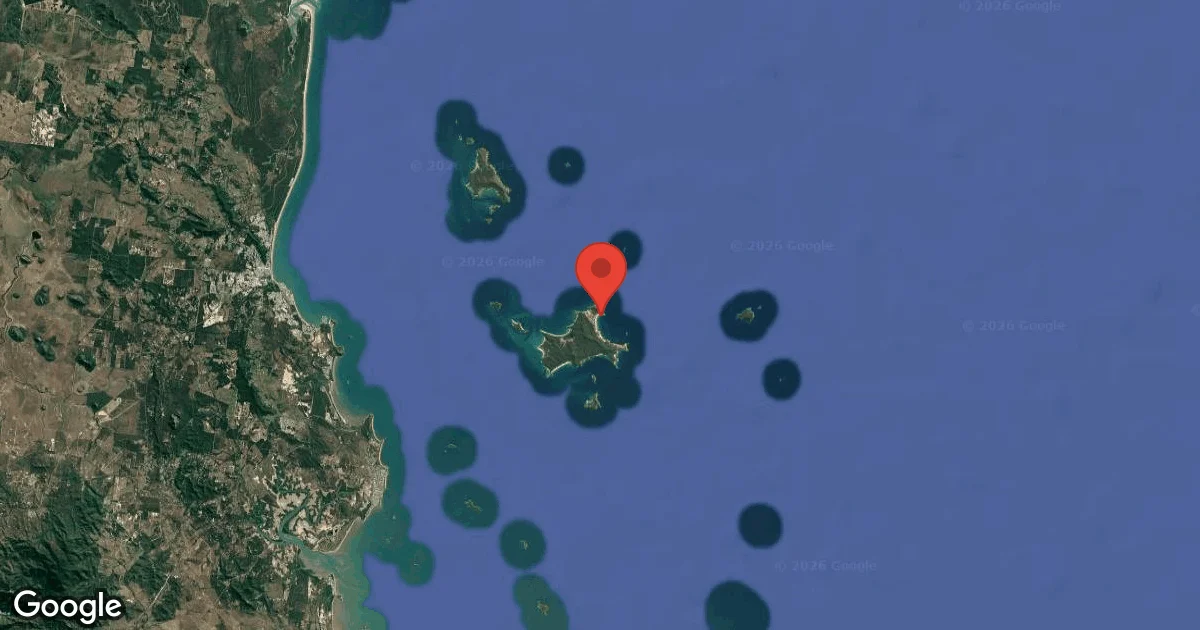
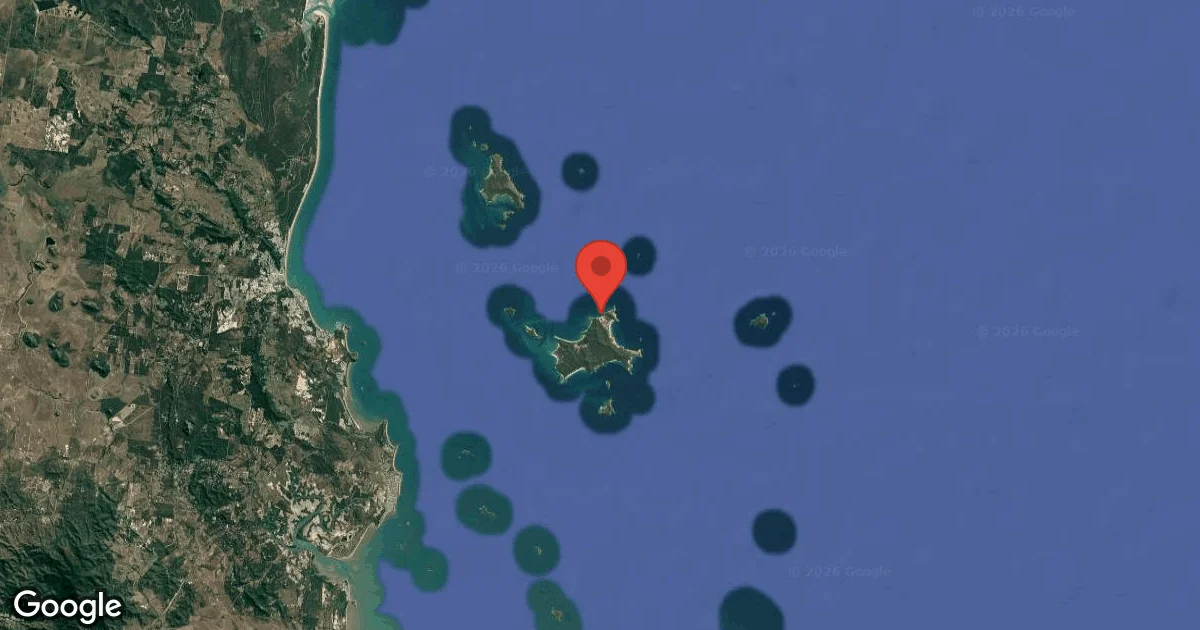
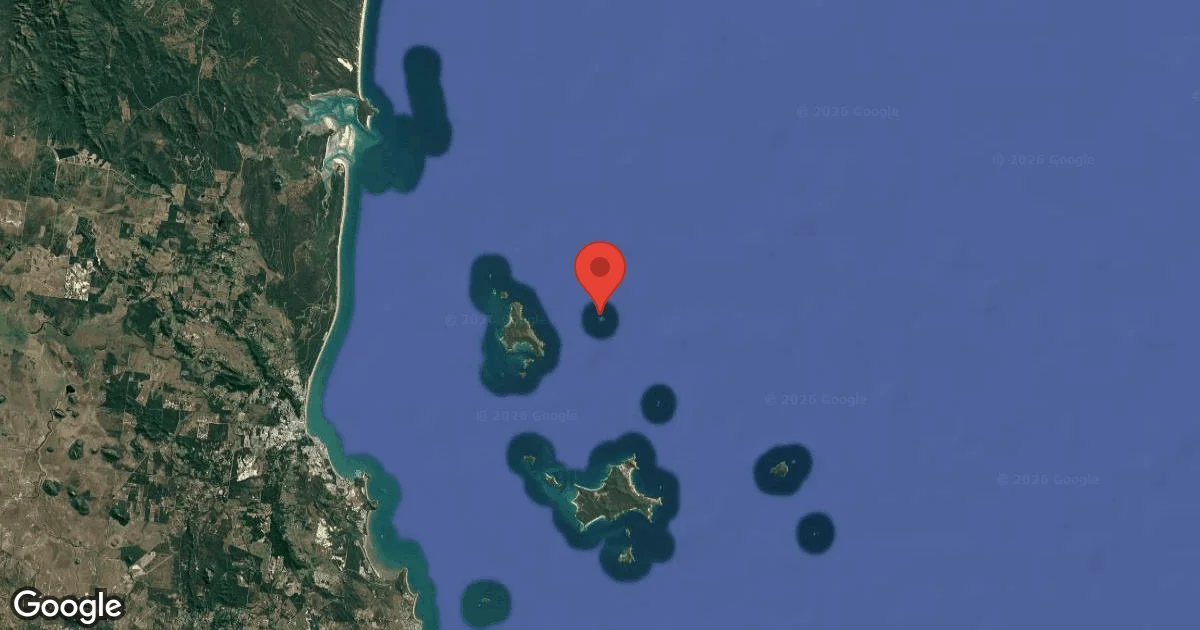
No Dive Centers Local To Big Peninsula / Secret Beach
Are you a dive center visiting this location? Get listed to reach divers.
Nearest Airports
Nearest airports to help plan travel to this dive area.
Search Flights
Check available flights and routes on Expedia, using the nearby airports listed in this section.
Search Flights on ExpediaFrequently Asked Questions
What is the best time of year to dive at Big Peninsula / Secret Beach?
The optimal period for diving is typically from May through November, offering the best visibility and generally favorable conditions. This timeframe also aligns with cooler air temperatures, making surface activities more comfortable.
What kind of water temperatures can I expect?
Water temperatures generally range from 20-23°C (68-73°F) during the cooler months of May to October. They warm up to 24-27°C (75-80°F) from November to April, so wetsuit thickness can be adjusted accordingly.
Is the site suitable for beginner divers?
Many of the sheltered fringing reefs within the area offer mostly gentle conditions, which can be ideal for newer divers. However, some outer walls may have currents, so it's best to check with local operators for site-specific suitability.
What marine life is commonly seen?
Divers often encounter green and loggerhead turtles, various reef sharks, schooling trevally, and sweetlips. Occasionally, manta rays and eagle rays are spotted, alongside smaller inhabitants like garden eels and nudibranchs.
How do I access the dive sites at Big Peninsula / Secret Beach?
Access typically involves short boat rides from local launching points. Some nearshore reefs may also offer opportunities for shore diving, providing flexibility for divers.
Are there any specific safety considerations?
Always be aware of local conditions and potential seasonal wildlife movements that might influence diving. Adhere to dive plan limits, dive with a buddy, and respect marine life, especially within aquatic reserve boundaries.
Planning to dive Big Peninsula / Secret Beach?
Send one inquiry and receive offers directly from the best verified local dive operators.
Conditions are Good
Optimal conditions expected
Current conditions near Big Peninsula / Secret Beach show 21° air, 22° sea temperature, 1.0 m waves, and 33 km/h wind. Forecast data is refreshed regularly to ensure accuracy.