
Diving at Barren Island (Australia)
Reaching Barren Island requires planning, as private boat charters are the sole means of access to this remote Australian dive destination. Situated off the coast of Queensland near Great Keppel Island, the journey often takes 3-4 hours from Port Blair, depending on weather and vessel speed. Divers exploring this site discover an extensive reef system descending from the island's rock face into varying depths.
Evening condition tracking at Barren Island features an air temperature of 20°C. We have recorded wave heights measuring 0.4 m during this period. These figures outline the environmental parameters currently present.
Dive Site Location & Key Facts
Dive Site Overview
Barren Island's volcanic past profoundly shapes its diverse underwater topography, creating a dynamic environment for divers. Submerged lava flows have solidified into dramatic rock formations that complement extensive coral gardens and deep drop-offs.
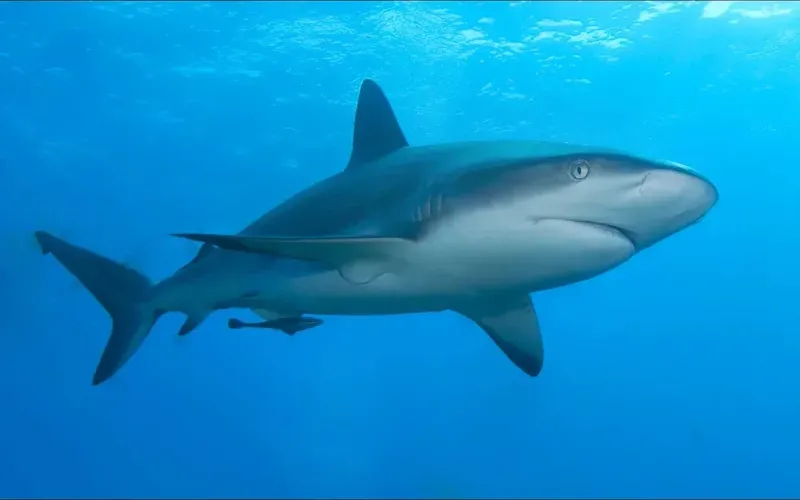
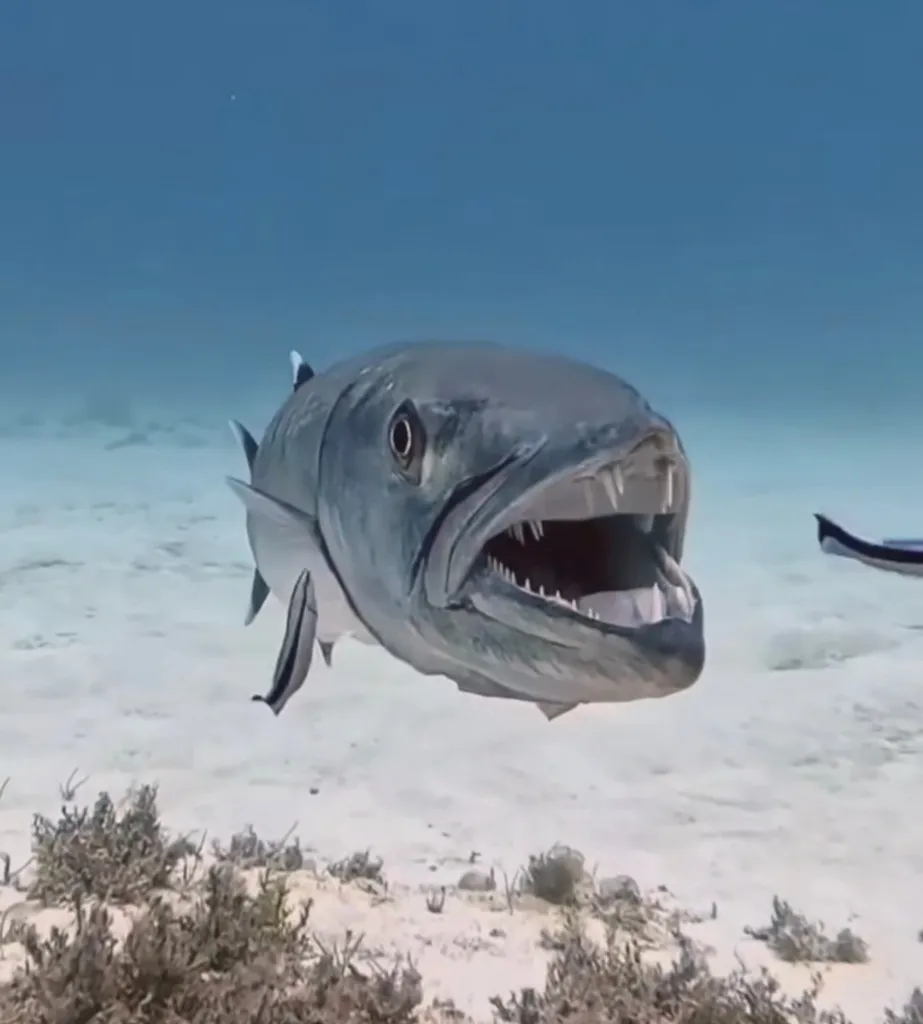
These unique geological features provide a range of experiences, from sheltered bays to exhilarating wall dives. At dive sites such as Rutland Island, vibrant hard and soft corals thrive, forming intricate ecosystems. Here, divers frequently observe barracudas, various grouper species, and patrolling reef sharks navigating the colorful reef structures.
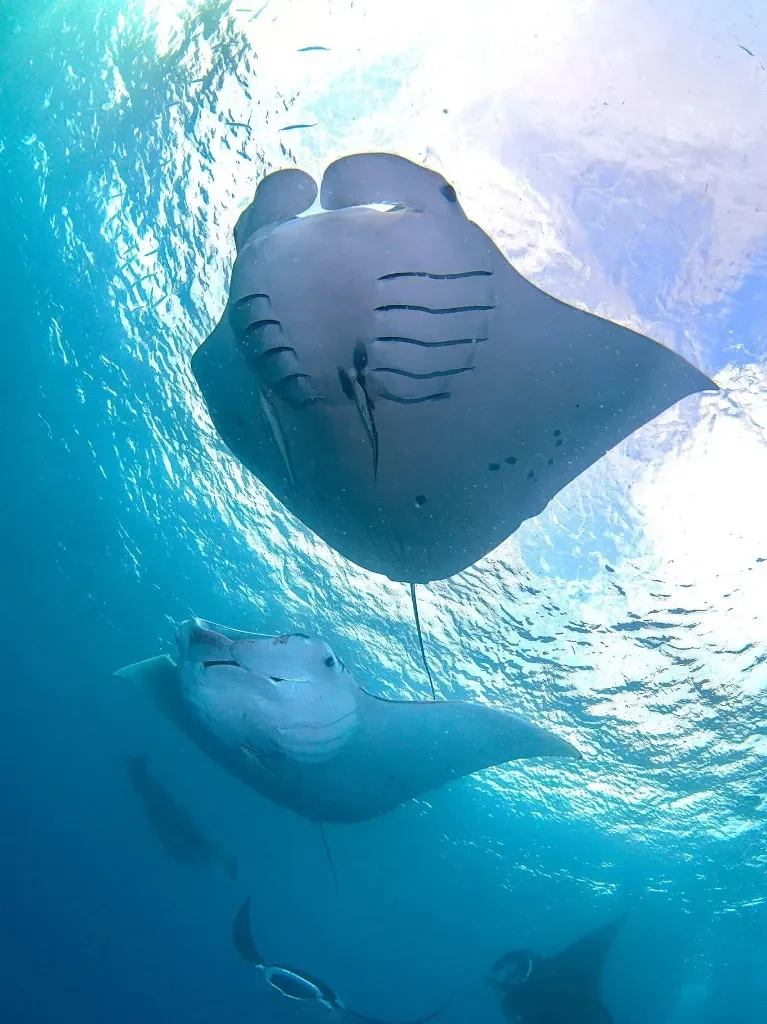
Northeast of the main island, Passage Island presents a more challenging dive, characterized by robust currents that sweep through deeper waters. These nutrient-rich flows often attract larger pelagic species, with opportunities for encounters with manta rays and occasional whale sharks.
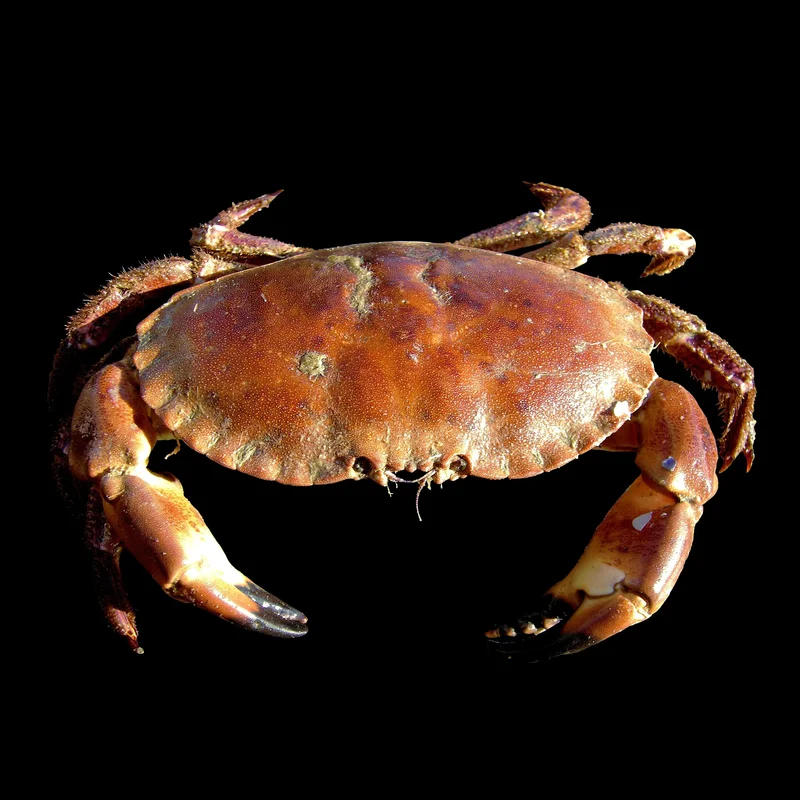
Conversely, South Bay offers a calmer, shallower entry point, perfect for less experienced divers or those keen on macro life. Exploring its nooks, one might spot nudibranchs, various crab species, and delicate shrimp amongst the reef.
A prominent feature is the impressive wall dive, where the volcanic edifice plunges dramatically, often exceeding 100 meters (330 ft) in depth. Along this profound drop-off, rays, different shark species, and vast schools of pelagic fish are commonly sighted, making for a truly spectacular experience.
Conditions are Good
07:00 - 14:00
Optimal conditions expected
Current conditions near Barren Island show 20° air, 21° sea temperature, 0.7 m waves, and 26 km/h wind. Forecast data is refreshed regularly to ensure accuracy.
Best Time to Dive
Optimal dive conditions at Barren Island are often found by aligning with specific seasonal patterns. The period from June to October generally presents a more favorable window, marked by cooler air temperatures, typically ranging from 19-27°C (66-81°F). During these months, rainfall tends to be significantly lower, contributing to improved visibility underwater and calmer sea states for boat travel. For instance, September averages a minimal 0.39 mm (0.015 inches) of rain, contrasting with peaks around 5.01 mm (0.197 inches) in April, which can affect surface conditions. Wave heights during the preferred season typically remain below 1 meter (3.3 ft), though fluctuations are always possible. Wind speeds generally stay within a manageable range of 27-36 km/h (17-23 mph). While specific water temperatures are not consistently reported across all sites and seasons, divers should anticipate variations influenced by both the time of year and dive depth. Planning during the drier, cooler months helps mitigate surface discomfort and offers a higher likelihood of smooth transitions to dive sites.
PEAK SEASON SCORE
Scores combine air & water temps, waves, wind & rainfall for overall conditions.
BEST MONTHS TO DIVE
Monthly records compiled from satellite and marine observation nodes over the last 3 years. Data provided by Open-Meteo and MET Norway.
Dive Experience & Conditions
The underwater terrain around Barren Island presents a varied depth profile, suitable for different skill levels. Shallow areas like South Bay cater to beginners, allowing exploration of vibrant corals and smaller reef inhabitants. Deeper sites, particularly the wall dive, descend beyond 100 meters (330 ft), demanding advanced training and experience. Strong currents are a notable feature at challenging locations such as Passage Island, which divers must be prepared to navigate. The northern side of Barren Island itself features an extensive reef extending from the rock face down to depths of approximately 23 meters (75 ft), rich with branching corals and diverse fauna.
Dive Difficulty & Safety Guidelines
Diving at Barren Island requires a careful approach, especially for certain sites. Only experienced divers holding advanced-level certification are permitted to explore some of the deeper, more challenging areas. This is particularly relevant where strong currents are present, such as around Passage Island.
Given the remote nature of the island, access is exclusively via private boat charter; there are no regular passenger ferries. Divers should ensure their tour operators are reputable and equipped for conditions that may include varying visibility and demanding currents. Always dive within your certification limits and with a qualified guide.
Recommended Equipment
- Dive Computer
- DSMB
This gear list is based on verified equipment signals for Barren Island, Australia. Always confirm final gear choices with your dive operator, guide, or liveaboard.
Recommended Dive Suit
Forecast trends indicate little change in overall diving conditions during the next few days.
Two divers in the same water temperature may experience very different comfort levels.
Many divers find that 3-5mm wetsuit offers the right level of insulation for conditions like these. A hood or vest is suggested for sensitive divers due to surface winds. Surface intervals may feel cooler. The latest environmental readings for Barren Island suggest water temperatures around 21°C (70°F). Surface air temperatures are resting at 20°C (68°F).
Emergency & Medical Support
Essential information to help you plan your dive trip to Barren Island.

Hyperbaric chambers are a critical part of dive safety infrastructure. Availability varies significantly by region, and not all dive areas have immediate access.
Before diving, it's recommended to:
- confirm nearest medical facilities
- check emergency procedures with local dive operators
- ensure dive insurance covers evacuation if required
Divers Alert Network
Diving emergency assistance available through DAN World.
+1-919-684-9111- 24/7 emergency hotline
- Diving medical assistance
- Evacuation coordination
Emergency contacts are provided for reference. Always verify local emergency services before diving.
Marine Life at Barren Island
The underwater landscape around Barren Island is a tapestry of life set against dramatic volcanic rock formations and colorful coral reefs. Reef sharks patrol the waters, while barracudas and groupers are commonly observed near the reef structures.
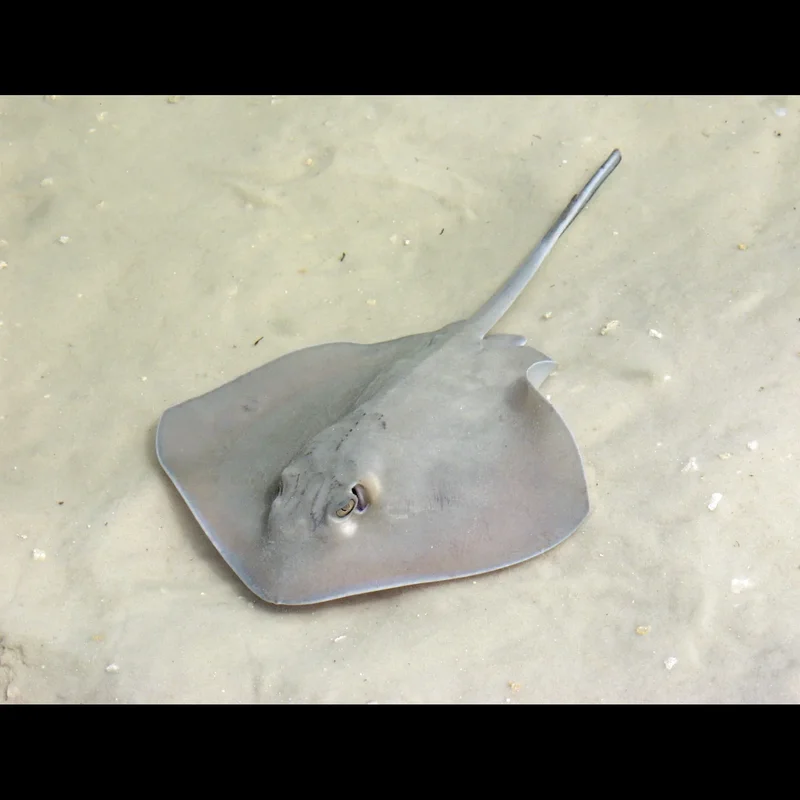
Exploring the reef reveals a diverse array of smaller creatures like nudibranchs, crabs, and shrimp. At deeper sites and along wall dives, sightings can include stingrays, sea snakes, and schools of pelagic fish.
Encounters with larger marine animals such as manta rays and even whale sharks are possible, especially in areas with stronger currents.
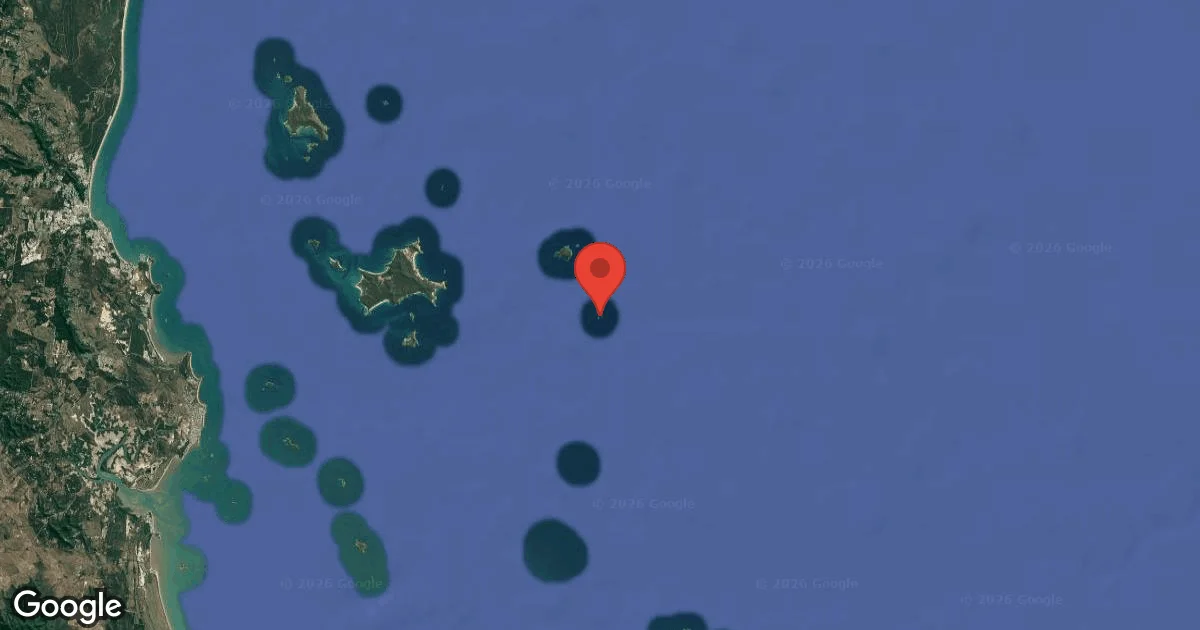
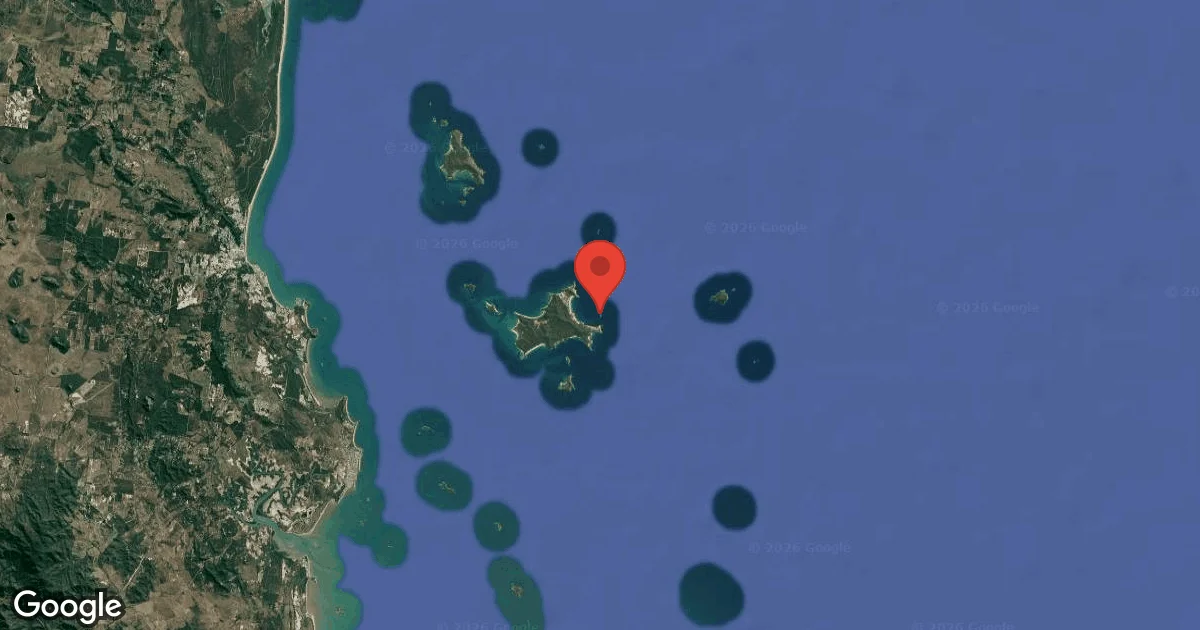
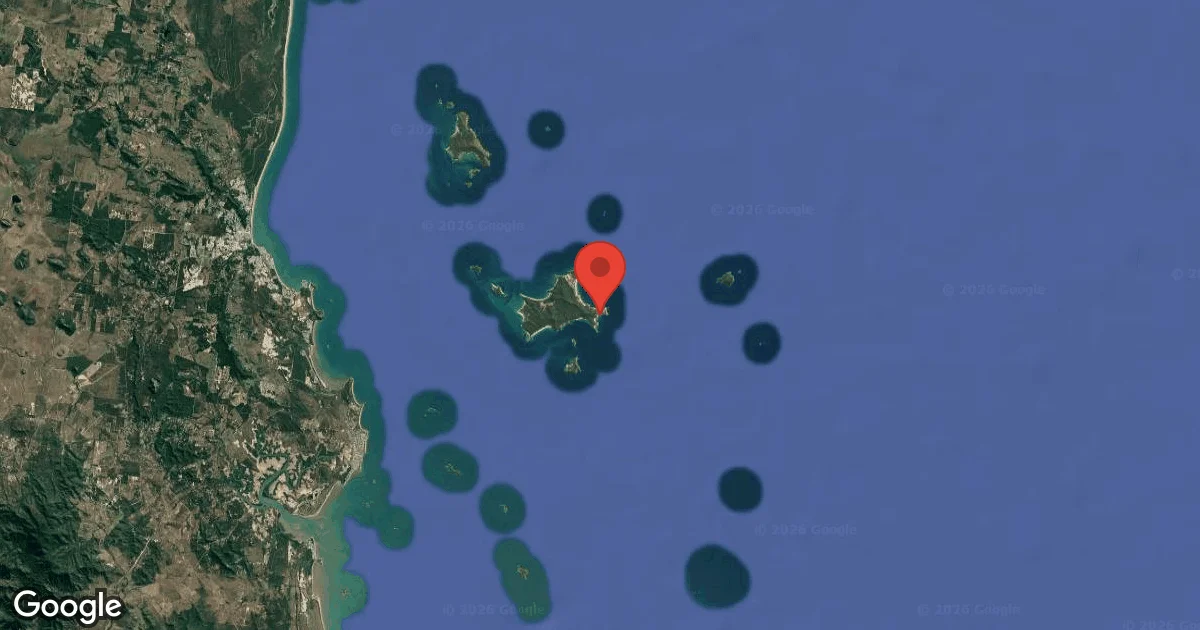
Dive Sites Near Barren Island
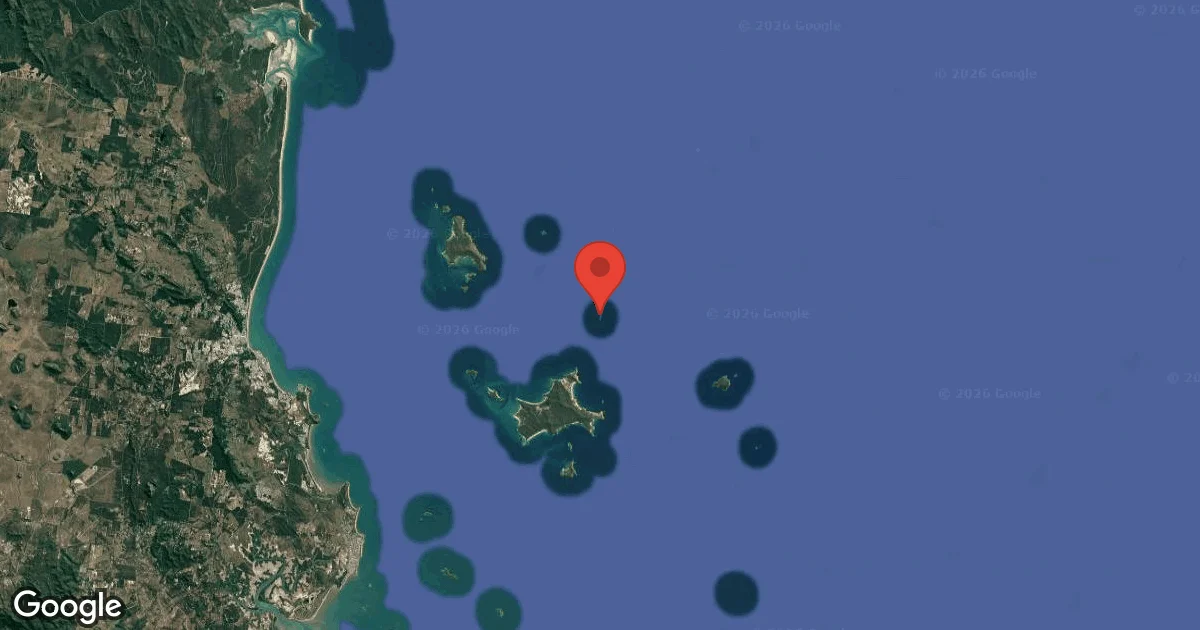
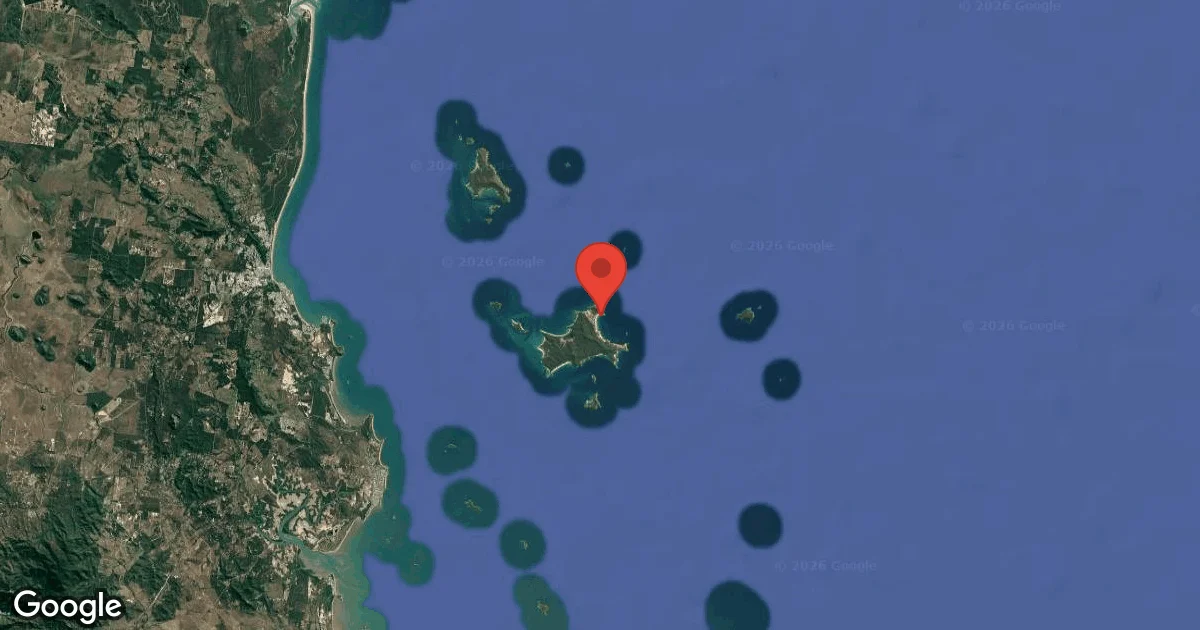
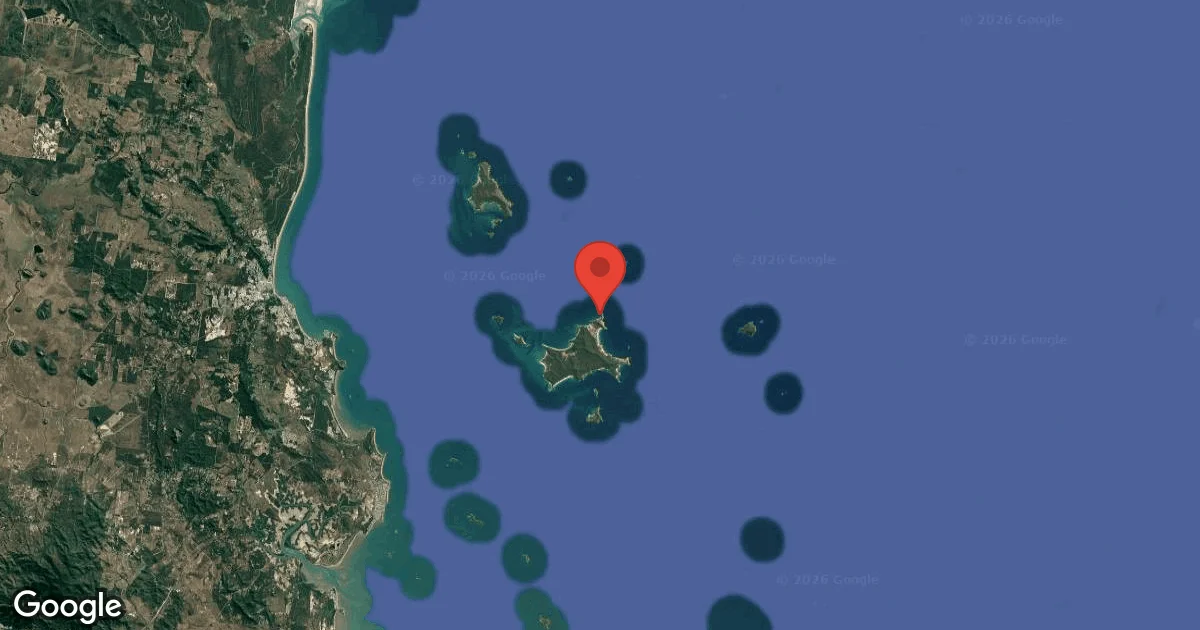
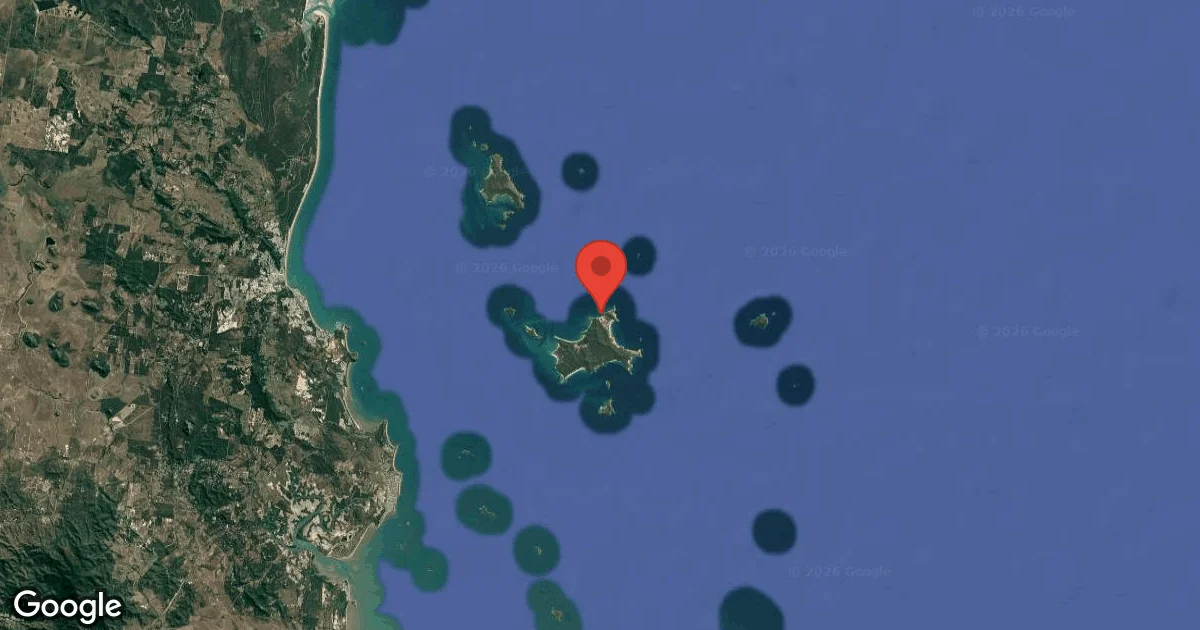
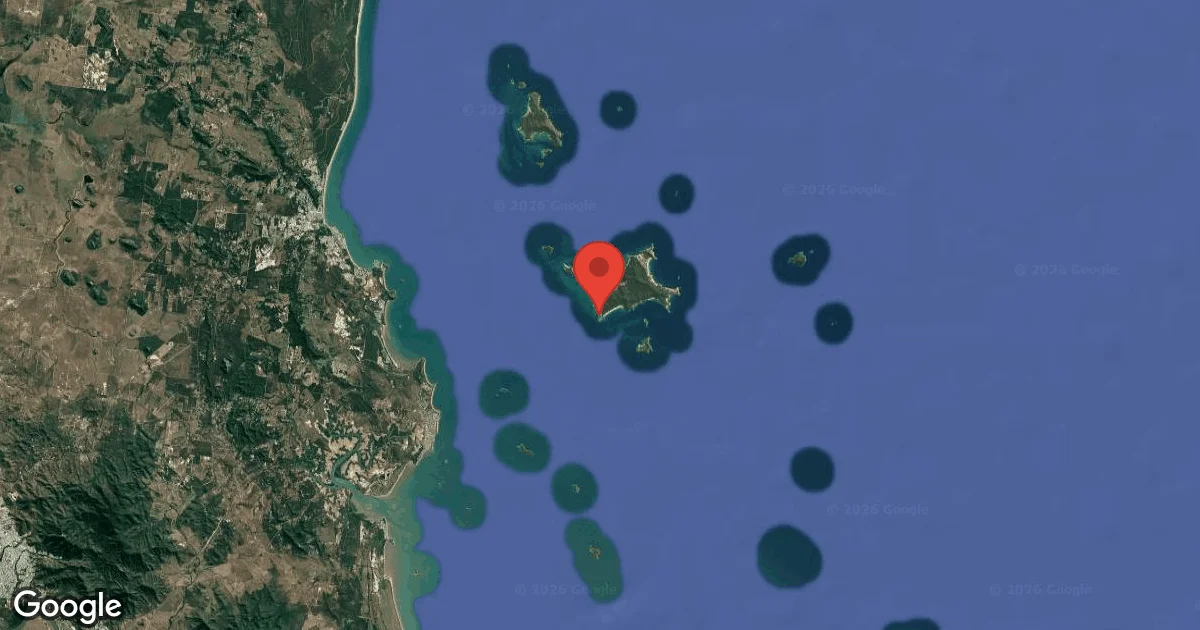
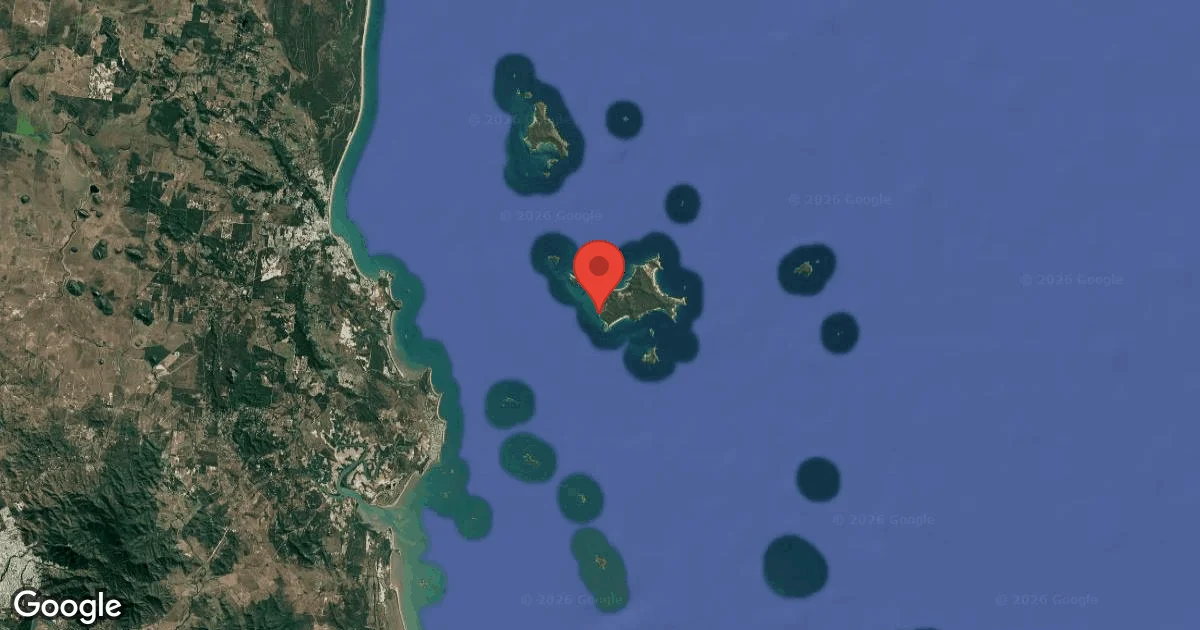
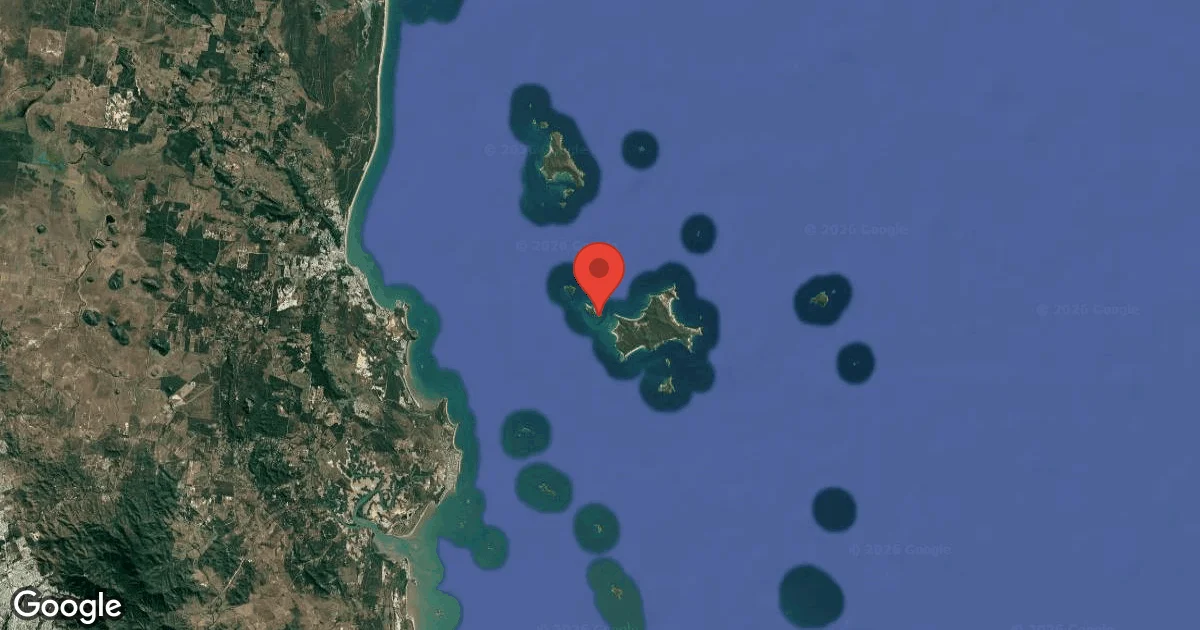
View all dive sites in AustraliaDiscover more underwater gems in this area.
Dive Centers Near Barren Island
No Dive Centers Local To Barren Island
Are you a dive center visiting this location? Get listed to reach divers.
Nearest Airports
Nearest airports to help plan travel to this dive area.
Search Flights
Check available flights and routes on Expedia, using the nearby airports listed in this section.
Search Flights on ExpediaFrequently Asked Questions
How do I get to Barren Island?
Visiting Barren Island is only possible by chartering a private boat. There are no regular passenger ferries due to its remote location. Several tour operators in the Andaman Islands offer trips, taking approximately 3-4 hours from Port Blair.
What kind of diving is available at Barren Island?
Barren Island offers a range of diving experiences, from shallow, sheltered bays suitable for beginners to challenging deep wall dives and sites with strong currents for advanced divers. Reefs feature vibrant corals and volcanic rock formations.
Are there specific dive sites recommended for different skill levels?
Yes, South Bay is suitable for beginner divers due to its shallow waters. Experienced divers looking for a challenge might prefer Passage Island with its strong currents or the wall dive with its dramatic drop-off exceeding 100 meters (330 ft).
What marine life can I expect to see?
Divers can encounter a variety of marine life, including barracudas, groupers, reef sharks, stingrays, and sea snakes. Deeper sites and areas with currents may yield sightings of manta rays, whale sharks, and schools of pelagic fish. Smaller creatures like nudibranchs, crabs, and shrimp inhabit the reefs.
What are the typical water conditions like?
While specific water temperature data is not consistently reported, divers can expect varying conditions depending on the site. Some areas feature strong currents, particularly at deeper locations like Passage Island. Visibility can vary, and divers should be prepared for diverse conditions.
Is an advanced certification required to dive here?
For certain deep and challenging dive sites around Barren Island, advanced-level scuba diving certification is required. However, there are also shallower sites like South Bay that are suitable for less experienced divers.
Planning to dive Barren Island?
Send one inquiry and receive offers directly from the best verified local dive operators.
Conditions are Good
07:00 - 14:00
Optimal conditions expected
Current conditions near Barren Island show 20° air, 21° sea temperature, 0.7 m waves, and 26 km/h wind. Forecast data is refreshed regularly to ensure accuracy.