
Diving at Monkey Beach (Australia)
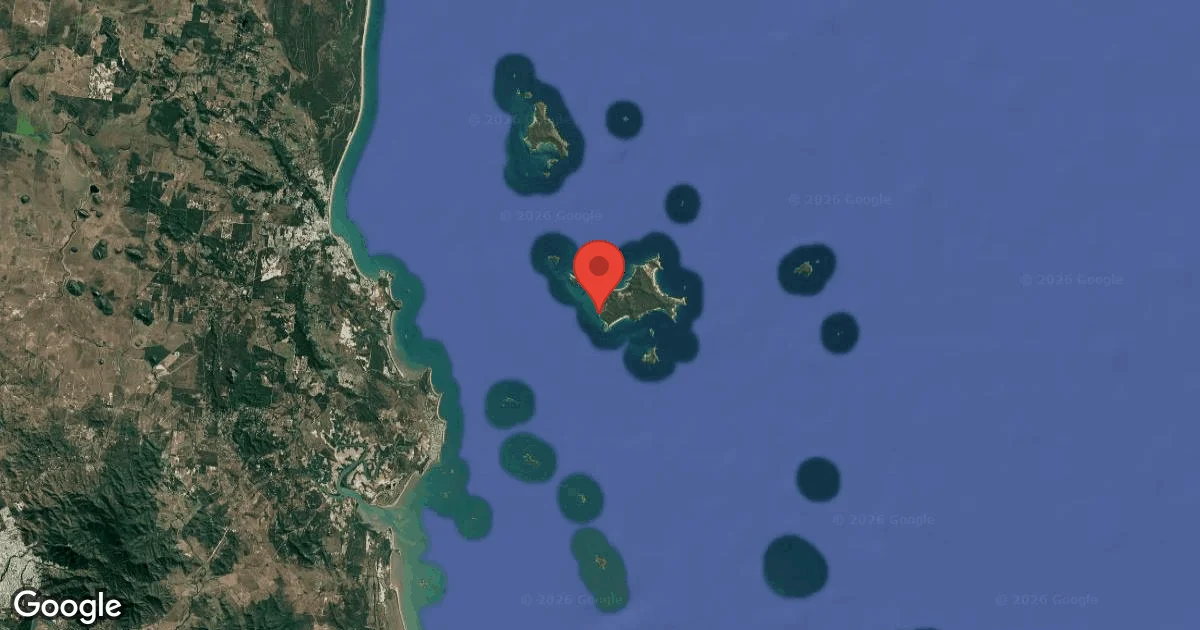
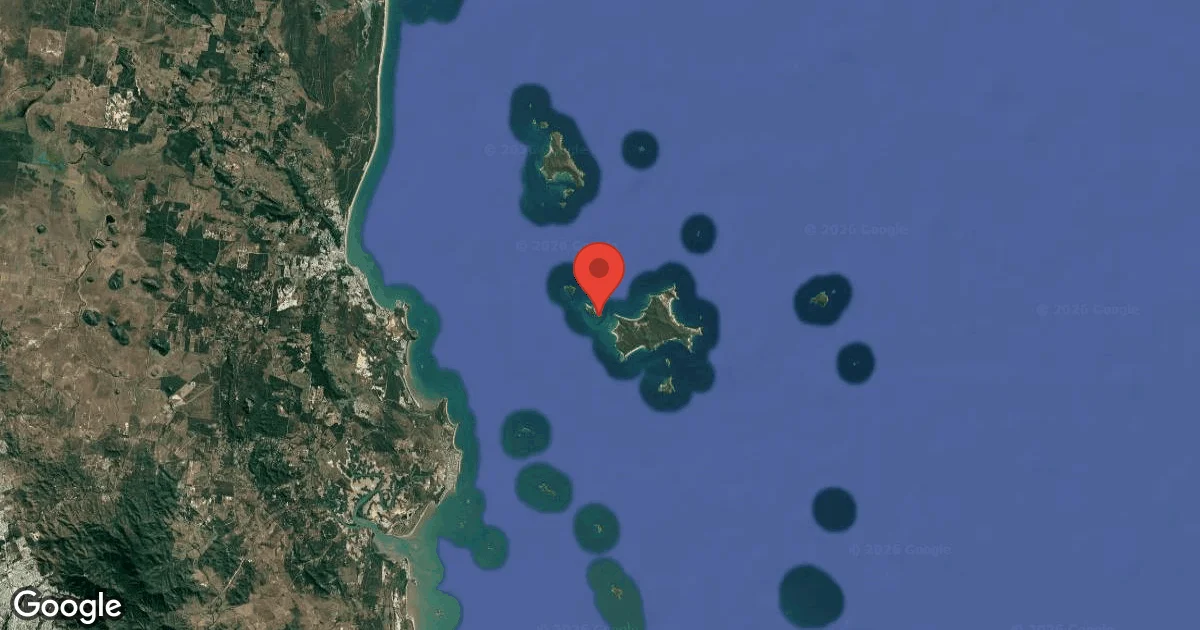
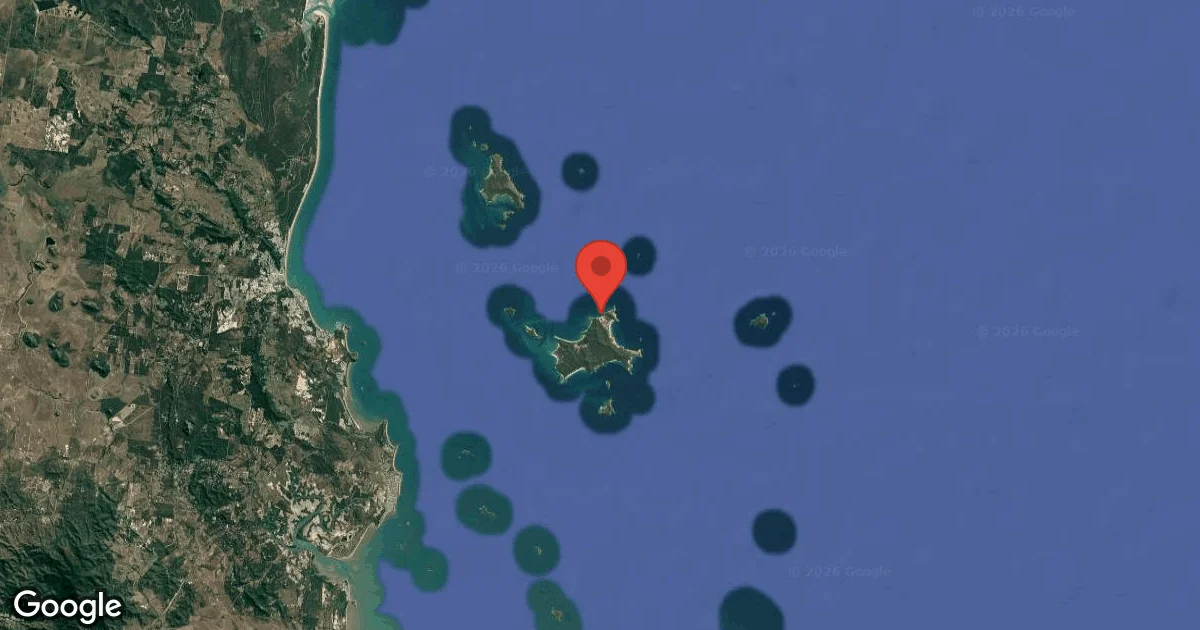
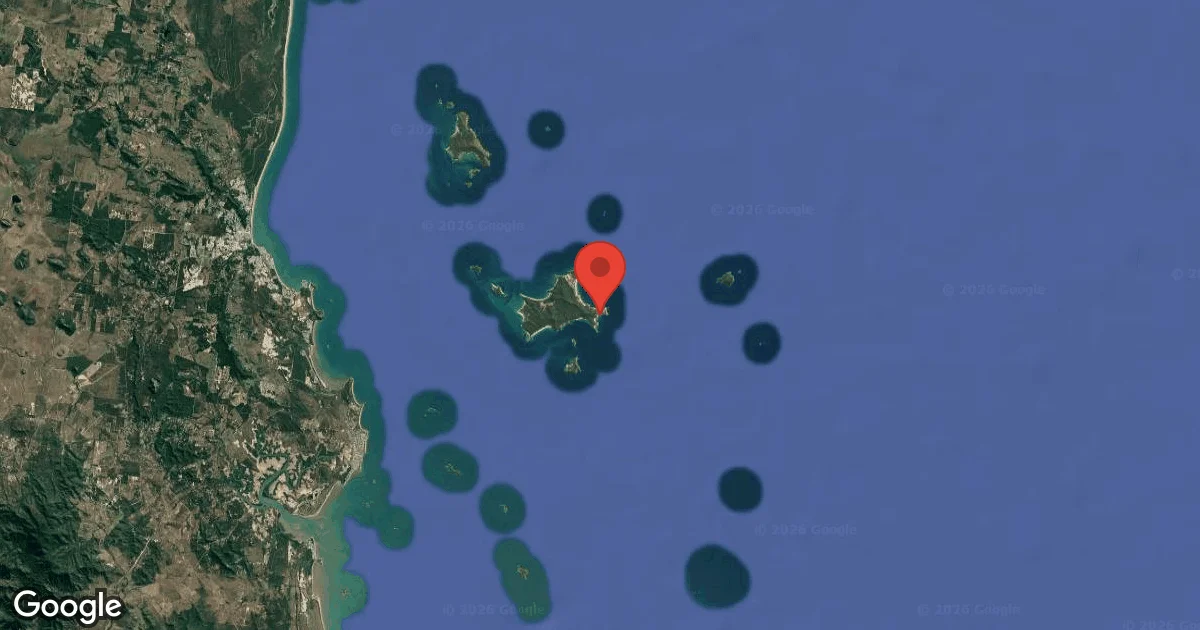
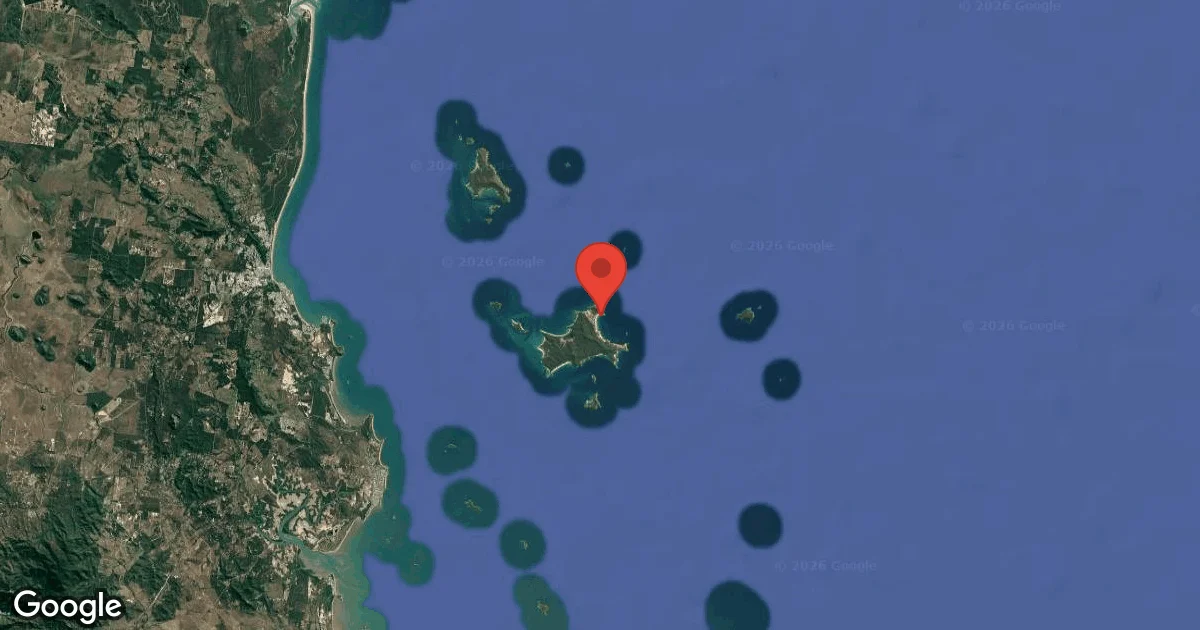
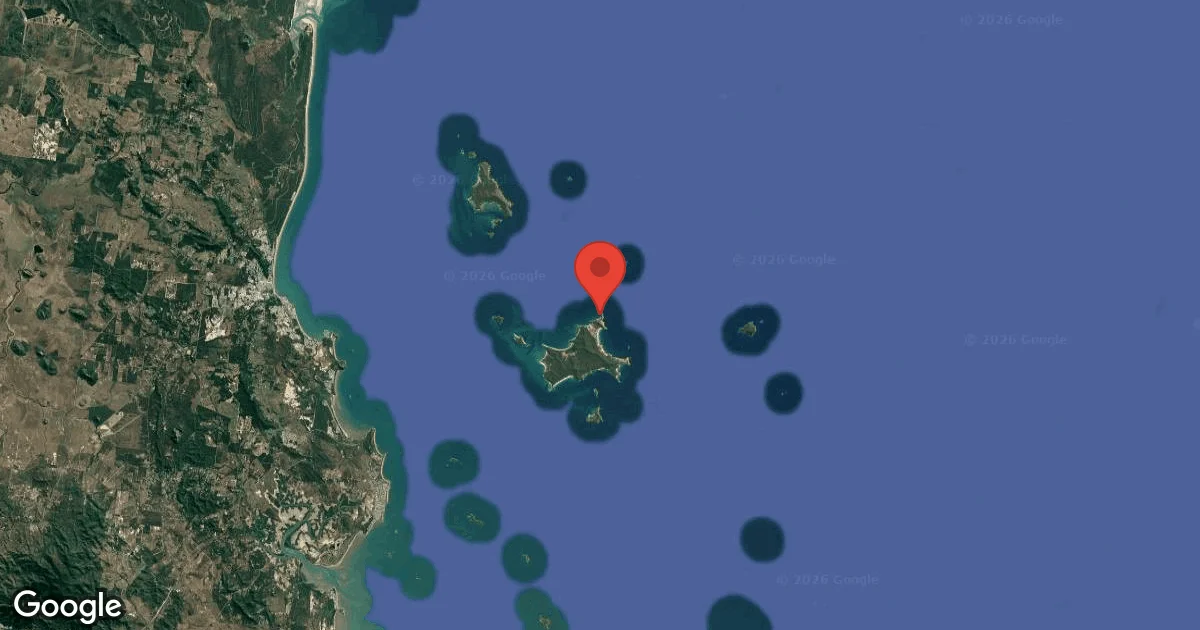
Monkey Beach forms a well-protected bay, situated on the southern coastal area of Great Keppel Island, Australia. This site is distinguished by its shallow reef structure and proximity to Monkey Point, making it one of the most accessible shore dive locations in the area. Its natural position provides notable shelter from most prevailing winds, particularly offering a viable option when conditions elsewhere are challenging.
Tonight's objective overview for Monkey Beach shows an air temperature of 21°C. The measured surface conditions include wave heights around 0.9 m. This environmental data is logged for the close of the day.
Dive Site Location & Key Facts
Dive Site Overview
Exploring the waters of Monkey Beach reveals a gentle underwater environment, frequently described as having pool-like conditions, ideal for those new to diving or seeking a relaxed experience. Depths typically reach 5 m (16 ft), occasionally extending to 8 m in deeper sections closer to Monkey Point, supporting longer bottom times and a more leisurely exploration.
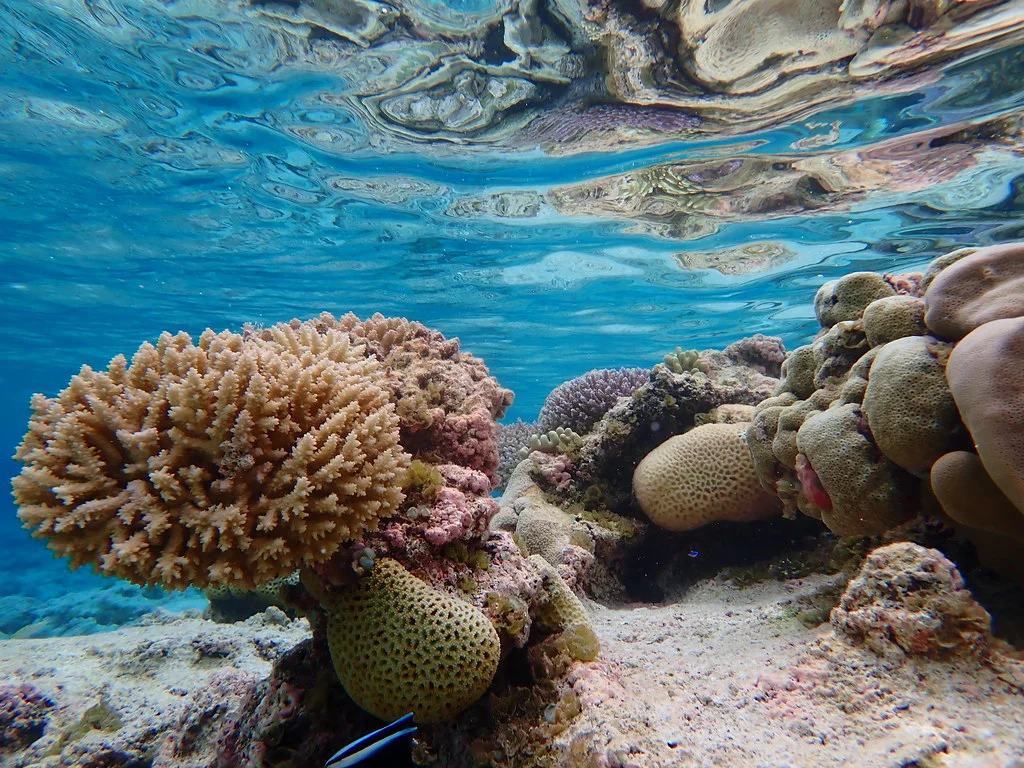
A prominent plateau of branching coral dominates some areas of the reef, gradually transitioning to a diverse array of hard and soft corals as divers approach Monkey Point itself. Efforts like the deployment of Reef stars in October 2022 specifically aim to bolster coral regeneration within this protected bay, encouraging new growth and habitat development. While easily accessible by a short boat transfer, certified divers also consider it for shore dives, often pairing it with snorkeling due to its notably shallower profile.
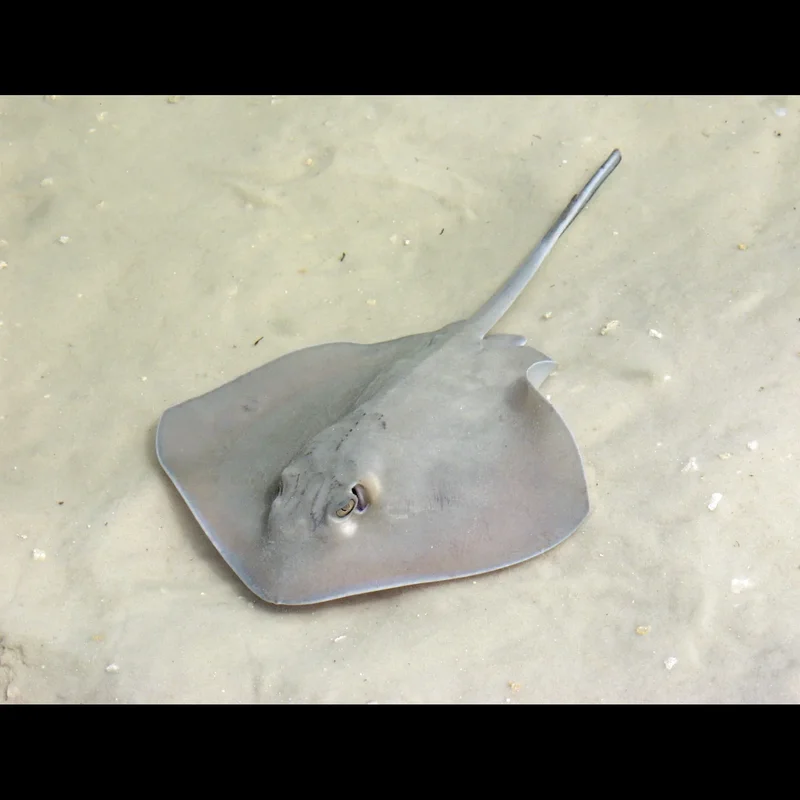
Here, one can easily spot schools of reef fish, rays, and turtles, making it a vibrant, yet calm, introduction to Great Keppel Island's underwater realm. Calm conditions frequently provide excellent visibility for observing the detailed interplay of marine life with the coral, making it a rewarding site for photographers.
Conditions are Excellent
07:00 - 14:00
Optimal conditions expected
Current conditions near Monkey Beach show 21° air, 22° sea temperature, 0.6 m waves, and 25 km/h wind. Forecast data is refreshed regularly to ensure accuracy.
Best Time to Dive
Determining the optimal period for diving at Monkey Beach often hinges on wind conditions, as strong winds can significantly reduce underwater visibility for several days. Winter months, generally from June to August, tend to be a more reliable season for divers seeking clearer water on the east coast of Australia. During these months, average air temperatures range from 19-19.5°C (66-67°F), with minimal rainfall, averaging 1.3-2.2 mm. Conversely, the summer months, such as January and February, see higher air temperatures around 27°C (81°F) and increased rainfall, averaging 4.1-4.7 mm, which could impact surface conditions. Water temperatures are not consistently reported but typically vary seasonally. However, Monkey Beach benefits from being well protected from most winds, except for strong south-west to west directions, allowing it to serve as a backup option when other sites are exposed. Generally, planning dives for slack high tide is advisable to enhance visibility and mitigate stronger currents.
PEAK SEASON SCORE
Scores combine air & water temps, waves, wind & rainfall for overall conditions.
BEST MONTHS TO DIVE
Monthly records compiled from satellite and marine observation nodes over the last 3 years. Data provided by Open-Meteo and MET Norway.
Dive Experience & Conditions
Currents at Monkey Beach generally remain mild, contributing to its reputation for pool-like conditions, especially within the sheltered confines of the bay. Maximum depth extends to around 5 meters, though certain areas might reach 8 meters, making it suitable for divers with varied experience levels, including beginners. Site protection against most winds, with the exception of strong south-westerly and westerly gusts, helps maintain stable underwater clarity across the dive area. Visibility, while generally good, can be affected for several days following periods of significant wind activity. Water temperature, not consistently reported, varies seasonally, typically reflecting regional averages for coastal Queensland. Divers will find extensive branching and staghorn coral formations alongside areas of sandy bottom, collectively providing a calm and easy-going dive experience that encourages longer bottom times and close observation of smaller reef inhabitants.
Dive Difficulty & Safety Guidelines
Planning an independent dive at Monkey Beach presents specific considerations beyond general safety protocols. Certified divers opting for shore dives should consult local dive operators like Keppel Dive for up-to-date information on tides, winds, and navigation, which are crucial for picking the best daily site.
While close for a boat transfer, walking to Monkey Beach with scuba equipment from local accommodations is impractical; arranging a drop-off is typically necessary if you don't have your own boat. Diving during slack high tide is a recommended practice to improve visibility and reduce the risk of encountering strong currents.
This approach helps ensure a smoother and more enjoyable dive. Always dive within your certification limits and be mindful of your air consumption in the shallower environment.
Recommended Equipment
- Dive Computer
- DSMB
This gear list is based on verified equipment signals for Monkey Beach, Australia. Always confirm final gear choices with your dive operator, guide, or liveaboard.
Recommended Dive Suit
Individual comfort in the water can vary significantly from diver to diver, even under the same conditions.
For most recreational dives, 3-5mm wetsuit should provide comfortable protection. Consider warmer surface protection (like a boat coat) due to brisk winds. Surface intervals may feel cooler. Forecast trends indicate little change in overall diving conditions during the next few days.
Current temperature readings suggest that the water at Monkey Beach is around 22°C (72°F). Surface air temperatures are resting at 21°C (70°F).
Due to technical issues with our weather providers, live updates are temporarily delayed. The data above reflects the conditions at the time of the last successful fetch.
Emergency & Medical Support
Essential information to help you plan your dive trip to Monkey beach.

Hyperbaric chambers are a critical part of dive safety infrastructure. Availability varies significantly by region, and not all dive areas have immediate access.
Before diving, it's recommended to:
- confirm nearest medical facilities
- check emergency procedures with local dive operators
- ensure dive insurance covers evacuation if required
Divers Alert Network
Diving emergency assistance available through DAN World.
+1-919-684-9111- 24/7 emergency hotline
- Diving medical assistance
- Evacuation coordination
Emergency contacts are provided for reference. Always verify local emergency services before diving.
Marine Life at Monkey Beach
Beneath the surface, the underwater landscape of Monkey Beach supports a noticeable variety of marine life amidst its coral structures. Divers can expect to encounter large schools of reef fish, which frequently navigate through the branching coral and the more varied hard and soft corals near Monkey Point.
Encounters with sting rays and various species of turtles are also common sightings within the sheltered bay. The presence of Giant Clams adds to the diversity of the benthic ecosystem, often nestled within the coral gardens.
While the site is generally good for observing the broader reef community, some areas are also known to host interesting macro life.
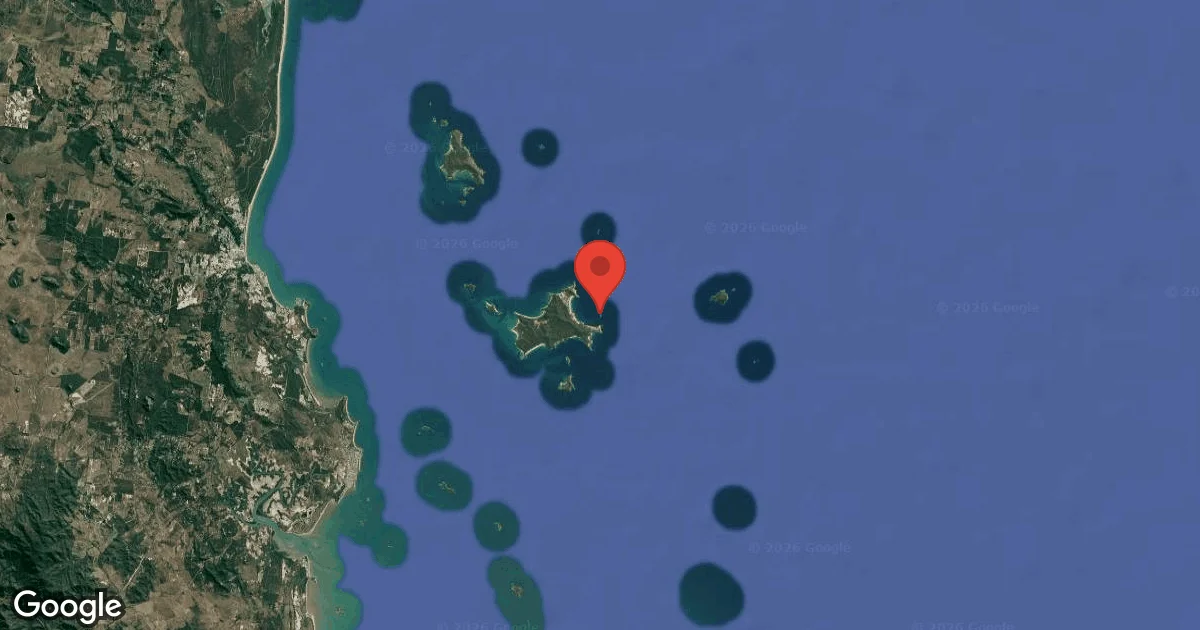
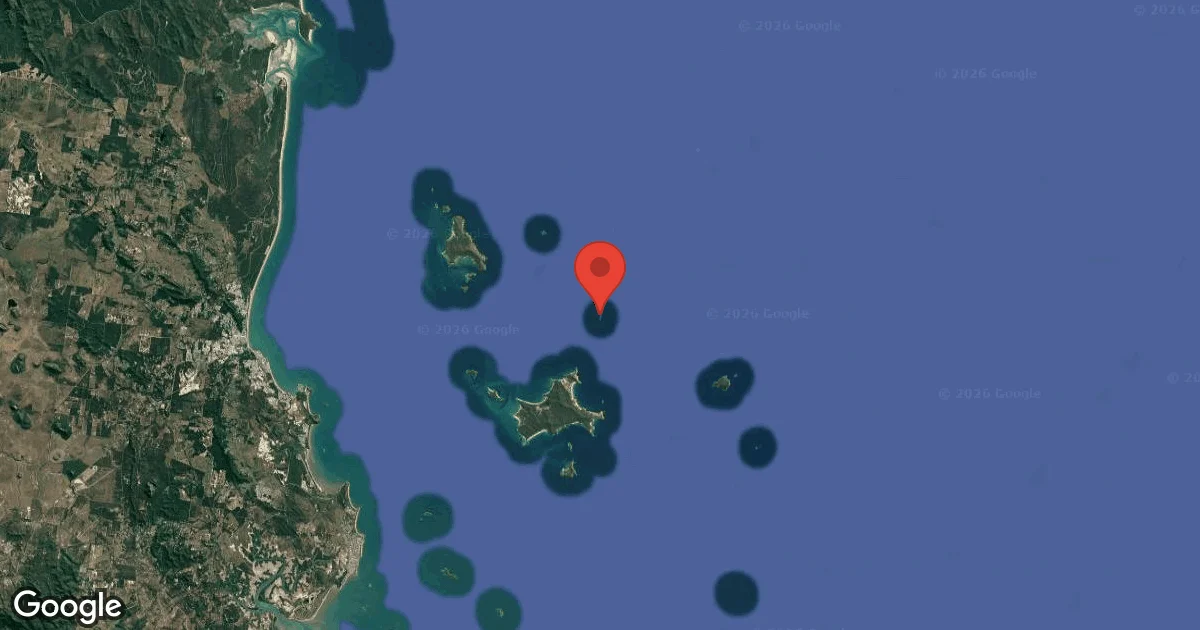
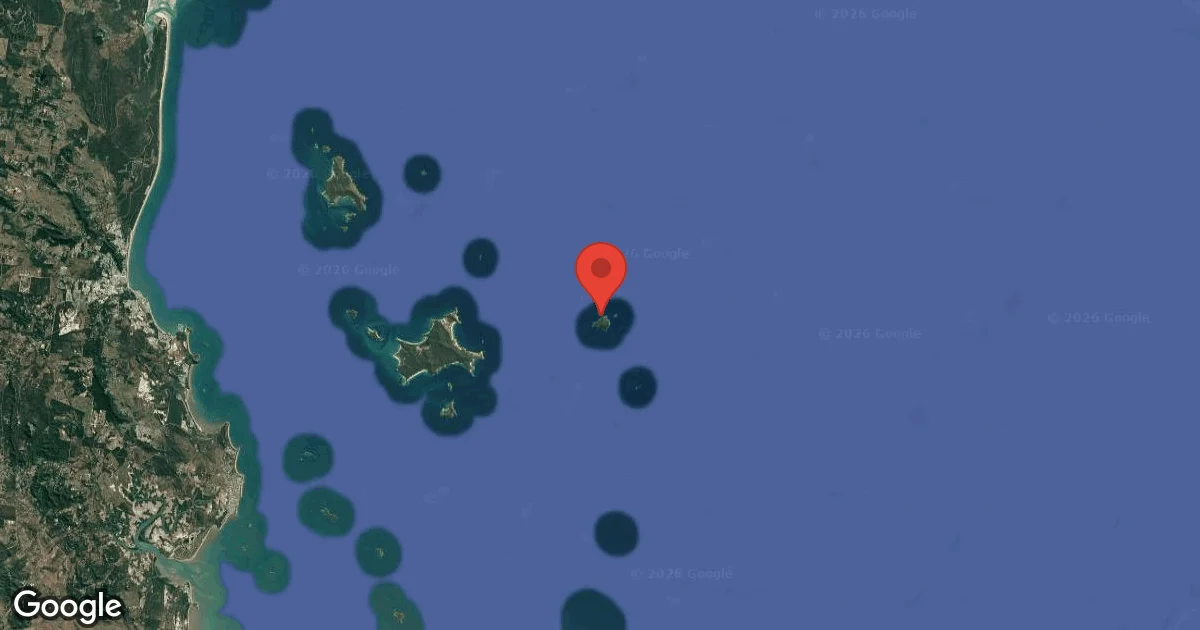
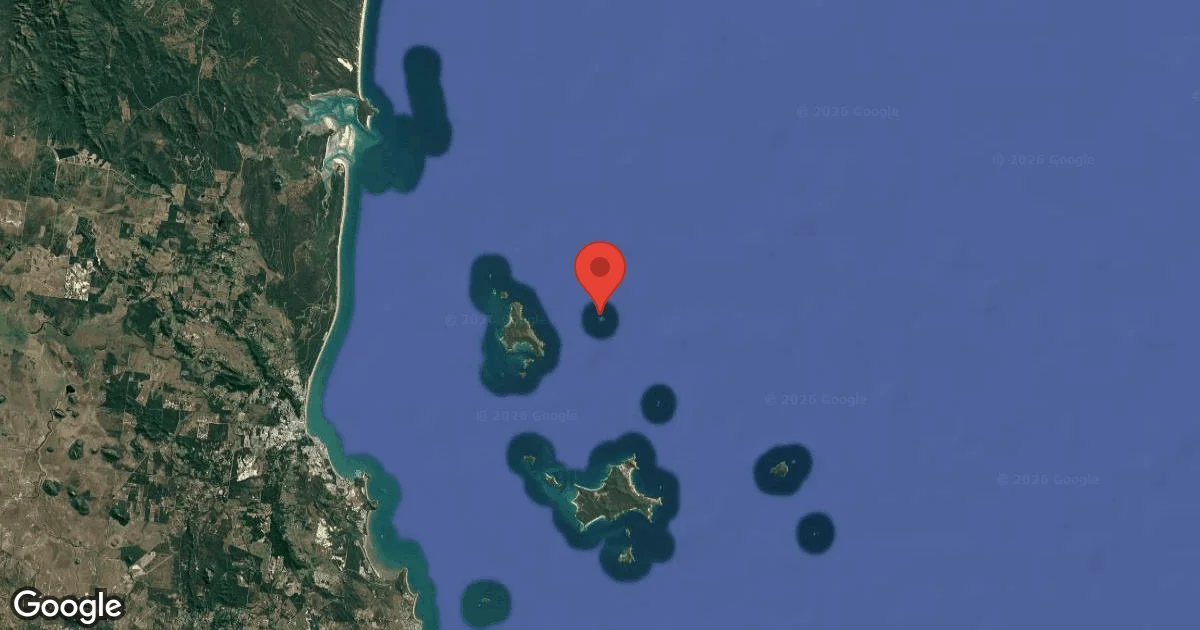
Dive Sites Near Monkey Beach
View all dive sites in AustraliaDiscover more underwater gems in this area.
Dive Centers Near Monkey Beach
No Dive Centers Local To Monkey Beach
Are you a dive center visiting this location? Get listed to reach divers.
Nearest Airports
Nearest airports to help plan travel to this dive area.
Search Flights
Check available flights and routes on Expedia, using the nearby airports listed in this section.
Search Flights on ExpediaFrequently Asked Questions
Is Monkey Beach suitable for beginner divers?
Yes, Monkey Beach is frequently cited as an excellent spot for new divers or those undertaking introductory experiences. Its shallow depth, typically around 5 meters, and generally calm, pool-like conditions contribute to a relaxed learning environment.
What is the maximum depth at Monkey Beach?
Depths at Monkey Beach generally stay around 5 meters, though some reef sections can extend slightly deeper to about 8 meters. This shallow profile makes it ideal for extended bottom times and snorkeling activities.
Can I do a shore dive at Monkey Beach?
Yes, certified divers can organize shore dives at Monkey Beach. However, it's advised to arrange a boat drop-off with a local operator like Keppel Dive, as walking with full scuba gear from accommodations is not practical due to distance.
What kind of marine life can I expect to see?
Divers often encounter large schools of reef fish, sting rays, and turtles within the reef system. The site also hosts Giant Clams and a variety of hard and soft corals, including notable staghorn coral formations.
When is the best time to dive for good visibility?
Visibility typically improves during winter months (June to August) when winds are generally lighter. Strong winds can reduce water clarity for several days, making it important to check local conditions with a dive shop before your visit.
Are there efforts to protect the coral at Monkey Beach?
Yes, initiatives like the Tourism Reef Protection Initiative have placed Reef stars in the area, specifically in October 2022. These structures are designed to assist in the regeneration and health of the coral ecosystems at Monkey Beach.
Planning to dive Monkey Beach?
Send one inquiry and receive offers directly from the best verified local dive operators.
Conditions are Excellent
07:00 - 14:00
Optimal conditions expected
Current conditions near Monkey Beach show 21° air, 22° sea temperature, 0.6 m waves, and 25 km/h wind. Forecast data is refreshed regularly to ensure accuracy.