
Diving at Bald Rock (Australia)
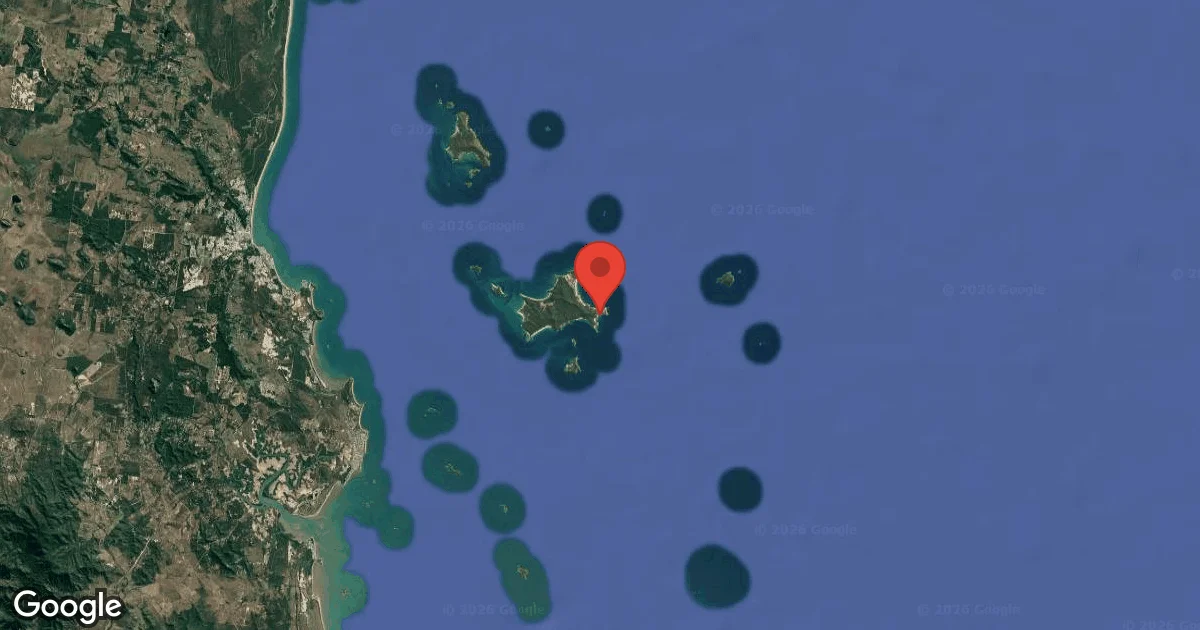
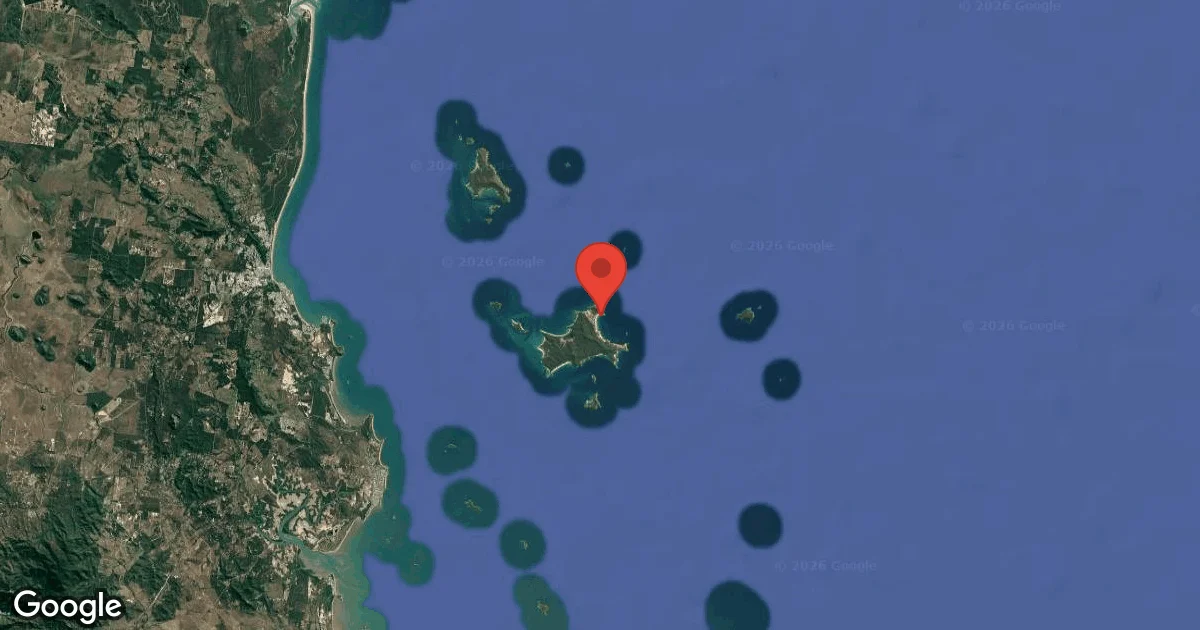
Bald Rock is a prominent reef dive site situated off Great Keppel Island, Australia. Its coordinates are approximately -23.17010, 150.99333, indicating its specific location in the Pacific Ocean's Australian region. This site features a maximum recreational depth of 18 meters (59 feet), making it accessible for open water certified divers. Boat entry is the standard approach to begin dives here.
Tonight's objective overview for Bald Rock shows an air temperature of 19.5°C. The measured surface conditions include wave heights around 0.7 m. This environmental data is logged for the close of the day.
Dive Site Location & Key Facts
Dive Site Overview
Bald Rock, while geologically a granite formation on land in some contexts, presents a distinct underwater reef environment near Great Keppel Island. Below the surface, extensive coral-lined boulders define the site's eastern side.
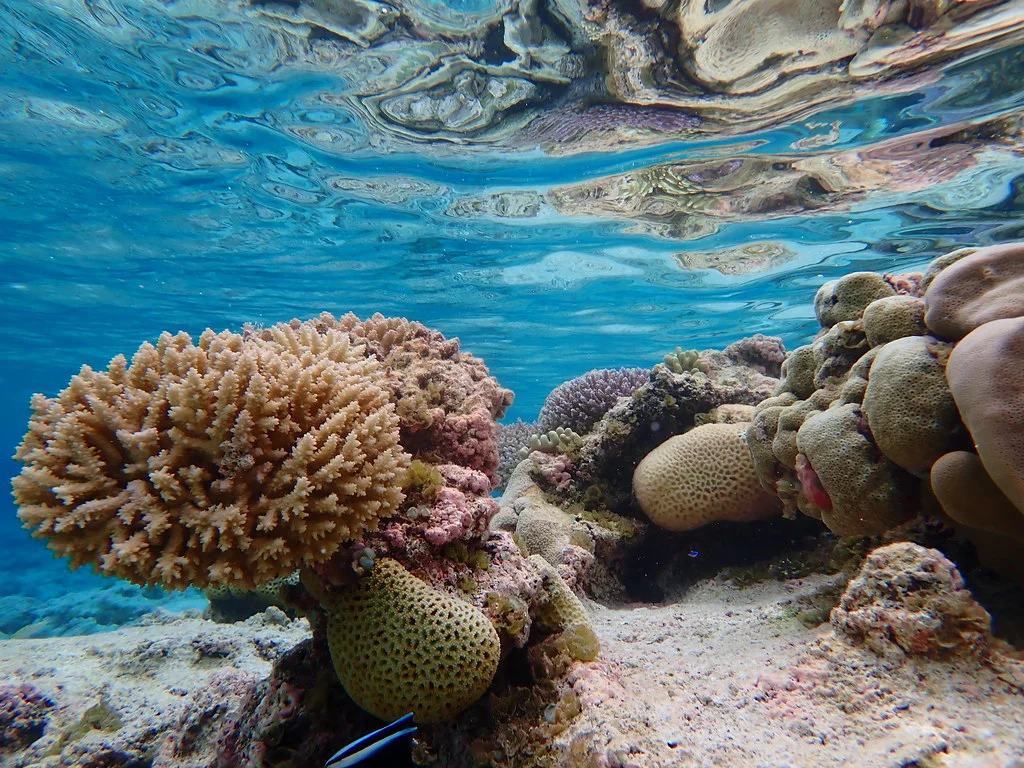
These contrast with an almost continuous expanse of Acropora coral extending to the west of the main mooring area. The reef structure leads towards a natural channel formed between Bald Rock and an adjacent feature referred to as 'Lighthouse'. Shallower sections of the site reveal a sandy gully, often concentrating a variety of smaller reef fish.
Its development as a dive destination is rooted in natural reef characteristics, offering diverse underwater topography suitable for recreational exploration. A unique arrangement of coral types and formations supports a varied marine ecosystem, making it a point of interest for divers exploring the Queensland coast.
Conditions are Excellent
07:00 - 14:00
Optimal conditions expected
Current conditions near Bald Rock show 19° air, 22° sea temperature, 0.6 m waves, and 24 km/h wind. Forecast data is refreshed regularly to ensure accuracy.
Best Time to Dive
For an optimal dive experience at Bald Rock, planning your visit during the cooler, drier months often yields favorable conditions. June stands out with an 'Excellent' dive score, reporting minimal rain at 1.63 mm and air temperatures around 20°C (68°F). August also presents good opportunities, showing slightly warmer air at 19.5°C (67°F) and similarly low rainfall. While water temperature data is not consistently reported, these months typically offer calmer seas, with average wave heights ranging from 0.5 to 0.6 meters (1.6 to 2.0 feet), suggesting more comfortable boat trips and entries. Conversely, December through March see higher average air temperatures, ranging from 26.5-27°C (80-81°F), but also increased rainfall, from 3.89-5.18 mm, which could potentially impact visibility following heavy precipitation.
PEAK SEASON SCORE
Scores combine air & water temps, waves, wind & rainfall for overall conditions.
BEST MONTHS TO DIVE
Monthly records compiled from satellite and marine observation nodes over the last 3 years. Data provided by Open-Meteo and MET Norway.
Dive Experience & Conditions
Upon entering the water at Bald Rock, divers will typically find themselves exploring depths down to 18 meters (59 feet). The descent reveals a reef composed of coral-lined boulders, especially noticeable towards the eastern side of the dive site. As you progress westward from the mooring, the underwater landscape transitions into expansive fields of Acropora coral, which stretch towards a channel situated between Bald Rock and the nearby 'Lighthouse'. Shallower areas of the site feature a sandy gully, often home to numerous fish. While the site generally offers a straightforward reef exploration, currents can sometimes be strong in this area, necessitating awareness and appropriate dive planning. Visibility varies depending on local conditions and recent weather patterns.
Dive Difficulty & Safety Guidelines
Experienced divers recommend always assessing the prevailing current conditions before and during any dive at Bald Rock, as currents can be strong. Maintaining proper buoyancy control is essential, particularly when navigating around the extensive coral formations to prevent accidental contact. It's advisable to carry a surface marker buoy (SMB) to enhance visibility to boat traffic, especially after surfacing.
Always dive within your certification limits; this site's maximum depth is 18 meters (59 feet), suitable for PADI Open Water Divers. Regularly inspect your equipment and ensure it's in good working order before each dive.
A dive computer is crucial for monitoring depth, bottom time, and no-decompression limits effectively.
Recommended Equipment
- Dive Computer
- DSMB
This gear list is based on verified equipment signals for Bald Rock, Australia. Always confirm final gear choices with your dive operator, guide, or liveaboard.
Recommended Dive Suit
With water temperatures around 22°C (71°F), many divers find a 3-5mm wetsuit provides comfortable protection.
Local dive briefings can provide the most accurate guidance.
The upcoming forecast points to generally steady conditions in the area.
Due to technical issues with our weather providers, live updates are temporarily delayed. The data above reflects the conditions at the time of the last successful fetch.
Emergency & Medical Support
Essential information to help you plan your dive trip to Bald Rock.

Hyperbaric chambers are a critical part of dive safety infrastructure. Availability varies significantly by region, and not all dive areas have immediate access.
Before diving, it's recommended to:
- confirm nearest medical facilities
- check emergency procedures with local dive operators
- ensure dive insurance covers evacuation if required
Divers Alert Network
Diving emergency assistance available through DAN World.
+1-919-684-9111- 24/7 emergency hotline
- Diving medical assistance
- Evacuation coordination
Emergency contacts are provided for reference. Always verify local emergency services before diving.
Marine Life at Bald Rock
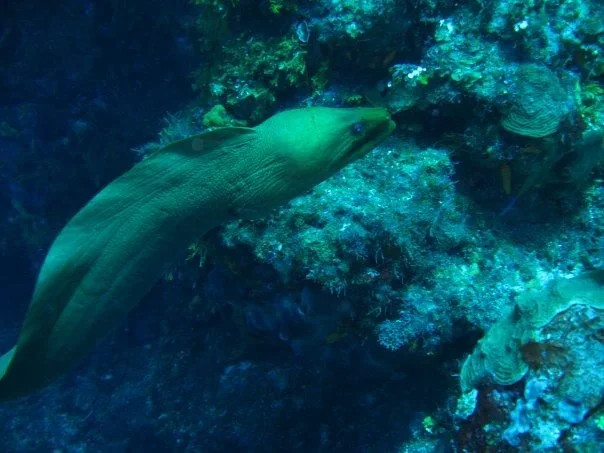
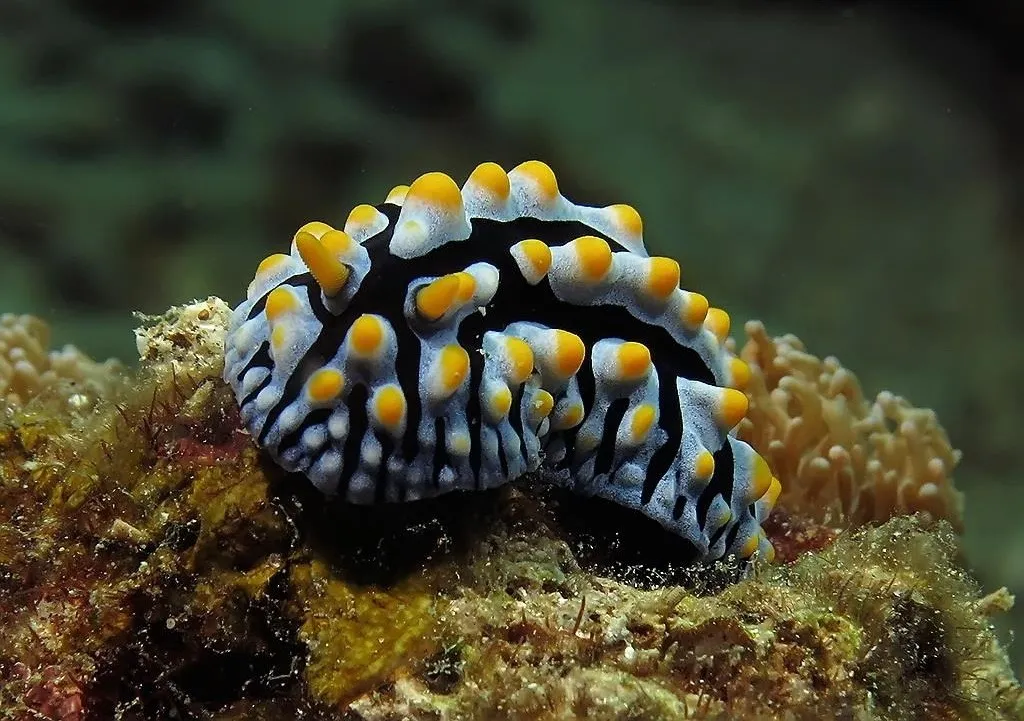
The marine inhabitants of Bald Rock create a dynamic ecosystem, attracting divers with its varied species. Encounters with Moray Eels are common, often observed within the reef's crevices and rocky outcrops.
Giant Clams are also a notable feature, typically found settled among the corals. Divers may observe Stonefish, well camouflaged on the seabed, alongside various Reef Fish navigating the coral formations.
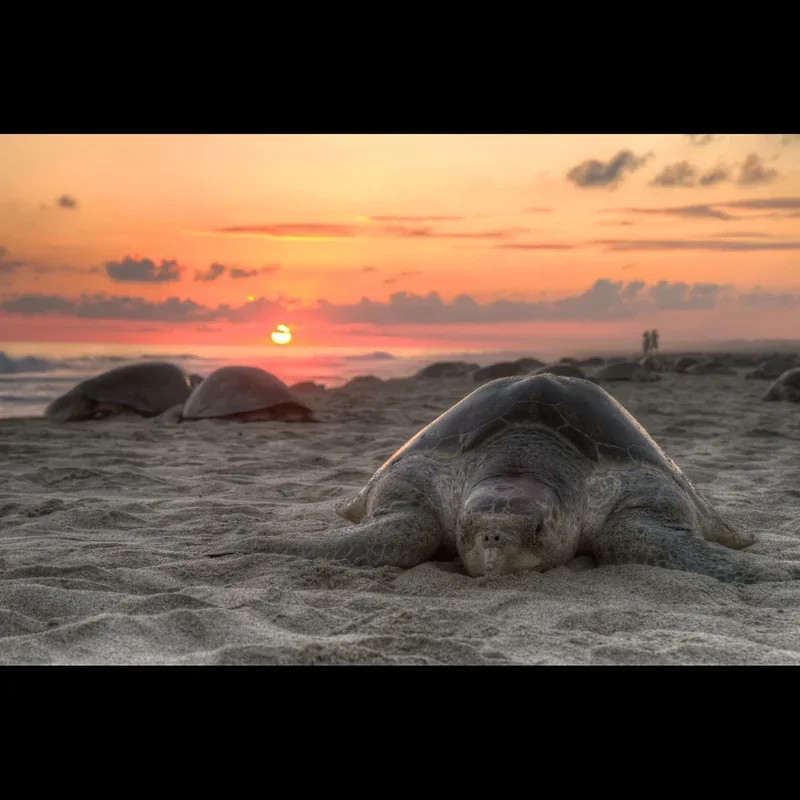
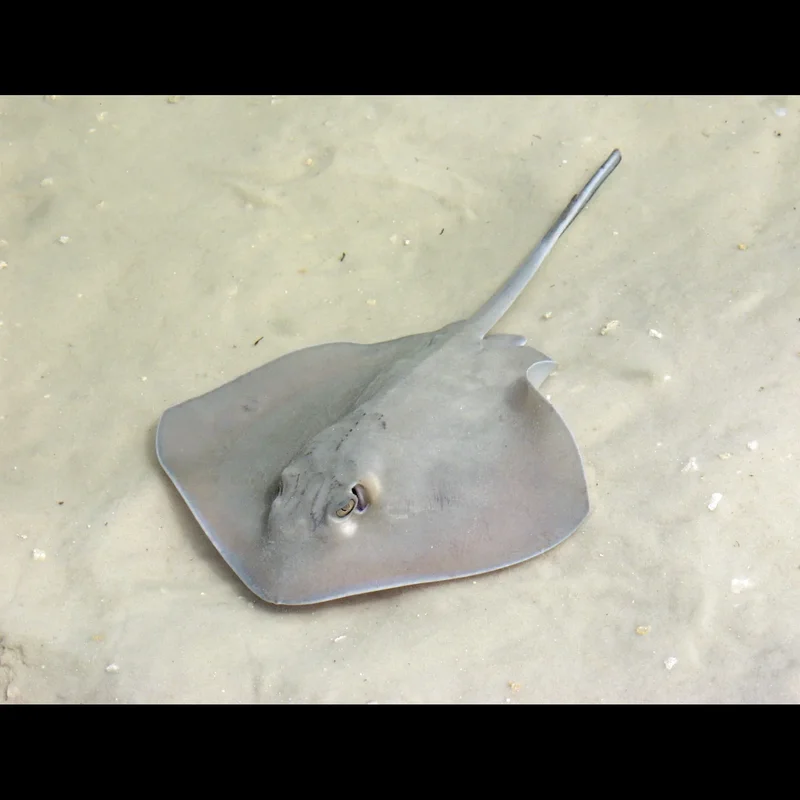
Sea Turtles are frequently spotted gliding through the water, and Stingrays can occasionally be seen resting on the sandy bottom. The site also experiences visits from Nudibranchs, adding vibrant splashes of color to the reef environment.
Dive Sites Near Bald Rock
View all dive sites in AustraliaDiscover more underwater gems in this area.
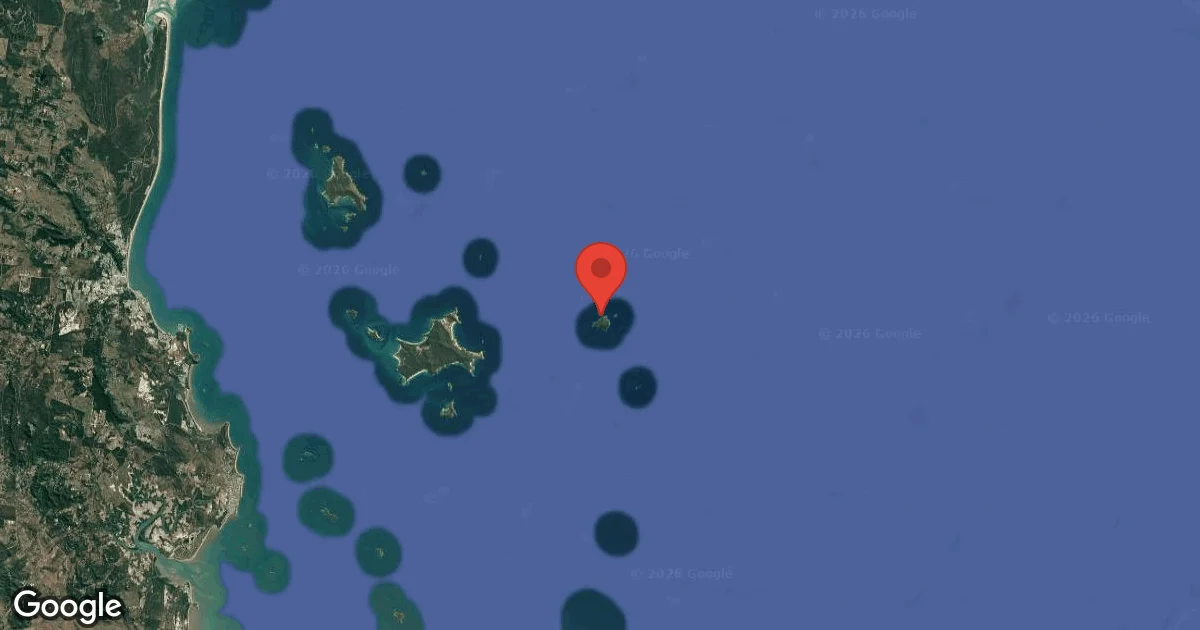
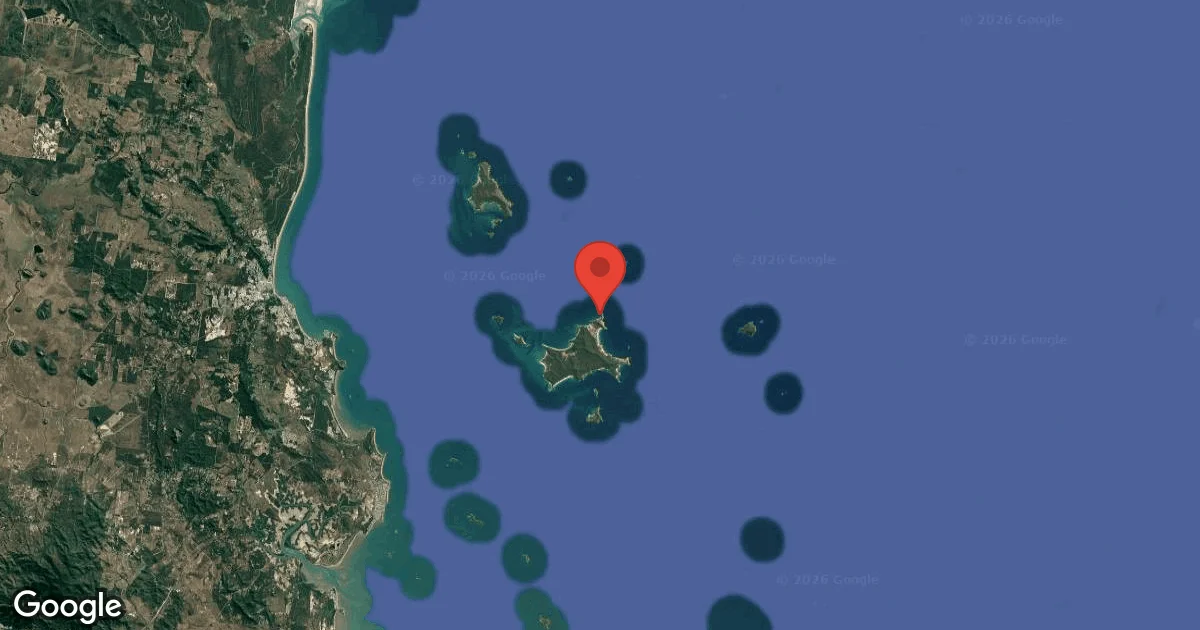
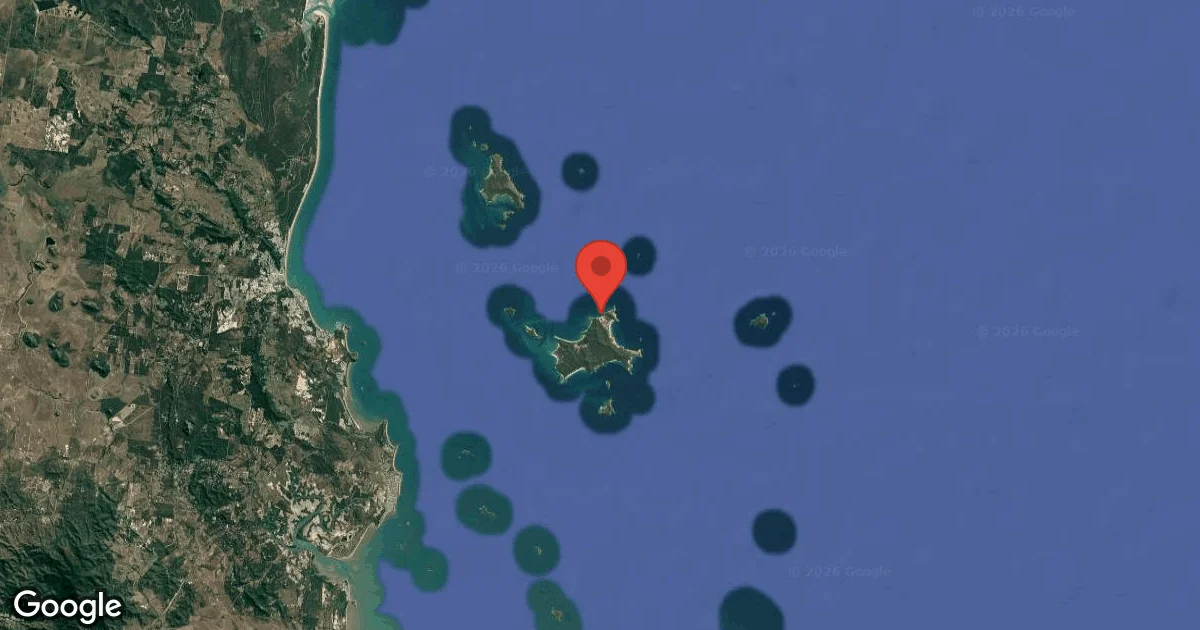
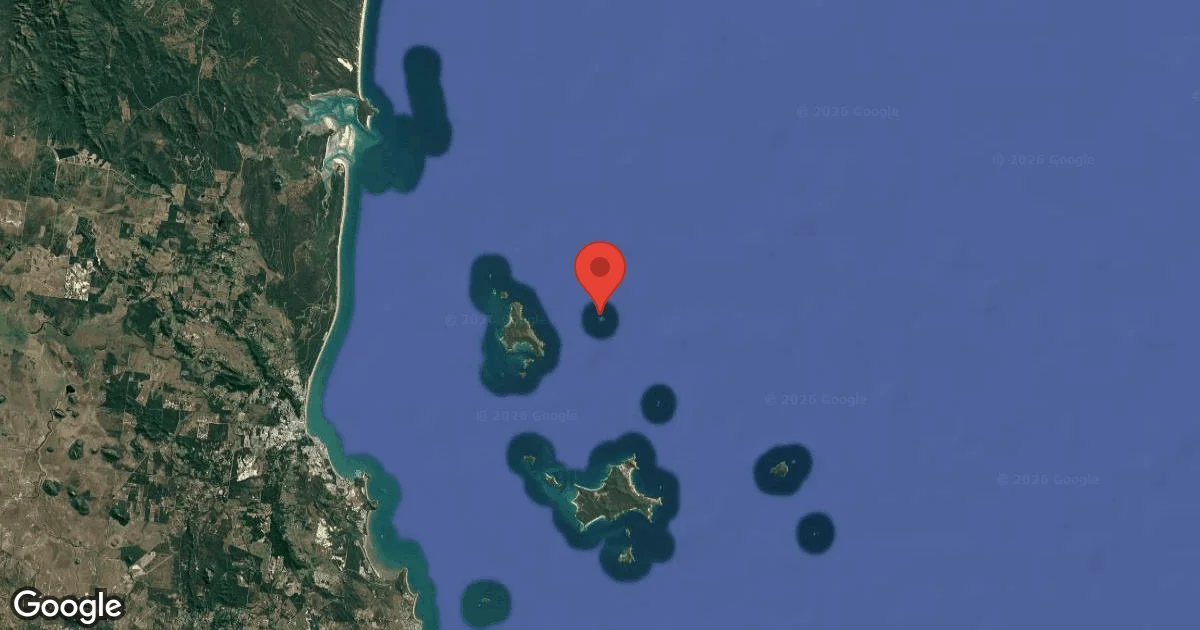
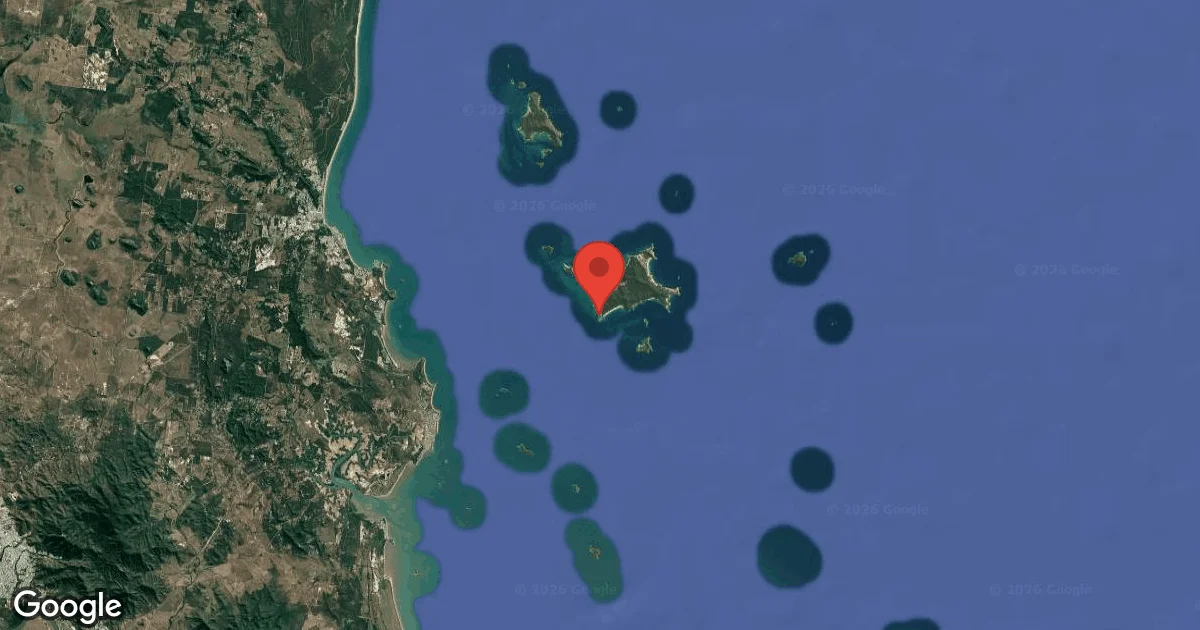
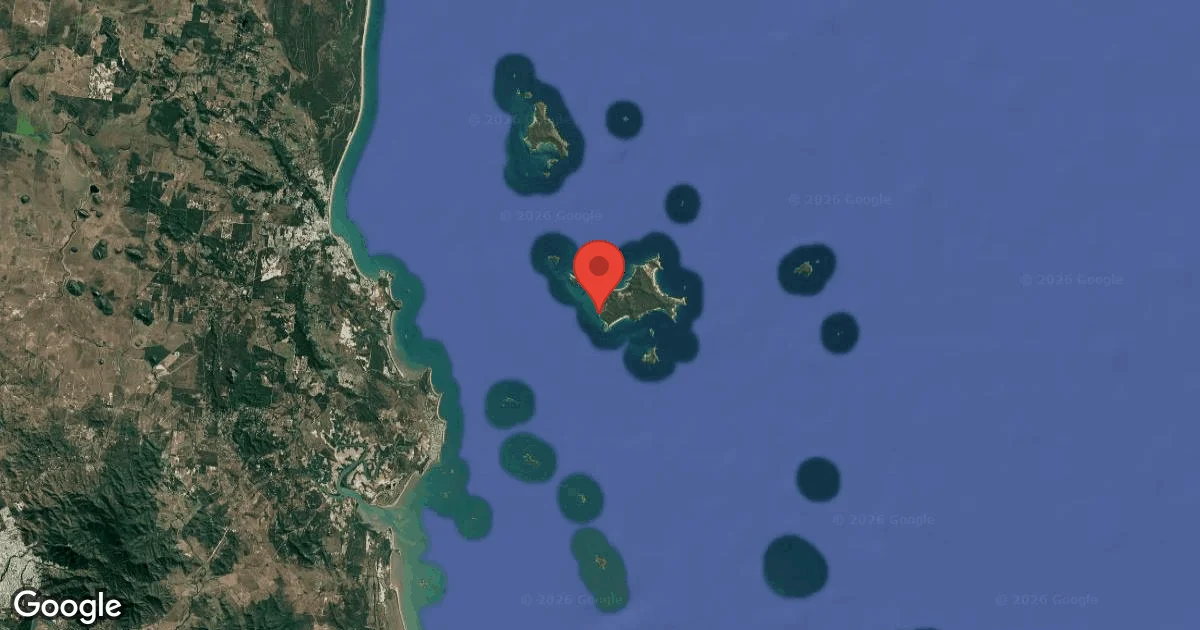
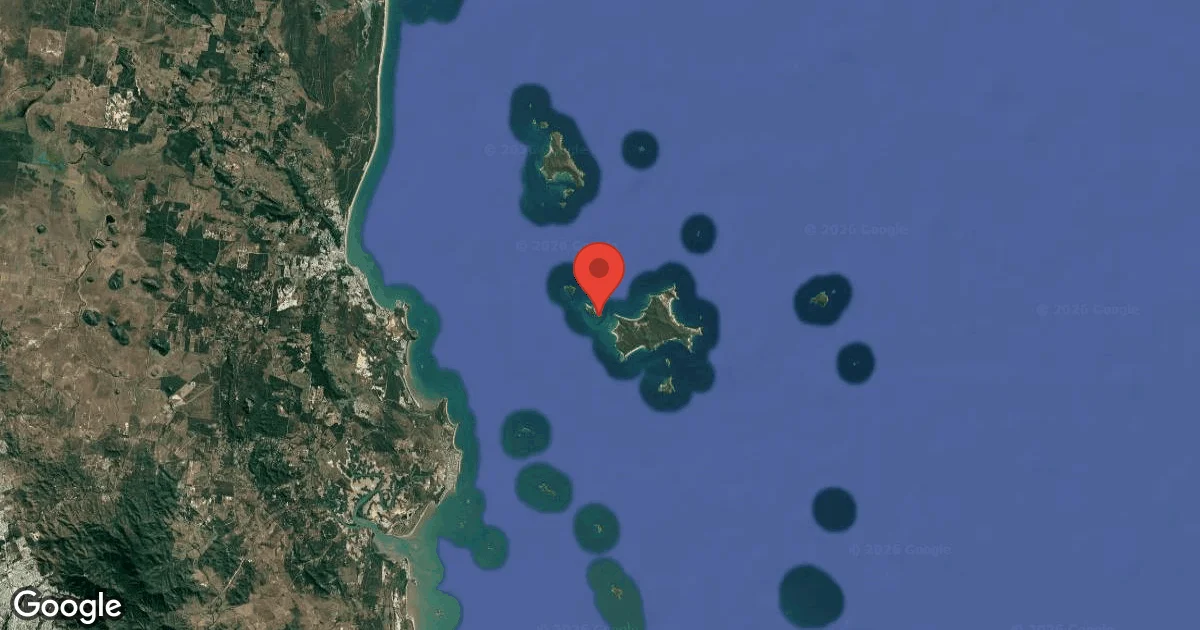
Dive Centers Near Bald Rock
No Dive Centers Local To Bald Rock
Are you a dive center visiting this location? Get listed to reach divers.
Nearest Airports
Nearest airports to help plan travel to this dive area.
Search Flights
Check available flights and routes on Expedia, using the nearby airports listed in this section.
Search Flights on ExpediaFrequently Asked Questions
What certification is required to dive Bald Rock?
Bald Rock is suitable for PADI Open Water certified divers, as its maximum recreational depth is 18 meters (59 feet). Divers should always stay within their training and experience limits when exploring the site.
Are currents a factor at Bald Rock?
Yes, currents at Bald Rock can sometimes be strong. Divers should assess prevailing conditions before and during their dive and plan accordingly to manage potential currents.
What marine life can divers expect to see?
Divers frequently encounter Moray Eels within reef crevices and Giant Clams among the corals. Stonefish, various reef fish, Sea Turtles, and occasional Stingrays are also observed, alongside colorful Nudibranchs.
What is the typical depth range for diving Bald Rock?
The site's recreational depth range extends to its maximum limit. Divers will explore shallower sections with sandy gullies, transitioning to deeper areas with coral formations.
When is the best time of year to dive Bald Rock?
Optimal dive conditions are often found during the cooler, drier months, particularly June and August. These months typically offer calmer seas and good visibility, with less rainfall reported.
What is the underwater topography like at Bald Rock?
The site features extensive coral-lined boulders to the east and wide expanses of Acropora coral to the west of the mooring. A natural channel lies between Bald Rock and the 'Lighthouse', with sandy gullies in shallower zones.
Is a surface marker buoy (SMB) recommended?
Yes, carrying a surface marker buoy (SMB) is advisable. This enhances visibility to boat traffic, especially when surfacing in areas where currents might be present.
Planning to dive Bald Rock?
Send one inquiry and receive offers directly from the best verified local dive operators.
Conditions are Excellent
07:00 - 14:00
Optimal conditions expected
Current conditions near Bald Rock show 19° air, 22° sea temperature, 0.6 m waves, and 24 km/h wind. Forecast data is refreshed regularly to ensure accuracy.