
Diving at Butterfish Bay (Australia)
Butterfish Bay immediately strikes divers with its calm, sheltered nature, providing refuge from prevailing S-SE winds. This protected environment, accessible by both boat and shore, offers beautifully clear waters along its eastern reef side. It's a picturesque entry point, ideal for those looking to explore a gentle underwater landscape without significant currents or depth challenges. The bay's secluded feel is a direct result of its rainforest hike access.
Tonight's objective overview for Butterfish Bay shows an air temperature of 19.5°C. The measured surface conditions include wave heights around 0.8 m. This environmental data is logged for the close of the day.
Dive Site Location & Key Facts
Dive Site Overview
A dive into Butterfish Bay promises a remarkably serene introduction to the underwater world, ideally suited for new divers and snorkelers visiting Great Keppel Island. Site conditions and easy accessibility contribute significantly to its reputation as a prime location for foundational training, such as the PADI Discover Scuba Diving course.
Divers here can anticipate a gentle profile, beginning over shallow sandy bottoms that gracefully transition into vibrant rocky reefs. Maxing out at 5 m (16 ft), depths are comfortable and forgiving. These reefs support expansive kelp forests, creating rich, diverse habitats for numerous species.
Look closely to discover intricate gardens of hard coral and delicate plate coral formations, each contributing to the site’s unique biodiversity. Butterfish Bay’s sheltered nature ensures consistent protection from prevailing winds, often providing favorable conditions for exploration even when other local sites might be less inviting due to adverse weather.
Underwater visibility frequently improves significantly at low tide, enhancing clarity and enjoyment of its calm waters. This makes for an ideal setting to practice buoyancy control and observe marine life in a relaxed, secure environment. Overall, the experience cultivates a profound sense of calm and discovery.
Conditions are Excellent
07:00 - 14:00
Optimal conditions expected
Current conditions near Butterfish Bay show 20° air, 21° sea temperature, 0.6 m waves, and 24 km/h wind. Forecast data is refreshed regularly to ensure accuracy.
Best Time to Dive
Planning a dive here means considering seasonal variations in conditions and marine activity. The calmer, drier months from June to October generally offer excellent diving opportunities, with June notably showing an 'Excellent' dive score. During mid-winter, typically around June to August, air temperatures average 19-20°C (66-68°F), and while water temperatures can dip to around 14°C (57°F), this period often brings some of the best visibility, potentially reaching up to 30 m (100 ft) on clear days. Summer, from December to February, sees air temperatures reaching 26-27°C (79-81°F), and water temperatures are a balmier 20-22°C (68-72°F). Spring, particularly September to November, brings a warming of the water, which often correlates with an explosion of plankton and marine life, attracting various species from deeper waters.
PEAK SEASON SCORE
Scores combine air & water temps, waves, wind & rainfall for overall conditions.
BEST MONTHS TO DIVE
Monthly records compiled from satellite and marine observation nodes over the last 3 years. Data provided by Open-Meteo and MET Norway.
Dive Experience & Conditions
Entering the water at Butterfish Bay, divers can expect a gentle descent over shallow sandy bottoms that gradually lead to the main reef structure. The site is characterized by an average maximum depth of 5 m (16 ft), making it a comfortable experience for less experienced divers. Rocky reefs, adorned with kelp forests, form the primary underwater topography. Water temperatures vary depending on the season, typically ranging from a cooler 14°C (57°F) in mid-winter to a comfortable 20-22°C (68-72°F) in summer. Wind speeds average 28-38 km/h (17-24 mph), while wave heights are generally below 1 m (3 ft), contributing to the bay's reputation as a sheltered site. The overall experience is one of calm exploration within a well-protected environment.
Dive Difficulty & Safety Guidelines
This site is particularly welcoming for novice divers or those undergoing initial training, such as the PADI Discover Scuba Diving course. Its shallow maximum depth of 5 meters (16 feet) and generally calm, protected conditions minimize common underwater hazards. Always conduct thorough buddy checks before entry.
Being a bay, currents are usually negligible, but divers should still be aware of local conditions and consult with dive operators. Remember to maintain neutral buoyancy to protect the delicate hard and plate coral formations.
While larger marine life is present, these encounters are typically passive, but divers should observe all marine life from a respectful distance without attempting to interact.
Recommended Equipment
- Dive Computer
This gear list is based on verified equipment signals for Butterfish Bay, Australia. Always confirm final gear choices with your dive operator, guide, or liveaboard.
Recommended Dive Suit
Weather models currently point toward consistent diving conditions over the next several days.
For typical recreational dives, 3-5mm wetsuit generally provides comfortable insulation. Consider warmer surface protection (like a boat coat) due to brisk winds. Surface intervals may feel cooler.
Current dive conditions indicate that water temperatures around Butterfish Bay are sitting at roughly 21°C (71°F). Surface air temperatures are resting at 20°C (67°F).
Due to technical issues with our weather providers, live updates are temporarily delayed. The data above reflects the conditions at the time of the last successful fetch.
Emergency & Medical Support
Essential information to help you plan your dive trip to Butterfish bay.

Hyperbaric chambers are a critical part of dive safety infrastructure. Availability varies significantly by region, and not all dive areas have immediate access.
Before diving, it's recommended to:
- confirm nearest medical facilities
- check emergency procedures with local dive operators
- ensure dive insurance covers evacuation if required
Divers Alert Network
Diving emergency assistance available through DAN World.
+1-919-684-9111- 24/7 emergency hotline
- Diving medical assistance
- Evacuation coordination
Emergency contacts are provided for reference. Always verify local emergency services before diving.
Marine Life at Butterfish Bay
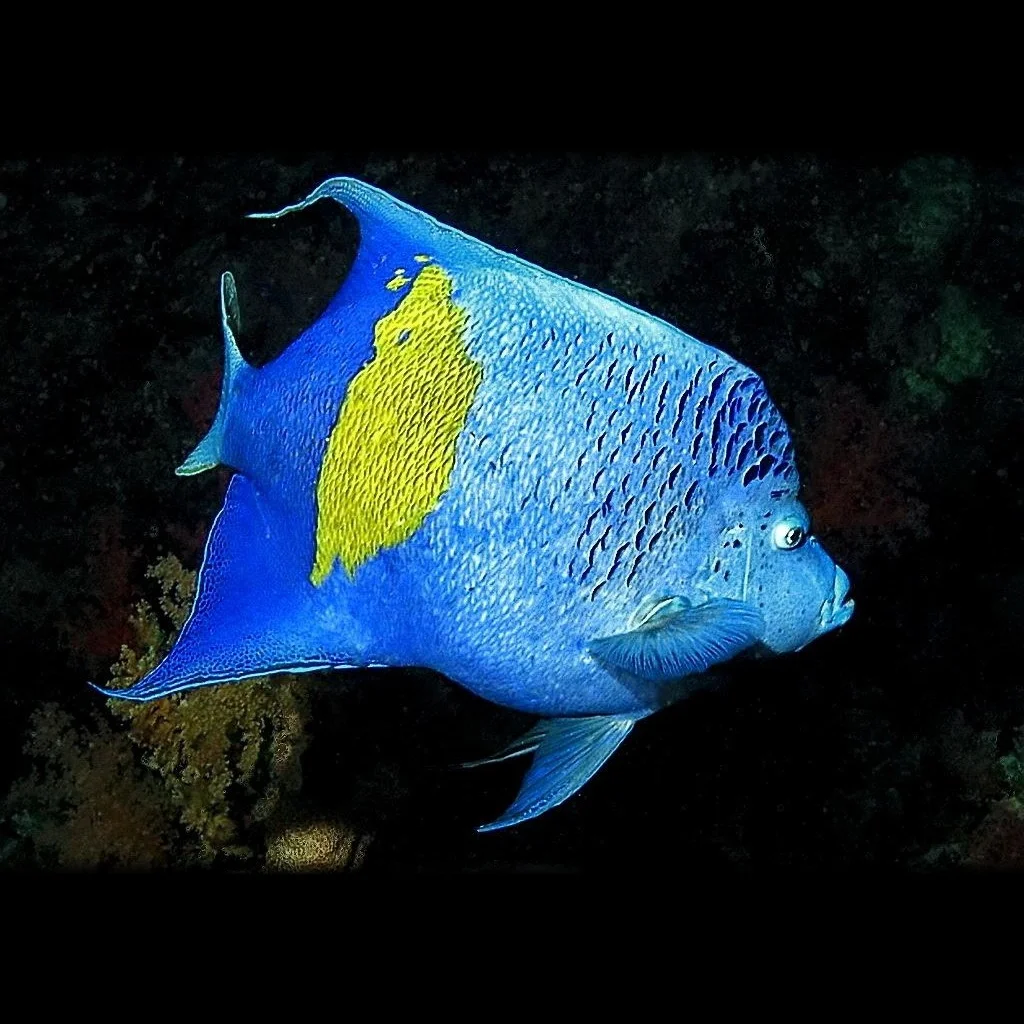
Diving here often reveals curious leatherjackets and the striking colors of Sandagers wrasse almost immediately upon entry. Look for red moki often swimming in pairs, alongside black angelfish diligently guarding their rock territories.
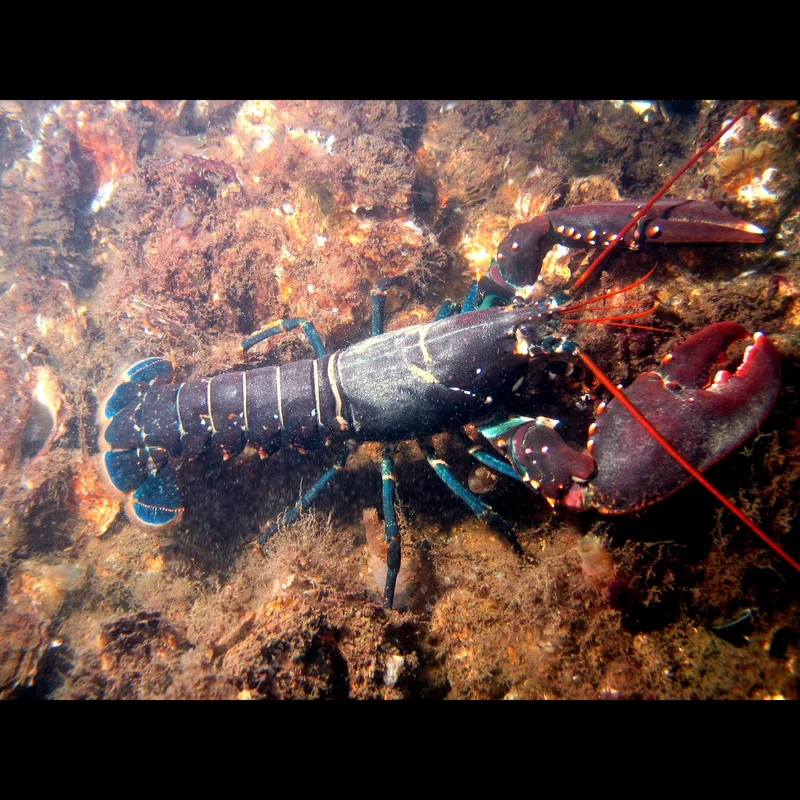
Porcupine fish frequently hide under ledges, sharing these spots with red and packhorse rock lobsters. Families of butterfish populate the sunny shallow knolls, while schools of jack mackerel roam above the reef.
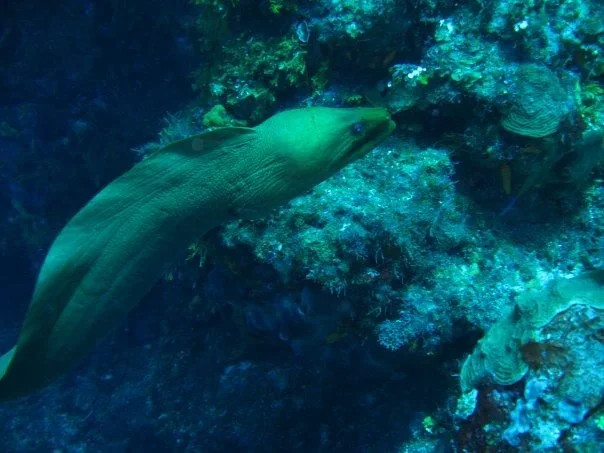
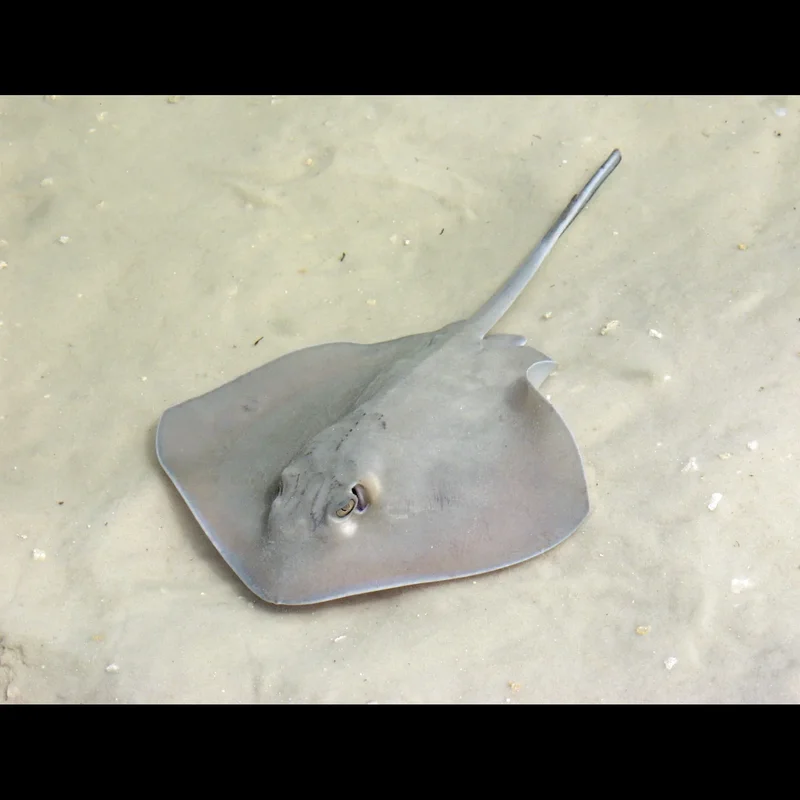
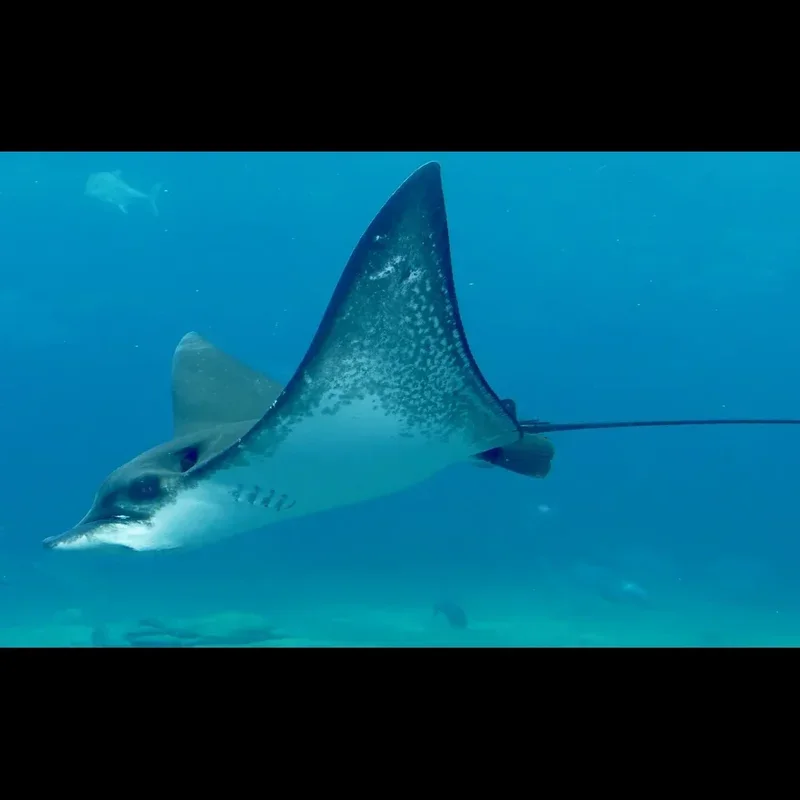
Patient divers might spot a yellow moray eel peering from cracks, or the tell-tale shell arrangements indicating an octopus's home. Keep an eye out for green turtles, shovel-nose rays, and the majestic eagle rays gliding gracefully, or even a shorttail stingray undulating across the reef.
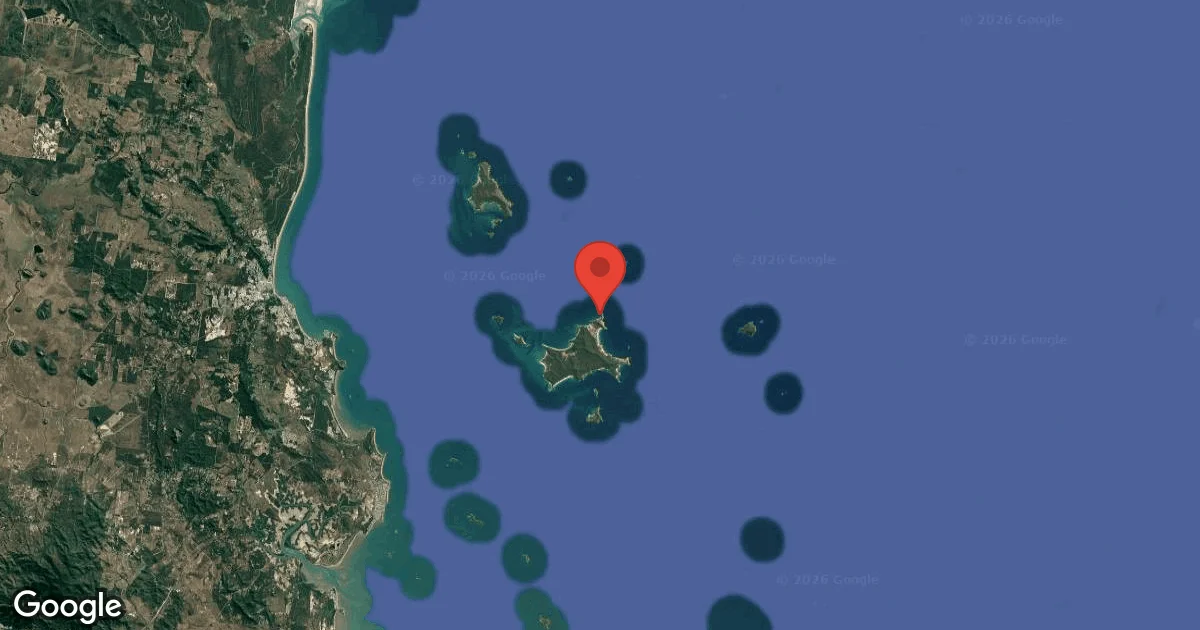
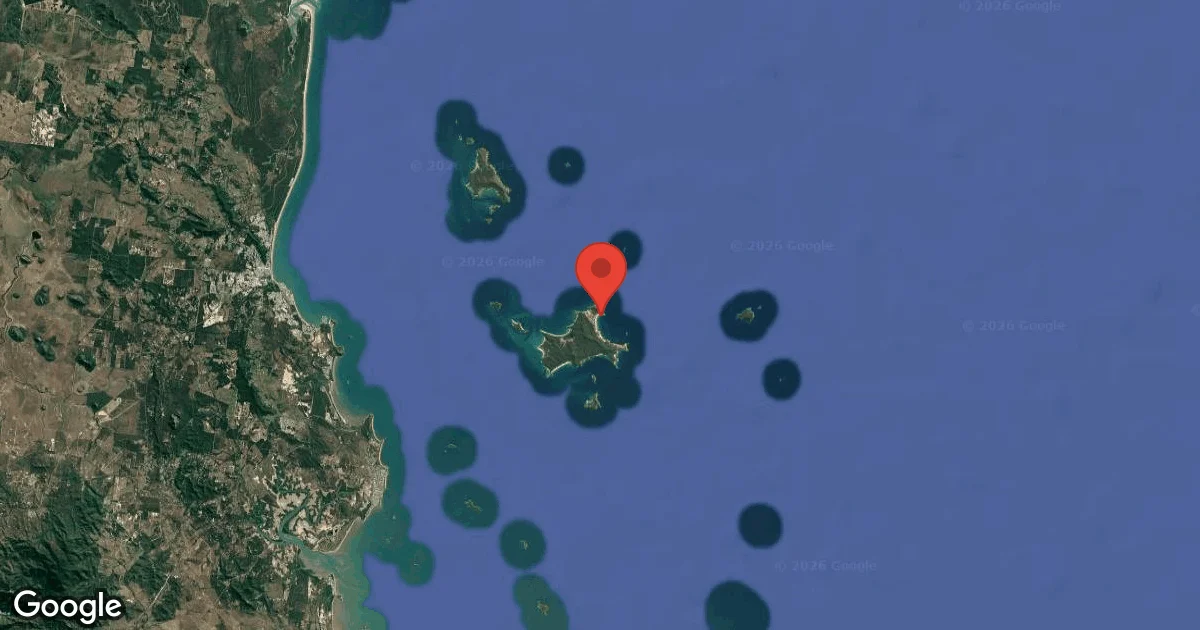
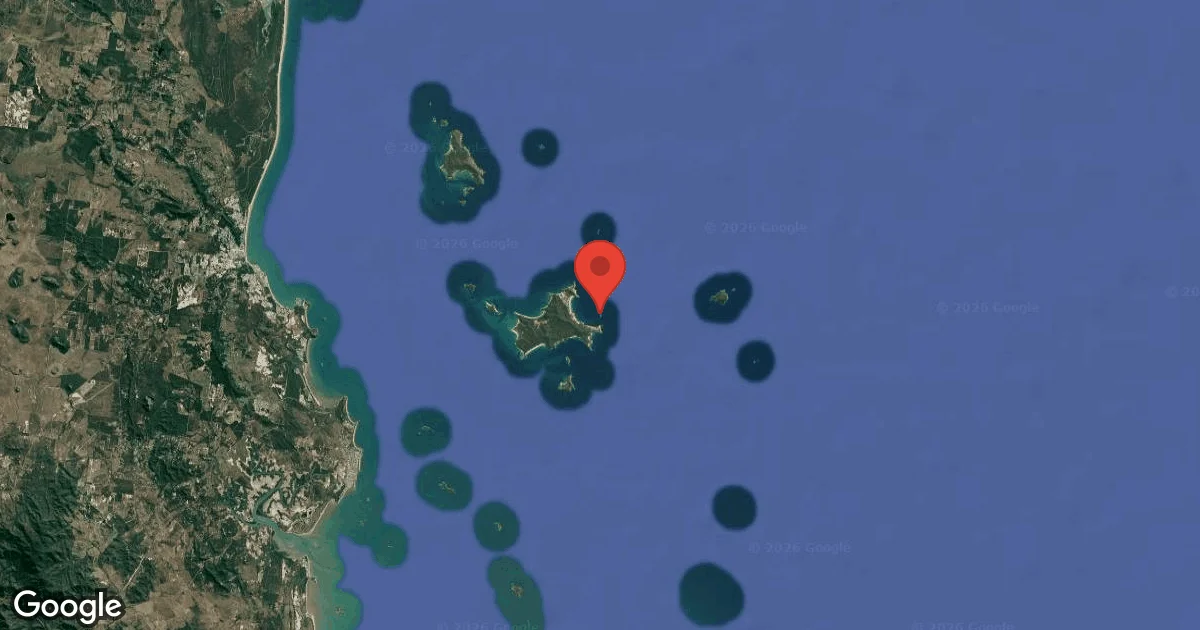
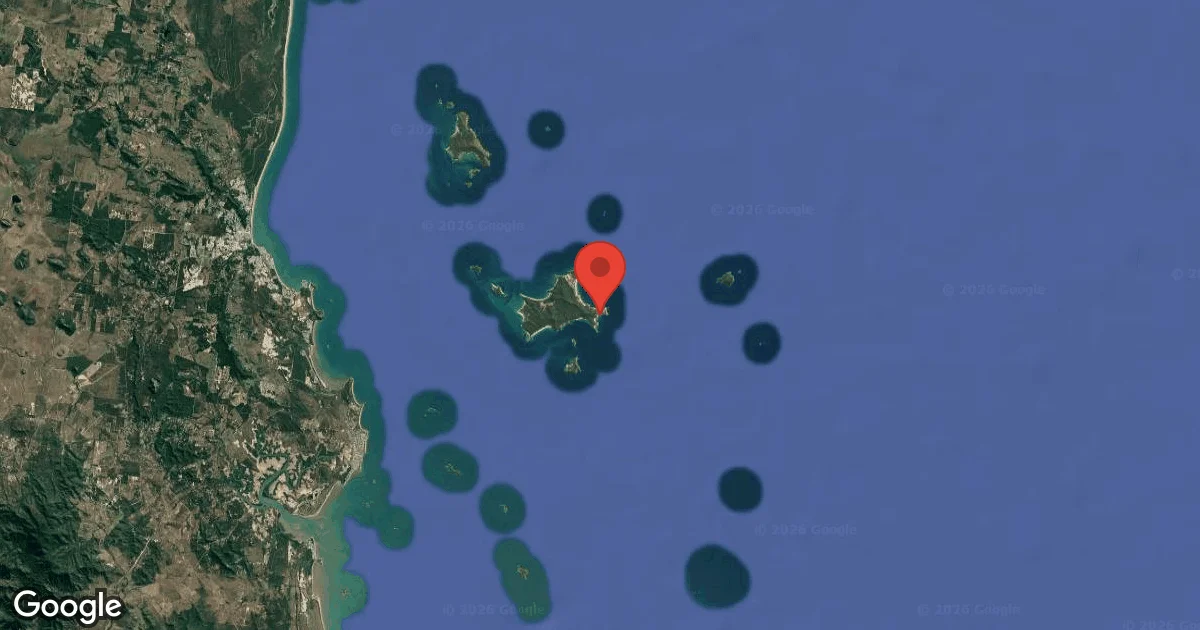
Dive Sites Near Butterfish Bay
View all dive sites in AustraliaDiscover more underwater gems in this area.
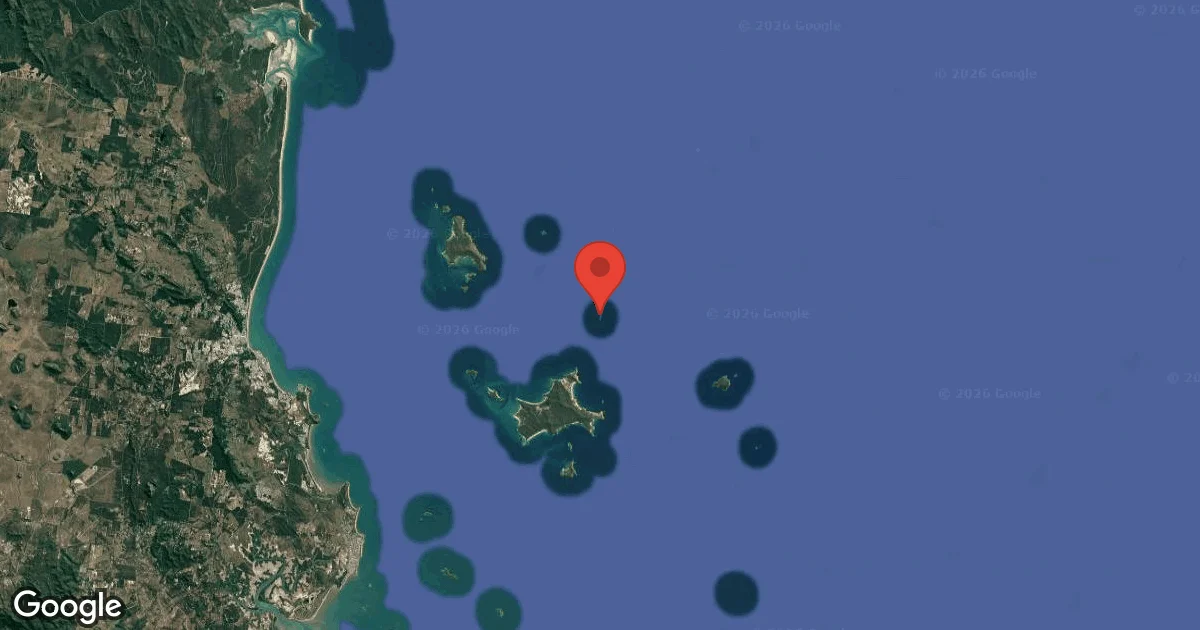
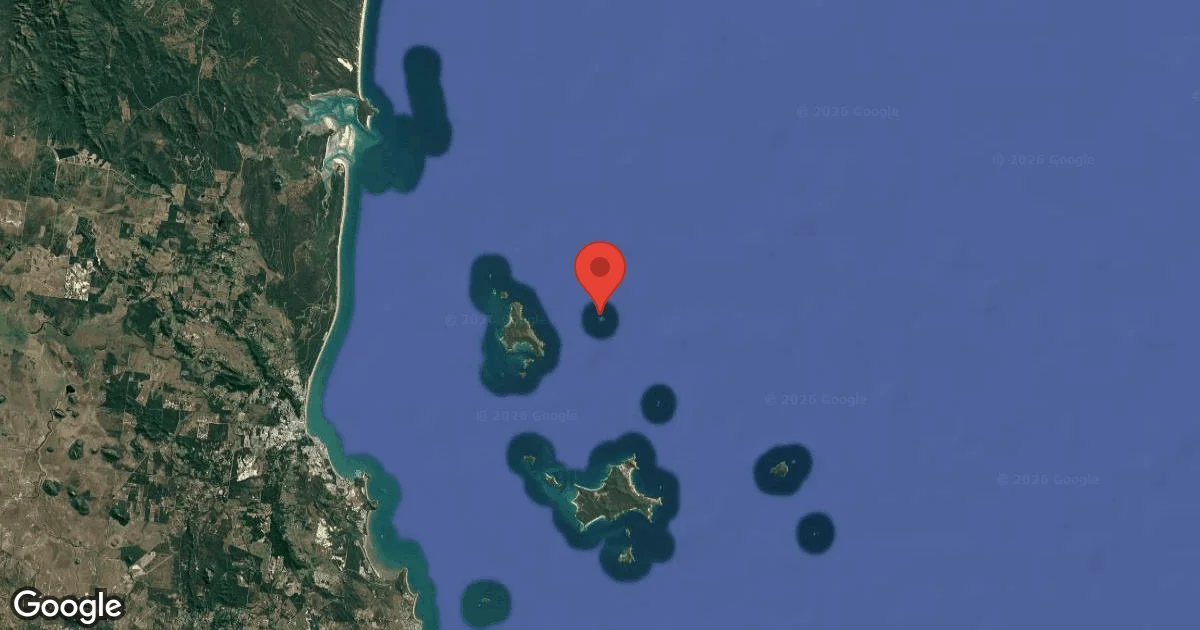
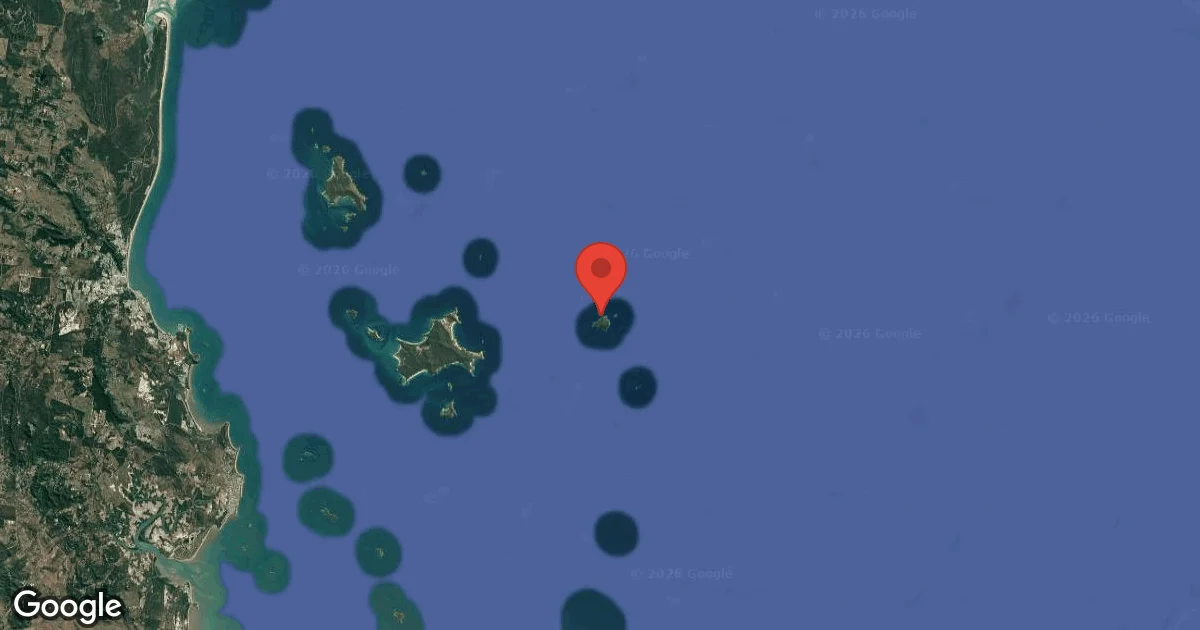
Dive Centers Near Butterfish Bay
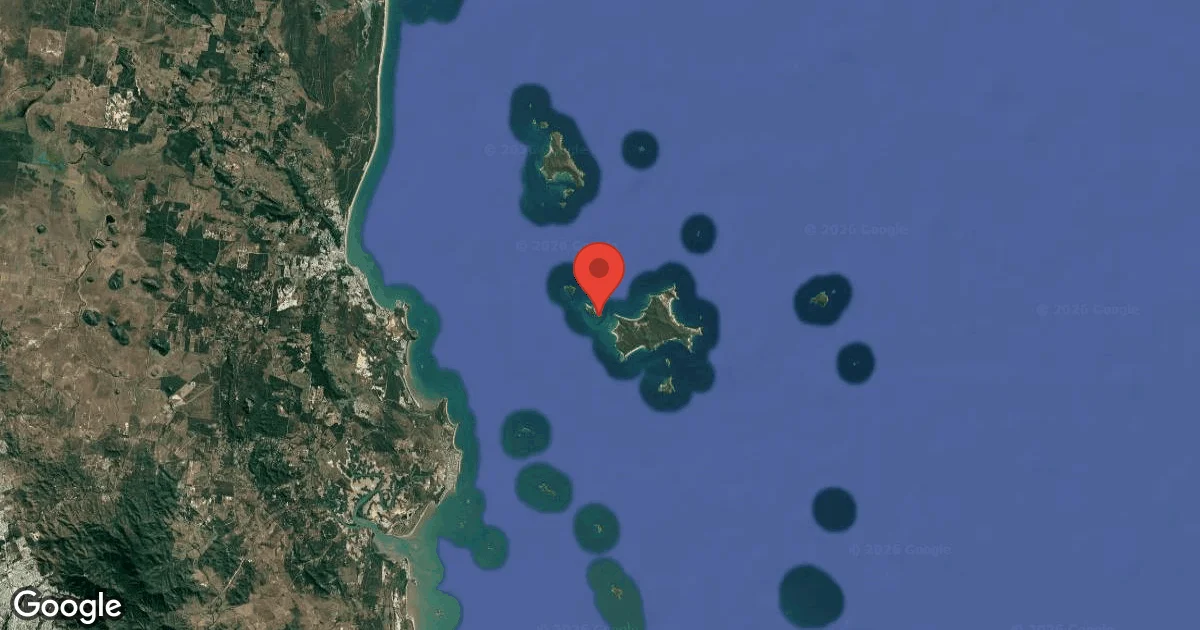
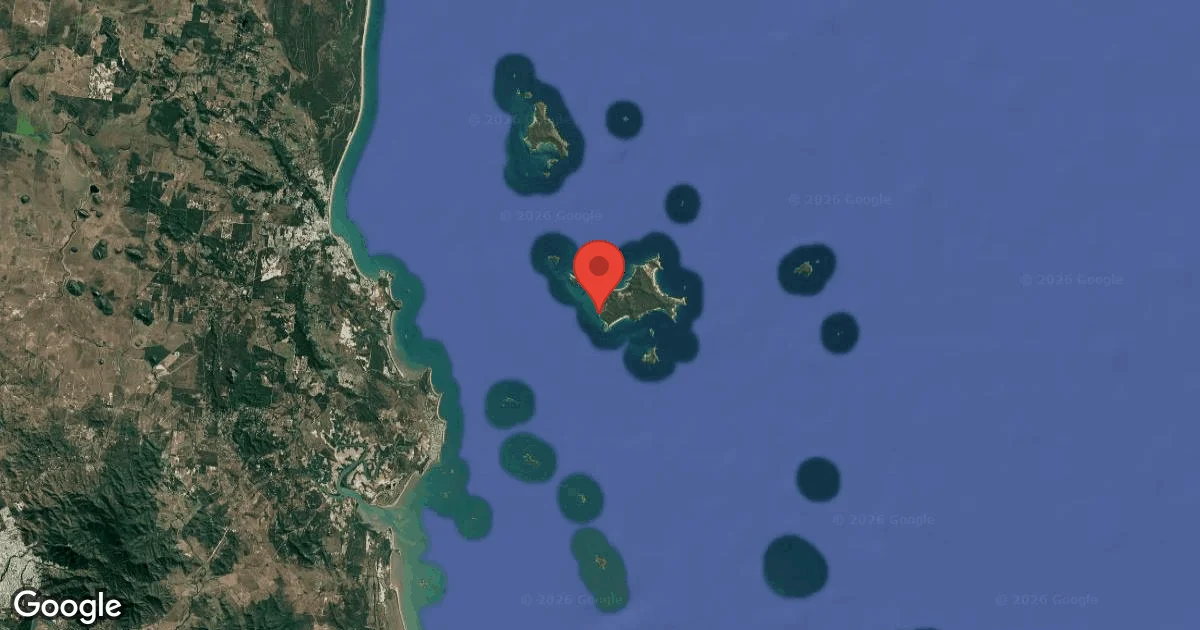
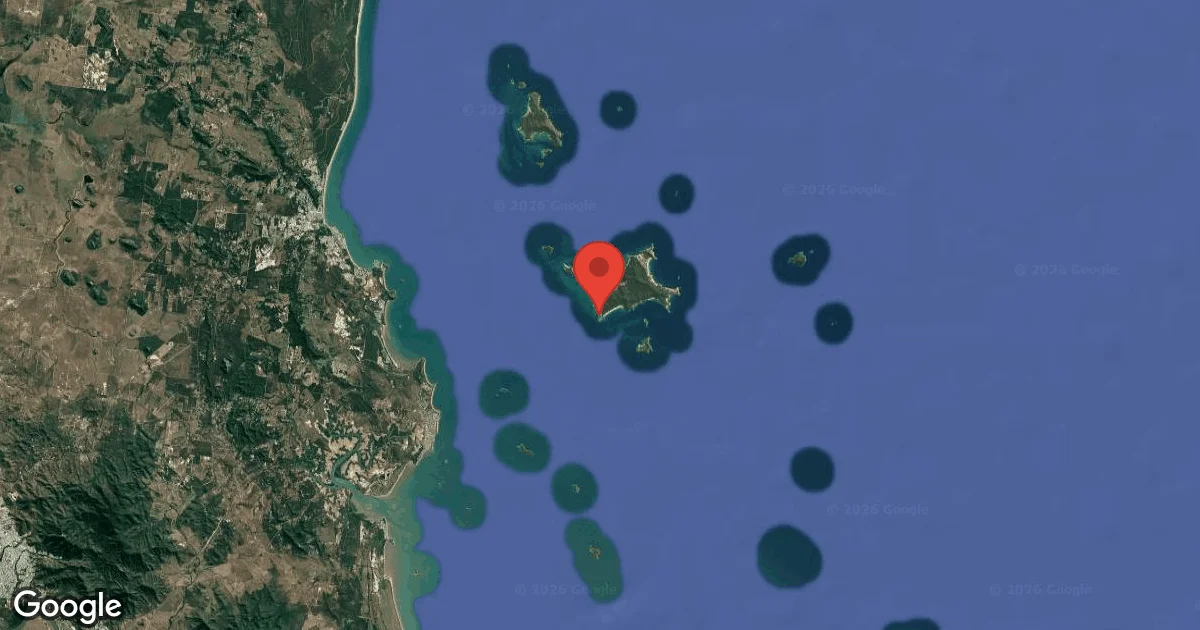
No Dive Centers Local To Butterfish Bay
Are you a dive center visiting this location? Get listed to reach divers.
Nearest Airports
Nearest airports to help plan travel to this dive area.
Search Flights
Check available flights and routes on Expedia, using the nearby airports listed in this section.
Search Flights on ExpediaFrequently Asked Questions
Is Butterfish Bay suitable for beginner divers?
Absolutely. With a maximum depth of 5 m (16 ft) and generally calm, sheltered conditions, it's an excellent site for novice divers and introductory courses like PADI Discover Scuba Diving. Its tranquil nature allows for a relaxed learning experience.
What are the typical water temperatures?
Water temperatures vary seasonally. They can be as cool as 14°C (57°F) in mid-winter (June-August) and warm up to 20-22°C (68-72°F) during the summer months (December-February). Divers should choose exposure protection accordingly.
How strong are the currents at this site?
Currents are typically negligible within Butterfish Bay due to its protected location. However, it's always prudent to check local conditions with your dive operator on the day of your dive, as environmental factors can occasionally cause minor shifts.
What kind of marine life can I expect to see?
Expect to encounter species like curious leatherjackets, colorful Sandagers wrasse, and red moki. Keep an eye out for porcupine fish, rock lobsters, and potentially green turtles or various rays gliding over the reef.
Is shore access difficult?
Shore access to Butterfish Bay involves a rainforest hike, contributing to its secluded feel. Boat access is also available, providing an alternative entry method for divers.
When is the best time of year for visibility?
The drier, calmer months from June to October generally offer excellent visibility, sometimes reaching up to 30 m (100 ft) during clear mid-winter days. Visibility often spikes notably at low tide.
Are there any specific hazards to be aware of?
Butterfish Bay is a very safe site for most divers due to its shallow depth and protection. Potential hazards are minimal, primarily revolving around maintaining neutral buoyancy to protect coral and being aware of natural marine life without interaction.
Planning to dive Butterfish Bay?
Send one inquiry and receive offers directly from the best verified local dive operators.
Conditions are Excellent
07:00 - 14:00
Optimal conditions expected
Current conditions near Butterfish Bay show 20° air, 21° sea temperature, 0.6 m waves, and 24 km/h wind. Forecast data is refreshed regularly to ensure accuracy.