
Diving at Egg Rock (Australia)
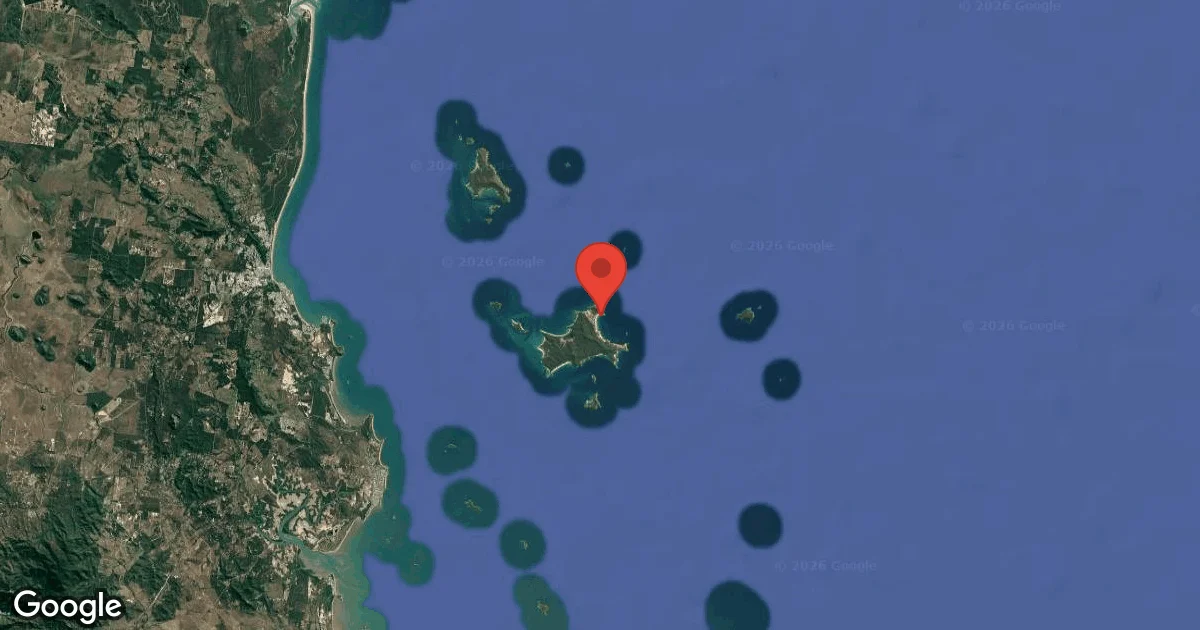
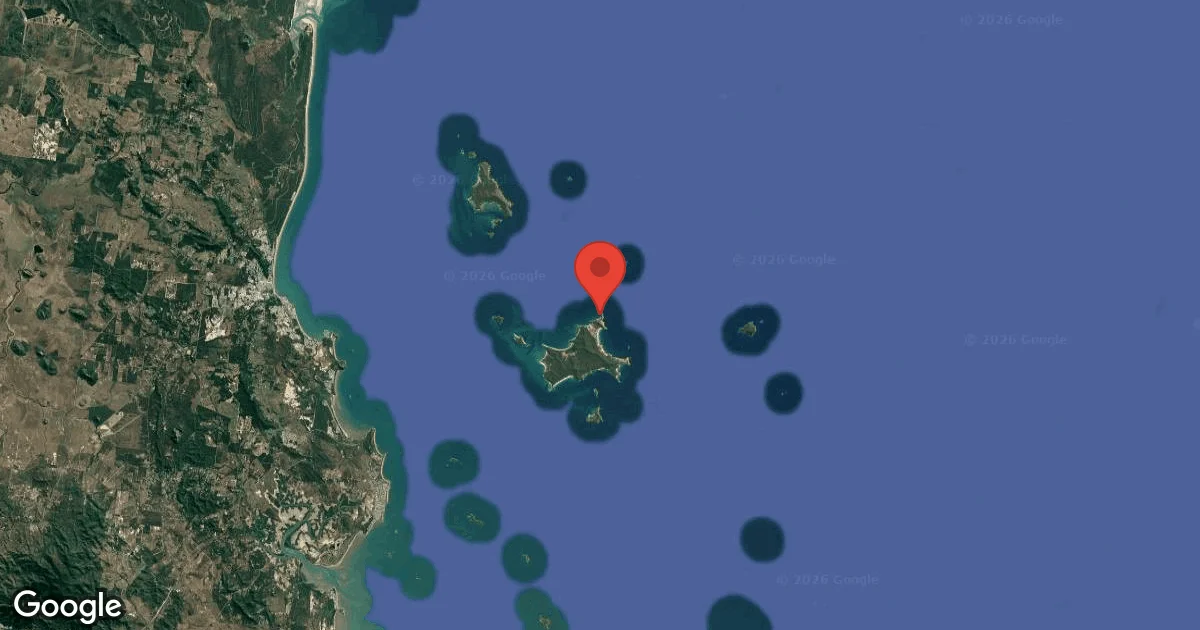
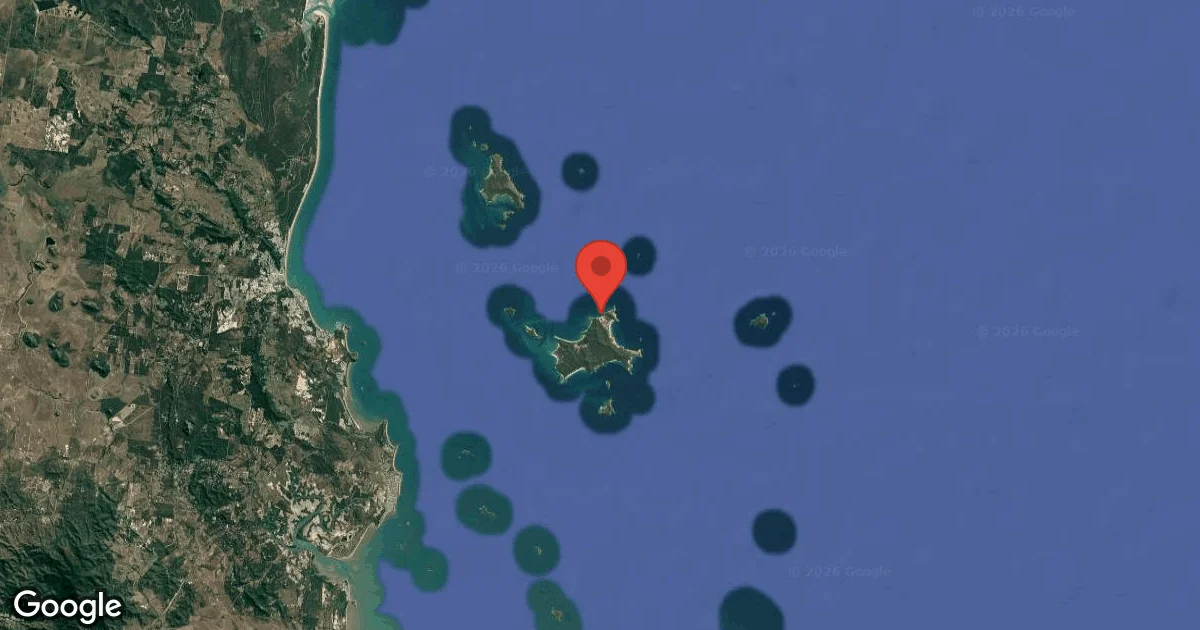
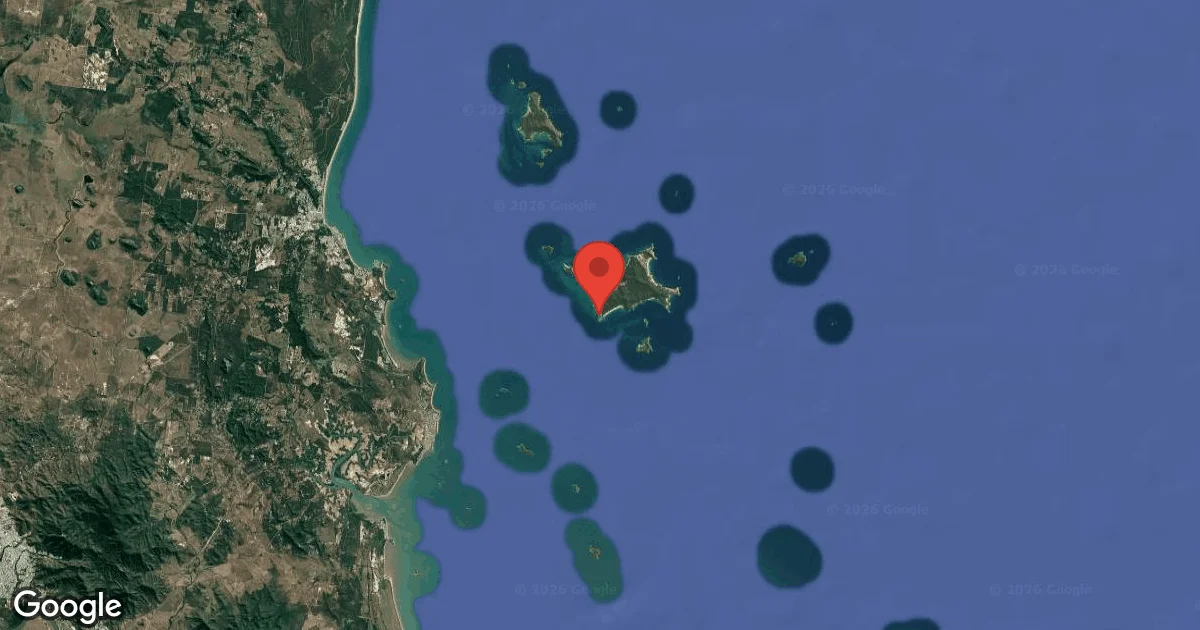
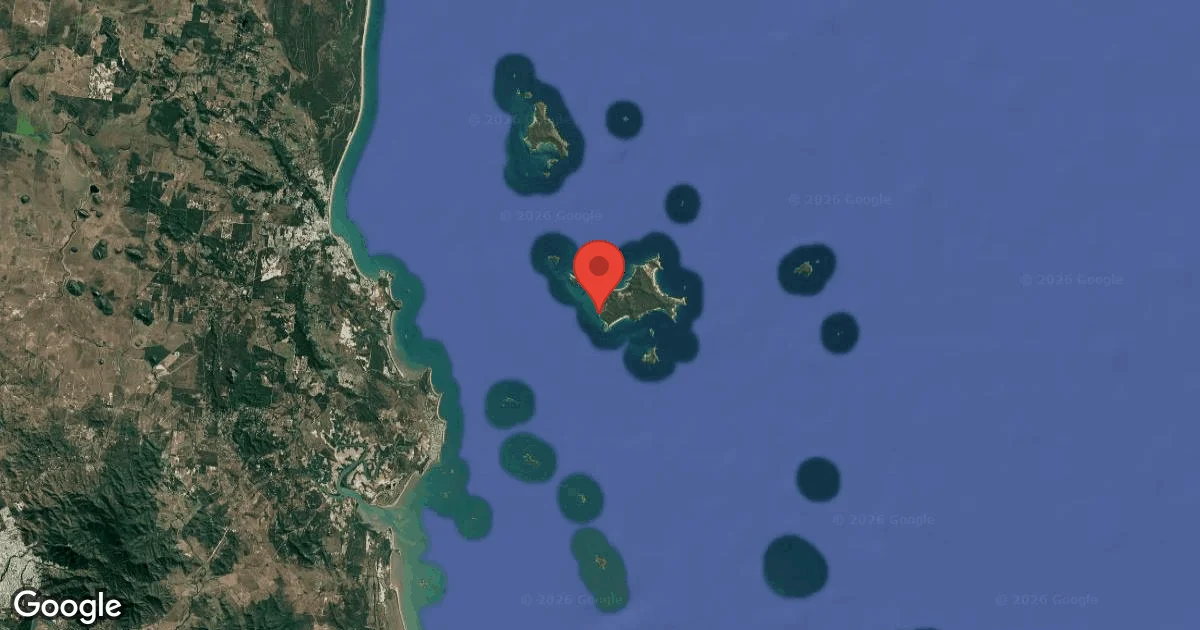
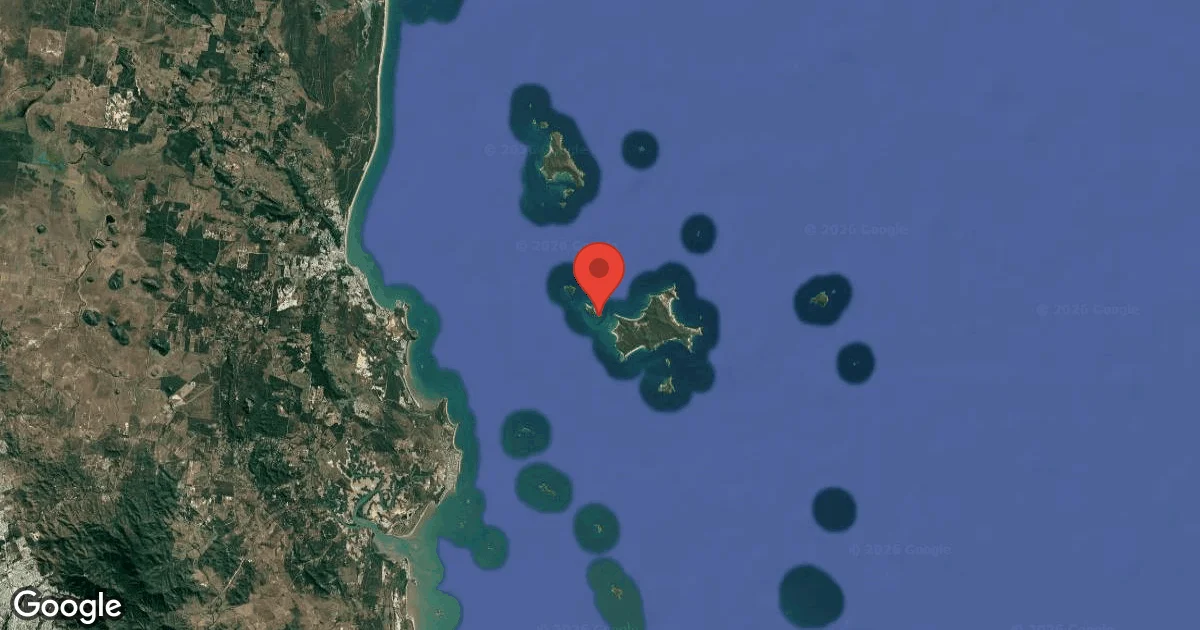
Egg Rock emerges as three distinct rock pinnacles, breaking the surface from depths of 30 m / 100 ft. Off Yeppoon in the Keppel Islands, this site is a designated Marine National Park B Zone, offering complete protection from fishing. Its remote nature contributes to exceptionally rich fauna and vibrant soft coral-lined rocky walls, appealing to experienced divers. A western plateau at approximately 10 m / 33 ft precedes deeper sections that extend beyond 22 m / 72 ft.
Tonight's objective overview for Egg Rock shows an air temperature of 20.5°C. The measured surface conditions include wave heights around 0.7 m. This environmental data is logged for the close of the day.
Dive Site Location & Key Facts
Dive Site Overview
Dropping into Egg Rock immerses divers in a dynamic underwater environment, often best explored as a drift dive due to persistent currents and challenging anchoring conditions. Diving primarily follows three impressive rock pinnacles that ascend dramatically from 30 m / 100 ft, creating a complex system of walls, gutters, and ledges.
Depths here typically reach up to 25 m / 82 ft, with a significant western plateau around 10 m / 33 ft sloping beyond 22 m / 72 ft. Soft corals extensively cover these rocky formations. While intricate reef fish and invertebrate life abound, most divers find their gaze drawn to large schools.
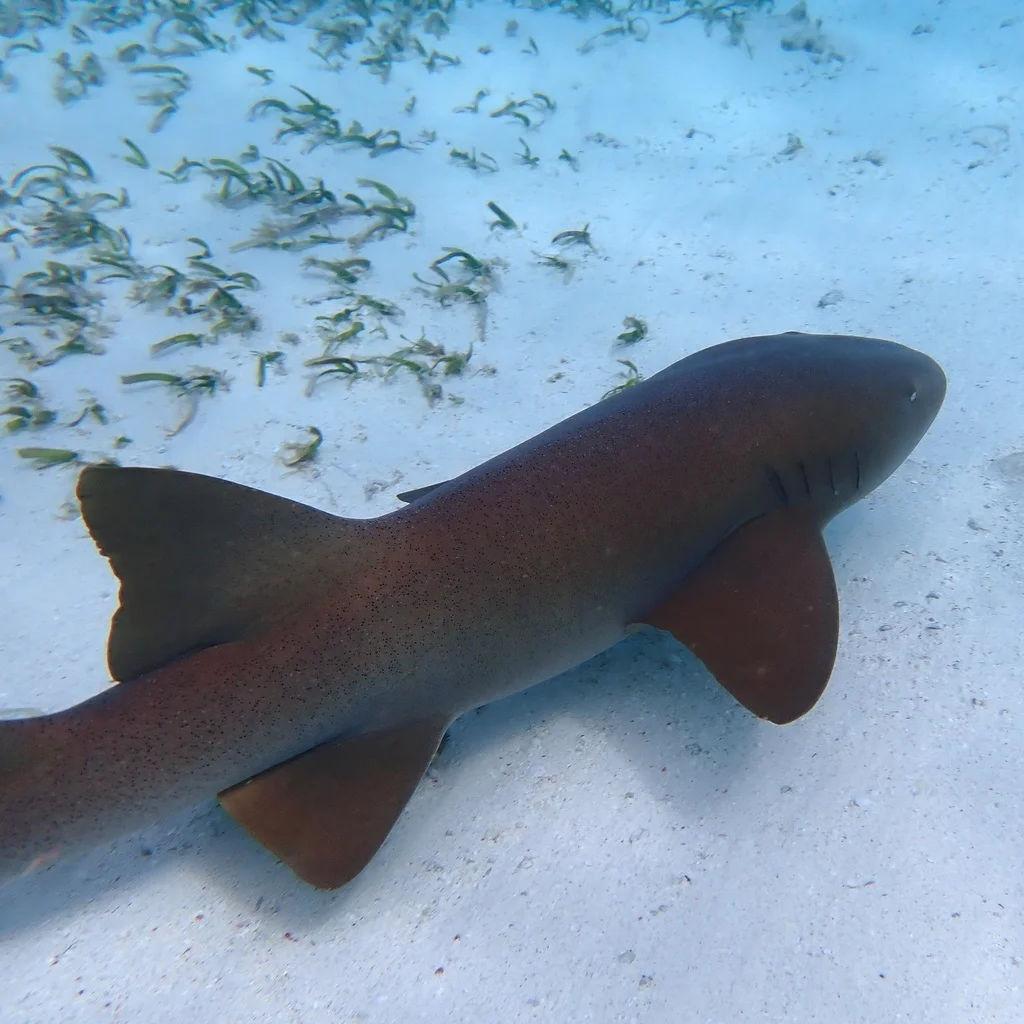
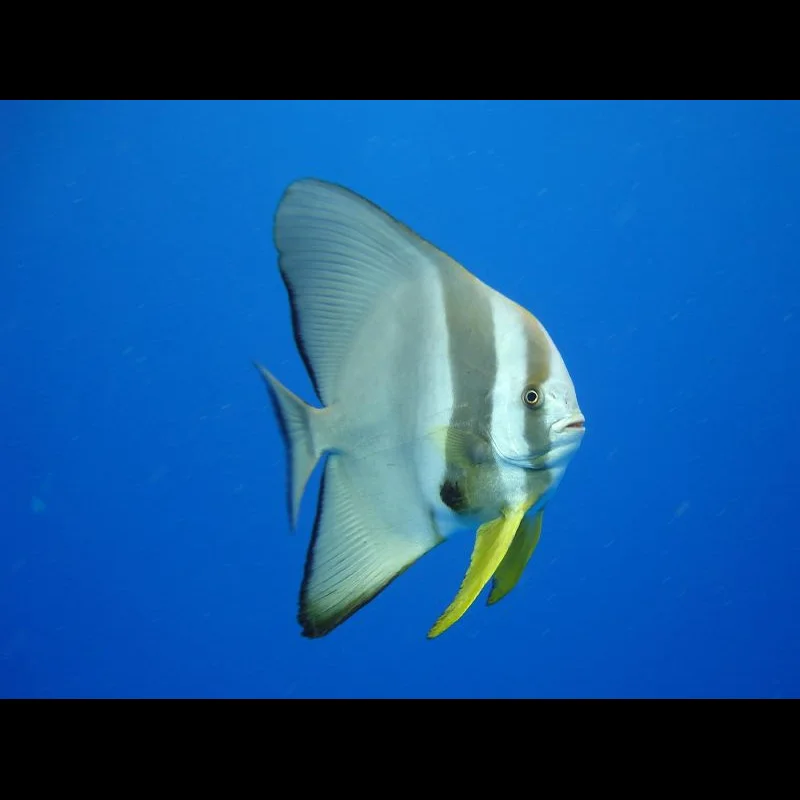
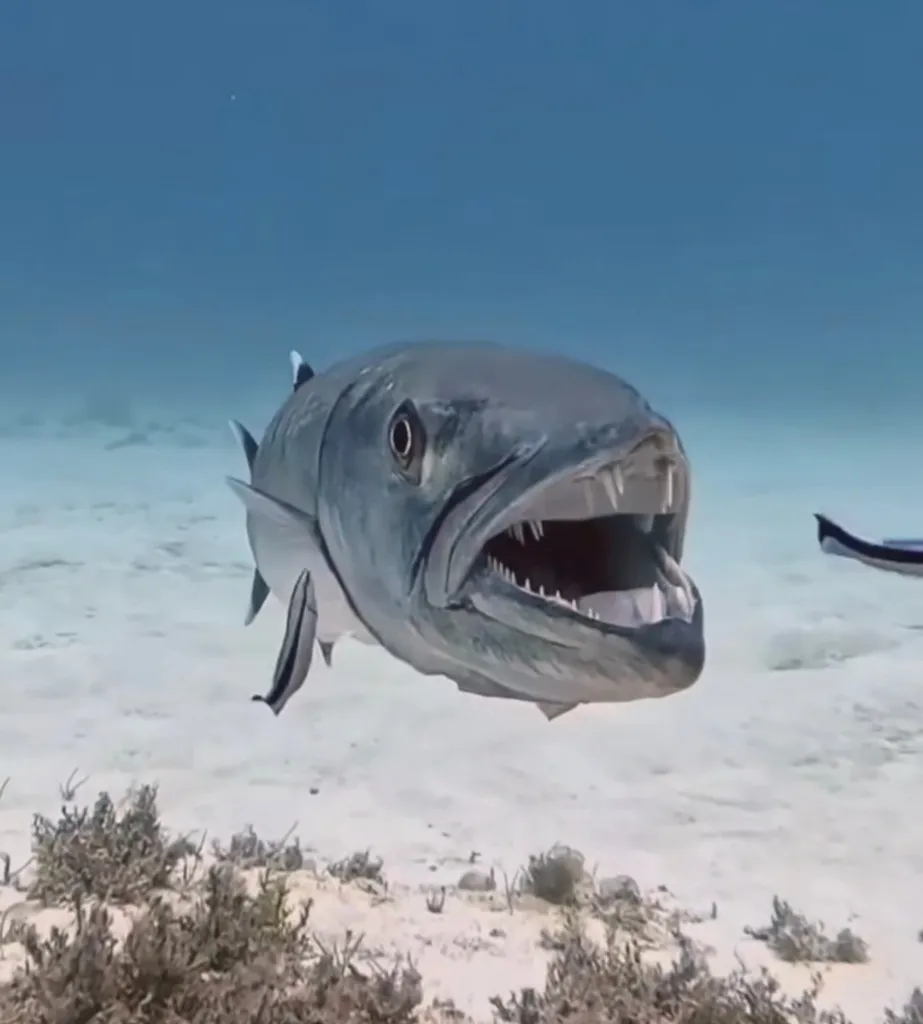
Pelagic species like trevally, batfish, and barracuda frequently sweep past. Wobbegongs, tawny nurse sharks, and whitetip reef sharks are commonly encountered.
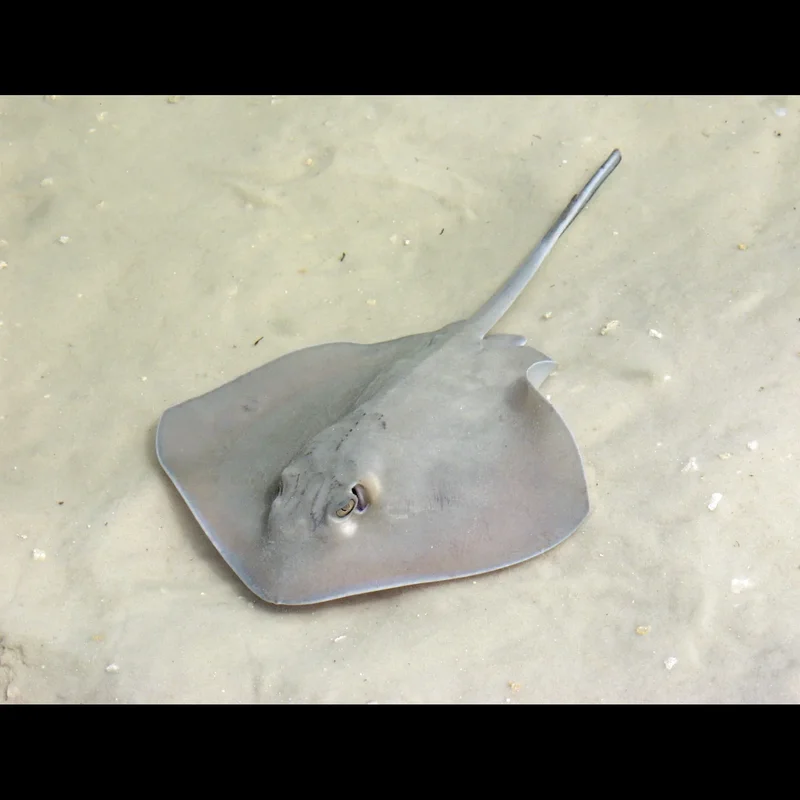
Keep an eye out for stingrays, eagle rays, turtles, and sea snakes that navigate these protected waters. Egg Rock's remote character, combined with its marine park status, nurtures a density of marine fauna that sets it apart in the Keppel Islands.
Conditions are Good
07:00 - 14:00
Optimal conditions expected
Current conditions near Egg Rock show 21° air, 21° sea temperature, 0.8 m waves, and 26 km/h wind. Forecast data is refreshed regularly to ensure accuracy.
Best Time to Dive
Planning a dive at Egg Rock involves considering the region's prevailing weather patterns, as the site's distance from Great Keppel Island means good ocean conditions are essential for access. Winter, from June to September, generally offers more favorable sea states with consistently good dive scores (8). Wave heights during this period typically average around 0.6-0.8 m / 2.0-2.6 ft. Air temperatures are cooler, ranging from 19-21°C / 66-70°F, with minimal rainfall (0.3-2.0 mm). While specific water temperature data isn't consistently reported, these months often bring clearer visibility. Conversely, summer (December to March) brings higher air temperatures of 26-27°C / 79-81°F and increased rainfall, sometimes reaching 5 mm. Wave heights can also be higher, averaging 0.8-1.1 m / 2.6-3.6 ft, leading to slightly lower dive scores (5-7) due to less predictable conditions. April, May, October, and November present a balanced choice with good dive scores (7) and moderate conditions.
PEAK SEASON SCORE
Scores combine air & water temps, waves, wind & rainfall for overall conditions.
BEST MONTHS TO DIVE
Monthly records compiled from satellite and marine observation nodes over the last 3 years. Data provided by Open-Meteo and MET Norway.
Dive Experience & Conditions
Currents are powerful at Egg Rock, defining an exhilarating drift dive experience that is both challenging and rewarding. While dynamic, these currents contribute significantly to the site's rich biodiversity, delivering vital nutrients. Descending into the water, divers encounter dramatic rock pinnacles descending from the surface. An underwater landscape transitions from a vibrant, soft coral-covered plateau at about 10 m / 33 ft to deeper walls and ledges dropping beyond 22 m / 72 ft. Exploring these varied terrains reveals intricate gutters and overhangs where marine life congregates. While specific visibility numbers vary, its remote location and generally good conditions (especially in winter) often translate to excellent underwater clarity. Depths up to 25 m / 82 ft classify this as an advanced site, demanding sound buoyancy control and experience with dynamic water movement.
Dive Difficulty & Safety Guidelines
Successfully navigating Egg Rock demands preparation for strong and often unpredictable currents. Given the difficulty of anchoring, planning a drift dive is crucial for safe exploration. Divers should possess advanced certification and experience with deeper profiles, as the site reaches depths of up to 25 m / 82 ft, with features extending to 30 m / 100 ft from the surface.
Always dive with a reliable surface marker buoy (SMB) and ensure your group maintains communication and stays together, especially during a drift. Careful dive planning, including current assessment and a clear exit strategy, helps mitigate potential risks.
As a designated marine national park zone, strict adherence to park regulations, including no fishing and respecting all marine life, is mandatory.
Recommended Equipment
- Dive Computer
- DSMB
This gear list is based on verified equipment signals for Egg Rock, Australia. Always confirm final gear choices with your dive operator, guide, or liveaboard.
Recommended Dive Suit
Subtle variations in currents or depth can sometimes influence perceived water temperature.
3-5mm wetsuit tends to perform well in water temperatures like those currently observed here. A hood or vest is suggested for sensitive divers due to surface winds. Surface intervals may feel cooler. Forecast models show minimal temperature variation in the coming days.
Current temperature readings suggest that the water at Egg Rock is around 21°C (70°F). Surface air temperatures are resting at 21°C (69°F).
Emergency & Medical Support
Essential information to help you plan your dive trip to Egg Rock.

Hyperbaric chambers are a critical part of dive safety infrastructure. Availability varies significantly by region, and not all dive areas have immediate access.
Before diving, it's recommended to:
- confirm nearest medical facilities
- check emergency procedures with local dive operators
- ensure dive insurance covers evacuation if required
Divers Alert Network
Diving emergency assistance available through DAN World.
+1-919-684-9111- 24/7 emergency hotline
- Diving medical assistance
- Evacuation coordination
Emergency contacts are provided for reference. Always verify local emergency services before diving.
Marine Life at Egg Rock
Rugged underwater pinnacles at Egg Rock provide a vibrant habitat for diverse marine life. Schools of pelagic fish, including trevally, batfish, and barracuda, frequently patrol deeper sections and around the walls.
Closer to the rocky walls and within many gutters and ledges, divers can find wobbegongs patiently resting. Encounters with tawny nurse sharks and whitetip reef sharks are common.
Stingrays, eagle rays, turtles, and sea snakes also grace these waters, often observed gliding over the soft coral coverage that adorns shelves and rock faces. Marine park protection allows these populations to thrive.

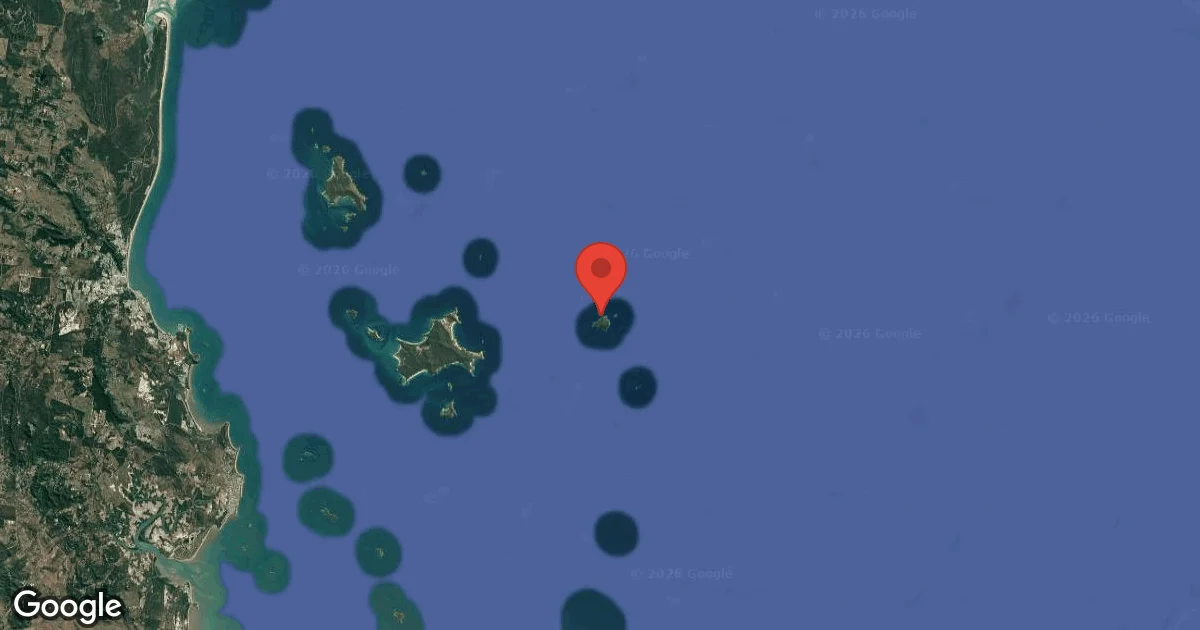
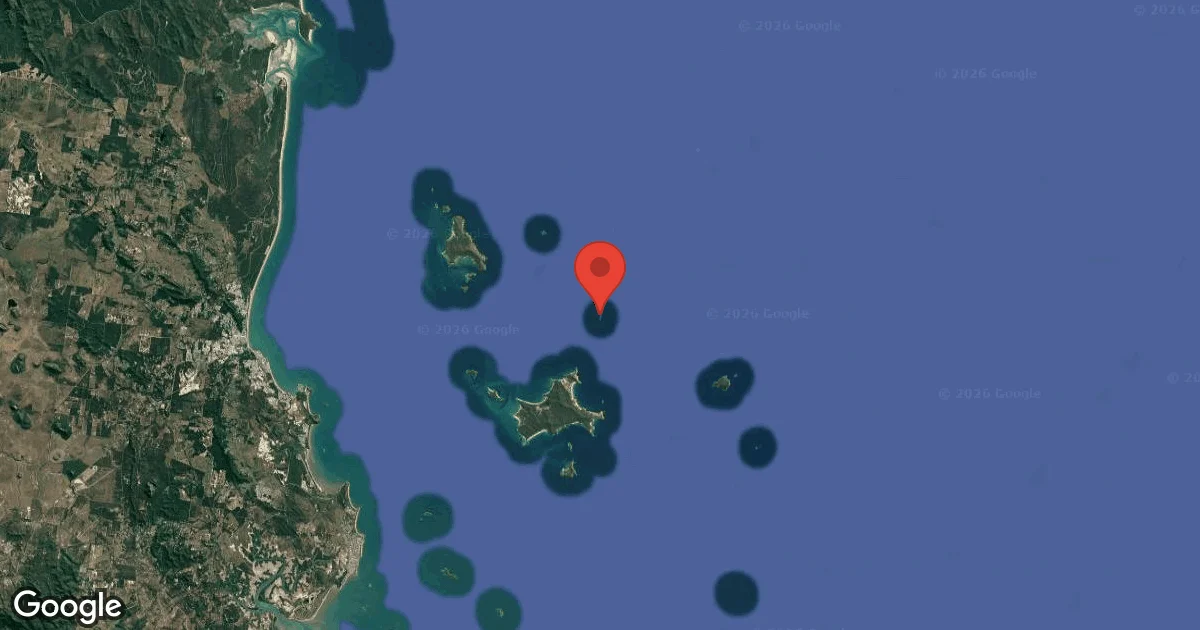
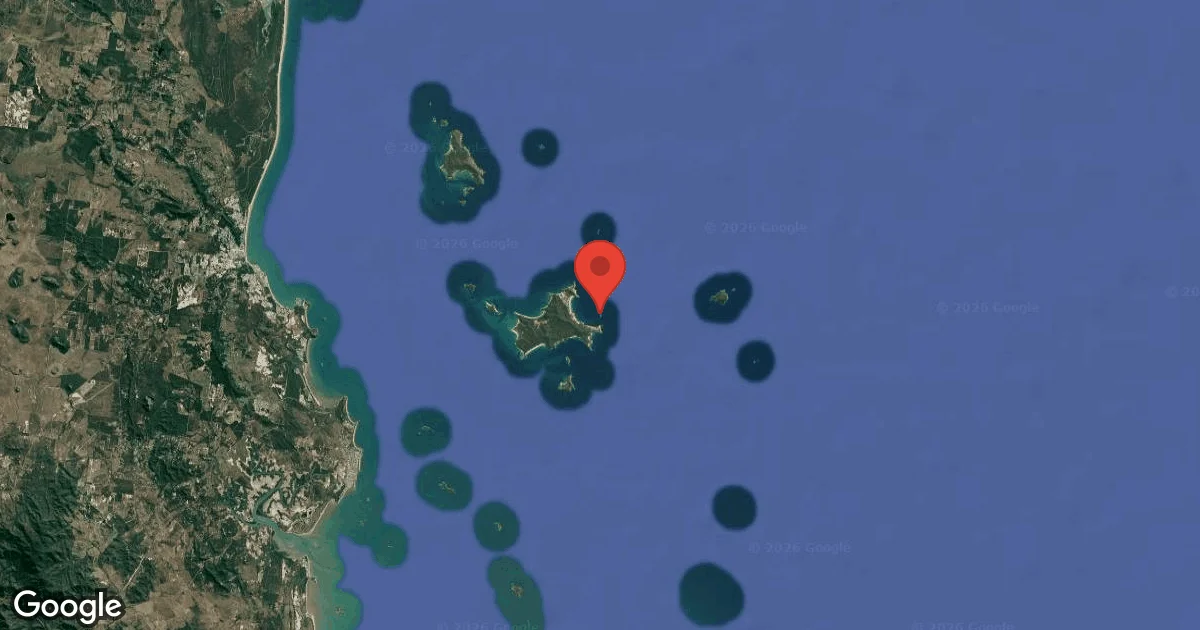
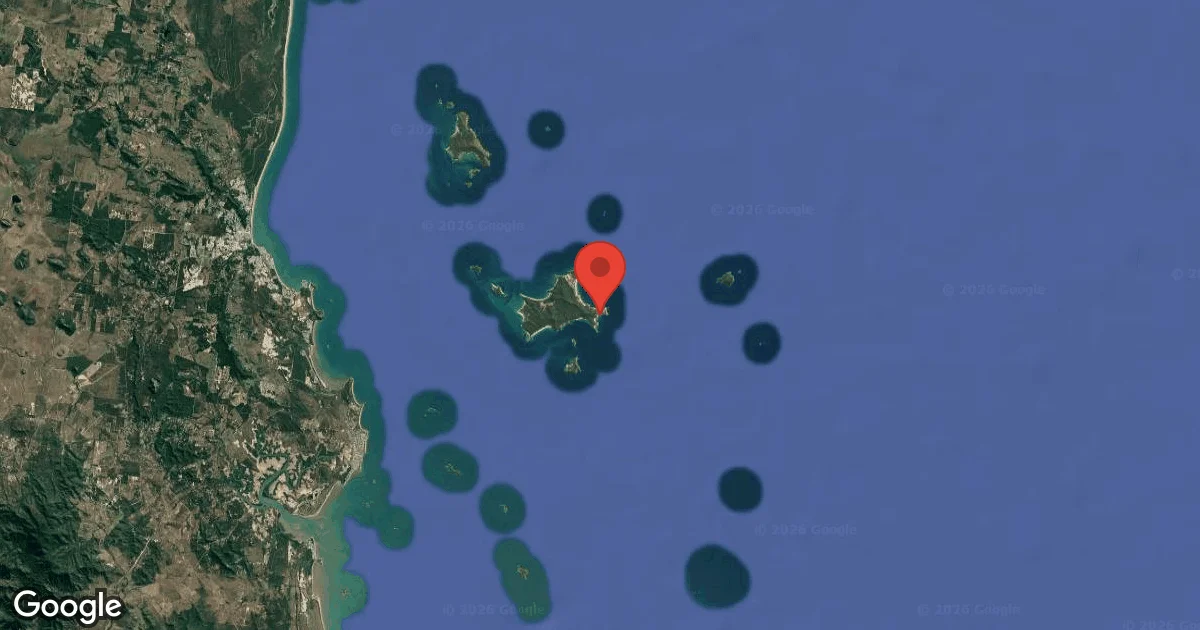
Dive Sites Near Egg Rock
View all dive sites in AustraliaDiscover more underwater gems in this area.
Dive Centers Near Egg Rock
No Dive Centers Local To Egg Rock
Are you a dive center visiting this location? Get listed to reach divers.
Nearest Airports
Nearest airports to help plan travel to this dive area.
Search Flights
Check available flights and routes on Expedia, using the nearby airports listed in this section.
Search Flights on ExpediaFrequently Asked Questions
What is the typical depth range at Egg Rock?
Rock pinnacles define the dive site, rising from 30 m / 100 ft, with most diving occurring up to 25 m / 82 ft. A significant plateau exists on the western side at around 10 m / 33 ft before dropping off deeper.
Why is Egg Rock considered an advanced dive site?
It's classified as advanced primarily due to its depth, which can exceed 22 m / 72 ft, and the frequent presence of strong currents. Experience with drift diving is highly recommended.
What kind of marine life can I expect to see?
Divers regularly encounter large schools of pelagic fish like trevally, batfish, and barracuda. Wobbegongs, tawny nurse sharks, whitetip reef sharks, stingrays, eagle rays, turtles, and sea snakes are also commonly observed here.
Are currents usually strong at Egg Rock?
Yes, strong currents are a common characteristic of Egg Rock, which often makes it suitable for drift diving. These currents contribute to the site's rich ecosystem.
Is anchoring possible at the dive site?
Anchoring at Egg Rock is generally difficult. This is why the site is often dived as a drift dive, allowing divers to move with the current along the rock formations.
When is the best time of year to dive Egg Rock?
Winter months (June to September) often offer the most favorable conditions with lower wave heights and good dive scores. Air temperatures are cooler, around 19-21°C / 66-70°F, with minimal rainfall.
What kind of terrain defines the dive site?
Egg Rock consists of three rock pinnacles featuring soft coral-lined rocky walls, various gutters, and ledges. There's also a notable plateau on the western side around 10 m / 33 ft that descends into deeper sections.
Planning to dive Egg Rock?
Send one inquiry and receive offers directly from the best verified local dive operators.
Conditions are Good
07:00 - 14:00
Optimal conditions expected
Current conditions near Egg Rock show 21° air, 21° sea temperature, 0.8 m waves, and 26 km/h wind. Forecast data is refreshed regularly to ensure accuracy.