
Diving at Flinders Pier (Australia)
Divers at Flinders Pier must remain vigilant due to active boat traffic and the presence of fishing lines. It's a popular site in Victoria, Australia, known for its accessible pier dives but requires careful attention to surroundings, especially during entry, exit, and while surfacing. Carrying a dive flag and knife is critical for safety at this location. Be aware of your buoyancy and potential snags.
Evening condition tracking at Flinders Pier features an air temperature of 9°C. We have recorded wave heights measuring 1.9 m during this period. These figures outline the environmental parameters currently present.
Dive Site Location & Key Facts
Dive Site Overview
Flinders Pier gained significant international recognition after being featured in the BBC Blue Planet II documentary, establishing its reputation as a premier location for weedy seadragon encounters. Stretching 330 m (1083 ft) out into Kennon Cove, Western Port, this site reveals varied underwater habitats beneath its structure.
Unlike many pier dives with sandy bottoms, Flinders Pier features a vibrant grass bottom, alongside sponges and abundant life clinging to its pylons. Depth ranges from 1 to 6 m (3 to 20 ft), making it suitable for open water divers and beyond. The numerous wooden and concrete pylons provide extensive surface area for marine growth, creating intricate micro-environments for a diverse range of macro-life.
Its placement within Western Port, near its confluence with Bass Strait, contributes to a dynamic ecosystem, attracting a variety of temperate marine species. Dive planning should account for tidal conditions, as the site is best explored during high or slack tide for optimal visibility and ease of movement through the pilings.
Conditions are Moderate
High Swell Advisory. Not recommended.
Current conditions near Flinders Pier show 9° air, 14° sea temperature, 2.2 m waves, and 44 km/h wind. Forecast data is refreshed regularly to ensure accuracy.
Best Time to Dive
Optimizing your dive at Flinders Pier often hinges on favorable conditions rather than a specific season. The site performs best with north-westerly winds and minimal swell, though visibility can be unpredictable even then. Air temperatures provide a guide to surface conditions, with January and February averaging around 19.5°C (67°F) and July recording cooler averages of about 10.5°C (51°F). Rainfall varies throughout the year, with November seeing the highest average at approximately 3.25 mm (0.13 inches) and March having some of the lowest at 1.09 mm (0.04 inches). Weedy seadragons are most reliably sighted from August to March, with brooding males frequently observed from September.
PEAK SEASON SCORE
Scores combine air & water temps, waves, wind & rainfall for overall conditions.
BEST MONTHS TO DIVE
Monthly records compiled from satellite and marine observation nodes over the last 3 years. Data provided by Open-Meteo and MET Norway.
Dive Experience & Conditions
Entry and exit at Flinders Pier are convenient, accessible either directly from the beach or via the lower landings found on either side of the pier itself. This shallow dive site, typically between 1 to 6 m (3 to 20 ft), presents a distinctive grass bottom environment, contrasting with the often sandy substrates found at other Victorian piers. Exploring the area beneath the pier involves navigating among its pylons, which are richly covered in sponges and host various macro-life, creating a textured landscape. Conditions are best during high or slack tide; planning your dive around these periods will significantly enhance the experience, providing clearer water and reduced currents that are less strenuous. Visibility can fluctuate, yet on calmer days, it provides excellent opportunities for underwater photography.
Dive Difficulty & Safety Guidelines
For all certified divers, understanding the specific safety considerations at Flinders Pier is essential. The dive is generally accessible for Open Water divers, but maintaining situational awareness is crucial due to the presence of both boat traffic and recreational fishermen. Always carry a dive flag to signal your position to surface vessels, and a dive knife is recommended to address potential entanglements from fishing lines or debris.
Before surfacing, take a moment to listen for any boat engines. While the maximum depth is only 6 m (20 ft), proper buoyancy control helps avoid disturbing the delicate grass bottom habitat and keeps you clear of overhead hazards.
Recommended Equipment
Overhead / entanglement risk. Wreck penetration requires proper training.
- Dive Computer
- Primary & Backup Lights
- Wreck Reel
- Cutting Tool
- Hard-soled Dive Boots
This gear list is based on verified equipment signals for Flinders Pier, Australia. Always confirm final gear choices with your dive operator, guide, or liveaboard.
Recommended Dive Suit
Divers planning deeper dives may feel cooler than those staying in shallower areas.
Many divers find that 7mm wetsuit or semidry offers a comfortable balance between warmth and mobility. A hood or vest is suggested for sensitive divers due to surface winds. Strong cold advisory: dress warmly immediately after exiting the water. Conditions in the coming days are expected to stay within a similar temperature range.
Water temperatures across the dive area at Flinders Pier are presently estimated to be around 14°C (57°F). Surface air temperatures are resting at 9°C (48°F).
Due to technical issues with our weather providers, live updates are temporarily delayed. The data above reflects the conditions at the time of the last successful fetch.
Emergency & Medical Support
Essential information to help you plan your dive trip to Flinders Pier.

Hyperbaric chambers are a critical part of dive safety infrastructure. Availability varies significantly by region, and not all dive areas have immediate access.
Before diving, it's recommended to:
- confirm nearest medical facilities
- check emergency procedures with local dive operators
- ensure dive insurance covers evacuation if required
Divers Alert Network
Diving emergency assistance available through DAN World.
+1-919-684-9111- 24/7 emergency hotline
- Diving medical assistance
- Evacuation coordination
Emergency contacts are provided for reference. Always verify local emergency services before diving.
Marine Life at Flinders Pier
The immediate draw for many divers to Flinders Pier is its prolific population of weedy seadragons, establishing it as a primary global hotspot for these elusive creatures. Expect to encounter these camouflaged marvels among the seagrass beds.
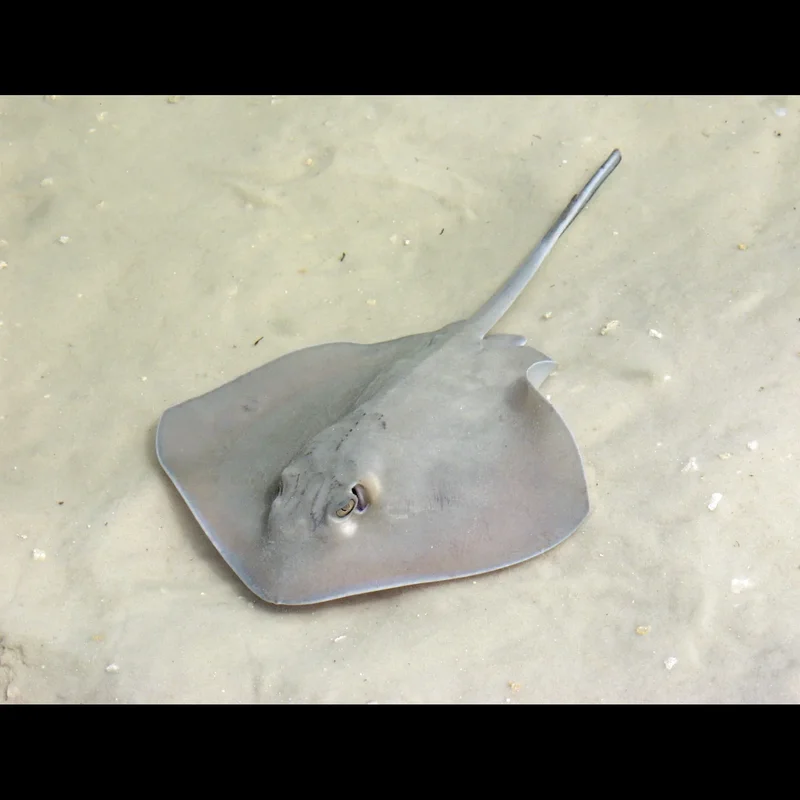
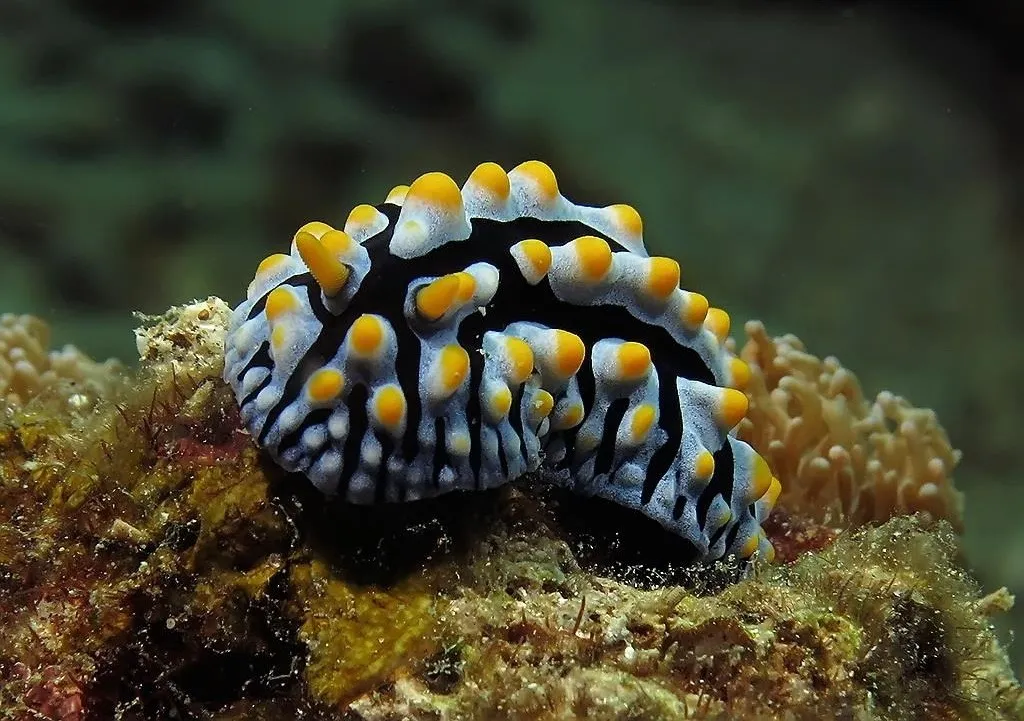
Beyond the seadragons, the vibrant pylons and surrounding areas reveal abundant other fascinating marine life; divers commonly observe Shaw's cowfish, smooth stingrays, and giant Maori octopus. Keep an eye out for nudibranchs and a diverse array of benthic reef fish.
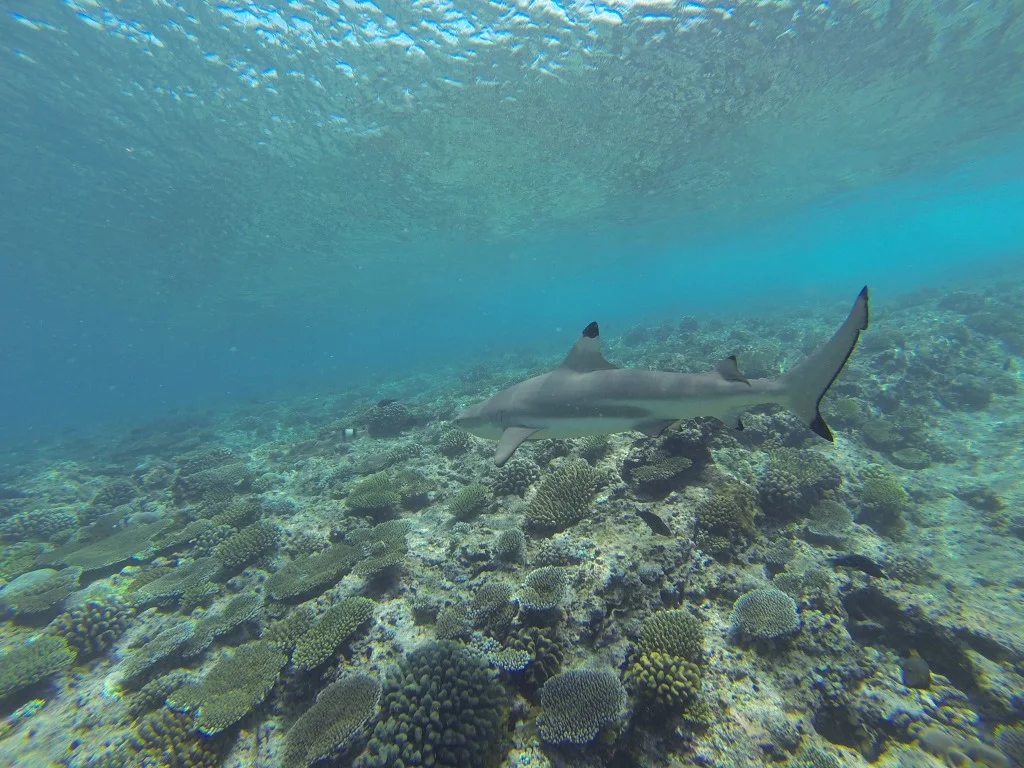
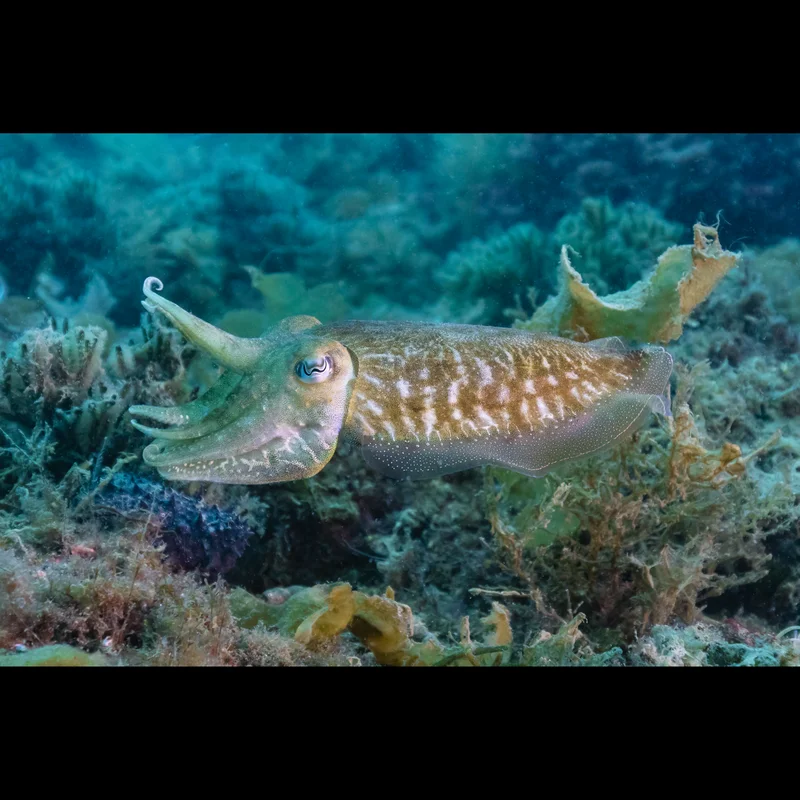
Occasionally, Southern Fiddler Rays, also known as Banjo Sharks, are spotted, alongside Giant Australian Cuttlefish. Australian Fur Seals have also been known to visit, often interacting playfully with divers.

Dive Sites Near Flinders Pier
View all dive sites in AustraliaDiscover more underwater gems in this area.
Dive Centers Near Flinders Pier
Today: 09:00 - 15:00
Nearest Airports
Nearest airports to help plan travel to this dive area.
Search Flights
Check available flights and routes on Expedia, using the nearby airports listed in this section.
Search Flights on ExpediaFrequently Asked Questions
Where is Flinders Pier?
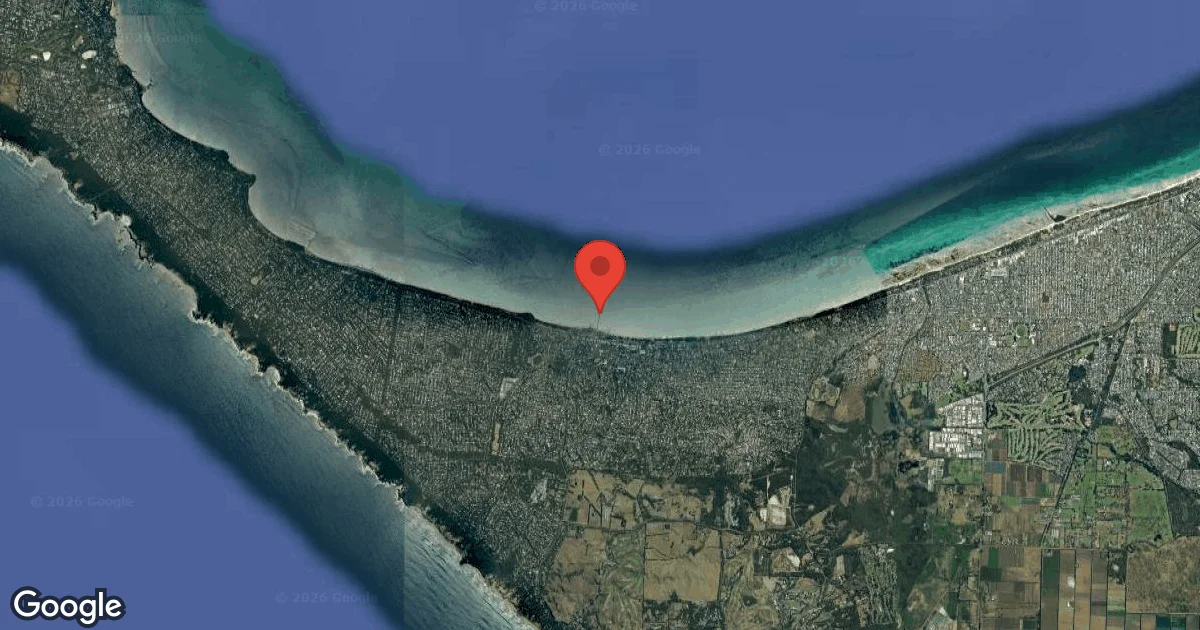
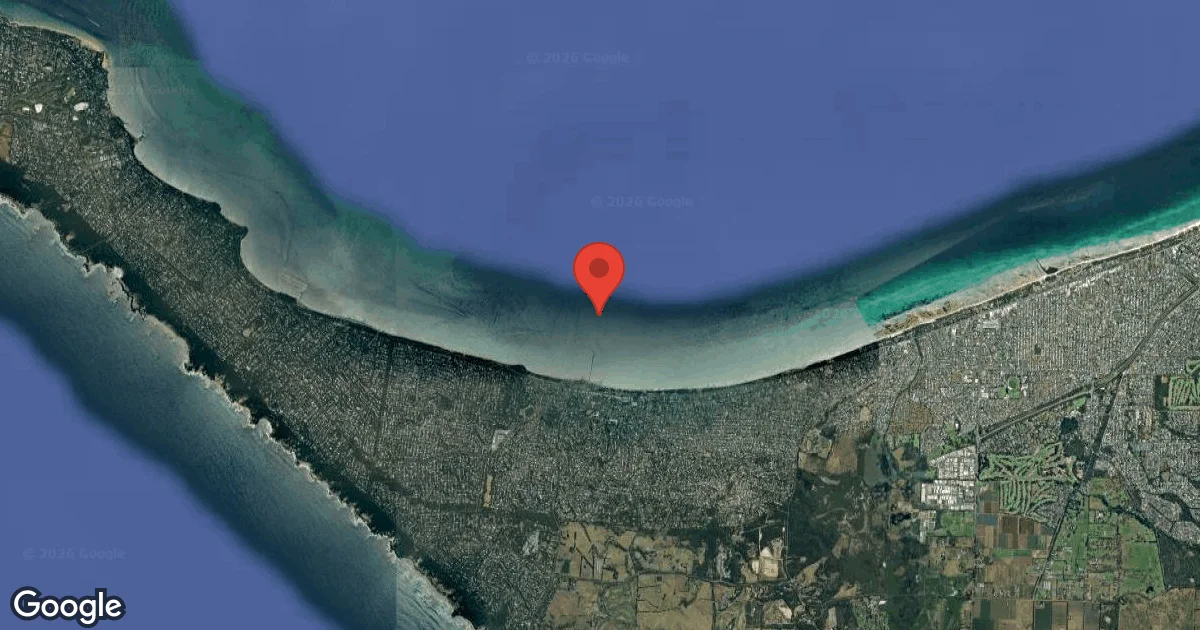
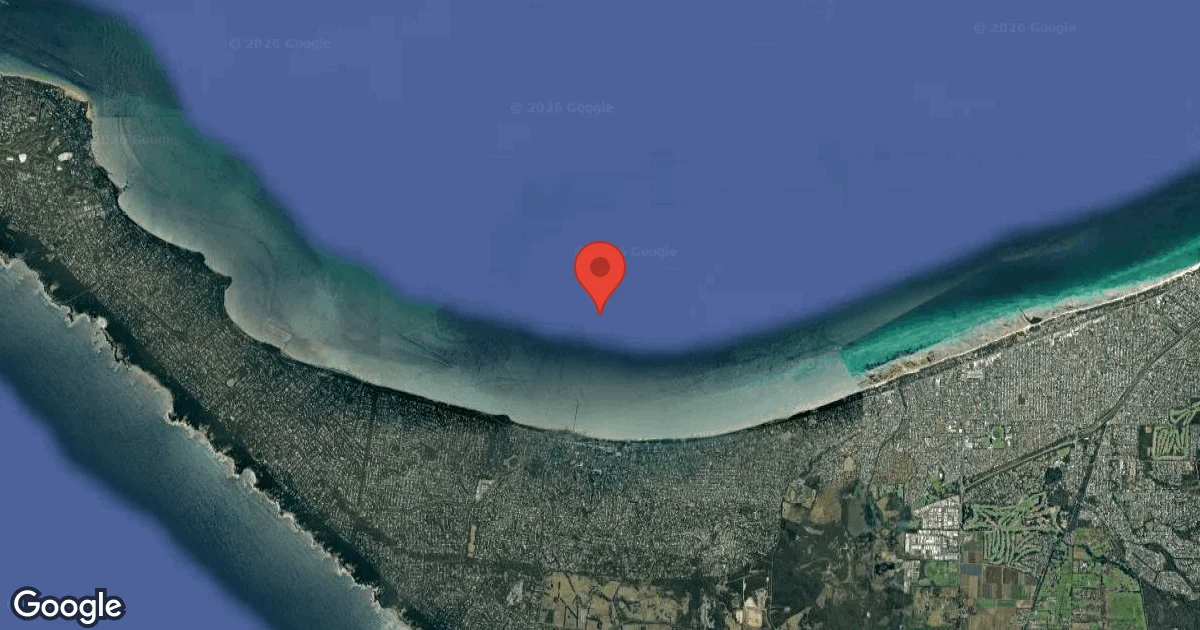
Flinders Pier lies on the eastern side of the Mornington Peninsula in Western Port Bay, Victoria, Australia, near the township of Flinders.
What is the typical depth at Flinders Pier?
The dive site features a shallow depth range, typically from 1 to 6 m (3 to 20 ft), making it suitable for a wide range of certified divers.
Why is Flinders Pier a popular dive site?
It's highly regarded for its reliable sightings of weedy seadragons, often considered the 'capital of the world' for these animals. The pier also features a distinctive grass bottom habitat with diverse marine life.
When is the best time to see weedy seadragons?
Weedy seadragons are most frequently observed between August and March. Brooding males, carrying eggs, are commonly seen from September onwards during this period.
What are the best diving conditions for Flinders Pier?
The site is best dived during high or slack tide. Optimal conditions typically involve north-westerly winds with minimal swell for improved visibility, which can otherwise be unpredictable.
What safety precautions should divers take at Flinders Pier?
Divers should always carry a dive flag and a dive knife. Vigilance regarding boat traffic and fishing lines is important, especially during entry, exit, and when surfacing.
Planning to dive Flinders Pier?
Send one inquiry and receive offers directly from the best verified local dive operators.
Conditions are Moderate
High Swell Advisory. Not recommended.
Current conditions near Flinders Pier show 9° air, 14° sea temperature, 2.2 m waves, and 44 km/h wind. Forecast data is refreshed regularly to ensure accuracy.