
Diving at SS Satara (Australia)
Discovered on September 17, 1984, the SS Satara stands as a significant historical wreck off New South Wales, Australia. Its demise was caused by the Edith Breakers. Resting at a maximum depth of less than 44 meters (144 ft), this formidable vessel is squarely within technical diving territory. Accessing the site requires specialized qualifications, appealing to experienced divers keen on exploring its preserved structure.
Tonight's objective overview for SS Satara shows an air temperature of 12.5°C. The measured surface conditions include wave heights around 1.1 m. This environmental data is logged for the close of the day.
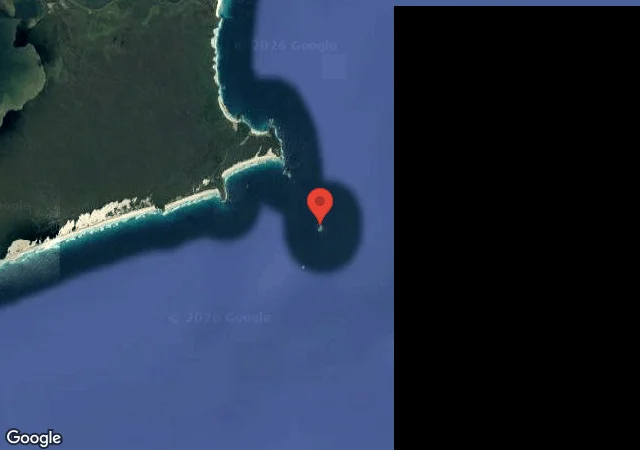
Dive Site Location & Key Facts
Dive Site Overview
Resting upright at a maximum depth of less than 44 meters (144 ft), the SS Satara presents a substantial underwater landscape. Its stern is positioned on a reef, while the bow settles into the surrounding sandy bottom, creating a distinct transition zone.
Scattered bommies lie within 30 meters of the wreck, adding to the localized topography. Moving towards the bow from the mid-section, divers will encounter the impressive three-cylinder engine, now fallen to port, followed by two very large boilers.
Further forward, the wreck becomes more broken up, contrasting with a relatively intact bow section that may conceal various artifacts for those with patience. A defining feature is the huge six-meter, four-bladed bronze propeller, a prime spot for photography, with the rudder also clearly visible nearby.
Many winches remain on deck. Given the wreck's size, a complete circumnavigation requires a minimum of 30 minutes, highlighting the scale of this deep site.
Precise dive planning is crucial, especially for open circuit technical divers, who often approach the exploration over two separate dives to fully appreciate its features. Rebreather divers typically have the flexibility for one longer, more comfortable dive.
Conditions are Good
Optimal conditions expected
Current conditions near SS Satara show 12° air, 19° sea temperature, 1.1 m waves, and 37 km/h wind. Forecast data is refreshed regularly to ensure accuracy.
Best Time to Dive
Optimal diving at the SS Satara often hinges on clear water, a condition frequently reported for this isolated site. Visibility can range significantly, with observations reporting 'in excess of 20 meters' on favorable days, though other reports indicate around 12 to 15 meters. Weather conditions influence clarity, with calm seas generally correlating with better underwater views. While specific water temperature data isn't consistently reported, air temperatures range from 15.5°C (60°F) in July to 23.5°C (74°F) in February. Rainfall is generally low, averaging 1.14 mm in December to 7.02 mm in May. Wave heights, which impact boat comfort and surface conditions, typically hover between 1.9 m and 2.5 m throughout the year. Overall dive conditions, as reflected in the dive score, are mostly 'Poor' or 'Moderate' across all months; February, November, and December generally rate 'Moderate'. Surface currents can be mild, but raging currents have been reported, necessitating careful pre-dive assessment.
PEAK SEASON SCORE
Scores combine air & water temps, waves, wind & rainfall for overall conditions.
BEST MONTHS TO DIVE
Monthly records compiled from satellite and marine observation nodes over the last 3 years. Data provided by Open-Meteo and MET Norway.
Dive Experience & Conditions
Descending towards the SS Satara offers a distinct sense of reaching an untouched, deep-water sanctuary. At its considerable depths, divers might encounter mild to strong currents, which can make navigating the wreck a demanding yet rewarding experience. This site's isolated nature, approximately 43 kilometers (27 miles) from Port Stephens and 40 kilometers (25 miles) from Forster, contributes to its less-dived status, often providing pristine exploration. Divers consistently report clear water conditions, allowing for good appreciation of the wreck's structure. Due to its depth, which reaches 44 meters (144 ft), only technical divers with appropriate qualifications should attempt this site. Open circuit divers typically plan two separate dives to properly explore, while rebreather users can enjoy extended bottom times. Expect minimum bottom times of 25-30 minutes for a circumnavigation.
Dive Difficulty & Safety Guidelines
Strong, unpredictable currents pose the primary hazard when diving the SS Satara; raging currents have necessitated dive cancellations in the past. Given its maximum depth of less than 44 meters (144 ft), this is a dive exclusively for experienced technical divers. Proper training, meticulous dive planning, and redundant equipment are non-negotiable.
Using twins for extended bottom times and gas reserves is a common practice among those who explore this deep wreck. Its remote location, far from readily available emergency services, underscores the need for self-sufficiency and robust contingency plans.
Divers must be proficient in deep decompression procedures, as even a 23-minute bottom time at this depth will require multiple decompression stops. Adherence to your certification limits and gas management protocols is crucial for a safe return to the surface.
Recommended Equipment
Technical depth range. Advanced planning, gas management, and appropriate certification required.
Overhead / entanglement risk. Wreck penetration requires proper training.
- Dive Computer
- DSMB
- Primary & Backup Lights
- Wreck Reel
- Cutting Tool
This gear list is based on verified equipment signals for SS Satara, Australia. Always confirm final gear choices with your dive operator, guide, or liveaboard.
Recommended Dive Suit
Temperatures look set to gradually increase over the next several days. A warming trend is expected over the next few days.
Thermal protection such as 5mm wetsuit is commonly used in similar temperatures. Consider warmer surface protection (like a boat coat) due to brisk winds. A thermal robe or jacket is recommended between dives.
Current dive conditions indicate that water temperatures around SS Satara are sitting at roughly 19°C (66°F). Surface air temperatures are resting at 12°C (54°F).
Emergency & Medical Support
Essential information to help you plan your dive trip to SS Satara.

Hyperbaric chambers are a critical part of dive safety infrastructure. Availability varies significantly by region, and not all dive areas have immediate access.
Before diving, it's recommended to:
- confirm nearest medical facilities
- check emergency procedures with local dive operators
- ensure dive insurance covers evacuation if required
Divers Alert Network
Diving emergency assistance available through DAN World.
+1-919-684-9111- 24/7 emergency hotline
- Diving medical assistance
- Evacuation coordination
Emergency contacts are provided for reference. Always verify local emergency services before diving.
Marine Life at SS Satara
SS Satara's structure provides a substantial artificial reef, creating a vibrant underwater landscape for marine inhabitants. Cruising along the hull or near the impressive bronze propeller, divers often encounter majestic grey nurse sharks.
They are known to frequent the deeper sections of the wreck. Wobbegongs are also spotted, typically resting discreetly within the wreckage or on the surrounding sandy bottom.
Schools of red morwong can be seen moving gracefully across the ship's features, adding dynamic movement to the static remains. Its isolation means this site supports healthy populations, making interactions with these species more likely.

Dive Sites Near SS Satara
View all dive sites in AustraliaDiscover more underwater gems in this area.
Dive Centers Near SS Satara
No Dive Centers Local To SS Satara
Are you a dive center visiting this location? Get listed to reach divers.
Nearest Airports
Nearest airports to help plan travel to this dive area.
Search Flights
Check available flights and routes on Expedia, using the nearby airports listed in this section.
Search Flights on ExpediaFrequently Asked Questions
What is the maximum depth of the SS Satara?
The SS Satara rests at a maximum depth of 44 meters. Its stern sits on a reef, with the bow extending onto the surrounding sand.
What level of diving certification is required for the SS Satara?
Exploring the SS Satara requires technical diving qualifications. Its depth places it beyond the limits of standard recreational diving.
Is the SS Satara wreck suitable for recreational divers?
No, the SS Satara is not suitable for recreational divers. The depth of 44 meters necessitates specialized training and equipment.
What marine life can be seen at the SS Satara?
Divers frequently encounter grey nurse sharks, wobbegongs, and schools of red morwong around the SS Satara. The wreck provides a rich habitat for these species.
What are the typical visibility conditions at the SS Satara?
Visibility at the SS Satara is generally good, often reported as clear. It can vary from 12-15 meters to sometimes exceeding 20 meters, depending on conditions.
Are there strong currents at the SS Satara dive site?
Yes, the site can experience strong currents, with 'raging currents' reported on occasion. Dive planning must account for these conditions.
How much time is needed to explore the SS Satara wreck?
A thorough circumnavigation of the expansive SS Satara wreck typically requires a minimum of 30 minutes. Technical divers often plan for longer bottom times or multiple dives to fully explore.
Planning to dive SS Satara?
Send one inquiry and receive offers directly from the best verified local dive operators.
Conditions are Good
Optimal conditions expected
Current conditions near SS Satara show 12° air, 19° sea temperature, 1.1 m waves, and 37 km/h wind. Forecast data is refreshed regularly to ensure accuracy.