
Diving at Big Seal (Australia)
Diving Big Seal delivers an immediate sense of encountering a vibrant underwater world, defined by dynamic currents and significant marine life. Expect to navigate an extensive rock reef system where the East Australian Current dictates the rhythm of your dive. It's an immersive experience, often culminating in close observations of impressive shark aggregations. This site calls for preparedness and an appreciation for its wild, exposed character.
Evening condition tracking at Big Seal features an air temperature of 15.5°C. We have recorded wave heights measuring 2.5 m during this period. These figures outline the environmental parameters currently present.
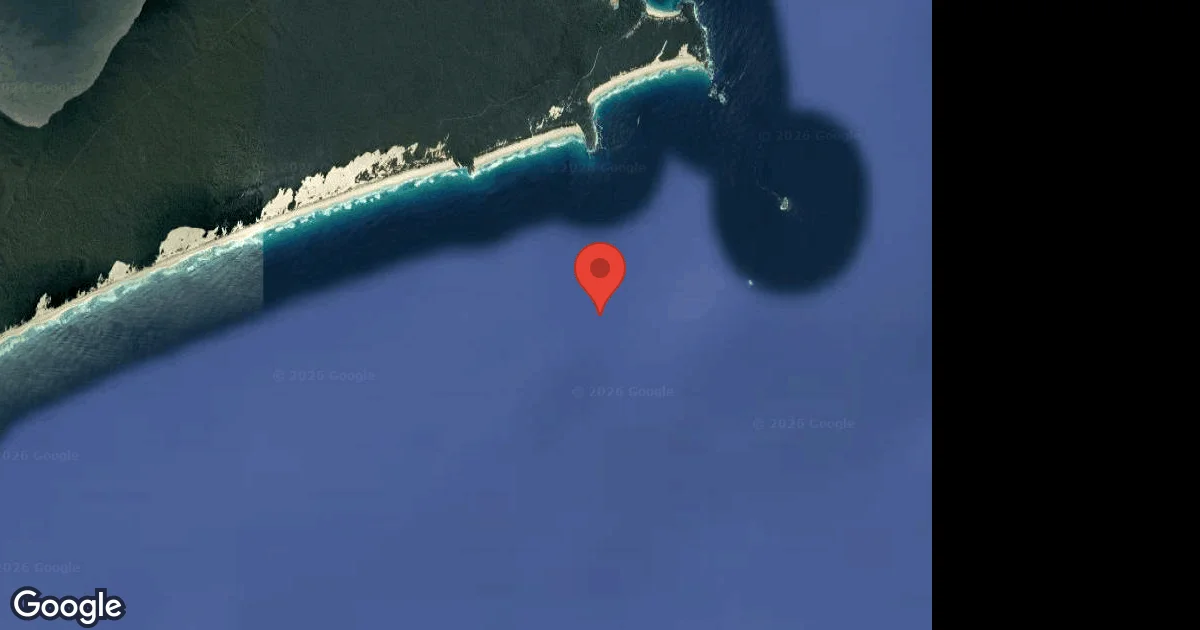
Dive Site Location & Key Facts
Dive Site Overview
Big Seal Rock reveals an intricate underwater topography, functioning as an extensive rock reef comprising several interconnected dive sites. Divers can explore depths ranging from 12 to 30 meters (40-100 ft), extending down to a sandy bottom at 30-40 meters (100-130 ft).
Largely bare rock formations shape the site's character, punctuated by numerous gutters, expansive overhangs, accessible caves, and prominent bommies. Eastern Gutter stands out as a critical feature, starting from a distinct rock overhang to the southeast before climbing a natural ramp into a shallower zone. This specific location serves as a primary aggregation point for grey nurse sharks.
Further exploration reveals impressive walls and natural cracks carved through the fringing reef, adding significant interest for divers. These varied geological structures support a range of dive experiences, from exhilarating drift dives to detailed reef and wall explorations.
While rock growth can be sparse, these dramatic formations are instrumental in drawing large schools of pelagic fish and the site's notable shark populations. To maximize encounters, many divers target the northern end of the island, typically initiating their descent from the more sheltered western side.
Conditions are Moderate
High Swell Advisory. Not recommended.
Current conditions near Big Seal show 16° air, 20° sea temperature, 2.1 m waves, and 24 km/h wind. Forecast data is refreshed regularly to ensure accuracy.
Best Time to Dive
Achieving optimal visibility is a key consideration when planning a dive at Big Seal. Visibility here is generally good, often reaching up to 30 meters (100 ft), and can frequently be described as crystal clear. While grey nurse sharks are present throughout the year, better conditions for diving, indicated by moderate dive scores, tend to emerge from June to October, and again in November and December. During these months, average air temperature fluctuates, staying cooler from around 14°C (57°F) in July to around 21°C (70°F) in November. Rainfall is also generally lower, often below 3-5mm (0.1-0.2 inches) for many periods, contributing to better water clarity. Prevailing swells and the East Australian Current expose the site year-round, so even during favorable periods, conditions can vary. Divers should monitor real-time weather and sea state forecasts for the most accurate assessment.
PEAK SEASON SCORE
Scores combine air & water temps, waves, wind & rainfall for overall conditions.
BEST MONTHS TO DIVE
Monthly records compiled from satellite and marine observation nodes over the last 3 years. Data provided by Open-Meteo and MET Norway.
Dive Experience & Conditions
Approaching Big Seal typically involves a boat entry, often anchoring on the protected western side of the rock. Upon descent, divers immediately enter an environment influenced by the open ocean. Exposure to prevailing swell and the powerful East Australian Current defines conditions, with current generally flowing north to south. Currents can be strong, necessitating awareness and proper drift diving techniques for a safe ascent and rendezvous with the boat. Wave heights range significantly throughout the year, from approximately 1.9 meters (6 ft) up to 2.5 meters (8 ft) in some months, indicating potential surface chop or surge underwater. Water temperature is not consistently reported but generally aligns with regional averages for temperate waters. A dynamic environment, characterized by strong currents and exposure, makes the site particularly suitable for divers with PADI Open Water, Advanced Open Water, and Drift Diver certifications.
Dive Difficulty & Safety Guidelines
Managing the strong East Australian Current is a primary safety consideration at Big Seal. Such a north-to-south current can be significant, making it possible for divers to drift away from the anchor line during ascent. Carrying a surface marker buoy (SMB) is therefore essential for signaling the boat and ensuring prompt retrieval.
While no specific hazards are consistently reported in available data, the site's exposed nature means divers should always be mindful of prevailing swells and potential underwater surge, especially around tunnels and cracks. Thorough dive planning, including understanding current forecasts and having a clear communication plan with the boat crew, is critical.
Diving here is best suited for certified divers experienced in drift diving and open ocean conditions.
Recommended Equipment
Deep dive hazard. Increased narcosis and gas consumption risk.
Current and surface separation risk. Local briefing strongly recommended.
- Dive Computer
- DSMB
- Primary & Backup Lights
- Reel / Spool
This gear list is based on verified equipment signals for Big Seal, Australia. Always confirm final gear choices with your dive operator, guide, or liveaboard.
Recommended Dive Suit
A warming trend is expected over the next few days. A warming trend is expected over the next few days.
Some divers prefer slightly warmer exposure protection simply for additional comfort. Surface intervals may feel noticeably cooler once you exit the water.
5mm wetsuit usually works well for maintaining comfort during standard dive profiles in these conditions. A hood or vest is suggested for sensitive divers due to surface winds. A thermal robe or jacket is recommended between dives. The latest environmental readings for Big Seal suggest water temperatures around 20°C (67°F). Surface air temperatures are resting at 16°C (60°F).
Due to technical issues with our weather providers, live updates are temporarily delayed. The data above reflects the conditions at the time of the last successful fetch.
Emergency & Medical Support
Essential information to help you plan your dive trip to Big Seal.

Hyperbaric chambers are a critical part of dive safety infrastructure. Availability varies significantly by region, and not all dive areas have immediate access.
Before diving, it's recommended to:
- confirm nearest medical facilities
- check emergency procedures with local dive operators
- ensure dive insurance covers evacuation if required
Divers Alert Network
Diving emergency assistance available through DAN World.
+1-919-684-9111- 24/7 emergency hotline
- Diving medical assistance
- Evacuation coordination
Emergency contacts are provided for reference. Always verify local emergency services before diving.
Marine Life at Big Seal
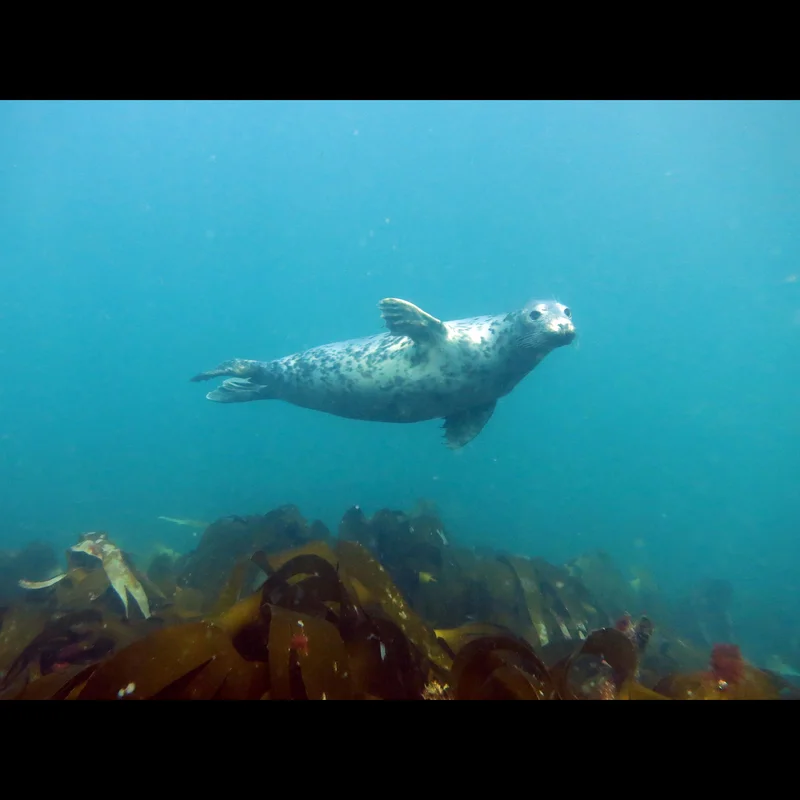
Big Seal's rugged underwater landscape, with its extensive gutters, overhangs, and caves, serves as a crucial habitat for a diverse array of marine life. Known particularly for its aggregations of grey nurse sharks, the site often hosts dozens, sometimes up to 200 during peak season, making them a consistent presence.
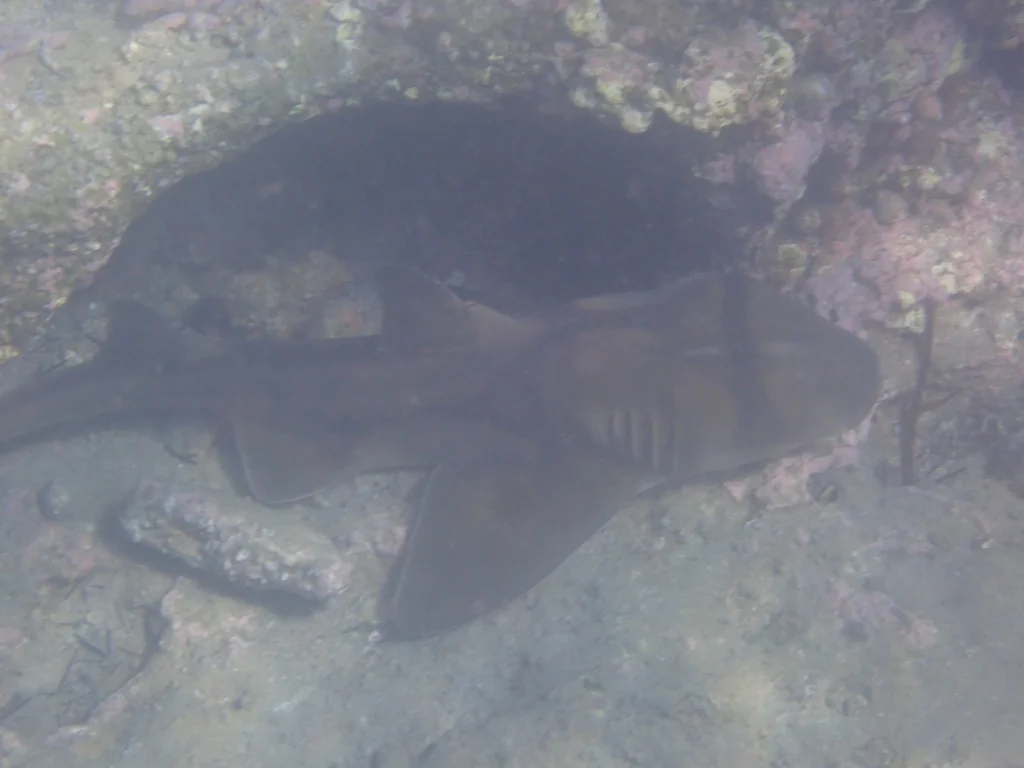
Along the ocean bed, divers frequently observe Wobbegong Sharks resting and Port Jackson Sharks actively cruising the area. Formations also attract significant schooling fish, including kingfish and mulloway, alongside smaller reef inhabitants.
Deeper areas or within cracks may reveal black coral trees and vibrant soft corals, further enhancing biological diversity.

Dive Sites Near Big Seal
View all dive sites in AustraliaDiscover more underwater gems in this area.
Dive Centers Near Big Seal
No Dive Centers Local To Big Seal
Are you a dive center visiting this location? Get listed to reach divers.
Nearest Airports
Nearest airports to help plan travel to this dive area.
Search Flights
Check available flights and routes on Expedia, using the nearby airports listed in this section.
Search Flights on ExpediaFrequently Asked Questions
What is the maximum depth at Big Seal?
Big Seal features an extensive rock reef that can be explored down to 30-40 meters (100-130 ft) at its deepest. The primary reef structure is typically explored between 12-30 meters (40-100 ft).
Are there strong currents at Big Seal?
Yes, Big Seal is exposed to the East Australian Current, which can be strong and flow north to south. Divers should be prepared for drift diving conditions and carry a surface marker buoy.
What type of sharks can I see at Big Seal?
The site is a key aggregation area for grey nurse sharks, often seen in large numbers. You'll also commonly encounter Wobbegong Sharks resting on the seabed and Port Jackson Sharks cruising the reef.
Is Big Seal suitable for beginner divers?
Due to potentially strong currents and exposed conditions, Big Seal is generally more suitable for certified divers with experience in drift diving and open ocean environments. Specific training is recommended.
What is the visibility generally like?
Visibility at Big Seal is typically good, often extending to 30 meters (100 ft). It can frequently be described as crystal clear, offering excellent viewing opportunities.
How do I access the dive site?
Access to Big Seal is exclusively by boat. Operators typically depart from Seal Rocks, with a short 10-minute run to the dive site.
What training is recommended for diving Big Seal?
PADI Open Water Diver certification is a prerequisite, but PADI Advanced Open Water Diver and PADI Drift Diver certifications are highly recommended due to the site's conditions. These courses help prepare divers for the currents and deeper exploration.
Planning to dive Big Seal?
Send one inquiry and receive offers directly from the best verified local dive operators.
Conditions are Moderate
High Swell Advisory. Not recommended.
Current conditions near Big Seal show 16° air, 20° sea temperature, 2.1 m waves, and 24 km/h wind. Forecast data is refreshed regularly to ensure accuracy.