
Diving at Angelfish Blue Hole (Bahamas)
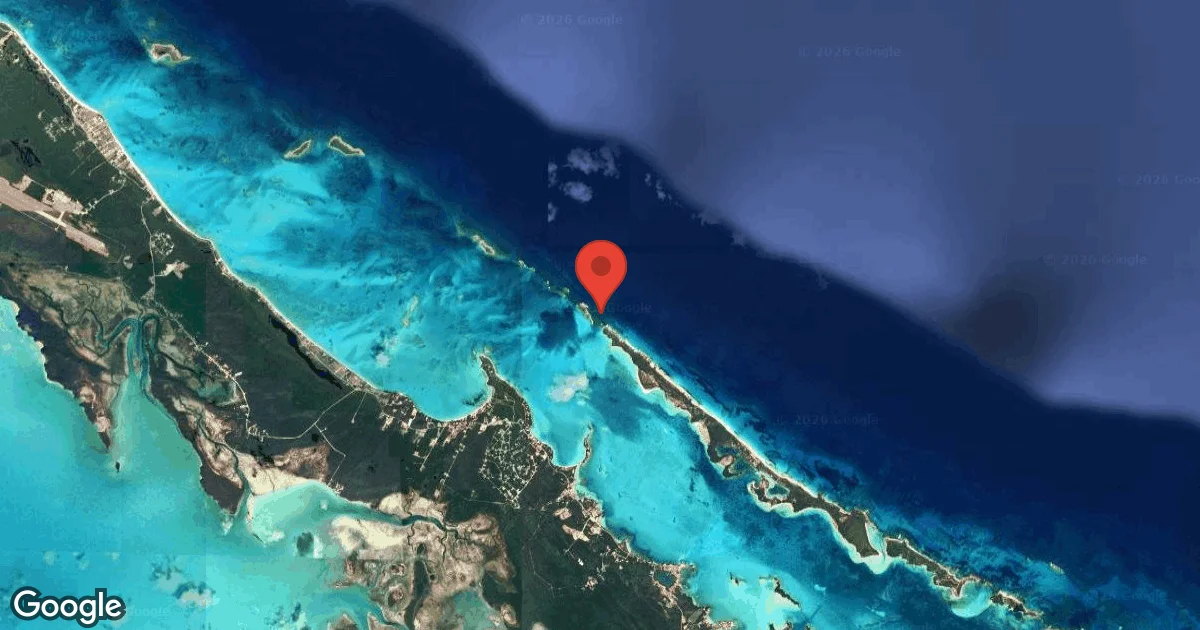
A distinct dark blue circle against lighter, shallower bay waters identifies Angelfish Blue Hole off Stocking Island. Its stark visual contrast highlights a unique geological nature as one of the world's tidal blue holes. An entrance is readily apparent from the surface, leading to a maximum depth of approximately 28 m (92 ft).
As evening covers Angelfish Blue Hole, the local air temperature is measured at 27.5°C. The current wave height at the surface is recorded at 0.5 m. These late-day readings characterize the surface conditions for the night.
Dive Site Location & Key Facts
Dive Site Overview
Diving Bahamian blue holes offers an experience shaped by their unique tidal nature, a characteristic globally rare and profoundly influencing site conditions. These fascinating submerged caves formed above sea level during past ice ages, when sea levels were approximately 120 m (400 ft) lower, subsequently becoming flooded as waters rose.
Angelfish Blue Hole, nestled in an enclosed bay off Stocking Island, exemplifies this ancient process. It invites divers to explore a primary chamber at its maximum depth of approximately 28 m (92 ft), accessible after descending into the main hole.
Notably, the site connects to inland sinkholes through an extensive cave system, a feature evidenced by early explorers such as Jacques-Yves Cousteau. Successfully navigating the blue hole requires precise timing around slack tide due to the potential for very strong tidal currents at other times, which can create challenging conditions for divers.
Often, the surrounding bay provides a calm and sheltered approach for boat entry. Combining unique geology, intricate tidal dynamics, and a history of exploration, Angelfish Blue Hole offers a compelling cavern dive, emphasizing focused exploration within a specific current window.
Conditions are Good
Optimal conditions expected
Current conditions near Angelfish Blue Hole show 28° air, 31° sea temperature, 0.6 m waves, and 22 km/h wind. Forecast data is refreshed regularly to ensure accuracy.
Best Time to Dive
Divers seeking optimal conditions for Angelfish Blue Hole will find favorable opportunities throughout much of the year, particularly from May to September. During these months, average air temperatures range from 26.5°C to 29°C (80-84°F), generally accompanied by lower average wave heights compared to winter months. Rain is relatively moderate, with September having the highest average rainfall at 4.62 mm, but often occurring in brief showers. Winter months, such as November through April, present slightly cooler air temperatures, typically from 23.5°C to 25°C (74-77°F), alongside potentially higher wave heights and wind speeds, which can influence boat travel to the site. Regardless of the season, carefully timing the dive to coincide with slack tide is paramount, as this mitigates the strong tidal currents inherent to blue holes in the Bahamas.
PEAK SEASON SCORE
Scores combine air & water temps, waves, wind & rainfall for overall conditions.
BEST MONTHS TO DIVE
Monthly records compiled from satellite and marine observation nodes over the last 3 years. Data provided by Open-Meteo and MET Norway.
Dive Experience & Conditions
Current dynamics at Angelfish Blue Hole demand precise timing, as divers must plan their entry for slack tide to avoid strong tidal pulls. These significant water movements are a direct result of the blue hole's unique tidal connection, creating powerful currents that can impact visibility and diver stability if not properly managed. Descending into the blue hole, divers will navigate to its deeper sections, reaching a maximum depth of approximately 28 m (92 ft). At this depth, a notable chamber invites careful exploration, providing a distinct cavern environment. Within the hole, the water column shifts between brackish and salt water layers, a common feature of such inland-connected systems. Visibility varies depending on these tidal conditions and the presence of organic particles, but can still offer clear views of the geological formations. Entry is typically a boat drop into the sheltered bay near Stocking Island, providing a calm surface approach to the dive site.
Dive Difficulty & Safety Guidelines
Approaching Angelfish Blue Hole, divers need advanced buoyancy control and familiarity with cavern environments due to its specific characteristics. A paramount safety guideline dictates precise dive timing to slack tide; failure to do so risks exposure to exceptionally strong tidal currents, rendering navigation extremely difficult and hazardous. Considering the maximum depth of approximately 28 m (92 ft) and the presence of an enclosed chamber, careful air management and diligent dive computer monitoring are essential.
As an underwater cave, linked to an extensive system beneath Stocking Island, overhead environments exist. While an accessible chamber allows for exploration, any further penetration into the full cave system requires technical dive skills and specialized training beyond recreational limits. For recreational divers, this remains a cavern dive, not a full cave penetration.
Recommended Equipment
Overhead environment. Do not enter beyond training and gas planning limits.
- Dive Computer
- DSMB
- Primary & Backup Lights
- Reel / Spool
- Cutting Tool
This gear list is based on verified equipment signals for Angelfish Blue Hole, Bahamas. Always confirm final gear choices with your dive operator, guide, or liveaboard.
Recommended Dive Suit
In conditions like these, many divers prefer diving with dive skin or rash guard. A hood or vest is suggested for sensitive divers due to surface winds.
Divers entering the water at Angelfish Blue Hole today can expect temperatures near 31°C (87°F) beneath the surface. Surface air temperatures are resting at 28°C (82°F).
Environmental conditions appear stable for the near future.
Emergency & Medical Support
Essential information to help you plan your dive trip to Angelfish Blue Hole.

Hyperbaric chambers are a critical part of dive safety infrastructure. Availability varies significantly by region, and not all dive areas have immediate access.
Before diving, it's recommended to:
- confirm nearest medical facilities
- check emergency procedures with local dive operators
- ensure dive insurance covers evacuation if required
Divers Alert Network
Diving emergency assistance available through DAN World.
+1-919-684-9111- 24/7 emergency hotline
- Diving medical assistance
- Evacuation coordination
Emergency contacts are provided for reference. Always verify local emergency services before diving.
Marine Life at Angelfish Blue Hole
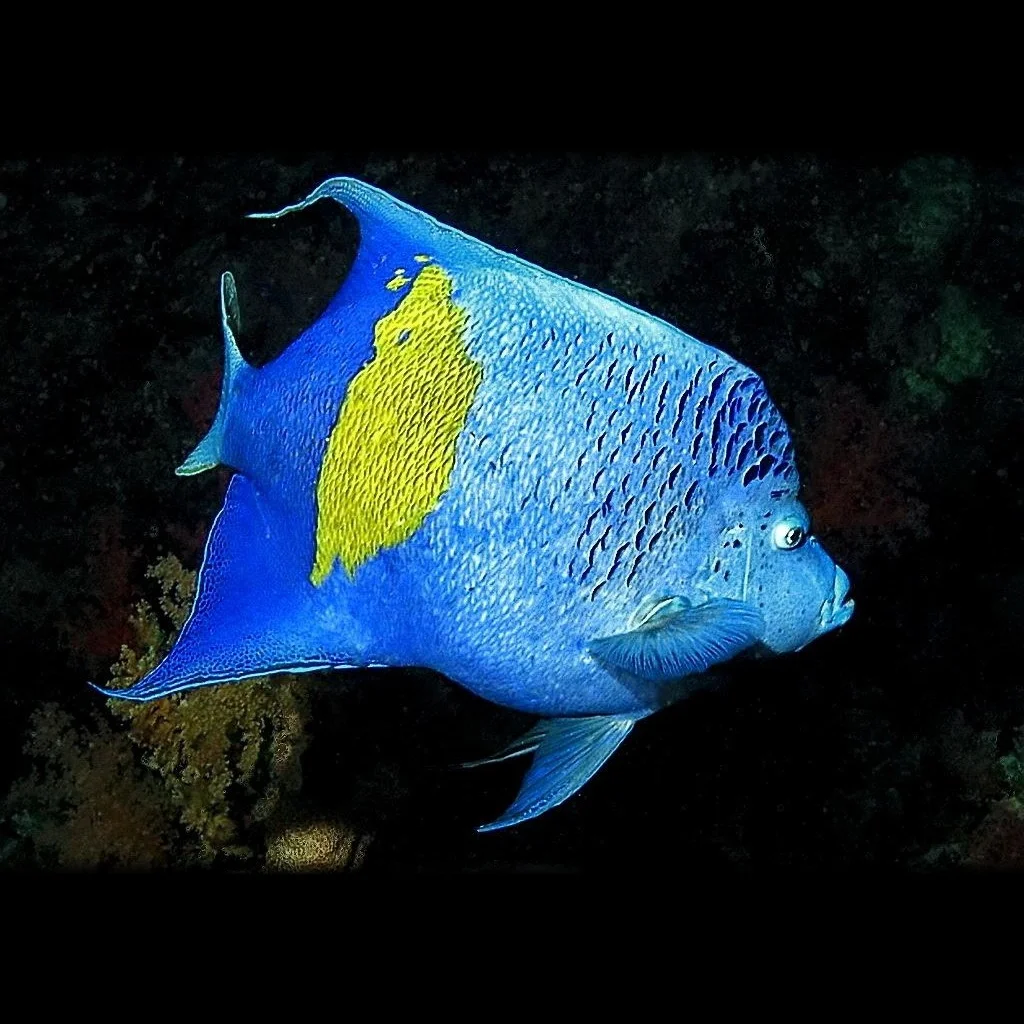
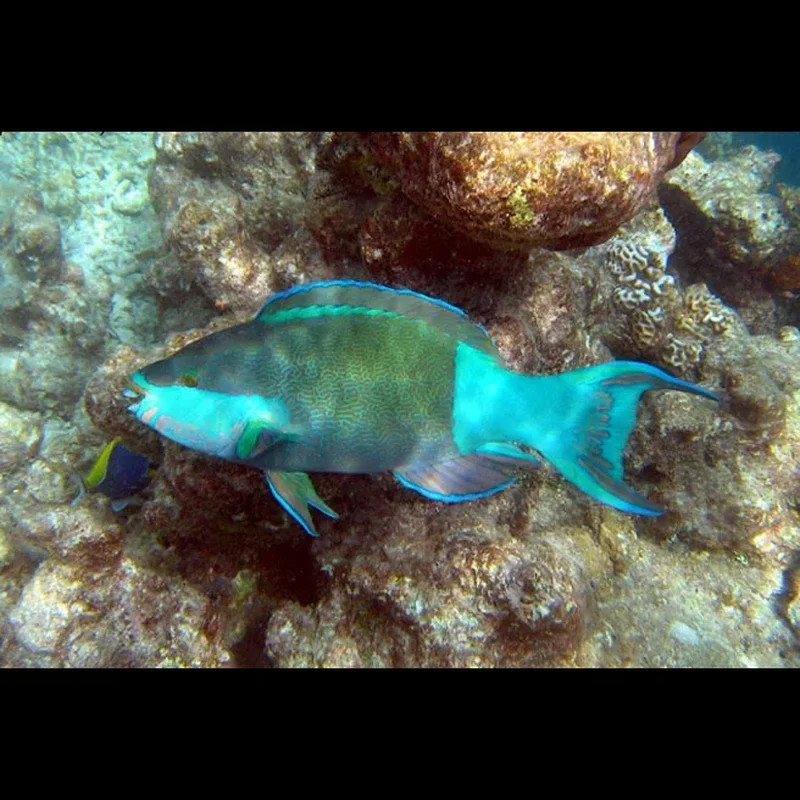
Approaching Angelfish Blue Hole, divers often encounter a swirling school of horse-eye jacks circling near the entrance. Large blue parrotfish are commonly observed darting through the water column, adding a flash of color to the descent.
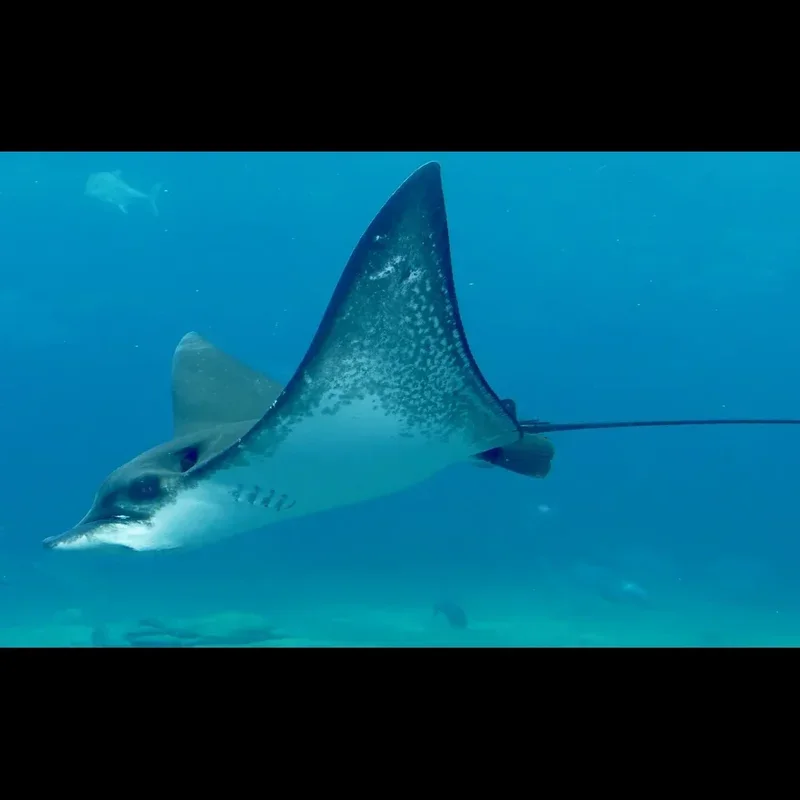
Additionally, the larger bay surrounding the blue hole is frequently visited by majestic eagle rays and various turtles, which may pass by during the dive. Such sightings add an element of anticipation as divers transition from the open bay into the blue hole's unique environment.

Dive Sites Near Angelfish Blue Hole
View all dive sites in BahamasDiscover more underwater gems in this area.
Dive Centers Near Angelfish Blue Hole
Nearest Airports
Nearest airports to help plan travel to this dive area.
Search Flights
Check available flights and routes on Expedia, using the nearby airports listed in this section.
Search Flights on ExpediaFrequently Asked Questions
What is a blue hole?
Blue holes are underwater caves, often appearing as dark blue circles from above due to their depth. In the Bahamas, they are unique for being tidal, meaning they experience significant water flow with the tides.
Why is Angelfish Blue Hole tidal?
Bahamian blue holes are tidal because many are connected to the ocean and often to inland sinkholes, allowing water to flow in and out with the changing tides. This creates strong currents at certain times.
What is the maximum depth of Angelfish Blue Hole?
The maximum recreational diving depth for Angelfish Blue Hole is approximately 28 m (92 ft). There's also a chamber at the bottom for divers to explore.
Are there currents at Angelfish Blue Hole?
Yes, very strong tidal currents can occur. Dives must be carefully planned and executed during slack tide to ensure safety and an enjoyable experience.
What kind of marine life can I expect to see?
Divers frequently see schools of horse-eye jacks near the entrance and large blue parrotfish. The surrounding bay also hosts eagle rays and various turtles that might pass by.
Is special equipment needed for this dive?
A torch or dive light is recommended for exploring the darker interior of the blue hole and its chamber. Good buoyancy control and an understanding of cavern diving are also beneficial.
Is Angelfish Blue Hole a cave dive?
While it is an underwater cave, the recreational dive at Angelfish Blue Hole is considered a cavern dive, with an accessible chamber. Full cave penetration requires technical training and specialized equipment.
What are the water conditions like inside the blue hole?
The water inside the blue hole is a mix of brackish and salt water, characteristic of inland-connected systems. Visibility can vary, influenced by tidal flows and particulate matter, but generally offers good views.
Planning to dive Angelfish Blue Hole?
Send one inquiry and receive offers directly from the best verified local dive operators.
Conditions are Good
Optimal conditions expected
Current conditions near Angelfish Blue Hole show 28° air, 31° sea temperature, 0.6 m waves, and 22 km/h wind. Forecast data is refreshed regularly to ensure accuracy.