
Diving at Arrow (Canada)
Diving the SS Arrow wreck in Canada demands a prepared approach, particularly for those comfortable with cold water environments and variable surface conditions. This site, suitable for experienced wreck divers, presents a challenging yet rewarding exploration of maritime history off the east coast. Divers should be proficient in cold water techniques and adept at navigating potentially rough boat transfers.
Tonight's objective overview for Arrow shows an air temperature of 17.5°C. The measured surface conditions include wave heights around 0.4 m. This environmental data is logged for the close of the day.
Dive Site Location & Key Facts
Dive Site Overview
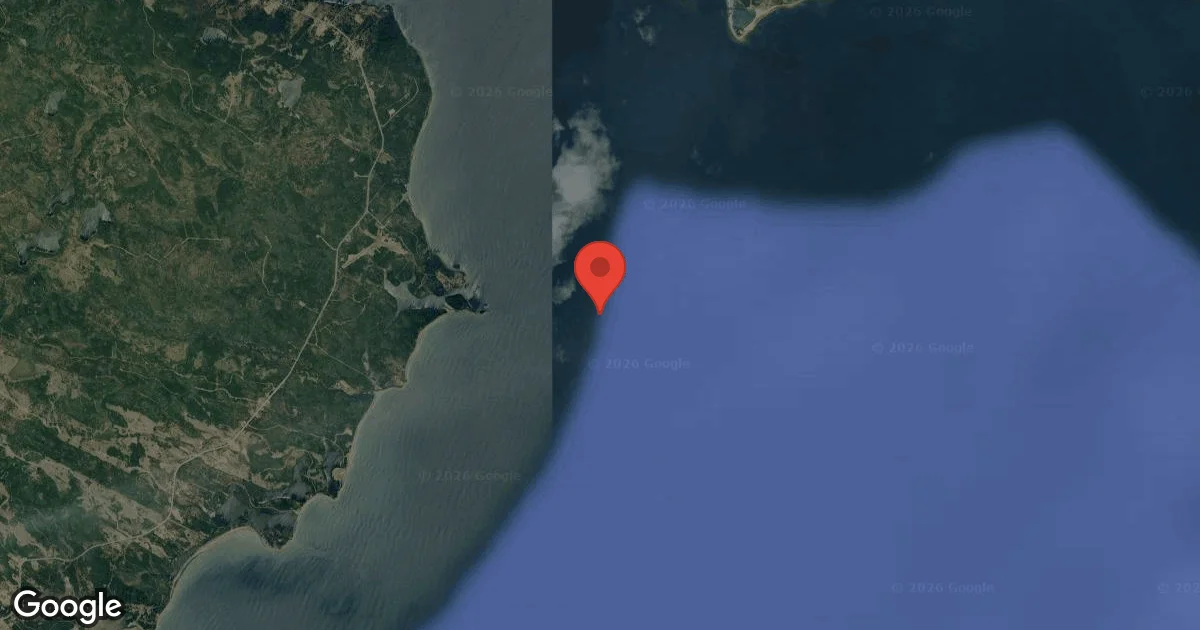
Discovered in Chedabucto Bay, situated between Cape Breton Island and Nova Scotia, the SS Arrow wreck marks a significant historical event from February 4, 1970. A 20-year-old tanker, laden with 108,000 barrels of Bunker C fuel, ran aground on Cerberus Rock due to heavy rain, 60-knot winds, and faulty navigation systems.
Initially, its hull remained intact, but it eventually led to a massive environmental oil spill. Over time, salvage efforts removed some of the oil, leaving questions about the site's ongoing ecological impact versus its development into an artificial reef. Descending through the water column, divers explore the remains of this vessel, which rests at depths ranging from 10.7 m (35 ft) to 27.4 m (90 ft).
Exploring this provides a chance to uncover a substantial piece of Canada's maritime past and observe how marine ecosystems adapt. The wreck's structure is largely broken, reflecting the harsh conditions of its sinking and subsequent environmental forces.
Amidst the debris, recognizable sections of the tanker's hull, machinery, and internal compartments can be discerned. Navigating the wreck, divers will find themselves traversing both exposed areas and more confined spaces.
It's a site that tells a story, offering a palpable connection to maritime history and serving as an evolving artificial reef.
Conditions are Good
High Wind Advisory (40km/h). Unsafe surface.
Current conditions near Arrow show 18° air, 18° sea temperature, 0.8 m waves, and 40 km/h wind. Forecast data is refreshed regularly to ensure accuracy.
Best Time to Dive
Optimizing a dive trip to the Arrow wreck requires considering surface conditions, which directly impact boat travel and overall comfort. The summer months, particularly July and September, present generally more favorable conditions for diving, reflected in their higher dive scores. During July, air temperatures average around 19°C (66°F), with average wave heights dropping to below half a meter and wind speeds around 23.3 km/h (14.5 mph). This contrasts with winter months like December, where air temperatures hover around 1°C (34°F), wave heights reaching close to a meter, and wind speeds are around 32.2 km/h (20 mph). Rainfall is relatively consistent year-round, but calmer seas during summer make access and boat operations significantly less challenging. Planning during these warmer periods improves both the transit to the site and the overall comfort once at the wreck. Surface intervals also become more pleasant with less wind chill, contributing to a better diving experience. Local operators can provide up-to-the-minute forecasts, crucial for safe planning.
PEAK SEASON SCORE
Scores combine air & water temps, waves, wind & rainfall for overall conditions.
BEST MONTHS TO DIVE
Monthly records compiled from satellite and marine observation nodes over the last 3 years. Data provided by Open-Meteo and MET Norway.
Dive Experience & Conditions
Getting to the SS Arrow often involves navigating variable surface conditions, with choppy seas and significant swells commonly reported on the way to Chedabucto Bay. Divers have described pounding through significant swells, often reaching 1.2 to 1.8 meters during the boat ride, making for a challenging transit. Closer to the reef where the Arrow struck, the seas may flatten out marginally, but boat re-entry can still be complicated by the vessel bobbing in a several-meter arc. Water temperatures are not consistently reported, but the cold Canadian waters necessitate appropriate thermal protection. Visibility varies, depending heavily on recent weather and local currents; it can range from excellent to quite limited on any given day. Exploring the wreck requires proficient buoyancy control to navigate the various sections from its shallower parts to its maximum depth. Strong currents sometimes develop around the wreck, adding another layer of complexity to the dive. Divers should be prepared for colder thermoclines, which can impact comfort and dive planning.
Dive Difficulty & Safety Guidelines
Approaching the SS Arrow wreck safely requires specific considerations due to its location and the often-unpredictable surface environment. Divers must possess advanced cold water diving experience and excellent boat diving skills, particularly for entry and exit in rough conditions. Given the challenging conditions, a dry suit is strongly recommended for thermal protection.
Always dive with a reliable local guide experienced with the SS Arrow, who can assess daily conditions and navigate safely. Understanding the wreck's structure and potential hazards, such as entanglement points or silt-out risks in deeper sections, is crucial for a safe exploration.
Its maximum recreational depth places it within typical recreational limits, but careful dive planning, including gas management and decompression limits, is essential. Strong currents can be encountered, necessitating good situational awareness and possibly additional safety equipment like a surface marker buoy.
Recommended Equipment
Overhead / entanglement risk. Wreck penetration requires proper training.
- Dive Computer
- Primary & Backup Lights
- Wreck Reel
- Cutting Tool
This gear list is based on verified equipment signals for Arrow, Canada. Always confirm final gear choices with your dive operator, guide, or liveaboard.
Recommended Dive Suit
Individual comfort in the water can vary significantly from diver to diver, even under the same conditions.
For most recreational dives, 5-7mm wetsuit should provide comfortable protection. Consider warmer surface protection (like a boat coat) due to brisk winds. The coming days appear slightly cooler according to the latest forecast. Cooler days are ahead; you might want a warmer option for later in the week. Carrying a secondary suit is common practice among experienced divers.
Current temperature readings suggest that the water at Arrow is around 18°C (64°F). Surface air temperatures are resting at 18°C (64°F).
Emergency & Medical Support
Essential information to help you plan your dive trip to Arrow.

Hyperbaric chambers are a critical part of dive safety infrastructure. Availability varies significantly by region, and not all dive areas have immediate access.
Before diving, it's recommended to:
- confirm nearest medical facilities
- check emergency procedures with local dive operators
- ensure dive insurance covers evacuation if required
Divers Alert Network
Diving emergency assistance available through DAN World.
+1-919-684-9111- 24/7 emergency hotline
- Diving medical assistance
- Evacuation coordination
Emergency contacts are provided for reference. Always verify local emergency services before diving.
Marine Life at Arrow
While the SS Arrow is primarily a wreck site, it functions as an artificial habitat supporting various marine species. The structure provides shelter and foraging grounds for cold-water marine life.
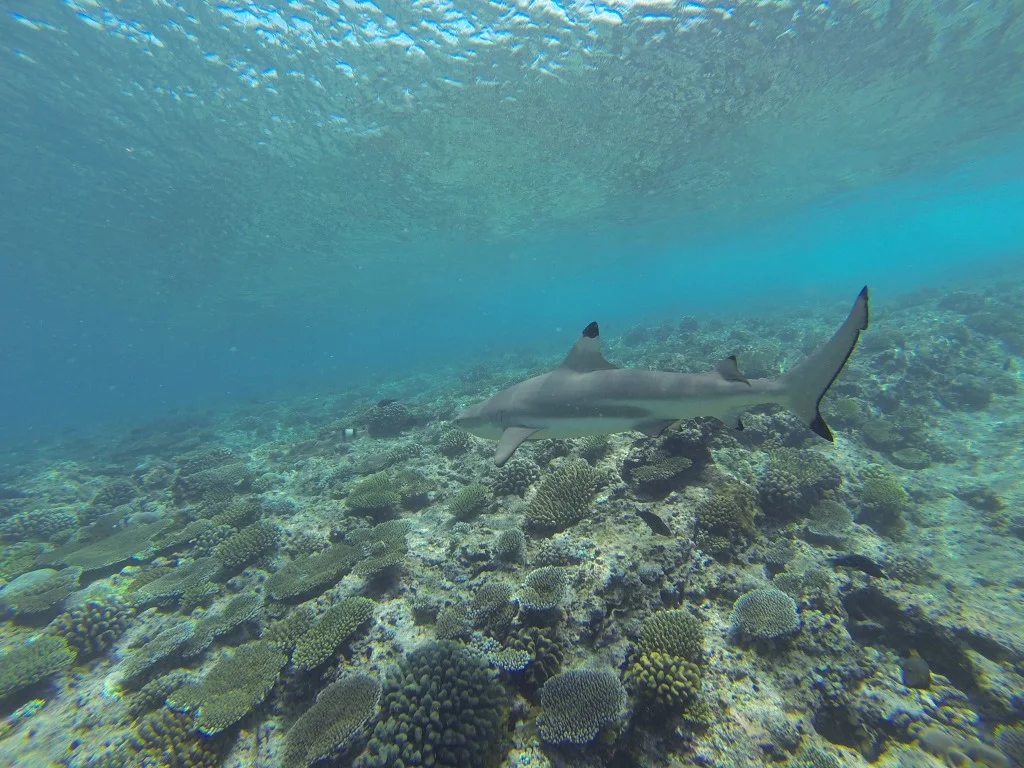
Sightings of sharks are occasionally reported, along with larger pelagic species such as whales and dolphins in the surrounding bay. Certain sections of the wreck may also host smaller reef fish and invertebrates that benefit from the sheltered environment.
Patience and a keen eye can reveal a surprising diversity against the backdrop of the sunken tanker, alongside the potential for turtle encounters in the broader area.
Dive Sites Near Arrow
View all dive sites in CanadaDiscover more underwater gems in this area.
Dive Centers Near Arrow
No Dive Centers Local To Arrow
Are you a dive center visiting this location? Get listed to reach divers.
Nearest Airports
Nearest airports to help plan travel to this dive area.
Search Flights
Check available flights and routes on Expedia, using the nearby airports listed in this section.
Search Flights on ExpediaFrequently Asked Questions
What is the maximum depth of the SS Arrow wreck?
The SS Arrow wreck extends from its shallower sections down to its maximum recreational depth. While accommodating varying experience levels within this range, overall dive conditions at the site present notable challenges.
Are there strong currents at the SS Arrow dive site?
Current conditions are not consistently reported but can vary depending on weather and tides in Chedabucto Bay. Local dive operators will provide the most accurate, up-to-date information on currents.
Is the SS Arrow suitable for beginner divers?
Due to often challenging surface conditions, cold water, and the nature of wreck diving, the SS Arrow is generally considered more suitable for experienced divers. Proficiency in cold water and boat diving skills is recommended.
What kind of thermal protection is needed for diving the Arrow?
The cold water conditions off Canada's east coast strongly suggest the use of a dry suit. Appropriate undergarments are also essential to ensure comfort and safety during your dive.
Are there any environmental concerns still present at the wreck?
The SS Arrow was involved in a significant oil spill in 1970. While salvage efforts occurred, the question of whether it's a thriving artificial reef or still has environmental impact remains a point of observation for divers.
How do I get to the SS Arrow dive site?
Access to the SS Arrow is typically via rigid hull inflatable boat (RIB) from shore, often involving a transit through potentially rough seas in Chedabucto Bay.
What marine life might I see at the Arrow wreck?
While it's primarily a wreck dive, common sightings include sharks, whales, dolphins, and turtles in the general vicinity. The wreck structure itself provides a habitat for various smaller marine organisms.
Planning to dive Arrow?
Send one inquiry and receive offers directly from the best verified local dive operators.
Conditions are Good
High Wind Advisory (40km/h). Unsafe surface.
Current conditions near Arrow show 18° air, 18° sea temperature, 0.8 m waves, and 40 km/h wind. Forecast data is refreshed regularly to ensure accuracy.