
Diving at Baleine (Canada)
Baleine presents a commanding wreck, drawing divers keen to explore a submerged historical structure. A substantial presence in its underwater environment offers a compelling focal point for exploration. Divers often find themselves engrossed in discovering the intricate details of this vessel. Exploring a significant wreck in Canadian waters offers a distinct opportunity here.
Tonight's objective overview for Baleine shows an air temperature of 14°C. The measured surface conditions include wave heights around 0.3 m. This environmental data is logged for the close of the day.
Dive Site Location & Key Facts
Dive Site Overview
Engaging with the Baleine wreck offers a profound connection to maritime history, presenting a significant structure that demands thorough exploration. Dive experiences here center on navigating a substantial submerged vessel, where every corner invites discovery.
A prominent feature in its environment, the wreck provides extensive areas for investigation. Divers often spend considerable time mapping its layout and appreciating the sheer scale of the artifact. Although specific depth information isn't consistently reported, the nature of wreck diving here implies entries into deeper water, likely necessitating boat access.
Expect to dedicate a full dive to exploring the wreck's exterior, potentially observing how marine life interacts with the structure. Conditions vary, but the wreck remains a primary draw for its historical significance and the complexity of its features.
Cold water diving protocols are always recommended for this region. Navigating the wreck’s various sections, from its deck structures to its hull, offers unique insights into its past.
Plan for thorough buoyancy control, as the environment can present subtle currents. Marine life observations are secondary to the wreck, but schools of fish often shelter within its confines. Exploring Baleine means immersing in a piece of the past, offering both challenge and reward for certified wreck divers.
Conditions are Moderate
High Wind Advisory (41km/h). Unsafe surface.
Current conditions near Baleine show 14° air, 18° sea temperature, 0.8 m waves, and 41 km/h wind. Forecast data is refreshed regularly to ensure accuracy.
Best Time to Dive
Optimal diving conditions at Baleine typically occur during the warmer air temperatures and generally calmer wave periods of late summer and early autumn. July and August stand out, with average air temperatures peaking around 20°C / 68°F and 19.5°C / 67°F, respectively. Wave heights are at their lowest during these months, averaging 0.5 m / 1.6 ft in July and 0.5 m / 1.6 ft in August, which contributes to a more comfortable experience. While water temperature data is not consistently reported for Baleine, the St. Lawrence region generally features chilly waters. Expect pleasant air conditions and reduced wind speeds, making for an easier surface interval, particularly from July through September, when average winds drop to around 20-20.3 km/h / 12.4-12.6 mph.
PEAK SEASON SCORE
Scores combine air & water temps, waves, wind & rainfall for overall conditions.
BEST MONTHS TO DIVE
Monthly records compiled from satellite and marine observation nodes over the last 3 years. Data provided by Open-Meteo and MET Norway.
Dive Experience & Conditions
Accessing the Baleine wreck involves navigating the frequently chilly waters characteristic of this Canadian region. The site itself presents a wreck structure, implying deeper water entry, likely via boat. Divers should anticipate conditions where specialized thermal protection is paramount, as water temperatures are not consistently reported but are expected to be cool. Visibility can vary, influenced by local weather patterns and currents. The general area is known for moderate wave activity, with averages ranging from 0.5 m / 1.6 ft in summer to over 0.9 m / 3 ft in winter, suggesting calmer surface conditions are preferred for entry and exit.
Dive Difficulty & Safety Guidelines
Successful diving at the Baleine wreck requires divers to be well-prepared for cold water environments and comfortable with wreck exploration. Given the absence of specific depth information, general wreck diving protocols are essential; avoid penetration unless properly trained and equipped. Divers must respect local marine mammal regulations in the broader area, which stipulate minimum distances for vessels near whales, belugas, and blue whales.
While these apply to surface craft, maintaining an awareness of marine life and avoiding disturbance is always recommended for divers. Plan your gas consumption carefully, considering the potential for deeper dives on a wreck, and always dive within your certification limits.
Recommended Equipment
Overhead / entanglement risk. Wreck penetration requires proper training.
- Dive Computer
- Primary & Backup Lights
- Wreck Reel
- Cutting Tool
This gear list is based on verified equipment signals for Baleine, Canada. Always confirm final gear choices with your dive operator, guide, or liveaboard.
Recommended Dive Suit
Thermal protection such as 5-7mm wetsuit is commonly used for water temperatures in this range. A thermal robe or jacket is recommended between dives.
Current readings at Baleine show water temperatures near 18°C (64°F). Surface air temperatures are resting at 14°C (57°F).
Current forecasts indicate relatively stable conditions for the coming days.
Emergency & Medical Support
Essential information to help you plan your dive trip to Baleine.

Hyperbaric chambers are a critical part of dive safety infrastructure. Availability varies significantly by region, and not all dive areas have immediate access.
Before diving, it's recommended to:
- confirm nearest medical facilities
- check emergency procedures with local dive operators
- ensure dive insurance covers evacuation if required
Divers Alert Network
Diving emergency assistance available through DAN World.
+1-919-684-9111- 24/7 emergency hotline
- Diving medical assistance
- Evacuation coordination
Emergency contacts are provided for reference. Always verify local emergency services before diving.
Marine Life at Baleine
The underwater landscape at Baleine is dominated by the wreck itself, a habitat that naturally attracts various forms of marine life seeking shelter and feeding grounds. While the primary focus remains the wreck's structure, the surrounding waters in this Canadian region are known for potential sightings of diverse marine species.
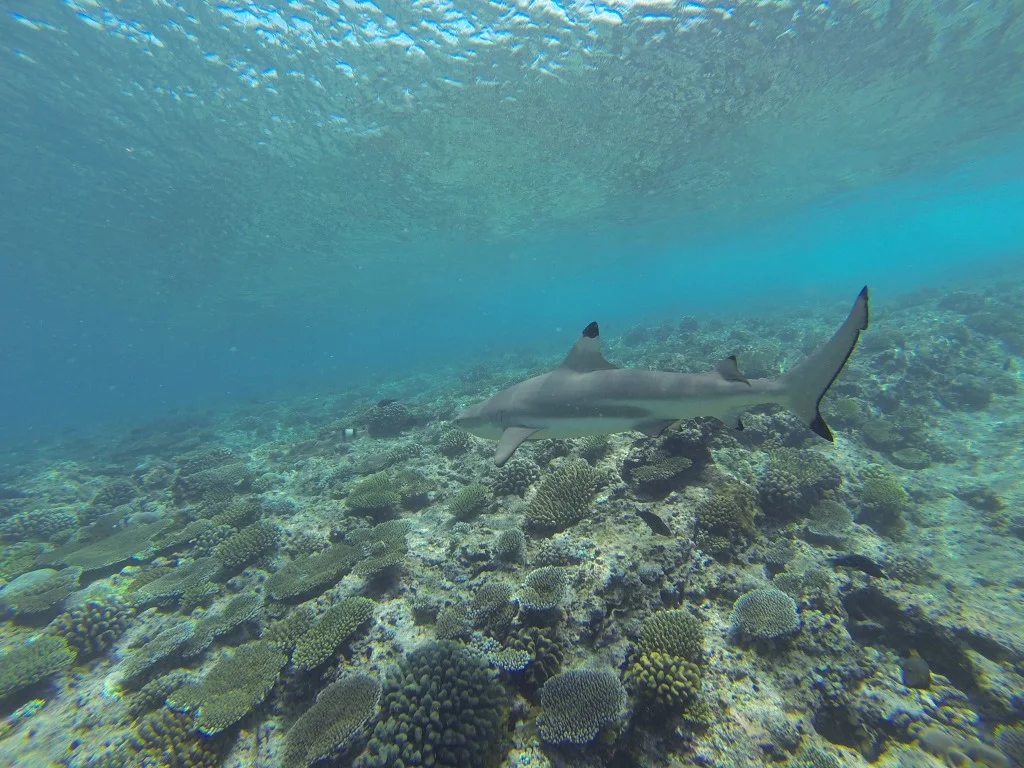
Divers might observe various shark species, dolphins, and turtles. Larger marine mammals, including whales, are also sighted in the broader regional waters, particularly in areas like the Saguenay–St. Lawrence Marine Park, although direct interactions on the wreck itself are less common.
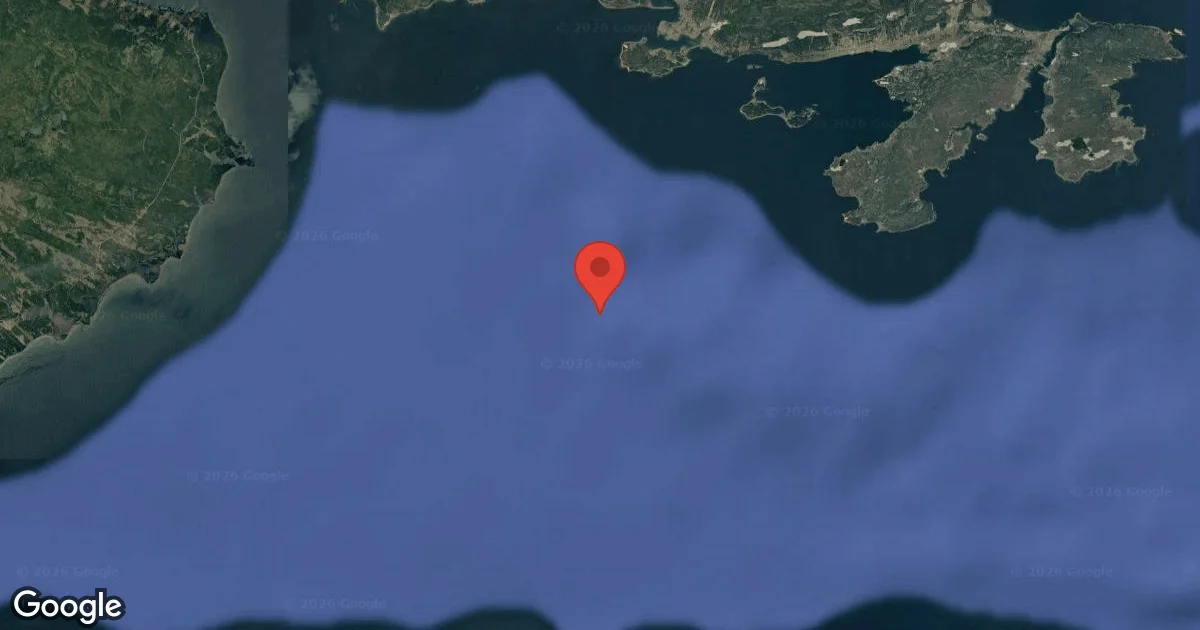
Dive Sites Near Baleine
View all dive sites in CanadaDiscover more underwater gems in this area.
Dive Centers Near Baleine
No Dive Centers Local To Baleine
Are you a dive center visiting this location? Get listed to reach divers.
Nearest Airports
Nearest airports to help plan travel to this dive area.
Search Flights
Check available flights and routes on Expedia, using the nearby airports listed in this section.
Search Flights on ExpediaFrequently Asked Questions
What type of dive site is Baleine?
Baleine is a dedicated wreck dive site. It features a substantial submerged vessel that offers extensive opportunities for exploration and discovery.
What can divers expect to explore at Baleine?
Divers can expect to explore the entire structure of the Baleine wreck. There are many areas to investigate, providing a detailed and engaging experience for those interested in submerged historical artifacts.
What are the typical water conditions at Baleine?
Water temperatures at Baleine are not consistently reported but are characteristic of chilly Canadian waters. Air temperatures during peak dive season range from 19-20°C / 66-68°F, and wave heights are generally calmer in late summer.
When is the best time to dive Baleine?
The best time to dive Baleine is generally during the late summer and early autumn months, specifically July through September. These months offer the warmest air temperatures, reduced wind speeds, and calmer average wave heights for a more comfortable diving experience.
What marine life might be seen at Baleine?
While the wreck is the main attraction, the surrounding Canadian waters may feature various marine life. Common sightings in the broader region include different shark species, dolphins, turtles, and even whales further afield.
Is special equipment needed for diving Baleine?
Yes, due to the consistently cool water temperatures, specialized thermal protection such as a drysuit or thick wetsuit is highly recommended. Appropriate cold-water gear is essential for comfort and safety during your dive.
Are there any specific regulations divers should know about?
Divers should adhere to general safe diving practices and be aware of any local marine mammal regulations that apply to vessels in the area. These regulations aim to protect wildlife, particularly larger mammals like whales, by setting minimum approach distances.
Planning to dive Baleine?
Send one inquiry and receive offers directly from the best verified local dive operators.
Conditions are Moderate
High Wind Advisory (41km/h). Unsafe surface.
Current conditions near Baleine show 14° air, 18° sea temperature, 0.8 m waves, and 41 km/h wind. Forecast data is refreshed regularly to ensure accuracy.