
Diving at Yogn 82 (Canada)
YOGN 82, a purpose-sunk artificial reef, creates a dynamic underwater landscape off Powell River, British Columbia. This substantial 114m / 375ft long ferro-concrete gasoline barge, originally a WWII vessel, now rests upright on the seafloor. Transforming from an industrial relic into a thriving ecosystem, its structure offers varied exploration opportunities for certified divers.
As evening covers Yogn 82, the local air temperature is measured at 21°C. The current wave height at the surface is recorded at 0.1 m. These late-day readings characterize the surface conditions for the night.
Dive Site Location & Key Facts
Dive Site Overview
YOGN 82 offers an engaging wreck dive experience near Powell River, British Columbia. This artificial reef, a substantial WWII gasoline barge, was purposefully sunk in 2018 to create a new marine habitat.
Resting upright at an approximate depth of 35m / 115ft, the wreck provides a significant structure for exploration. Divers encounter a bustling ecosystem that quickly developed after its sinking, drawing in a wide array of marine life. The site is suitable for a range of divers, from intermediate recreational enthusiasts looking to refine their wreck diving skills to technical divers seeking a deeper, more expansive exploration.
Its accessible structure and often clear waters also make it excellent for underwater photography. While intended primarily for external exploration, the ship's natural openings and overhead environments add an element of intrigue.
This former breakwater vessel has become a fascinating dive, blending maritime history with a thriving, engineered ecosystem.
Conditions are Excellent
07:00 - 14:00
Optimal conditions expected
Current conditions near Yogn 82 show 21° air, 16° sea temperature, 0.0 m waves, and 10 km/h wind. Forecast data is refreshed regularly to ensure accuracy.
Best Time to Dive
While YOGN 82 maintains excellent dive scores for most of the year, seasonal variations offer differing experiences. The summer months, particularly July and August, generally present the calmest surface conditions, with average wave heights around 0.2 to 0.3 meters and lighter winds averaging 15.7 to 16.7 km/h. Rainfall is also minimal during this period, often less than 1 mm, making for comfortable boat access and surface intervals. Conversely, late fall and winter, particularly November and December, tend to see increased wave heights, reaching up to 0.5 meters, and stronger winds up to 21.3 km/h. Rainfall also peaks in December, with averages around 8.8 mm. Air temperatures during these colder months can drop to 4-6°C / 39-43°F. Although conditions become more challenging, the dive score remains high even in December (Good), indicating the wreck's inherent appeal regardless of external weather. Divers should consider the trade-off between surface comfort and the potential for a more dynamic experience.
PEAK SEASON SCORE
Scores combine air & water temps, waves, wind & rainfall for overall conditions.
BEST MONTHS TO DIVE
Monthly records compiled from satellite and marine observation nodes over the last 3 years. Data provided by Open-Meteo and MET Norway.
Dive Experience & Conditions
Clear water often surrounds YOGN 82, typically offering good visibility for divers. The vessel rests upright, with its bow deck at a shallower 9 meters (30 feet) and the stern deck at 21 meters (70 feet), providing clear depth markers. The stern bottom reaches the approximate maximum depth of 35 meters (115 feet). This allows for a gradual exploration across various sections of the extensive barge, which spans over 100 meters (300 feet) in length. Mild potential currents may be present, requiring divers to be attentive to their positioning around the large structure. Natural openings allow ambient light penetration, illuminating the exterior features and some accessible areas. This site is considered an excellent training ground for new and intermediate divers, and it accommodates technical divers well.
Dive Difficulty & Safety Guidelines
Diving YOGN 82 presents specific challenges that require careful planning and execution. Given the wreck’s former purpose as a ferro-concrete gasoline barge, divers must exercise caution around potential sharp edges and the stability of certain structures. The site features overhead environments and natural openings; these should be approached with extreme care, as the dive is primarily intended for external recreational exploration.
Limited visibility can occur inside the wreck, increasing the complexity of any internal penetration, which is generally not recommended for recreational divers. Being boat-accessible only, dive groups must ensure proper boat safety procedures and a leave-no-trace ethic, packing out all waste. Adherence to intermediate to advanced skill levels is advised to navigate this site safely.
Recommended Equipment
Overhead / entanglement risk. Wreck penetration requires proper training.
- Dive Computer
- Primary & Backup Lights
- Wreck Reel
- Cutting Tool
This gear list is based on verified equipment signals for Yogn 82, Canada. Always confirm final gear choices with your dive operator, guide, or liveaboard.
Recommended Dive Suit
With water temperatures around 16°C (61°F), many divers find a 5-7mm wetsuit provides comfortable protection.
Being prepared with flexible exposure options is a common approach among experienced divers.
Environmental conditions may feel slightly cooler as the week progresses. A significant temperature drop is forecast; strongly suggest bringing a backup warmer suit option. A warmer option can provide additional comfort if conditions shift.
Due to technical issues with our weather providers, live updates are temporarily delayed. The data above reflects the conditions at the time of the last successful fetch.
Emergency & Medical Support
Essential information to help you plan your dive trip to YOGN 82.

Hyperbaric chambers are a critical part of dive safety infrastructure. Availability varies significantly by region, and not all dive areas have immediate access.
Before diving, it's recommended to:
- confirm nearest medical facilities
- check emergency procedures with local dive operators
- ensure dive insurance covers evacuation if required
Divers Alert Network
Diving emergency assistance available through DAN World.
+1-919-684-9111- 24/7 emergency hotline
- Diving medical assistance
- Evacuation coordination
Emergency contacts are provided for reference. Always verify local emergency services before diving.
Marine Life at Yogn 82
Approaching YOGN 82, one immediately notices the rich marine life that has colonized the wreck since its sinking. Urchins were observed on the deck almost immediately after submergence, followed swiftly by a burgeoning ecosystem.
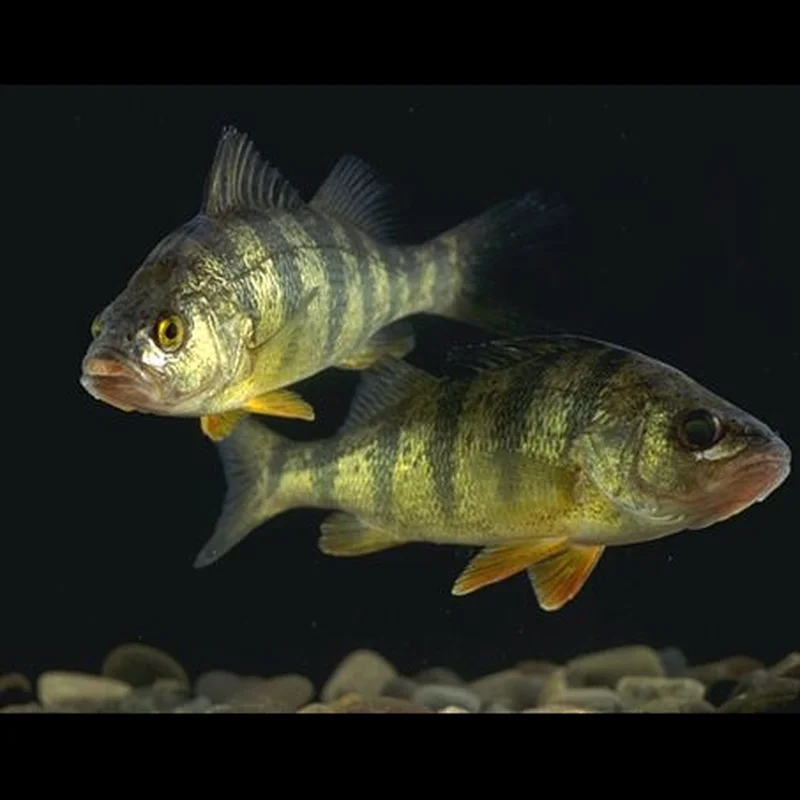
Giant Pacific Octopus hide within crevices, while Buffalo Sculpin and Irish Lords patrol the decks. Rockfish and Ling Cod are commonly seen, and schools of Pacific Cod and Perch can be so dense they obscure parts of the vessel from sonar.
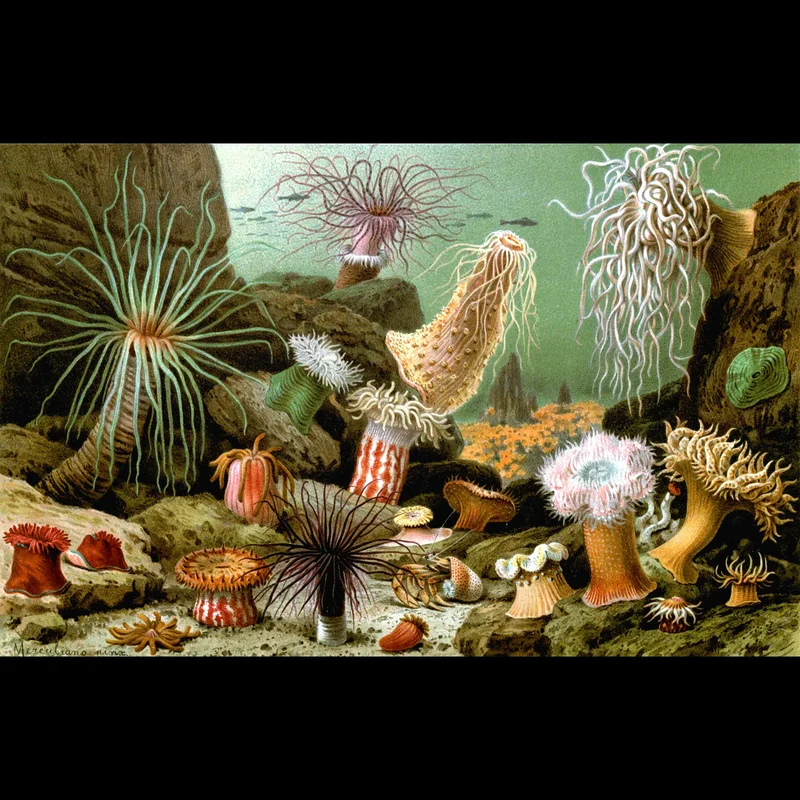
Anemones and various other invertebrates cling to the surfaces, demonstrating the success of this artificial reef in creating a vibrant habitat.

Dive Centers Near Yogn 82
Today: Open 24 hours
Nearest Airports
Nearest airports to help plan travel to this dive area.
Search Flights
Check available flights and routes on Expedia, using the nearby airports listed in this section.
Search Flights on ExpediaFrequently Asked Questions
What kind of vessel is YOGN 82 and what was its original purpose?
YOGN 82 is a 114m / 375ft long ferro-concrete gasoline barge from WWII. It originally served the US Navy as a fuel storage vessel during the Pacific Theater before becoming part of the Powell River breakwater.
What is the typical depth range for diving YOGN 82?
The wreck rests upright, with the bow deck around 9 meters (30 feet) and the stern deck about 21 meters (70 feet). The stern bottom reaches an approximate maximum depth of 35 meters (115 feet).
What skill level is recommended for diving YOGN 82?
This site is ideal for intermediate to advanced divers, offering an excellent training ground. Technical divers will also find rewarding exploration opportunities.
What kind of marine life can divers expect to see on YOGN 82?
Since its sinking, YOGN 82 has become a vibrant habitat. Divers frequently encounter Giant Pacific Octopus, various rockfish, Ling Cod, and schools of Pacific Cod and Perch.
What potential hazards should divers be aware of at YOGN 82?
Overhead environments and potential sharp edges require caution. While natural openings exist, internal penetration is not consistently reported as safe for recreational divers due to limited visibility and structural integrity concerns.
When is the best time of year to dive YOGN 82?
YOGN 82 offers excellent dive opportunities year-round, though summer months provide calmer surface conditions and less rain. Winter dives might encounter stronger winds and higher waves, along with cooler air temperatures.
How do divers access the YOGN 82 dive site?
The YOGN 82 artificial reef is accessible by boat only. It is found near Powell River, off Willingdon Beach.
Planning to dive Yogn 82?
Send one inquiry and receive offers directly from the best verified local dive operators.
Conditions are Excellent
07:00 - 14:00
Optimal conditions expected
Current conditions near Yogn 82 show 21° air, 16° sea temperature, 0.0 m waves, and 10 km/h wind. Forecast data is refreshed regularly to ensure accuracy.