
Diving at Bajo el Norte (Chile)
Bajo El Norte begins with a descent into a world of submerged rock formations. Divers follow contours that gradually lead to a maximum depth of 20 m / 65 ft. Its primary appeal lies in exploring the natural underwater architecture, which includes various small caverns. This structure dictates a dive profile that encourages careful observation of the rocky environment from entry to safety stops. The overall experience is a focused exploration of intricate geological features.
Evening condition tracking at Bajo el Norte features an air temperature of 13°C. We have recorded wave heights measuring 1.2 m during this period. These figures outline the environmental parameters currently present.
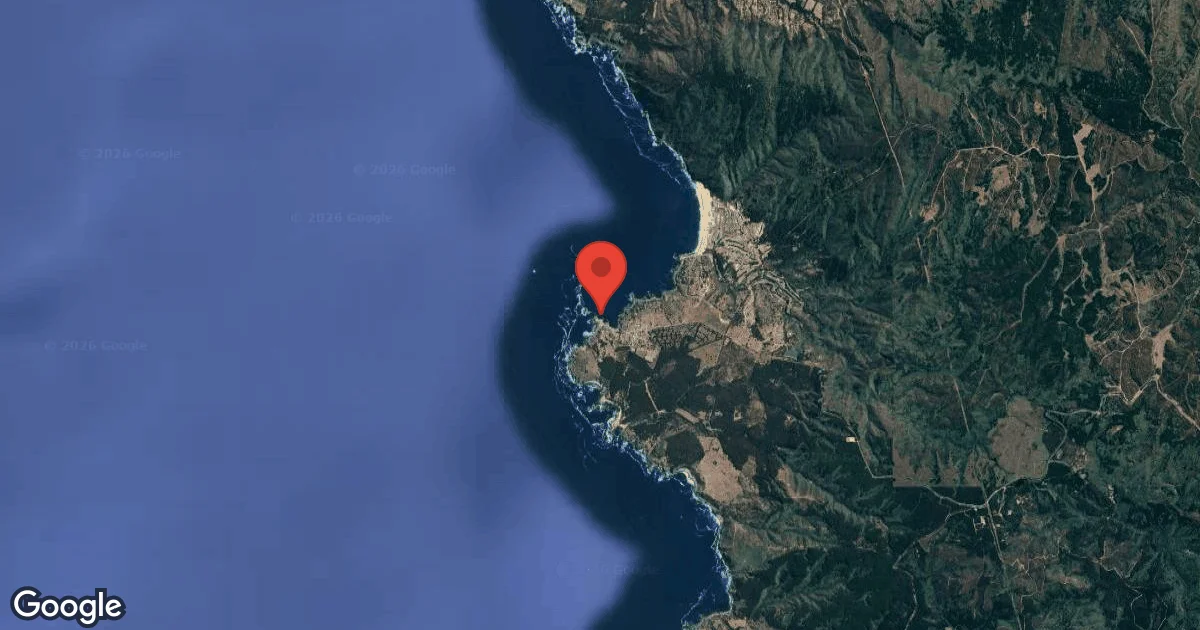
Dive Site Location & Key Facts
Dive Site Overview
Bajo El Norte's topography is defined by substantial rock formations, naturally carved to create a series of small, explorable caverns. These geological features are central to the dive, allowing divers to navigate through distinct underwater architecture and observe the diverse life inhabiting the cracks and crevices.
Depths for the dive typically range from a minimum of 13 m / 43 ft to a maximum of 20 m / 65 ft, offering a consistent vertical range for exploration. This site provides a calm dive experience, suitable for detailed observation rather than rapid navigation. A typical dive here spans 25 to 30 minutes, allowing ample time to appreciate the intricate rock ecosystems and the life they host.
Divers will predominantly encounter rocky bottoms, and while not explicitly detailed for this specific site, areas within the broader Valparaíso Region are known for kelp forests, which can influence local habitat structures. Standard safety stops are performed at 5 meters for 3 minutes, ensuring a controlled ascent.
Access to the dive site is exclusively by boat. This location in the Valparaíso Region is accessible to both beginners and more experienced divers seeking an engaging cavern dive.
Conditions are Moderate
Optimal conditions expected
Current conditions near Bajo el Norte show 13° air, 14° sea temperature, 1.5 m waves, and 31 km/h wind. Forecast data is refreshed regularly to ensure accuracy.
Best Time to Dive
For optimal conditions at Bajo El Norte, contrasting periods of the year reveal varying dive scores. January, February, and March generally present moderate dive scores (5), with air temperatures ranging between approximately 16°C and 17°C (61-63°F). Wave heights during these months average around 2.0-2.3 meters. Rainfall is consistently very low, typically less than 0.2 mm. Conversely, August shows a slightly lower dive score (4), coinciding with the lowest average air temperature around 9.5°C (49°F) and higher average rainfall, though still minimal at about 3.8 mm. Wind speeds hover around 16-21 km/h (10-13 mph) throughout much of the year, potentially influencing surface conditions. Divers should note that water temperature is not consistently reported, but cold water diving gear is advised for this region. Local weather conditions, especially wave heights, can vary by season, making pre-dive checks essential.
PEAK SEASON SCORE
Scores combine air & water temps, waves, wind & rainfall for overall conditions.
BEST MONTHS TO DIVE
Monthly records compiled from satellite and marine observation nodes over the last 3 years. Data provided by Open-Meteo and MET Norway.
Dive Experience & Conditions
The diving experience at Bajo El Norte is characterized by generally calm conditions within its rocky structures, making it amenable for methodical exploration. While specific current dynamics for this site are not consistently reported, the nature of its caverns suggests some degree of shelter from stronger open-water currents. Water temperatures in this part of Chile are known to be cool, necessitating a thick wetsuit for comfort and safety, as explicitly advised for the region. Visibility can vary, but Chilean dive sites often feature good visibility, especially in regions like Valparaíso. Surface conditions can be influenced by average wave heights of 2.0-2.4 meters and wind speeds ranging 16-21 km/h (10-13 mph), which are typical for the area. The boat entry allows for direct access, minimizing surface challenges before descending into the more protected underwater environment.
Dive Difficulty & Safety Guidelines
Safety at Bajo El Norte primarily involves adherence to standard diving protocols, especially given the cavern dive type. Although no specific site hazards are consistently reported, divers should be mindful of navigating confined spaces within the small caverns. Advanced Open Water Diver certification or relevant cavern training is highly beneficial for this environment.
It's crucial to always dive within certified limits and with appropriate gear, including a dive computer and surface marker buoy. Given the cool water temperatures prevalent in Chile, a drysuit or a thick wetsuit is recommended to mitigate thermal challenges.
Checking local weather forecasts for wave height and wind speed before diving is also a prudent measure, as these surface conditions can affect boat entries and exits.
Recommended Equipment
Overhead environment. Do not enter beyond training and gas planning limits.
- Dive Computer
- DSMB
- Primary & Backup Lights
- Reel / Spool
- Cutting Tool
This gear list is based on verified equipment signals for Bajo el Norte, Chile. Always confirm final gear choices with your dive operator, guide, or liveaboard.
Recommended Dive Suit
With water temperatures around 14°C (58°F), many divers find a 7mm wetsuit or semidry provides comfortable protection.
Local conditions can vary slightly across different parts of the same dive site.
Weather projections show fairly stable environmental conditions ahead.
Due to technical issues with our weather providers, live updates are temporarily delayed. The data above reflects the conditions at the time of the last successful fetch.
Emergency & Medical Support
Essential information to help you plan your dive trip to Bajo El Norte.

Hyperbaric chambers are a critical part of dive safety infrastructure. Availability varies significantly by region, and not all dive areas have immediate access.
Before diving, it's recommended to:
- confirm nearest medical facilities
- check emergency procedures with local dive operators
- ensure dive insurance covers evacuation if required
Divers Alert Network
Diving emergency assistance available through DAN World.
+1-919-684-9111- 24/7 emergency hotline
- Diving medical assistance
- Evacuation coordination
Emergency contacts are provided for reference. Always verify local emergency services before diving.
Marine Life at Bajo el Norte
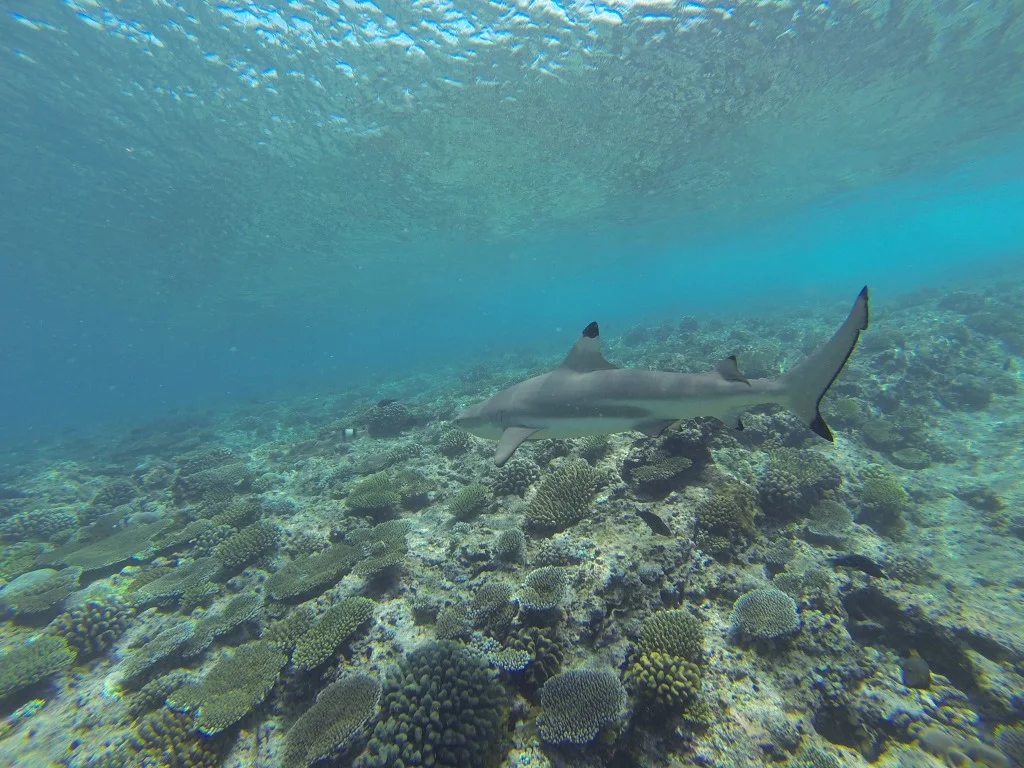
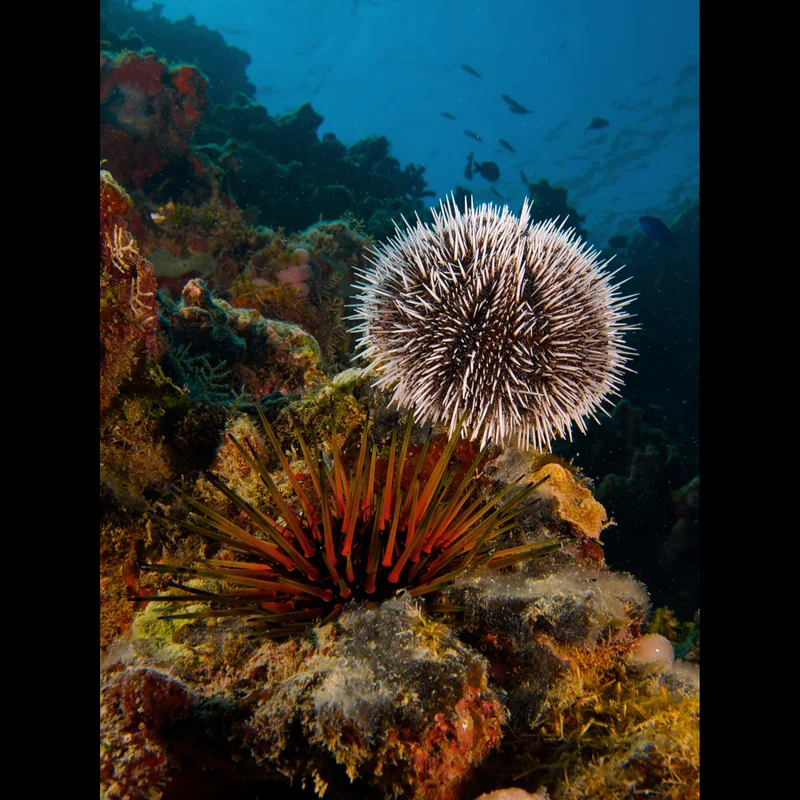
Upon entry into Bajo El Norte, divers immediately notice an abundance of sea urchins that carpet the rocky surfaces. Crevices and rock formations are home to various rock fish, including species like Bilagay, Rollizo, and Cabrilla.
These small, often colorful fish contribute to the vibrant ecosystem within the caverns and along the rocky bottoms. While less frequent, the broader marine environment in this part of Chile can sometimes yield sightings of larger pelagic species such as sharks, whales, dolphins, and turtles, though these are not site-specific commonalities for Bajo El Norte itself. The primary visual emphasis remains on the endemic rock-dwelling creatures.

Dive Sites Near Bajo el Norte
View all dive sites in ChileDiscover more underwater gems in this area.
Dive Centers Near Bajo el Norte
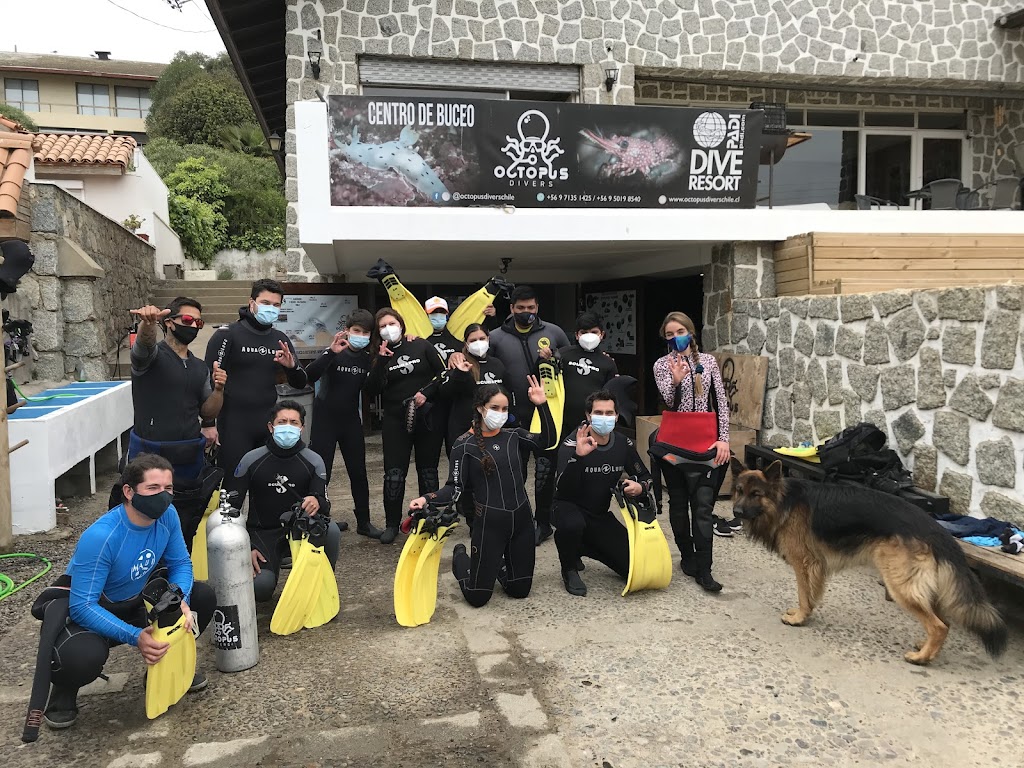
Today: 09:00 - 18:00
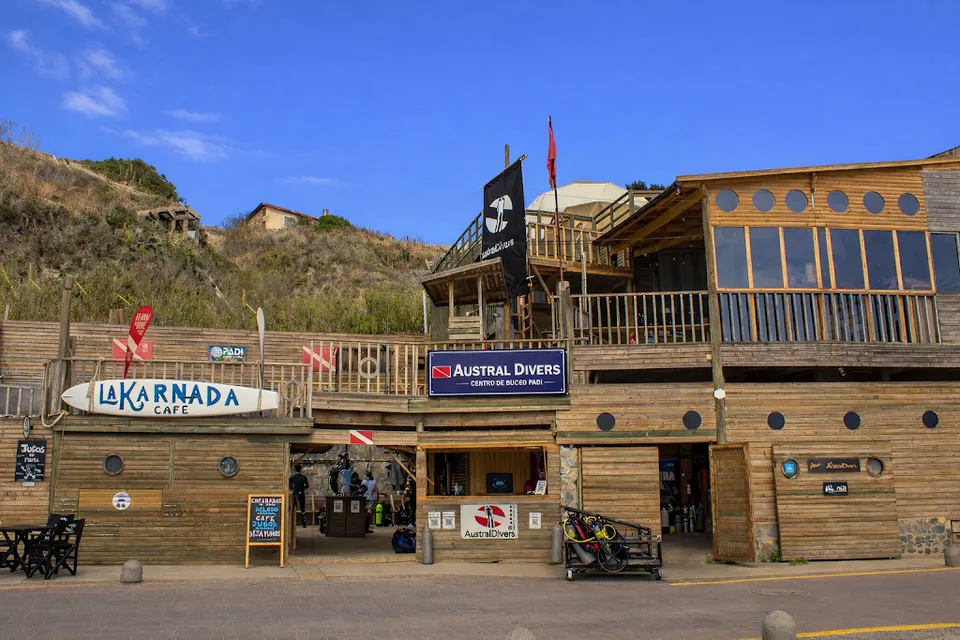
Nearest Airports
Nearest airports to help plan travel to this dive area.
Search Flights
Check available flights and routes on Expedia, using the nearby airports listed in this section.
Search Flights on ExpediaFrequently Asked Questions
What depth can I expect at Bajo El Norte?
Dives at Bajo El Norte typically range from a minimum of 13-14 meters (43-46 ft) to a maximum of 20 meters (65 ft). This range makes it accessible for various certification levels.
What kind of marine life is common?
The site is known for numerous sea urchins covering the rocks, along with various rock fish species such as Bilagay, Rollizo, and Cabrilla. These small creatures are consistently visible throughout the dive.
Is Bajo El Norte suitable for beginner divers?
It is generally considered a calm dive, suitable for Open Water Divers. However, given its cavern features, Advanced Open Water certification or specific cavern training is beneficial for enhanced safety and enjoyment.
What are the typical water conditions?
Water temperatures in this Chilean region are cool, so a thick wetsuit or drysuit is recommended. While specific visibility details vary, good conditions are often reported in the Valparaíso Region.
How long does a dive usually last?
A typical dive at Bajo El Norte lasts between 25 to 30 minutes, including a mandatory 3-minute safety stop at 5 meters. This duration allows for thorough exploration of the site's features.
How do divers access the site?
Access to Bajo El Norte is exclusively by boat. This method ensures divers are dropped directly at the entry point, providing efficient and safe access to the submerged rock formations.
What is the best time of year to dive here?
The dive score is consistently moderate (5) for most of the year, with a slight dip in August (4). January through March offer milder air temperatures, but local weather conditions and wave heights should always be checked.
Planning to dive Bajo el Norte?
Send one inquiry and receive offers directly from the best verified local dive operators.
Conditions are Moderate
Optimal conditions expected
Current conditions near Bajo el Norte show 13° air, 14° sea temperature, 1.5 m waves, and 31 km/h wind. Forecast data is refreshed regularly to ensure accuracy.