
Diving at La Isla (Chile)
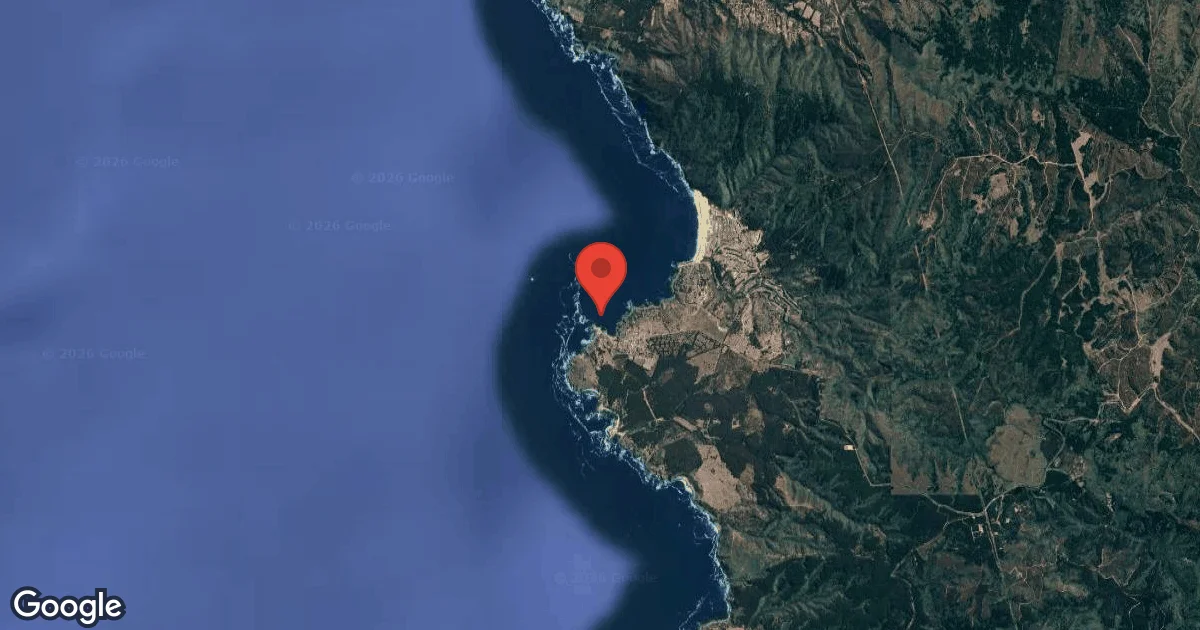
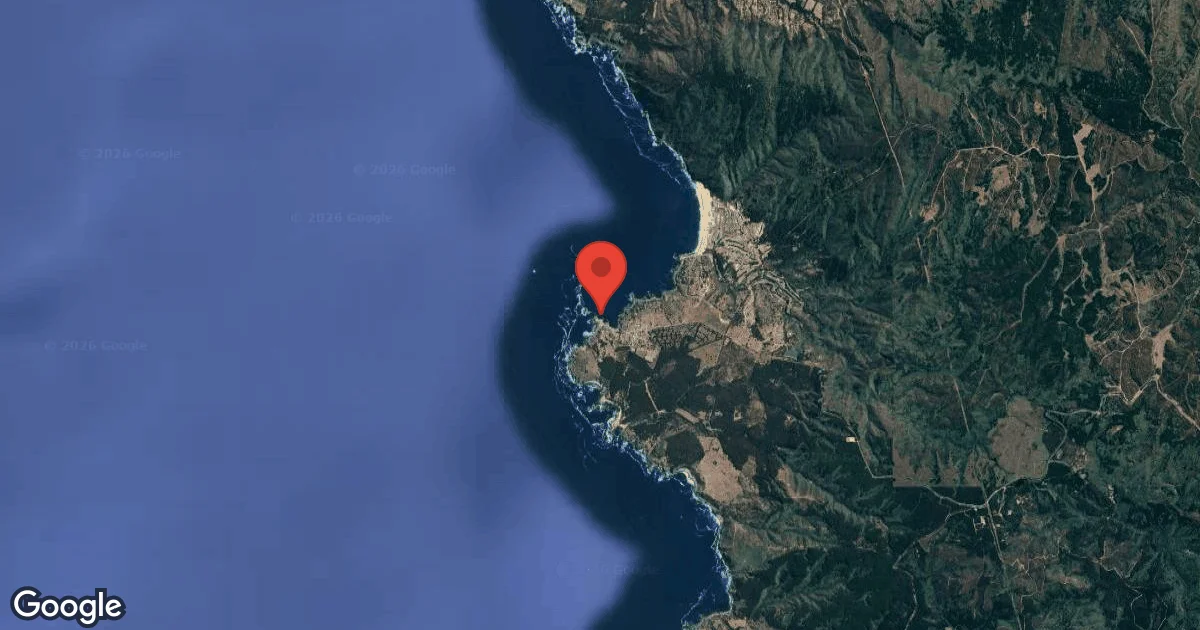
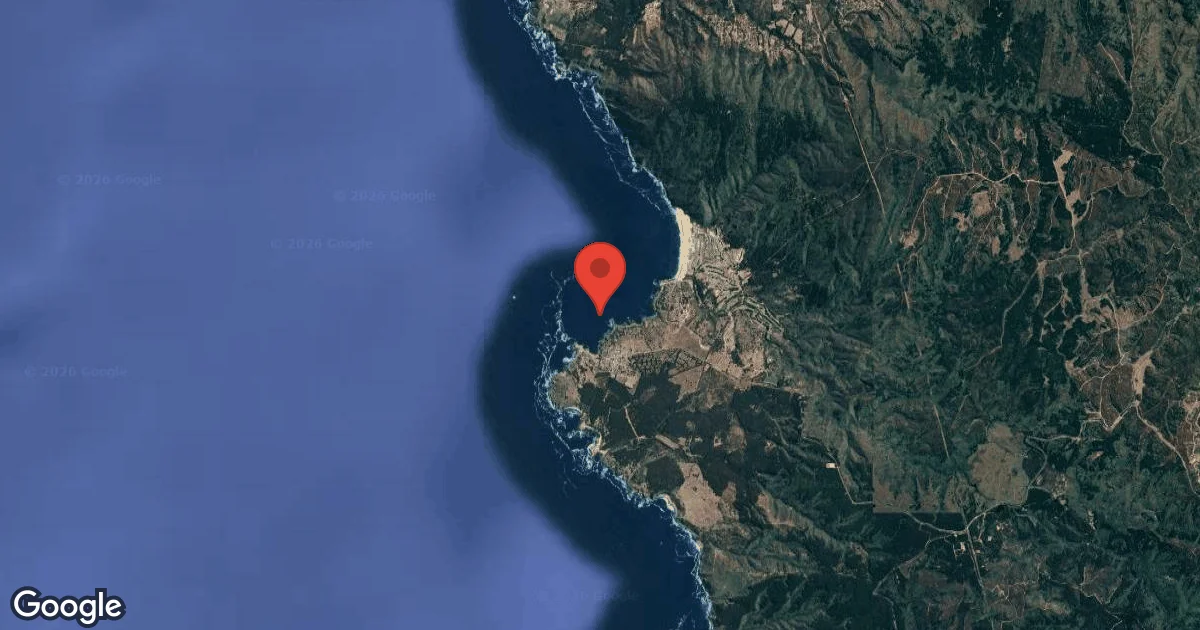
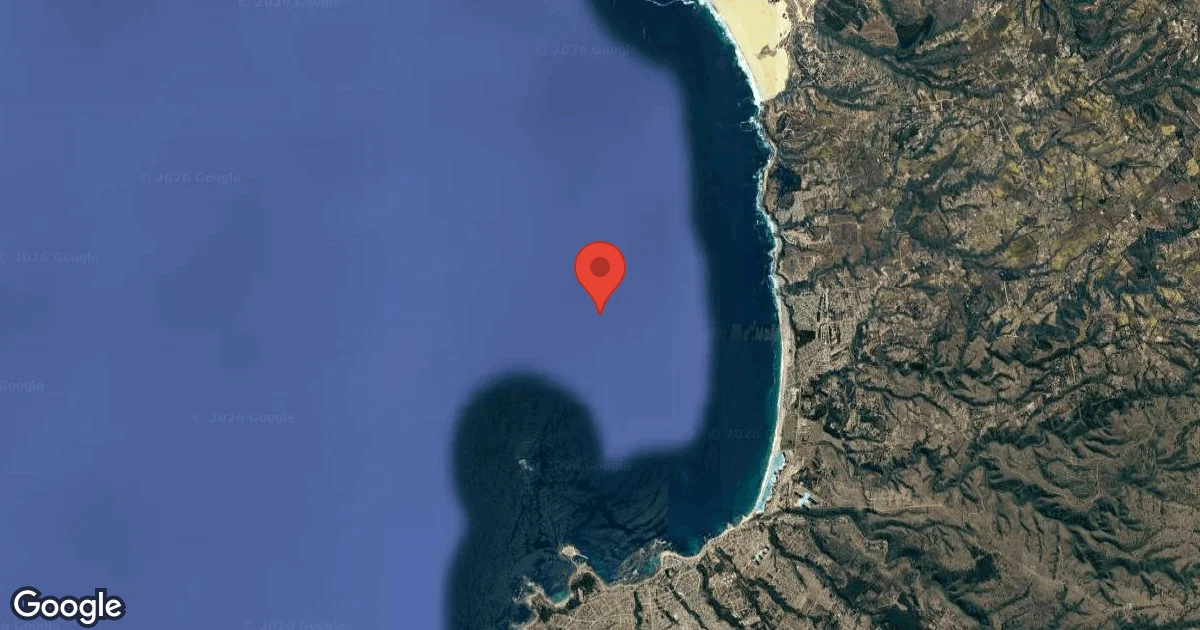
La Isla Seca, situated off the coast of Zapallar, Chile, currently presents itself as a dive destination with limited publicly reported data. This absence of extensive ratings and reviews suggests it remains a less-trafficked site, potentially appealing to divers seeking a more uncrowded experience. It's an intermediate-level site, primarily accessed by boat. Divers exploring this location may find a pristine environment awaiting further discovery.
Starting the day at La Isla, the ambient air temperature is recorded at 20°C. Ongoing monitoring shows wave heights measuring 1.2 m. This data represents the current surface conditions for early activities.
Dive Site Location & Key Facts
Dive Site Overview
Exploration at La Isla Seca primarily revolves around its significant wall diving opportunities, where the underwater landscape drops off dramatically into deeper sections. A boat transfer from the coast is necessary to reach the isolated rock formations offshore.
Upon arrival, divers prepare for an experience characterized by its vertical underwater topography. While specific ecological details for La Isla Seca aren't widely documented, the general characteristics of Chilean coastal diving often include robust kelp forests and diverse rock formations. These elements likely provide a similar backdrop here, forming an intricate habitat along the rugged walls.
Maximum depth here is 20 m (65.6 ft), catering well to recreational divers holding an intermediate certification. Anticipate a rugged, temperate water environment, typical of this Pacific coastline, where cooler temperatures and potentially vigorous conditions are common.
Its dramatic underwater topography serves as a key feature of the dive, providing constant visual interest as divers trace the contours of vertical faces. It's an environment where divers navigate rock formations that may host various sessile invertebrates, even without extensive species lists.
Conditions for temperate water diving can fluctuate significantly, requiring preparedness for potential variations in visibility and current strength. An exposed offshore location often means dynamic marine conditions, appealing to those seeking more raw, natural underwater scenery rather than established dive infrastructure. Divers should be comfortable with boat entries and exits in open water.
Conditions are Moderate
Optimal conditions expected
Current conditions near La Isla show 20° air, 15° sea temperature, 1.5 m waves, and 33 km/h wind. Forecast data is refreshed regularly to ensure accuracy.
Best Time to Dive
Considering the prevailing climate patterns, the most favorable period for diving La Isla Seca generally aligns with Chile's summer months, from December through March. During this time, average air temperatures are at their highest, ranging from 17°C (63°F) in December to 19°C (66°F) in February, with minimal rainfall. Wave heights average around 2.1 to 2.2 meters, and wind speeds are typically 17-18 km/h (10-11 mph). While specific water temperature data for La Isla Seca isn't consistently reported, these conditions usually contribute to more comfortable surface intervals and smoother boat transfers. Diving during the winter months, particularly June through August, sees air temperatures drop to 12-13°C (54-55°F) and a significant increase in rainfall, alongside slightly higher wave activity and stronger winds, which could impact overall dive comfort and accessibility. The dive score remains moderate throughout the year, indicating consistent, albeit potentially challenging, conditions.
PEAK SEASON SCORE
Scores combine air & water temps, waves, wind & rainfall for overall conditions.
BEST MONTHS TO DIVE
Monthly records compiled from satellite and marine observation nodes over the last 3 years. Data provided by Open-Meteo and MET Norway.
Dive Experience & Conditions
Beginning a dive at La Isla Seca typically involves a boat entry, positioning divers directly over the site's distinctive wall structures. Upon descent, divers will encounter the intermediate depths, with the maximum depth reported at 20 m (65.6 ft). Visibility is not consistently reported, meaning conditions can vary and local knowledge becomes crucial for real-time assessments. The dive progresses along the underwater wall, which is likely home to various sessile invertebrates and crustaceans clinging to its surfaces. Throughout the dive, maintaining good buoyancy control is essential, particularly when navigating along vertical rock faces. Currents, common in exposed coastal areas, may be present and can influence the dive profile. Divers should prepare for temperate water conditions and potentially dynamic underwater environments.
Dive Difficulty & Safety Guidelines
La Isla Seca is rated for intermediate divers, indicating that participants should possess adequate experience in varying conditions and good buoyancy control. Given that access is by boat, coordination with a reputable local dive operator is fundamental for safe transit and site briefings. Divers should be prepared for potentially dynamic marine conditions, which may include currents or surge, even though specific hazards are not consistently reported.
Always dive within your certification limits and ensure your equipment is well-maintained and suitable for cooler water environments. Due to limited public information, relying on local expertise for real-time site conditions and safety advisories before entering the water is a crucial guideline.
Recommended Equipment
- Dive Computer
This gear list is based on verified equipment signals for La Isla, Chile. Always confirm final gear choices with your dive operator, guide, or liveaboard.
Recommended Dive Suit
7mm wetsuit or semidry usually provides adequate warmth in water around this temperature. A hood or vest is suggested for sensitive divers due to surface winds. Surface intervals may feel cooler. Water conditions at La Isla are currently measured at approximately 15°C (59°F). Surface air temperatures are resting at 20°C (68°F).
The coming days appear slightly cooler according to the latest forecast. A significant temperature drop is forecast; strongly suggest bringing a backup warmer suit option. Some divers bring an extra layer for surface intervals between dives.
Conditions can vary slightly across different parts of the same dive site.
Due to technical issues with our weather providers, live updates are temporarily delayed. The data above reflects the conditions at the time of the last successful fetch.
Emergency & Medical Support
Essential information to help you plan your dive trip to LA ISLA.

Hyperbaric chambers are a critical part of dive safety infrastructure. Availability varies significantly by region, and not all dive areas have immediate access.
Before diving, it's recommended to:
- confirm nearest medical facilities
- check emergency procedures with local dive operators
- ensure dive insurance covers evacuation if required
Divers Alert Network
Diving emergency assistance available through DAN World.
+1-919-684-9111- 24/7 emergency hotline
- Diving medical assistance
- Evacuation coordination
Emergency contacts are provided for reference. Always verify local emergency services before diving.
Marine Life at La Isla
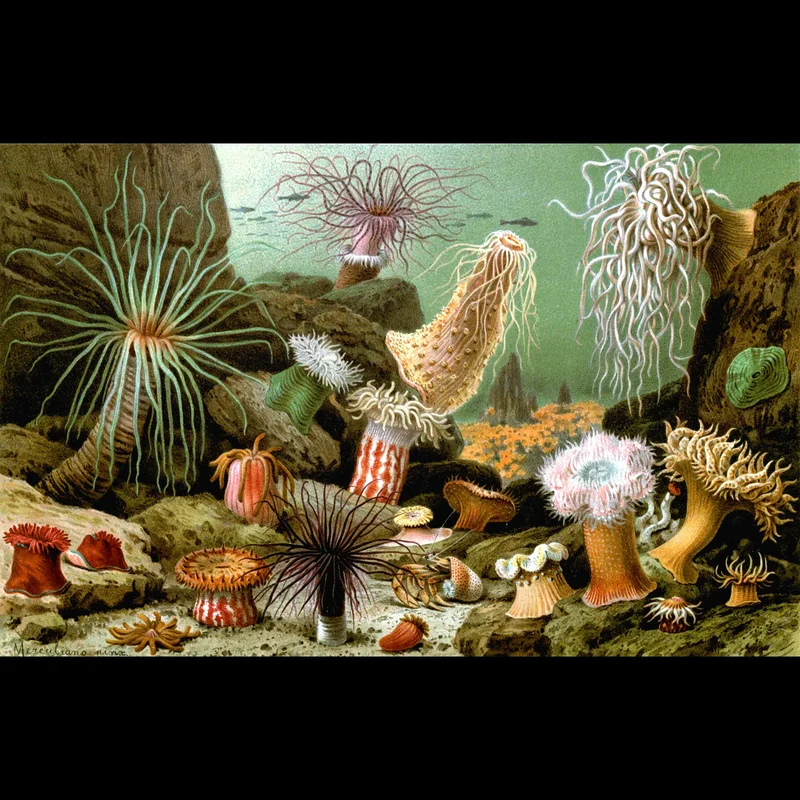
While specific marine life observations for La Isla Seca aren't consistently reported, divers exploring Chile's central coast often encounter species typical of temperate Pacific waters. On the vertical walls, you might initially notice a variety of encrusting sponges and colorful anemones.
Divers frequently observe schools of fish indigenous to the Chilean coastline, navigating the kelp forests that often fringe these rock formations. Depending on the season and prevailing conditions, larger marine mammals like sea lions or various seabirds may also be seen in the vicinity, adding to the overall experience.

Dive Sites Near La Isla
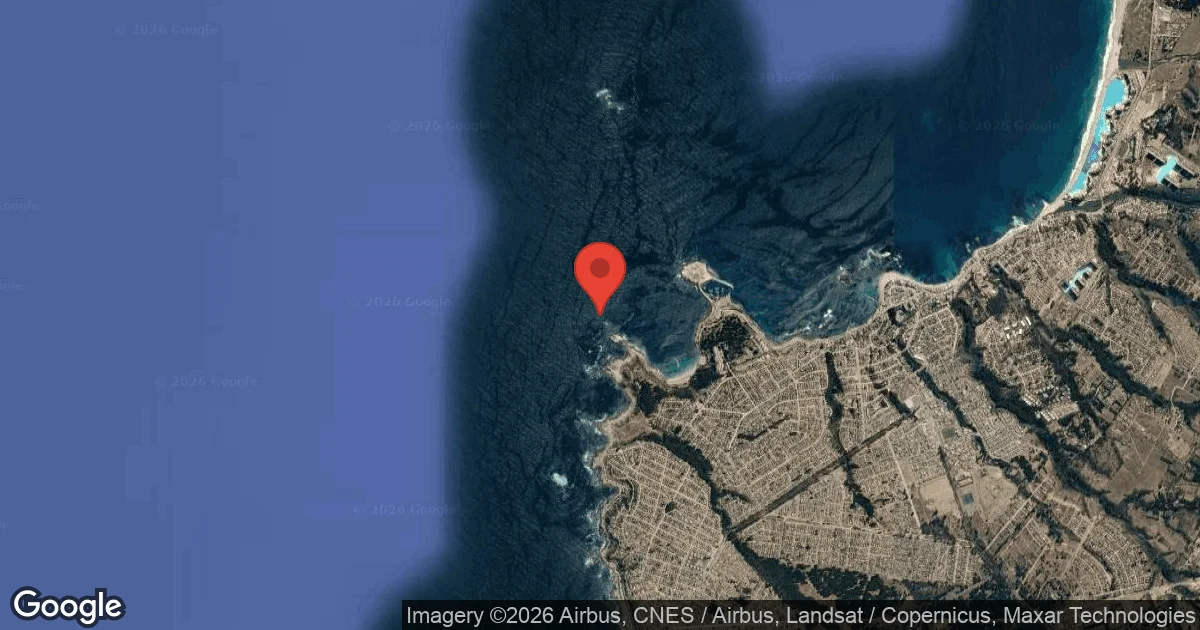
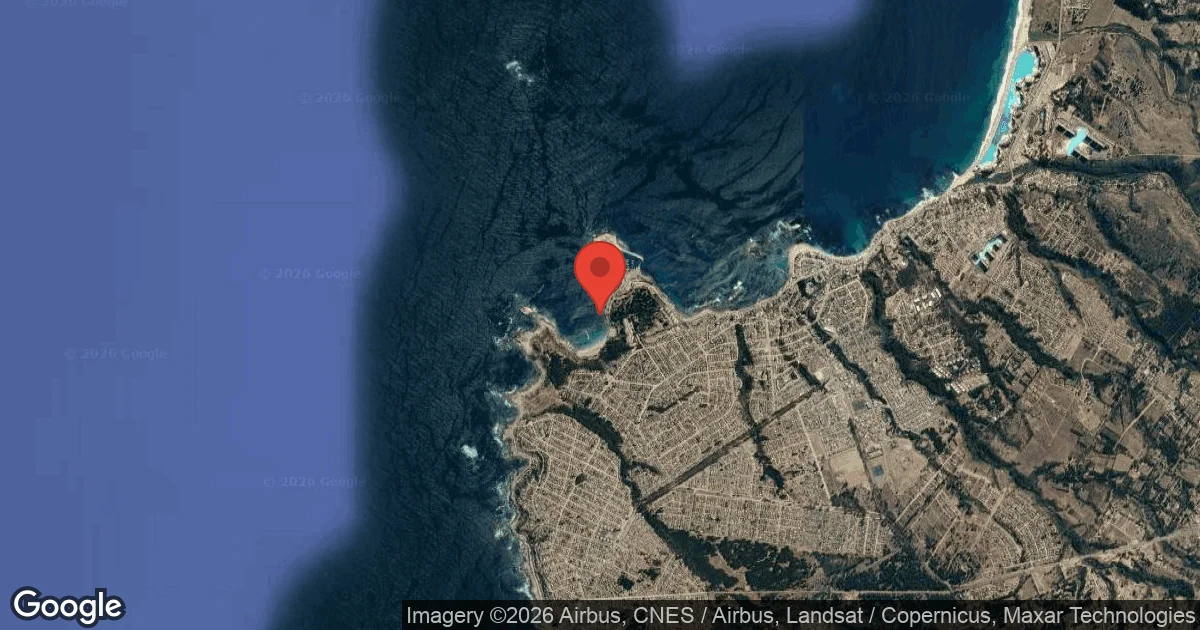
View all dive sites in ChileDiscover more underwater gems in this area.
Dive Centers Near La Isla
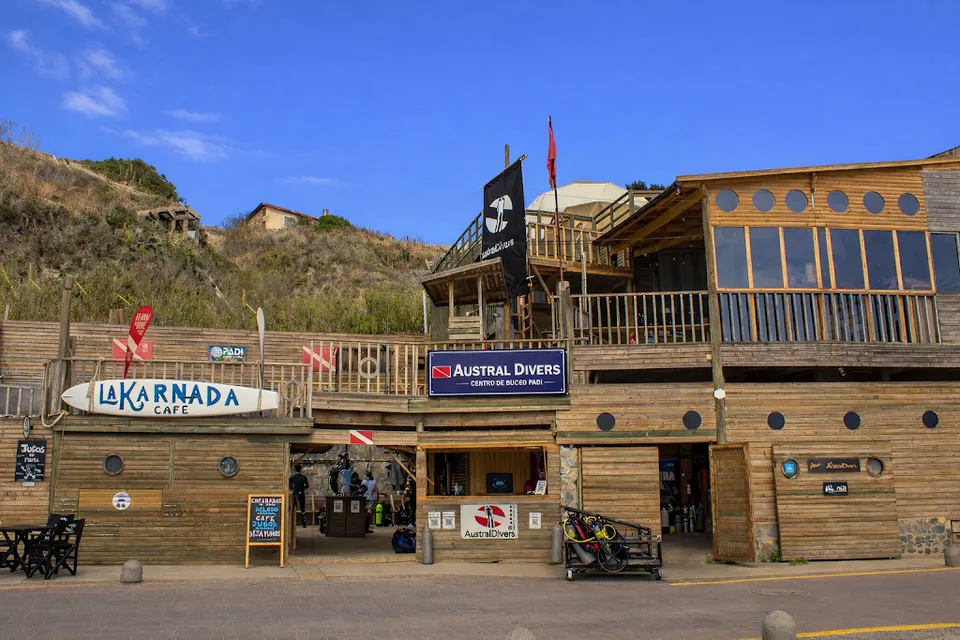
Today: 09:00 - 18:00
Nearest Airports
Nearest airports to help plan travel to this dive area.
Search Flights
Check available flights and routes on Expedia, using the nearby airports listed in this section.
Search Flights on ExpediaFrequently Asked Questions
What is the maximum depth at La Isla Seca?
La Isla Seca offers diving to a maximum depth of 20 m (65.6 ft). This depth range makes it suitable for most recreational divers with appropriate certification.
What is the access method for diving La Isla Seca?
Access to La Isla Seca is exclusively by boat. Divers typically arrange transport with local dive operators from nearby coastal towns in the Zapallar region.
What is the recommended diver skill level for La Isla Seca?
This site is rated for intermediate divers. It requires a good understanding of buoyancy control and the ability to manage potentially dynamic conditions, such as currents, that can occur in exposed coastal areas.
When is the best time to dive La Isla Seca?
The most favorable diving conditions typically occur during the Chilean summer, from December to March. Air temperatures are warmer, and there is less rainfall, which generally contributes to more comfortable surface conditions and smoother boat rides, even though water temperatures are not consistently reported.
What can I expect regarding underwater visibility?
Underwater visibility at La Isla Seca is not consistently reported. As with many coastal sites, it can vary significantly based on local weather, currents, and seasonal upwellings. Local dive operators will have the most current information.
What kind of marine life might I see?
Although specific data for La Isla Seca is limited, divers on Chile's temperate coast often encounter a range of rock fish, various sponges, and anemones on vertical walls. Kelp forests are common in the region, which provide habitat for many smaller invertebrates.
Planning to dive La Isla?
Send one inquiry and receive offers directly from the best verified local dive operators.
Conditions are Moderate
Optimal conditions expected
Current conditions near La Isla show 20° air, 15° sea temperature, 1.5 m waves, and 33 km/h wind. Forecast data is refreshed regularly to ensure accuracy.