
Diving at Pichidangui (Chile)
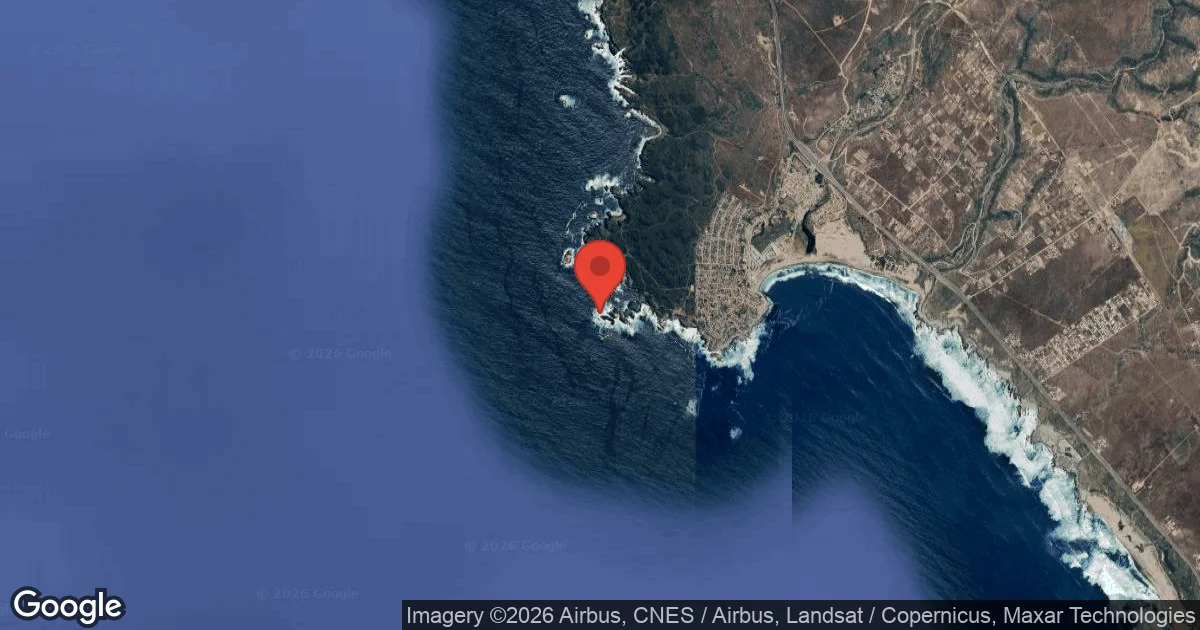
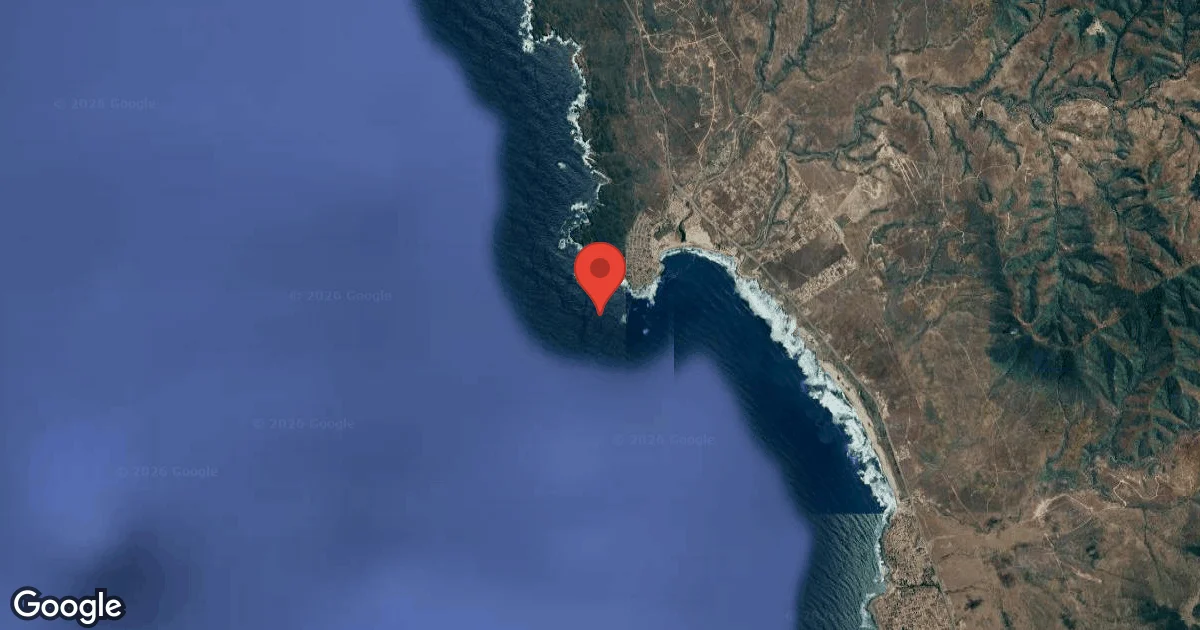
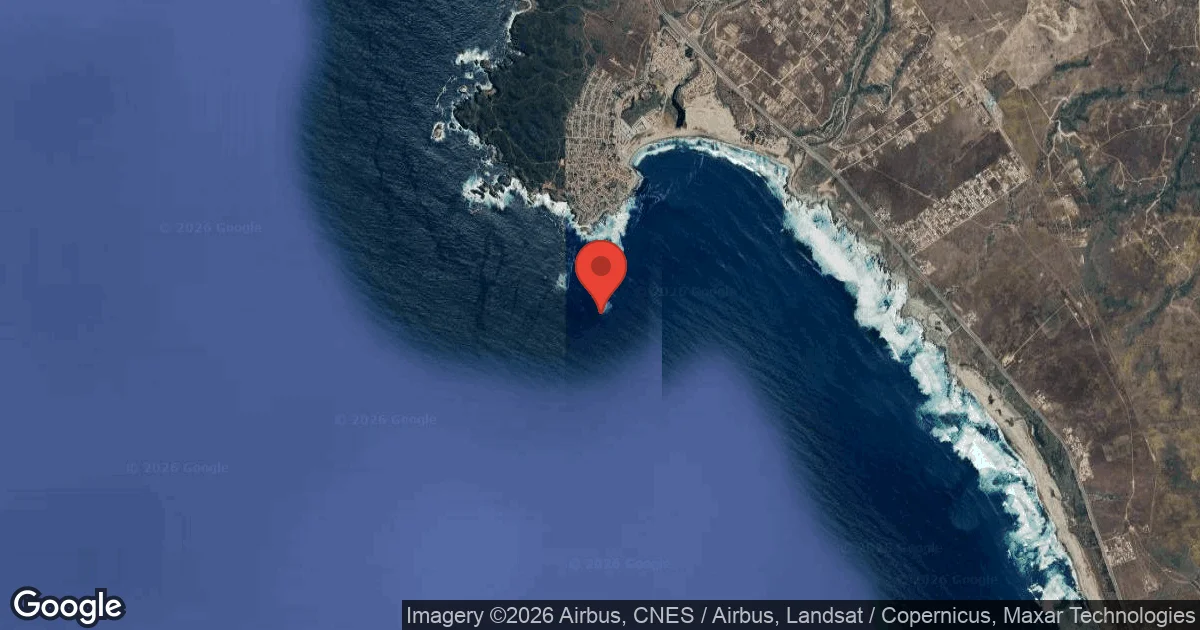
Pichidangui has steadily developed as a dive hub on Chile's South Pacific coast. Currently, a range of dive experiences awaits, with at least three listed sites and local operators reporting access to over 15. Diving here caters to diverse skill levels, from introductory sessions to advanced explorations, supported by multiple PADI dive centers. Establishing itself as a flexible base for Chilean diving, it accommodates varied underwater interests.
As evening covers Pichidangui, the local air temperature is measured at 13.5°C. The current wave height at the surface is recorded at 1.3 m. These late-day readings characterize the surface conditions for the night.
Dive Site Location & Key Facts
Dive Site Overview
Diving in Pichidangui unfolds along a coastline where dynamic Pacific conditions shape its varied underwater landscapes. Historically, Chile's Central Coast diving has been characterized by cooler waters and diverse benthic environments, a trend this region robustly continues.
Dive sites generally present a compelling mix: from straightforward beach entries suitable for training, to accessible reefs rich in macro life, and more challenging advanced wall dives that drop into deeper oceanic zones. While specific maximum depths for all 15+ reported sites are not consistently available, local operators frequently indicate possibilities for deeper explorations, often reaching depths suitable for Advanced Open Water certifications and beyond. Underwater exploration commonly reveals sandy bottoms interspersed with dramatic rocky structures and kelp forests, reflecting the typical Chilean coastal topography and providing shelter for a variety of species.
Surface conditions are notably variable, with average monthly wave heights ranging from approximately 2.1 m (6.9 ft) in February to 2.5 m (8.2 ft) in May. Such ocean behavior influences daily dive planning and site selection.
Anticipate the cooler temperatures characteristic of this Pacific region; robust thermal protection is a practical necessity for comfort and extended bottom times. Numerous potential sites ensure a diverse experience for repeat visitors.
Conditions are Good
Optimal conditions expected
Current conditions near Pichidangui show 13° air, 14° sea temperature, 1.3 m waves, and 27 km/h wind. Forecast data is refreshed regularly to ensure accuracy.
Best Time to Dive
For a more comfortable diving experience, consider planning your trip during the warmer summer months from December to March. During this period, air temperatures are at their highest, averaging between 15°C (59°F) in December and 17°C (63°F) in February, which can make surface intervals more pleasant. Rainfall is also minimal, typically below 0.05 mm (0.002 in) per month, ensuring clearer skies. While the dive score remains consistently moderate throughout the year, these months often provide the most favorable topside conditions. Expect a slight increase in visitor numbers during peak times, making early booking for accommodation and dive services advisable. Shoulder seasons like April and November can also offer a good balance, with decreasing air temperatures but still relatively low rainfall.
PEAK SEASON SCORE
Scores combine air & water temps, waves, wind & rainfall for overall conditions.
BEST MONTHS TO DIVE
Monthly records compiled from satellite and marine observation nodes over the last 3 years. Data provided by Open-Meteo and MET Norway.
Dive Experience & Conditions
Entering the water at Pichidangui often involves boat departures for ocean dives, though some beach entry points are available depending on the chosen site. Underwater, divers can expect a diverse topography that includes sandy plains, extensive reefs, and dramatic wall formations. Wave heights can be a factor, ranging from average monthly values of 2.1 m (6.9 ft) to 2.5 m (8.2 ft); therefore, surface conditions may influence site selection on any given day. While specific water temperatures aren't consistently reported in system data, this region of Chile is typically characterized by cool Pacific waters, suggesting the need for appropriate thermal protection. Visibility varies depending on local currents and upwelling events. Expect a marine environment rich with macro life and colder water species.
Dive Difficulty & Safety Guidelines
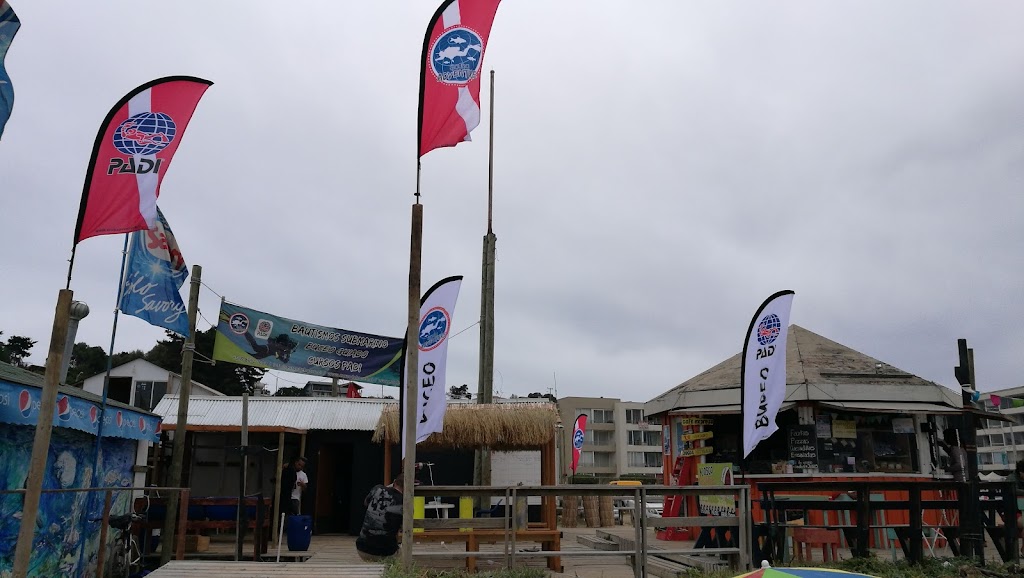
Divers approaching Pichidangui should ensure their certification is current and always seek local guidance for specific site conditions. With no specific hazards consistently reported in the database, general safe diving practices remain paramount. Local dive centers like Buceo Mantra and ODC Dive Center provide PADI-certified instruction for all levels, emphasizing a safe and personalized approach.
Operators also offer equipment rental, air fills, and dive boats, facilitating prepared and supported dives. Always dive within your training limits and be aware of changing ocean conditions, which can influence wave action and currents. Consulting with local experts before entering the water is always a prudent step for safety.
Recommended Equipment
- Dive Computer
This gear list is based on verified equipment signals for Pichidangui, Chile. Always confirm final gear choices with your dive operator, guide, or liveaboard.
Recommended Dive Suit
Conditions in the coming days are expected to stay within a similar temperature range.
Factors such as dive duration, depth, and activity level can influence how warm a diver feels underwater. Surface intervals may feel noticeably cooler once you exit the water.
7mm wetsuit or semidry typically balances flexibility and thermal protection in these temperatures. A thermal robe or jacket is recommended between dives. The surrounding waters at Pichidangui are currently registering temperatures of roughly 14°C (58°F). Surface air temperatures are resting at 13°C (56°F).
Due to technical issues with our weather providers, live updates are temporarily delayed. The data above reflects the conditions at the time of the last successful fetch.
Emergency & Medical Support
Essential information to help you plan your dive trip to Pichidangui.

Hyperbaric chambers are a critical part of dive safety infrastructure. Availability varies significantly by region, and not all dive areas have immediate access.
Before diving, it's recommended to:
- confirm nearest medical facilities
- check emergency procedures with local dive operators
- ensure dive insurance covers evacuation if required
Divers Alert Network
Diving emergency assistance available through DAN World.
+1-919-684-9111- 24/7 emergency hotline
- Diving medical assistance
- Evacuation coordination
Emergency contacts are provided for reference. Always verify local emergency services before diving.
Marine Life at Pichidangui
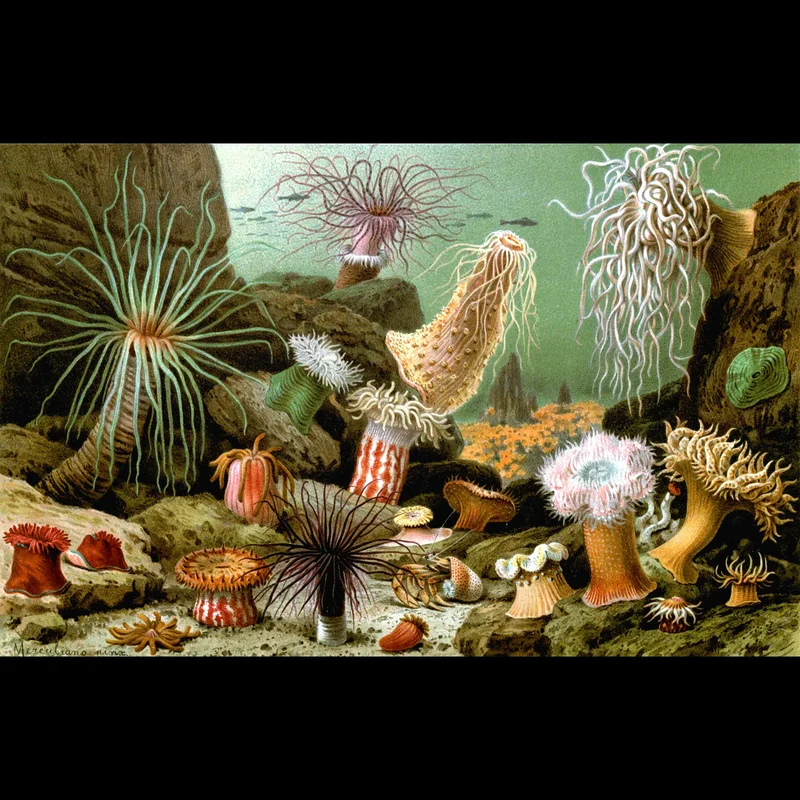
Exploring the underwater environment around Pichidangui, divers will likely first notice the resilient marine communities adapted to temperate Pacific conditions. While specific species aren't consistently detailed in available data, typical cold-water ecosystems often feature various invertebrates such as colorful anemones, sea stars, and mollusks clinging to rocky reefs.
Fish life tends to be less vibrant than tropical regions but includes species like rockfish, blennies, and possibly some larger schooling fish in the open ocean sections. Dive sites support a robust ecosystem, providing habitats for a range of smaller creatures and larger benthic dwellers.

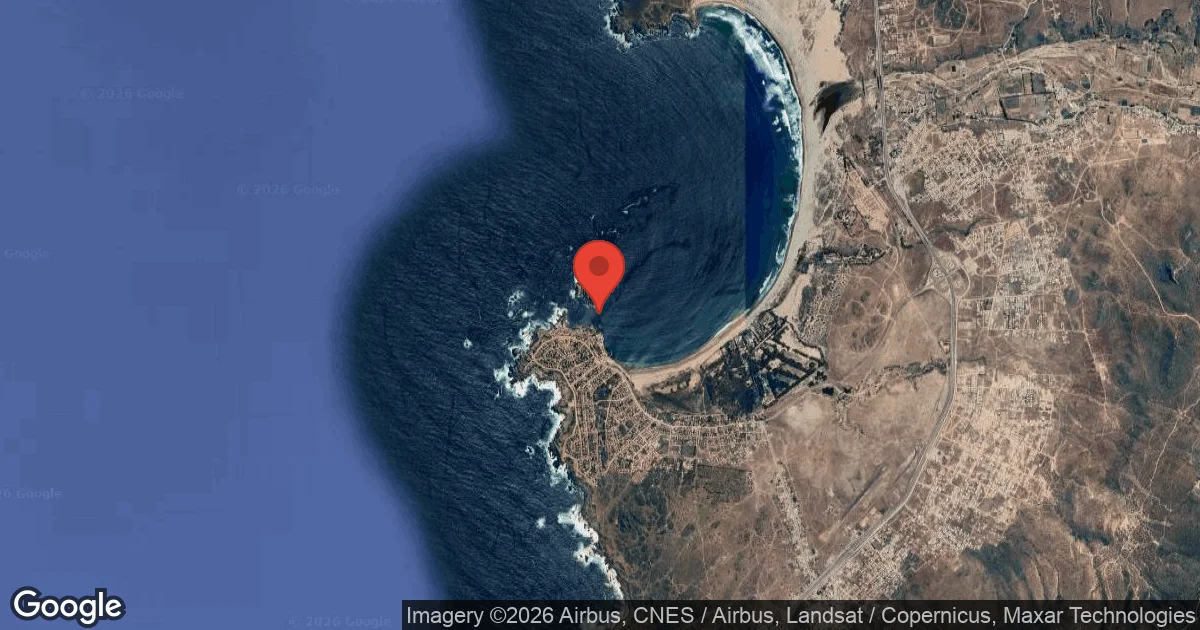
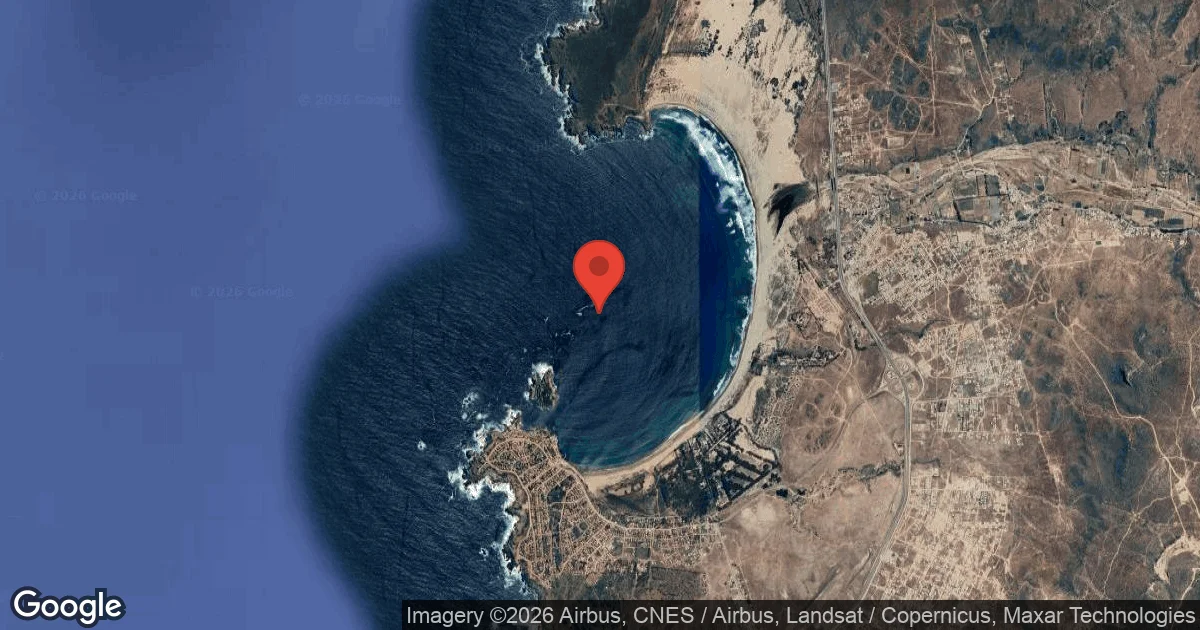
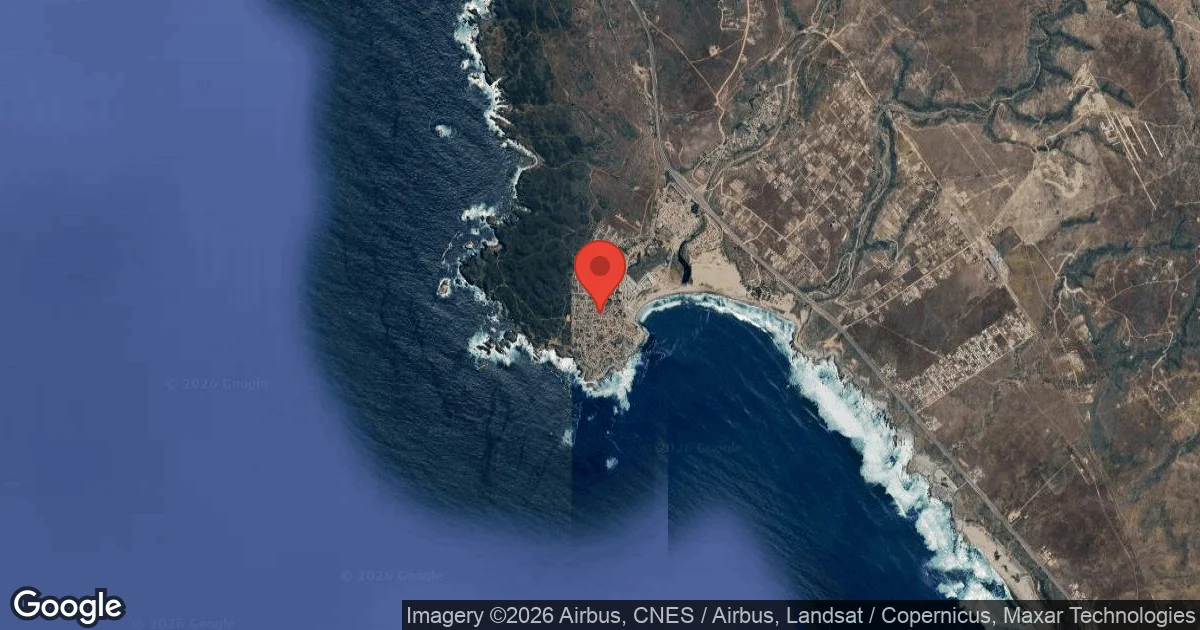
Dive Sites Near Pichidangui
View all dive sites in ChileDiscover more underwater gems in this area.
Dive Centers Near Pichidangui
Nearest Airports
Nearest airports to help plan travel to this dive area.
Search Flights
Check available flights and routes on Expedia, using the nearby airports listed in this section.
Search Flights on ExpediaFrequently Asked Questions
What skill level is required for diving in Pichidangui?
Pichidangui caters to all skill levels, from beginners trying their first breath underwater to advanced divers seeking deeper explorations. Local dive centers offer introductory experiences, certified courses, and guided dives tailored to various proficiencies.
What are the typical water temperatures?
While specific water temperature data isn't consistently available in system data, the Chilean Pacific coast is known for its cool waters. Divers should anticipate brisk conditions and plan for appropriate thermal protection, such as a 7mm wetsuit.
Are there dive centers offering PADI courses?
Yes, dive centers like Buceo Mantra and ODC Dive Center are PADI-certified and offer a range of courses. They provide instruction from entry-level Scuba Diver certifications to advanced specialties.
Is dive equipment available for rent?
Absolutely. Local dive shops in Pichidangui offer comprehensive equipment rental services. This includes essentials like BCDs, regulators, wetsuits (often 7mm), masks, fins, and dive computers.
What types of dive sites can be found?
The area features a variety of dive sites, including ocean dives, sandy bottom areas, and impressive wall dives. Operators suggest there are over 15 distinct sites to explore, catering to different interests and skill levels.
What languages do dive operators speak?
Dive operators in Pichidangui typically offer services in both Spanish and English. This ensures clear communication and comfortable instruction for a wider range of international divers.
Is accommodation available near the dive centers?
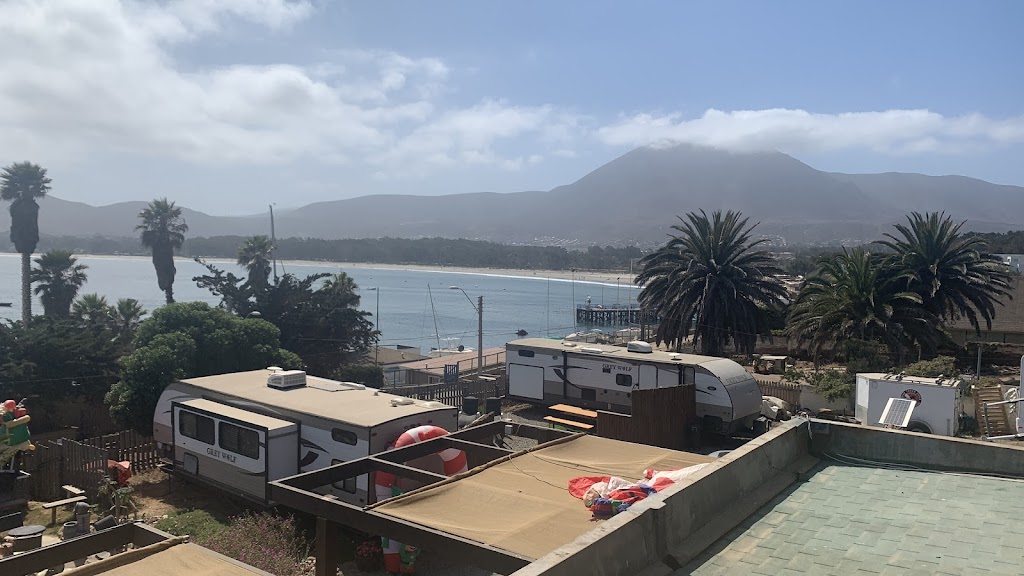
Yes, some dive centers, like ODC Dive Center, offer comfortable lodging options just steps from the beach. This provides convenient access for divers looking to stay close to their diving activities.
Planning to dive Pichidangui?
Send one inquiry and receive offers directly from the best verified local dive operators.
Conditions are Good
Optimal conditions expected
Current conditions near Pichidangui show 13° air, 14° sea temperature, 1.3 m waves, and 27 km/h wind. Forecast data is refreshed regularly to ensure accuracy.