
Diving at Granate (Colombia)
Granate offers notably protected conditions within Tayrona National Park's first bay, making it highly accessible for a range of divers. Situated along Colombia's Caribbean coast, this site is well-sheltered from prevailing trade winds. It provides a welcoming environment, particularly for those new to diving, with mild currents and absent surge, allowing for relaxed underwater exploration. This natural buffer contributes to a consistently enjoyable dive experience.
Evening condition tracking at Granate features an air temperature of 28°C. We have recorded wave heights measuring 1.1 m during this period. These figures outline the environmental parameters currently present.
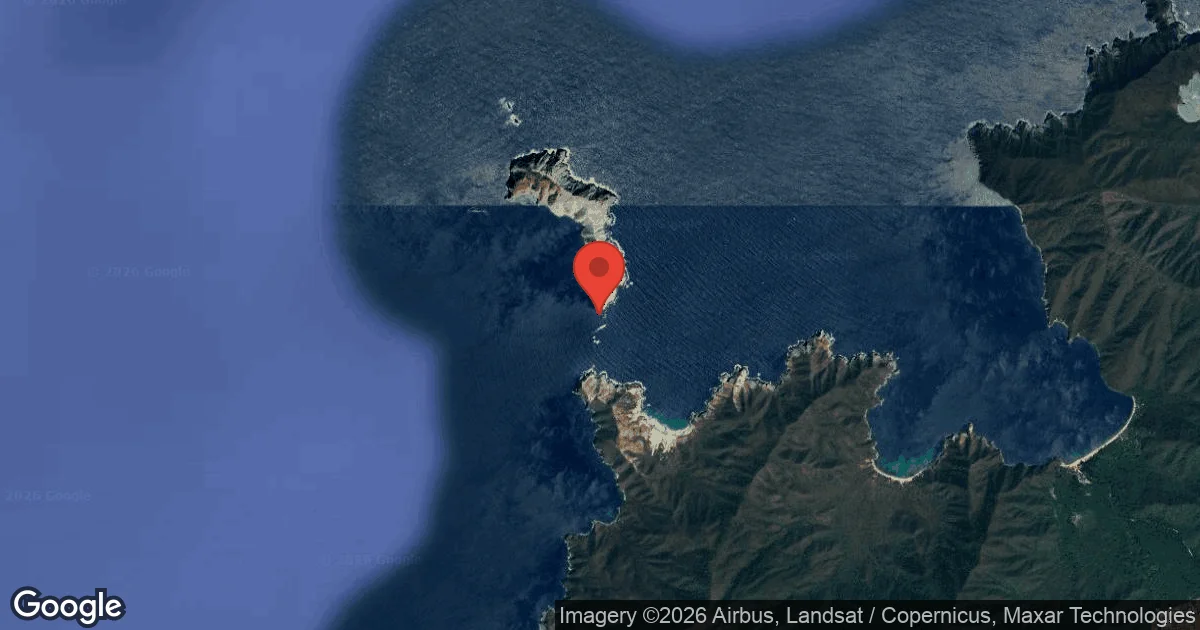
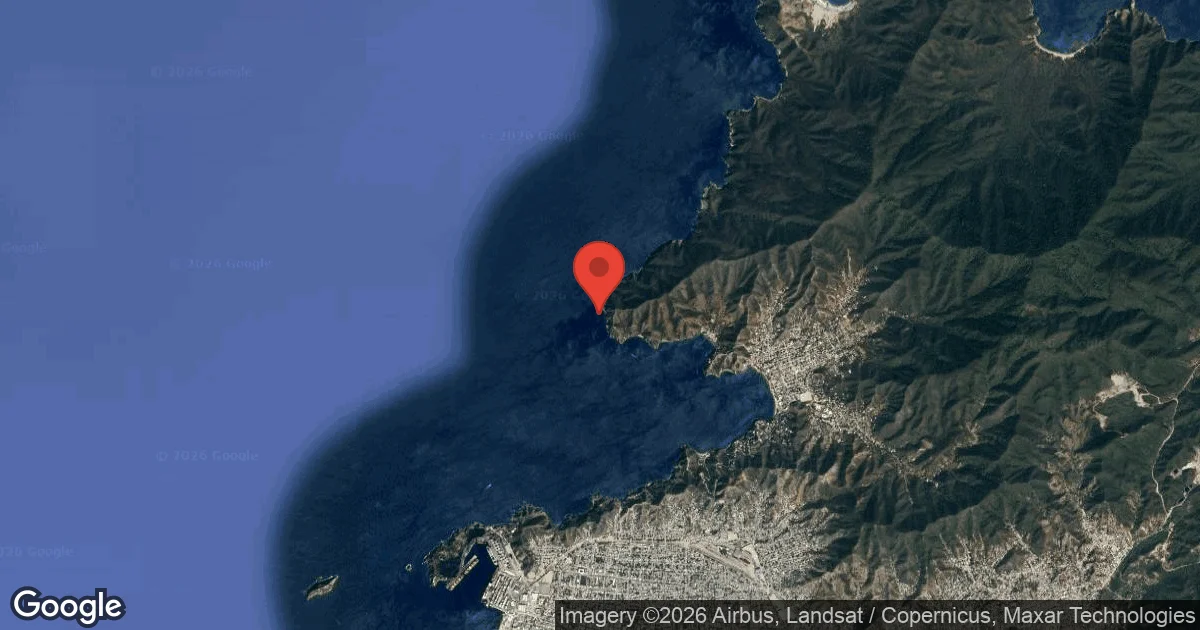
Dive Site Location & Key Facts
Dive Site Overview
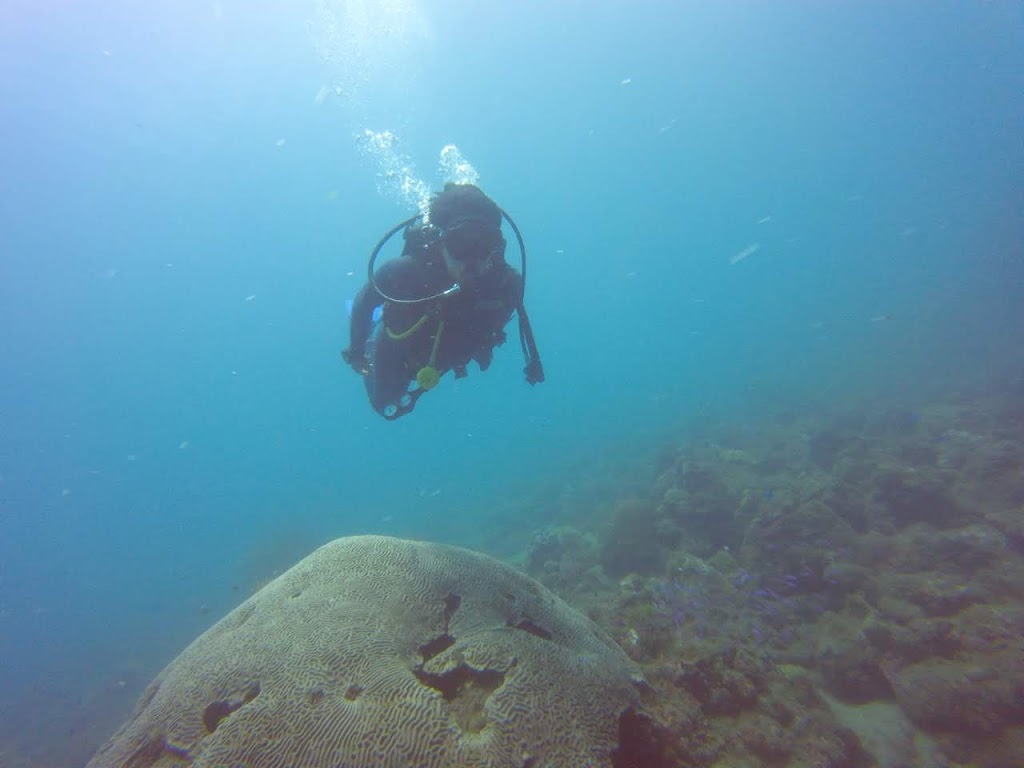
Divers approaching Granate will discover a fascinating shift in topography, beginning with an expansive shallow sandy bottom that gradually transitions into vibrant coral patches. These coral formations emerge like small oases within the sand, attracting a diverse array of marine species.
Further into the site, the Cantil de Granate offers a distinct wall dive experience, where projections from the Sierra Nevada descend into the sea. This wall is densely colonized by marine life, descending to depths around 20 m (66 ft), showcasing how various species thrive in these conditions. Beyond the wall, a well-developed fringing reef extends, revealing intricate interactions among its inhabitants.
Overall, Granate provides a dive profile reaching a maximum depth of 30 m (100 ft), with visibility typically ranging from 10 to 20 m (33 to 66 ft) and water temperatures between 24-30°C (75-86°F), making it suitable for both novice and certified divers exploring the Caribbean underwater landscape.
Conditions are Moderate
Optimal conditions expected
Current conditions near Granate show 28° air, 29° sea temperature, 1.0 m waves, and 35 km/h wind. Forecast data is refreshed regularly to ensure accuracy.
Best Time to Dive
Optimal diving at Granate generally falls between December and April, aligning with periods often rated as 'Good' in terms of dive scores. During these months, the average air temperature remains comfortable, hovering around 27.5-28.5°C (82-83°F). Rainfall is notably low, with March showing minimal precipitation at just 0.07 mm, contributing to clearer surface conditions. Although wind speeds average 27-31 km/h (17-19 mph), Granate's bay offers protection from the trade winds, which helps mitigate surface chop. Wave heights during this period are moderate, typically around 1.3 to 1.5 m (4.3 to 4.9 ft). While January and February show slightly lower dive scores, the overall conditions from December through April present a favorable window for exploring Granate's underwater features.
PEAK SEASON SCORE
Scores combine air & water temps, waves, wind & rainfall for overall conditions.
BEST MONTHS TO DIVE
Monthly records compiled from satellite and marine observation nodes over the last 3 years. Data provided by Open-Meteo and MET Norway.
Dive Experience & Conditions
Upon descending at Granate, divers first encounter a sprawling shallow sandy bottom, which is a predominant feature in the initial sections of the dive. Progressing deeper, the landscape transforms into a series of scattered coral patches, vibrant with life and serving as focal points for marine activity. The maximum depth for recreational diving at this site is around 30 m (100 ft). Water temperatures are consistently warm, ranging from 24-30°C (75-86°F) depending on the season, ensuring comfortable dives without significant thermal shifts. Visibility is generally good, often between 10 and 20 m (33 and 66 ft), allowing for clear views of the underwater structures. Currents are typically mild, and there's no reported surge, creating a tranquil environment ideal for observing marine inhabitants.
Dive Difficulty & Safety Guidelines
Given its calm waters and mild currents, Granate is an ideal location for divers of varying skill levels, especially beginners. The absence of significant surge and the site's protected location within Tayrona National Park contribute to a secure diving environment. Divers should always follow local dive operator instructions and adhere to safe diving practices, including monitoring no-decompression limits and ascent rates.
No specific hazards are consistently reported for Granate, reinforcing its reputation as a relatively safe site. Respecting the marine environment by avoiding contact with corals and refraining from disturbing marine life is crucial, particularly within a protected area like Tayrona National Park.
Recommended Equipment
- Dive Computer
This gear list is based on verified equipment signals for Granate, Colombia. Always confirm final gear choices with your dive operator, guide, or liveaboard.
Recommended Dive Suit
For many recreational divers, dive skin or rash guard provides a practical level of insulation in these conditions. Strong winds are present; please take strong precautions against rapid cooling during surface intervals. Divers who tend to get cold easily may prefer slightly thicker exposure protection.
At the moment, divers exploring Granate will likely experience water temperatures near 29°C (85°F). Surface air temperatures are resting at 28°C (83°F).
Current forecasts indicate relatively stable conditions for the coming days.
Due to technical issues with our weather providers, live updates are temporarily delayed. The data above reflects the conditions at the time of the last successful fetch.
Emergency & Medical Support
Essential information to help you plan your dive trip to Granate.

Hyperbaric chambers are a critical part of dive safety infrastructure. Availability varies significantly by region, and not all dive areas have immediate access.
Before diving, it's recommended to:
- confirm nearest medical facilities
- check emergency procedures with local dive operators
- ensure dive insurance covers evacuation if required
Divers Alert Network
Diving emergency assistance available through DAN World.
+1-919-684-9111- 24/7 emergency hotline
- Diving medical assistance
- Evacuation coordination
Emergency contacts are provided for reference. Always verify local emergency services before diving.
Marine Life at Granate
The varied underwater landscape at Granate, from its expansive sandy plains to vibrant coral formations, creates diverse habitats for marine life. In the shallow sandy areas, divers might spot cryptic bottom dwellers.
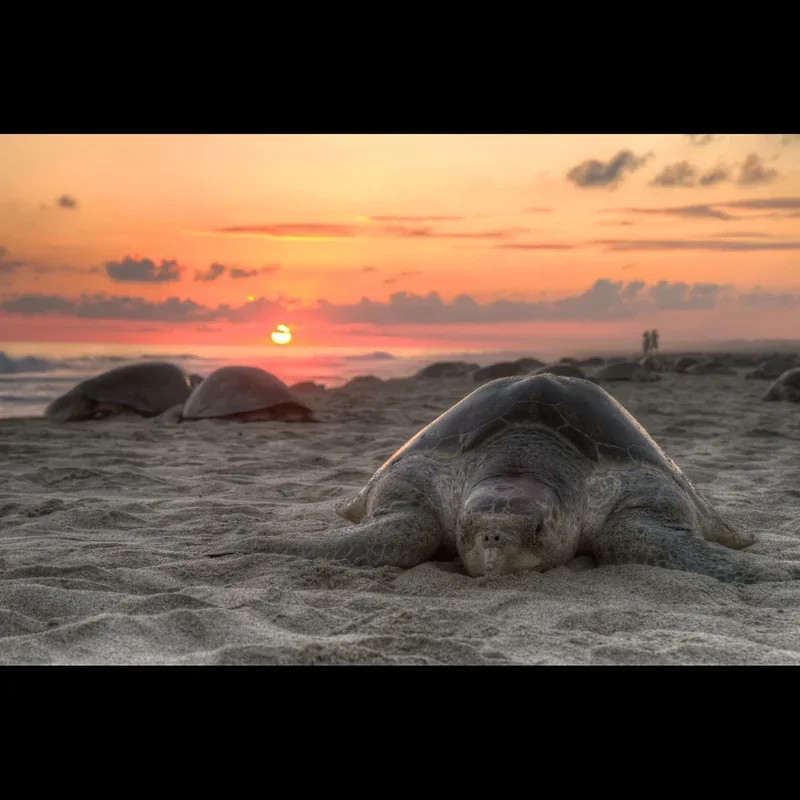
As you approach the coral patches and fringing reefs, a transformation occurs; these areas teem with colorful reef fish. Expect to encounter a wide array of tropical fish species, alongside occasional sightings of larger species such as sea turtles.
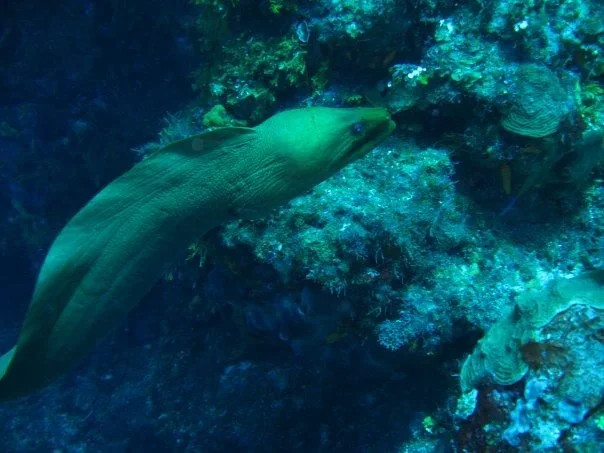
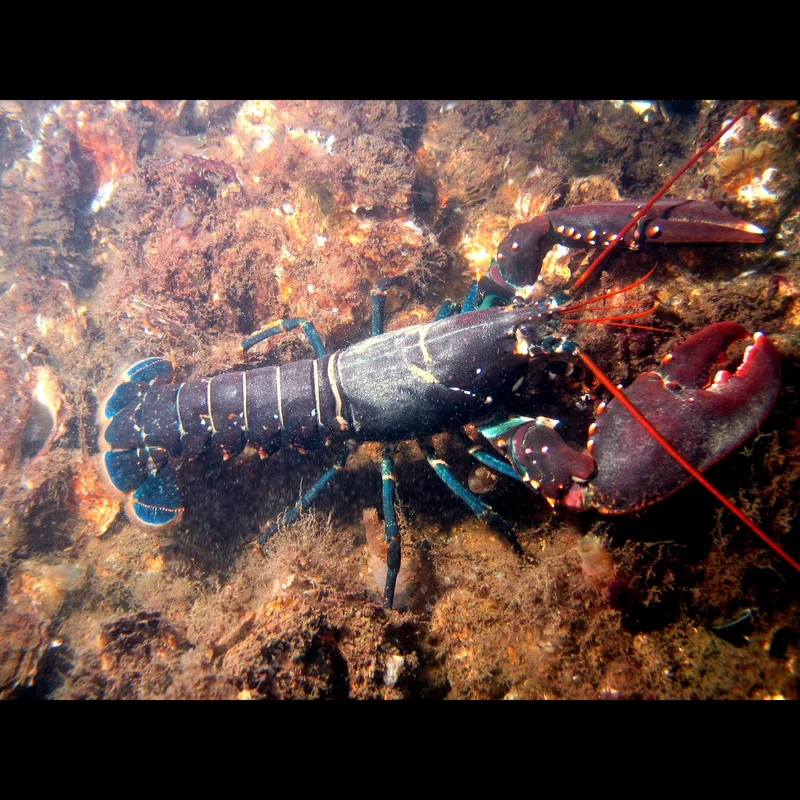
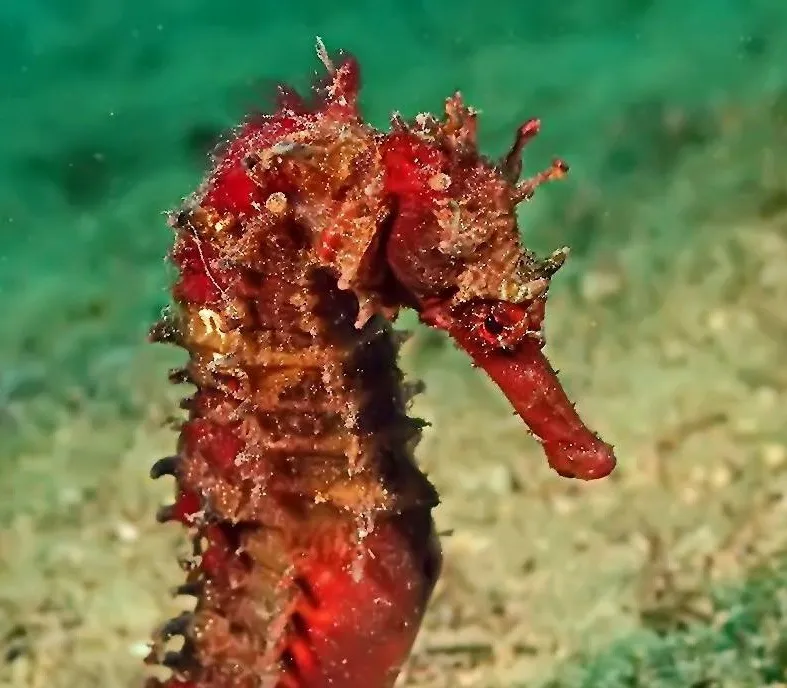
Diverse invertebrates, including lobsters, moray eels, seahorses, octopus, and squid, also make their home within the intricate coral structures, showcasing a healthy and interactive marine ecosystem.

Dive Sites Near Granate
View all dive sites in ColombiaDiscover more underwater gems in this area.
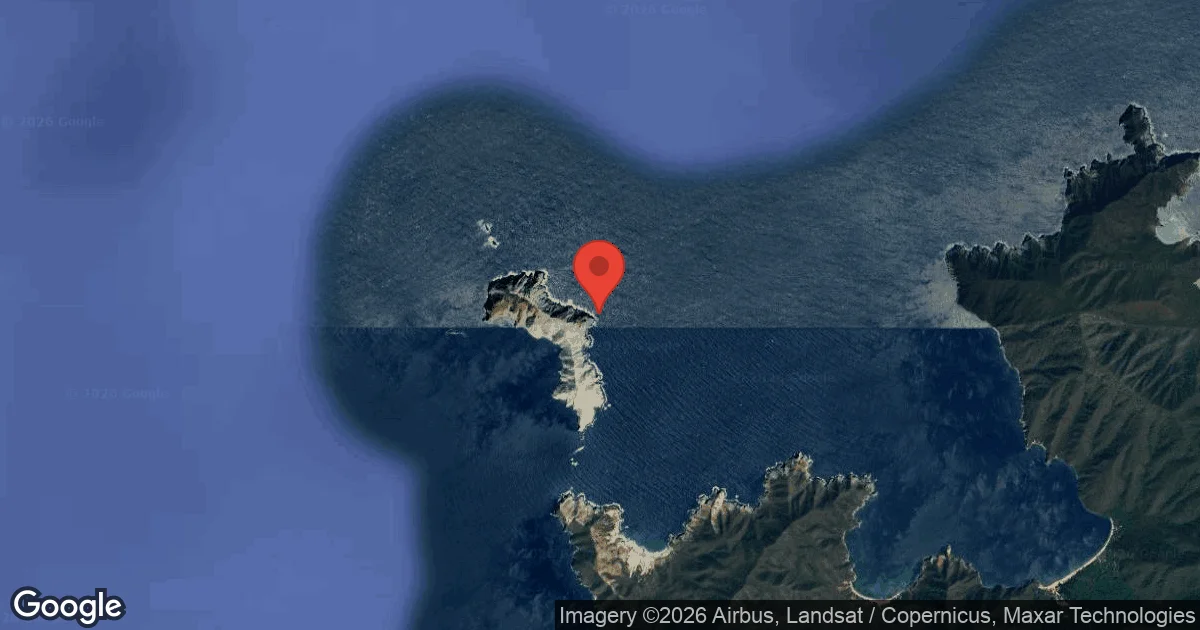
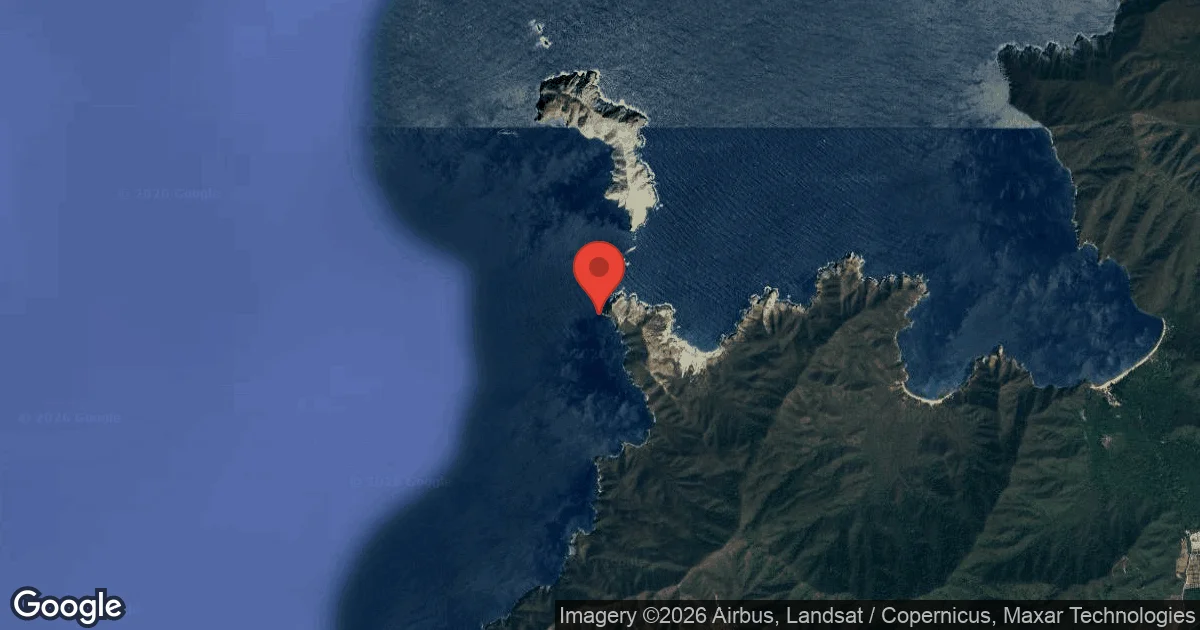
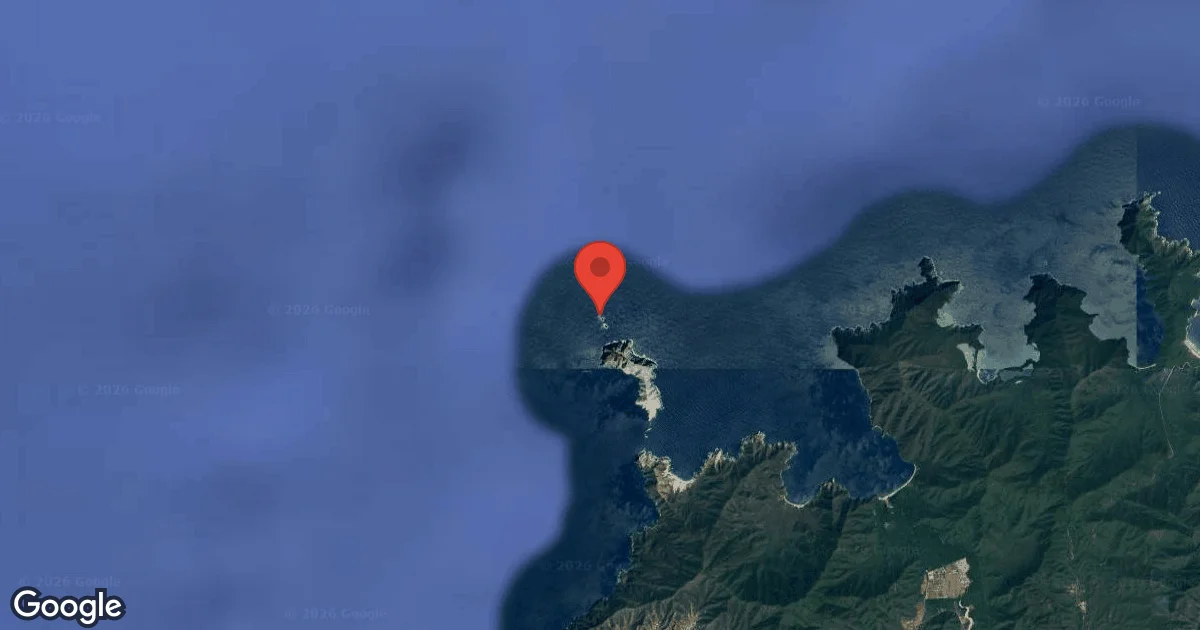
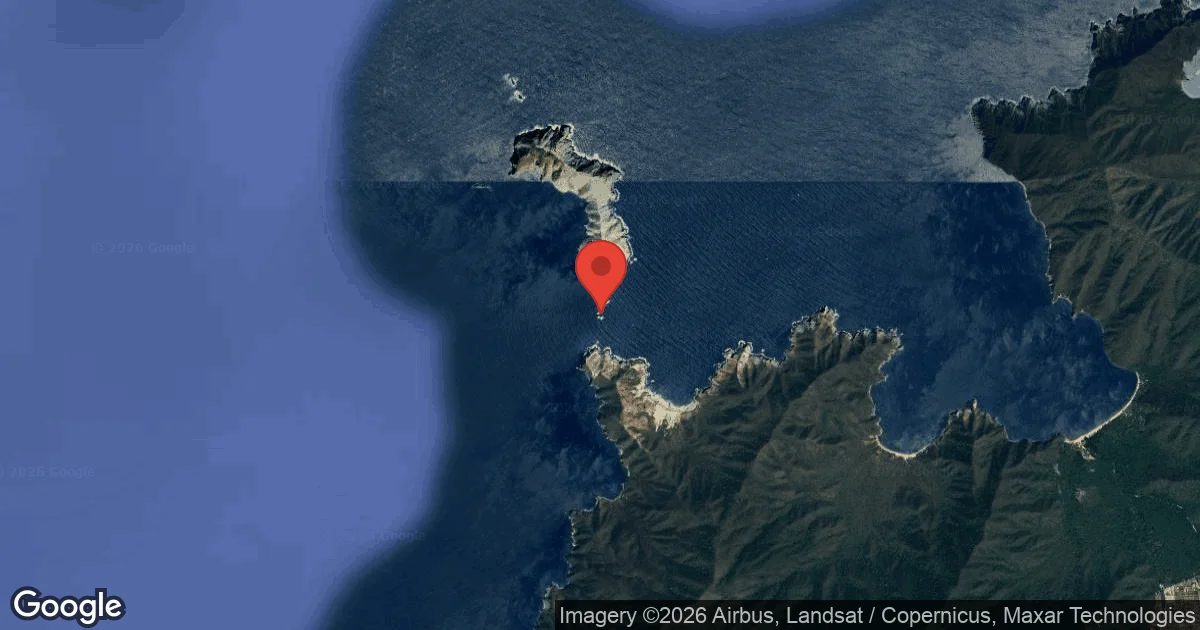
Dive Centers Near Granate
Today: 08:00 - 17:00
Nearest Airports
Nearest airports to help plan travel to this dive area.
Search Flights
Check available flights and routes on Expedia, using the nearby airports listed in this section.
Search Flights on ExpediaFrequently Asked Questions
Is Granate suitable for beginner divers?
Yes, Granate is considered an excellent site for beginner divers. Its protected location within Tayrona National Park means it's sheltered from trade winds, resulting in calm waters and mild conditions. This allows new divers to focus on skills and enjoyment without battling strong currents or surge.
What is the typical depth range for diving at Granate?
Granate offers a recreational depth range suitable for various certification levels. Initially, the site features shallow sandy bottoms, gradually transitioning to coral formations. Maximum dive depth typically reaches 30 m (100 ft), encompassing areas like the Cantil de Granate wall section.
What are the common underwater features at Granate?
Diving at Granate reveals a diverse underwater landscape. You'll encounter extensive shallow sandy bottoms, interspersed with numerous coral patches that act as vibrant marine oases. The site also features fringing reefs and a wall dive component known as Cantil de Granate, offering varied exploration.
What kind of marine life can be seen?
Granate is home to a rich array of Caribbean marine life. Divers frequently observe colorful reef fish, various invertebrates like lobsters, moray eels, seahorses, octopus, and squid. Occasional sightings of larger species such as sea turtles have also been reported.
What are the water conditions like?
Water conditions at Granate are generally favorable, characterized by warm temperatures ranging from 24-30°C (75-86°F). Visibility typically ranges from 10 to 20 m (33 and 66 ft). Currents are usually mild, and the site does not experience significant surge, providing a comfortable dive environment.
Are permits required to dive at Granate?
Specific dive permits aren't typically required for individual divers at Granate. Being within Tayrona National Park, however, means standard park entry fees and regulations may apply. Confirm any park-specific requirements with your local dive operator.
What is the best time of year to dive at Granate?
The optimal time to dive at Granate is typically between December and April. During these months, conditions are generally rated as good, with comfortable air temperatures and minimal rainfall. Stable and pleasant diving conditions are common for visitors during this window.
Planning to dive Granate?
Send one inquiry and receive offers directly from the best verified local dive operators.
Conditions are Moderate
Optimal conditions expected
Current conditions near Granate show 28° air, 29° sea temperature, 1.0 m waves, and 35 km/h wind. Forecast data is refreshed regularly to ensure accuracy.