
Diving at Sharks Cave (Costa Rica)
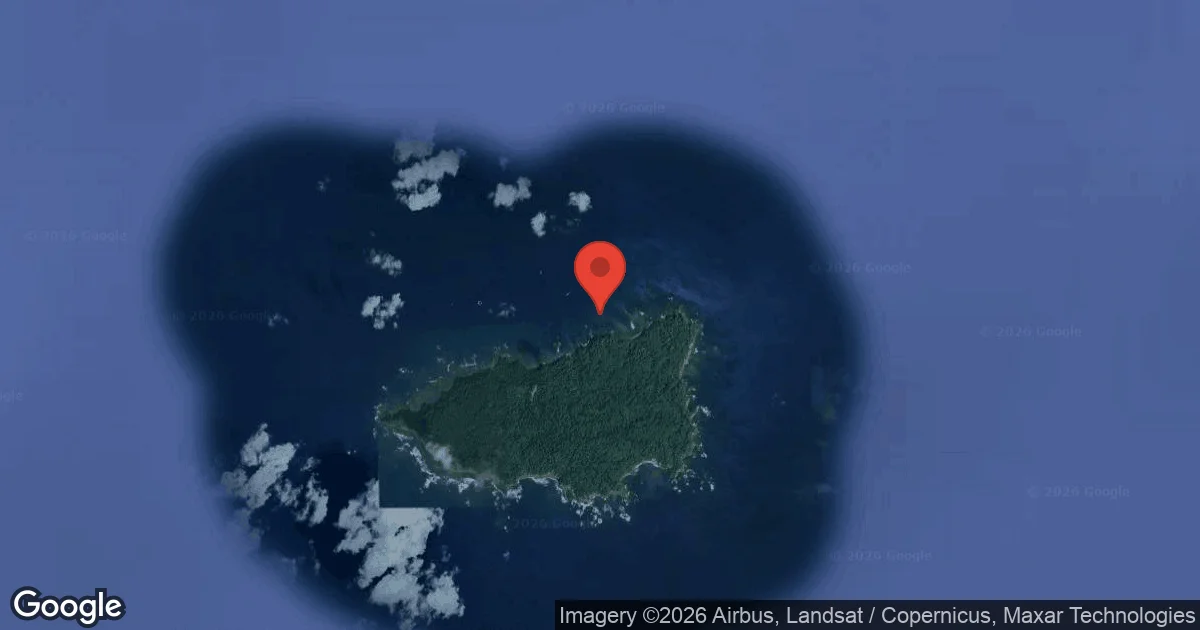
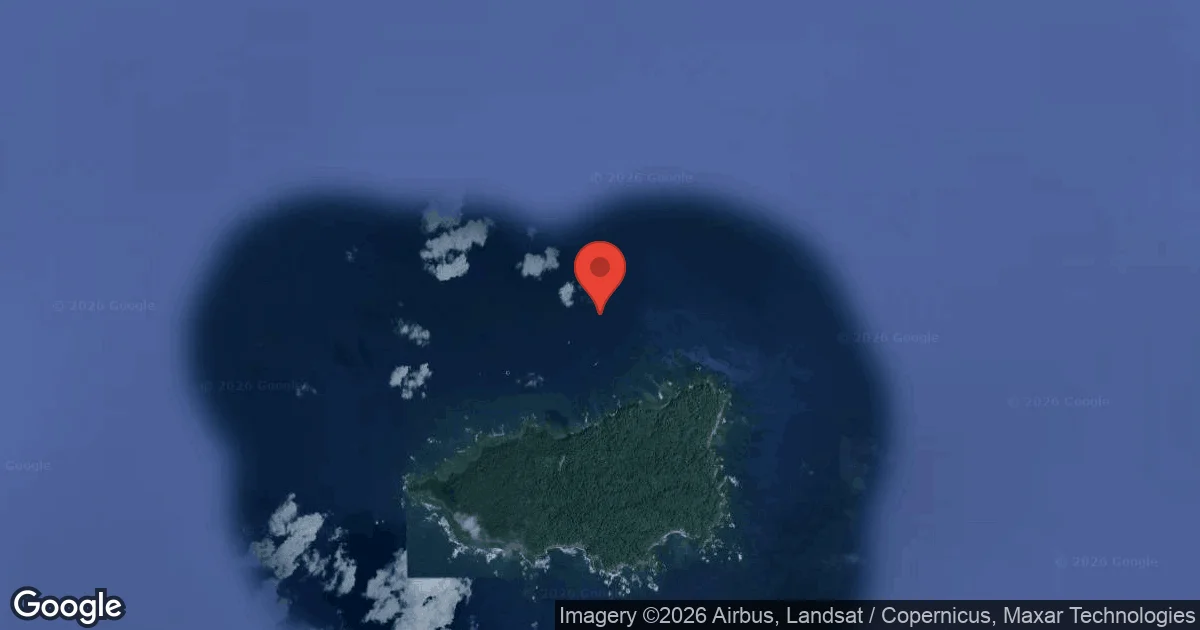
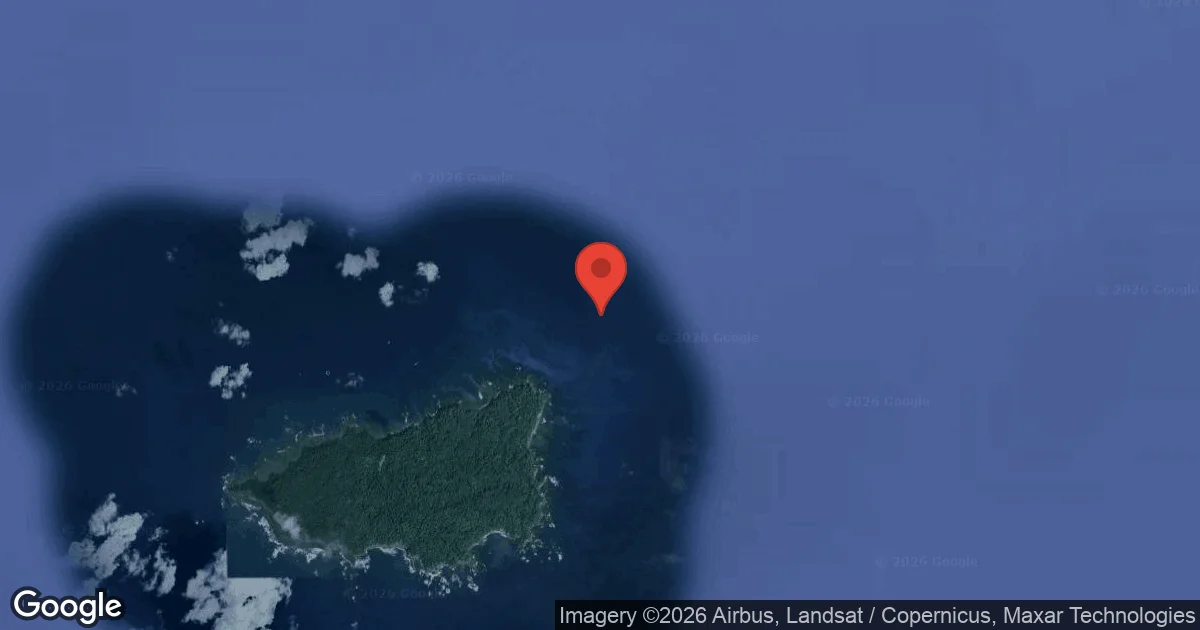
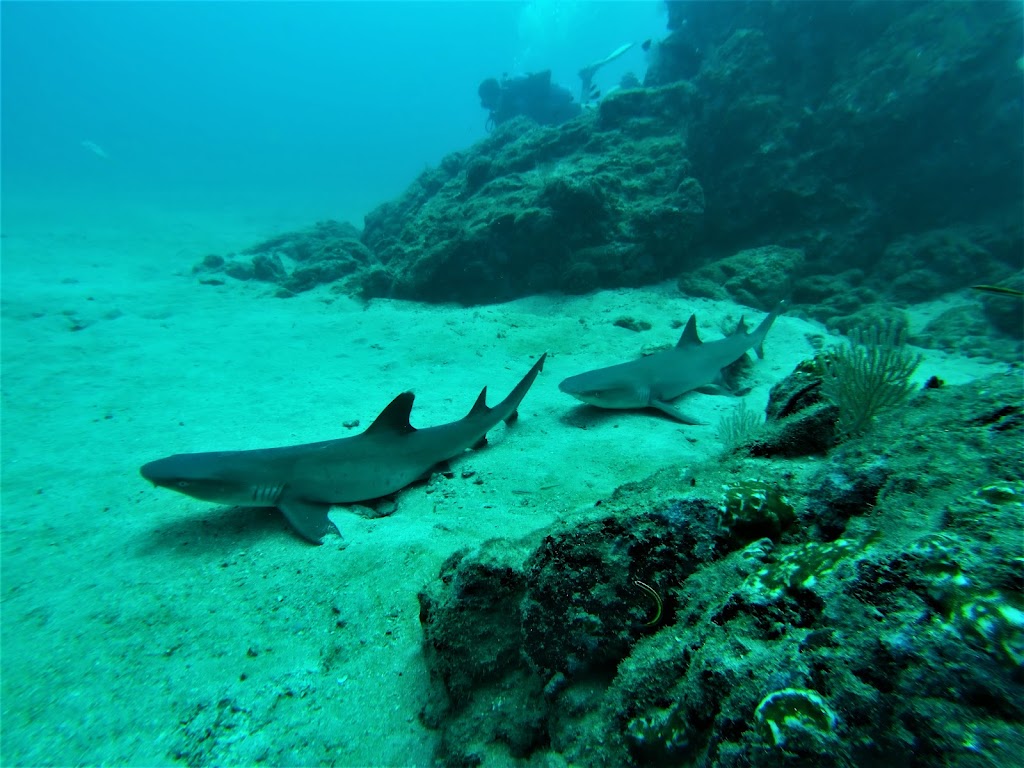
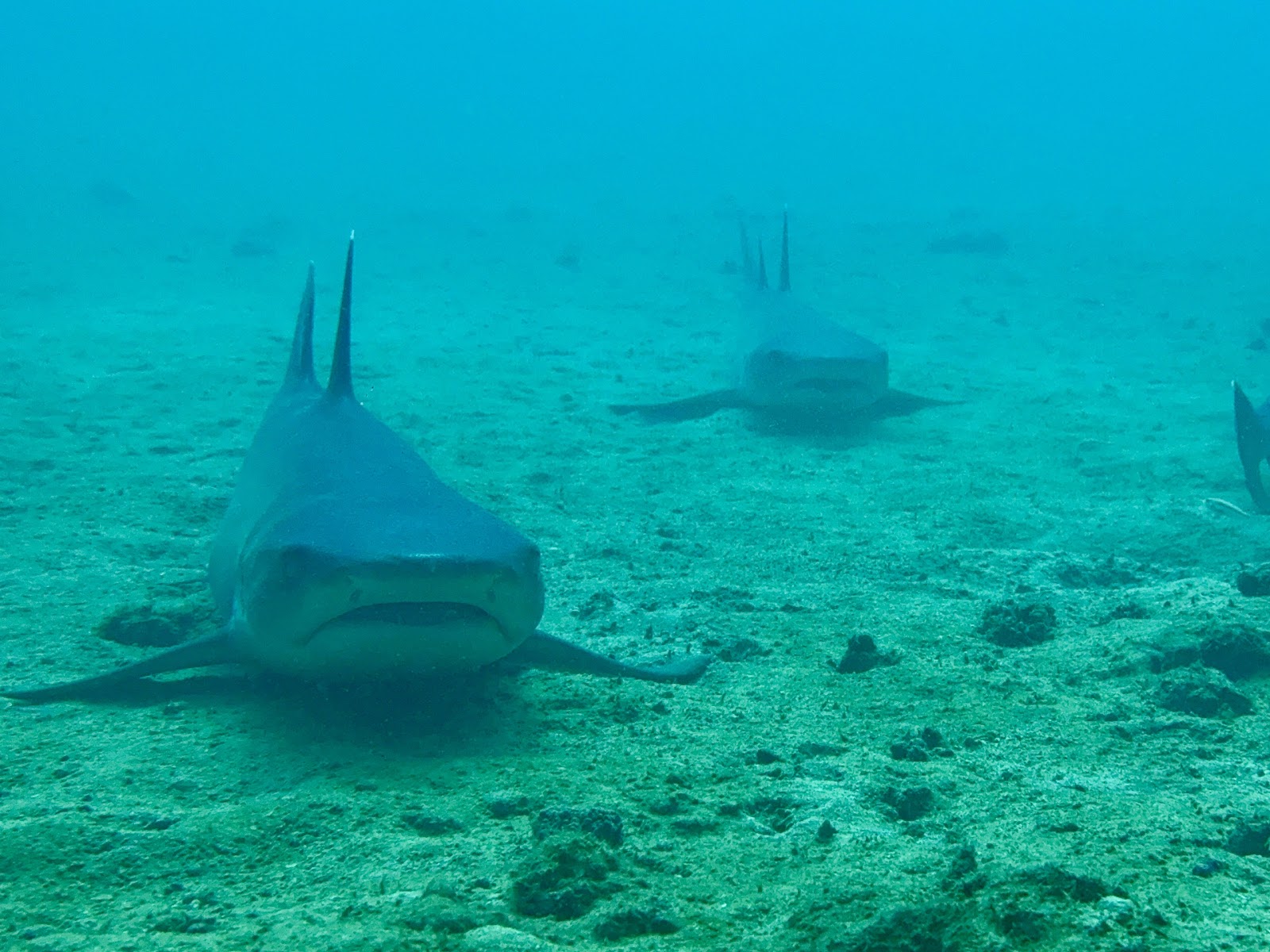
Descending into Sharks Cave immediately places divers amidst its unique marine activity. This site, located off Isla del Caño, frequently reveals white-tip reef sharks resting on the sandy bottom near its titular cave. The experience offers close observations of these predators in a compact, dynamic setting, making each visit an engaging encounter.
As evening covers Sharks Cave, the local air temperature is measured at 29°C. The current wave height at the surface is recorded at 1.2 m. These late-day readings characterize the surface conditions for the night.
Dive Site Location & Key Facts
Dive Site Overview
Sharks Cave, known locally as Cueva del Tiburon, gained its name from the consistent presence of sharks within and around its structure. Positioned close to the shore of Isla del Caño, the site features a distinct sandy reef leading to a small hole in the rocks, which opens up to the main cave system.
While divers approach closely to observe, direct entry into the cave is generally not practiced. The dive depth typically ranges between 10 to 15 meters (30 to 50 feet), allowing for extended bottom times. Proximity to shore means visibility here can fluctuate, sometimes being less than open-ocean sites.
The surrounding rocky outcrops also create habitats for a variety of smaller creatures, enriching the overall exploration of this compact yet active dive area. Observing sand eels making homes within encrusting corals offers a different perspective on the localized ecosystem.
Conditions are Good
Optimal conditions expected
Current conditions near Sharks Cave show 29° air, 30° sea temperature, 1.1 m waves, and 17 km/h wind. Forecast data is refreshed regularly to ensure accuracy.
Best Time to Dive
Planning a dive at Sharks Cave is best during Costa Rica's dry season, which runs from December to May. During these months, divers generally encounter calmer seas, enhancing the overall experience. Air temperatures during this period average around 27-28°C (81-82°F), with minimal rainfall, typically less than 5 mm. While the rainy season from June to November can bring increased pelagic sightings elsewhere, Sharks Cave's nearshore location and primary draw of resting sharks make the dry season preferable for consistent conditions. Wave heights remain relatively low from December through April, averaging around 1.1 to 1.3 meters. Dive conditions during these months generally receive a 'Good' score in system data, indicating favorable environmental factors.
PEAK SEASON SCORE
Scores combine air & water temps, waves, wind & rainfall for overall conditions.
BEST MONTHS TO DIVE
Monthly records compiled from satellite and marine observation nodes over the last 3 years. Data provided by Open-Meteo and MET Norway.
Dive Experience & Conditions
Exploring Sharks Cave centers around its distinct geological features: a sandy reef transitioning to rocky formations and the cave itself. Divers navigate down to depths between 10 and 15 meters (30 and 50 feet) on average. Visibility at this nearshore site can vary, ranging from around 10 meters (30 feet) up to 25-30 meters (80-98 feet) depending on recent weather and currents. Water temperatures are consistently warm, generally between 26° to 29°C (79° to 84°F), though localized thermoclines can sometimes be present in deeper sections. While strong currents are not consistently reported for this specific site, local conditions always warrant attention. The dive path typically involves observing the cave's opening and exploring the surrounding sandy and rocky terrain, maximizing interactions with the resident marine life.
Dive Difficulty & Safety Guidelines
Approaching Sharks Cave requires careful attention to buoyancy control and situational awareness. Given the presence of a cave, divers must respect the boundary of not entering the interior, as per standard practice at this site. Maintain a comfortable distance from the cave opening, allowing space for marine life and fellow divers.
Varying visibility, particularly due to the site's proximity to shore, demands divers stay in close proximity to their buddies and adhere to dive leader instructions. Always monitor air consumption and bottom time, especially when focusing on observing marine life.
A thorough pre-dive briefing will cover current conditions and specific protocols for engaging with the site safely.
Recommended Equipment
- Dive Computer
This gear list is based on verified equipment signals for Sharks Cave, Costa Rica. Always confirm final gear choices with your dive operator, guide, or liveaboard.
Recommended Dive Suit
With water temperatures around 30°C (86°F), many divers find a dive skin or rash guard provides comfortable protection.
Being prepared with flexible exposure options is a common approach among experienced divers.
The next few days appear likely to bring similar environmental conditions.
Emergency & Medical Support
Essential information to help you plan your dive trip to Sharks Cave.

Hyperbaric chambers are a critical part of dive safety infrastructure. Availability varies significantly by region, and not all dive areas have immediate access.
Before diving, it's recommended to:
- confirm nearest medical facilities
- check emergency procedures with local dive operators
- ensure dive insurance covers evacuation if required
Divers Alert Network
Diving emergency assistance available through DAN World.
+1-919-684-9111- 24/7 emergency hotline
- Diving medical assistance
- Evacuation coordination
Emergency contacts are provided for reference. Always verify local emergency services before diving.
Marine Life at Sharks Cave
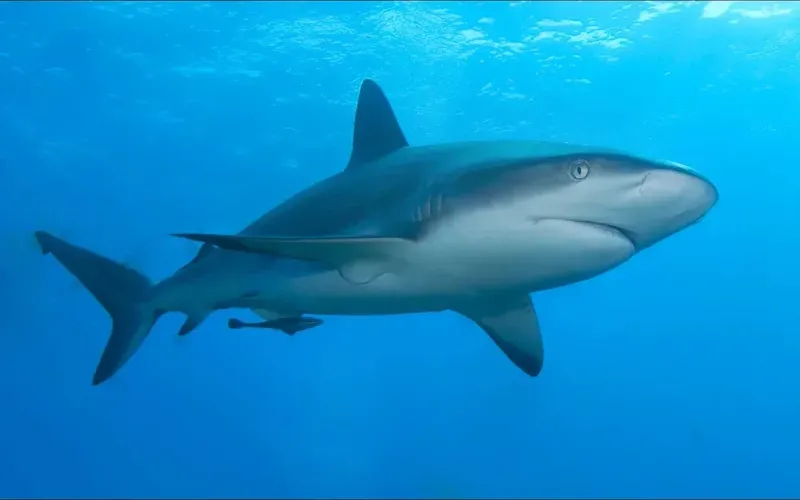
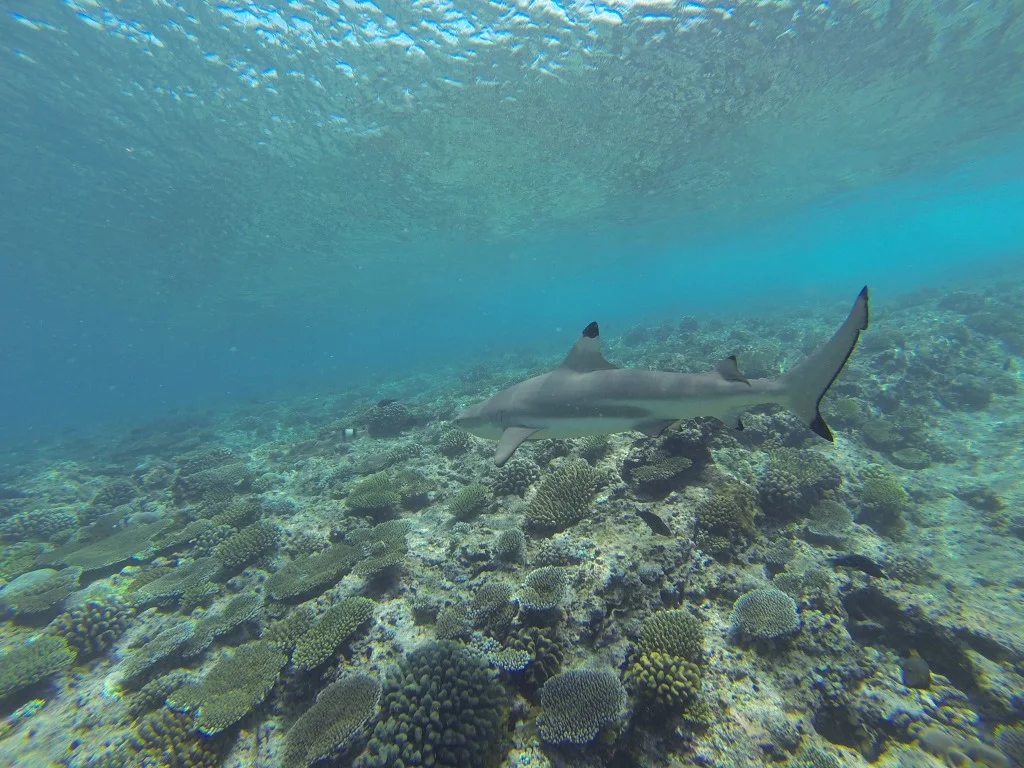
The most immediate draw to Sharks Cave is, predictably, the sharks. Divers often spot white-tip reef sharks resting calmly on the sandy bottom just outside the cave's entrance.
Observing these creatures in their natural repose provides a compelling highlight. Beyond the sharks, the rocky outcrops and sandy reef teem with activity.
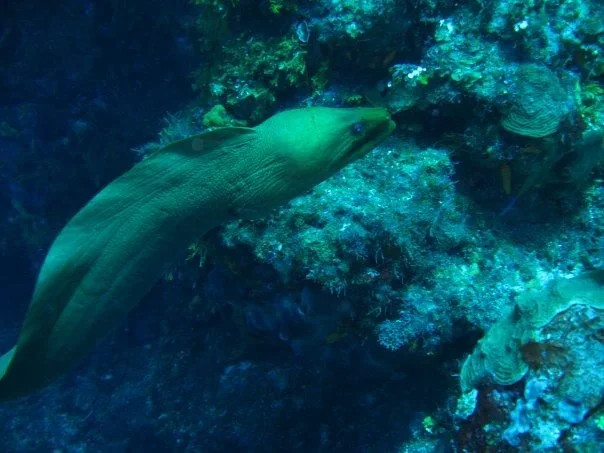
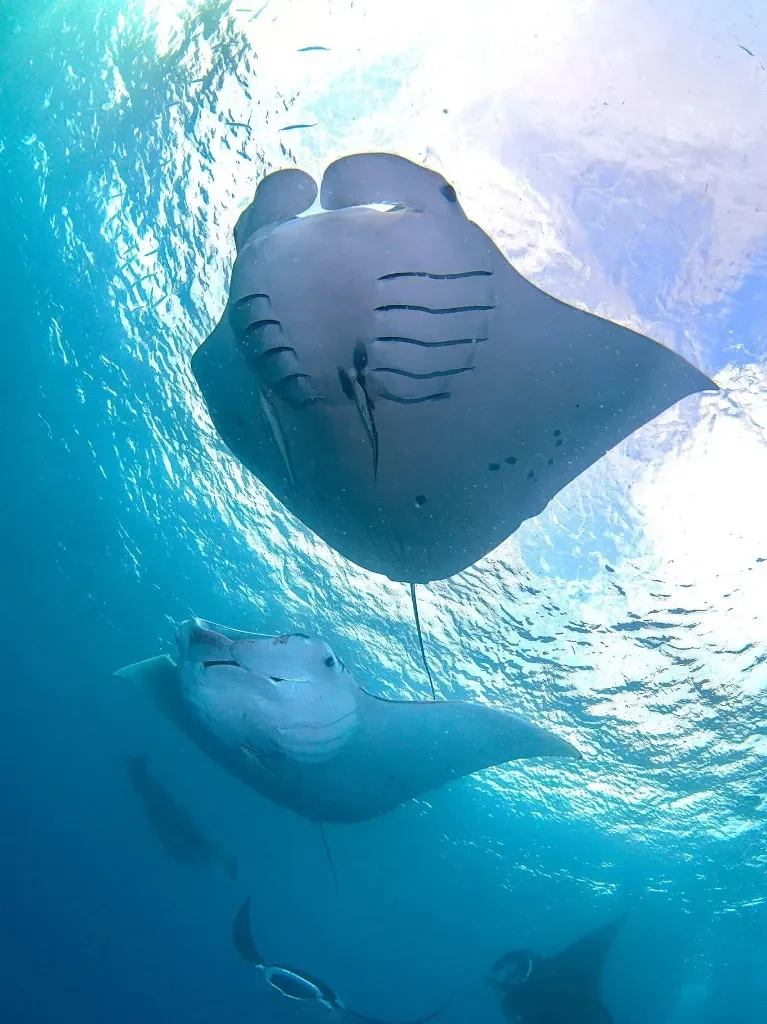
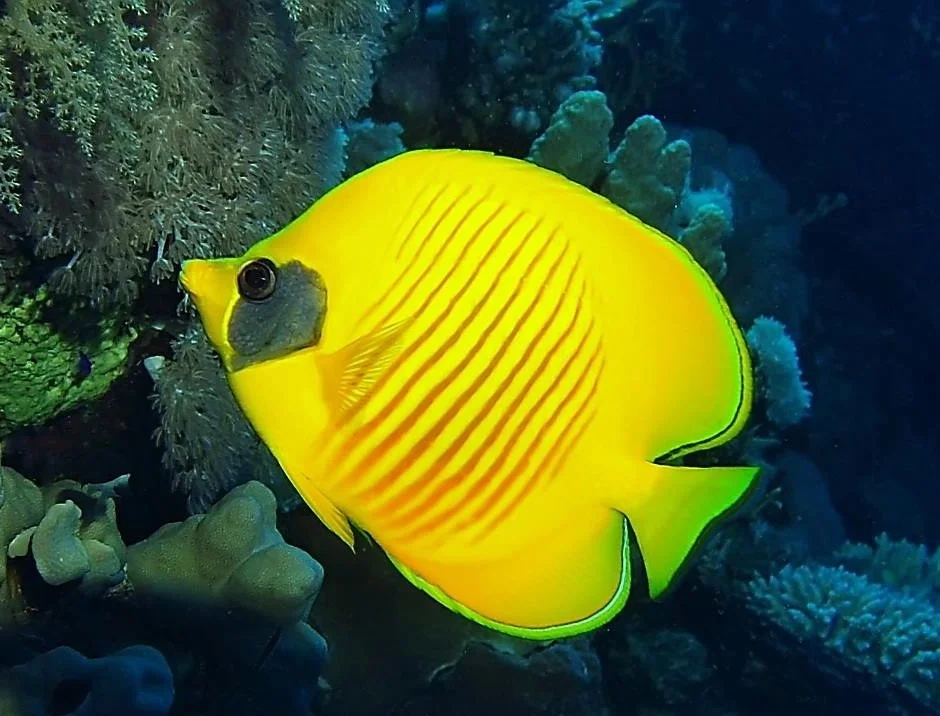
Look for grunts and big eye fish schooling near the cave. Closer inspection reveals creatures like lobsters and moray eels tucked into rock crevices, alongside vibrant butterflyfish fluttering through the shallower sections. Occasionally, divers might encounter manta rays and other pelagic stripes passing through the area, adding a dynamic element to the dive.
Dive Sites Near Sharks Cave
View all dive sites in Costa RicaDiscover more underwater gems in this area.
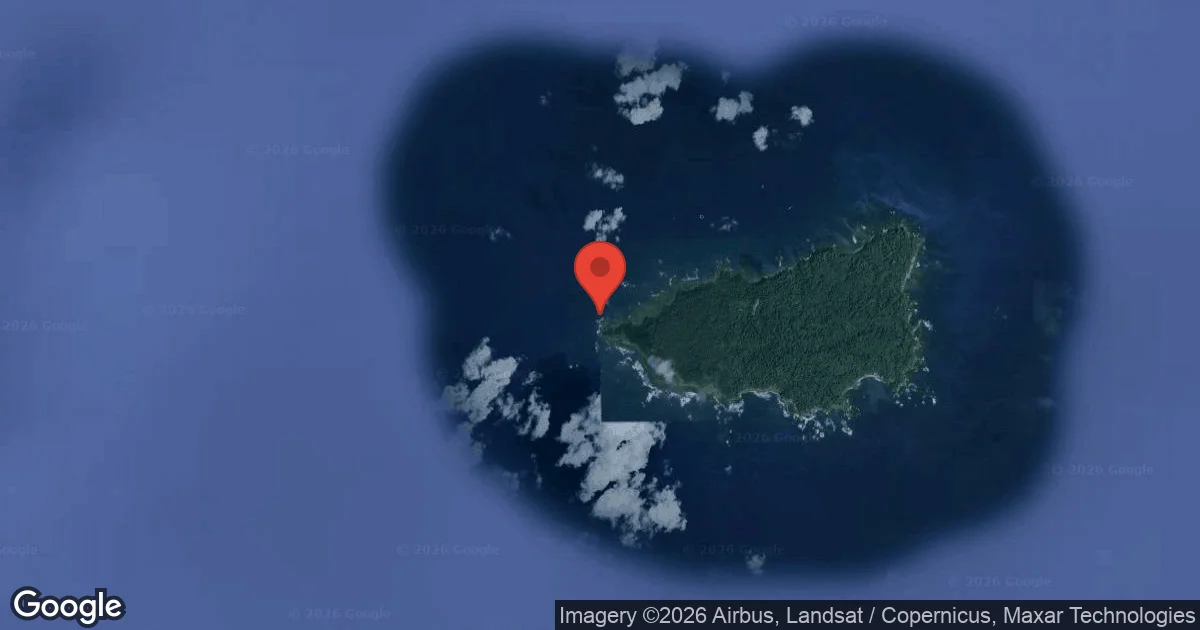
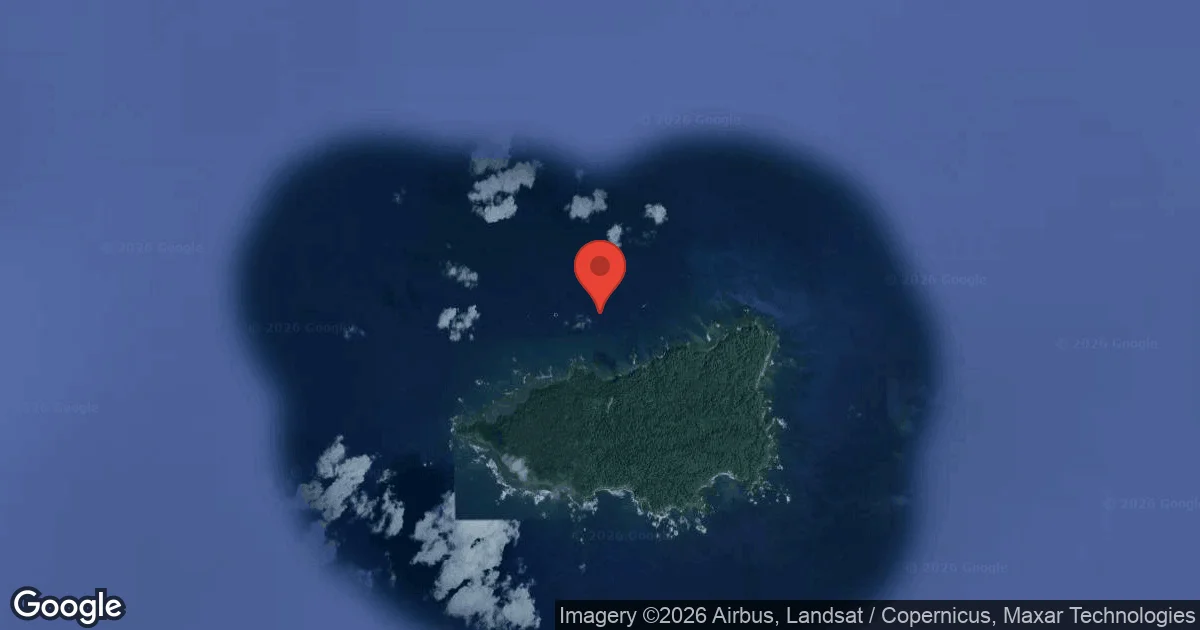
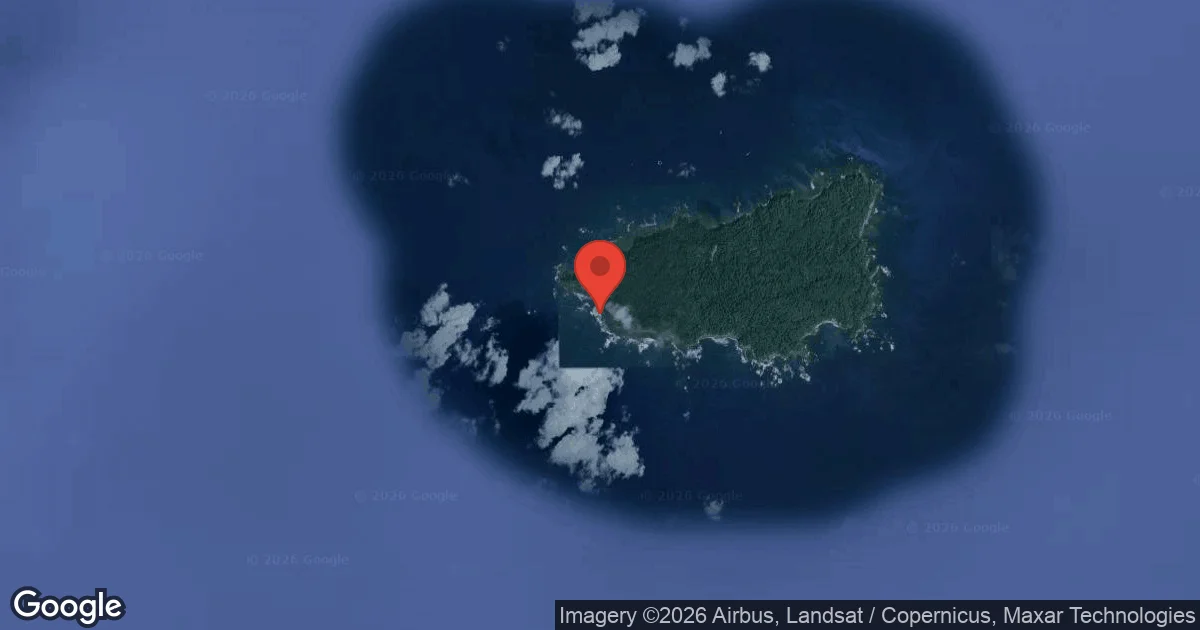
Dive Centers Near Sharks Cave

Today: 00:30 - 18:30


Nearest Airports
Nearest airports to help plan travel to this dive area.
Search Flights
Check available flights and routes on Expedia, using the nearby airports listed in this section.
Search Flights on ExpediaFrequently Asked Questions
What is the typical depth at Sharks Cave?
The average dive depth at Sharks Cave is between 10 to 15 meters (30 to 50 feet). Within this range, divers enjoy comfortable recreational exploration and ample bottom time.
Do divers actually enter the 'Sharks Cave'?
No, divers typically do not enter the cave itself. The dive involves swimming close enough to the entrance to observe the sharks and other marine life that inhabit the immediate vicinity.
What kind of visibility can be expected?
Visibility at Sharks Cave can vary due to its proximity to shore. It generally ranges from about 10 meters (30 feet) up to 25-30 meters (80-98 feet), depending on recent weather and sea conditions.
What marine life is commonly seen here?
White-tip reef sharks are frequently observed resting on the sandy bottom near the cave. You can also expect to see grunts, big eye fish, lobsters, moray eels, and various reef fish like butterflyfish. Occasional sightings of manta rays and other rays have also been reported.
Is Sharks Cave suitable for beginner divers?
With depths mostly within recreational limits and clear observation opportunities, certified open water divers can typically manage this site. However, good buoyancy control is always beneficial, especially near the cave and rocky features.
Are there strong currents at Sharks Cave?
While general Costa Rica diving can involve strong currents, specific reports for Sharks Cave are not consistently strong. However, currents can vary, and divers should always be prepared for changing conditions and follow their dive guide's instructions.
What is the water temperature like?
The water temperature at Sharks Cave is consistently warm, generally ranging from 26° to 29°C (79° to 84°F). Divers might encounter localized thermoclines, especially in slightly deeper areas.
Planning to dive Sharks Cave?
Send one inquiry and receive offers directly from the best verified local dive operators.
Conditions are Good
Optimal conditions expected
Current conditions near Sharks Cave show 29° air, 30° sea temperature, 1.1 m waves, and 17 km/h wind. Forecast data is refreshed regularly to ensure accuracy.