
Diving at The Arch (Costa Rica)
For divers seeking a distinctive underwater landscape, The Arch at Caño Island offers a compelling experience. Exploration of its unique rock formations and natural swim-throughs is a primary draw. Accessible to all certification levels, the site provides encounters with abundant reef life within its depths of 10 to 18 m (30 to 55 ft). Visits to The Arch promise memorable interactions with Costa Rica's Pacific marine environment.
Tonight's objective overview for The Arch shows an air temperature of 28°C. The measured surface conditions include wave heights around 1.3 m. This environmental data is logged for the close of the day.
Dive Site Location & Key Facts
Dive Site Overview
Imagine navigating through impressive underwater architecture; this defines the dive at The Arch. Formations of imposing rocks create natural arches and swim-throughs, providing a dynamic environment for exploration.
This site, part of Caño Island Biological Reserve, allows divers to explore a reef and wall habitat, typically between 10 and 18 m (30 and 55 ft). Experiencing the site often includes encountering schools of grunts waiting on the other side of an arch, which creates a mesmerizing passage for divers. You can anticipate sightings of amberjack and large cubera snapper moving through schooling fish, frequently observed patrolling the currents.
Several exceptionally large lobsters are commonly observed within rock crevices. It's a location that combines significant geological interest with active marine life, making each visit distinct and memorable.
Visibility typically extends to 15-30 m (50-100 ft), enhancing the visual impact of the vibrant coral and rocky structures. The Arch accommodates all levels of certified divers.
Conditions are Good
Optimal conditions expected
Current conditions near The Arch show 28° air, 31° sea temperature, 1.1 m waves, and 18 km/h wind. Forecast data is refreshed regularly to ensure accuracy.
Best Time to Dive
Seasonal changes significantly influence the diving conditions at The Arch. From December through April, dive scores are typically 'Good', characterized by drier conditions with average rainfall ranging from 1.5 mm to 5.4 mm. Air temperatures during these months remain pleasant, averaging 27-28°C (81-82°F). In contrast, May to November are generally rated 'Moderate', experiencing higher rainfall, which can reach 12-19 mm, and slightly cooler air temperatures, averaging 26-27°C (79-81°F). Water temperatures hover around 26-29°C (78-84°F) for most of the year. However, cooler currents, particularly from December through March, can bring temperatures down to 19°C (68°F). Such currents often coincide with sightings of migratory species, including humpback and pilot whales, alongside manta and whale sharks, adding another layer to the seasonal dive experience. Visibility generally improves from June through September at remote island sites like Caño Island.
PEAK SEASON SCORE
Scores combine air & water temps, waves, wind & rainfall for overall conditions.
BEST MONTHS TO DIVE
Monthly records compiled from satellite and marine observation nodes over the last 3 years. Data provided by Open-Meteo and MET Norway.
Dive Experience & Conditions
Descending into The Arch reveals a stunning display of colors as sunlight reflects off the diverse hues of hard coral and volcanic rock. Water temperature typically ranges from 26-29°C (78-84°F), though cooler currents from December to March can reduce it to 19°C (68°F), bringing colder water species. Visibility at The Arch often extends beyond 15 m (50 ft), sometimes reaching 100 ft or more, allowing clear views of the site's unique geological features and marine inhabitants. While generally calm and accessible for all dive levels, currents can vary. Divers should be prepared for potential stronger currents, which are common around offshore islands in Costa Rica, requiring attention to buoyancy and positioning within the archways.
Dive Difficulty & Safety Guidelines
Diving safely at The Arch involves adherence to general diving practices and specific park regulations. As a site within the Caño Island Biological Reserve, touching marine life or geological formations is strictly prohibited. Such adherence helps preserve the delicate ecosystem, ensuring the site remains vibrant for future visitors.
While suitable for divers of all levels, always monitor prevailing currents and maintain proper buoyancy control, especially when navigating through the archways. Staying aware of your dive buddy's position and ascent rates is also crucial.
Dive with a certified operator familiar with the area to ensure safe and respectful exploration of this protected marine environment.
Recommended Equipment
- Dive Computer
This gear list is based on verified equipment signals for The Arch, Costa Rica. Always confirm final gear choices with your dive operator, guide, or liveaboard.
Recommended Dive Suit
Comfort levels can also depend on how active a diver is during the dive.
The water around The Arch is currently holding at approximately 31°C (88°F), setting the tone for today's dives. Surface air temperatures are resting at 28°C (83°F). When water temperatures fall within this range, many divers dive comfortably with dive skin or rash guard.
Conditions are expected to stay fairly consistent in the days ahead.
Due to technical issues with our weather providers, live updates are temporarily delayed. The data above reflects the conditions at the time of the last successful fetch.
Emergency & Medical Support
Essential information to help you plan your dive trip to The Arch.

Hyperbaric chambers are a critical part of dive safety infrastructure. Availability varies significantly by region, and not all dive areas have immediate access.
Before diving, it's recommended to:
- confirm nearest medical facilities
- check emergency procedures with local dive operators
- ensure dive insurance covers evacuation if required
Divers Alert Network
Diving emergency assistance available through DAN World.
+1-919-684-9111- 24/7 emergency hotline
- Diving medical assistance
- Evacuation coordination
Emergency contacts are provided for reference. Always verify local emergency services before diving.
Marine Life at The Arch
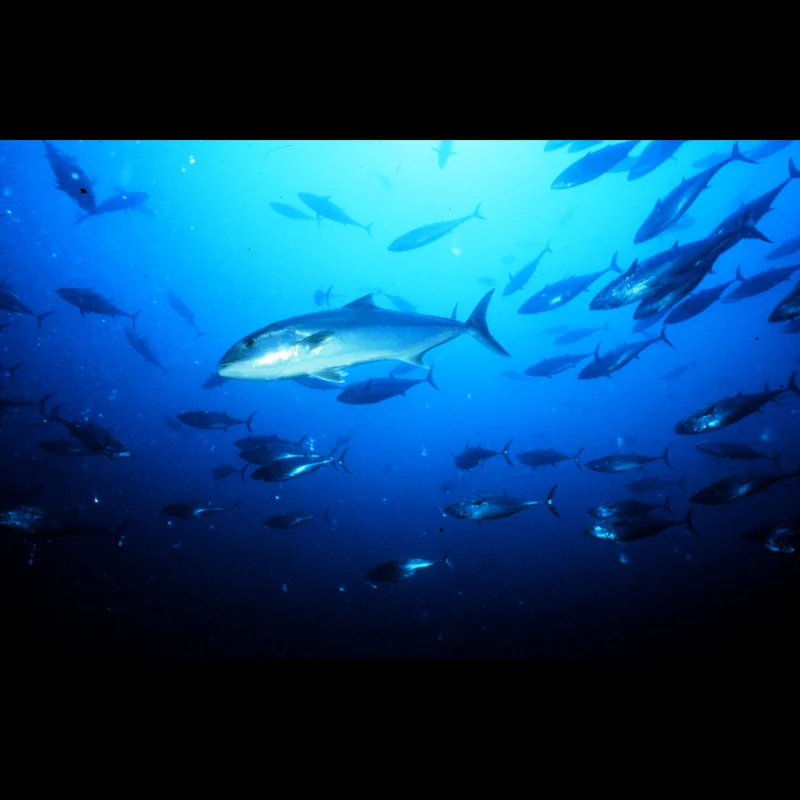
Upon approaching The Arch, schools of grunts often greet divers, forming a living curtain through which to swim. Keep an eye out for robust amberjack and sizeable cubera snapper that patrol these waters, moving gracefully among schooling fish.
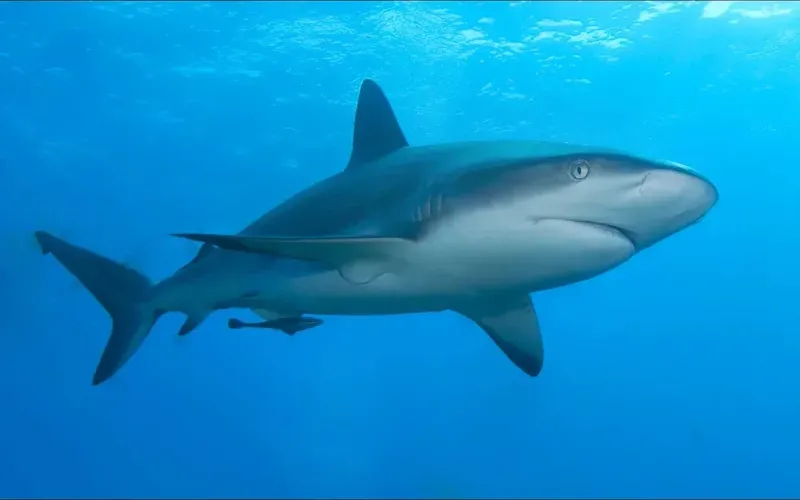
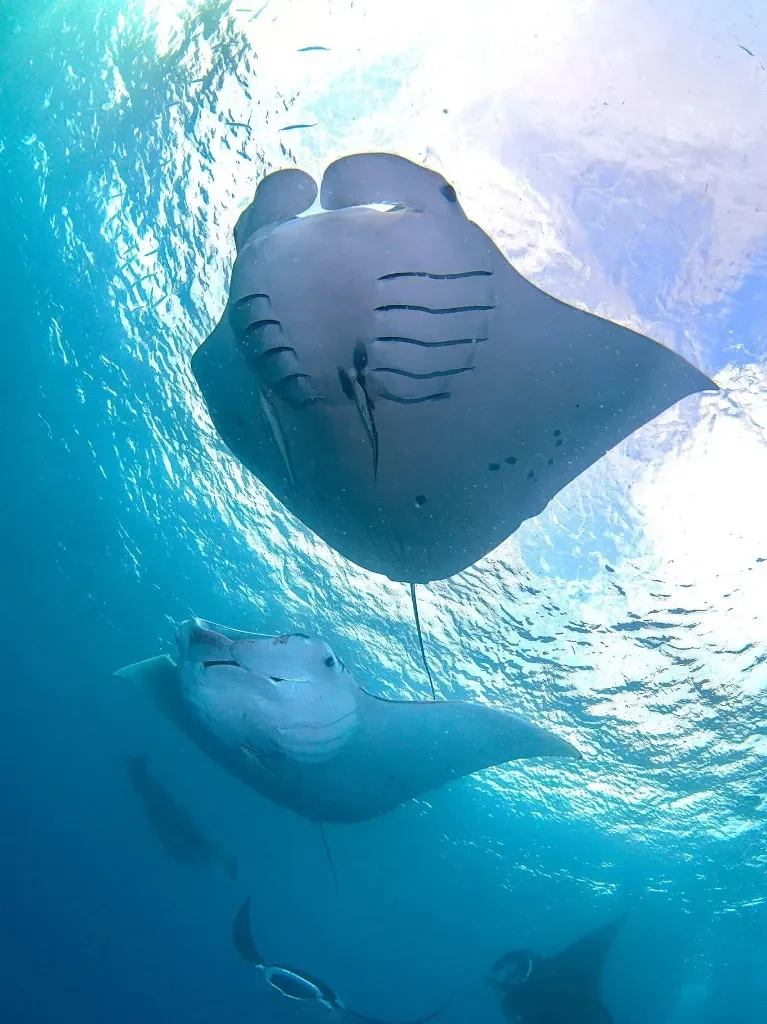
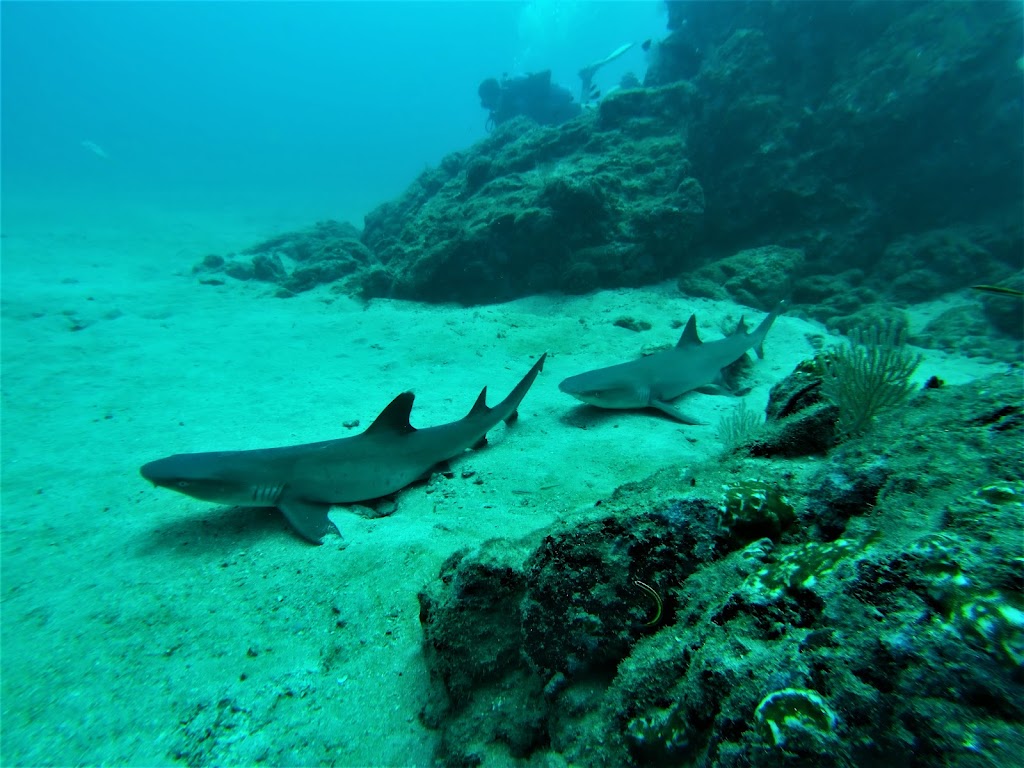
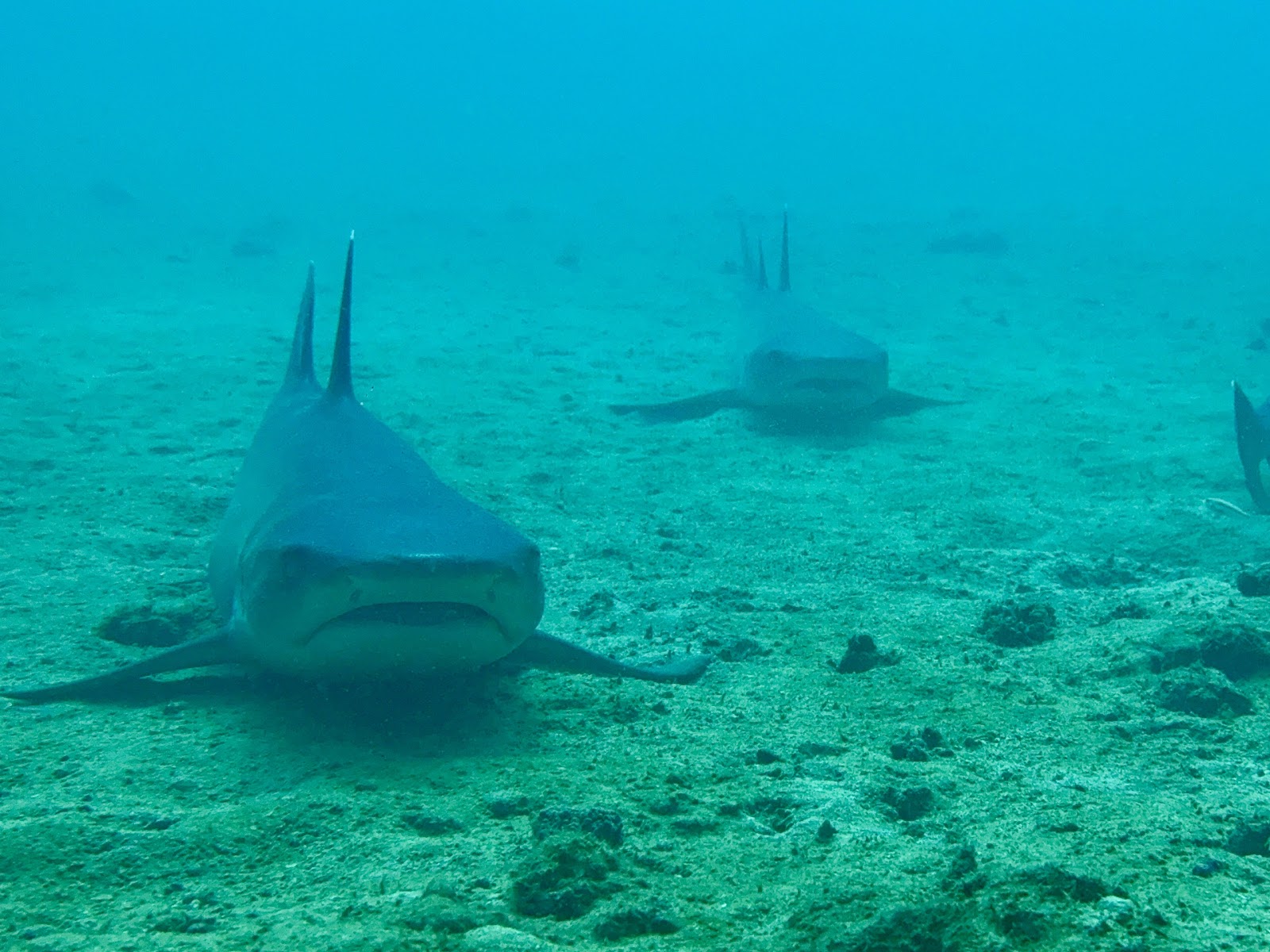
Large lobsters are frequently observed tucked into the rock formations. White-tipped reef sharks are common residents, and encounters with manta rays are possible.
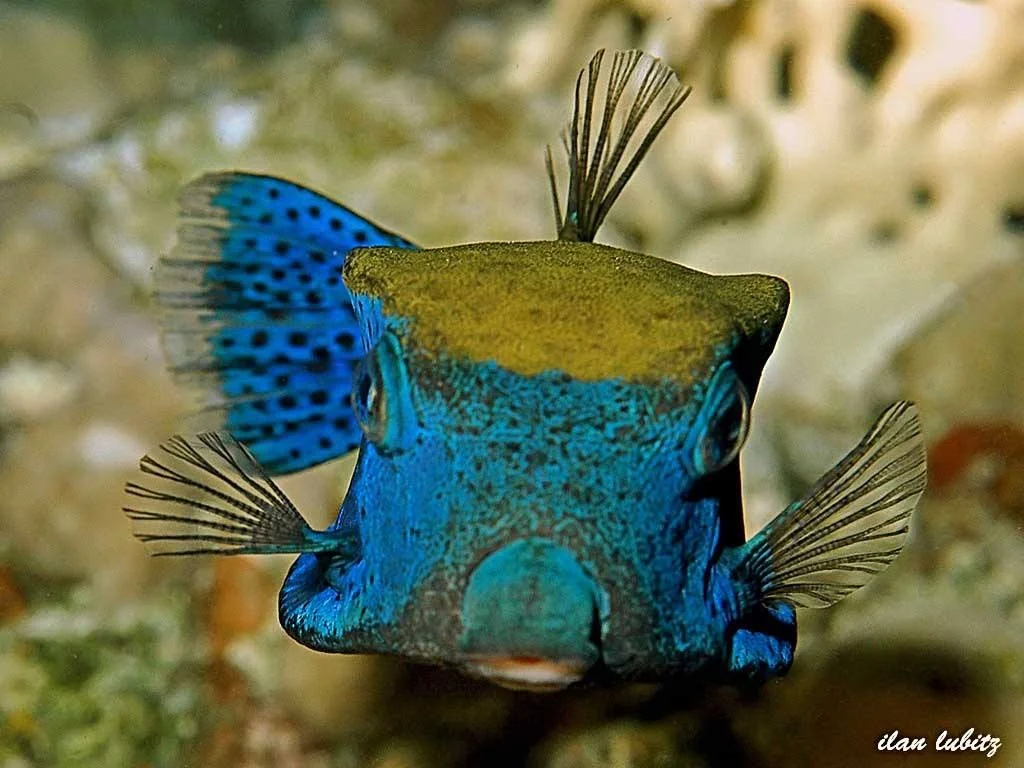
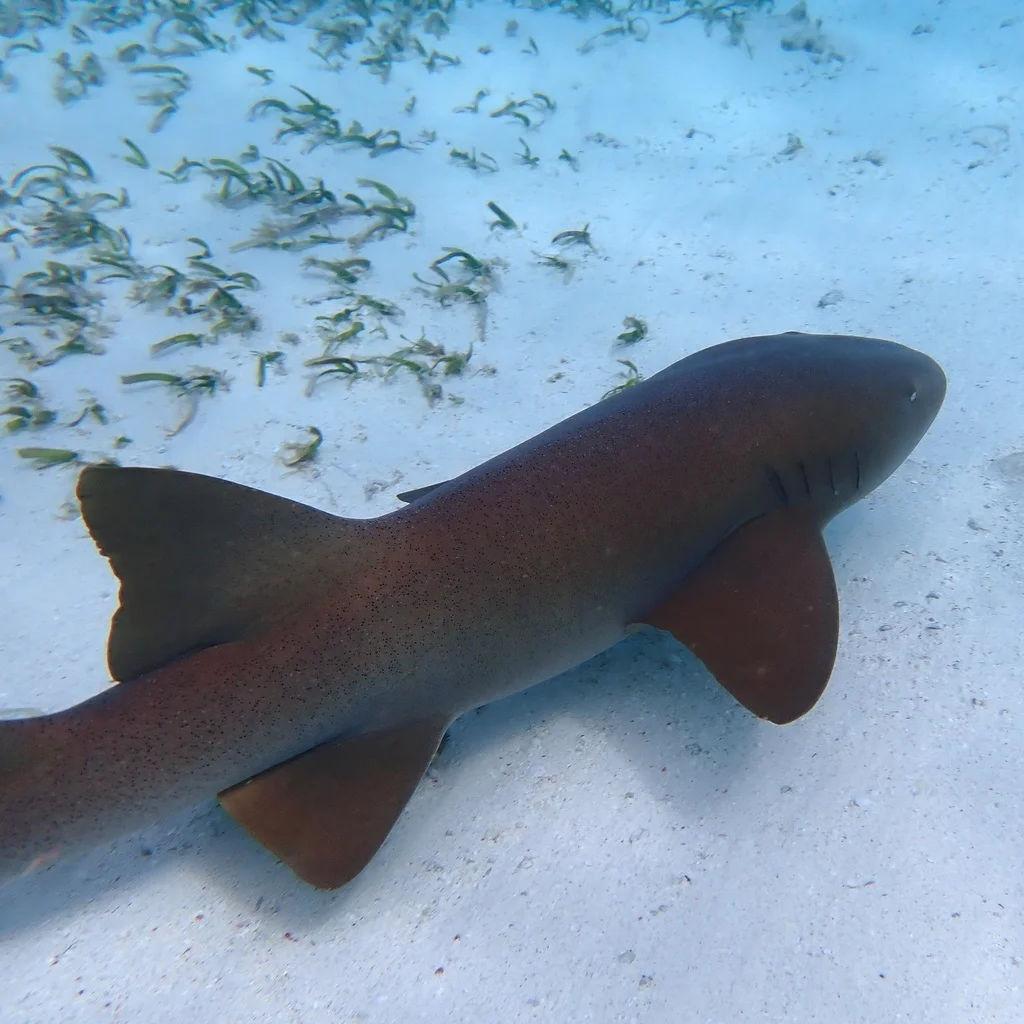
On occasion, divers might spot a bull shark or nurse shark in the deeper sections. The site also hosts a variety of tropical fish, including vibrant pufferfish, king angels, damsels, boxfish, Moorish idols, and multiple species of eels.
Dive Sites Near The Arch
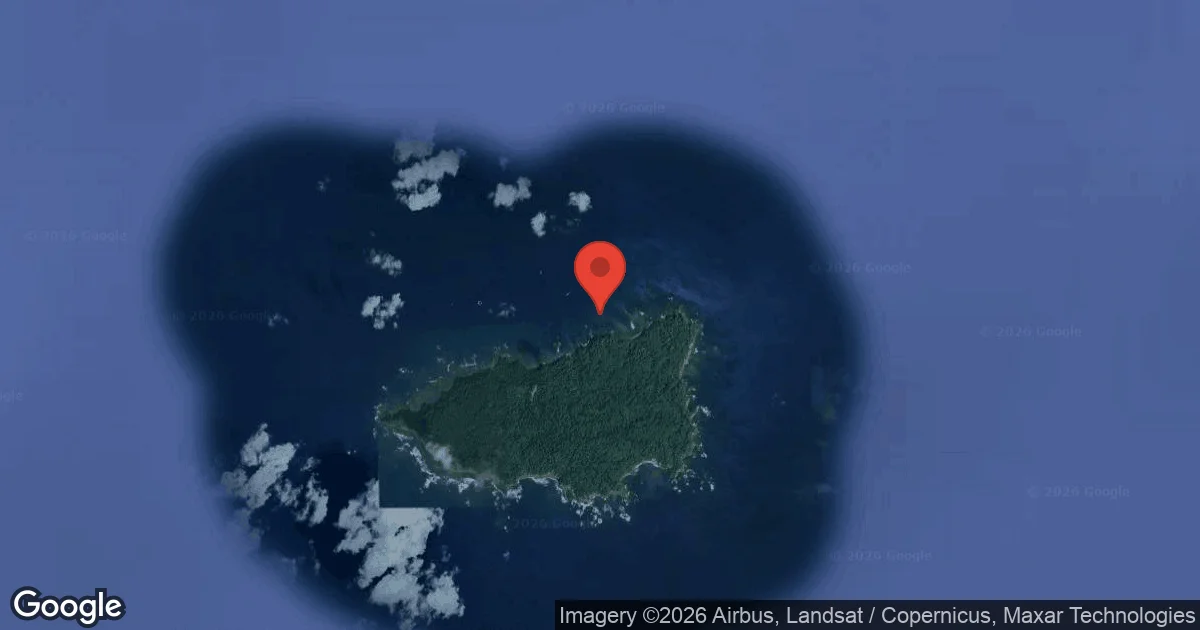
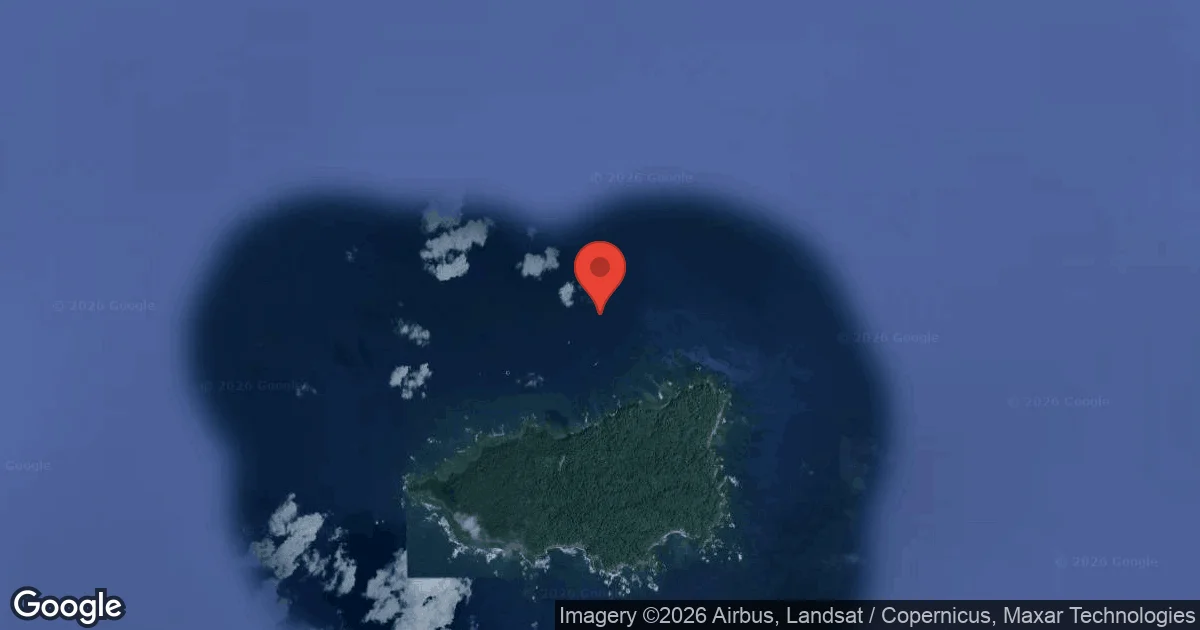
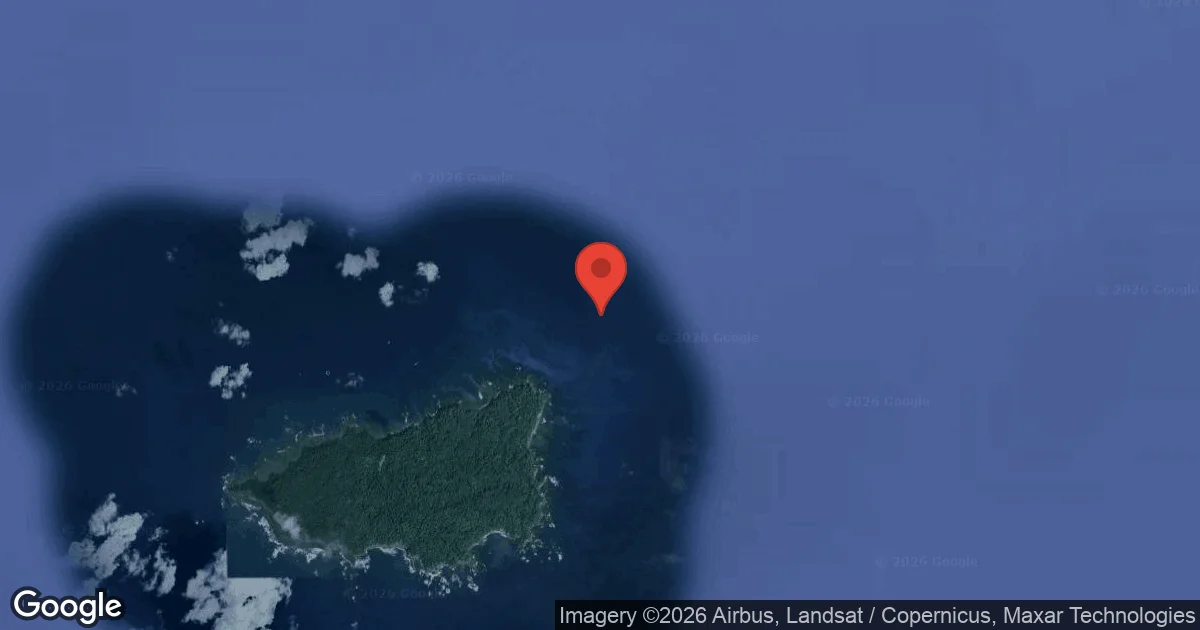
View all dive sites in Costa RicaDiscover more underwater gems in this area.
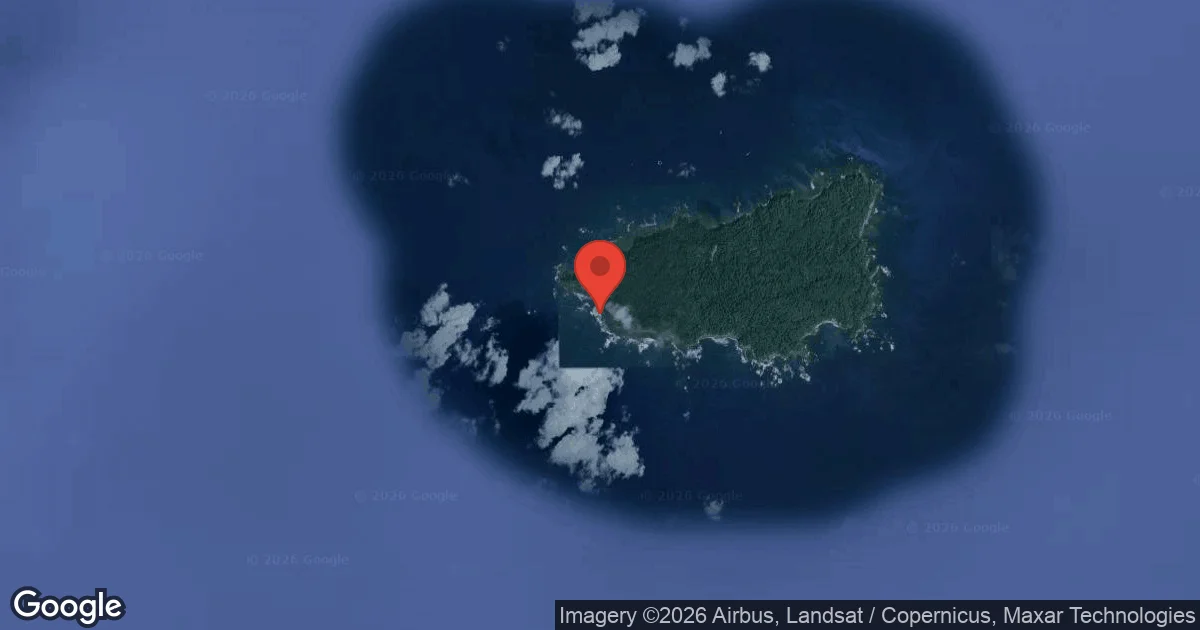
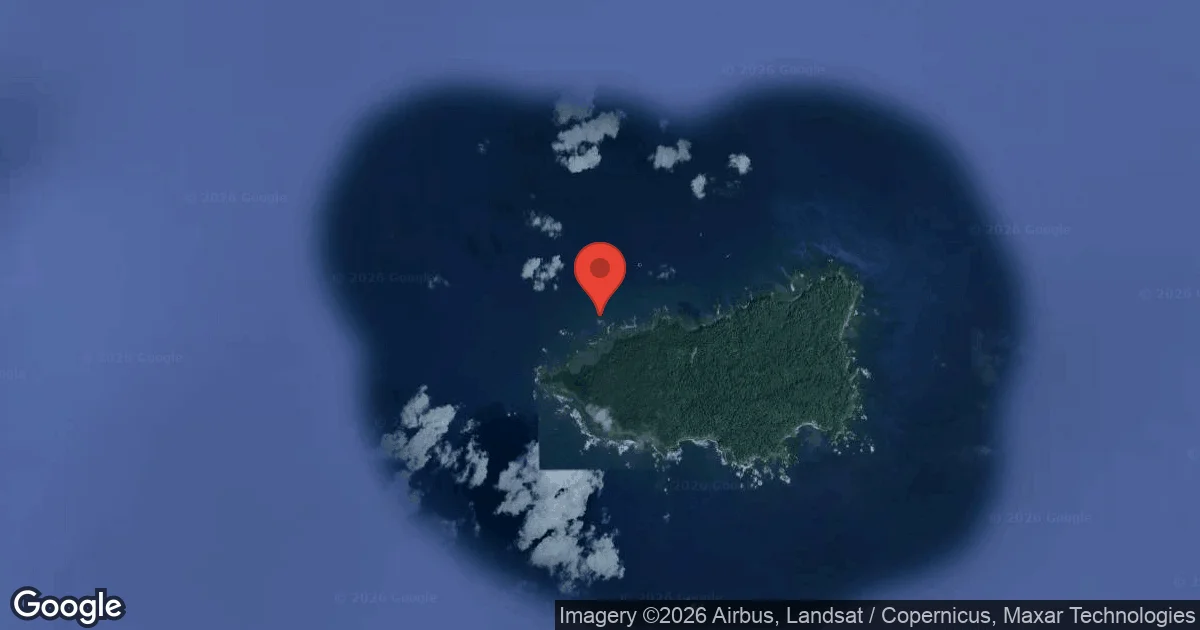
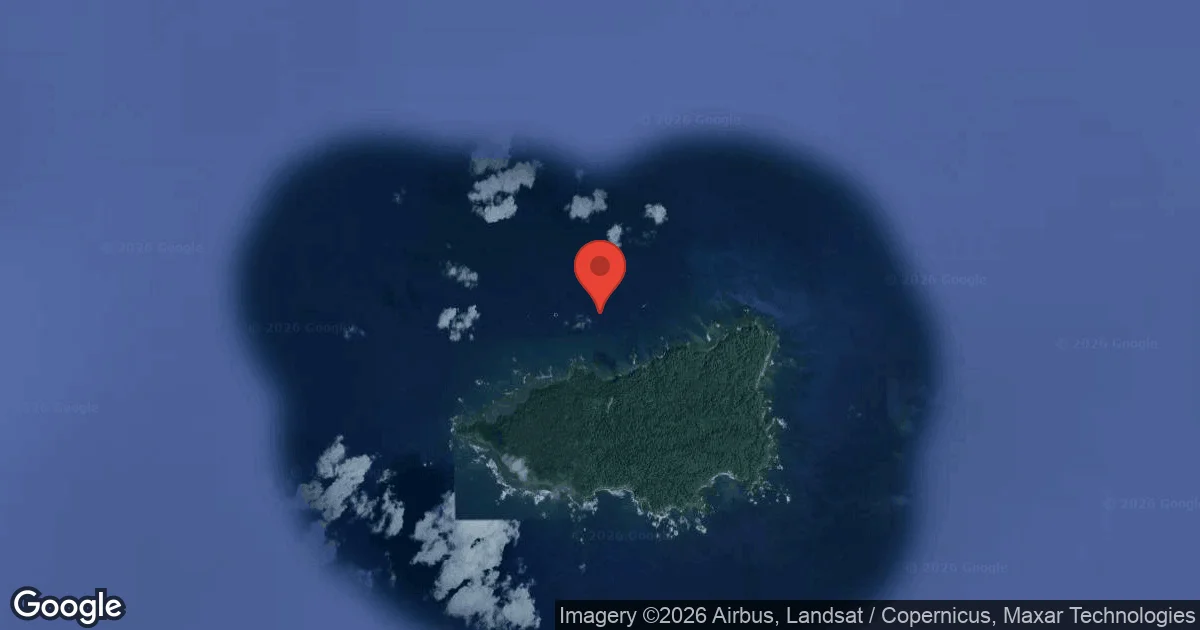
Dive Centers Near The Arch
Today: 00:30 - 18:30
Nearest Airports
Nearest airports to help plan travel to this dive area.
Search Flights
Check available flights and routes on Expedia, using the nearby airports listed in this section.
Search Flights on ExpediaFrequently Asked Questions
What is the maximum depth at The Arch?
The Arch offers a recreational depth range, typically explored between 10 and 18 m (30 to 55 ft). This makes it suitable for a broad spectrum of certified divers.
What skill level is required to dive The Arch?
The Arch is considered suitable for divers of all certification levels. Its accessible depth and generally manageable conditions make it welcoming for both newer and experienced divers.
What kind of formations can I expect to see?
Divers will encounter unique underwater rock formations, including natural arches and swim-throughs. These geological features create an engaging environment to explore, often with abundant marine life nestled within or around them.
What marine life is commonly seen at The Arch?
Common sightings include schools of grunts, amberjack, cubera snapper, and large lobsters. White-tipped reef sharks and manta rays are also frequently observed, along with various tropical reef fish and several species of eels.
Is The Arch part of a protected area?
Yes, The Arch is located within the Caño Island Biological Reserve, which is one of Costa Rica's national parks. This protected status means strict guidelines are in place to preserve its marine ecosystem.
What are the typical water temperatures at The Arch?
Water temperatures generally range from 26-29°C (78-84°F) for most of the year. However, cooler currents, especially between December and March, can cause temperatures to drop to 19°C (68°F).
What is the typical visibility at The Arch?
Visibility at The Arch usually ranges from 15 m (50 ft) to 30 m (100 ft) or more. Conditions can vary, but clear water is often a highlight, especially during certain seasons.
Planning to dive The Arch?
Send one inquiry and receive offers directly from the best verified local dive operators.
Conditions are Good
Optimal conditions expected
Current conditions near The Arch show 28° air, 31° sea temperature, 1.1 m waves, and 18 km/h wind. Forecast data is refreshed regularly to ensure accuracy.