Loading...

Diving at Wreck Draga (Croatia)
Published
Pula's classic stepping-stone deep wreck—an upright, fish-packed 1960s working sand dredger rising from a 40-meter sandy seabed to a 28-meter masthead.
Early observations for Wreck Draga report a surface air temperature of 11°C. The water surface is currently presenting wave heights of 0.8 m. Consider these environmental metrics before beginning your descent.
Dive Site Location & Key Facts
Site Characteristics
Max Depth40m / 131ft
Entry Typeboat
Water Typesalt
Dive Types
DeepRecreationalWreck
Dive Site Overview
Constructed at Pula's shipbuilding yards in the mid-1950s as a utilitarian coastal sand-dredging boat, the 28-meter, 6-meter-beam motor vessel Draga worked the sandbanks of southern Istria for roughly a decade. During a voyage in the mid-1960s with her central hopper heavily laden with wet sand, steep seas stressed the forward hull until a structural breach opened in the bow, causing rapid flooding and a clean, upright sinking without loss of life.
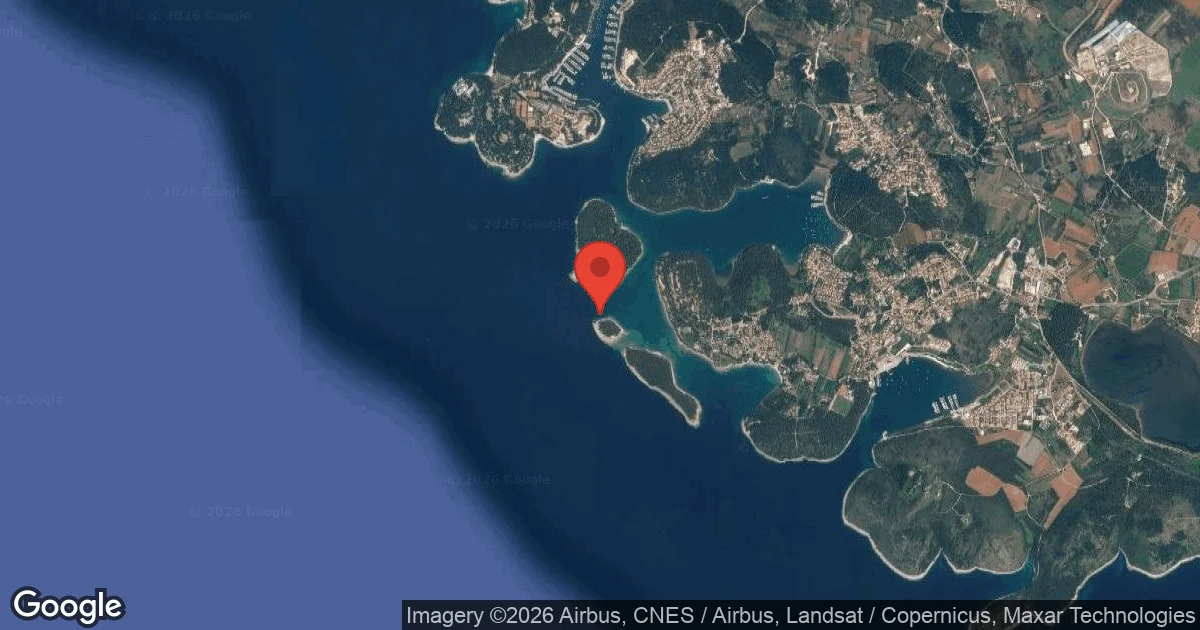
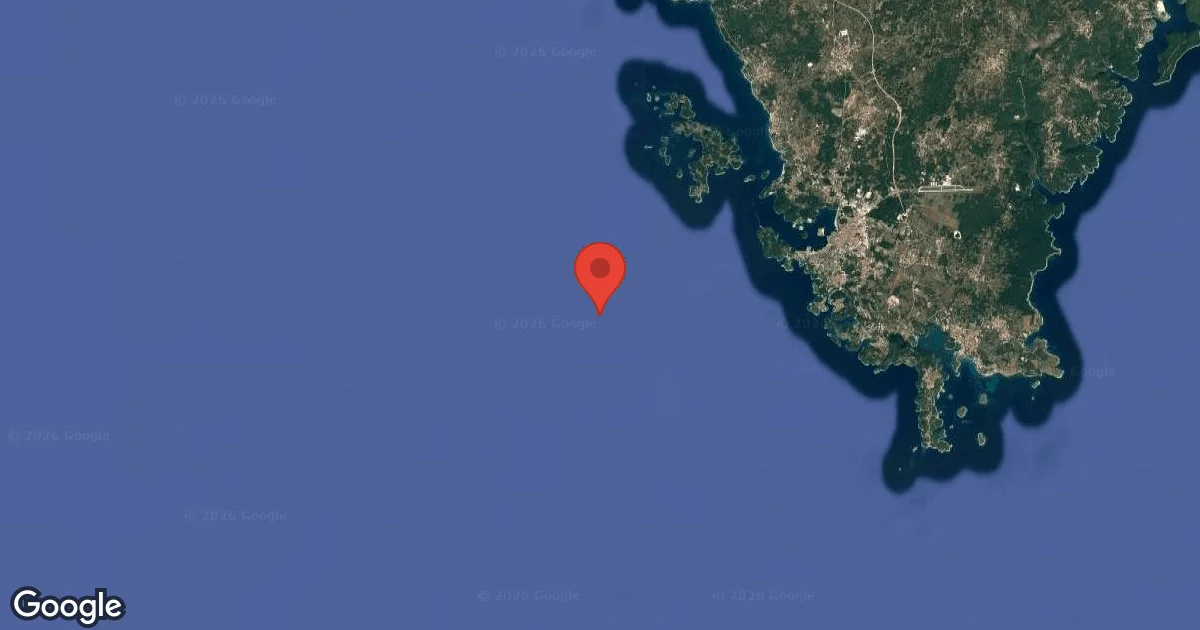
Today Draga sits squarely on an even keel across a flat sandy-silt seabed at a maximum depth of 40 meters west of Pula and Premantura. Her upright central mast and dredging boom rise to 28 meters below the surface, giving descending divers an early visual reference well above the main hull.
Unlike massive war-torn cruisers that demand technical trimix logistics, Draga's compact 28-meter length and straightforward working-boat architecture allow qualified recreational deep divers to tour her entire layout comfortably within standard no-decompression or light enriched-air profiles. Key features include the breached bow, the open central sand-hopper hold, heavy dredging winches and suction piping, and the compact aft wheelhouse.
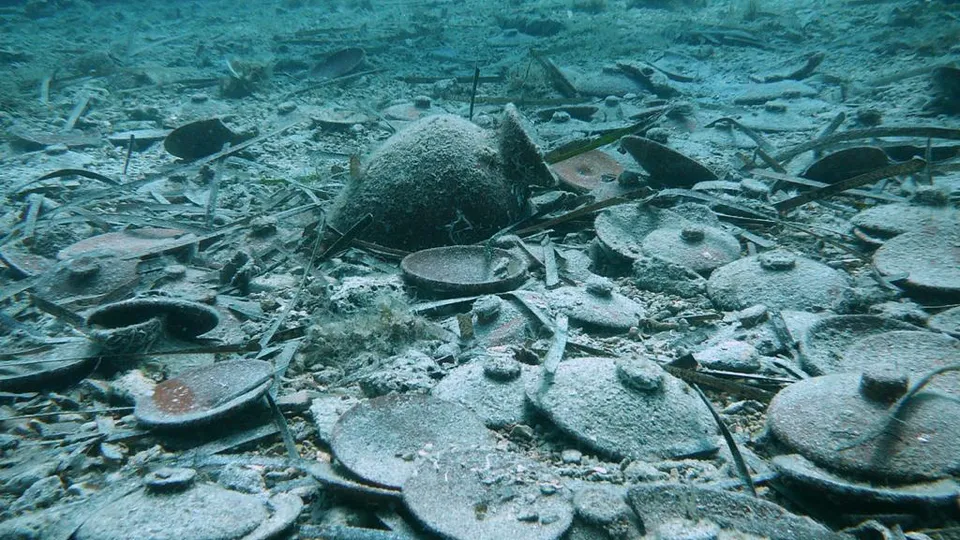
Over six decades underwater, every square meter of steel has matured into a thriving artificial reef, making Draga one of southern Istria's liveliest macro and fish-photography wrecks.
Wreck Draga
Conditions are Good
7/10
Confidence: 8/10
Indicates meteorological model agreement and data availability.
Best Dive Window
Optimal conditions expected
06:12
18:45
H: 10:45
L: 16:20
Air / Sea Temp
11° / 16°
Wave Height
1.3 m
Wind Speed
38 km/h ENE
Rain Chance
0%
Current conditions near Wreck Draga show 11° air, 16° sea temperature, 1.3 m waves, and 38 km/h wind. Forecast data is refreshed regularly to ensure accuracy.
Radius: ~12km
Updated: Nov 23, 2026, 06:43 local timeMARINE: OPEN-METEOWEATHER: YR.NO
Best Time to Dive
Boat charters from Pula, Banjole, Veruda, and Premantura visit Wreck Draga regularly from May through October, when gentle summer Maestral breezes keep the short coastal crossing comfortable. Morning runs typically offer the calmest sea states and slackest bottom currents.
Visibility averages around 15 meters across the main season, expanding to 20 meters or more during late spring (May to June) and early autumn (September to October) when surface plankton thins out. Summer thermoclines sit around 20 to 25 meters, keeping bottom temperatures at 35 to 40 meters around 15 to 17 degrees Celsius even when August surface water tops 25 degrees Celsius.
Because currents at this location are predominantly mild, Draga also serves as a reliable deep-wreck option on days when stronger open-channel currents rule out more exposed offshore wrecks.
PEAK SEASON SCORE
91/100
ExcellentScores combine air & water temps, waves, wind & rainfall for overall conditions.
BEST MONTHS TO DIVE
JUN
JUL
AUG
DIVE SCORE GUIDE (0–100)
Excellent (90–100)
Very Good (80–89)
Good (70–79)
Moderate (50–69)
Poor (30–49)
Not Recommended (0–29)
Monthly records compiled from satellite and marine observation nodes over the last 3 years. Data provided by Open-Meteo and MET Norway.
Dive Experience & Conditions
Dive boats secure a descent line near the wreck, allowing teams to drop smoothly through blue-green water until the tip of the central dredging mast appears at 28 meters. Continuing down the mast brings divers straight onto the main working deck and open sand hold between 34 and 37 meters.
Because the hull measures 28 meters from stem to stern, a slow, deliberate circuit around the exterior reveals every detail without rushing or overbreathing. Starting forward at the prow, divers can inspect the hull breach that doomed the overloaded vessel before gliding back along the wide-open central hopper where sand cargo once sat.
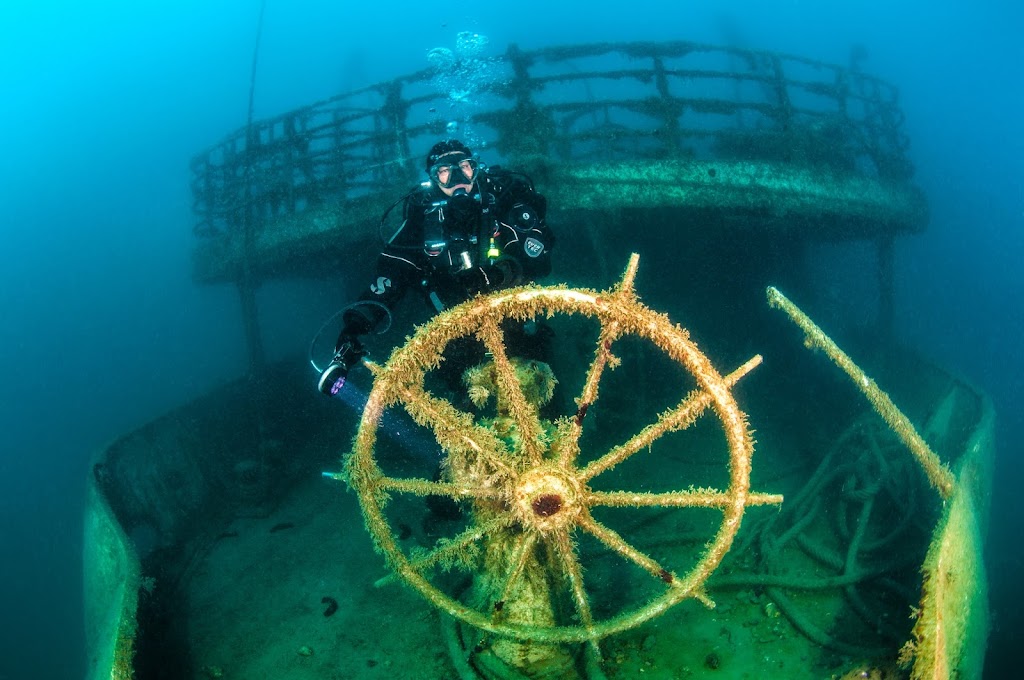
Aft of the hold, heavy mechanical winches, dredging pipes, and the small wheelhouse superstructure offer photogenic framing before divers ascend slowly back up the central mast from 34 to 28 meters—an ideal mid-water staging post stocked with schooling fish before completing shallow safety stops.
Dive Difficulty & Safety Guidelines
Although Draga is widely regarded as Southern Istria's most approachable deeper wreck, its 34-to-40-meter deck and seabed depths sit right at the recreational deep-diving ceiling. Divers should hold an advanced open-water qualification accompanied by a deep specialty credential (or equivalent 40-meter certification) and monitor no-decompression time and gas consumption closely.
Interior spaces inside the tiny stern wheelhouse and engine casing are cramped, silty, and unsuitable for penetration; illuminate windows and doorways from the outside rather than entering overhead compartments.
Keep fins elevated well clear of the 40-meter sandy-silt perimeter so delicate sea pens remain undisturbed and visibility stays crisp for buddy teams following behind, and carry a surface marker buoy for controlled ascents.
Recommended Equipment
Deep dive hazard. Increased narcosis and gas consumption risk.
Overhead / entanglement risk. Wreck penetration requires proper training.
- Dive Computer
- DSMB
- Primary & Backup Lights
- Wreck Reel
- Cutting Tool
This gear list is based on verified equipment signals for Wreck Draga, Croatia. Always confirm final gear choices with your dive operator, guide, or liveaboard.
Recommended Dive Suit
With water temperatures around 16°C (62°F), many divers find a 5-7mm wetsuit provides comfortable protection.
Divers performing multiple dives may appreciate slightly warmer protection later in the day.
Environmental conditions appear stable for the near future.
Wreck Draga conditions last reviewed: 06:43 local time (UTC+1), Nov 23, 2026
Emergency & Medical Support
Essential information to help you plan your dive trip to Wreck Draga.

Hyperbaric chambers are a critical part of dive safety infrastructure. Availability varies significantly by region, and not all dive areas have immediate access.
Before diving, it's recommended to:
- confirm nearest medical facilities
- check emergency procedures with local dive operators
- ensure dive insurance covers evacuation if required
24/7 Available
Divers Alert Network
Diving emergency assistance available through DAN Europe.
+39 0642115685- 24/7 emergency hotline
- Diving medical assistance
- Evacuation coordination
Emergency contacts are provided for reference. Always verify local emergency services before diving.
Closest Listed Hyperbaric Chambers (≤ 200 km)
Approximate straight-line distances from this dive site — emergency travel times may vary.
12 km12 kmPoliklinika za baromedicinu OXY – Podružnica Pula
Pula, Croatia+385 52 215 663Details12 kmPoliklinika za baromedicinu OXY – Podružnica Pula
Pula, Croatia · Multiplace
Hours: Mon–Fri 07:30–15:30Facility: Opća bolnica PulaICU On-Site: Not reportedSource: KBC Rijeka / Poliklinika OXYOfficial website
12 km
Poliklinika za baromedicinu OXY – Podružnica Pula
Pula, Croatia+385 52 215 663Details
12 km
Poliklinika za baromedicinu OXY – Podružnica Pula
Pula, Croatia · Multiplace
Hours: Mon–Fri 07:30–15:30
Facility: Opća bolnica Pula
ICU On-Site: Not reported
Source: KBC Rijeka / Poliklinika OXY
Official website80 km80 kmZavod za podvodnu i hiperbaričnu medicinu – KBC Rijeka
Rijeka, Croatia24/7ICU+385 51 407 435Details80 kmZavod za podvodnu i hiperbaričnu medicinu – KBC Rijeka
24/7 ListedICU CapableRijeka, Croatia · Multiplace (8 seated / 2 stretcher ICU)
Hours: 24/7 EmergencyFacility: Klinički bolnički centar Rijeka (Lokalitet Sušak)ICU On-Site: YesSource: KBC Rijeka / Poliklinika OXYOfficial website
80 km
Zavod za podvodnu i hiperbaričnu medicinu – KBC Rijeka
Rijeka, Croatia24/7ICU+385 51 407 435Details
80 km
Zavod za podvodnu i hiperbaričnu medicinu – KBC Rijeka
24/7 ListedICU CapableRijeka, Croatia · Multiplace (8 seated / 2 stretcher ICU)
Hours: 24/7 Emergency
Facility: Klinički bolnički centar Rijeka (Lokalitet Sušak)
ICU On-Site: Yes
Source: KBC Rijeka / Poliklinika OXY
Official website82 km82 kmPoliklinika za baromedicinu OXY – Poslovna jedinica Crikvenica
Crikvenica, Croatia+385 51 785 229Details82 kmPoliklinika za baromedicinu OXY – Poslovna jedinica Crikvenica
Crikvenica, Croatia · Multiplace
Hours: Mon–Fri 07:30–15:30Facility: Thalassotherapia CrikvenicaICU On-Site: Not reportedSource: KBC Rijeka / Poliklinika OXYOfficial website
82 km
Poliklinika za baromedicinu OXY – Poslovna jedinica Crikvenica
Crikvenica, Croatia+385 51 785 229Details
82 km
Poliklinika za baromedicinu OXY – Poslovna jedinica Crikvenica
Crikvenica, Croatia · Multiplace
Hours: Mon–Fri 07:30–15:30
Facility: Thalassotherapia Crikvenica
ICU On-Site: Not reported
Source: KBC Rijeka / Poliklinika OXY
Official websiteChamber data is sourced from official Croatian hospital and baromedicine facility records and has not been independently verified by Dive Navigator. Always contact local emergency services, DAN, your dive operator, or the facility directly before travelling.
Reference onlyMarine Life at Wreck Draga
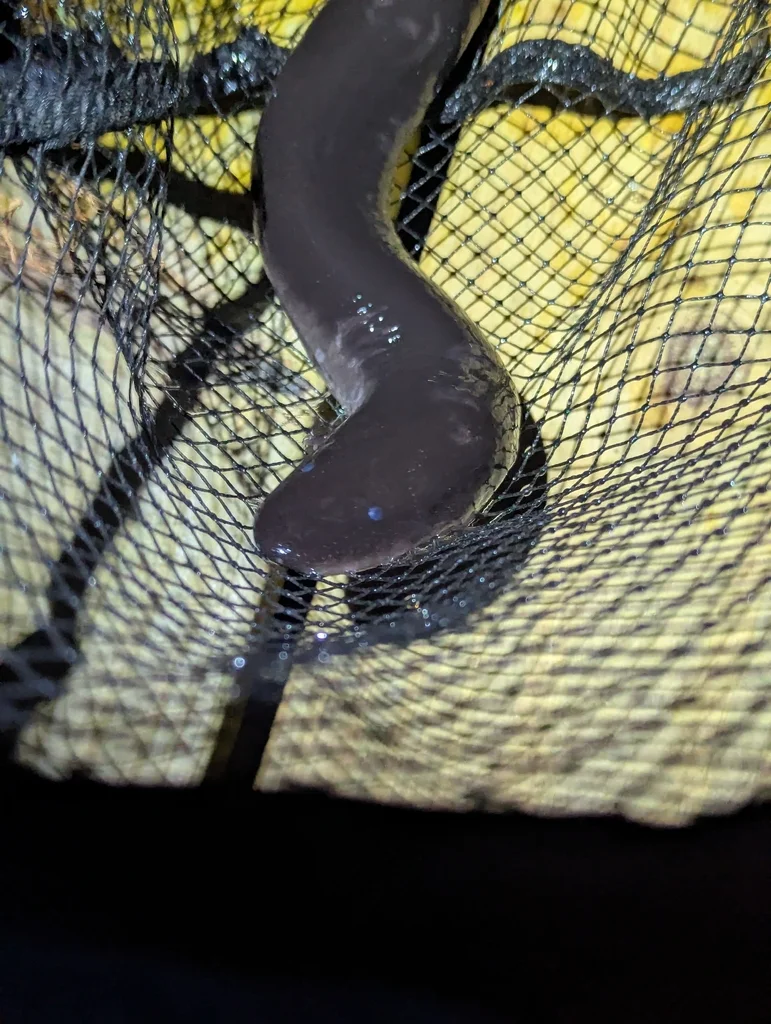
Draga punches far above its modest size for marine biodiversity, supporting a dense, resident community of Adriatic reef dwellers surrounded by open sand flats. Thick European conger eels and nocturnal forkbeards peer out from dark dredging pipes, hull crevices, and machinery housings along the deck.
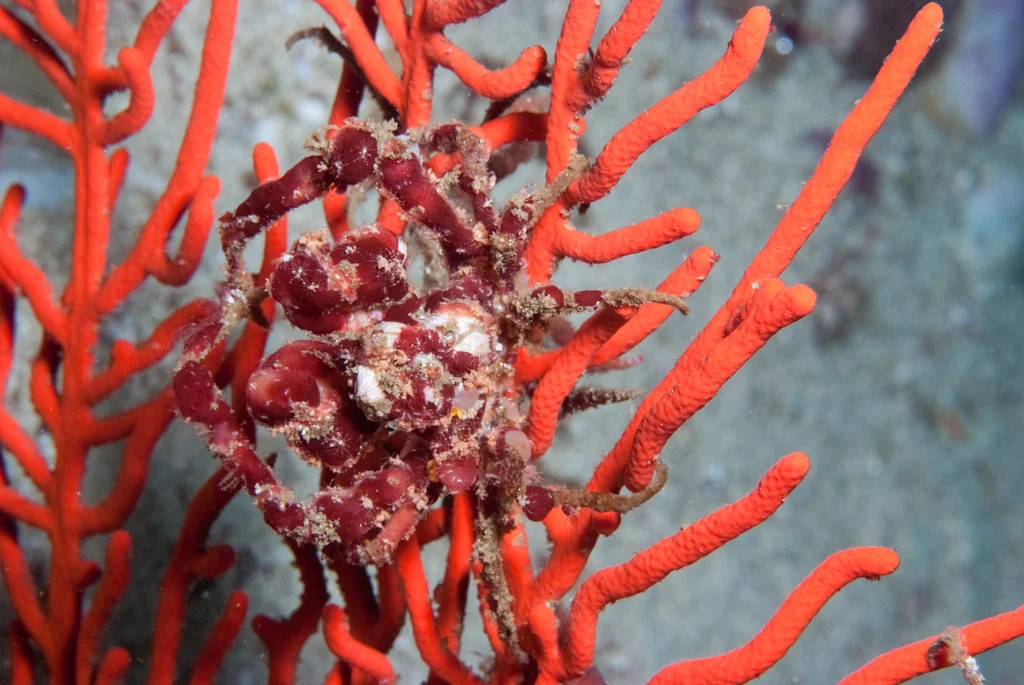
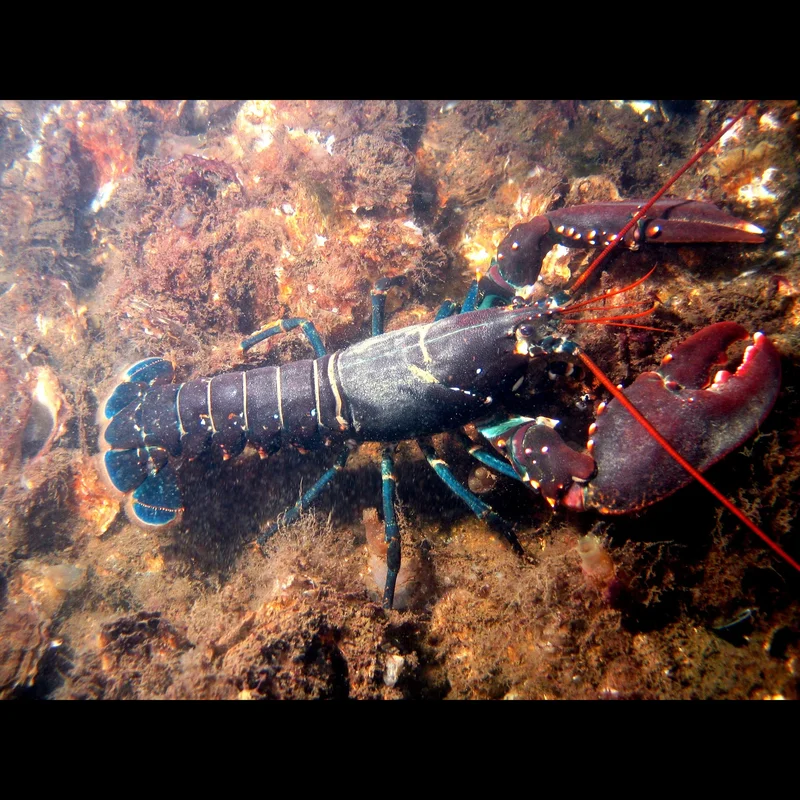
Underneath the curve of the hull at 39 to 40 meters, European lobsters and spiny spider crabs excavate shelters in the sand, while bright red scorpionfish perch motionless atop encrusted winches and bulwarks.
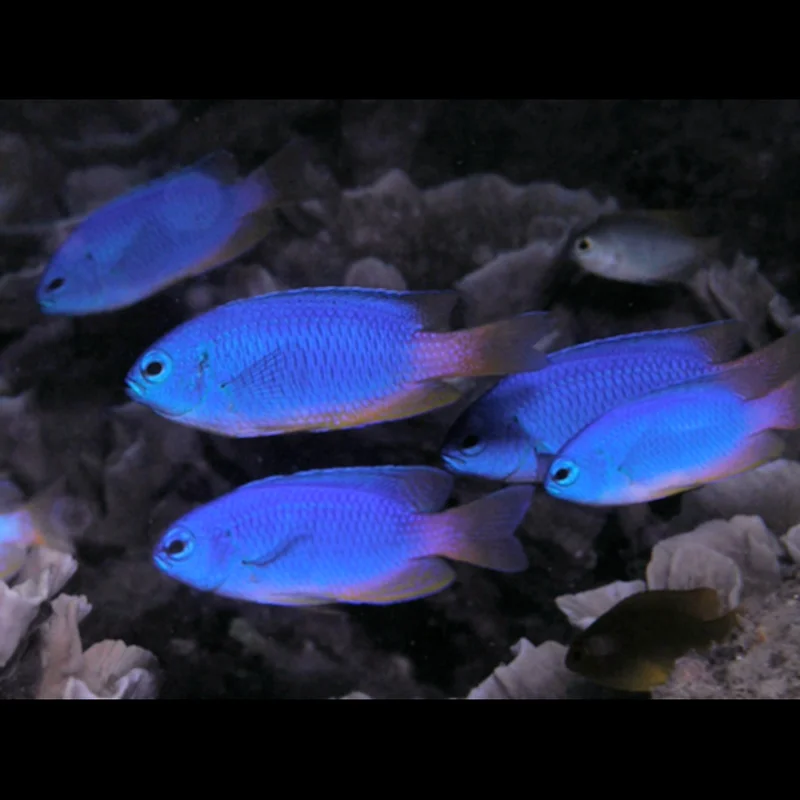
Swirling clouds of damselfish, two-banded seabream, and Bogue blanket the mast up to 28 meters, while careful inspection of the surrounding sandy seabed just off the hull reveals elegant tall sea pens, burrowing anemones, and occasional small-spotted catsharks.

1 / 2
Image contributors:Diego Delso, Georgina Jones + 2 more
Want to contribute photos or local dive knowledge? Learn how to contributeDive Sites Near Wreck Draga
View all dive sites in CroatiaDiscover more underwater gems in this area.
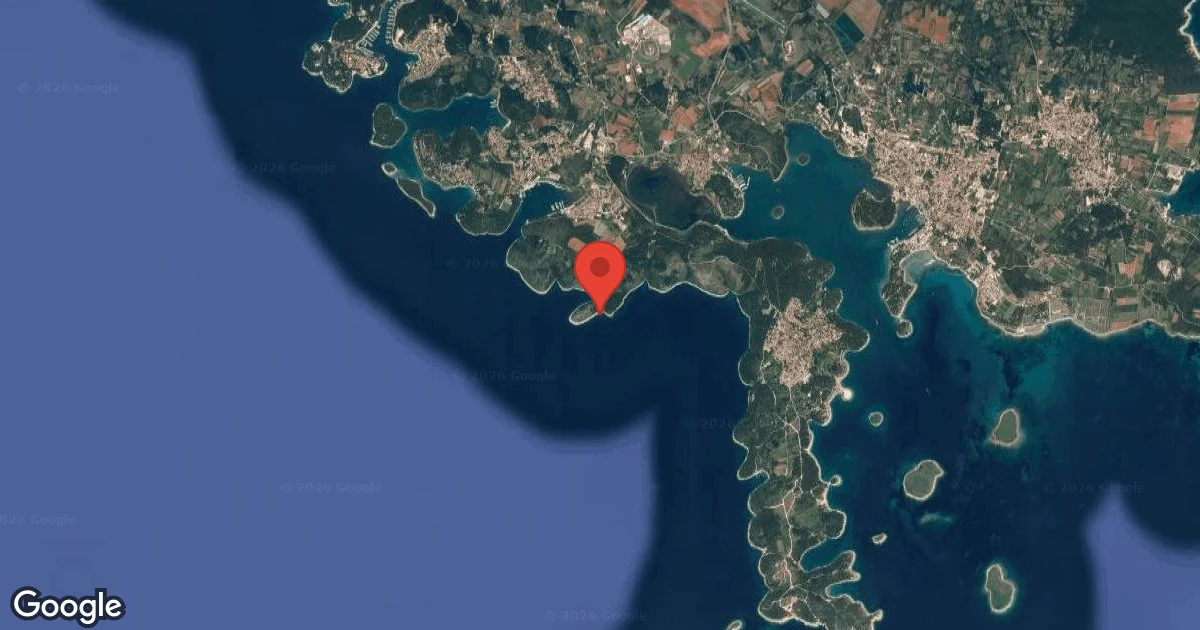
Max 38 m
5.9 km
360°intermediateRed Rocks Kamenjak
BoatCanyon
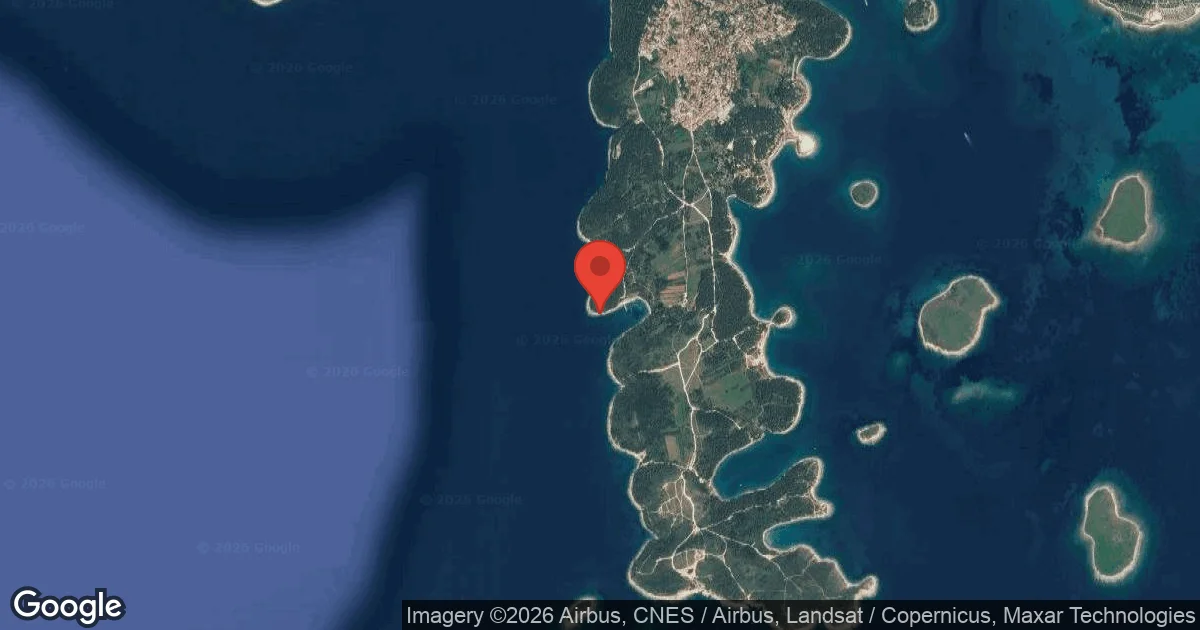
Max 38 m
6.4 km
360°intermediatePolje Cove
BoatOcean
Max 45 m
5.2 km
advancedTB 26 Flamingo
ArchaeologicalBoat
Max 42 m
5.5 km
advancedSubmarine U-81
ArchaeologicalBoat
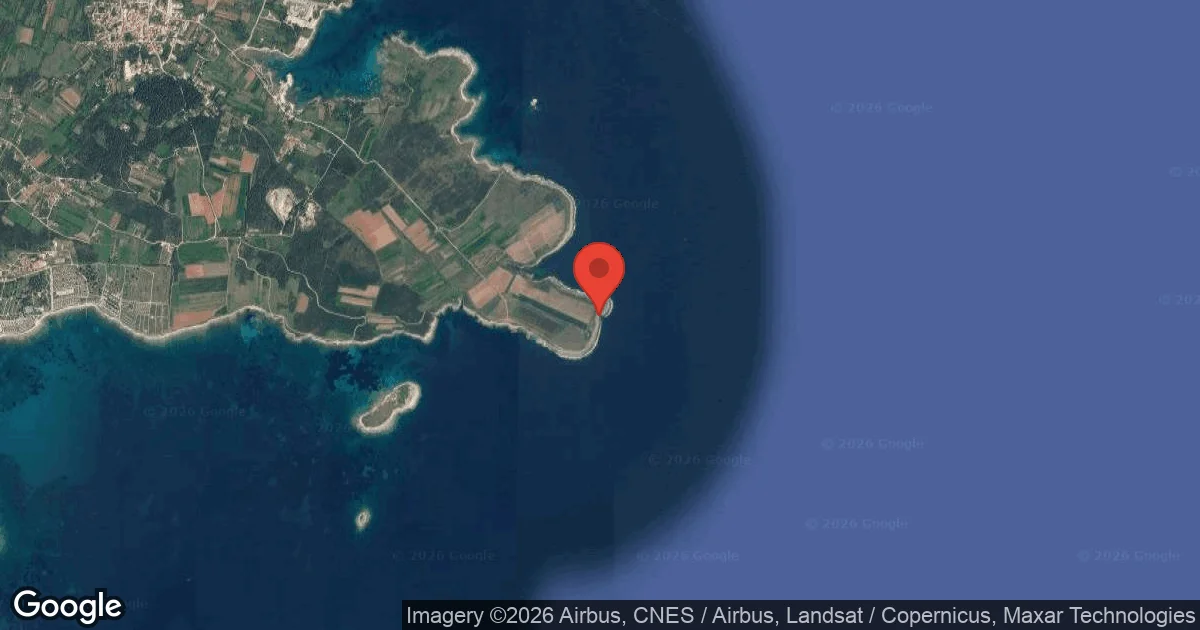
Max 40 m
14.5 km
360°intermediateCape Marlera
BoatOcean
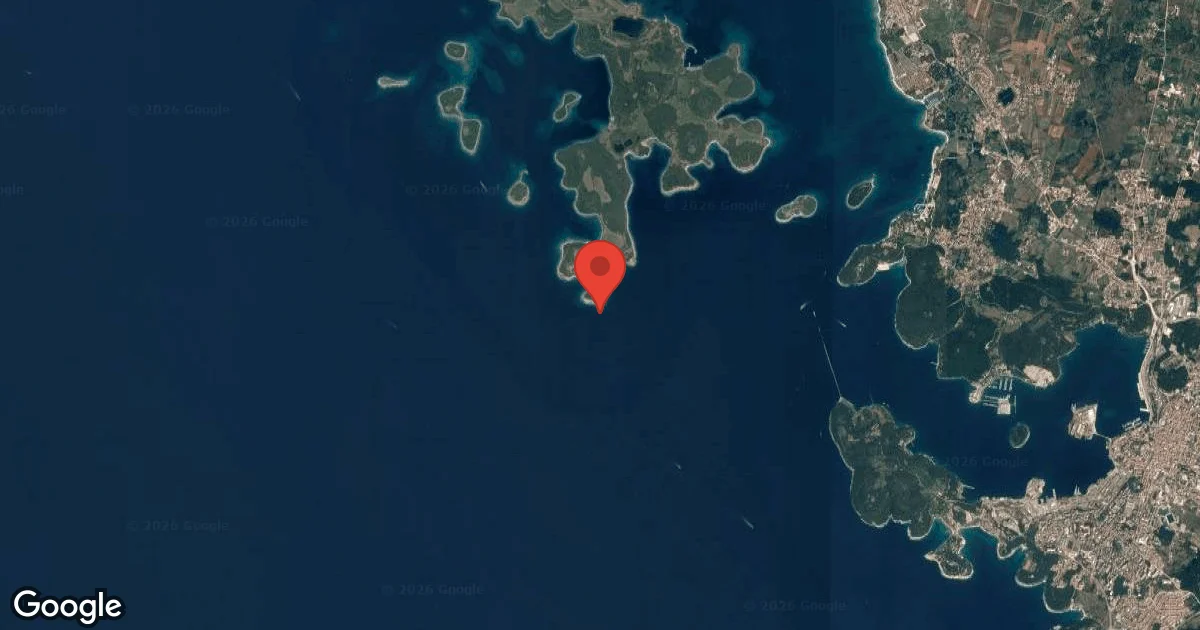
Max 45 m
14.5 km
intermediateCape Peneda
BoatCanyon
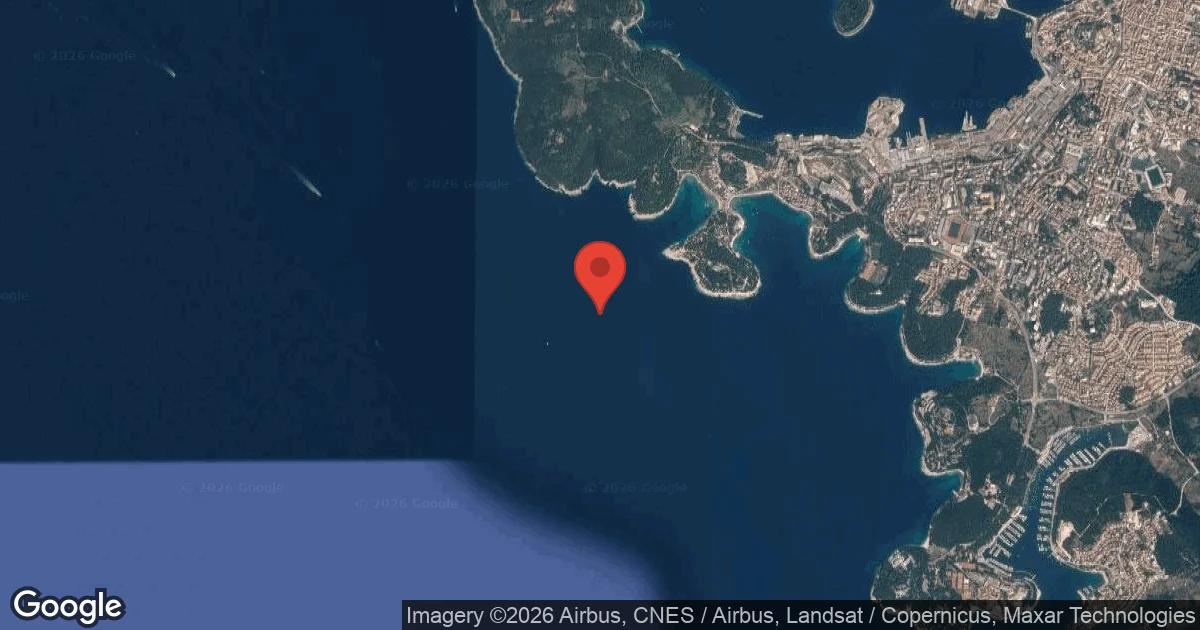
Max 42 m
9.8 km
advancedSubmarine Medusa
BoatDown Line
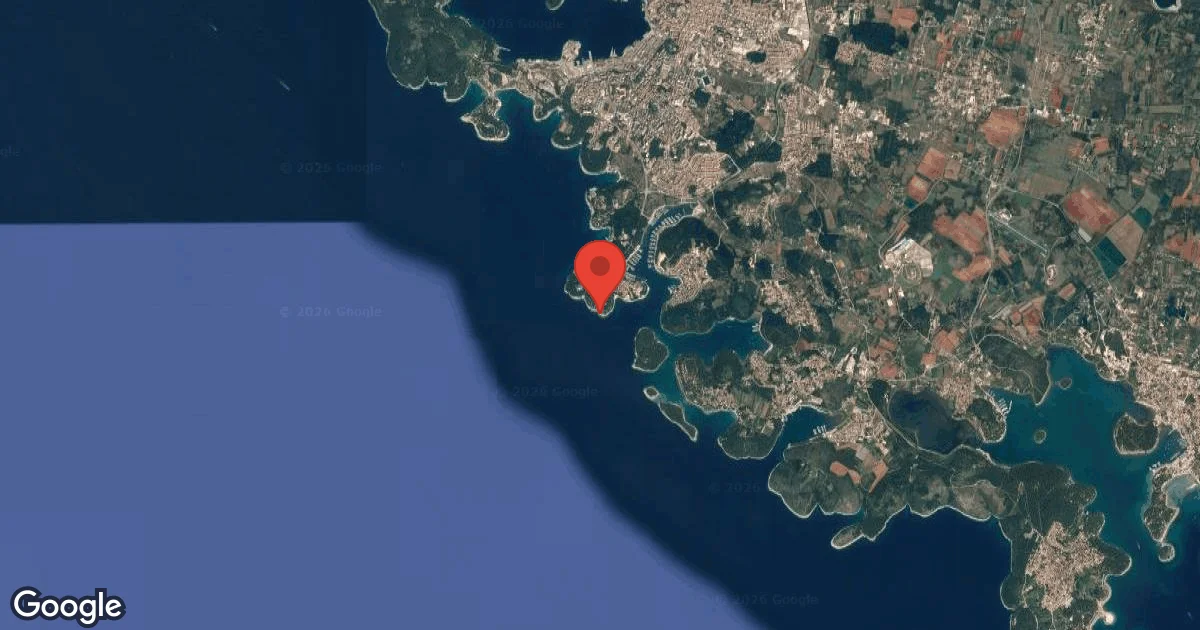
Max 35 m
7.4 km
360°beginnerVerudela Lighthouse
BoatCanyon
Max 38 m
5.9 km
360°intermediateRed Rocks Kamenjak
BoatCanyon
Max 38 m
6.4 km
360°intermediatePolje Cove
BoatOcean
Max 45 m
5.2 km
advancedTB 26 Flamingo
ArchaeologicalBoat
Max 42 m
5.5 km
advancedSubmarine U-81
ArchaeologicalBoat
Max 40 m
14.5 km
360°intermediateCape Marlera
BoatOcean
Max 45 m
14.5 km
intermediateCape Peneda
BoatCanyon
Max 42 m
9.8 km
advancedSubmarine Medusa
BoatDown Line
Max 35 m
7.4 km
360°beginnerVerudela Lighthouse
BoatCanyon
Max 35 m
6.5 km
beginnerFraškerić Island
Anchor DiveBoat
Max 42 m
13.4 km
advancedWreck Varese
ArchaeologicalBoat
1 / 2
Dive Centers Near Wreck Draga
Working Hours
Sun09:30 - 19:00
Mon09:30 - 19:00
Tue09:30 - 19:00
Wed09:30 - 19:00
Thu09:30 - 19:00
Fri09:30 - 19:00
Sat09:30 - 19:00
Today: 09:30 - 19:00
Sun09:30 - 19:00
Mon09:30 - 19:00
Tue09:30 - 19:00
Wed09:30 - 19:00
Thu09:30 - 19:00
Fri09:30 - 19:00
Sat09:30 - 19:00
4.7| 211 reviews
6.9 km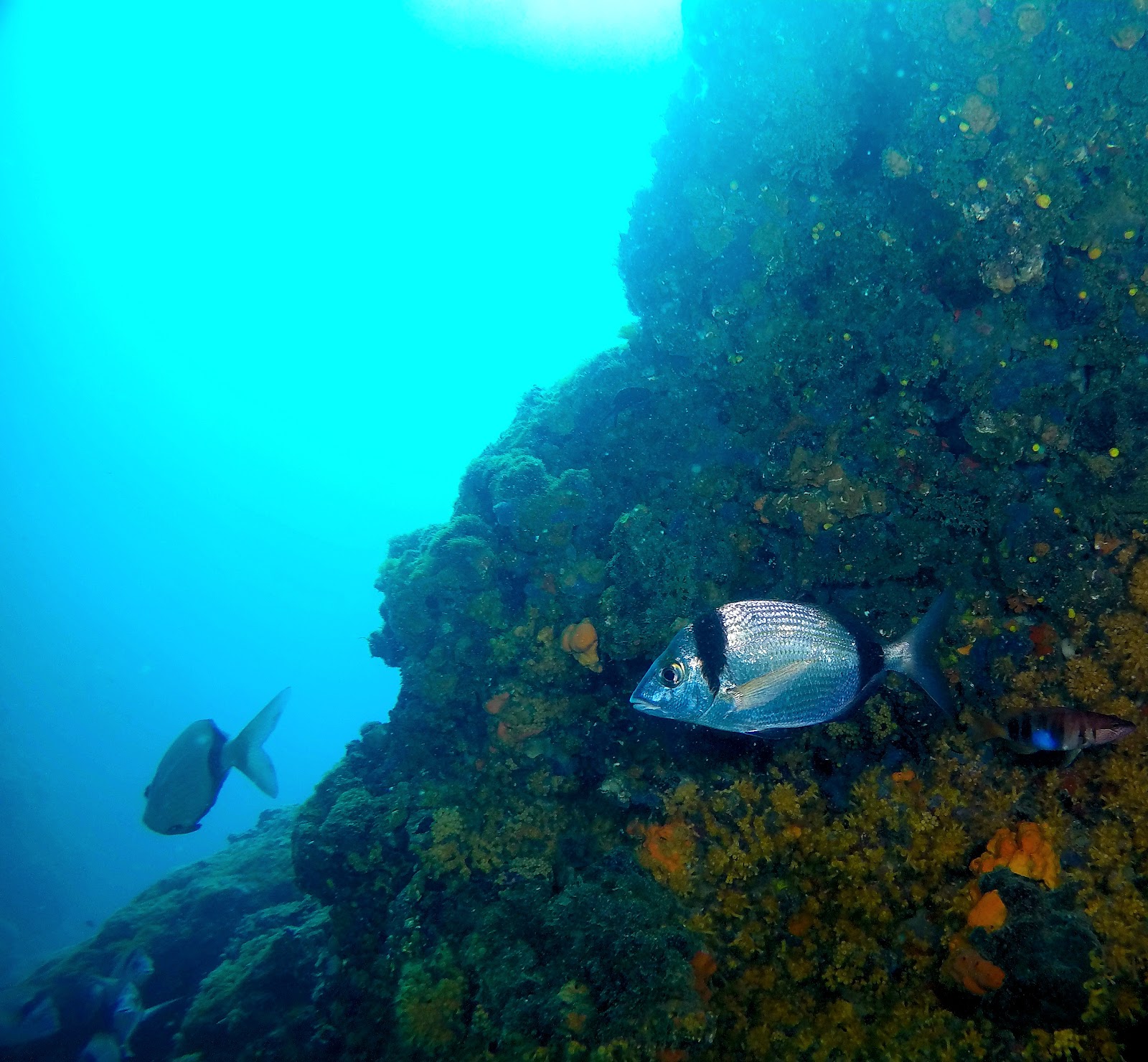
4.7| 129 reviews
8.1 km
4.6| 244 reviews
9.2 km
Girandella Diving Centre
4.8(231)• 44.3 km
Triton Diving
4.8(132)• 46.6 km
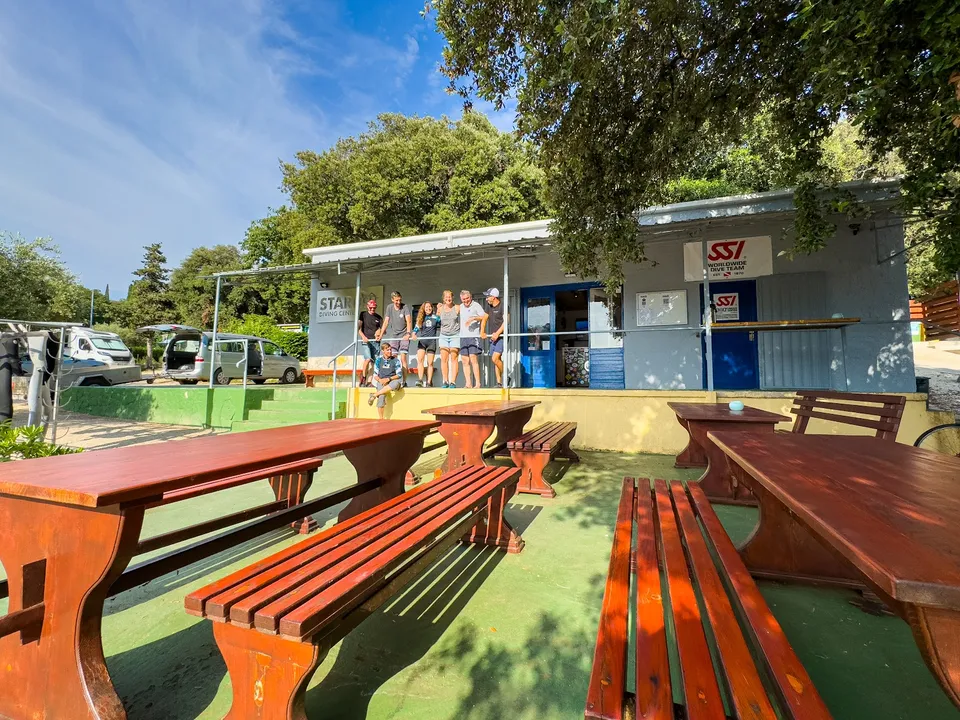
Starfish Diving Center
4.7(240)• 45.6 km
Nearest Airports
Nearest airports to help plan travel to this dive area.
Pula Airport PUY
16 km
Rijeka Airport RJK
77 km
Trieste Airport TRS
121 km
💵 Currency: EUR
Search Flights
Check available flights and routes on Expedia, using the nearby airports listed in this section.
Search Flights on ExpediaAffiliate link · Dive Navigator may earn a commission at no extra cost to you.
Frequently Asked Questions
What caused the sand dredger Draga to sink?
In the mid-1960s, a combination of rough weather and an overloaded cargo of wet sand fractured the forward hull plating at the prow, causing the working boat to flood and sink upright.
Why is Wreck Draga recommended as an introductory deeper wreck?
Its upright posture, mast rising to 28 meters, mild currents, open permit-free access, and compact 28-meter hull allow qualified deep recreational divers to see the entire ship without complex navigation.
What certification is required to dive Wreck Draga?
Divers need at least an Advanced Open Water certification paired with Deep Diver training (rated to 40 meters) and solid buoyancy control, typically with 35 or more logged dives.
Can divers penetrate inside the Draga wheelhouse or hull?
Penetration is not practiced because the small working wheelhouse and engine spaces are narrow and silt-filled, while the main sand hold and deck machinery are completely open from above.
Can Nitrox be used on Wreck Draga?
Yes—a conservative enriched-air blend such as 28 percent oxygen (maximum operating depth 40 meters at 1.4 partial pressure) extends no-decompression margin across the 34-to-37-meter deck.
What marine life can photographers expect around the wreck?
Photographers regularly capture conger eels inside dredging pipes, red scorpionfish on the winches, lobsters beneath the hull, dense seabream and damselfish schools around the 28-meter mast, and sea pens on the sand.
Trip Inquiry
Planning to dive Wreck Draga?
Tell us your dates and diving needs. We'll review your request and seek offers from relevant local dive centers.
Request Dive Offers Free request for offers • No booking obligation
Wreck Draga
Conditions are Good
7/10
Confidence: 8/10
Indicates meteorological model agreement and data availability.
Best Dive Window
Optimal conditions expected
06:12
18:45
H: 10:45
L: 16:20
Air / Sea Temp
11° / 16°
Wave Height
1.3 m
Wind Speed
38 km/h ENE
Rain Chance
0%
Current conditions near Wreck Draga show 11° air, 16° sea temperature, 1.3 m waves, and 38 km/h wind. Forecast data is refreshed regularly to ensure accuracy.
Radius: ~12km
Updated: Nov 23, 2026, 06:43 local timeMARINE: OPEN-METEOWEATHER: YR.NO


