
Diving at Tisvildeleje (Denmark)
Navigating Tisvildeleje requires careful attention to currents, which can shift direction and intensity, particularly at greater depths. Divers should prepare for varying conditions, as strong opposing currents can quickly deplete air supply. While providing an engaging drift dive experience, the site demands situational awareness and proper planning to mitigate potential risks.
Tonight's objective overview for Tisvildeleje shows an air temperature of 15°C. The measured surface conditions include wave heights around 0.5 m. This environmental data is logged for the close of the day.
Dive Site Location & Key Facts
Dive Site Overview
Tisvildeleje Strand presents local divers with an accessible shore dive experience along Denmark's northern coast. Roughly 150 m (500 ft) from the shoreline, a distinct stone reef extends parallel to the beach, formed by large boulders typically 1 to 3 meters (3 to 10 ft) in size.
Exploring these geological features offers a clear focal point for recreational dives. The site emphasizes an intimate interaction with the reef, making deeper excursions largely unnecessary for fulfilling the dive's primary objective. Adjacent to the extensive boulder field, the surrounding area also features sandy bottom sections, a common characteristic of many Danish dive locations.
Divers can navigate along these natural structures, frequently encountering various marine life seeking refuge within the numerous stones and crevices. While specific maximum depths for the entire site are not consistently reported, the diving here centers on thoroughly investigating these shallower rocky areas.
This approach maximizes visual engagement, as points of interest become sparse in deeper water where visibility can also diminish. Its relative ease of access, especially when compared to more logistically challenging offshore locations, solidifies Tisvildeleje as a consistent local favorite for informal underwater exploration and training.
Conditions are Good
Optimal conditions expected
Current conditions near Tisvildeleje show 15° air, 17° sea temperature, 0.7 m waves, and 31 km/h wind. Forecast data is refreshed regularly to ensure accuracy.
Best Time to Dive
Planning a dive at Tisvildeleje is often best from April to September when conditions are generally more favorable. During these months, the average air temperatures range from around 8°C (46°F) in April to a peak of about 17.5°C (64°F) in July and August, then cooling to 16.5°C (62°F) by September. Rainfall is comparatively lower in the spring months, with April averaging 1.49 mm and May 1.34 mm, potentially contributing to better underwater visibility. While summer months like July and August experience slightly higher average rainfall (3.18 mm and 3.30 mm, respectively), the warmer air temperatures make for a more comfortable surface interval. Dive scores indicate 'Excellent' conditions in April, May, and September, with 'Good' ratings for the intervening summer months, suggesting a broad window for enjoyable diving.
PEAK SEASON SCORE
Scores combine air & water temps, waves, wind & rainfall for overall conditions.
BEST MONTHS TO DIVE
Monthly records compiled from satellite and marine observation nodes over the last 3 years. Data provided by Open-Meteo and MET Norway.
Dive Experience & Conditions
Upon entering the water at Tisvildeleje, divers typically navigate the approximately 150 m (about 500 ft) distance to the main stone reef. Descending, you'll find large boulders, 1-3 m (3-10 ft) in size, forming a reef structure parallel to the shore. Currents can be a significant factor here; divers may encounter different directions, sometimes opposing, at varying depths. While these currents can enable a "taxi-diving" experience, allowing divers to drift, they also demand constant attention. The site features at least two distinct "steps" or drops, each 2-4 meters (7-13 ft) deep, which can be followed as currents allow. Visibility can vary, and divers are advised not to venture excessively deep, as points of interest become sparse beyond the reef structure. Staying within recreational depth limits generally ensures a more rewarding experience.
Dive Difficulty & Safety Guidelines
Diving at Tisvildeleje necessitates careful observation of local current patterns, as conditions can change rapidly. Currents, particularly at greater depths, have the potential to challenge even experienced divers, quickly consuming air if one attempts to swim against them.
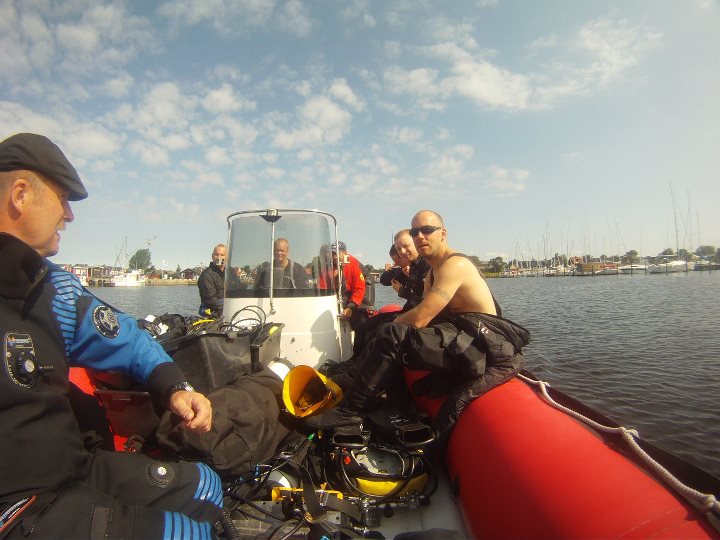
Divers should always inform themselves about the prevailing current direction and intensity before entering the water. Using a surface marker buoy is essential, especially with the presence of boat traffic, ensuring visibility to others on the surface.
If caught in an unexpected current, descending and swimming perpendicular to it, or towards the shore, can often be an effective strategy. Consider boat support for drift dives, as reports indicate such services might be available in the broader area.
Planning your dive within the established recreational depth range is advisable; deeper sections offer limited visual interest and increase the impact of currents, potentially leading to difficult navigation.
Recommended Equipment
- Dive Computer
- Hard-soled Dive Boots
This gear list is based on verified equipment signals for Tisvildeleje, Denmark. Always confirm final gear choices with your dive operator, guide, or liveaboard.
Recommended Dive Suit
Environmental conditions are expected to remain consistent in the short-term outlook.
For typical recreational dives, 5-7mm wetsuit generally provides comfortable insulation. A hood or vest is suggested for sensitive divers due to surface winds. A thermal robe or jacket is recommended between dives.
Current dive conditions indicate that water temperatures around Tisvildeleje are sitting at roughly 17°C (62°F). Surface air temperatures are resting at 15°C (59°F).
Due to technical issues with our weather providers, live updates are temporarily delayed. The data above reflects the conditions at the time of the last successful fetch.
Emergency & Medical Support
Essential information to help you plan your dive trip to Tisvildeleje.

Hyperbaric chambers are a critical part of dive safety infrastructure. Availability varies significantly by region, and not all dive areas have immediate access.
Before diving, it's recommended to:
- confirm nearest medical facilities
- check emergency procedures with local dive operators
- ensure dive insurance covers evacuation if required
Divers Alert Network
Diving emergency assistance available through DAN Europe.
+39 0642115685- 24/7 emergency hotline
- Diving medical assistance
- Evacuation coordination
Emergency contacts are provided for reference. Always verify local emergency services before diving.
Closest Listed Hyperbaric Chambers
Showing listed hyperbaric chamber facilities within 200 km of this dive site.
Distances are approximate straight-line distances and may not reflect emergency travel time.
Rigshospitalet Copenhagen University Hospital
24/7 ListedICU CapableCopenhagen, Denmark•Approx. 51 km straight-line
Rigshospitalet Copenhagen University Hospital
24/7 ListedICU CapableInformation is provided for reference and planning purposes only. Dive Navigator does not verify operational status, staffing, availability, or quality of care at listed facilities. In an emergency, contact local emergency services, DAN, your dive operator, or the chamber directly. Do not travel to a facility without calling ahead.
Aarhus University Hospital, Noerrebrogade
24/7 ListedICU CapableAarhus C, Denmark•Approx. 116 km straight-line
Aarhus University Hospital, Noerrebrogade
24/7 ListedICU CapableInformation is provided for reference and planning purposes only. Dive Navigator does not verify operational status, staffing, availability, or quality of care at listed facilities. In an emergency, contact local emergency services, DAN, your dive operator, or the chamber directly. Do not travel to a facility without calling ahead.
Information is provided for reference and planning purposes only. Dive Navigator does not verify operational status, staffing, availability, or quality of care at listed facilities. In an emergency, contact local emergency services, DAN, your dive operator, or the chamber directly. Do not travel to a facility without calling ahead.
Marine Life at Tisvildeleje
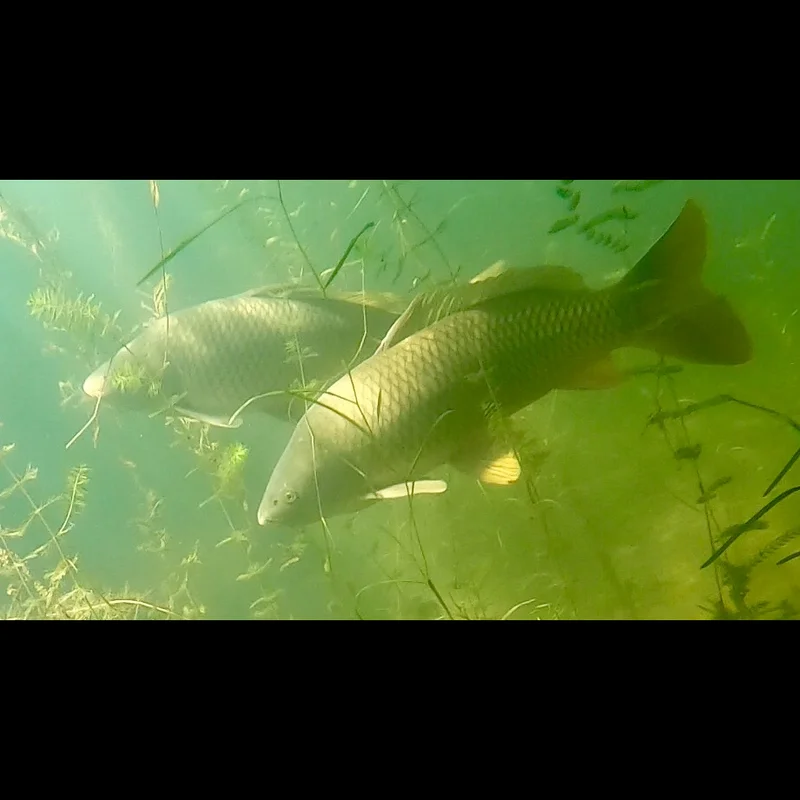
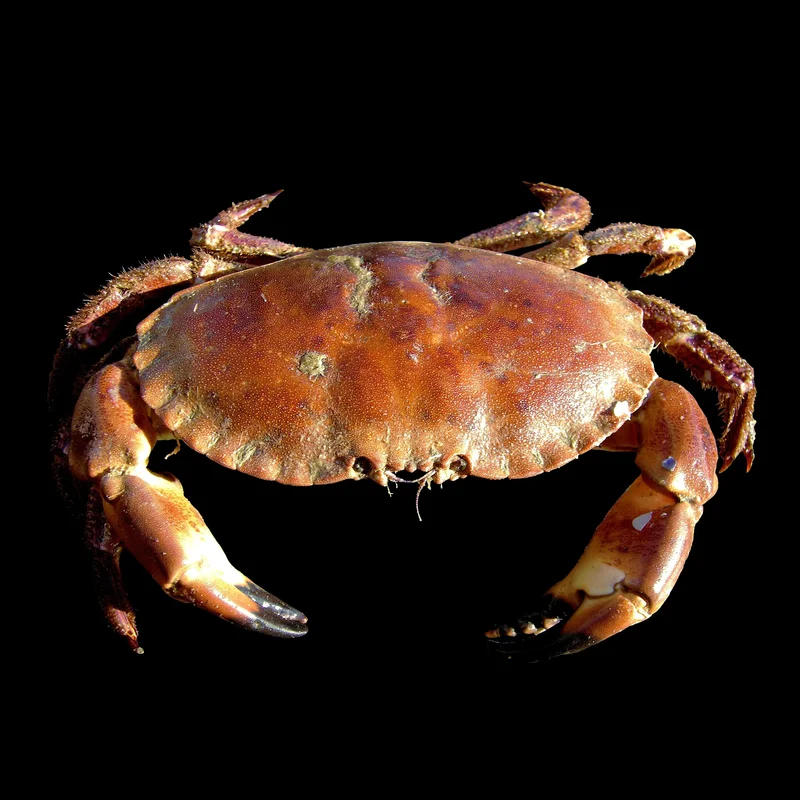
Exploring the stone reef at Tisvildeleje reveals a varied assortment of marine life. Divers frequently encounter numerous crabs scuttling among the boulders.
Various types of soles are commonly observed, often camouflaged against the sandy or rocky substrate. The occasional cod may be spotted, particularly in the crevices and sheltered areas of the reef.
For those who venture on night dives, the site becomes especially vibrant, with a notable presence of eels emerging from their hiding spots to forage among the stones. While not an overwhelmingly diverse ecosystem, the focus here is on these specific bottom dwellers and their nocturnal activities.
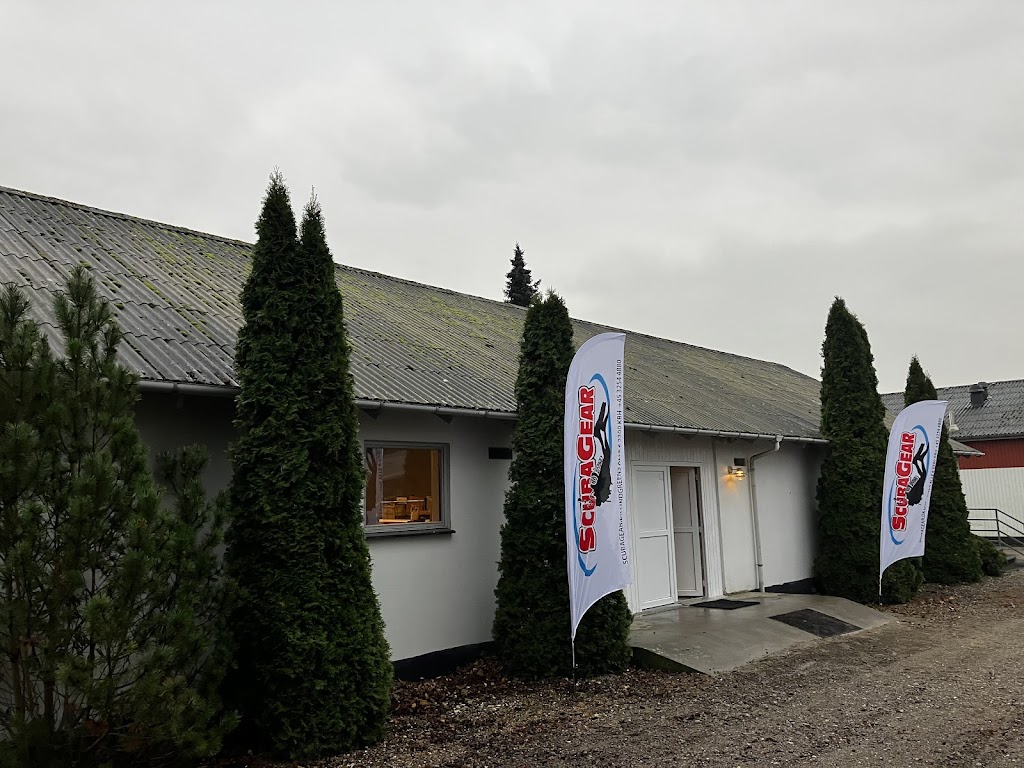
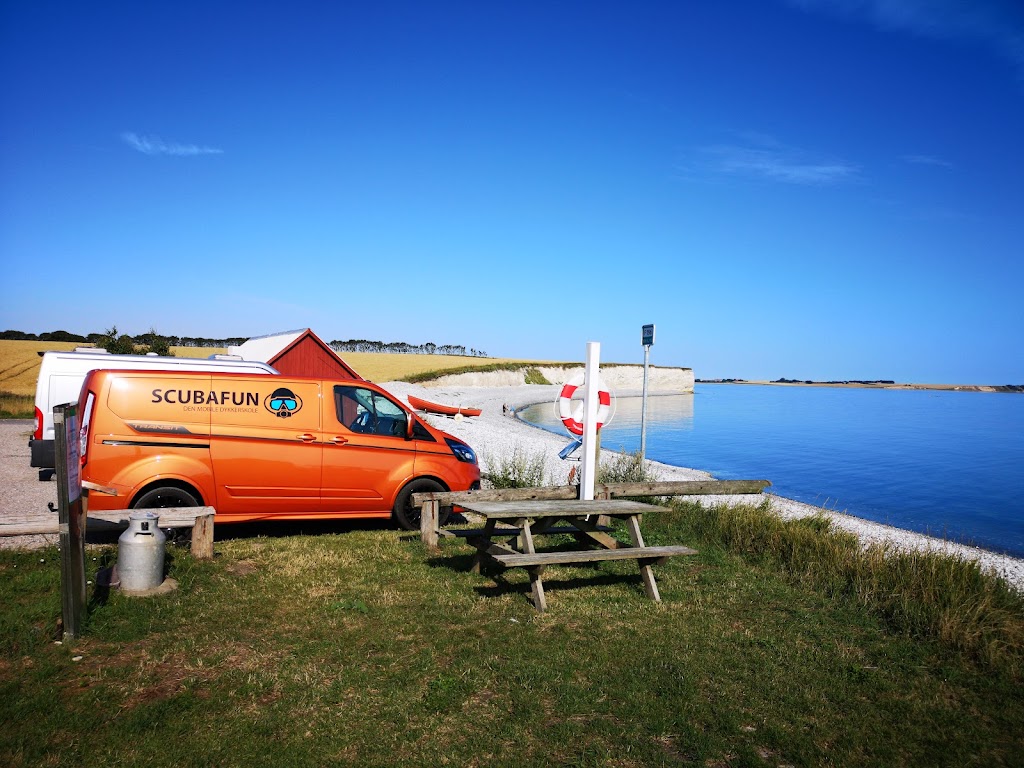
Dive Centers Near Tisvildeleje
Today: 10:00 - 16:00

Nearest Airports
Nearest airports to help plan travel to this dive area.
Search Flights
Check available flights and routes on Expedia, using the nearby airports listed in this section.
Search Flights on ExpediaFrequently Asked Questions
What is the typical depth range for diving at Tisvildeleje?
The primary diving interest at Tisvildeleje is concentrated around a stone reef approximately 150 m (about 500 ft) from shore. Divers typically explore within recreational depths, focusing on the structures rather than venturing into excessively deep water where points of interest are limited.
Are there strong currents at Tisvildeleje?
Yes, currents can be a significant factor. Divers may experience currents flowing in different directions, sometimes opposing, particularly at greater depths. These currents can be used for drift diving, but require careful monitoring as they can quickly become challenging if swimming against them.
What kind of marine life can I expect to see?
The stone reef provides habitat for various species. Expect to see numerous crabs, different kinds of soles, and occasionally cod. Night dives often reveal a higher presence of eels.
Is Tisvildeleje suitable for beginner divers?
While access from the beach is relatively easy and depths are recreational, the presence of potentially strong and shifting currents means divers should possess confidence in current management. It's not a site for the faint of heart, making it more appropriate for certified divers comfortable with variable conditions.
When is the best time of year to dive here?
The months from April to September generally offer the most favorable conditions, with 'Excellent' dive scores in April, May, and September. Air temperatures are warmer during this period, enhancing overall comfort for divers.
What are the 'steps' mentioned in the dive description?
The 'steps' refer to at least two distinct drops in the seabed, each about 2-4 meters (7-13 ft) deep. These natural geological features are often followed by divers as current conditions permit, as they host a variety of marine life.
Planning to dive Tisvildeleje?
Send one inquiry and receive offers directly from the best verified local dive operators.
Conditions are Good
Optimal conditions expected
Current conditions near Tisvildeleje show 15° air, 17° sea temperature, 0.7 m waves, and 31 km/h wind. Forecast data is refreshed regularly to ensure accuracy.