
Diving at Pared de Tijeretas (Ecuador)
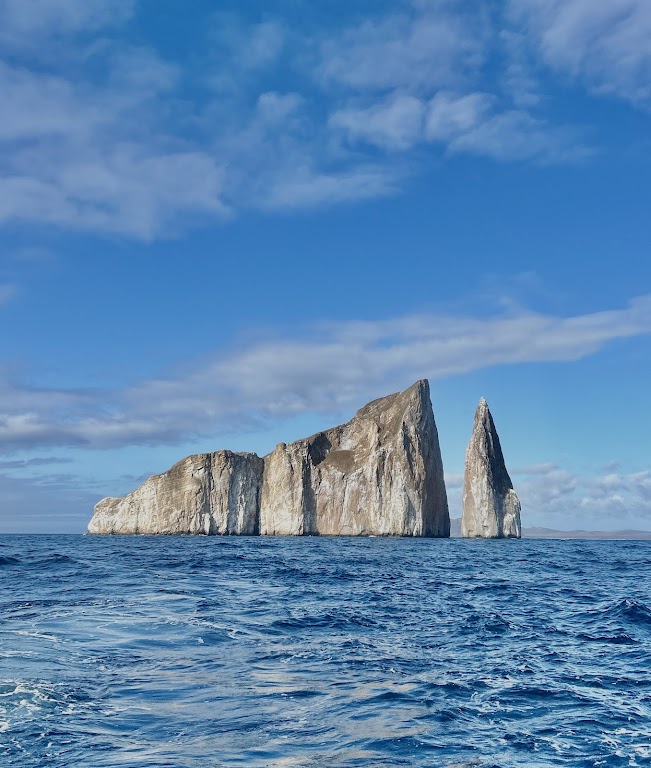
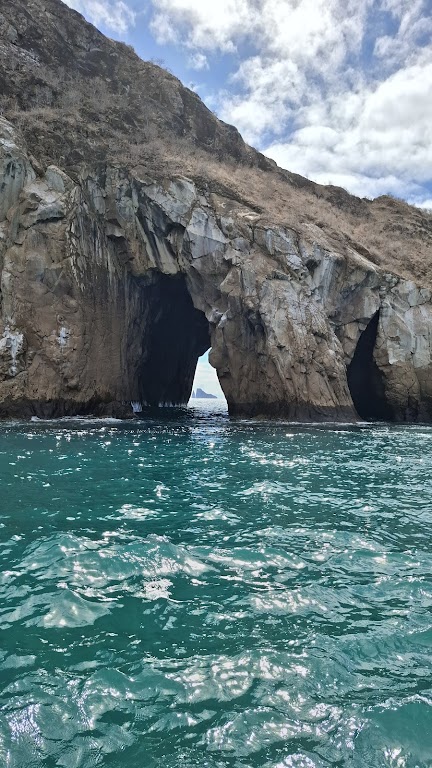
Pared de Tijeretas invites divers into an active marine world, celebrated for its dynamic interactions with sea lions. A short boat ride from Puerto Baquerizo Moreno on San Cristobal Island, it presents a compelling blend of reef, wall, and sandy bottom environments. It's a prime location for encounters with white-tip reef sharks, turtles, and diverse reef fish, promising an engaging experience within the Galapagos' rich waters.
Tonight's objective overview for Pared de Tijeretas shows an air temperature of 28°C. The measured surface conditions include wave heights around 1.2 m. This environmental data is logged for the close of the day.
Dive Site Location & Key Facts
Dive Site Overview
Planning a dive at Pared de Tijeretas typically involves a comprehensive half-day trip, frequently paired with an initial exploration of nearby coral caves, enriching the overall experience. An immersive underwater session itself spans approximately 45 minutes per dive, allowing ample time to thoroughly explore unique features.
Inside the protected bay, divers can enjoy a notably relaxed atmosphere, making it an ideal choice for an easy warm-up, skill refresh, or even a night dive. Here, depths generally remain around 10 m / 33 ft, providing comfortable conditions for extended observation of resident reef inhabitants. Beyond the bay’s calmer embrace, the seabed gradually descends, presenting opportunities for deeper exploration down to about 30 m / 98 ft.
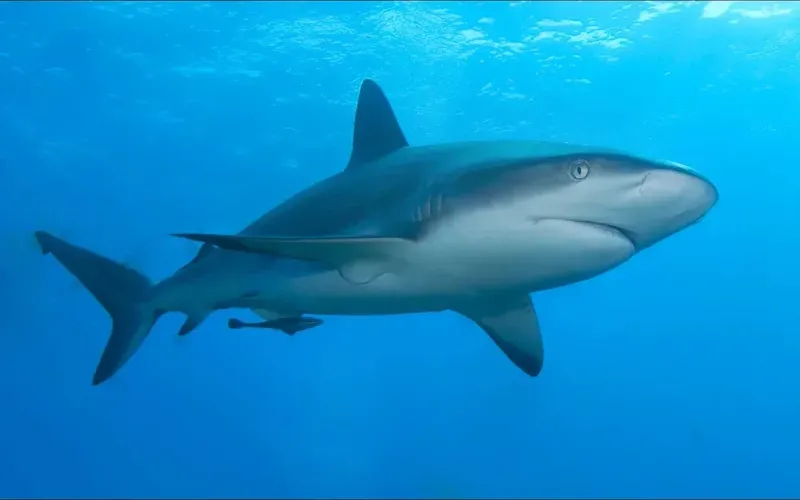
A transition from bay to deeper waters reveals a sloping wall and open ocean environments, significantly increasing chances to observe larger pelagic species such as various shark species or rays. Site versatility caters to various diver interests, from playful sea lion encounters in the shallows to seeking out elusive predators in more open waters, making each descent distinct.
Conditions are Good
Optimal conditions expected
Current conditions near Pared de Tijeretas show 28° air, 26° sea temperature, 1.2 m waves, and 24 km/h wind. Forecast data is refreshed regularly to ensure accuracy.
Best Time to Dive
While diving here is consistently rated 'Good' for much of the year, specific conditions shift depending on the season, influencing overall comfort. Warmer months, typically from January through April, see average air temperatures ranging from 25°C / 77°F to 26°C / 79°F, with slightly higher rainfall, reaching up to 5.73 mm in March. Conversely, cooler, drier season from July to October brings average air temperatures down to 21.5°C / 71°F in September, with minimal rainfall. Although water temperature data isn't consistently reported, calm conditions within the bay are often present, regardless of seasonal shifts. Wind speeds also vary, being lowest in March at around 9.96 km/h and highest in August at 20.13 km/h.
PEAK SEASON SCORE
Scores combine air & water temps, waves, wind & rainfall for overall conditions.
BEST MONTHS TO DIVE
Monthly records compiled from satellite and marine observation nodes over the last 3 years. Data provided by Open-Meteo and MET Norway.
Dive Experience & Conditions
Entering the water at Pared de Tijeretas typically begins a journey into calm, protected bay waters, almost always placid. Perfect for initial descent and buoyancy checks. As divers explore the bay, they'll navigate around reef formations and sandy patches, often engaging with the resident sea lion colony. Curious animals are known to interact playfully in shallower areas. Moving outside the bay, underwater topography evolves, presenting a gradually sloping seabed merging into a wall dive. Reaching greater depths in this transition zone allows for sightings of larger marine life in a more open ocean setting. Visibility varies depending on current and plankton blooms, generally providing clear views of diverse ecosystems. Varied site structure supports different dive profiles, catering to both new divers and those seeking deeper encounters.
Dive Difficulty & Safety Guidelines
Approaching Pared de Tijeretas requires divers to be mindful of its diverse environments. Inside the bay, calm conditions are generally forgiving for novices and warm-up dives, but awareness of boat traffic near the surface is always important. Venturing beyond the bay into deeper, open water sections, divers may encounter stronger currents.
Maintaining good buoyancy control is advisable, especially around wall and sloping reef sections, to protect delicate marine ecosystems. Proper dive planning, adherence to depth limits, and conservative air management are crucial, particularly as immersion times are typically around 45 minutes.
A PADI Open Water Diver certification is recommended as a baseline, with advanced training in Boat Diver or Peak Performance Buoyancy enhancing the experience.
Recommended Equipment
- Dive Computer
- DSMB
This gear list is based on verified equipment signals for Pared de Tijeretas, Ecuador. Always confirm final gear choices with your dive operator, guide, or liveaboard.
Recommended Dive Suit
Divers planning deeper dives may feel cooler than those staying in shallower areas.
Many divers find that 2-3mm shorty or light wetsuit offers a comfortable balance between warmth and mobility. A hood or vest is suggested for sensitive divers due to surface winds. The coming days appear slightly cooler according to the latest forecast. Cooler days are ahead; you might want a warmer option for later in the week. Carrying a secondary suit is common practice among experienced divers.
Current temperature readings suggest that the water at Pared de Tijeretas is around 26°C (79°F). Surface air temperatures are resting at 28°C (83°F).
Due to technical issues with our weather providers, data hasn't been fetched for over 48 hours. The data above reflects the conditions at the time of the last successful fetch.
Emergency & Medical Support
Essential information to help you plan your dive trip to PARED DE TIJERETAS.

Hyperbaric chambers are a critical part of dive safety infrastructure. Availability varies significantly by region, and not all dive areas have immediate access.
Before diving, it's recommended to:
- confirm nearest medical facilities
- check emergency procedures with local dive operators
- ensure dive insurance covers evacuation if required
Divers Alert Network
Diving emergency assistance available through DAN World.
+1-919-684-9111- 24/7 emergency hotline
- Diving medical assistance
- Evacuation coordination
Emergency contacts are provided for reference. Always verify local emergency services before diving.
Marine Life at Pared de Tijeretas
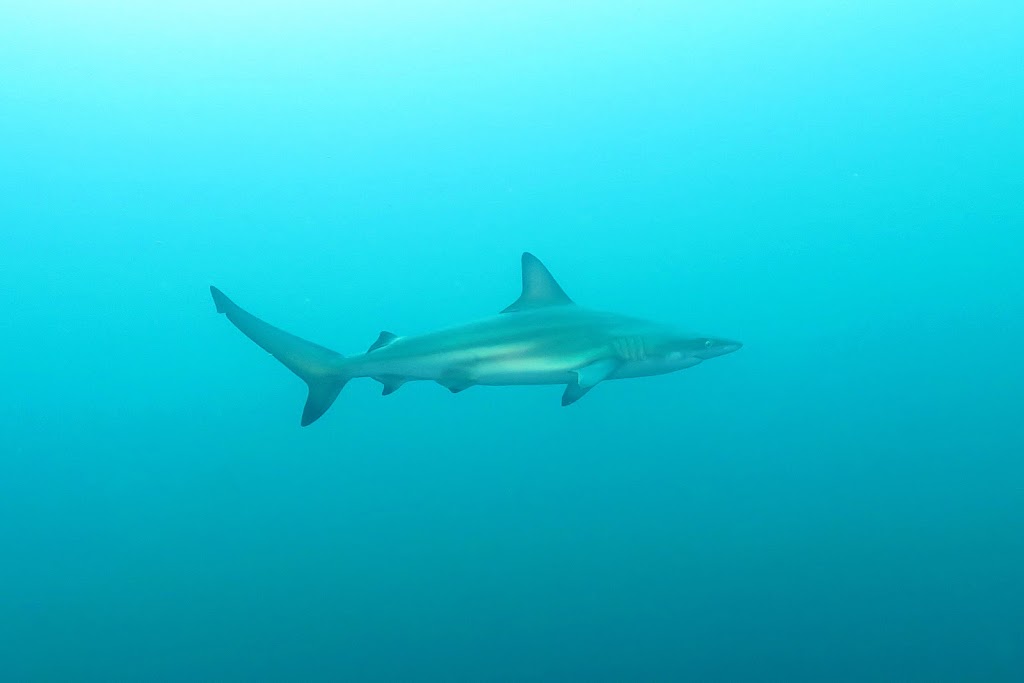
A vibrant ecosystem at Pared de Tijeretas is home to a playful sea lion colony, whose members enthusiastically interact with divers in the bay. Beyond these charismatic pinnipeds, white-tip reef sharks cruise along the reef, and green sea turtles are frequently observed.
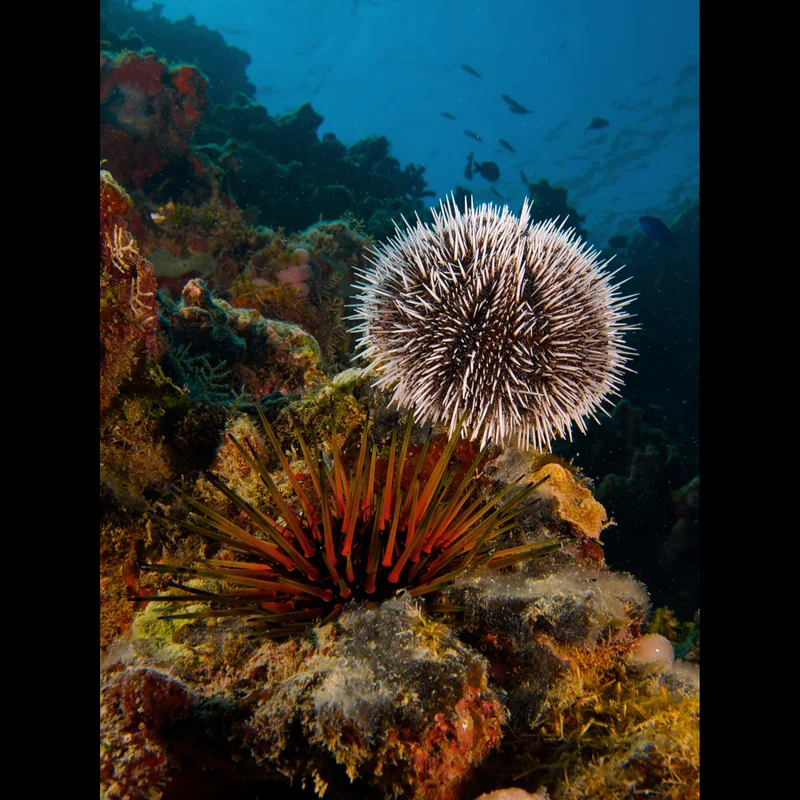
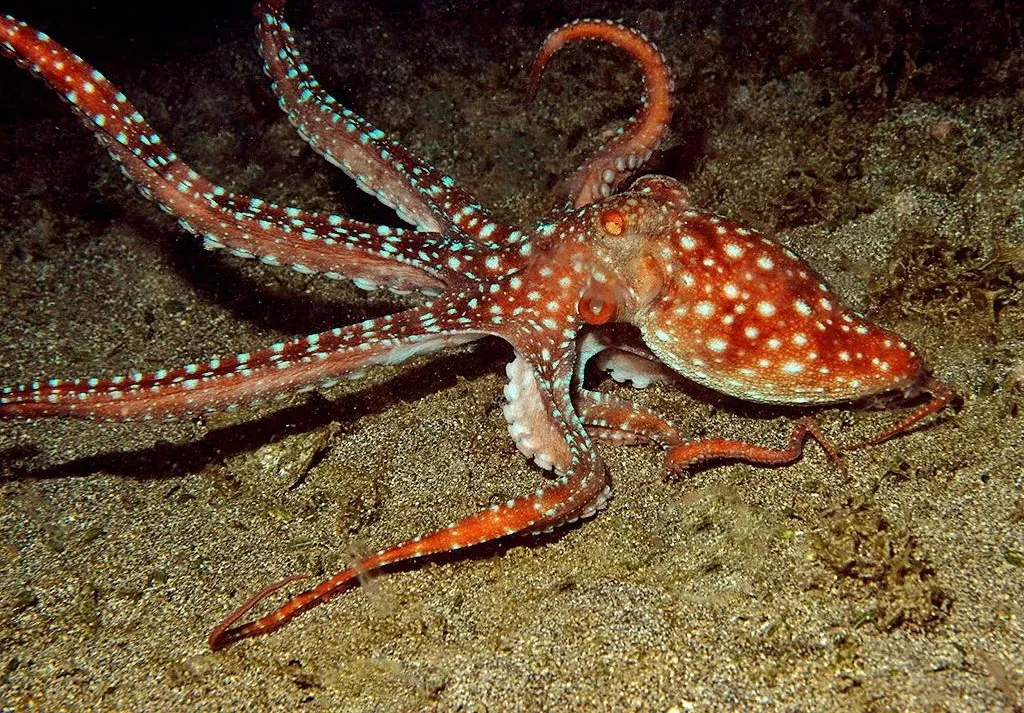
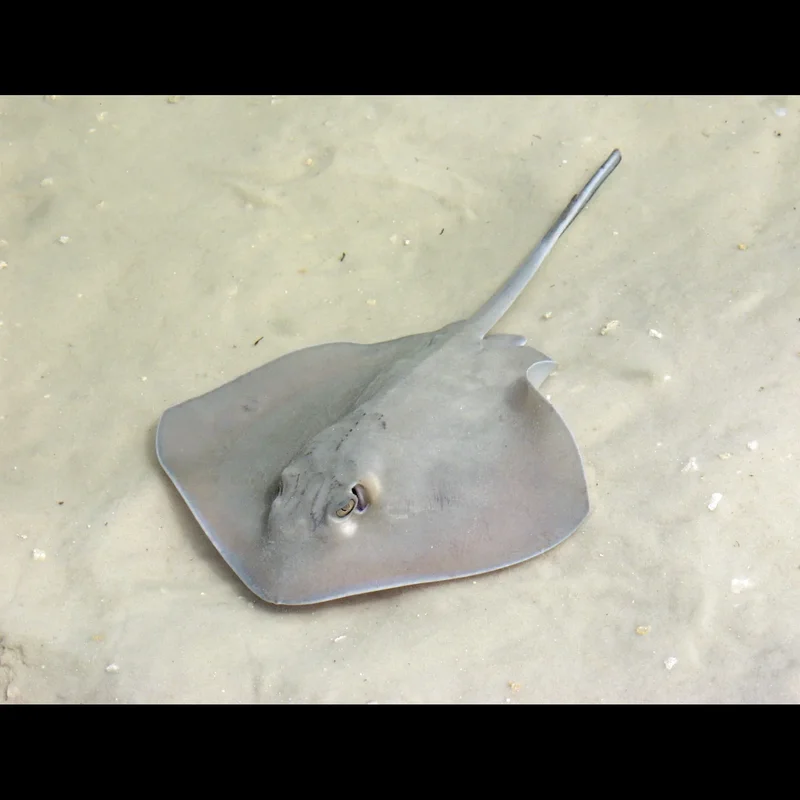
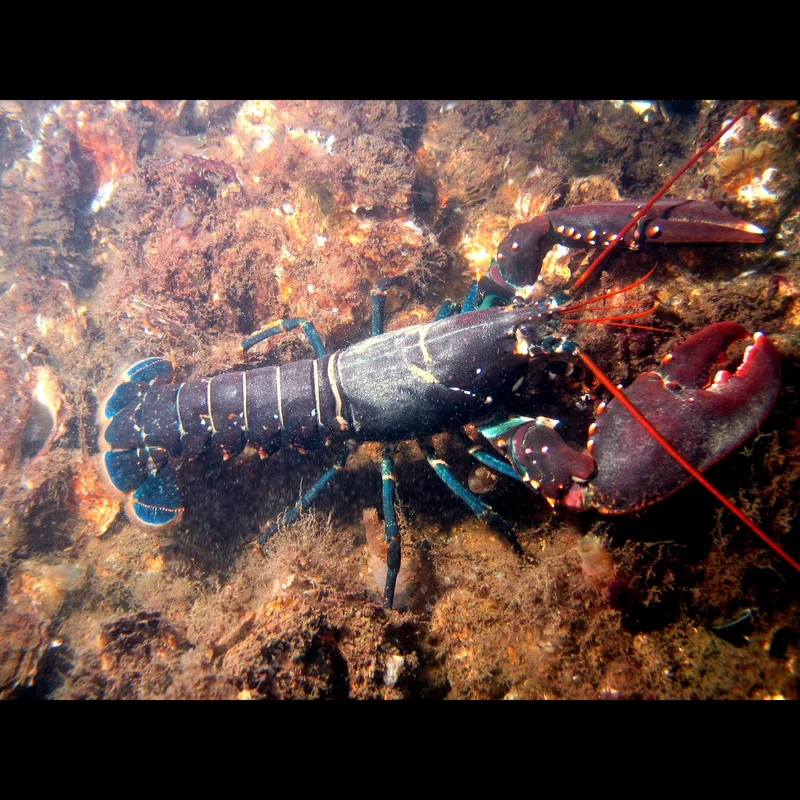
Rays, including stingrays and majestic eagle rays, glide through the water column. Rocky and sandy bottoms host a variety of macro life, such as lobsters, octopuses, and colorful sea urchins.
Deeper, more exposed areas occasionally offer glimpses of larger pelagics like bull sharks and dolphins, adding an element of grand unpredictability to the dive.
Dive Sites Near Pared de Tijeretas
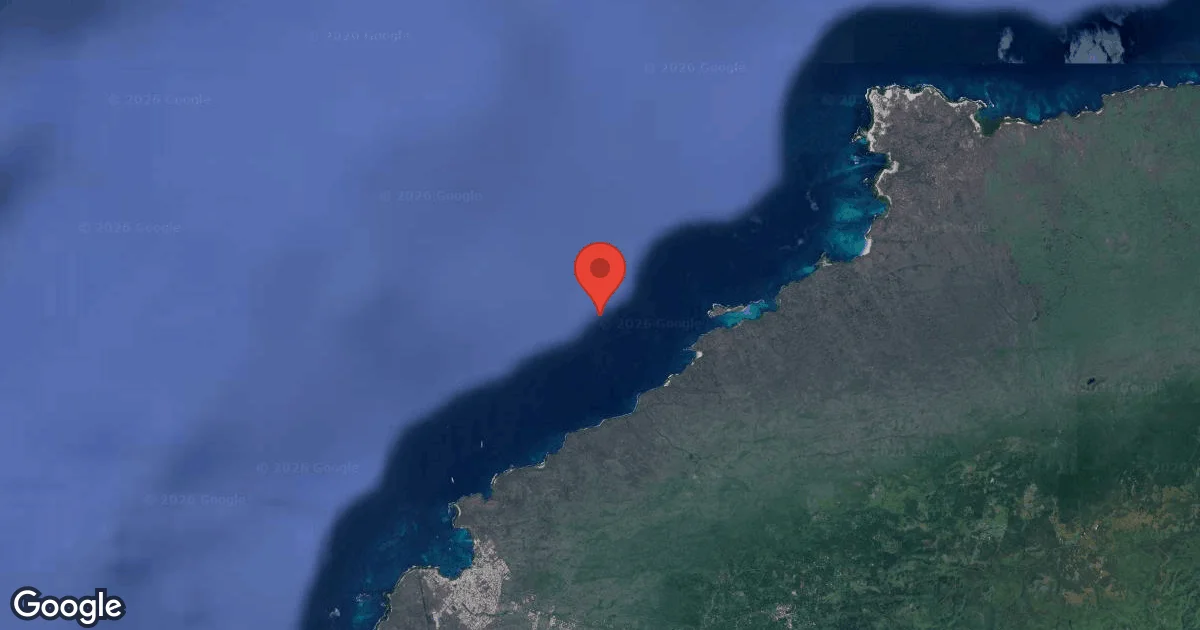
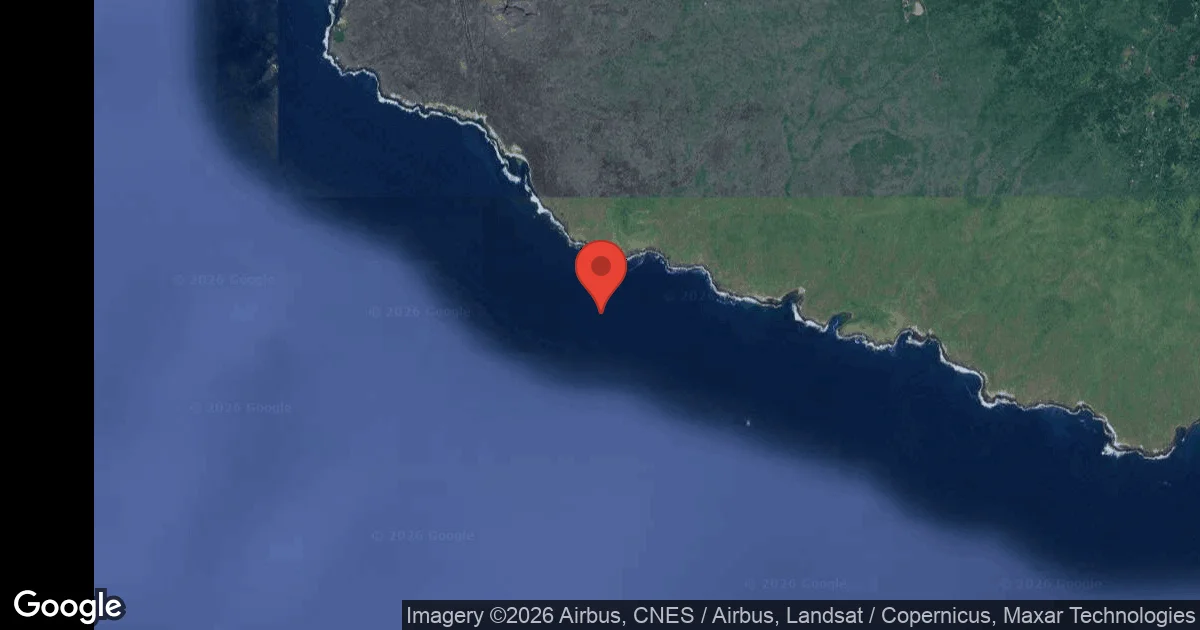
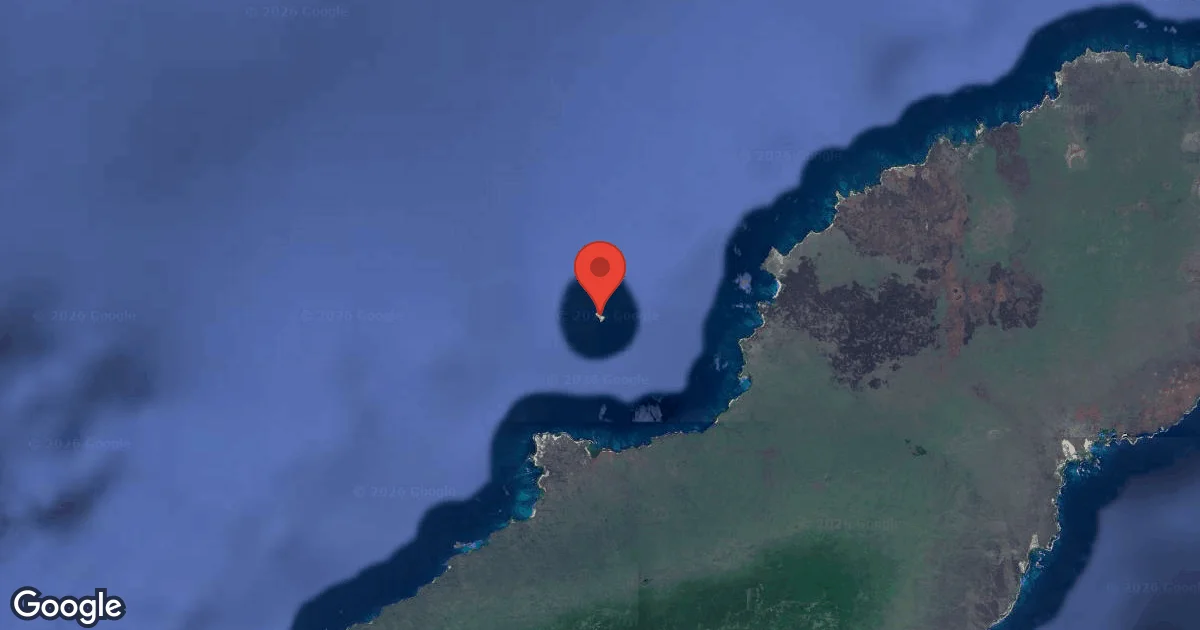
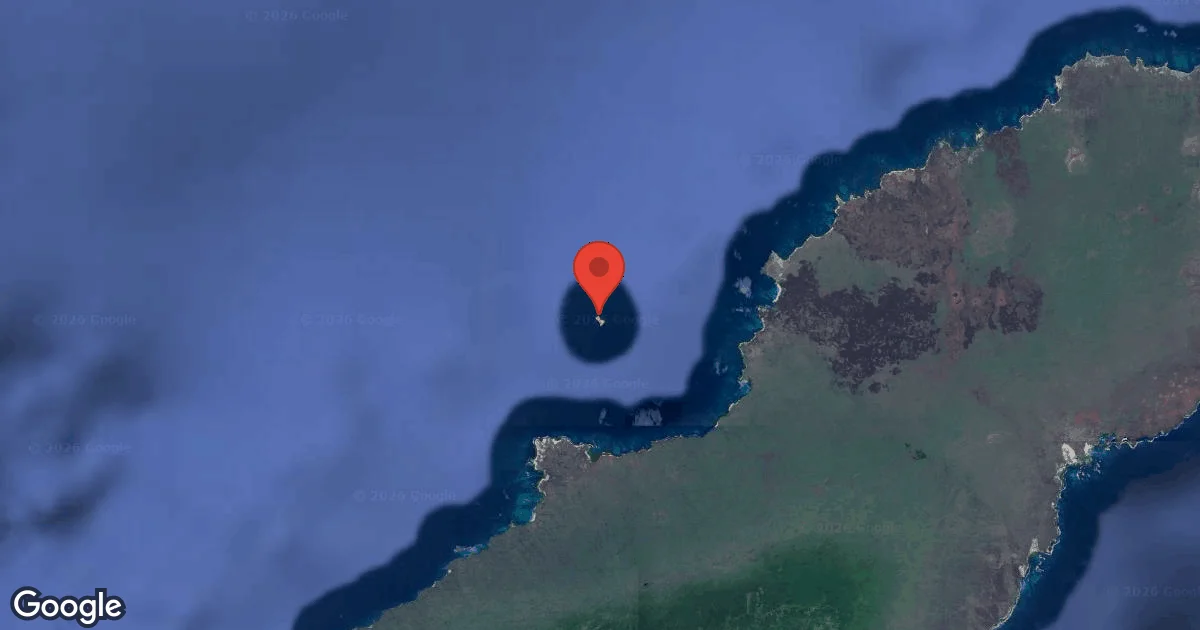
View all dive sites in EcuadorDiscover more underwater gems in this area.
Dive Centers Near Pared de Tijeretas

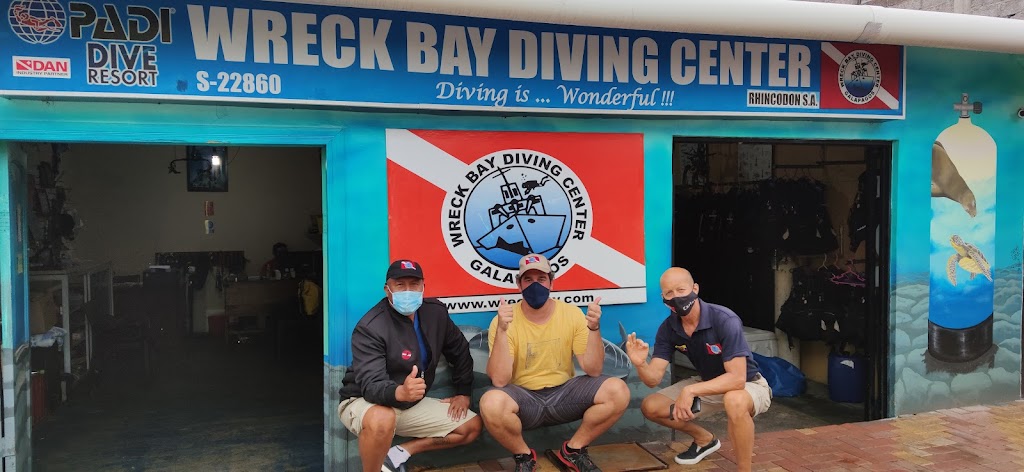

Nearest Airports
Nearest airports to help plan travel to this dive area.
Search Flights
Check available flights and routes on Expedia, using the nearby airports listed in this section.
Search Flights on ExpediaFrequently Asked Questions
What certification level is recommended for Pared de Tijeretas?
A PADI Open Water Diver certification is recommended as a baseline for this site. For those venturing into deeper sections or desiring enhanced control, advanced training in Boat Diver or Peak Performance Buoyancy can significantly improve the experience.
What marine life can I expect to see?
Pared de Tijeretas is recognized for its playful sea lion colony. Divers frequently encounter white-tip reef sharks, green sea turtles, and various rays. Look closer for lobsters, octopuses, and colorful sea urchins, with occasional glimpses of larger pelagics in deeper areas.
Are there strong currents at Pared de Tijeretas?
Inside the protected bay, conditions are generally calm with minimal current. However, when venturing beyond the bay into deeper, open water sections, divers may encounter stronger currents, requiring good buoyancy control.
What are the typical dive depths?
Depths inside the protected bay typically stay shallow, around 10 meters (33 feet), ideal for a relaxed dive. Beyond the bay, the seabed gradually descends, offering opportunities for deeper exploration down to around 30 meters (about 100 feet).
What are the water temperatures like?
Water temperature varies depending on the season, with general trends aligning with air temperatures reported as 25-26°C / 77-79°F in warmer months and around 21.5°C / 71°F in cooler months. While specific dive site data is limited, conditions often necessitate appropriate thermal protection.
How long does a typical dive last at this site?
Each immersive dive at Pared de Tijeretas typically spans approximately 45 minutes. Forty-five minutes allows ample time to explore the site's unique features and interact with its marine inhabitants.
Is Pared de Tijeretas suitable for beginner divers?
Yes, calm, protected conditions within the bay make it suitable for novices and warm-up dives. Newer divers should be mindful of boat traffic near the surface and potential stronger currents if venturing into deeper, open water sections.
Planning to dive Pared de Tijeretas?
Send one inquiry and receive offers directly from the best verified local dive operators.
Conditions are Good
Optimal conditions expected
Current conditions near Pared de Tijeretas show 28° air, 26° sea temperature, 1.2 m waves, and 24 km/h wind. Forecast data is refreshed regularly to ensure accuracy.