
Diving at Roca Ballena (Ecuador)
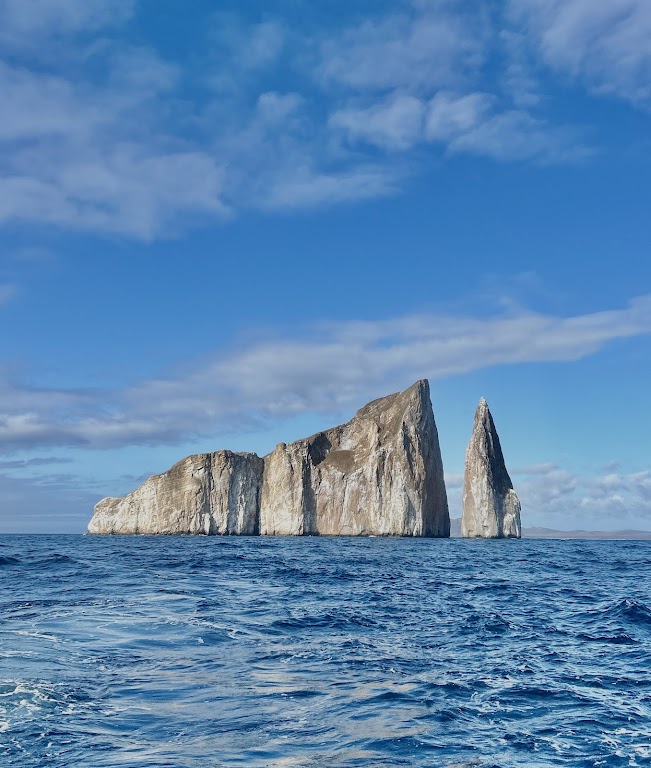
Roca Ballena presents a compelling underwater structure, primarily a submerged rock formation emerging from the ocean floor. Descending over this ancient rock, divers will find a sandy bottom at about 16 m / 52 ft, which then drops off over a distinct breakaway edge. This offers a multi-level exploration, gradually reaching a maximum depth of 22 m / 72 ft. It's an environment shaped by currents, influencing both its topography and marine congregation.
As evening covers Roca Ballena, the local air temperature is measured at 27°C. The current wave height at the surface is recorded at 1.6 m. These late-day readings characterize the surface conditions for the night.
Dive Site Location & Key Facts
Dive Site Overview
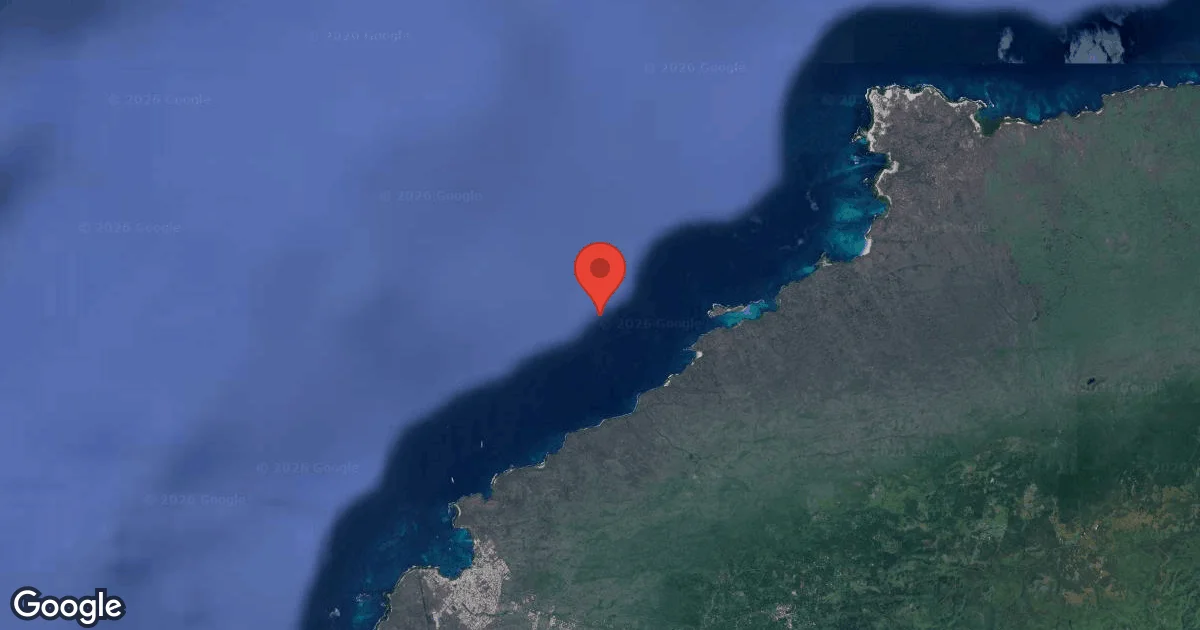
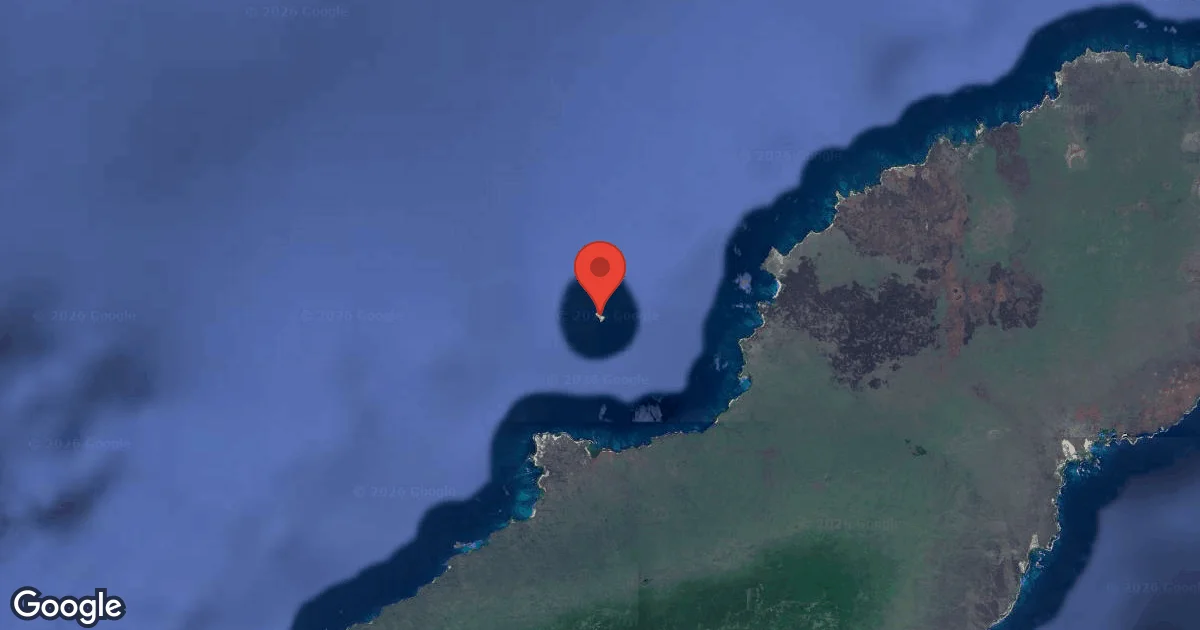
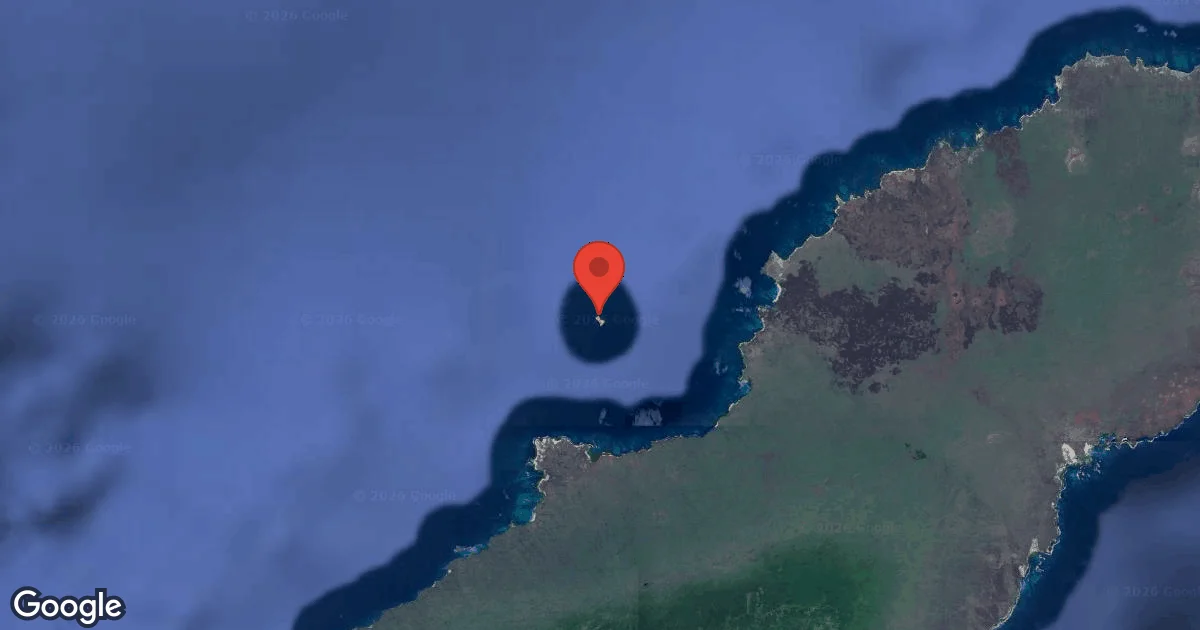
Embarking on a dive at Roca Ballena, divers find themselves on a 30-minute boat ride southeast of Puerto Baquerizo Moreno, leading to a dynamic site known as "Whale Rock." This popular destination provides access to a wide array of local marine animals, making it a compelling exploration for those with intermediate to advanced skills. Dives typically commence to the east, moving westward with the prevailing current.
This drift allows for a gradual descent over the main rock formation, eventually reaching a sandy expanse at approximately 16 meters. From this point, the dive progresses over a distinctive breakaway edge, leading towards the site's deeper limits. The site's notable current strength and depth profile dictate it's best suited for experienced divers.
Many tours offer this site with two tanks, sometimes pairing it with the nearby Caragua wreck. Tours often depart mornings around 7:30 a.m. and afternoons around 2:00 p.m., lasting about four hours and generally including all necessary dive equipment.
Conditions are Moderate
Optimal conditions expected
Current conditions near Roca Ballena show 27° air, 27° sea temperature, 1.6 m waves, and 33 km/h wind. Forecast data is refreshed regularly to ensure accuracy.
Best Time to Dive
Planning a visit to Roca Ballena reveals distinct seasonal considerations for optimal diving. The period from January through April, and again from October through December, generally offers good diving conditions. During these months, air temperatures are warmer, averaging between 23-27°C / 73-81°F, though rainfall tends to be slightly higher early in the year, particularly in March, with up to 5.7 mm. Conversely, the months of May through September are often characterized by moderate diving conditions. Air temperatures during this cooler, drier season range from 22-25°C / 72-77°F, and rain is minimal, sometimes less than 1 mm per month. While waves can be somewhat higher in May and June (around 1.6 m / 5 ft), strong winds are also more prevalent during these cooler months, suggesting slightly choppier surface conditions.
PEAK SEASON SCORE
Scores combine air & water temps, waves, wind & rainfall for overall conditions.
BEST MONTHS TO DIVE
Monthly records compiled from satellite and marine observation nodes over the last 3 years. Data provided by Open-Meteo and MET Norway.
Dive Experience & Conditions
The current dynamics at Roca Ballena are a defining characteristic, making it a site primarily recommended for experienced divers. Dives typically leverage these currents, beginning on the east side and progressing in a westward drift over the submerged rock. This approach allows divers to observe the site's structure as they gradually descend. The current's consistent strength necessitates good buoyancy control and drift diving proficiency. Wave heights, which range from approximately 1.1 to 1.6 meters (3.6 to 5.2 feet) throughout the year, can influence surface conditions but generally do not impede the underwater experience for prepared divers.
Dive Difficulty & Safety Guidelines
Approaching Roca Ballena requires divers to respect its inherent challenges, particularly the noticeable current and depths. Given the site's suitability for more experienced divers, proper drift diving techniques and excellent buoyancy control are paramount. Staying within your certification limits is crucial, as the site reaches its maximum depth of 22 meters.
Tour operators typically provide a bilingual PADI dive instructor authorized by the Galapagos National Park, maintaining a ratio of no more than six clients per guide to ensure close supervision. Always follow your instructor's briefing, especially regarding current management and dive profiles.
Recommended Equipment
- Dive Computer
- DSMB
This gear list is based on verified equipment signals for Roca Ballena, Ecuador. Always confirm final gear choices with your dive operator, guide, or liveaboard.
Recommended Dive Suit
Thermal protection such as 2-3mm shorty or light wetsuit is commonly used for water temperatures in this range. Consider warmer surface protection (like a boat coat) due to brisk winds.
Divers entering the water at Roca Ballena today can expect temperatures near 27°C (80°F) beneath the surface. Surface air temperatures are resting at 27°C (81°F).
Environmental conditions may feel slightly cooler as the week progresses. Cooler days are ahead; you might want a warmer option for later in the week. Having a second exposure option available is often a good precaution.
Emergency & Medical Support
Essential information to help you plan your dive trip to Roca ballena.

Hyperbaric chambers are a critical part of dive safety infrastructure. Availability varies significantly by region, and not all dive areas have immediate access.
Before diving, it's recommended to:
- confirm nearest medical facilities
- check emergency procedures with local dive operators
- ensure dive insurance covers evacuation if required
Divers Alert Network
Diving emergency assistance available through DAN World.
+1-919-684-9111- 24/7 emergency hotline
- Diving medical assistance
- Evacuation coordination
Emergency contacts are provided for reference. Always verify local emergency services before diving.
Marine Life at Roca Ballena
The waters around Roca Ballena support a diverse collection of marine life. Encounters commonly feature schools of fish, alongside larger pelagic species.
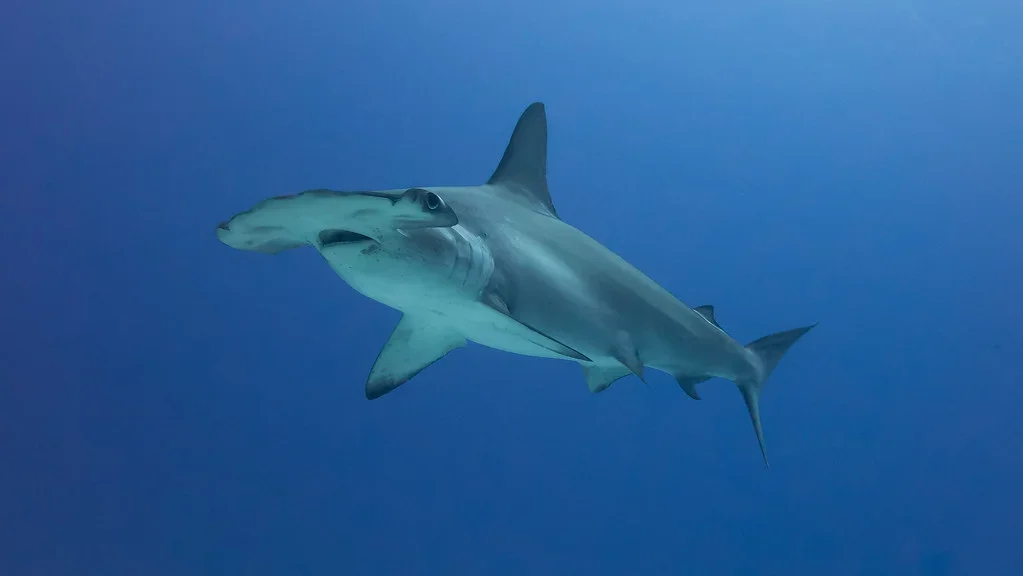
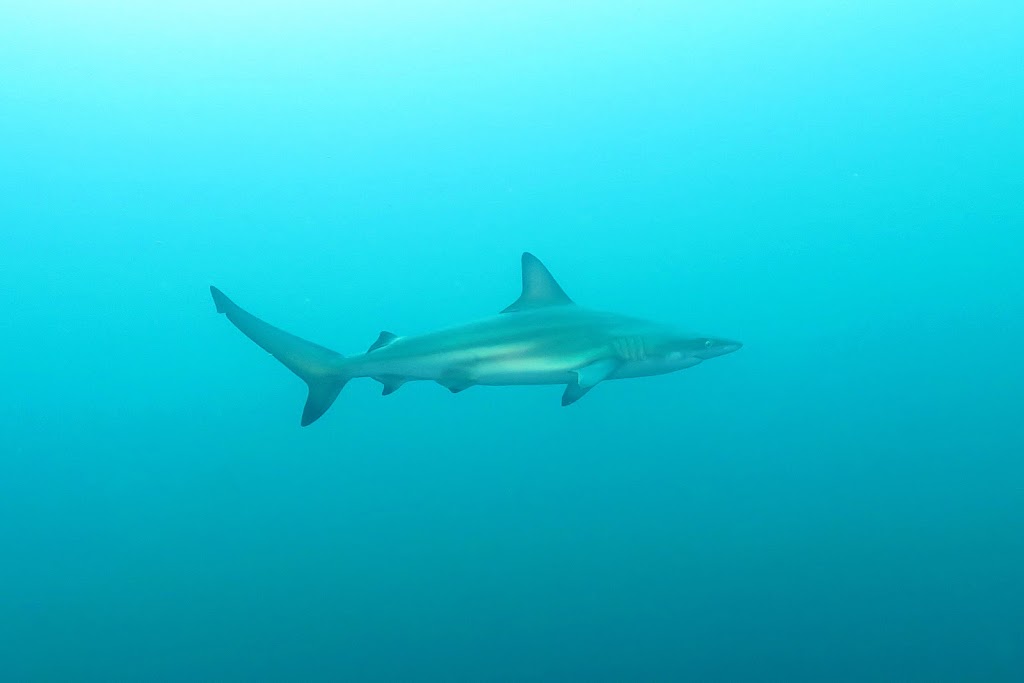
Divers frequently observe Galapagos sharks, blacktip sharks, and whitetip sharks patrolling the area. Hammerhead sharks are also a significant highlight reported at this location.
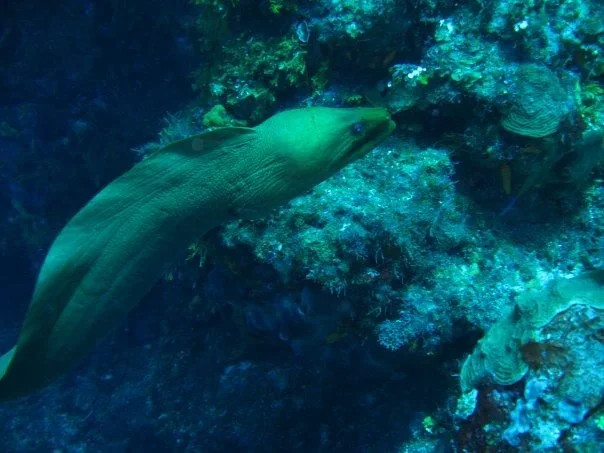
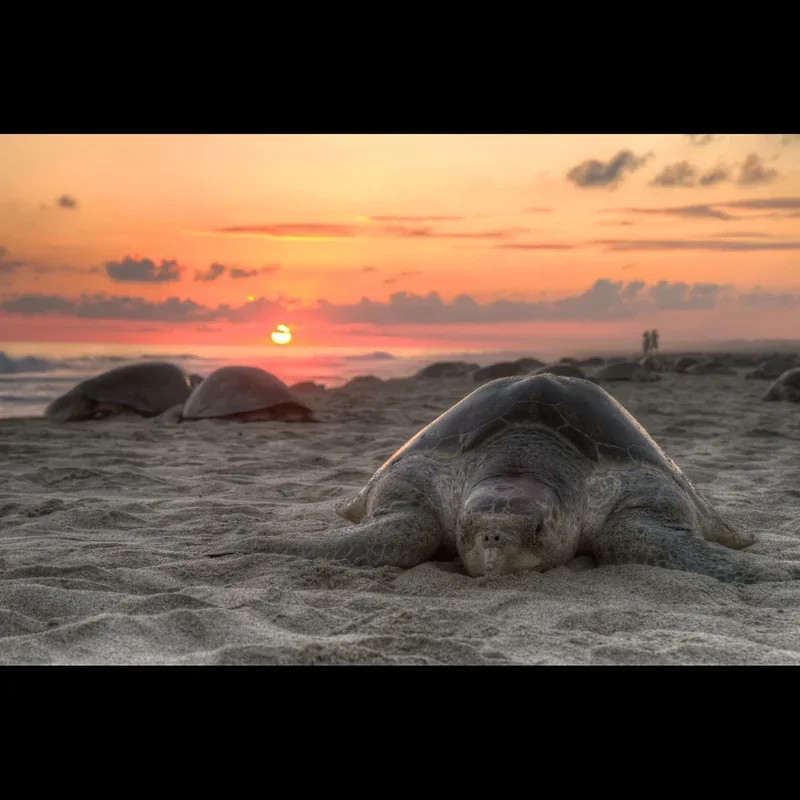
Additionally, sea turtles, sea lions, moray eels, octopus, and various rays are often seen navigating the rocky formations and sandy bottom.

Dive Sites Near Roca Ballena
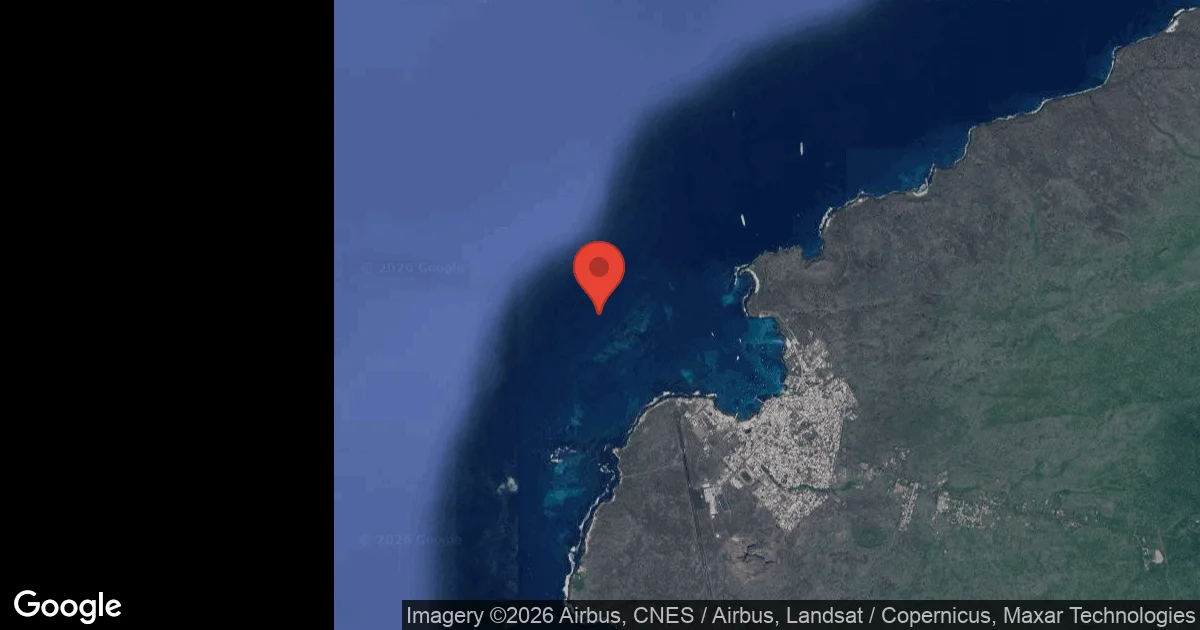
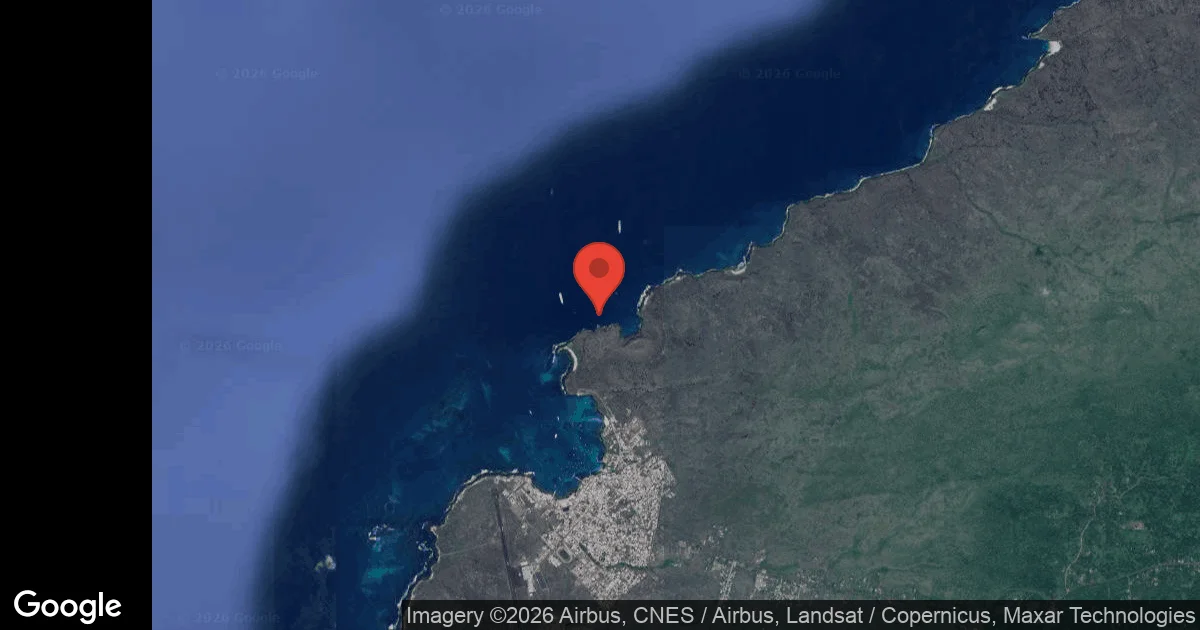
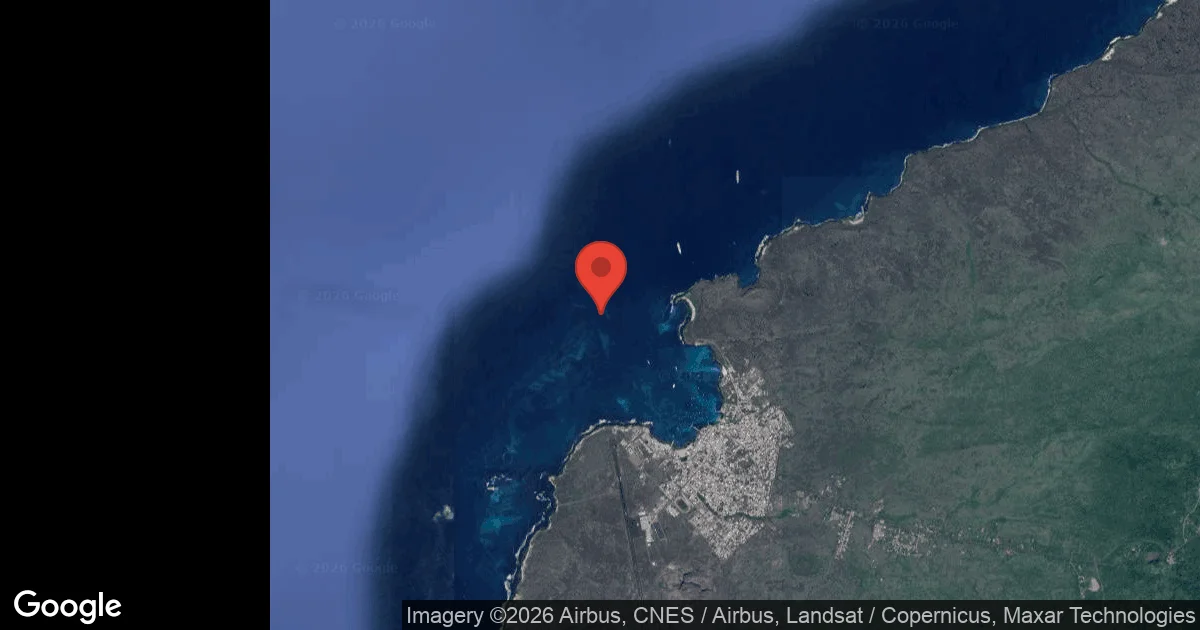
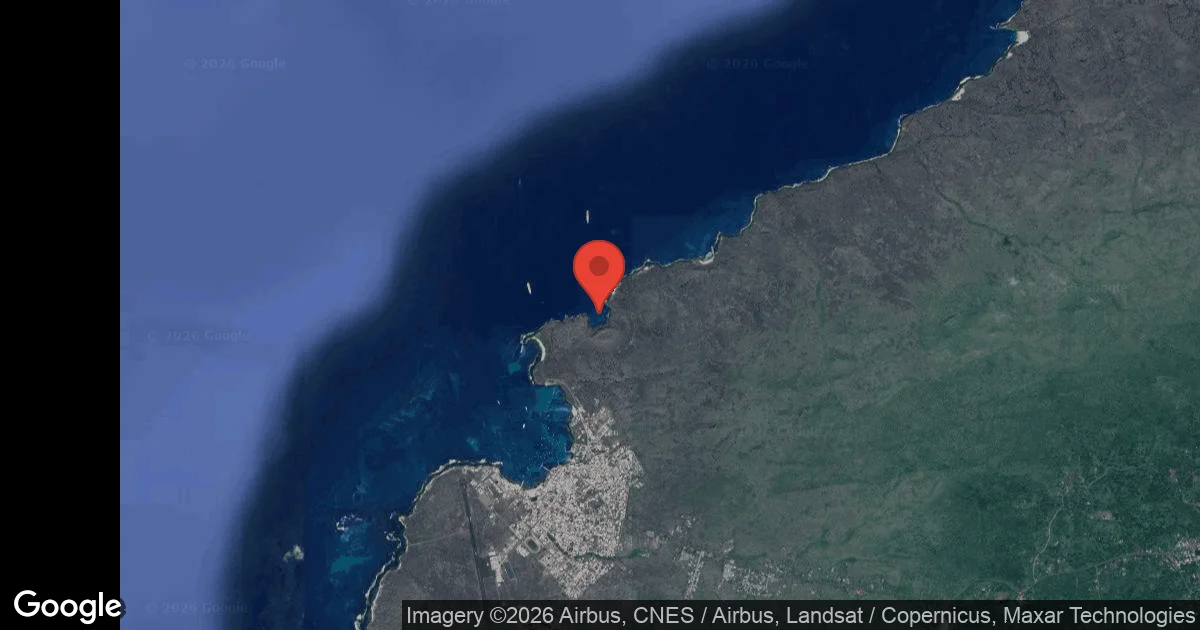
View all dive sites in EcuadorDiscover more underwater gems in this area.
Dive Centers Near Roca Ballena

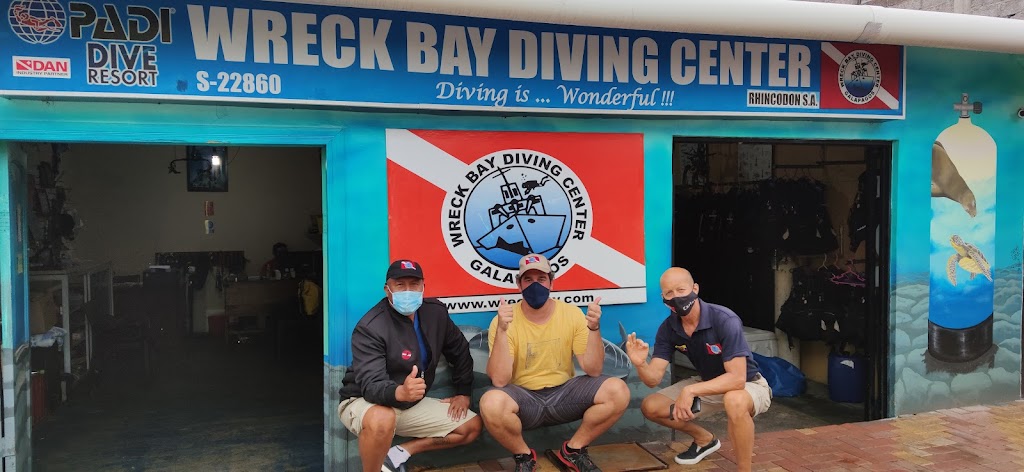

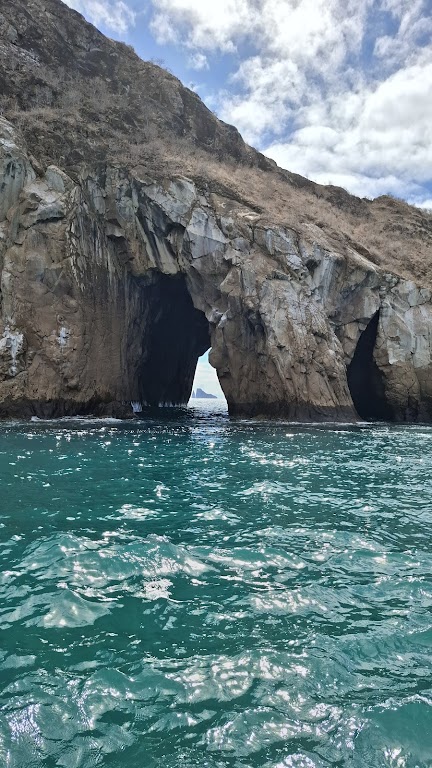
Nearest Airports
Nearest airports to help plan travel to this dive area.
Search Flights
Check available flights and routes on Expedia, using the nearby airports listed in this section.
Search Flights on ExpediaFrequently Asked Questions
What is the maximum depth for diving at Roca Ballena?
The maximum depth for diving at Roca Ballena is generally reported to be 22 meters. Dives often start shallower, gradually descending over the rock formation.
Is Roca Ballena suitable for beginner divers?
Roca Ballena is better suited for more experienced divers due to the strength of the currents and the depth profile. Divers should have good buoyancy control and drift diving experience.
What marine life can I expect to see at Roca Ballena?
Divers often see a variety of marine animals, including Galapagos sharks, hammerhead sharks, blacktip and whitetip sharks, sea turtles, sea lions, octopus, and moray eels. Schools of fish and various rays are also common.
How long is a typical dive tour to Roca Ballena?
A typical dive tour to Roca Ballena lasts approximately four hours, often including two dives. Tours are offered both in the morning and afternoon.
Are dive instructors provided on tours to Roca Ballena?
Yes, tours usually include a bilingual PADI dive instructor authorized by the Galapagos National Park, with a maximum of six clients per guide.
What are the air temperatures like during the best dive season?
During the "good" dive season (January-April and October-December), air temperatures at Roca Ballena range from approximately 23-27°C / 73-81°F.
Is it possible to combine a dive at Roca Ballena with another site?
Some dive tours to Roca Ballena may be combined with a visit to the nearby Caragua wreck, offering a varied dive experience.
Planning to dive Roca Ballena?
Send one inquiry and receive offers directly from the best verified local dive operators.
Conditions are Moderate
Optimal conditions expected
Current conditions near Roca Ballena show 27° air, 27° sea temperature, 1.6 m waves, and 33 km/h wind. Forecast data is refreshed regularly to ensure accuracy.