
Diving at Kicker Rock (Ecuador)
Kicker Rock's dramatic twin peaks rise majestically from the Pacific, shaped by millennia of wave action and persistent ocean currents. These powerful flows create a nutrient-rich environment around the site, attracting diverse pelagic species. Diving here involves navigating these dynamic conditions, especially within the channel that cleaves the rock formation. It's a site where marine activity is consistently high, driven by the interplay of rock and current.
Evening condition tracking at Kicker Rock features an air temperature of 26°C. We have recorded wave heights measuring 0.9 m during this period. These figures outline the environmental parameters currently present.
Dive Site Location & Key Facts
Dive Site Overview
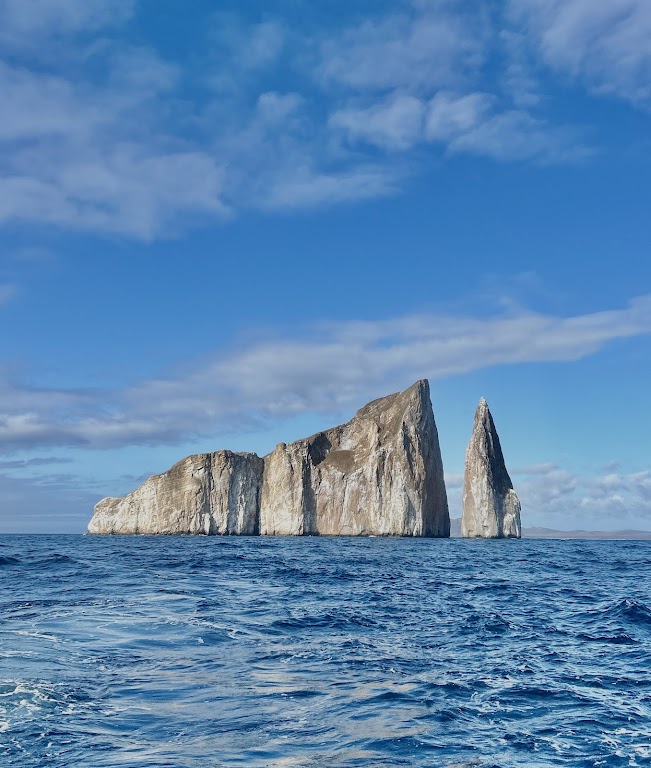
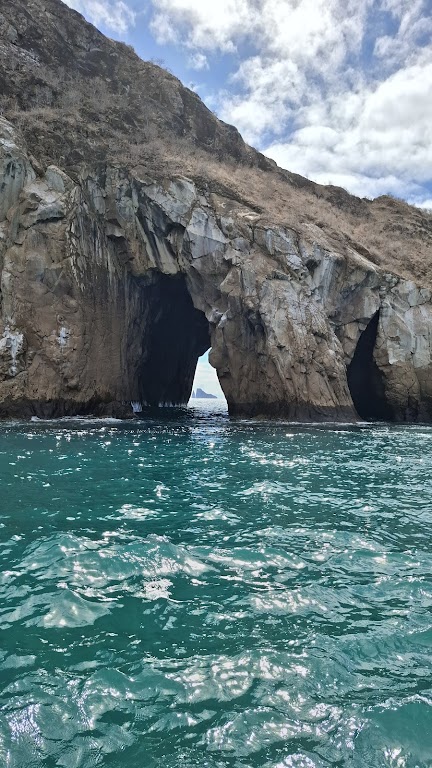
Rising dramatically from the ocean, Kicker Rock, known locally as León Dormido (Sleeping Lion), presents an imposing sheer-walled tuff cone, split into two distinct, towering halves. This formation stands approximately 60 meters / 200 feet above sea level, with its base descending to an approximate depth of 20 meters / 66 feet.
Divers typically begin their exploration by following the outcropping walls, observing the intricate geological features carved by persistent currents. The journey then often leads into the natural central channel, a narrow passage cleaving the rock formations. Navigating this strait creates a distinct sensation, as light filters down from the surface, illuminating a sandy bottom and providing a dynamic backdrop for encounters with diverse marine populations.
This channel swim is often highlighted as a spectacular element of the dive, allowing for close observation of the life drawn to its sheltered environment and abundant food sources. The site's varied underwater topography, encompassing vertical walls and expansive sandy areas, provides distinct habitats for a wide range of aquatic species.
Conditions are Good
Optimal conditions expected
Current conditions near Kicker Rock show 26° air, 26° sea temperature, 1.1 m waves, and 24 km/h wind. Forecast data is refreshed regularly to ensure accuracy.
Best Time to Dive
Planning your dive around Kicker Rock is possible year-round, as dive scores consistently rate the site as 'Good' across all months. The warmer, calmer months from January to May typically present air temperatures ranging from 25-27°C / 77-81°F, with March experiencing slightly higher rainfall, averaging 7.18 mm. For those preferring cooler conditions above water, the period from July to November sees air temperatures between 22-24°C / 72-75°F, with minimal rainfall, often below 1 mm. Water temperatures are not consistently reported but vary depending on ocean currents. Regardless of the season, the site's rich marine activity remains a constant draw.
PEAK SEASON SCORE
Scores combine air & water temps, waves, wind & rainfall for overall conditions.
BEST MONTHS TO DIVE
Monthly records compiled from satellite and marine observation nodes over the last 3 years. Data provided by Open-Meteo and MET Norway.
Dive Experience & Conditions
Descending into the waters around Kicker Rock, divers immediately encounter its imposing wall formations, which plunge from the surface to the seabed at about 20 meters / 66 feet. The initial exploration often follows these outer walls, observing their geological features and resident fish. Subsequently, the dive typically proceeds into the natural channel that divides the twin rock formations. Inside the channel, divers navigate between towering stone walls, with light filtering down to a sandy bottom. Currents within the channel are generally mild to moderate, though conditions can shift. Good buoyancy control is essential here to comfortably move through the passage and appreciate the marine life seeking refuge.
Dive Difficulty & Safety Guidelines
Navigating Kicker Rock's dynamic environment requires attention to fundamental dive skills. While currents are typically mild to moderate, they can vary, so maintaining good buoyancy control is crucial for safely traversing the channel and walls. Always adhere to your dive plan and stay with your guide, particularly when currents are present.
Divers should consult with a local dive professional familiar with the site and current conditions before entering the water. Reviewing skills such as drift diving or buoyancy control can be beneficial for this site.
Recommended Equipment
Technical depth range. Advanced planning, gas management, and appropriate certification required.
- Dive Computer
- DSMB
- Primary & Backup Lights
This gear list is based on verified equipment signals for Kicker Rock, Ecuador. Always confirm final gear choices with your dive operator, guide, or liveaboard.
Recommended Dive Suit
With water temperatures around 26°C (79°F), many divers find a 2-3mm shorty or light wetsuit provides comfortable protection.
Local conditions can vary slightly across different parts of the same dive site.
Conditions are expected to stay fairly consistent in the days ahead.
Due to technical issues with our weather providers, live updates are temporarily delayed. The data above reflects the conditions at the time of the last successful fetch.
Emergency & Medical Support
Essential information to help you plan your dive trip to KICKER ROCK.

Hyperbaric chambers are a critical part of dive safety infrastructure. Availability varies significantly by region, and not all dive areas have immediate access.
Before diving, it's recommended to:
- confirm nearest medical facilities
- check emergency procedures with local dive operators
- ensure dive insurance covers evacuation if required
Divers Alert Network
Diving emergency assistance available through DAN World.
+1-919-684-9111- 24/7 emergency hotline
- Diving medical assistance
- Evacuation coordination
Emergency contacts are provided for reference. Always verify local emergency services before diving.
Marine Life at Kicker Rock
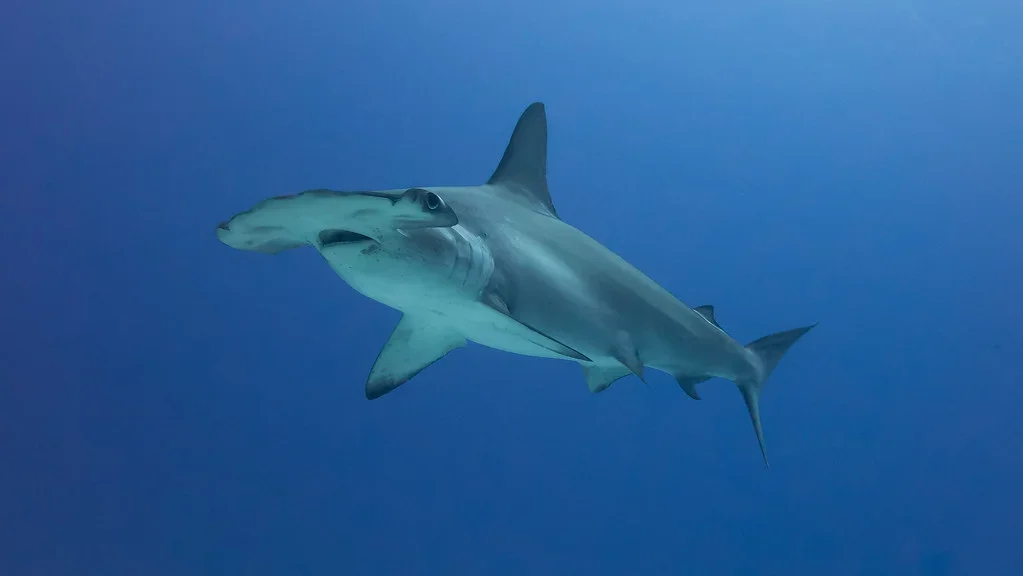
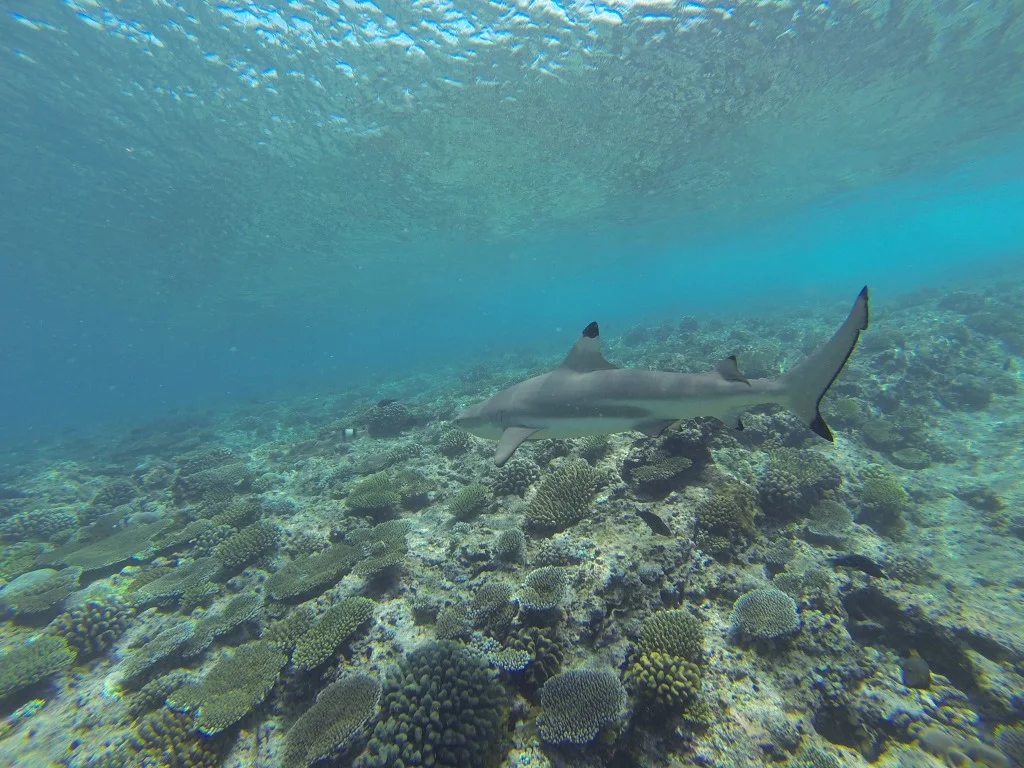
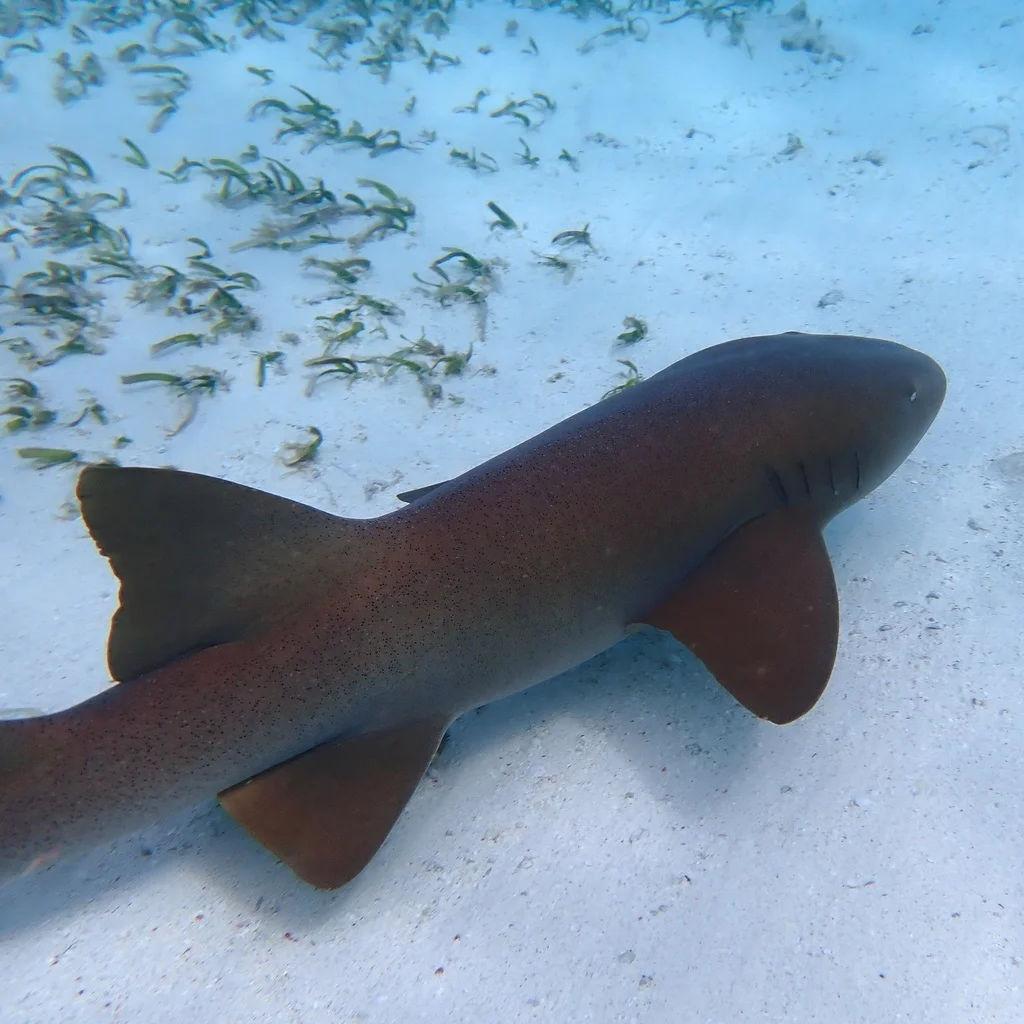
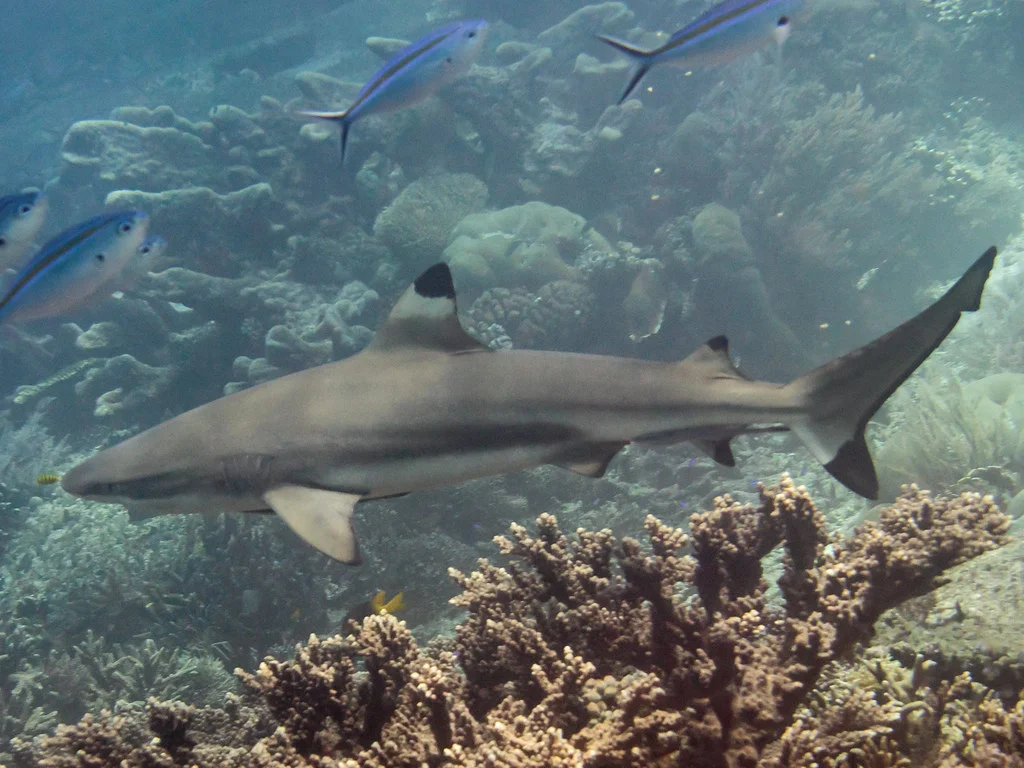
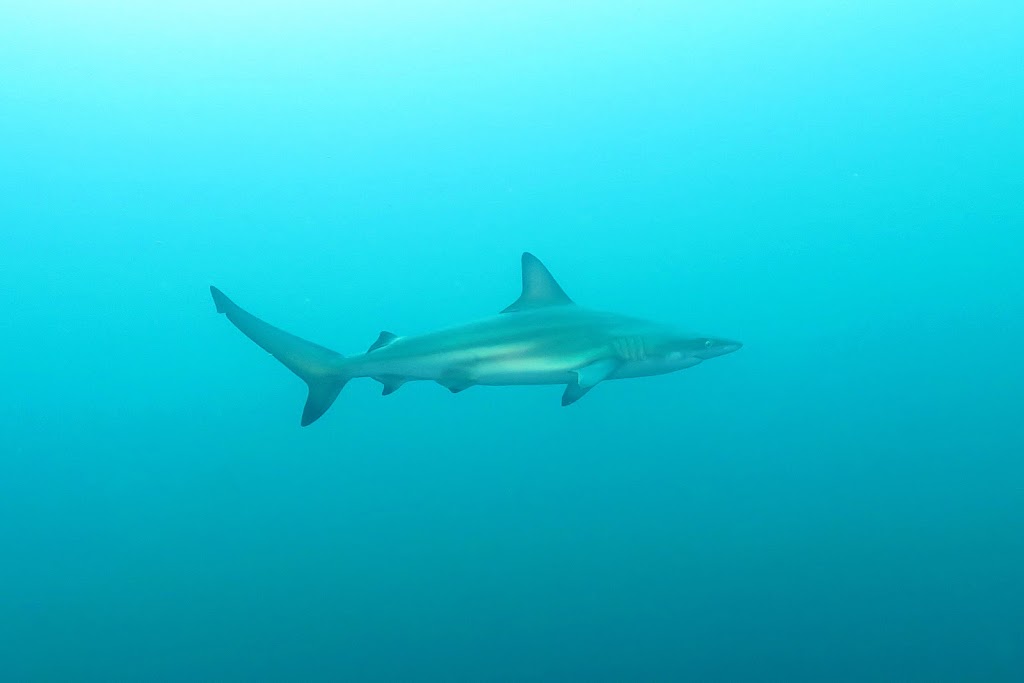
The initial encounter with marine life here often includes schools of Salema fish swirling near the rock formations. Shifting your gaze, you're likely to spot various shark species; Blacktip Reef Sharks and Nurse Sharks are common sightings.
Many divers hope to see Galapagos sharks and schools of Hammerhead sharks traversing the blue. Sea turtles, including Green Turtles, are frequently observed, along with the graceful movements of Eagle Rays and Golden Rays gliding over the sandy bottom. Sea lions are also present, often seen playing near the surface or resting on the rock ledges.

Dive Sites Near Kicker Rock
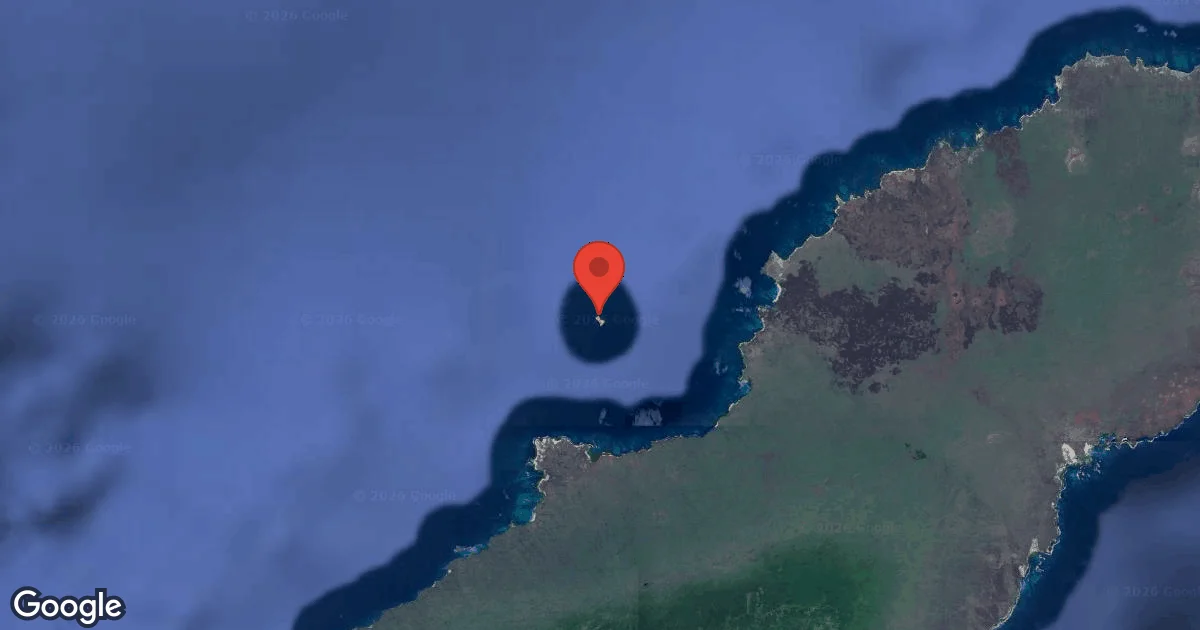
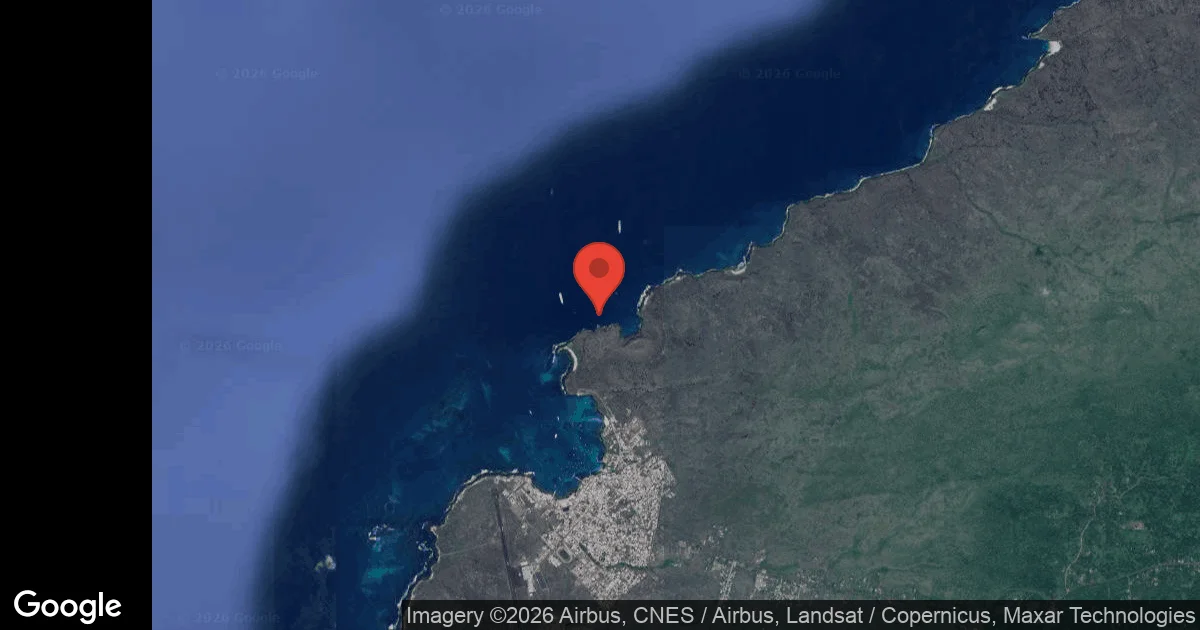
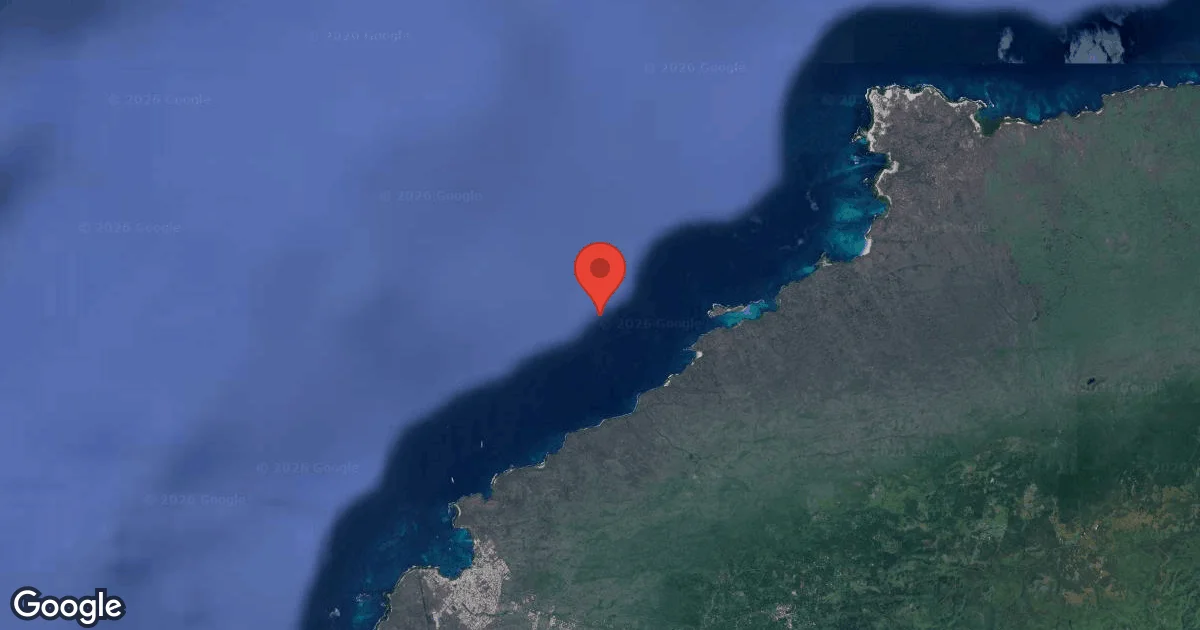
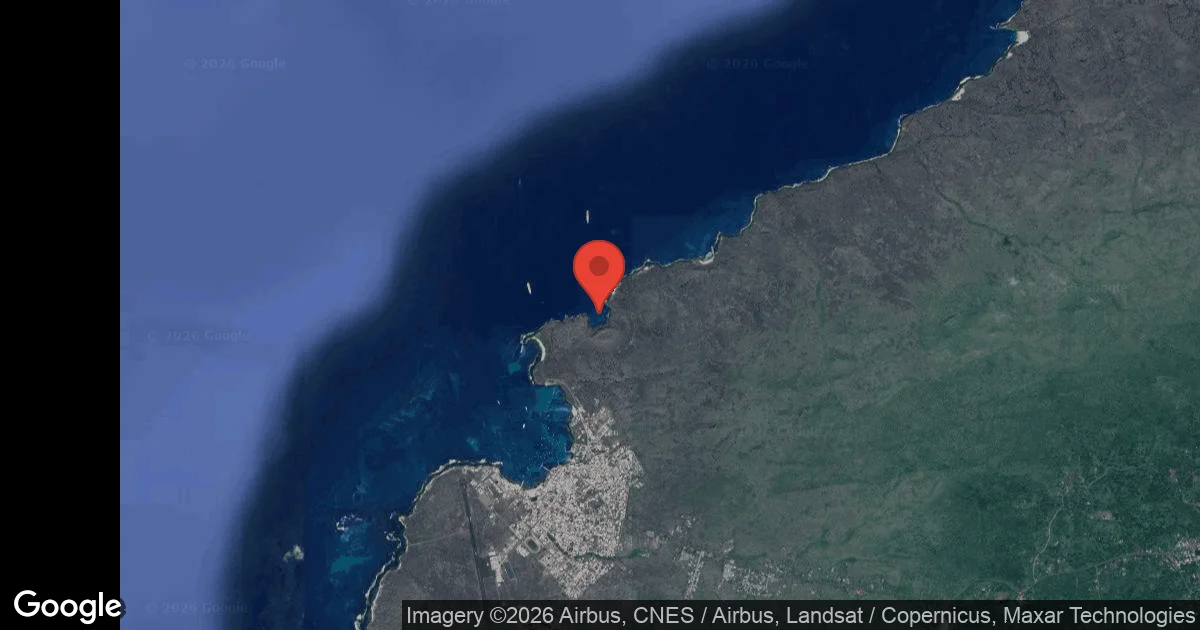
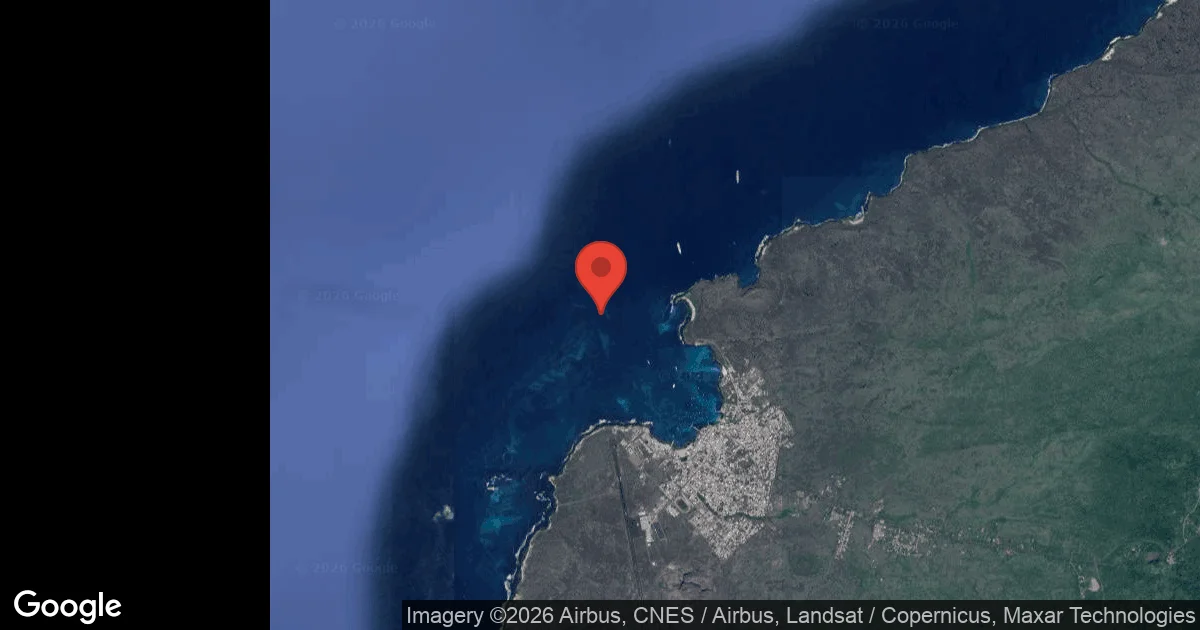
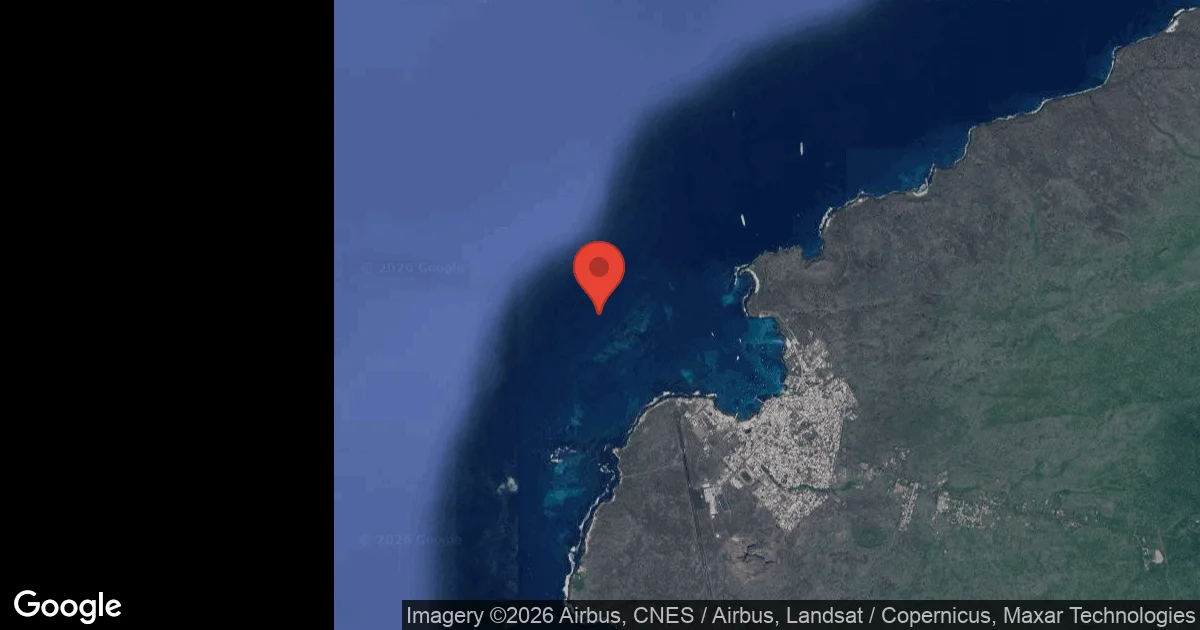
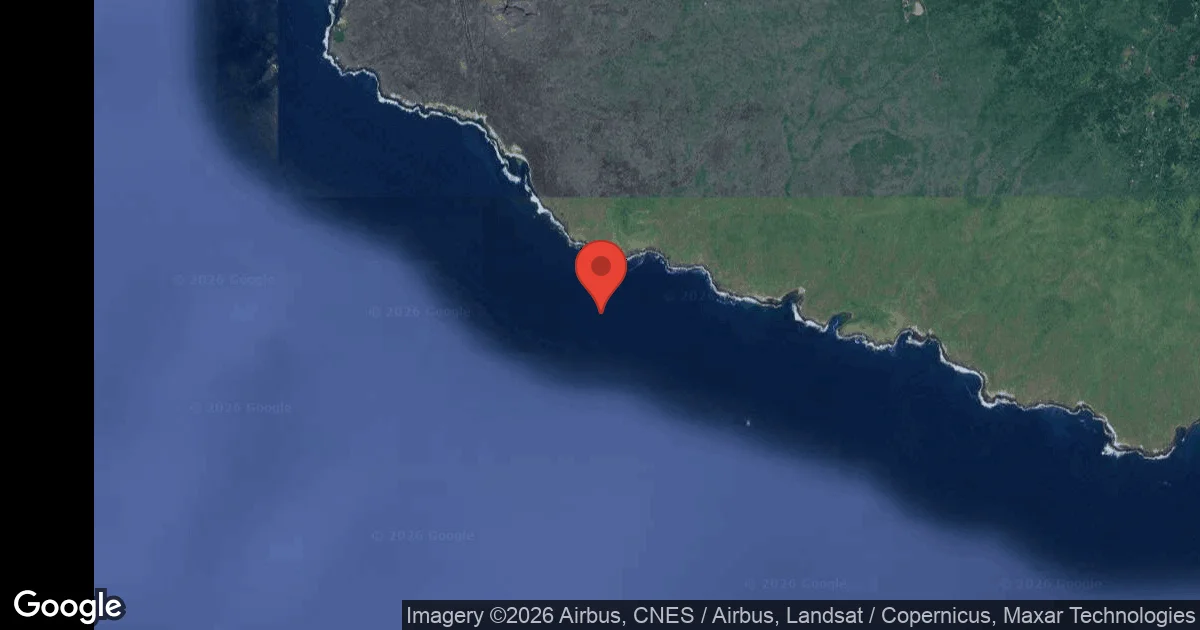
View all dive sites in EcuadorDiscover more underwater gems in this area.
Dive Centers Near Kicker Rock

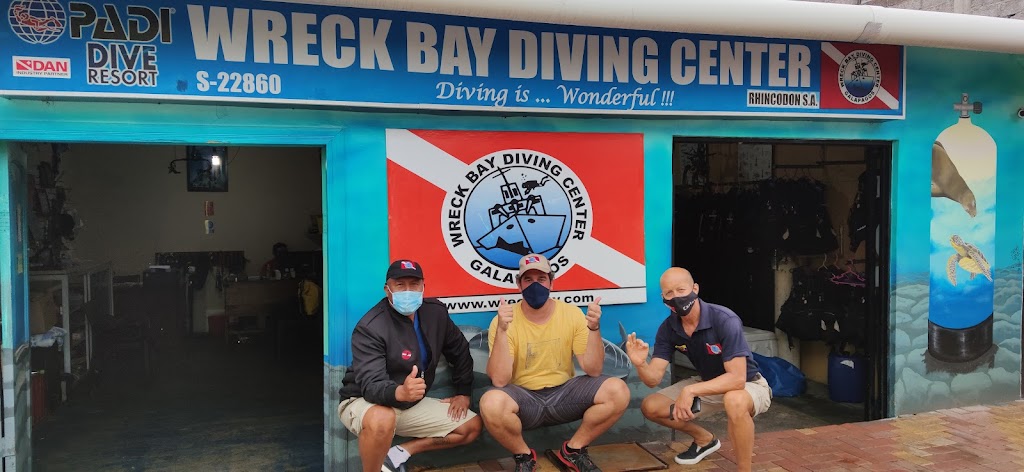


Nearest Airports
Nearest airports to help plan travel to this dive area.
Search Flights
Check available flights and routes on Expedia, using the nearby airports listed in this section.
Search Flights on ExpediaFrequently Asked Questions
Where is Kicker Rock?
This rock formation, also known as León Dormido, is off the coast of San Cristóbal Island in the Galapagos Archipelago, Ecuador. It's about a 45-minute boat ride from Puerto Baquerizo Moreno.
What types of diving are available at Kicker Rock?
The site supports various dive types, including wall dives, channel dives, and exploration over a sandy bottom. It's popular for both scuba diving and snorkeling.
What is the typical dive depth?
Dives generally explore depths around 20 meters, or approximately 66 feet, along the outside walls of the formation. While the rock extends much deeper, recreational dives concentrate on these shallower areas and within the channel.
What marine life can I expect to see?
Divers frequently encounter various shark species, including Hammerhead, Galapagos, Blacktip Reef, and Nurse sharks. Sea lions, sea turtles, eagle rays, golden rays, and large schools of fish like Salema are also common.
Are strong currents a concern at Kicker Rock?
Currents at Kicker Rock range from mild to moderate. While manageable, divers need good buoyancy control to navigate the site comfortably, especially within the central channel.
What certifications are recommended for Kicker Rock?
While Open Water Diver is a starting point, certifications like PADI Advanced Open Water Diver, Deep Diver, or Discover Local Diving can be beneficial due to the site's characteristics and potential conditions.
Are day tours to Kicker Rock available?
Yes, day tours typically depart from San Cristóbal's main dock. These often include two dives or snorkeling sessions, along with snacks, beverages, and lunch.
Planning to dive Kicker Rock?
Send one inquiry and receive offers directly from the best verified local dive operators.
Conditions are Good
Optimal conditions expected
Current conditions near Kicker Rock show 26° air, 26° sea temperature, 1.1 m waves, and 24 km/h wind. Forecast data is refreshed regularly to ensure accuracy.