
Diving at Caragua - ShipWreck (Ecuador)
Navigating the Caragua ShipWreck challenges divers to connect with maritime history. This site offers a direct encounter with a vessel from 1916, submerged off San Cristobal, Galapagos. Exploring its broken structure requires careful buoyancy and an appreciation for how time reclaims man-made objects. It's an accessible wreck dive, but presents its own set of conditions that divers should prepare for.
As evening covers Caragua - ShipWreck, the local air temperature is measured at 24.5°C. The current wave height at the surface is recorded at 1.3 m. These late-day readings characterize the surface conditions for the night.
Dive Site Location & Key Facts
Dive Site Overview
Caragua ShipWreck immerses divers into the remains of a 100 m (330 ft) long steamship, which found its final resting place in 1916. The vessel historically brought food supplies to the Galapagos, making its presence here a poignant reminder of the islands' past connections.
Over time, the wreck's closed structure has yielded to the sea, now presenting as scattered sections and identifiable components across a shallow sandy bottom. Exploring the site, you'll encounter remnants like propellers, the anchor, steering blade, chain, and three prominent pressure tanks, each rising approximately 3 m (10 ft) from the seabed.
Even pieces of the ship's mineral coal, once its fuel, are still visible and sometimes mistaken for natural rock formations. With a maximum depth typically around 14-15 m (45-50 ft), this site is considered approachable for a wide range of certified divers, from Open Water to Advanced.
Its relatively shallow depth makes for extended bottom times, allowing for thorough exploration of the site's unique, broken structure.
Conditions are Good
Optimal conditions expected
Current conditions near Caragua - ShipWreck show 24° air, 26° sea temperature, 1.3 m waves, and 27 km/h wind. Forecast data is refreshed regularly to ensure accuracy.
Best Time to Dive
Planning a dive at Caragua ShipWreck often revolves around achieving optimal visibility. The months from January to April generally offer warmer air temperatures, averaging between 22-31°C (72-88°F), though these months also see higher rainfall, reaching up to 5.73 mm in March. Visibility during this period can extend up to 20 meters (65 ft). Conversely, the dryer season from May to December, with air temperatures ranging from 19-29°C (66-84°F), often brings cooler water and potentially reduced underwater clarity, sometimes dropping to around 7 meters. While dive scores remain consistently 'Good' for most of the year according to system data, strong winds and larger waves are more probable from May through August. Wave heights during this time sometimes exceed 1.5 meters. For the clearest conditions and calmer surface intervals, the warmer, wetter season might present a slight advantage, provided local rainfall hasn't significantly impacted underwater clarity.
PEAK SEASON SCORE
Scores combine air & water temps, waves, wind & rainfall for overall conditions.
BEST MONTHS TO DIVE
Monthly records compiled from satellite and marine observation nodes over the last 3 years. Data provided by Open-Meteo and MET Norway.
Dive Experience & Conditions
Descending into Caragua, divers immediately notice the unique character of this shallow wreck. Water temperatures here fluctuate, typically between 23.5-30.5°C (74-87°F) from January to April, cooling to 21-27.5°C (70-82°F) from May to December. While many sections of the wreck experience low to no currents, divers may encounter stronger currents in the initial few meters of the water column. A buoy and rope are typically in place to assist with safe descents and ascents through these shallower, potentially more dynamic waters. Once on the wreck, the environment changes. The 100-meter structure, now broken, allows for leisurely exploration. Its maximum depth, around 15 meters, makes it suitable for extended recreational diving, offering plenty of time to observe the ship's details and the marine life that has colonized it. This site, with its generally calm conditions around the main structure, provides a distinctly relaxed counterpoint to some of the archipelago's more demanding current-driven dives.
Dive Difficulty & Safety Guidelines
Diving the Caragua ShipWreck requires adherence to standard safety protocols, beginning with a boat entry. While the wreck itself is shallow, often cited at a maximum depth of around 15 meters, strong currents can sometimes affect the first few meters of the water column. Utilizing the established buoy and rope system for controlled descents and ascents is a prudent practice here.
Due to the broken nature of the vessel, limited penetration is possible, but divers should maintain awareness of their surroundings to prevent entanglement or disturbance of the delicate structure. Always dive within your certification limits; the site accommodates Open Water Divers but Advanced Open Water skills can enhance the experience.
Dive masters typically lead groups, providing essential guidance and managing the dive to ensure diver safety and site preservation. Maintain good buoyancy control, especially over sandy areas or around the wreckage, to avoid stirring up sediment.
Recommended Equipment
Overhead / entanglement risk. Wreck penetration requires proper training.
- Dive Computer
- DSMB
- Primary & Backup Lights
- Wreck Reel
- Cutting Tool
This gear list is based on verified equipment signals for Caragua - ShipWreck, Ecuador. Always confirm final gear choices with your dive operator, guide, or liveaboard.
Recommended Dive Suit
3mm wetsuit is frequently recommended by dive operators for conditions like these. Consider warmer surface protection (like a boat coat) due to brisk winds. Those diving at Caragua - ShipWreck today will likely encounter water temperatures in the region of 26°C (78°F). Surface air temperatures are resting at 24°C (76°F).
Forecast trends indicate little change in overall diving conditions during the next few days.
Even small thermoclines can occasionally cause noticeable changes in water temperature.
Emergency & Medical Support
Essential information to help you plan your dive trip to Caragua - ShipWreck.

Hyperbaric chambers are a critical part of dive safety infrastructure. Availability varies significantly by region, and not all dive areas have immediate access.
Before diving, it's recommended to:
- confirm nearest medical facilities
- check emergency procedures with local dive operators
- ensure dive insurance covers evacuation if required
Divers Alert Network
Diving emergency assistance available through DAN World.
+1-919-684-9111- 24/7 emergency hotline
- Diving medical assistance
- Evacuation coordination
Emergency contacts are provided for reference. Always verify local emergency services before diving.
Marine Life at Caragua - ShipWreck
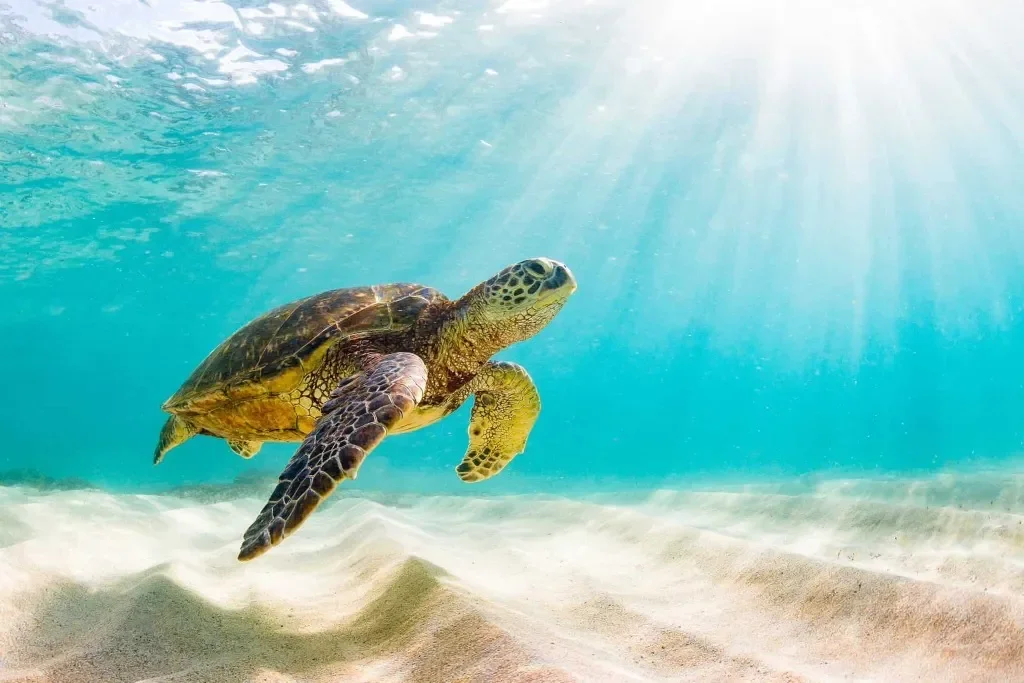
Around the submerged structure of Caragua, a diverse range of marine inhabitants thrive, integrating with the vessel's remains. Divers frequently observe green sea turtles gracefully navigating the wreckage, often seen feeding on algae-covered sections of the ship.
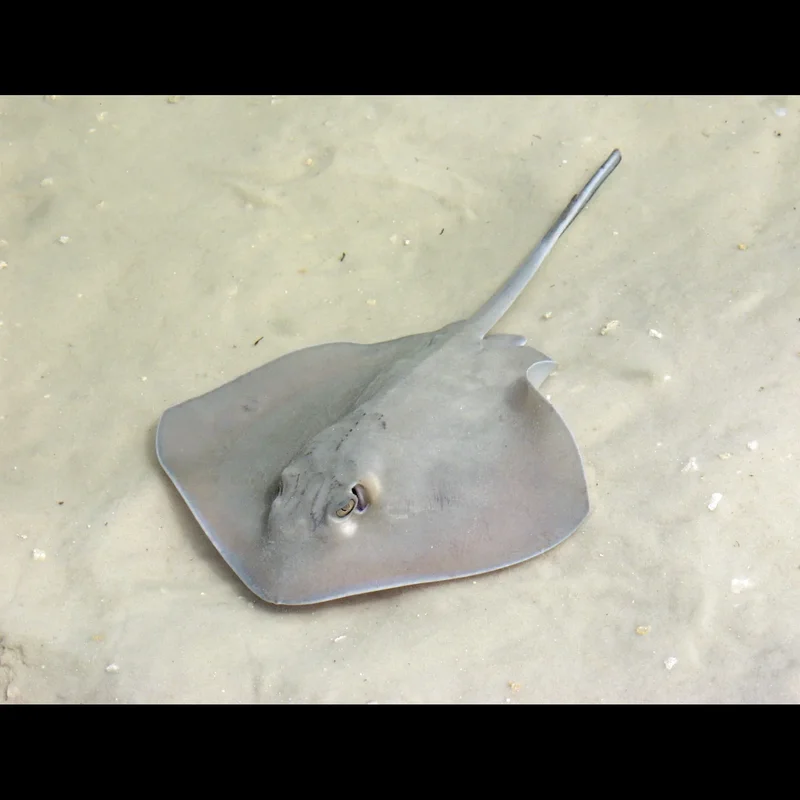
Schools of various fish species patrol the area, creating dynamic visual patterns against the scattered metal. The sandy bottom surrounding the wreck and within its fragments provides habitat for stingrays, which can be spotted resting or moving across the seabed.
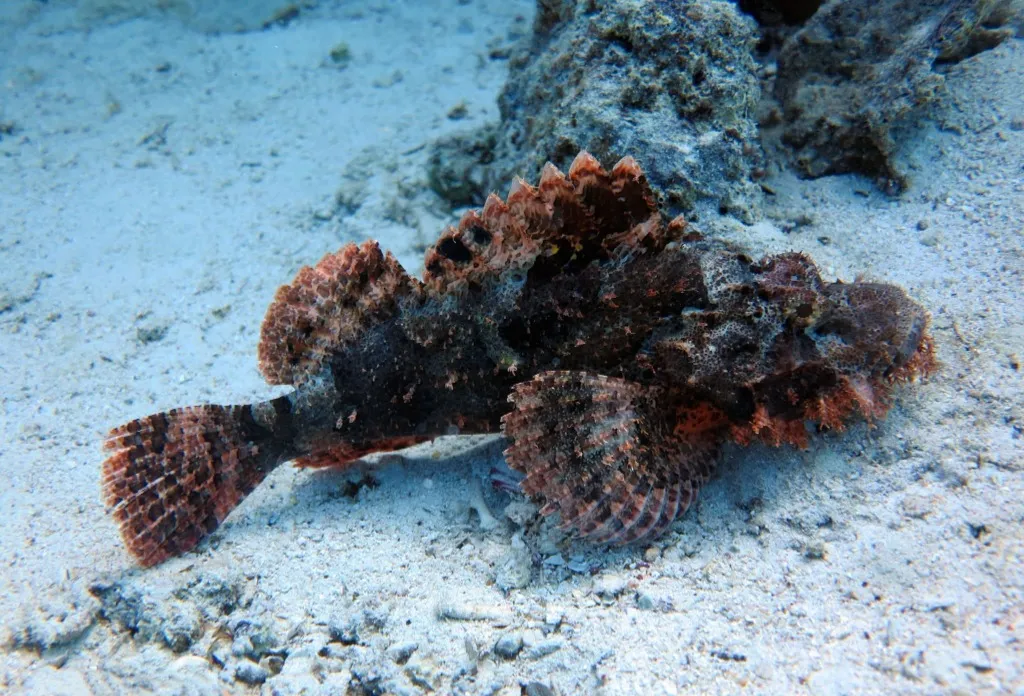
Closer inspection might reveal scorpionfish, expertly camouflaged among the corals and growth that has started to encrust the ship.
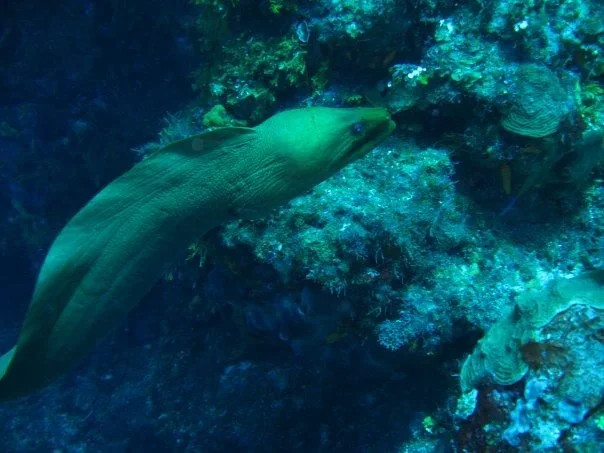
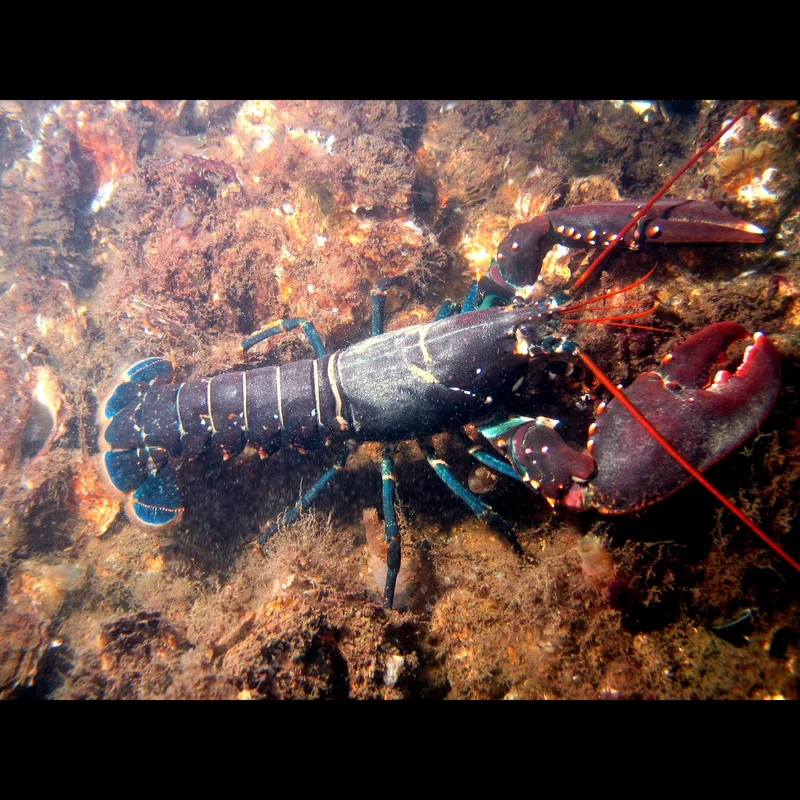
Additionally, the crevices and sheltered sections of the wreck offer refuge for lobsters, prawns, and octopus, while moray eels often peer out from hidden nooks, adding to the vibrancy of this artificial reef.
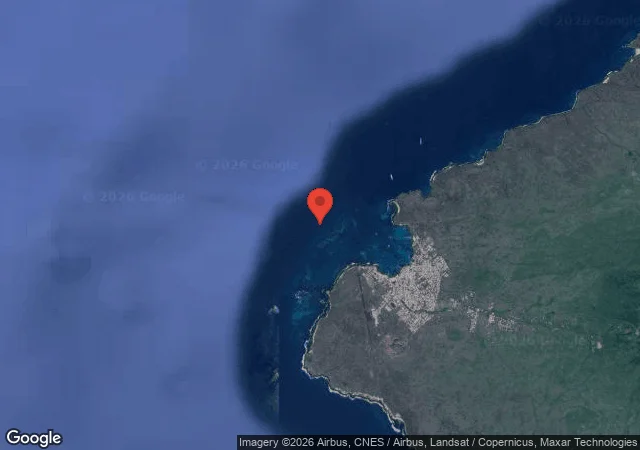
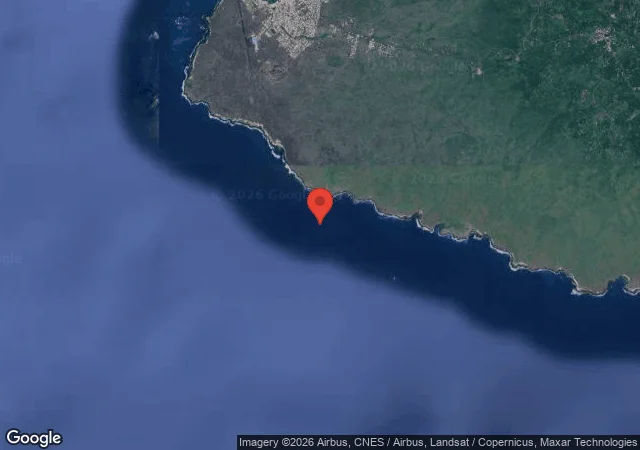
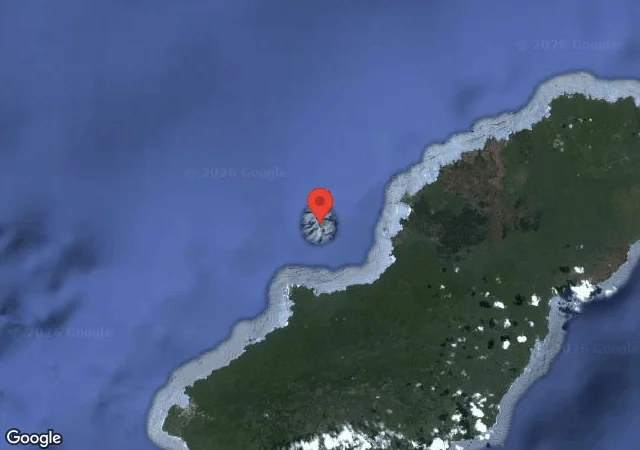
Dive Sites Near Caragua - ShipWreck
View all dive sites in EcuadorDiscover more underwater gems in this area.
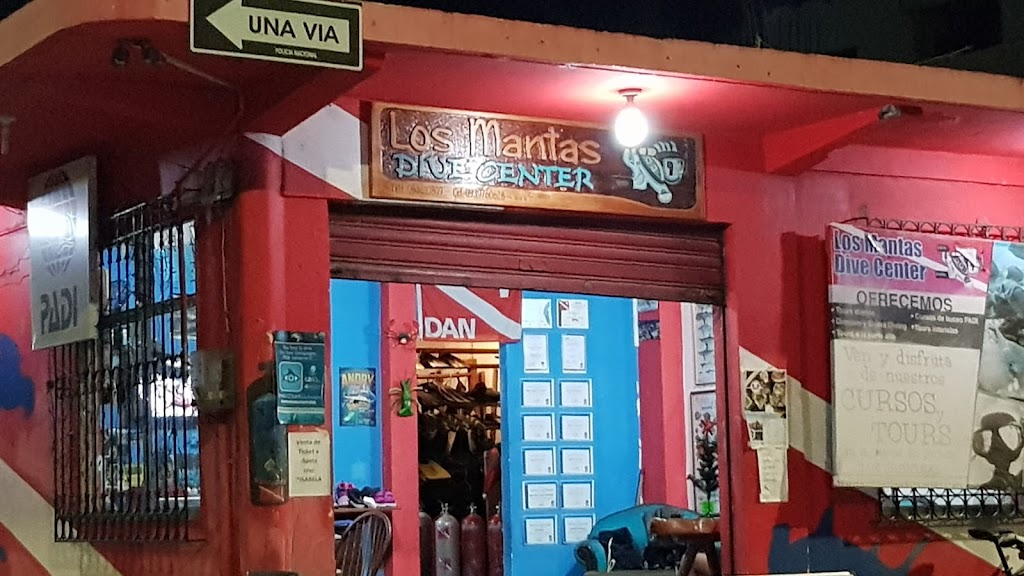
Dive Centers Near Caragua - ShipWreck
Nearest Airports
Nearest airports to help plan travel to this dive area.
Search Flights
Check available flights and routes on Expedia, using the nearby airports listed in this section.
Search Flights on ExpediaFrequently Asked Questions
What is the maximum depth at Caragua ShipWreck?
The Caragua ShipWreck typically reaches a maximum depth of around 15 meters. Its relatively shallow nature accommodates a wide range of recreational divers.
Are there strong currents at the Caragua ShipWreck?
While the wreck site often experiences minimal current, stronger flow can occasionally be present in the initial 5 meters of the water column. A buoy and rope system are usually available to assist with descents and ascents in these areas.
What kind of marine life can I expect to see?
Divers commonly encounter green sea turtles, stingrays, various schools of fish, lobsters, prawns, and octopus. Scorpionfish and moray eels are also frequently observed camouflaged within the wreck's structure.
What is the history of the Caragua ship?
The S.S. Carawa, a 100-meter long steam ship, sank in 1916. Historically, it served as a transport vessel, twice yearly bringing essential food supplies to the Galapagos Islands' population.
Is the Caragua ShipWreck suitable for beginner divers?
Yes, Caragua is considered an easy dive, suitable for divers of all levels, including those holding an Open Water Diver certification. Tour operators often offer 'Discovery Dive' programs here for beginners.
What parts of the wreck are still visible?
Despite its age and partial collapse, divers can still identify significant sections such as the propellers, anchor, steering blade, chain, bow, and engine components. Three large pressure tanks, each about 3 meters high, are also prominent.
Planning to dive Caragua - ShipWreck?
Send one inquiry and receive offers directly from the best verified local dive operators.
Conditions are Good
Optimal conditions expected
Current conditions near Caragua - ShipWreck show 24° air, 26° sea temperature, 1.3 m waves, and 27 km/h wind. Forecast data is refreshed regularly to ensure accuracy.