
Diving at Abu Nuhas Ghiannis D (Egypt)
Imagine navigating a maritime graveyard where each sunken vessel holds a story. Abu Nuhas, often called the 'Reef of Seven Deaths,' in Egypt's northern Red Sea, presents a compelling collection of shipwrecks. Among these, the Giannis D stands as a modern steel testament to the sea's power, drawing divers into its depths. Merging historical intrigue with vibrant marine life, this site promises an adventure beneath the waves.
Tonight's objective overview for Abu Nuhas Ghiannis D shows an air temperature of 30.5°C. The measured surface conditions include wave heights around 0.9 m. This environmental data is logged for the close of the day.
Dive Site Location & Key Facts
Dive Site Overview
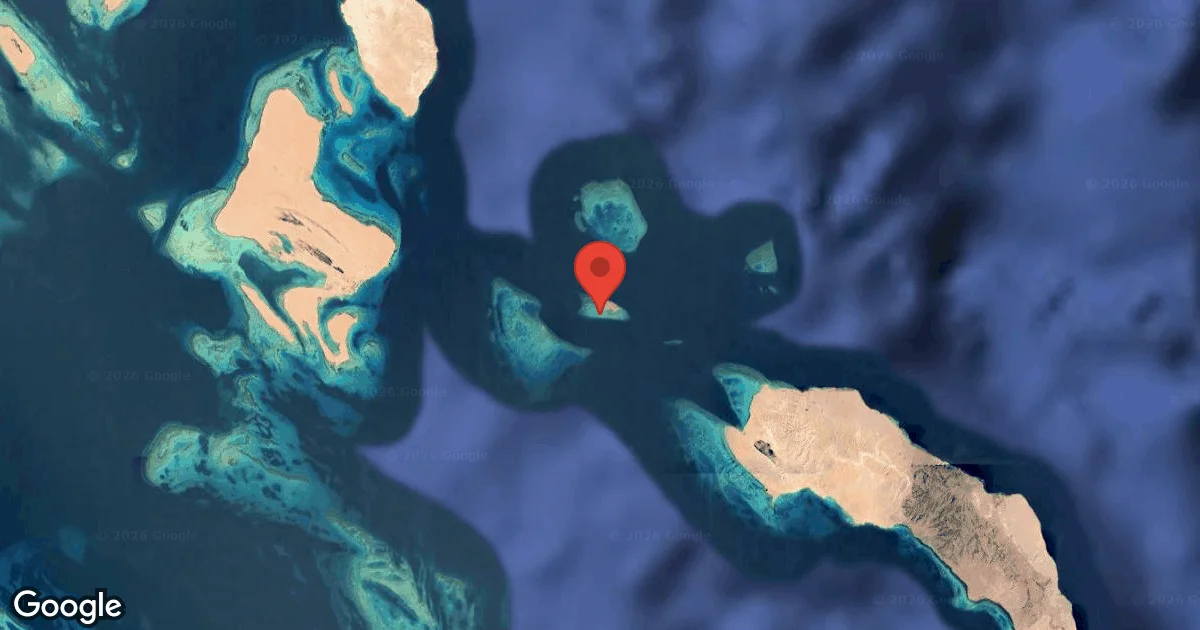
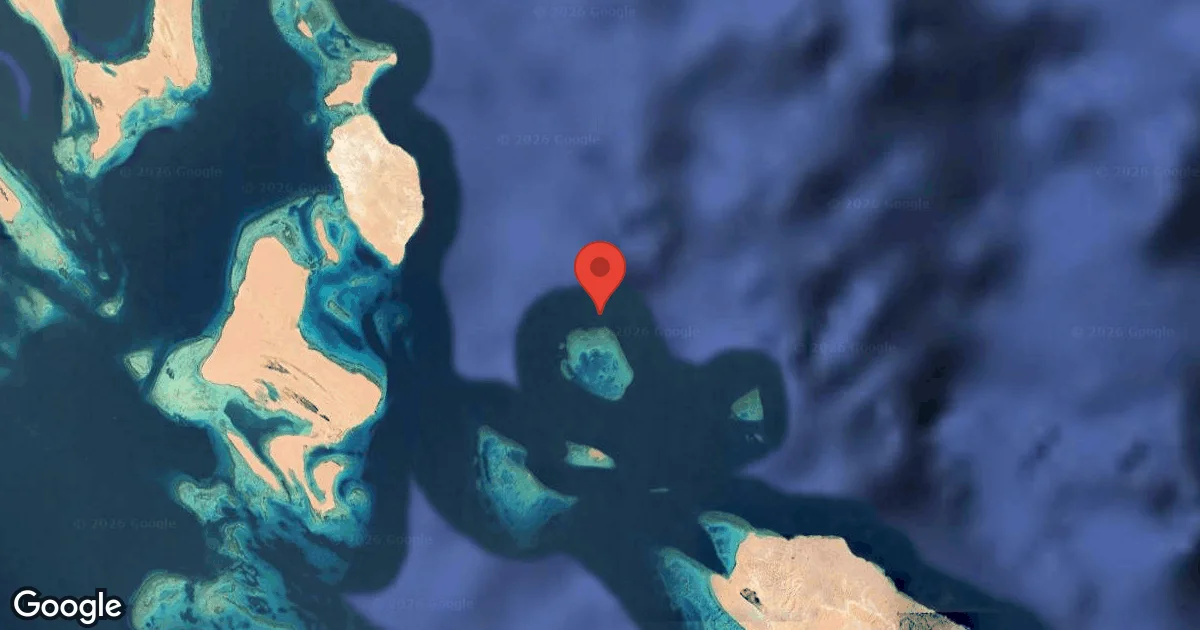
Sha’ab Abu Nuhas, a shallow, hazardous reef in the Strait of Gubal, lies strategically near the busy Suez Canal shipping channel. Its treacherous position has historically claimed numerous vessels, earning it the moniker 'Reef of Seven Deaths.' Among the casualties, the Giannis D, a Greek cargo ship, met its fate in April 1983, driving hard onto the reef's northwest corner.
Laden with sawn timber, the vessel succumbed quickly, though its crew was safely rescued. Today, this modern steel wreck rests at a maximum depth of 30 m (98 ft), presenting an accessible yet engaging exploration for divers. Giannis D settled at a distinct, disorienting angle, influencing the dive experience.
Visibility in this Red Sea region typically spans 20-30 meters (65-100 ft) or more, allowing clear views of the wreck's structure and surrounding reef. Part of a larger collection of wrecks at Abu Nuhas, it contributes to a unique underwater landscape where metal structures now foster thriving coral ecosystems. Exploring here involves both history and active marine habitats.
Conditions are Good
Optimal conditions expected
Current conditions near Abu Nuhas Ghiannis D show 31° air, 28° sea temperature, 0.9 m waves, and 36 km/h wind. Forecast data is refreshed regularly to ensure accuracy.
Best Time to Dive
While the Red Sea maintains a warm climate, offering year-round diving opportunities at Abu Nuhas, certain seasonal nuances can enhance your experience. Average air temperatures consistently hover above 19°C (66°F) even in cooler months like February, reaching over 30°C (86°F) during summer peaks in August. Rain is extremely minimal across all seasons, with several months reporting zero precipitation; this stability ensures reliable topside conditions. Diving the wrecks, especially on the exposed side of the reef, benefits from calmer weather, though some sites remain diveable even with moderate wind gusts. Water temperatures are generally comfortable throughout the year, typically ranging between 22-27°C (72-81°F), though not consistently reported in all data sets. For maximum comfort and the best chance of placid surface conditions, consider visiting outside of the windiest periods, which tend to be more prevalent in late spring and early autumn. Nonetheless, good diving is available virtually any month.
PEAK SEASON SCORE
Scores combine air & water temps, waves, wind & rainfall for overall conditions.
BEST MONTHS TO DIVE
Monthly records compiled from satellite and marine observation nodes over the last 3 years. Data provided by Open-Meteo and MET Norway.
Dive Experience & Conditions
Descending onto the Giannis D, divers encounter a wreck that has become an artificial reef, supporting diverse marine populations. Its distinct list gives the interior a unique, sometimes disorienting, perspective, especially when exploring the engine room. For this reason, an Advanced Open Water Diver certification or equivalent is recommended to fully appreciate the complexities of the site. Depths generally remain within recreational limits, with deepest sections around 30 meters (100 ft). Excellent visibility, often exceeding 20 meters (65 ft), typically defines the dive, allowing for clear views of the entire wreck structure and surrounding activity. Currents can vary, and while the site needs a semblance of calm weather, some sections are sheltered. Planning dives to avoid peak boat traffic can greatly enhance tranquility and safety during exploration.
Dive Difficulty & Safety Guidelines
The primary navigational hazard that created the Abu Nuhas wrecks also dictates some safety considerations for divers. This shallow reef lies close to busy shipping lanes, so boat traffic near the surface should always be monitored. While there are no specific hazards reported within the wreck itself, careful buoyancy control is essential, particularly when exploring internal areas like the engine room of the Giannis D.
Its disorienting angle requires a level of comfort and experience with wreck penetration. Divers should be Advanced Open Water certified, or equivalent, to safely manage deeper sections and potential overhead environments.
Diving with nitrox is often beneficial to extend no-decompression limits during longer explorations. Always dive with a reliable buddy and carry a dive computer.
Recommended Equipment
Overhead / entanglement risk. Wreck penetration requires proper training.
- Dive Computer
- DSMB
- Primary & Backup Lights
- Wreck Reel
- Cutting Tool
This gear list is based on verified equipment signals for Abu Nuhas Ghiannis D, Egypt. Always confirm final gear choices with your dive operator, guide, or liveaboard.
Recommended Dive Suit
2-3mm shorty or light wetsuit is frequently recommended by dive operators for conditions like these. Consider warmer surface protection (like a boat coat) due to brisk winds. Water conditions at Abu Nuhas Ghiannis D are currently measured at approximately 28°C (83°F). Surface air temperatures are resting at 31°C (87°F).
The coming days appear slightly cooler according to the latest forecast. Cooler days are ahead; you might want a warmer option for later in the week. Some divers bring an extra layer for surface intervals between dives.
Even small thermoclines can occasionally cause noticeable changes in water temperature.
Emergency & Medical Support
Essential information to help you plan your dive trip to Abu Nuhas Ghiannis D.

Hyperbaric chambers are a critical part of dive safety infrastructure. Availability varies significantly by region, and not all dive areas have immediate access.
Before diving, it's recommended to:
- confirm nearest medical facilities
- check emergency procedures with local dive operators
- ensure dive insurance covers evacuation if required
Divers Alert Network
Diving emergency assistance available through DAN Europe.
+39 0642115685- 24/7 emergency hotline
- Diving medical assistance
- Evacuation coordination
Emergency contacts are provided for reference. Always verify local emergency services before diving.
Marine Life at Abu Nuhas Ghiannis D
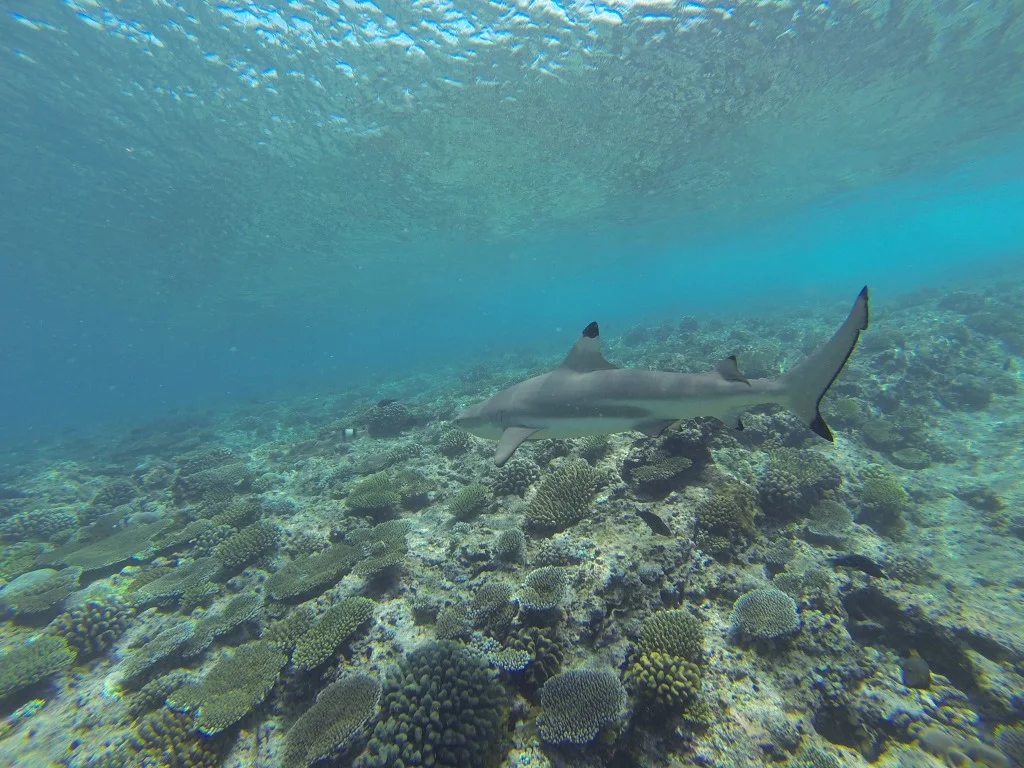
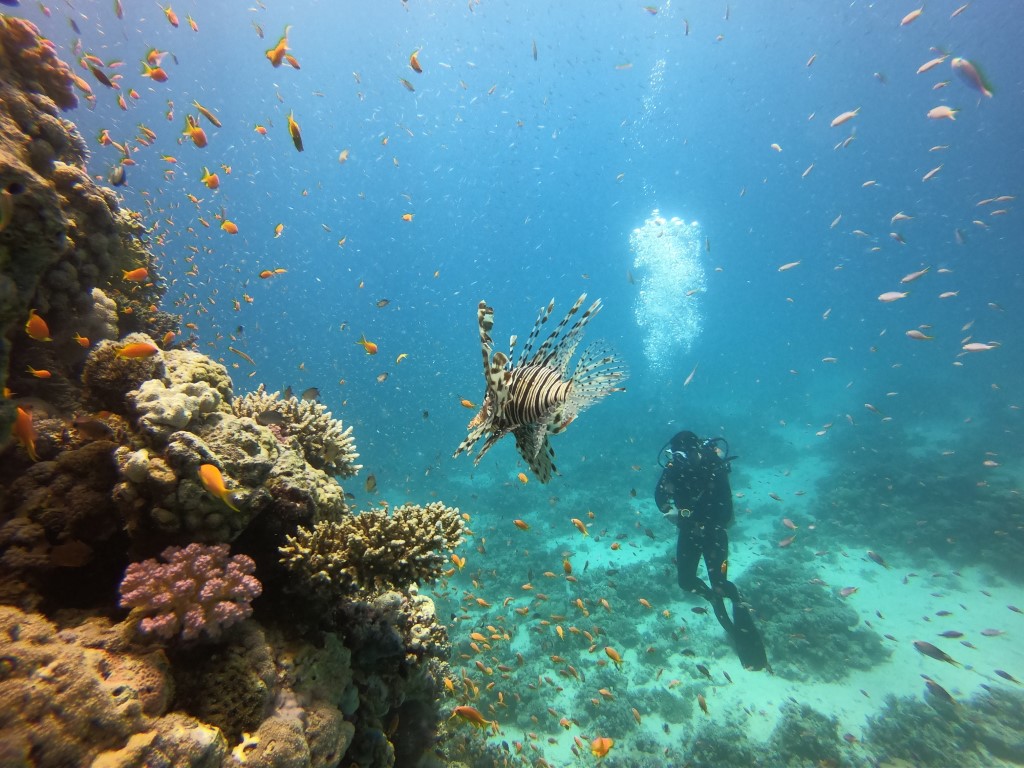
The Giannis D and its neighboring wrecks at Abu Nuhas have transformed into vibrant artificial reefs, attracting a diverse range of marine life. Corals now colonize metal structures, creating intricate habitats for numerous fish species.
Look for schools of reef fish sheltering within the wreck's skeletal framework. While not always guaranteed, occasional sightings of larger pelagics like sharks, dolphins, and turtles have been reported in the surrounding waters.
This ecosystem provides a clear example of how human-made structures can integrate with and enrich the natural underwater environment.
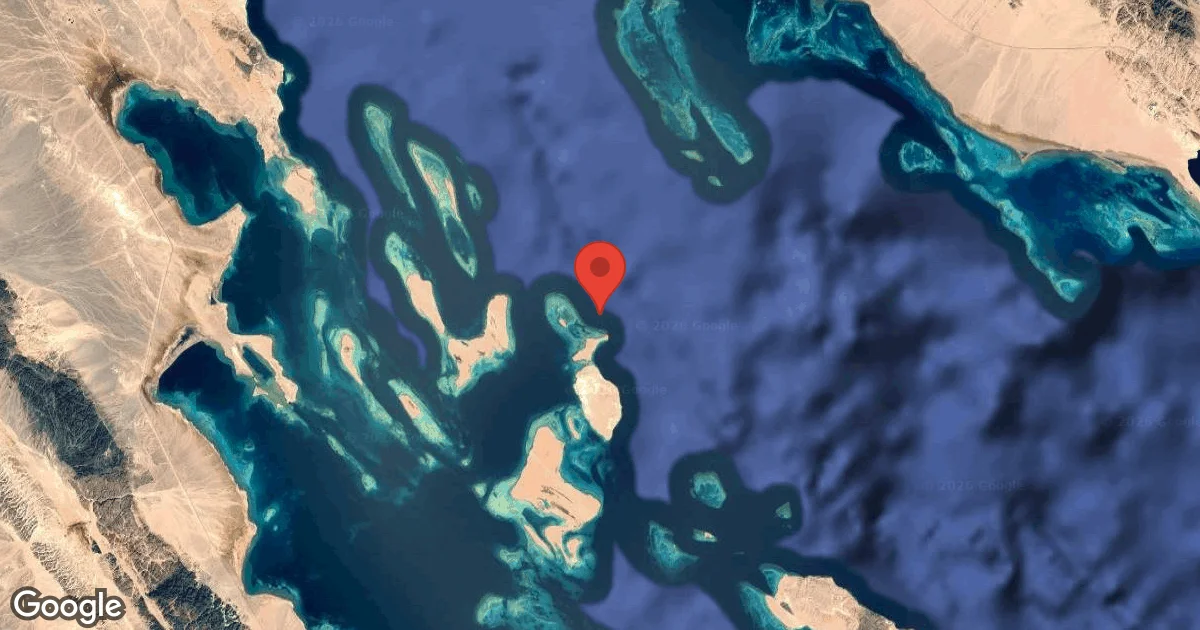
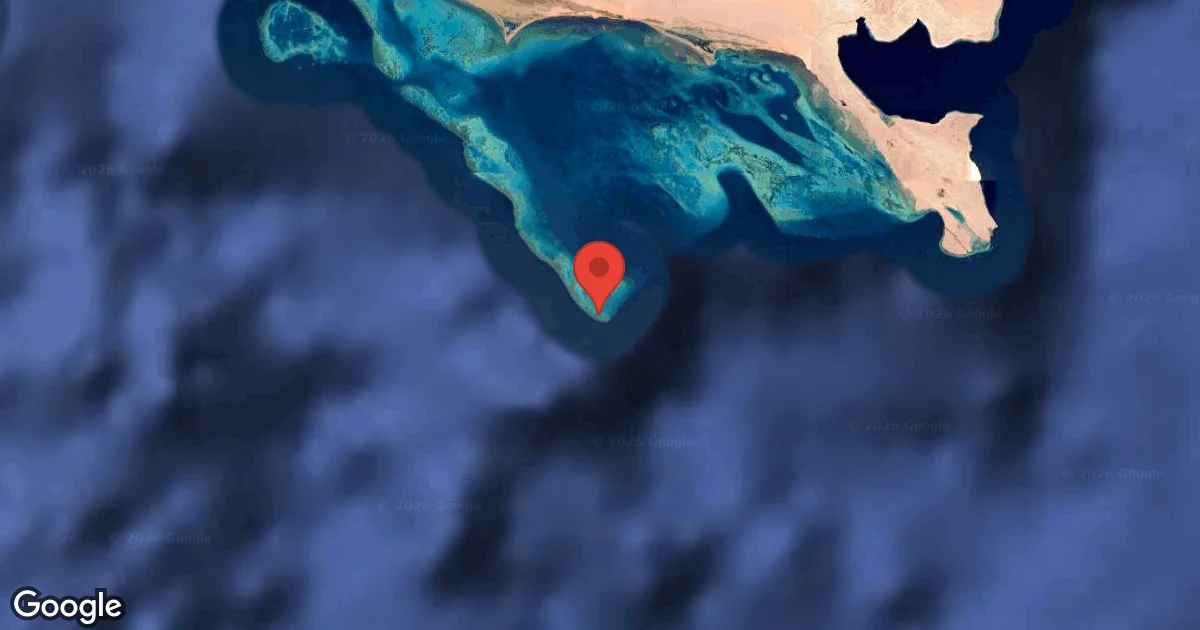
Dive Sites Near Abu Nuhas Ghiannis D
View all dive sites in EgyptDiscover more underwater gems in this area.
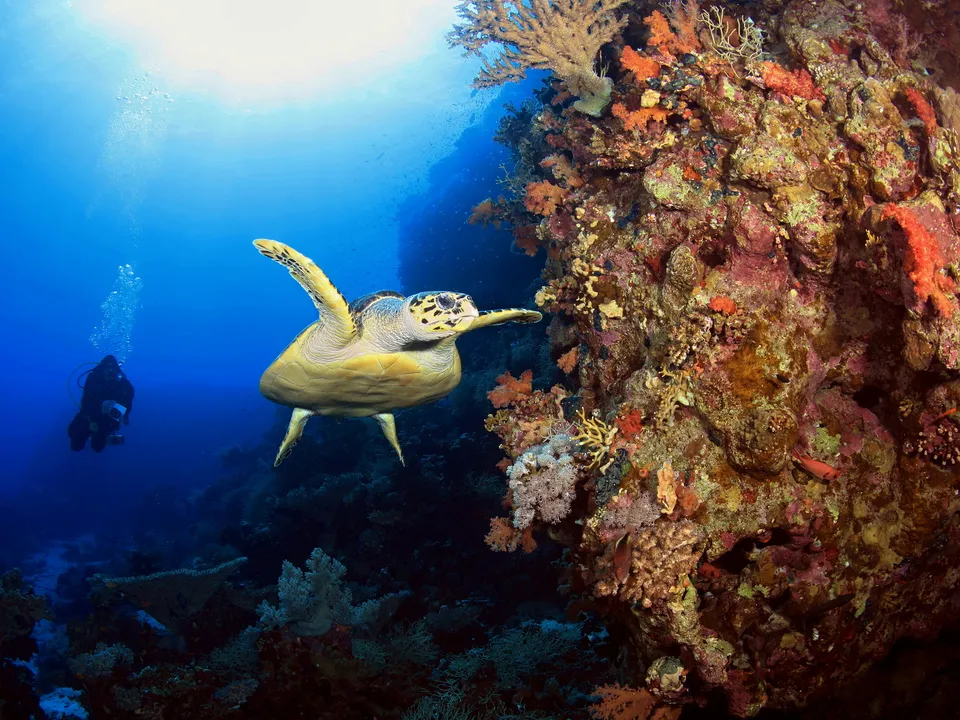
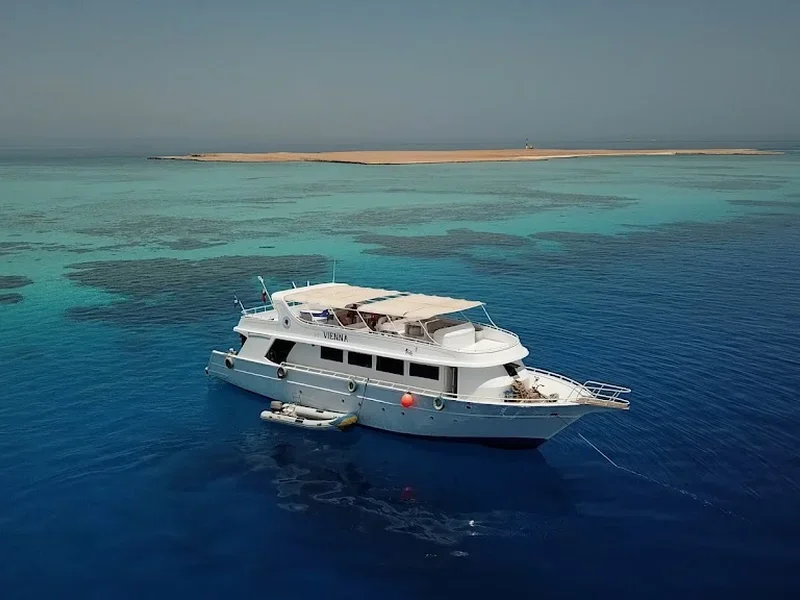
Dive Centers Near Abu Nuhas Ghiannis D
Today: 07:30 - 17:30
Nearest Airports
Nearest airports to help plan travel to this dive area.
Search Flights
Check available flights and routes on Expedia, using the nearby airports listed in this section.
Search Flights on ExpediaFrequently Asked Questions
What is the maximum depth for diving the Giannis D wreck?
The Giannis D wreck reaches a maximum depth of 30 meters. Shallower sections of the wreck are well within recreational dive limits.
What certification level is recommended for diving the Giannis D?
An Advanced Open Water Diver certification or equivalent is highly recommended. This allows divers to safely explore deeper sections and potentially navigate the intricate engine room.
Is the Giannis D a good dive for new wreck divers?
While accessible, its distinct angle and potential for internal exploration make it more suitable for divers with some experience. Beginners should consider a guided dive and ensure good buoyancy control.
What is the typical visibility at Abu Nuhas?
Visibility in this part of the Red Sea is generally excellent, often ranging between 20-30 meters. Clear views of the wrecks and surrounding reef are typical.
Are there other wrecks to dive at Abu Nuhas besides the Giannis D?
Yes, Abu Nuhas is a shipwreck hub, also home to the Carnatic, Chrisoula K, and Kimon M wrecks. Many dive trips explore more than one wreck during a single day.
What kind of marine life can be seen on the Giannis D?
The wreck hosts a thriving ecosystem of corals, various reef fish, and smaller invertebrates. Occasionally, larger marine animals like turtles or dolphins are spotted in the area.
How does the Giannis D compare to the Carnatic wreck?
The Giannis D, a modern steel cargo ship, offers intricate internal exploration. In contrast, the Carnatic, an older iron and wood steamship, presents a more skeletal structure, heavily encrusted with coral and integrated into the reef. These two wrecks provide contrasting historical experiences for divers.
Planning to dive Abu Nuhas Ghiannis D?
Send one inquiry and receive offers directly from the best verified local dive operators.
Conditions are Good
Optimal conditions expected
Current conditions near Abu Nuhas Ghiannis D show 31° air, 28° sea temperature, 0.9 m waves, and 36 km/h wind. Forecast data is refreshed regularly to ensure accuracy.