
Diving at Gubal Island (Egypt)
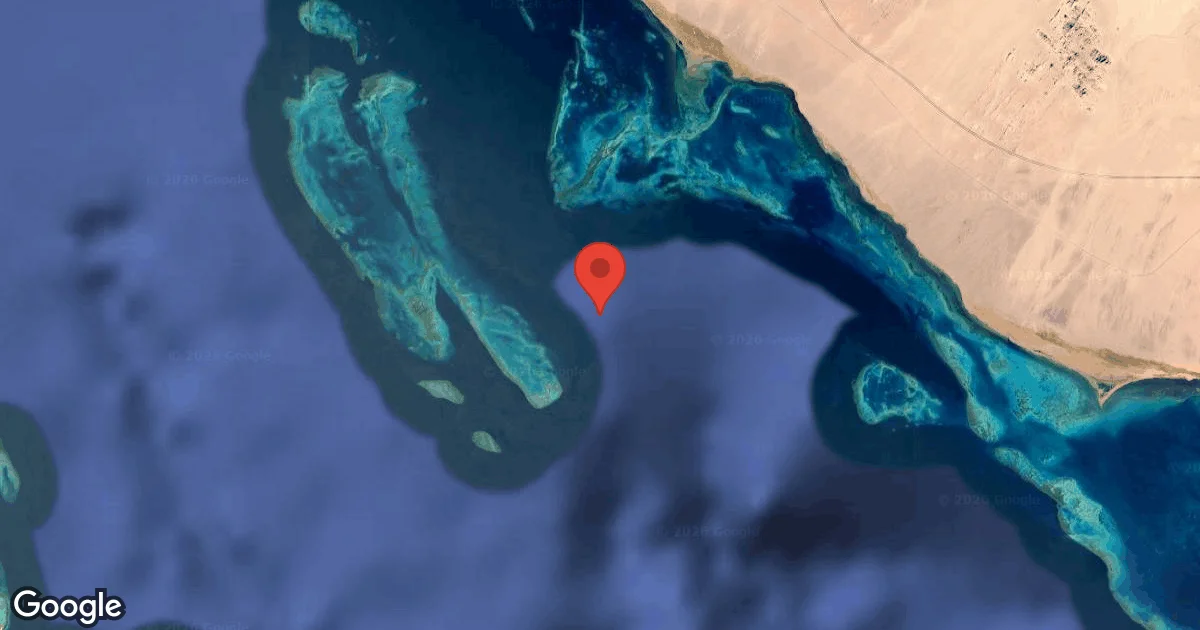
Gubal Island acts as a pivotal point for dive itineraries exploring the northern Red Sea's Straits of Gubal. This Egyptian destination at the mouth of the Gulf of Suez primarily sees access via liveaboard boat, facilitating extensive exploration of its diverse underwater landscapes. Divers frequently plan multi-day trips here to fully immerse themselves in the varied dive sites.
As evening covers Gubal Island, the local air temperature is measured at 29°C. The current wave height at the surface is recorded at 0.2 m. These late-day readings characterize the surface conditions for the night.
Dive Site Location & Key Facts
Dive Site Overview
Dive experiences in the Straits of Gubal are largely shaped by a rich maritime history, stemming from frequent ship traffic through the Gulf of Suez in past centuries. This navigational route saw numerous incidents, leaving behind a remarkable collection of world-class wrecks that now define the area's underwater landscape.
Well-known sites such as the Giannis D, Carnatic, Chrisoula K, and the Ulysses present divers with varied challenges and depth profiles, from intact cargo holds to disintegrating hulls. More distant, yet equally significant, lie the SS Thistlegorm and SS Dunraven, adding further depth to the wreck diving offerings.
Away from the steel giants, a network of vibrant coral reefs and distinctive ergs contributes to a diverse diving environment. These coral structures support a different kind of exploration, featuring abundant reef life and intricate topography.
Overall, the area accommodates a wide spectrum of dive profiles, ranging from comfortable recreational depths suitable for Open Water divers to those requiring advanced or technical qualifications for deeper wreck penetration, ensuring a suitable encounter for most certified divers.
Conditions are Good
Optimal conditions expected
Current conditions near Gubal Island show 29° air, 28° sea temperature, 0.8 m waves, and 37 km/h wind. Forecast data is refreshed regularly to ensure accuracy.
Best Time to Dive
Planning a dive trip to Gubal Island provides excellent conditions generally throughout the year, though specific preferences may influence timing. Water temperatures typically range from 20-28°C (68-82°F), making for comfortable diving. Air temperatures fluctuate from 19.5-30°C (67-86°F), with warmer months between June and October. While the area can experience choppier waters during the winter, surface conditions tend to be moderate with average wave heights of 0.6-0.8 meters (2-2.6 ft). Rainfall is minimal year-round, often registering 0 mm, ensuring consistently clear skies. Liveaboard trips are particularly popular as they maximize dive opportunities and allow for strategic timing at quieter sites.
PEAK SEASON SCORE
Scores combine air & water temps, waves, wind & rainfall for overall conditions.
BEST MONTHS TO DIVE
Monthly records compiled from satellite and marine observation nodes over the last 3 years. Data provided by Open-Meteo and MET Norway.
Dive Experience & Conditions
Navigating the dive sites around Gubal Island often involves encountering significant current dynamics, which can range from 1 to 4 knots in the Gubal Straits. Divers should anticipate drift diving opportunities at many locations. Visibility typically remains good throughout the year, offering clear views of both the vibrant reef structures and submerged wrecks. Depths vary considerably across the region's sites, generally ranging from 12 m (40 ft) to a maximum depth of 45 m (148 ft). Some areas feature shallow plateaus, while others boast deeper walls and swim-throughs, catering to a spectrum of diver experience levels. Conditions may change based on specific site topography and daily weather patterns, requiring adaptable dive planning.
Dive Difficulty & Safety Guidelines
Diving at Gubal Island requires careful attention to the prevailing conditions and site-specific guidance. Strong currents, particularly at exposed locations like Bluff Point, necessitate precise buoyancy control and awareness of one's position to avoid being pushed onto reefs. Entry-level divers should consider sites within shallower sections, while those targeting deeper wreck dives or wall dives will need appropriate advanced certifications.
Always consult with your dive guide regarding current strength and entry/exit procedures for each specific dive. Maintaining situational awareness and adhering to planned dive profiles are crucial for a safe experience in this dynamic environment.
Recommended Equipment
Overhead / entanglement risk. Wreck penetration requires proper training.
Current and surface separation risk. Local briefing strongly recommended.
- Dive Computer
- DSMB
- Primary & Backup Lights
- Wreck Reel
- Reel / Spool
- Cutting Tool
This gear list is based on verified equipment signals for Gubal Island, Egypt. Always confirm final gear choices with your dive operator, guide, or liveaboard.
Recommended Dive Suit
Current diving conditions indicate water temperatures around 28°C (82°F) at Gubal Island. Surface air temperatures are resting at 29°C (85°F).
The forecast outlook suggests that temperatures will stay close to current levels.
Divers who prefer moderate insulation typically choose 2-3mm shorty or light wetsuit in similar environments. A hood or vest is suggested for sensitive divers due to surface winds. Many experienced divers adjust their exposure protection depending on the type of dive planned.
Due to technical issues with our weather providers, live updates are temporarily delayed. The data above reflects the conditions at the time of the last successful fetch.
Emergency & Medical Support
Essential information to help you plan your dive trip to Gubal Island.

Hyperbaric chambers are a critical part of dive safety infrastructure. Availability varies significantly by region, and not all dive areas have immediate access.
Before diving, it's recommended to:
- confirm nearest medical facilities
- check emergency procedures with local dive operators
- ensure dive insurance covers evacuation if required
Divers Alert Network
Diving emergency assistance available through DAN Europe.
+39 0642115685- 24/7 emergency hotline
- Diving medical assistance
- Evacuation coordination
Emergency contacts are provided for reference. Always verify local emergency services before diving.
Marine Life at Gubal Island
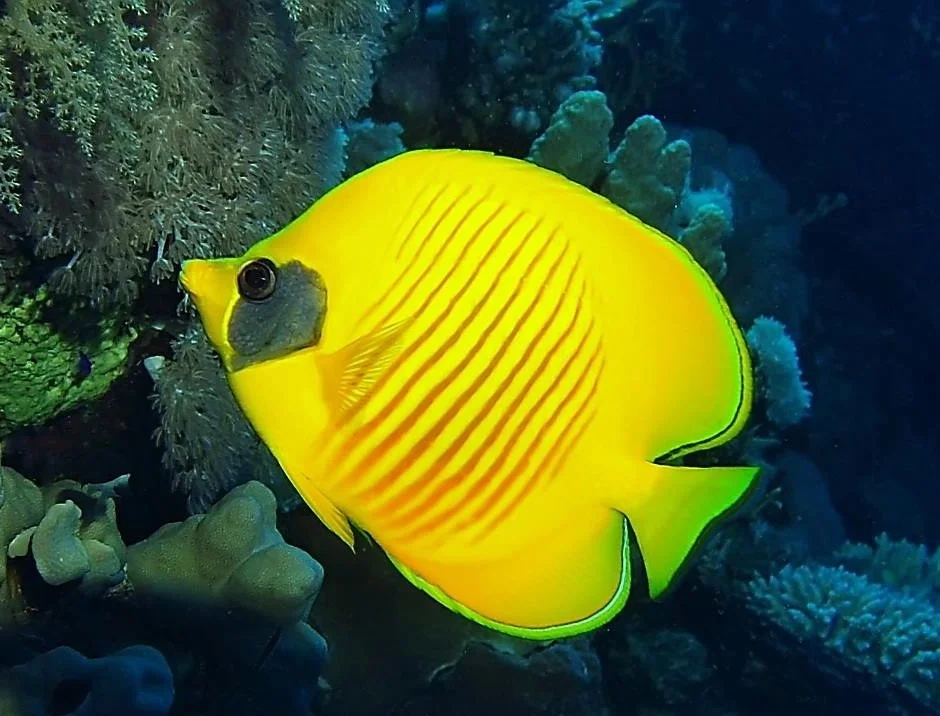
Approaching a Gubal reef or wreck often reveals an immediate presence of medium-sized reef fish. You might initially spot schools of barracuda or tuna patrolling the blue.
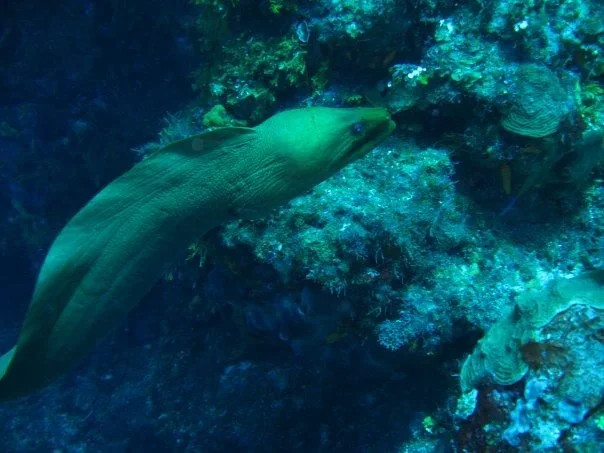
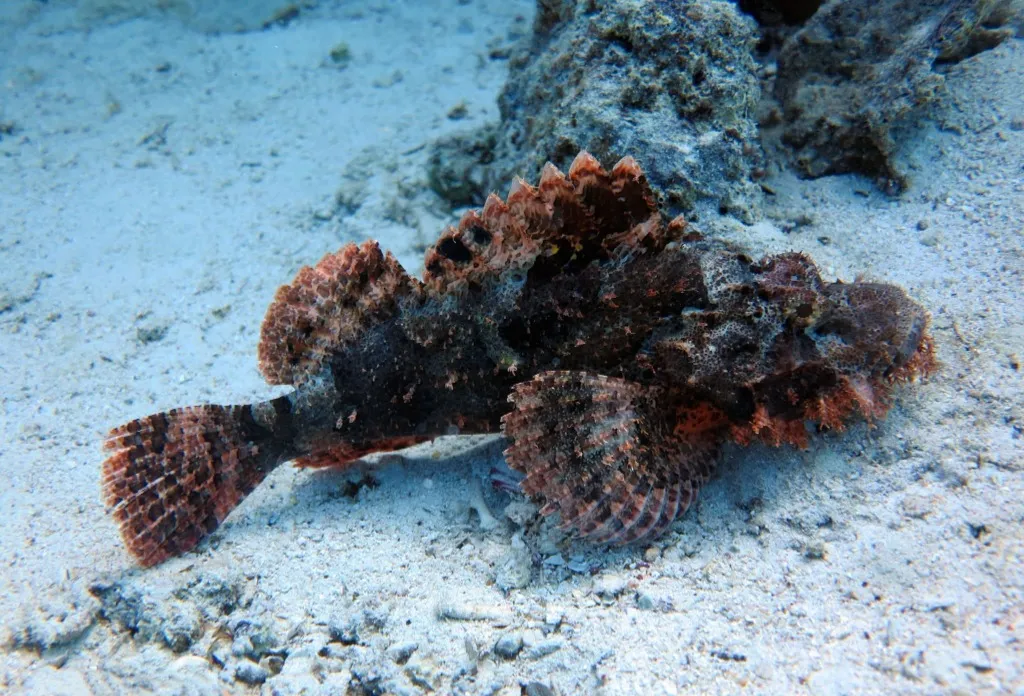
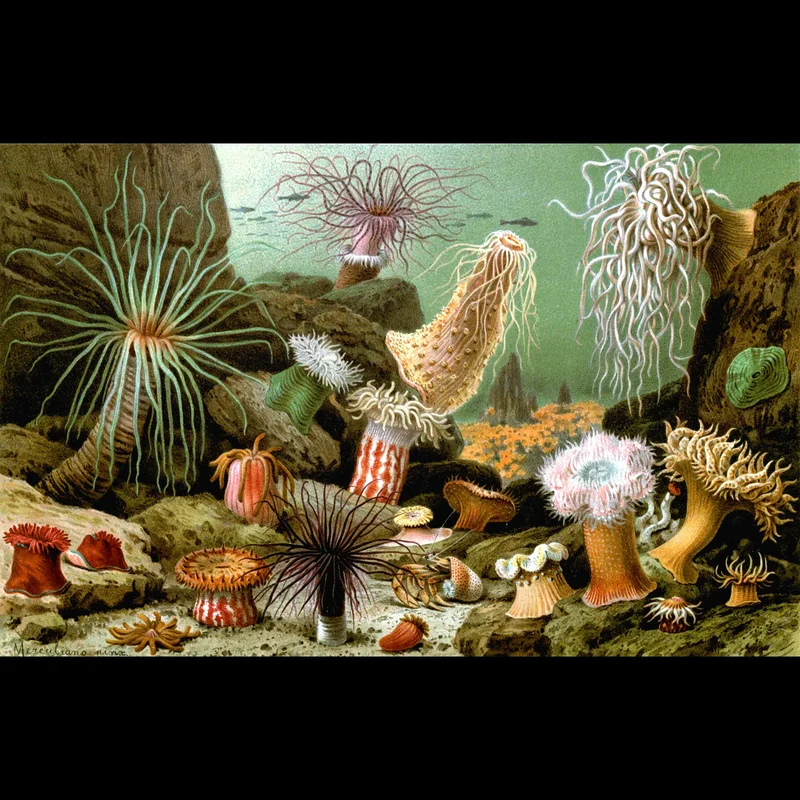
The varied coral formations attract a range of smaller species, including the vibrant parrotfish and clownfish, often seen nestled within anemones. Keep an eye out for moray eels and lionfish sheltering among crevices.
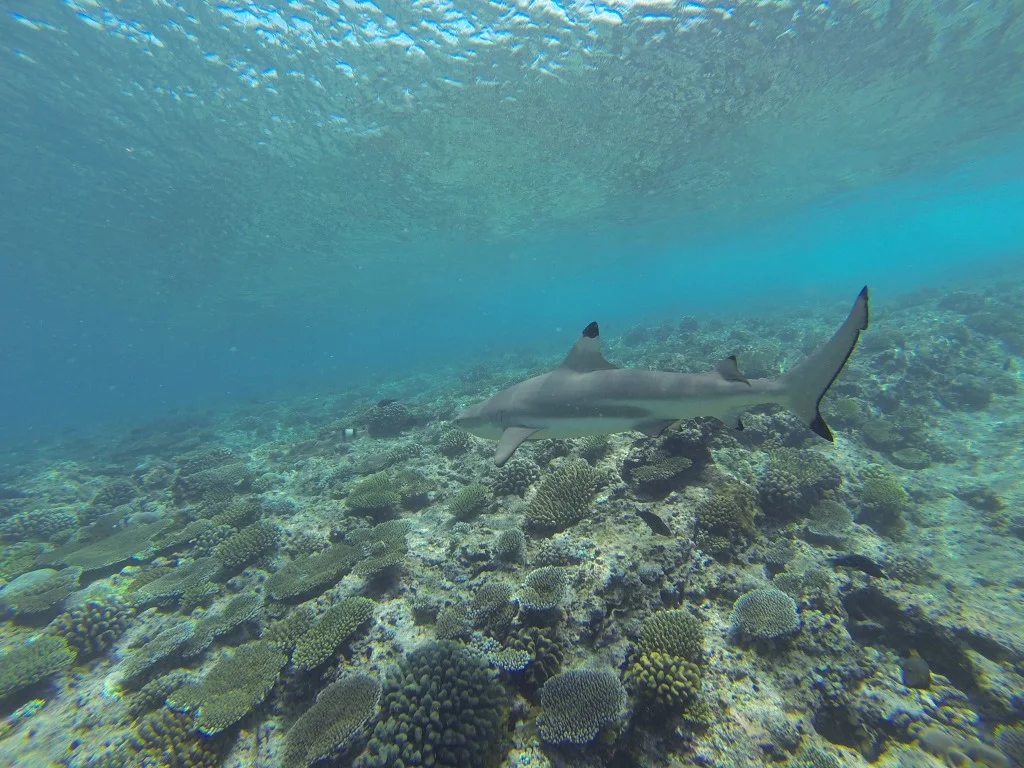
While encounters with larger species like sharks or rays occur, they are not consistently reported. Turtles, pufferfish, octopus, and various nudibranchs also contribute to the diverse underwater scenery.
Dive Sites Near Gubal Island
View all dive sites in EgyptDiscover more underwater gems in this area.
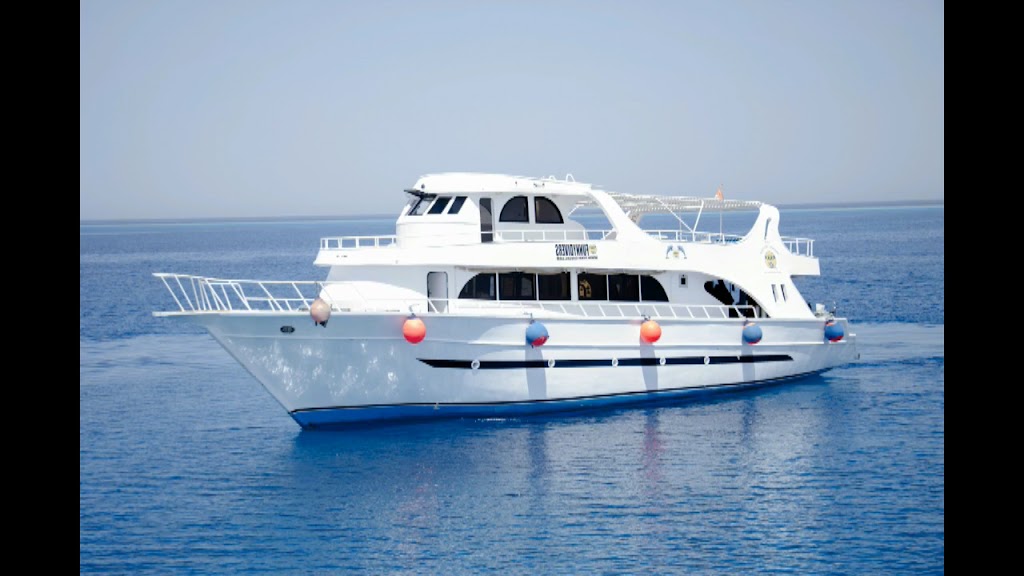
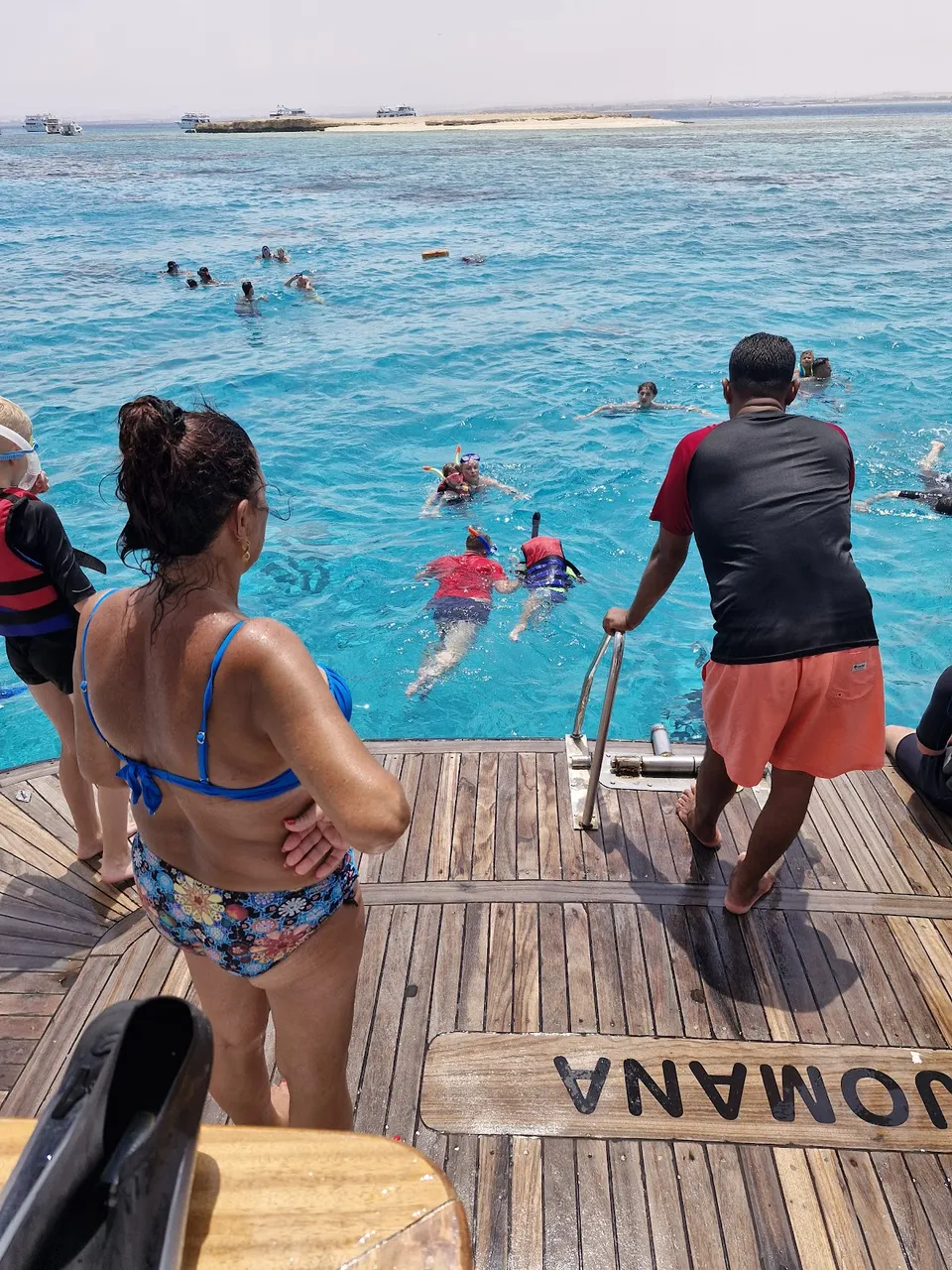
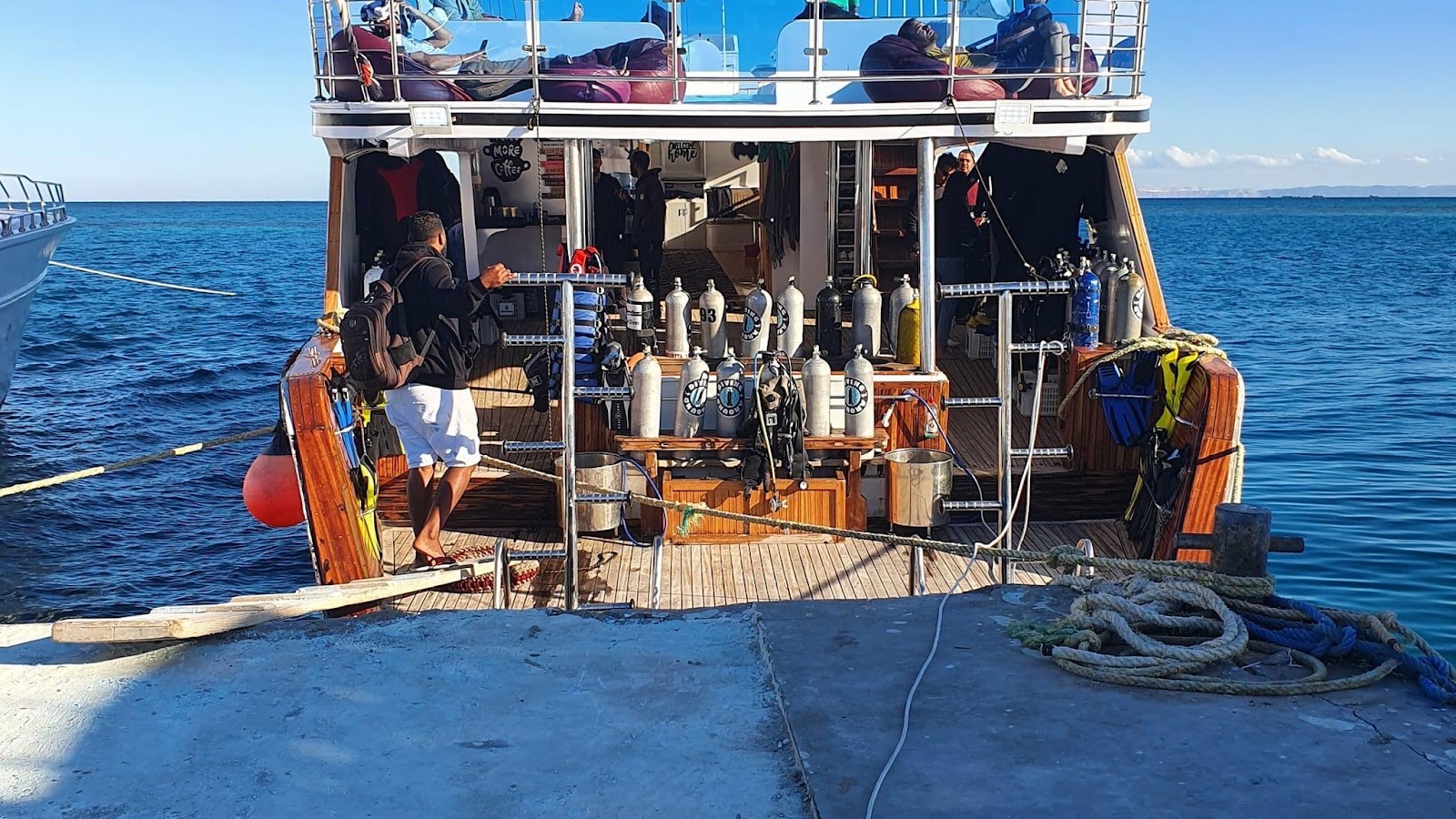
Dive Centers Near Gubal Island
Today: 08:00 - 17:00
Nearest Airports
Nearest airports to help plan travel to this dive area.
Search Flights
Check available flights and routes on Expedia, using the nearby airports listed in this section.
Search Flights on ExpediaFrequently Asked Questions
What dive experience level is required for Gubal Island?
Gubal Island accommodates divers of all experience levels. Many sites are suitable for all certified scuba divers, often with a recommended minimum of 10 logged dives. However, specific wrecks and deeper sections may require Advanced, Deep (40m), or even Technical Diver qualifications.
How do you access Gubal Island for diving?
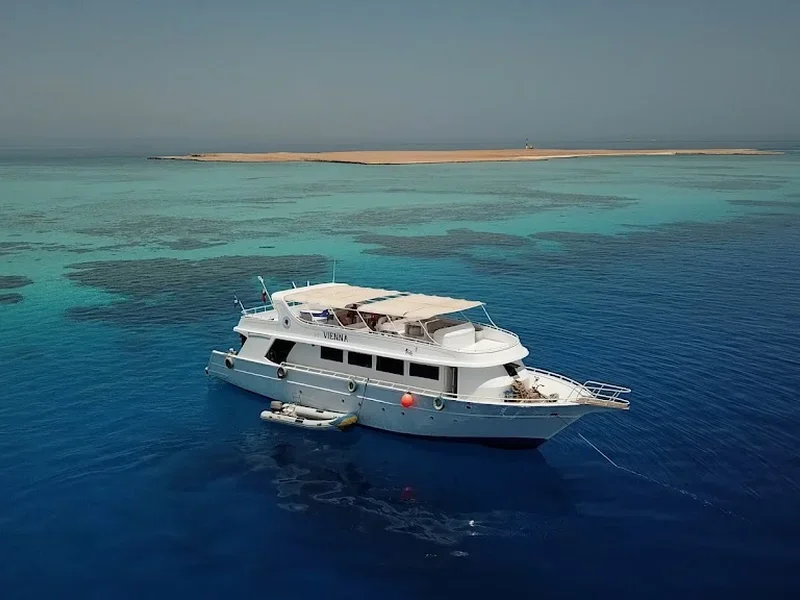
The most common and recommended way to access Gubal Island for diving is via a liveaboard boat safari. Day trips from Hurghada are possible but involve lengthy travel times for limited dives. Liveaboards provide more flexibility and extended dive opportunities.
What types of dive sites can be found around Gubal Island?
Gubal Island offers a variety of dive sites, including numerous shipwrecks, healthy coral reefs, drift dives, wall dives, swim-throughs, and overhangs. Some areas also feature small ergs and cave formations.
Are there strong currents at Gubal Island?
Yes, the Straits of Gubal can experience strong currents, often ranging from 1 to 4 knots. Divers should be prepared for drift diving and exercise caution, especially at exposed locations like Bluff Point.
What is the typical water temperature at Gubal Island?
Water temperatures around Gubal Island generally range from 20°C to 28°C (68-82°F) throughout the year, offering comfortable diving conditions for most divers.
What kind of marine life can I expect to see?
Divers can expect to encounter a variety of marine life, including numerous reef fish like parrotfish, clownfish, and angelfish. Larger species such as barracuda, tuna, turtles, and occasional rays or sharks are also present. Moray eels, lionfish, pufferfish, and various invertebrates are commonly observed.
Planning to dive Gubal Island?
Send one inquiry and receive offers directly from the best verified local dive operators.
Conditions are Good
Optimal conditions expected
Current conditions near Gubal Island show 29° air, 28° sea temperature, 0.8 m waves, and 37 km/h wind. Forecast data is refreshed regularly to ensure accuracy.