
Diving at SS Dunraven Wreck (Egypt)
Descending upon the SS Dunraven Wreck reveals a fascinating, inverted structure resting on the seabed. This 80 m (262 ft) British steamship, split into two main sections, settled upside down after its collision. Divers often begin their exploration at the deeper sections, tracing the hull along the reef wall. Reaching a maximum depth of 30 m (100 ft), this site offers a compelling initial visual as the wreck emerges from the blue.
As evening covers SS Dunraven Wreck, the local air temperature is measured at 29.5°C. The current wave height at the surface is recorded at 0.5 m. These late-day readings characterize the surface conditions for the night.
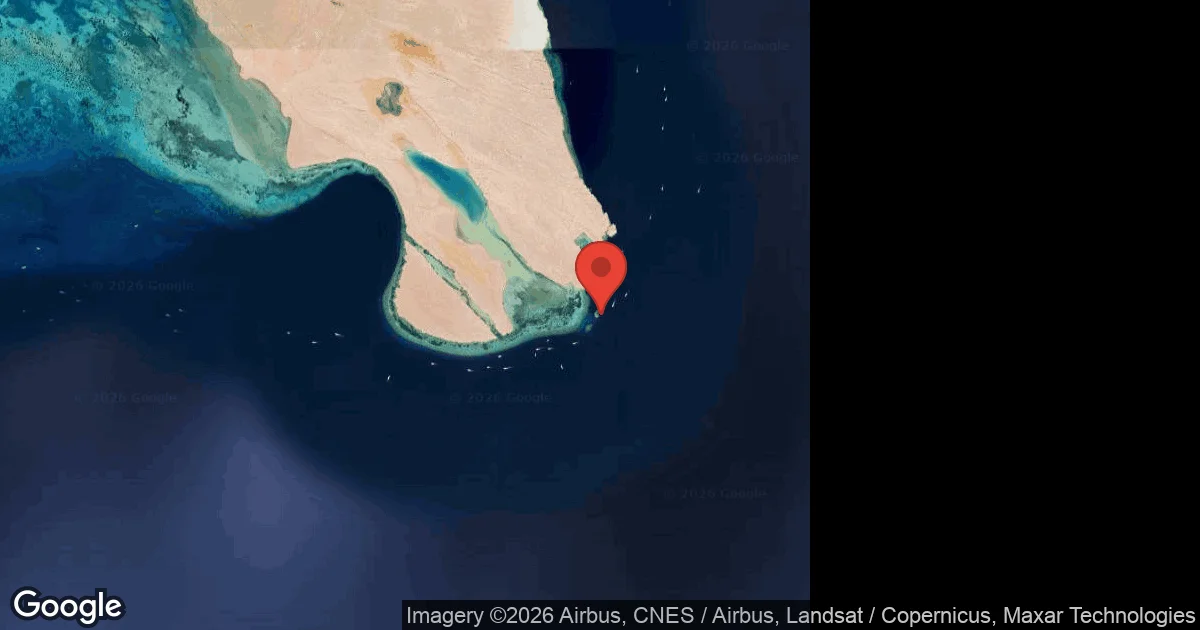
Dive Site Location & Key Facts
Dive Site Overview
Exploring the SS Dunraven Wreck offers divers a compelling journey into maritime history. Originally built in 1873, the British steamship came to its final resting place in 1876 after striking the vibrant Sha'ab Mahmoud reef.
Today, it lies completely upside down, segmented into two distinct parts that stretch along the seabed. Resting on the southern edge of the reef, the site reaches a maximum depth of 30 meters, with the structure extending into shallower sections. Approximately 80 meters in length and about 10 meters wide, the vessel provides extensive exploration opportunities.
Numerous large openings perforate the hull, creating multiple points for easy penetration. Certified wreck divers can safely explore the ship's interior, moving between its compartments.
Adjacent to the sunken vessel, a thriving reef wall supports diverse marine life, creating a dynamic backdrop for the historical wreck. Combining a dramatic shipwreck with a lively natural environment ensures a varied and engaging dive experience. Its inverted orientation allows for unique perspectives as divers navigate the overturned decks.
Conditions are Good
High Wind Advisory (41km/h). Unsafe surface.
Current conditions near SS Dunraven Wreck show 29° air, 28° sea temperature, 1.0 m waves, and 41 km/h wind. Forecast data is refreshed regularly to ensure accuracy.
Best Time to Dive
Diving the Dunraven Wreck is possible throughout the entire year, providing consistent access to this historic site. While surface conditions can vary, air temperatures remain inviting, ranging from 20-22°C (68-72°F) in cooler months like January and February, to a warmer 29-30°C (84-86°F) during peak summer in July and August. Rain is minimal across all seasons, with months like June, July, August, September, and October reporting no rainfall. Water temperature for this specific site is not consistently reported in available data, though it's generally warm in the Red Sea. Wind speeds average around 30-35 km/h (19-22 mph) year-round, which can influence surface chop, especially since the site is prone to weather conditions despite some protection from the reef.
PEAK SEASON SCORE
Scores combine air & water temps, waves, wind & rainfall for overall conditions.
BEST MONTHS TO DIVE
Monthly records compiled from satellite and marine observation nodes over the last 3 years. Data provided by Open-Meteo and MET Norway.
Dive Experience & Conditions
Navigating the SS Dunraven Wreck offers an approachable wreck diving experience, thanks to generally good conditions and a somewhat sheltered location near the reef. Although surface conditions can occasionally be rough depending on the weather, underwater visibility is typically favorable. Divers can readily enter the hull through several large holes, exploring the ship's interior where soft corals have begun to grow, particularly on the upturned stern. This site is frequently categorized as a deep dive, often explored with the benefit of Nitrox for extended bottom times.
Dive Difficulty & Safety Guidelines
Approaching the SS Dunraven Wreck requires adherence to standard wreck diving protocols, given its classification as a deep dive. Divers should be mindful of the maximum depth of 30 m (100 ft) and plan their gas management accordingly. While conditions are often good, the site can be prone to weather changes, meaning surface conditions might be rough.
Adequate training and experience in wreck penetration are advisable for those wishing to explore the ship's interior, ensuring a safe and controlled dive within the inverted structure.
Recommended Equipment
Overhead / entanglement risk. Wreck penetration requires proper training.
- Dive Computer
- Primary & Backup Lights
- Wreck Reel
- Cutting Tool
This gear list is based on verified equipment signals for SS Dunraven Wreck, Egypt. Always confirm final gear choices with your dive operator, guide, or liveaboard.
Recommended Dive Suit
With water temperatures around 28°C (83°F), many divers find a 2-3mm shorty or light wetsuit provides comfortable protection.
Local conditions can vary slightly across different parts of the same dive site.
Weather projections show fairly stable environmental conditions ahead.
Due to technical issues with our weather providers, live updates are temporarily delayed. The data above reflects the conditions at the time of the last successful fetch.
Emergency & Medical Support
Essential information to help you plan your dive trip to SS Dunraven Wreck.

Hyperbaric chambers are a critical part of dive safety infrastructure. Availability varies significantly by region, and not all dive areas have immediate access.
Before diving, it's recommended to:
- confirm nearest medical facilities
- check emergency procedures with local dive operators
- ensure dive insurance covers evacuation if required
Divers Alert Network
Diving emergency assistance available through DAN Europe.
+39 0642115685- 24/7 emergency hotline
- Diving medical assistance
- Evacuation coordination
Emergency contacts are provided for reference. Always verify local emergency services before diving.
Marine Life at SS Dunraven Wreck
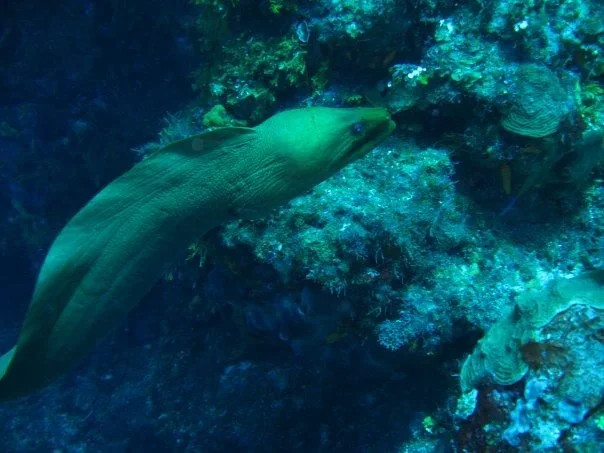
The inverted hull of the SS Dunraven Wreck and the adjacent reef wall host a rich and abundant marine community. Inside the wreck, schools of soldierfish, cardinalfish, glassfish, and goatfish are commonly observed, often alongside moray eels.
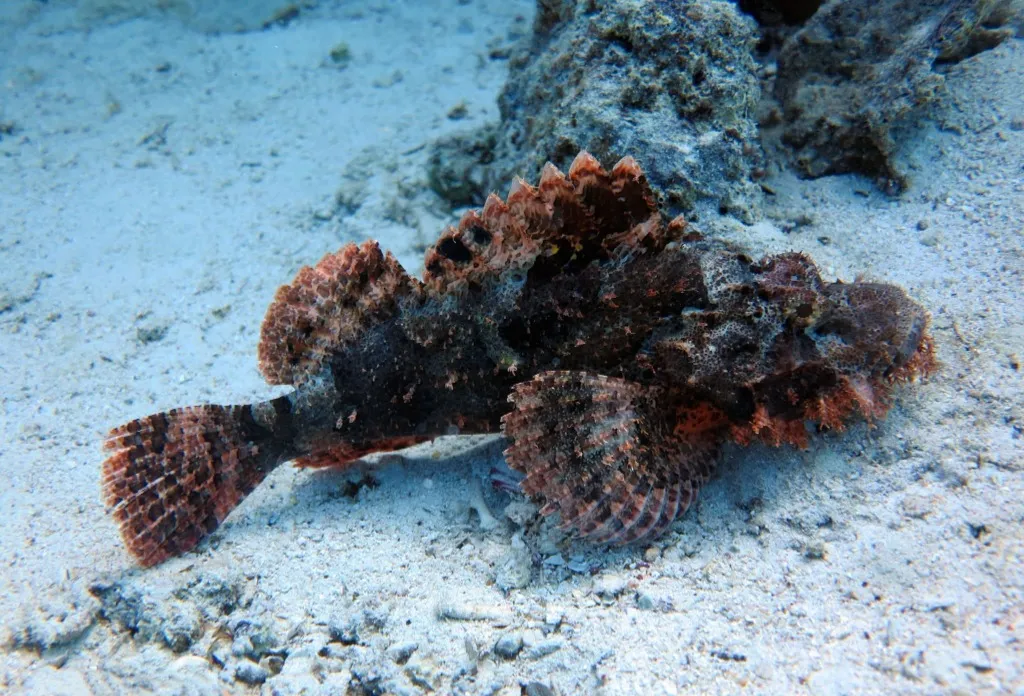
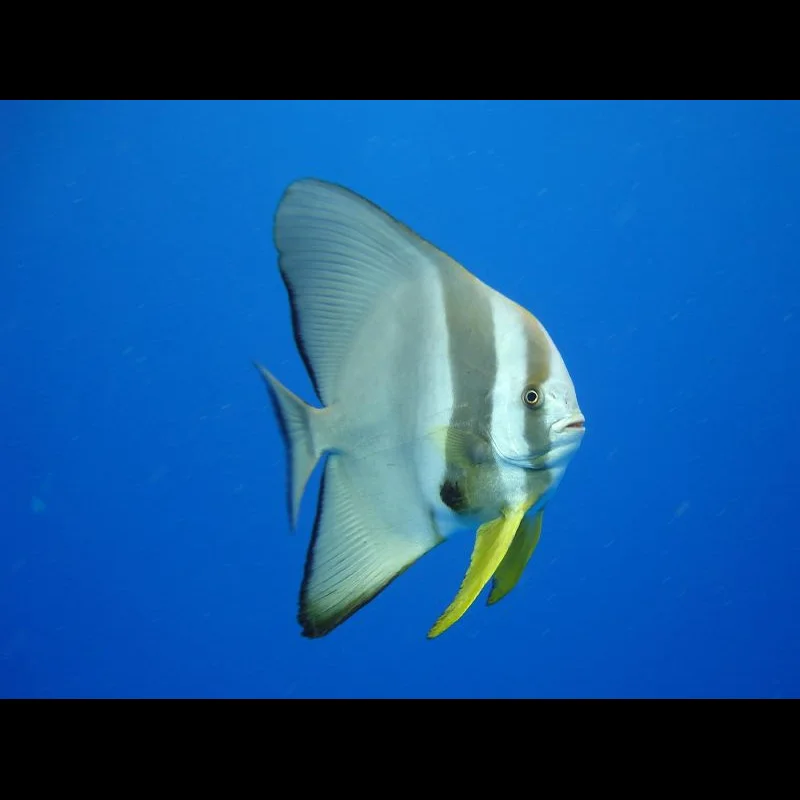
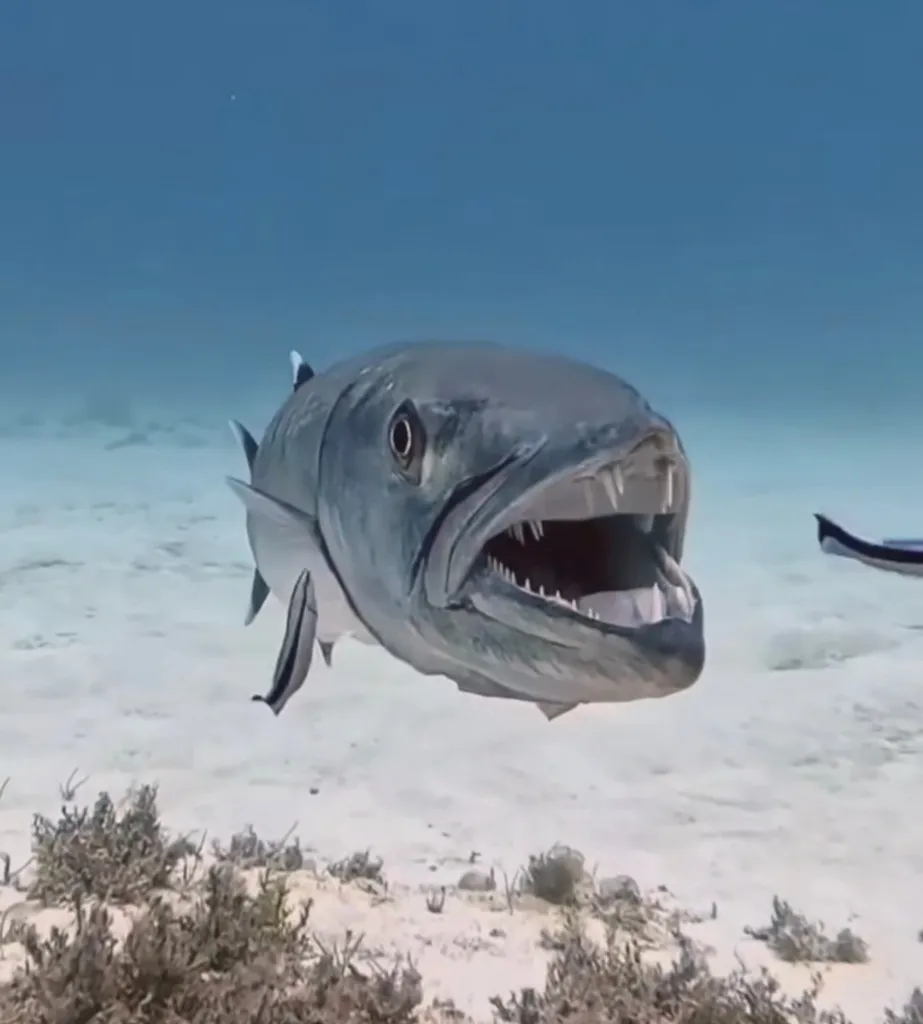
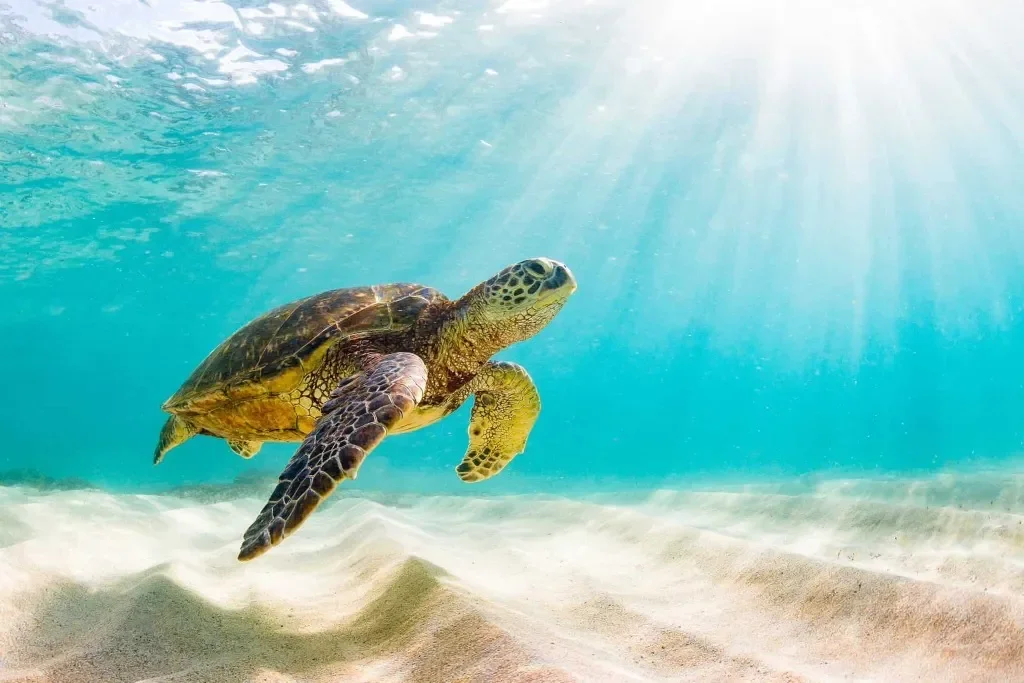
Look closely along the hull for smaller macro life, including nudibranchs, scorpionfish, and various pipefishes; the rare ghost pipefish has also been spotted here. Around the wreck and on the nearby reef, divers frequently encounter barracudas, curious batfish, and green sea turtles, while dolphins are known to swim by on occasion.
Dive Sites Near SS Dunraven Wreck
View all dive sites in EgyptDiscover more underwater gems in this area.
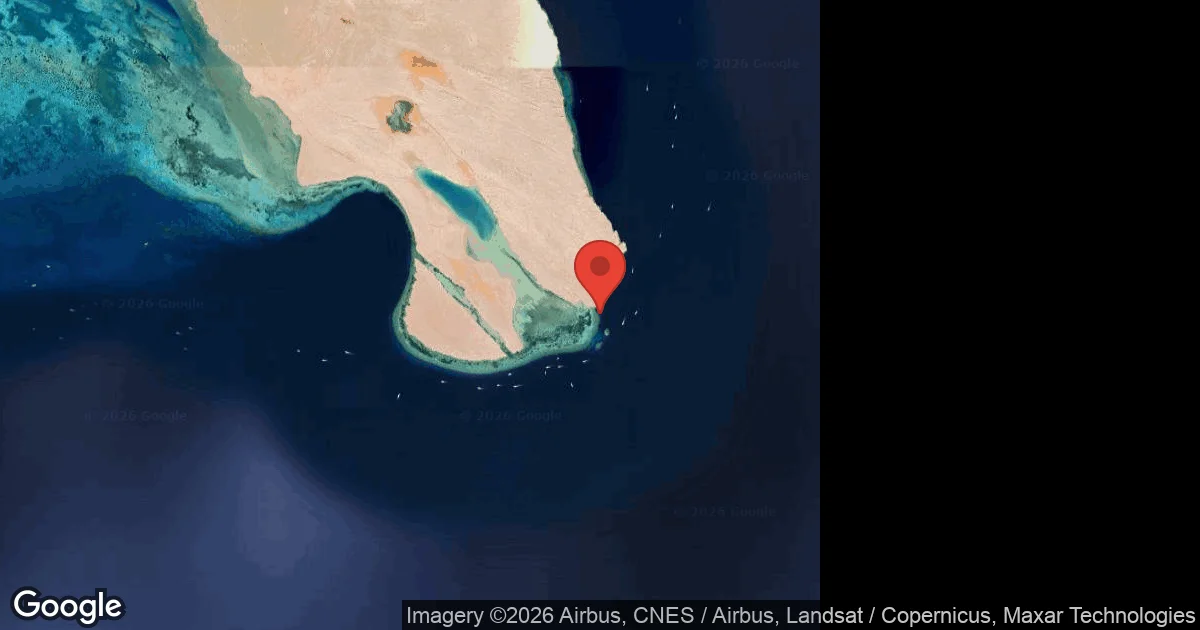
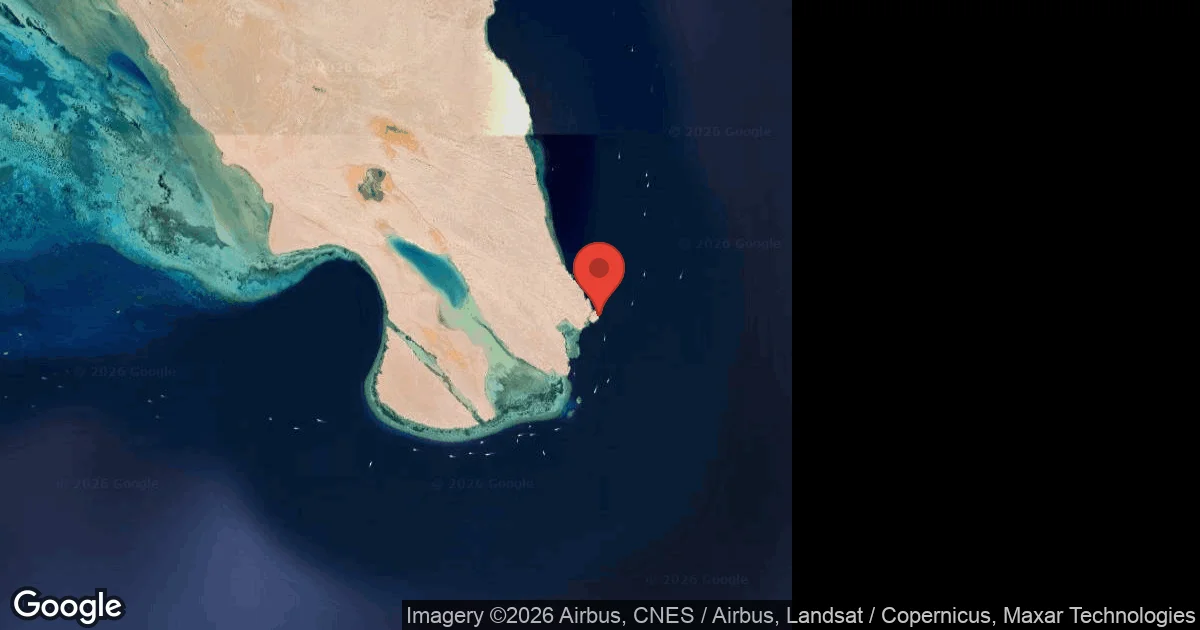
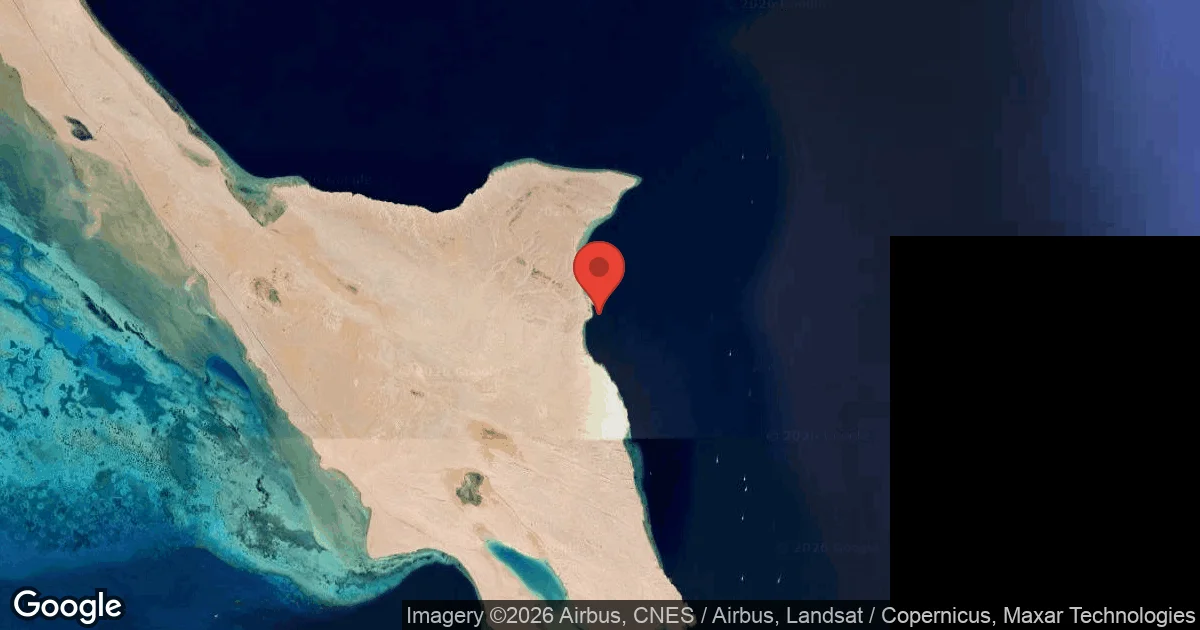
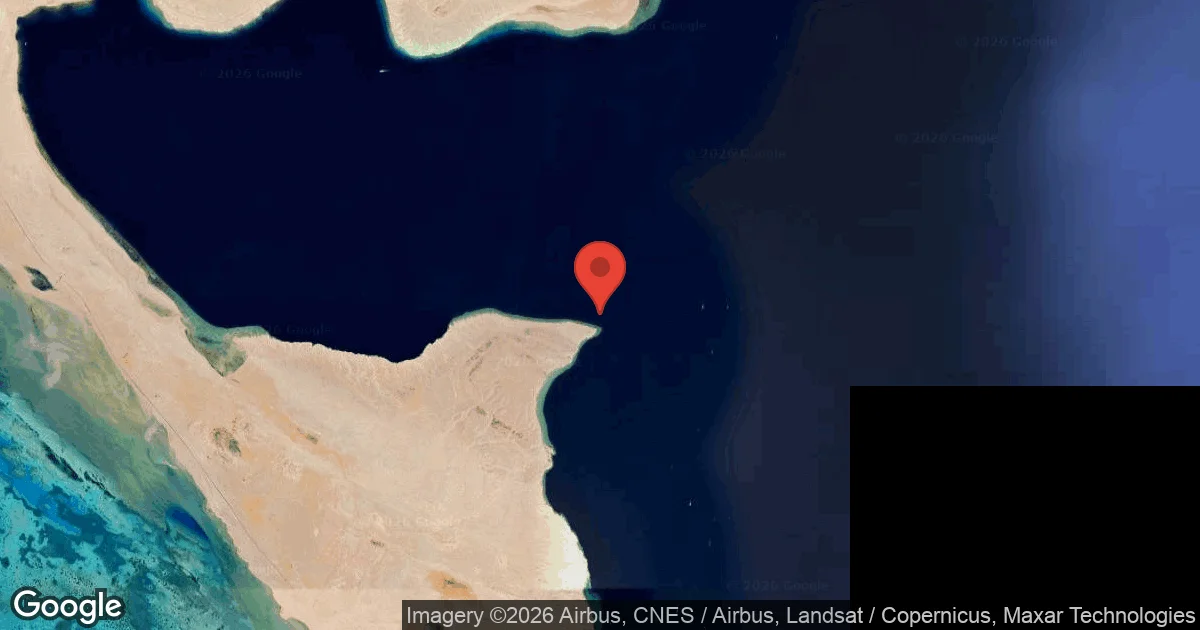
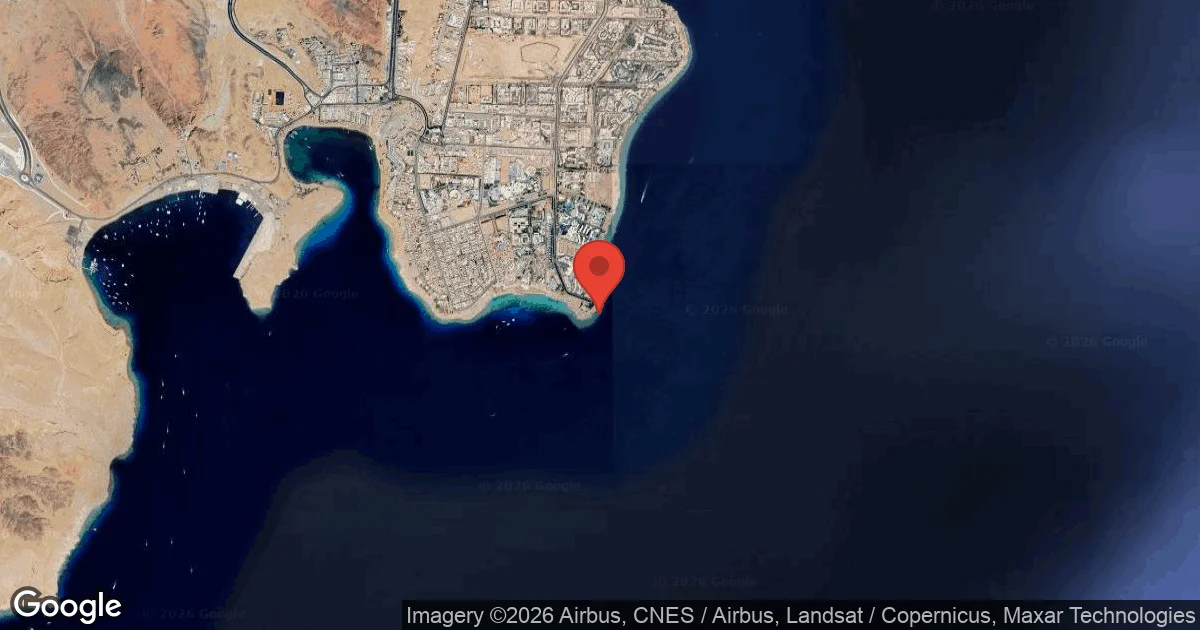
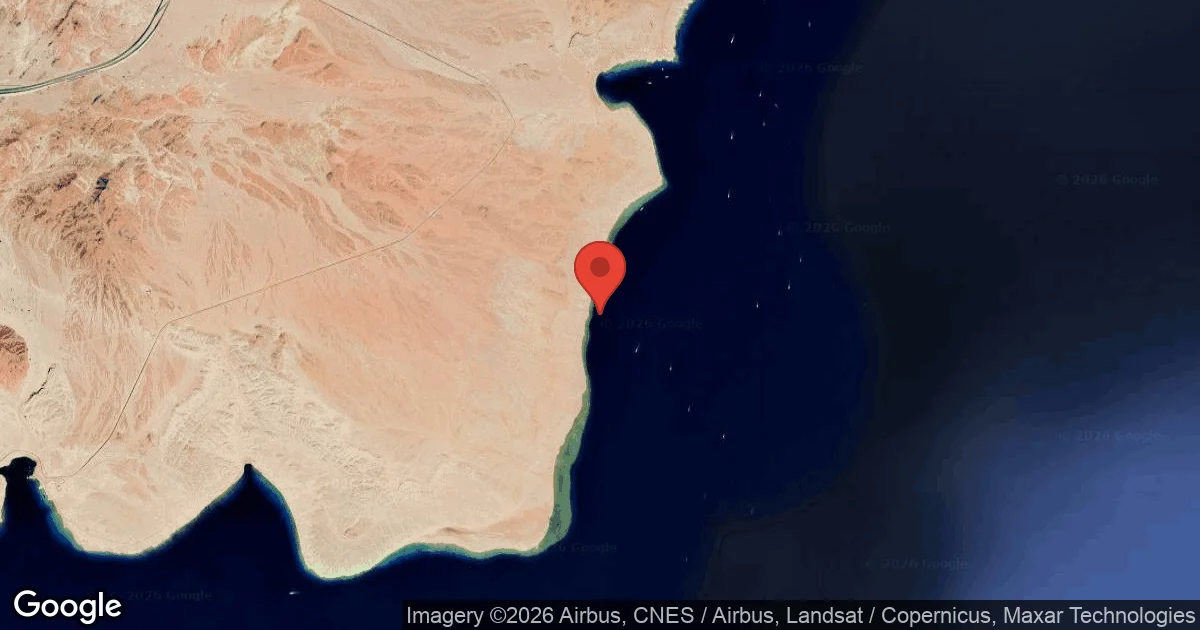
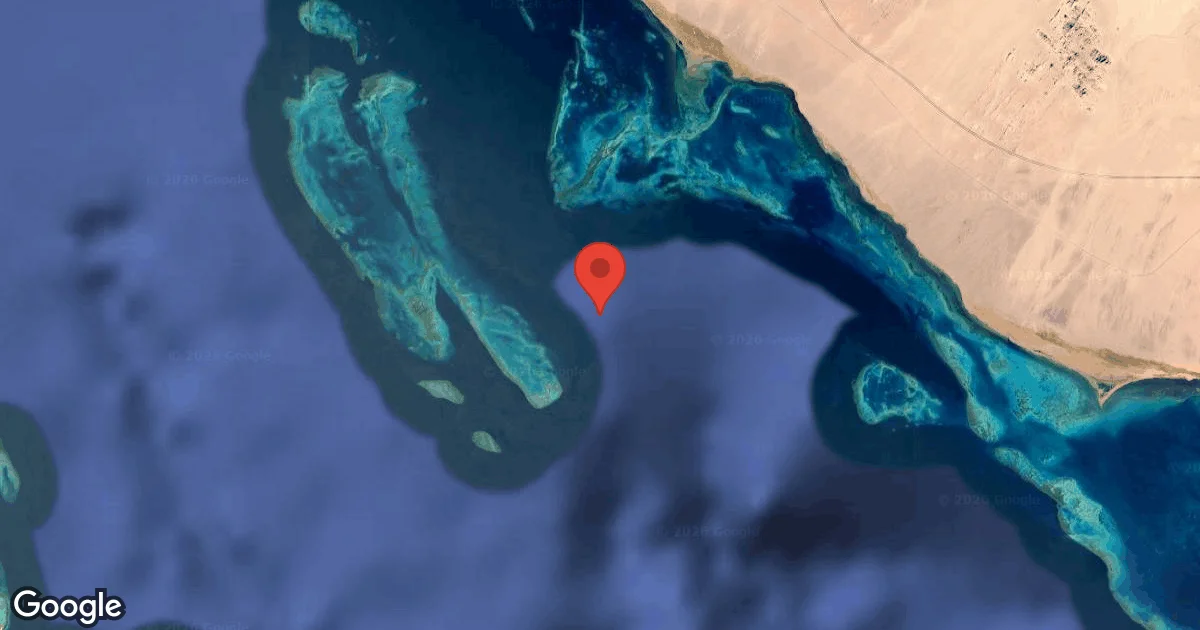
Dive Centers Near SS Dunraven Wreck
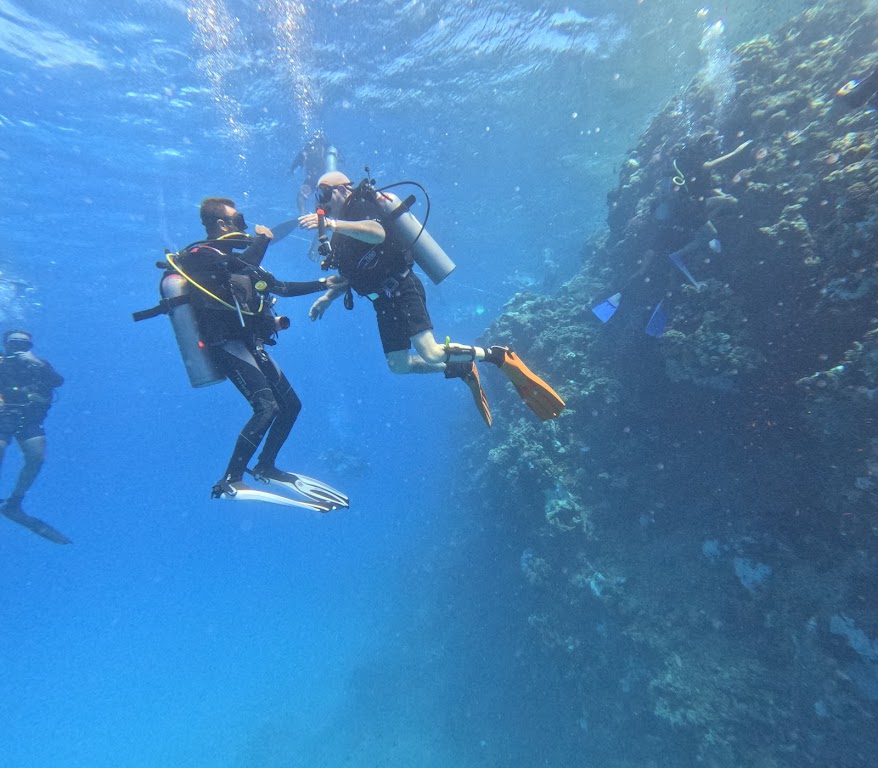
Today: 08:00 - 19:00
Nearest Airports
Nearest airports to help plan travel to this dive area.
Search Flights
Check available flights and routes on Expedia, using the nearby airports listed in this section.
Search Flights on ExpediaFrequently Asked Questions
How can I access the SS Dunraven Wreck?
The wreck is accessible via day trips from Sharm El Sheikh, typically involving a two-hour boat journey. Another popular option is to visit the Dunraven Wreck as part of a North Red Sea liveaboard safari, often serving as an initial stop before other prominent wrecks.
What is the history of the SS Dunraven?
Built in Newcastle in 1873, the British steamship SS Dunraven met its end in 1876 when it collided with the reef. It subsequently sank and came to rest upside down in two sections, where it remains today.
What is the maximum depth of the wreck?
The SS Dunraven Wreck lies at a maximum depth of 30 m (100 ft). Its inverted position and structural features extend throughout the recreational depth range, allowing for varied exploration.
Is the Dunraven Wreck suitable for beginners?
While considered an easy wreck dive due to generally good conditions and accessible penetration points, its maximum depth means it's best suited for certified divers with some experience, especially those trained in deep diving or wreck specialties.
Can divers penetrate the wreck?
Yes, divers can easily penetrate the wreck through several large openings. The inverted structure offers various chambers and pathways to explore, making it a popular site for those interested in wreck interiors.
What marine life can be seen around the wreck?
The wreck is home to schooling fish like soldierfish and glassfish inside, while outside you'll find moray eels, scorpionfish, and pipefish. Larger pelagics such as barracudas, batfish, and turtles are often spotted near the reef and wreck, with occasional dolphin sightings.
Planning to dive SS Dunraven Wreck?
Send one inquiry and receive offers directly from the best verified local dive operators.
Conditions are Good
High Wind Advisory (41km/h). Unsafe surface.
Current conditions near SS Dunraven Wreck show 29° air, 28° sea temperature, 1.0 m waves, and 41 km/h wind. Forecast data is refreshed regularly to ensure accuracy.