
Diving at Beacon Rock (Egypt)
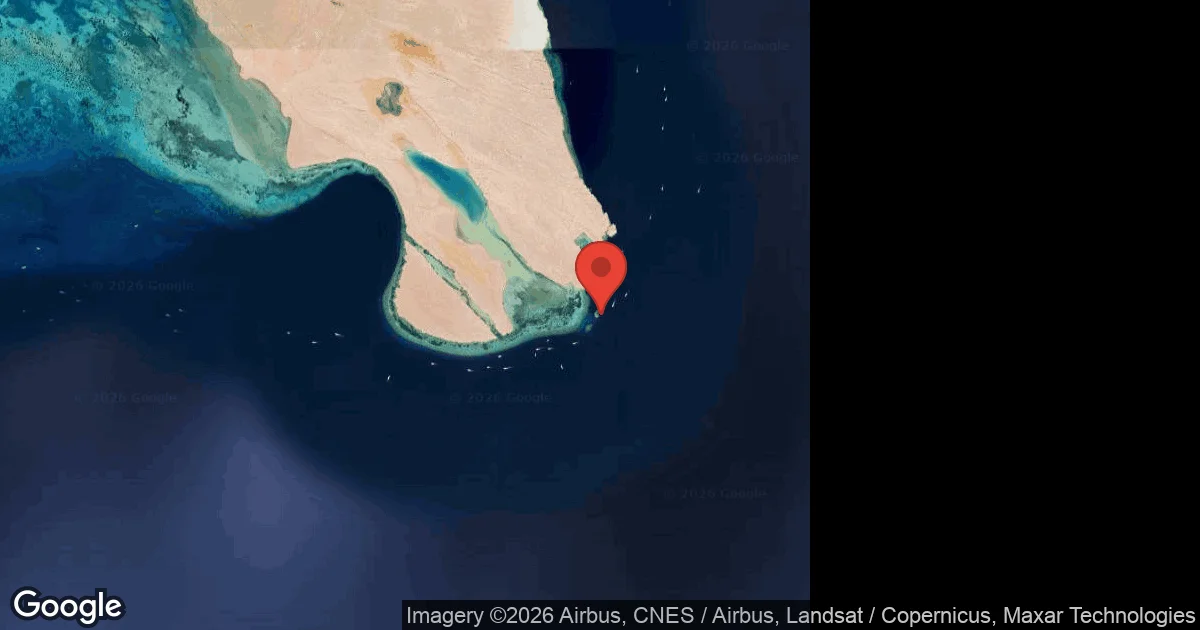
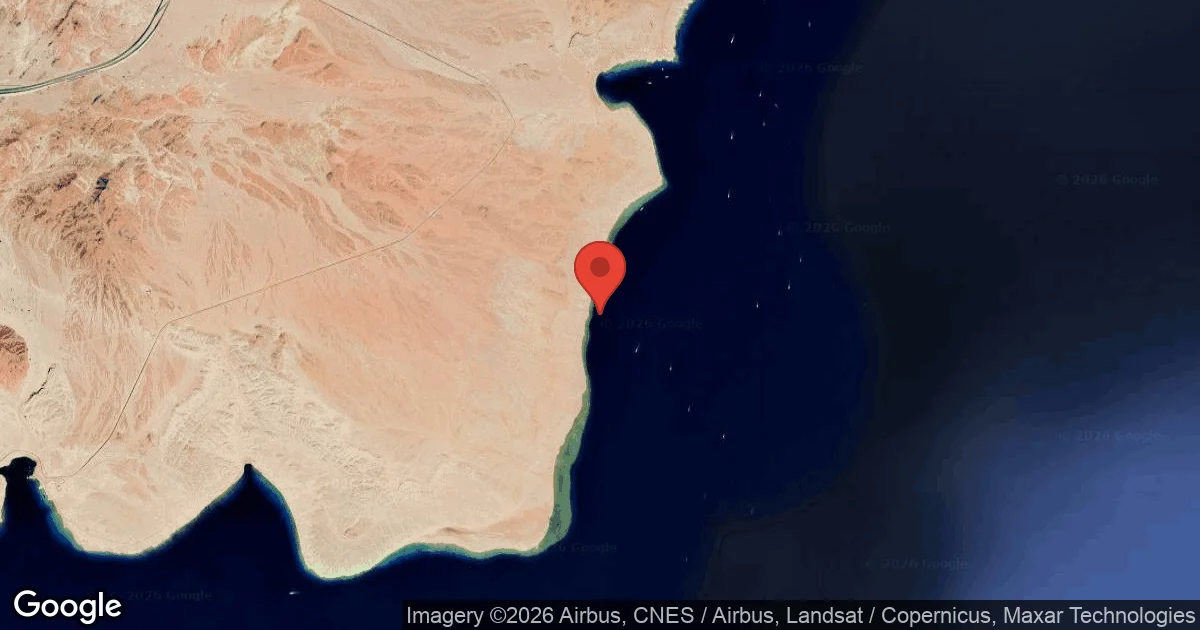
Beacon Rock immediately distinguishes itself with a prominent metal beacon atop a large coral outcrop, marking the southern edge of Sha'ab Mahmoud lagoon. This fringing reef shields the significant SS Dunraven wreck directly below it. Divers approach a substantial reef wall, which eventually leads to the historic steamer, creating a layered experience from the surface marker to the deeper wreck. Its location about 7 miles west of Ras Mohammed National Park sets it apart.
Evening condition tracking at Beacon Rock features an air temperature of 30.5°C. We have recorded wave heights measuring 0.5 m during this period. These figures outline the environmental parameters currently present.
Dive Site Location & Key Facts
Dive Site Overview
For divers visiting Beacon Rock, the main attraction centers around the compelling SS Dunraven wreck. Constructed in Newcastle in 1873, this British steamer unfortunately struck the reef in 1876, coming to rest at a depth of 30 m (100 ft).
Lying completely upside down in two distinct sections, the wreck rests adjacent to the natural Reef Wall. Originally measuring about 80 m (262 ft) in length and 10 m (33 ft) wide, the Dunraven now provides an essential habitat. Offering shelter to a variety of marine species, its historical significance combines with its role as an artificial reef, making it a compelling dive for those interested in both history and marine life.
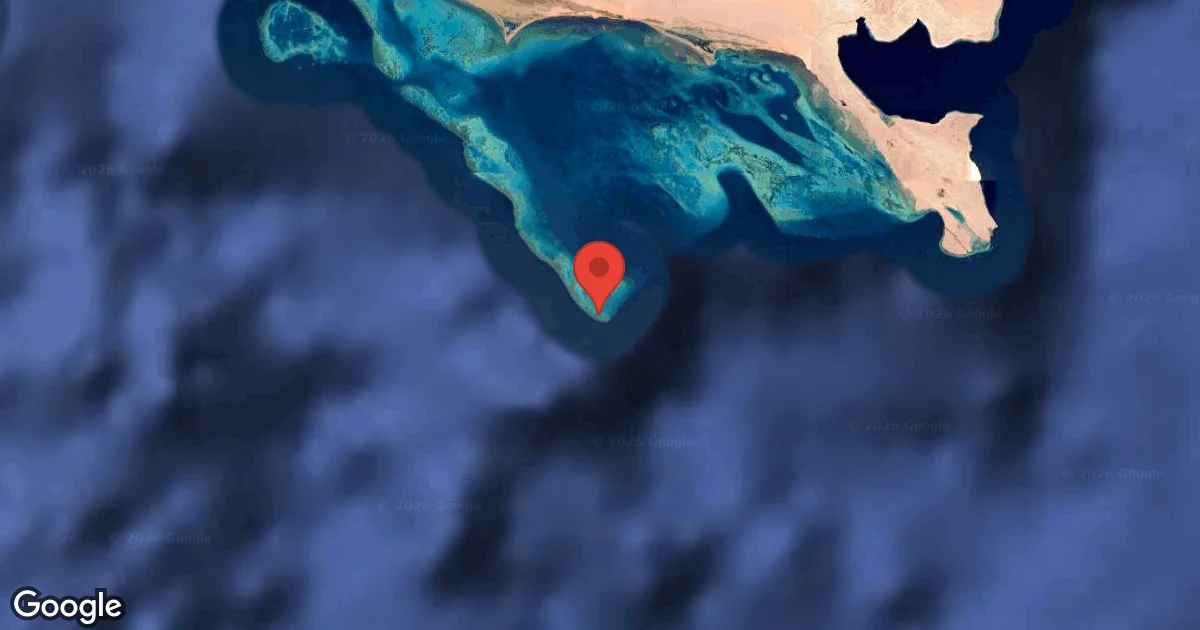
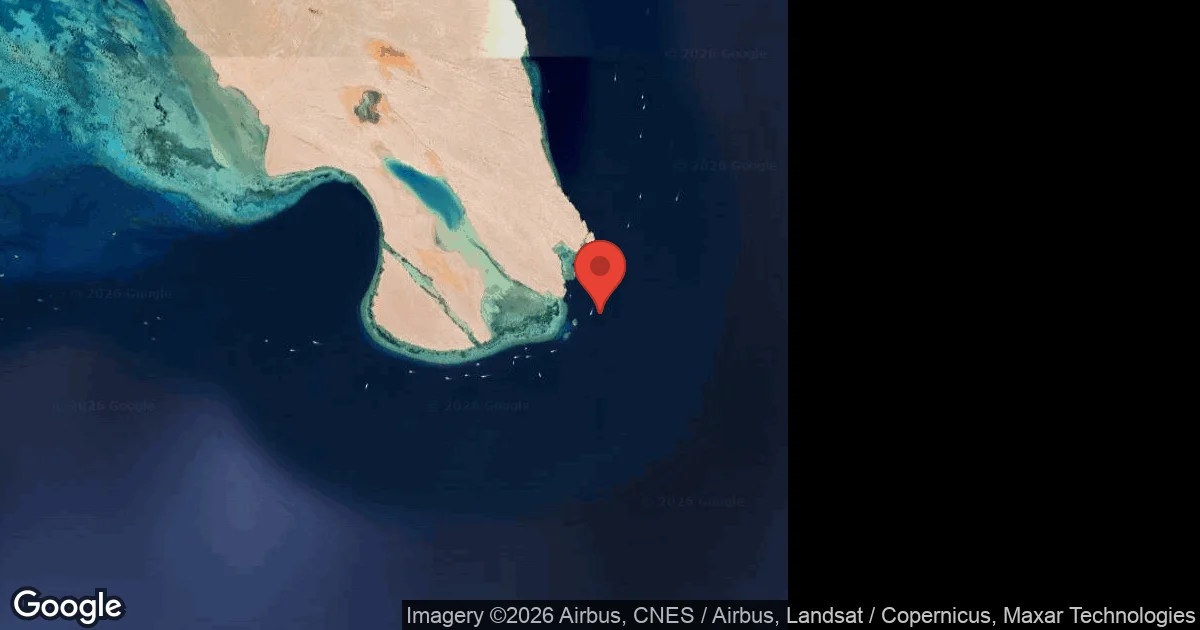
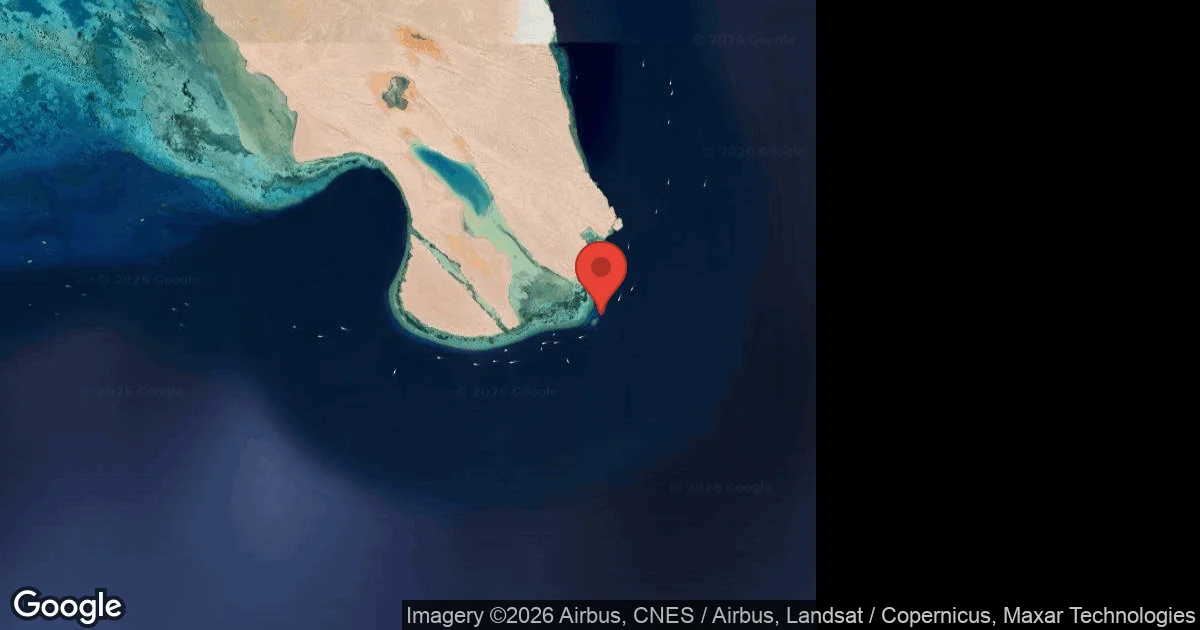
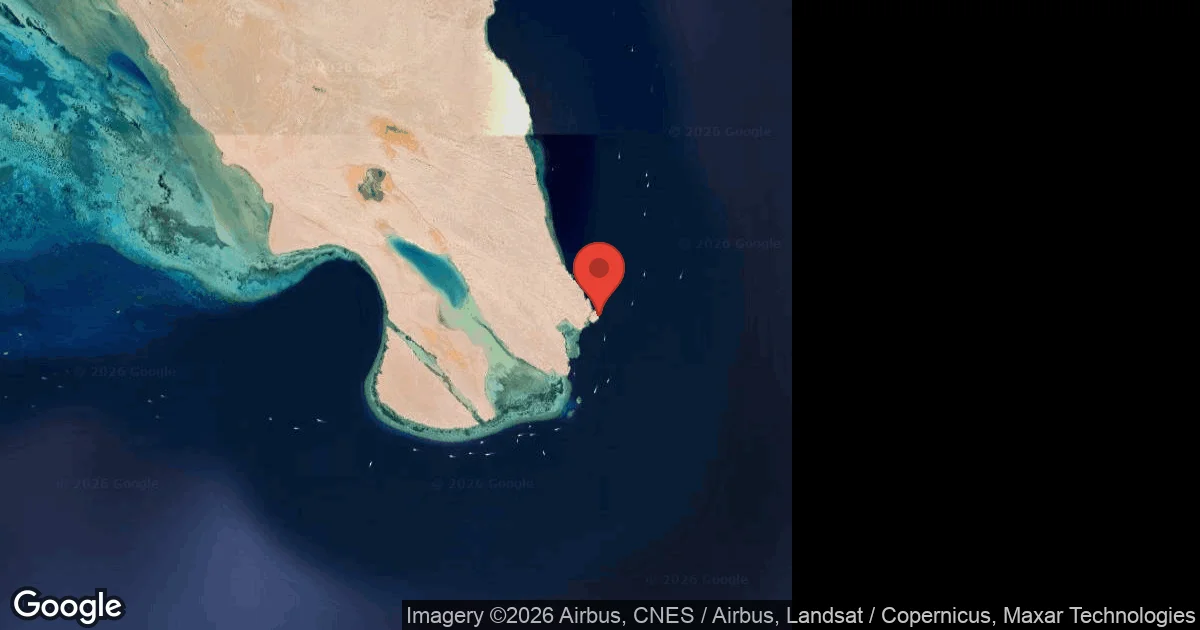
Positioned approximately 7 miles west of the Ras Mohammed National Park, this prominent Wreck site sits specifically on the southern tip of a large coral outcrop fringing the Sha’ab Mahmoud lagoon. Reaching this destination typically involves about an hour's boat journey past Ras Mohammed, an area known to be susceptible to varying weather patterns.
Once at the reef, a certain degree of protection from wave action is present, but general sea conditions may still be a little rough, particularly during transit. Exploring the wreck offers an intricate look at a sunken vessel intertwined with coral growth.
Conditions are Good
High Wind Advisory (40km/h). Unsafe surface.
Current conditions near Beacon Rock show 31° air, 28° sea temperature, 1.0 m waves, and 40 km/h wind. Forecast data is refreshed regularly to ensure accuracy.
Best Time to Dive
Optimal diving conditions at Beacon Rock are generally reported across several months, with high dive scores from May through October, and also November, December, and January. Air temperatures during these periods are quite comfortable, ranging from 27.5°C (82°F) in October to highs of 33.5°C (92°F) in August. While specific water temperature data is not consistently reported through our system, Red Sea averages typically align closely with air temperatures in warmer months, suggesting pleasant diving conditions. Wind speeds consistently remain within a manageable range, averaging between 24.7 km/h (15.3 mph) in December and 34.4 km/h (21.4 mph) in August. Wave heights also remain consistently low to moderate, generally between 0.7 m (2.3 ft) and 0.9 m (3.0 ft). Minimal to non-existent rainfall occurs for most of the year, particularly from April through September, ensuring good visibility isn't compromised by runoff. These months usually provide the most comfortable above-water conditions and calmest seas for the boat journey to the site.
PEAK SEASON SCORE
Scores combine air & water temps, waves, wind & rainfall for overall conditions.
BEST MONTHS TO DIVE
Monthly records compiled from satellite and marine observation nodes over the last 3 years. Data provided by Open-Meteo and MET Norway.
Dive Experience & Conditions
Currents at Beacon Rock can influence the dive experience, varying in strength depending on external weather conditions. Due to its location past Ras Mohammed, the site is prone to dynamic sea states. While the immediate reef area might offer some respite from stronger waves, divers should anticipate potential currents, especially closer to the exposed southern tip where the beacon stands. Navigating the SS Dunraven wreck itself, which rests at 30 m (100 ft) next to a reef wall, generally involves exploring sections of the upside-down hull. Experienced divers will find the challenge of the wreck rewarding, with ample opportunities for photography and observation. Access to this location is primarily by boat, and a significant journey is involved. Careful planning, factoring in surface chop and subsurface water movement, is essential for a safe dive.
Dive Difficulty & Safety Guidelines
Approaching Beacon Rock necessitates careful consideration of its more exposed position. Given that the site is prone to certain weather conditions and can be "a little rough," divers should ensure their dive plan accounts for potential surface chop and variable currents. Always monitor local weather forecasts before setting out, especially for the boat journey past Ras Mohammed.
When exploring the SS Dunraven wreck, which lies upside down at its maximum depth, pay attention to depth limits and no-decompression times, especially for multi-day liveaboard schedules. Maintaining good buoyancy control is essential around the wreck, preserving the structure and preventing accidental disturbance.
Furthermore, due to the wreck's depth, appropriate training and experience for deeper diving are highly recommended.
Recommended Equipment
- Dive Computer
This gear list is based on verified equipment signals for Beacon Rock, Egypt. Always confirm final gear choices with your dive operator, guide, or liveaboard.
Recommended Dive Suit
Divers planning deeper dives may feel cooler than those staying in shallower areas.
Many divers find that 2-3mm shorty or light wetsuit offers a comfortable balance between warmth and mobility. A hood or vest is suggested for sensitive divers due to surface winds. Forecasts suggest a slight cooling pattern in the days ahead. Cooler days are ahead; you might want a warmer option for later in the week. Carrying a secondary suit is common practice among experienced divers.
Water temperatures across the dive area at Beacon Rock are presently estimated to be around 28°C (83°F). Surface air temperatures are resting at 31°C (87°F).
Due to technical issues with our weather providers, live updates are temporarily delayed. The data above reflects the conditions at the time of the last successful fetch.
Emergency & Medical Support
Essential information to help you plan your dive trip to Beacon Rock.

Hyperbaric chambers are a critical part of dive safety infrastructure. Availability varies significantly by region, and not all dive areas have immediate access.
Before diving, it's recommended to:
- confirm nearest medical facilities
- check emergency procedures with local dive operators
- ensure dive insurance covers evacuation if required
Divers Alert Network
Diving emergency assistance available through DAN Europe.
+39 0642115685- 24/7 emergency hotline
- Diving medical assistance
- Evacuation coordination
Emergency contacts are provided for reference. Always verify local emergency services before diving.
Marine Life at Beacon Rock
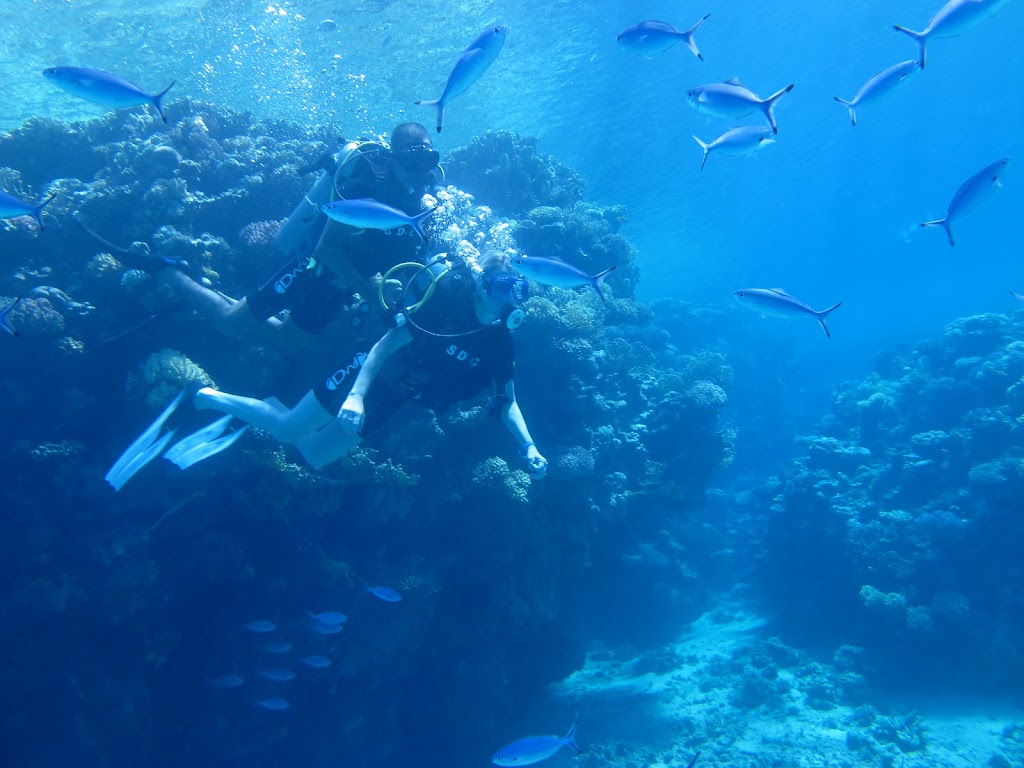
Divers visiting Beacon Rock are often struck by the diverse array of fish and corals inhabiting the wreck and surrounding reef. Schools of yellow saddle goatfish frequently congregate, and glassfish are abundant within the wreck's sheltered confines.
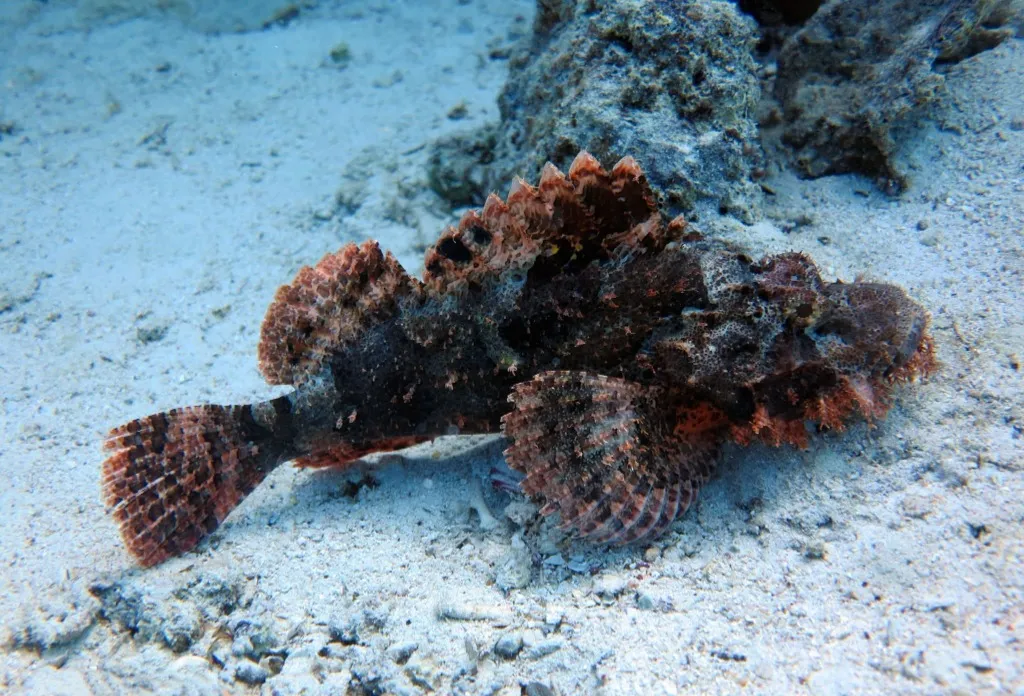
Keen eyes can spot stonefish and scorpion fish camouflaged against the seabed or wreck structure. Huge sea fans and prominent Porites coral heads adorn the coral outcrop.
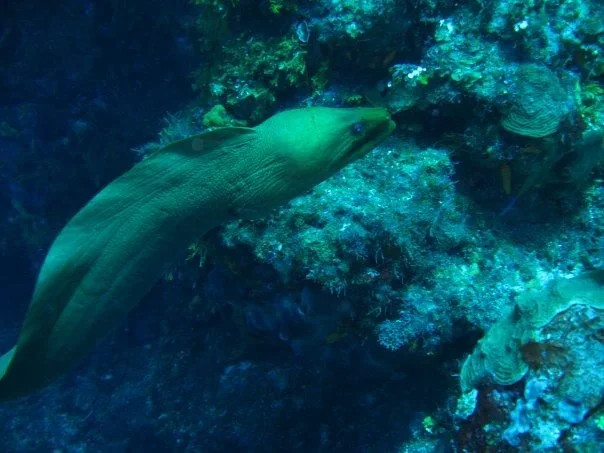
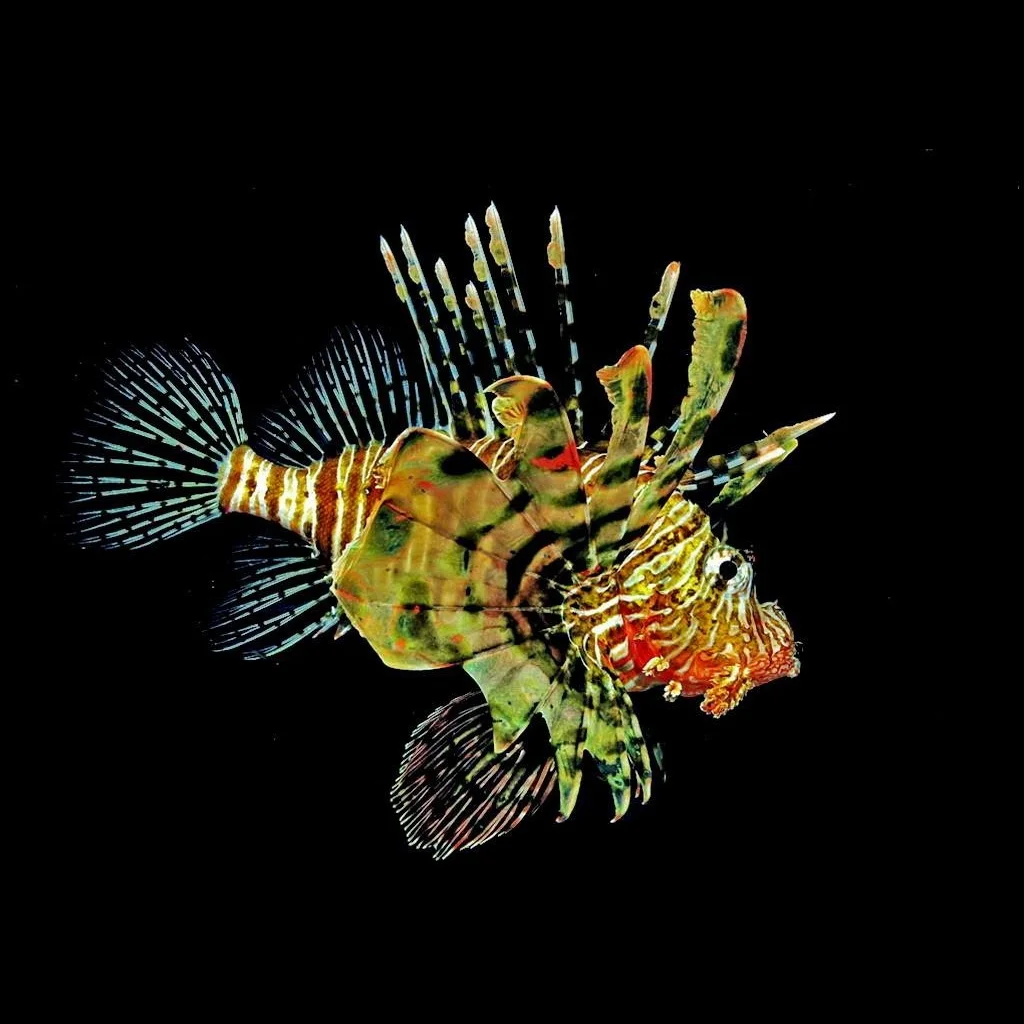
Encounters with giant moray eels are common, and the distinctive Red Sea lionfish can be observed. Crocodile fish are also regularly sighted, making this site a rich habitat for various reef and sand-dwelling species.

Dive Sites Near Beacon Rock
View all dive sites in EgyptDiscover more underwater gems in this area.
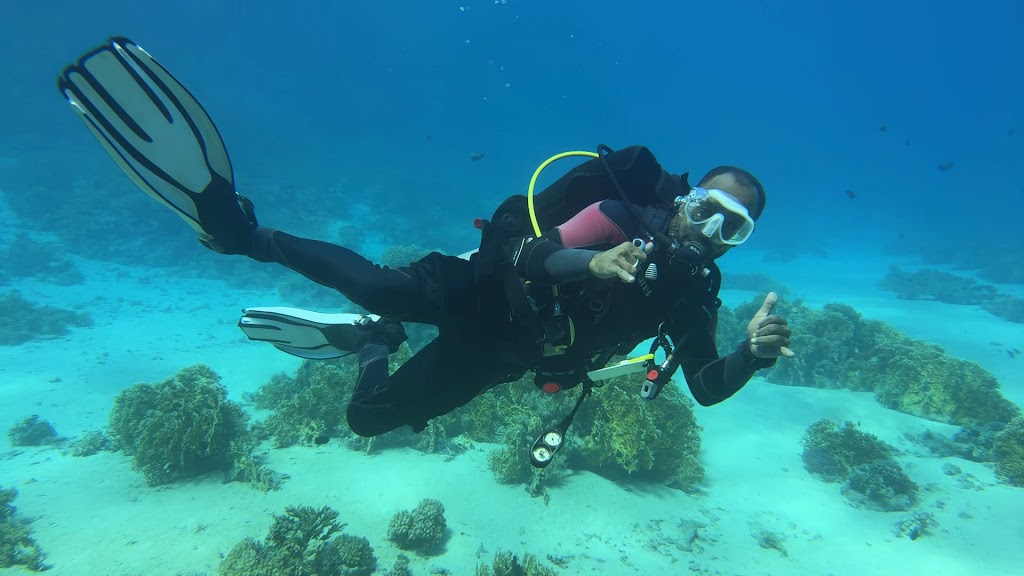
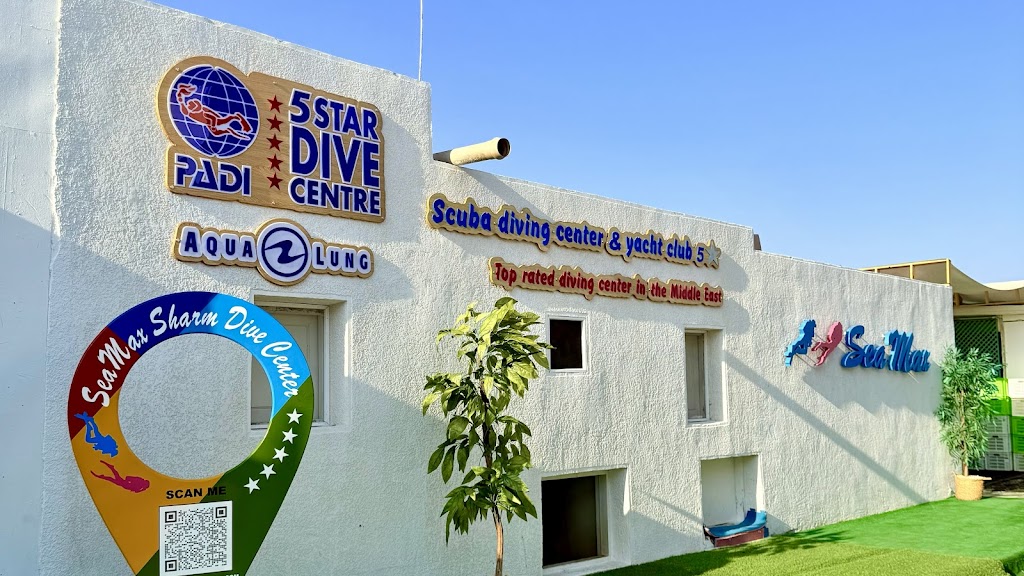
Dive Centers Near Beacon Rock
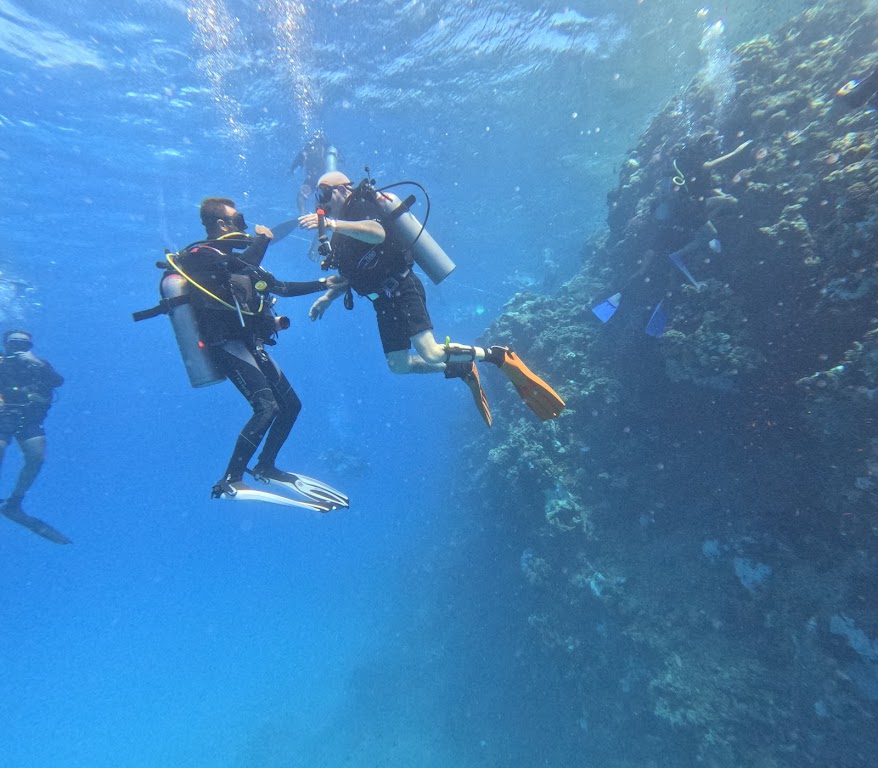
Today: 08:00 - 19:00
Nearest Airports
Nearest airports to help plan travel to this dive area.
Search Flights
Check available flights and routes on Expedia, using the nearby airports listed in this section.
Search Flights on ExpediaFrequently Asked Questions
What is the main attraction at Beacon Rock?
The primary draw is the SS Dunraven wreck, a British steamer that sank in 1876. It lies upside down at 30 m (100 ft) next to a reef wall, providing shelter and a unique exploration opportunity for divers.
What is the typical depth for diving at Beacon Rock?
The SS Dunraven wreck rests at its maximum depth. Shallower sections of the reef and its surrounding coral outcrop are also accessible for exploration.
How is the dive site typically accessed?
Beacon Rock is primarily accessed by boat, requiring about an hour's journey past Ras Mohammed. While the immediate reef offers some wave protection, the transit can be rough depending on conditions.
Are there strong currents at Beacon Rock?
Currents can vary at Beacon Rock, and divers should be prepared for potential surface chop and subsurface water movement. Its exposed location contributes to dynamic sea conditions.
What kind of marine life can be seen around the wreck?
The wreck and reef are home to yellow saddle goatfish, glassfish, stonefish, scorpion fish, giant moray eels, Red Sea lionfish, and crocodile fish. Large sea fans and Porites coral heads are also present.
Is Beacon Rock suitable for all diver levels?
Given the wreck's depth and potential currents, it's generally considered suitable for intermediate to advanced divers. Recreational divers with appropriate experience and training can safely explore the site.
Planning to dive Beacon Rock?
Send one inquiry and receive offers directly from the best verified local dive operators.
Conditions are Good
High Wind Advisory (40km/h). Unsafe surface.
Current conditions near Beacon Rock show 31° air, 28° sea temperature, 1.0 m waves, and 40 km/h wind. Forecast data is refreshed regularly to ensure accuracy.