
Diving at Grec (Sagona) (France)
Reaching the Grec (Sagona) wreck requires navigating depths of up to 48 m / 157 ft in the Mediterranean Sea, presenting a significant technical dive. This cargo ship, sunk shortly after WWII, lies in two primary sections, providing a distinct wreck diving experience near its sister wreck, the Donator. Conditions here often mirror those of its neighbor, with currents and visibility varying depending on the prevailing weather patterns. Planning your dive with appropriate experience and equipment is crucial for this historic site.
As evening covers Grec (Sagona), the local air temperature is measured at 19.5°C. The current wave height at the surface is recorded at 1.3 m. These late-day readings characterize the surface conditions for the night.
Dive Site Location & Key Facts
Dive Site Overview
The Grec, also known as the Sagona, presents a fascinating historical dive with a compelling narrative. This small cargo ship, originally built in Dundee in 1912 and later armed as a pinardier, met its end on December 3, 1945.
While carrying a cargo of wine, the Sagona struck a mine on its port bow within the Great Pass area, leading to its immediate sinking and the loss of three crew members. Divers exploring the Grec will find its wreckage in two distinct parts, separated by a few dozen meters; the central and aft stern sections remain upright on the seabed.
In contrast, the bow section is heavily dislocated, telling a vivid story of the explosion. The site is notable for its close proximity to the Donator wreck, having sunk in a similar manner and just 23 days apart, only a few hundred meters away.
While sharing many characteristics, the Grec's orientation differs, with its remnants facing Port-Cros. This deep wreck, sitting at 48 m / 157 ft, requires advanced diving skills to fully appreciate its structure and historical context.
Conditions are Good
Optimal conditions expected
Current conditions near Grec (Sagona) show 19° air, 24° sea temperature, 1.0 m waves, and 30 km/h wind. Forecast data is refreshed regularly to ensure accuracy.
Best Time to Dive
For an optimal diving experience at the Grec (Sagona), consider planning your visit during the warmer months, particularly June and August, which consistently show 'Good' dive scores. These months offer comfortable air temperatures averaging around 21.5°C (June) to 24.5°C (August) and minimal rainfall, with June averaging just 0.5 mm and August 0.85 mm. Sea conditions are generally calmer during this period, with wave heights around 0.9 to 1.0 meter and lighter winds typically between 28-29 km/h. While July and September also offer moderate diving conditions, the peak summer months typically provide the best combination of warm weather and favorable sea states, making access to this deep wreck more predictable.
PEAK SEASON SCORE
Scores combine air & water temps, waves, wind & rainfall for overall conditions.
BEST MONTHS TO DIVE
Monthly records compiled from satellite and marine observation nodes over the last 3 years. Data provided by Open-Meteo and MET Norway.
Dive Experience & Conditions
The Grec (Sagona) wreck's structure reveals its violent end, split into two major sections; the central and aft parts stand mostly upright, offering a clear profile of the vessel's stern to explore. The bow, conversely, exhibits significant damage and dislocation, vividly illustrating the mine explosion that caused its demise. Exploring this site demands advanced and technical diving certifications due to its considerable depth. Conditions often mirror those encountered at the nearby Donator wreck, only a short distance away. Mediterranean water temperatures fluctuate seasonally, with summer generally providing more hospitable conditions for prolonged bottom times. Given the profound nature of this deep dive, meticulous gas planning and strict adherence to decompression protocols are imperative for a safe and rewarding exploration of this compelling historical site.
Dive Difficulty & Safety Guidelines
Ensuring safety at the Grec (Sagona) mandates meticulous preparation and strict adherence to advanced protocols, given the significant depths involved. An expert tip for this challenging wreck is to ensure you hold appropriate certification for technical or deep diving, along with experience in similar environments. Always dive with a reliable buddy and meticulously plan your gas consumption and decompression stops.
While the mine that sank the ship is a historical hazard, the primary considerations today involve managing narcosis, temperature, and potential currents that vary with conditions. Respecting the integrity of this WWII historical site is also paramount, ensuring no artifacts are disturbed.
Recommended Equipment
Overhead / entanglement risk. Wreck penetration requires proper training.
- Dive Computer
- Primary & Backup Lights
- Wreck Reel
- Cutting Tool
This gear list is based on verified equipment signals for Grec (Sagona), France. Always confirm final gear choices with your dive operator, guide, or liveaboard.
Recommended Dive Suit
3mm wetsuit is often considered an appropriate level of exposure protection for conditions like these. Consider warmer surface protection (like a boat coat) due to brisk winds. Surface intervals may feel cooler.
Divers entering the water at Grec (Sagona) today can expect temperatures near 24°C (75°F) beneath the surface. Surface air temperatures are resting at 19°C (67°F).
Environmental models indicate a modest warming trend ahead. A warming trend is expected over the next few days.
Emergency & Medical Support
Essential information to help you plan your dive trip to Grec (Sagona).

Hyperbaric chambers are a critical part of dive safety infrastructure. Availability varies significantly by region, and not all dive areas have immediate access.
Before diving, it's recommended to:
- confirm nearest medical facilities
- check emergency procedures with local dive operators
- ensure dive insurance covers evacuation if required
Divers Alert Network
Diving emergency assistance available through DAN Europe.
+39 0642115685- 24/7 emergency hotline
- Diving medical assistance
- Evacuation coordination
Emergency contacts are provided for reference. Always verify local emergency services before diving.
Closest Listed Hyperbaric Chambers
Showing listed hyperbaric chamber facilities within 200 km of this dive site.
Distances are approximate straight-line distances and may not reflect emergency travel time.
Service de médecine Hyperbare et d'Expertise Plongée
24/7 ListedICU CapableToulon, France•Approx. 32 km straight-line
Service de médecine Hyperbare et d'Expertise Plongée
24/7 ListedICU CapableInformation is provided for reference and planning purposes only. Dive Navigator does not verify operational status, staffing, availability, or quality of care at listed facilities. In an emergency, contact local emergency services, DAN, your dive operator, or the chamber directly. Do not travel to a facility without calling ahead.
Service de médecine hyperbare (Clinique Clairval)
Marseille, France•Approx. 74 km straight-line
Service de médecine hyperbare (Clinique Clairval)
Information is provided for reference and planning purposes only. Dive Navigator does not verify operational status, staffing, availability, or quality of care at listed facilities. In an emergency, contact local emergency services, DAN, your dive operator, or the chamber directly. Do not travel to a facility without calling ahead.
Service de médecine hyperbare (CHU Ste Marguerite)
24/7 ListedICU CapableMarseille, France•Approx. 76 km straight-line
Service de médecine hyperbare (CHU Ste Marguerite)
24/7 ListedICU CapableInformation is provided for reference and planning purposes only. Dive Navigator does not verify operational status, staffing, availability, or quality of care at listed facilities. In an emergency, contact local emergency services, DAN, your dive operator, or the chamber directly. Do not travel to a facility without calling ahead.
Marine Life at Grec (Sagona)
When approaching the Grec wreck, divers often first notice the stark outlines of the vessel's structure, which has become an artificial reef over decades. Despite the absence of specific marine life reports tied exclusively to the Grec, wrecks in this area generally attract a profusion of life and color.
Reported sightings for the broader Îles d'Hyères region, where the Grec lies, include various fish species. While sharks, whales, dolphins, and turtles are listed as common sightings in the region, encounters specifically on the Grec wreck itself will vary, but larger pelagics and schooling fish can be attracted to the structure.
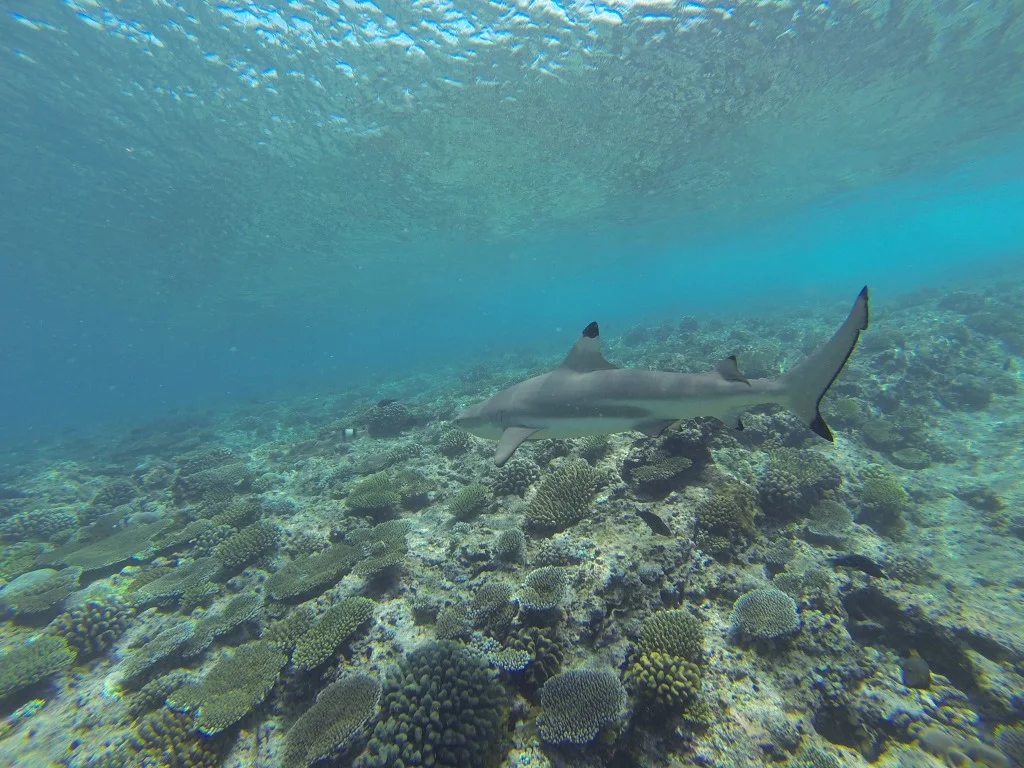
Dive Sites Near Grec (Sagona)
View all dive sites in FranceDiscover more underwater gems in this area.
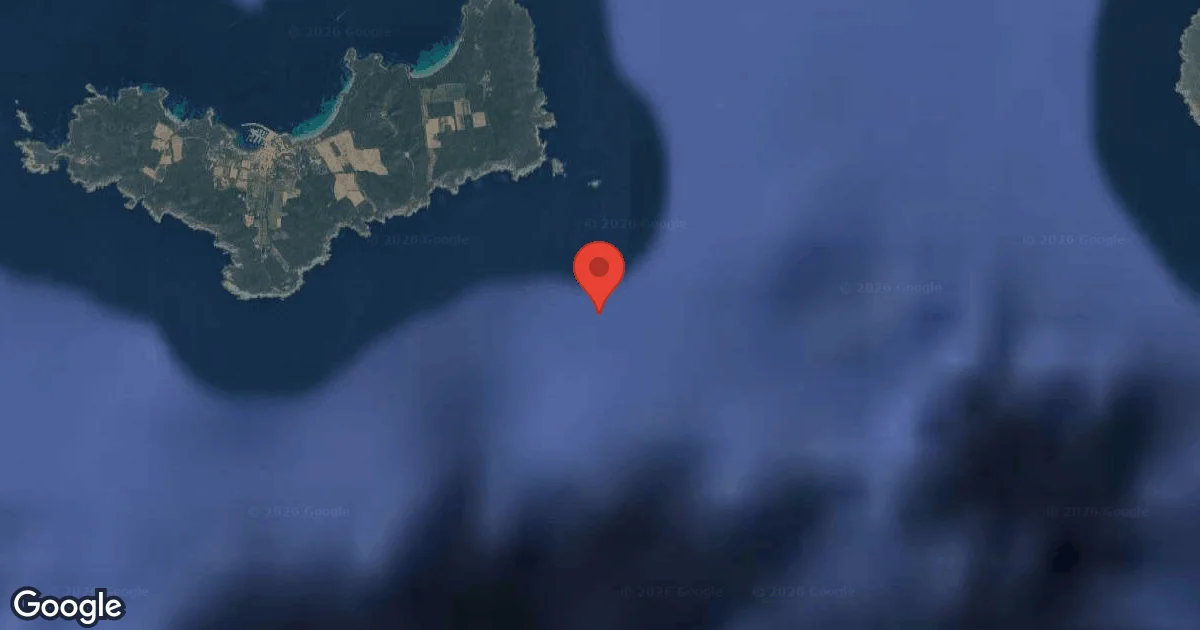
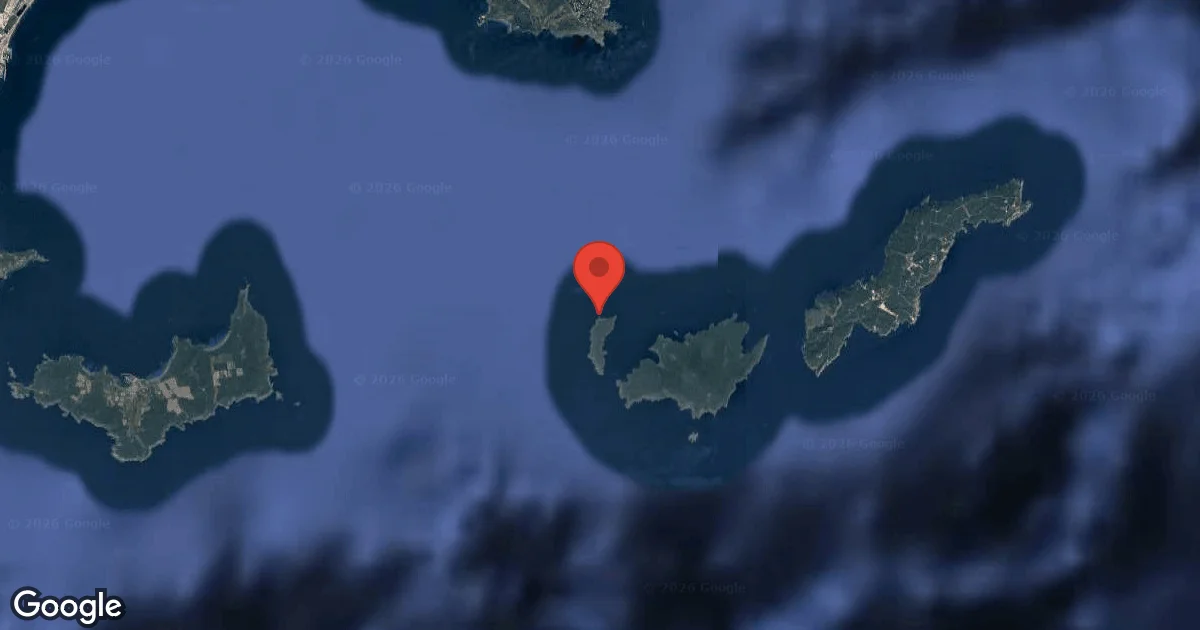
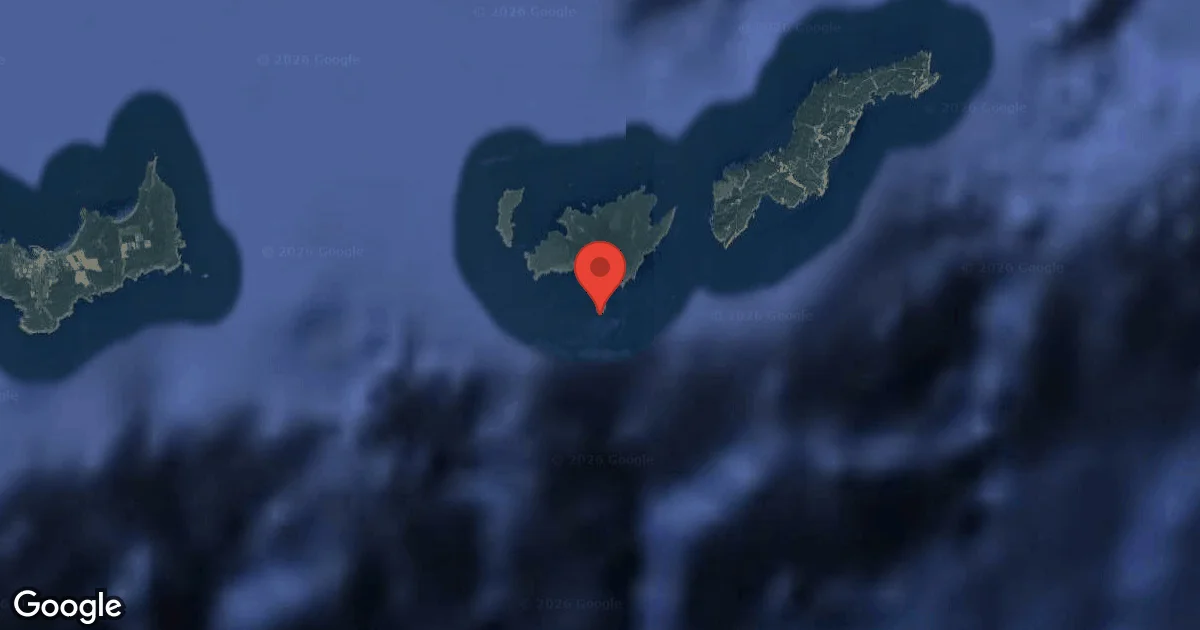
Dive Centers Near Grec (Sagona)
Today: 08:00 - 19:00
Nearest Airports
Nearest airports to help plan travel to this dive area.
Search Flights
Check available flights and routes on Expedia, using the nearby airports listed in this section.
Search Flights on ExpediaFrequently Asked Questions
What is the maximum depth of the Grec (Sagona) wreck?
The Grec (Sagona) wreck reaches a maximum depth of 48 meters, classifying it as a deep dive site. This depth requires advanced or technical diving certification and experience.
What kind of vessel was the Grec (Sagona)?
The Grec was a small cargo ship, originally built in 1912. At the time of its sinking, it was armed as a pinardier, carrying a cargo of wine.
How did the Grec (Sagona) sink?
The Grec sank on December 3, 1945, after hitting a mine on its port bow. This incident occurred shortly after the end of the Second World War.
Is the Grec wreck intact?
The wreck of the Sagona lies in two main parts, separated by a few dozen meters. The central and aft stern sections stand upright, but the bow section is heavily dislocated due to the explosion.
How does the Grec compare to the Donator wreck?
The Grec and Donator wrecks are very similar, having sunk in the same manner by mines just 23 days apart and only a few hundred meters from each other. Their diving conditions are practically identical, though their orientations differ.
What are the best months to dive the Grec (Sagona)?
The best time to dive the Grec (Sagona) is typically during June and August. These months offer the most favorable air temperatures, minimal rainfall, and calmer sea conditions, making for a more pleasant diving experience.
Planning to dive Grec (Sagona)?
Send one inquiry and receive offers directly from the best verified local dive operators.
Conditions are Good
Optimal conditions expected
Current conditions near Grec (Sagona) show 19° air, 24° sea temperature, 1.0 m waves, and 30 km/h wind. Forecast data is refreshed regularly to ensure accuracy.