
Diving at Donator (Prosper Schiaffino) (France)
Your descent to the Donator wreck begins as the cargo ship, also known as the Prosper Schiaffino, emerges from the blue. Resting upright on a sandy seabed between 48 m (157 ft) at the bow and 51 m (167 ft) at the stern, this substantial vessel reveals its form. Approaching the wreck, divers often pause at 20-25 m (65-80 ft) to appreciate the sheer scale of this 78 m (256 ft) long structure. It's an imposing sight, promising a deep dive experience.
Evening condition tracking at Donator (Prosper Schiaffino) features an air temperature of 23.5°C. We have recorded wave heights measuring 1.4 m during this period. These figures outline the environmental parameters currently present.
Dive Site Location & Key Facts
Dive Site Overview
The Donator, a substantial cargo ship, presents as a well-preserved wreck sitting upright on a sandy seabed. Measuring over 70 meters long and 12 meters wide, this structure offers extensive exploration.
Sunk in 1945 after hitting a mine, its stern rests at a maximum depth of about 51 meters, with the bow slightly shallower at around 48 meters. A mast once rose nearly 25 meters from the surface; it fell on its port side in 2000, leaving a shorter remnant. Prior to sinking, it transported bananas between France and the West Indies as the "Petite Terre," later becoming the "Prosper Schiaffino" for the Schiaffino Company, carrying wine.
Circumnavigating the entire freighter in one dive is feasible if currents are absent, though many divers opt for two or three separate dives to fully appreciate elements like the propeller and rudder found in deeper sections. This wreck provides a poignant glimpse into maritime history, now serving as an underwater habitat off France's coast near Porquerolles.
Conditions are Moderate
Optimal conditions expected
Current conditions near Donator (Prosper Schiaffino) show 23° air, 24° sea temperature, 1.5 m waves, and 36 km/h wind. Forecast data is refreshed regularly to ensure accuracy.
Best Time to Dive
Achieving optimal visibility at the Donator wreck is often best experienced during the warmer, drier months, typically from June through August. This period aligns with the lowest average rainfall, which minimizes freshwater runoff and sediment disturbance, contributing to clearer underwater conditions. For instance, June sees average rainfall around 0.53 mm, while July experiences a minimal 0.19 mm. Air temperatures during these months are also favorable, ranging from an average of 21.5°C (71°F) in June to 24.5°C (76°F) in August. Outside of this peak window, months like September and October still offer moderate diving conditions with reasonable air temperatures, averaging 22°C (72°F) and 19.5°C (67°F) respectively, though with slightly higher rainfall, which could intermittently impact visibility. Divers should monitor local forecasts as conditions can vary, even within the prime season.
PEAK SEASON SCORE
Scores combine air & water temps, waves, wind & rainfall for overall conditions.
BEST MONTHS TO DIVE
Monthly records compiled from satellite and marine observation nodes over the last 3 years. Data provided by Open-Meteo and MET Norway.
Dive Experience & Conditions
Descending onto the Donator evokes a blend of reverence and exhilaration as its massive hull comes into focus. Currents at this site prove significantly powerful, potentially dictating any approach. Divers disregarding this might find themselves unable to reach the ship or forced into a drift over its silhouette. Even in calmer conditions, the sheer scale of the wreck, over 70 meters long, means a single dive offers only a partial glimpse. Ambient light diminishes steadily, adding to a dramatic atmosphere around deeper sections, where the stern lies at its maximum depth. Exploring this corroded yet vibrant structure, adorned with colorful soft corals, feels like navigating a submerged historical monument repurposed by nature.
Dive Difficulty & Safety Guidelines
The primary hazard diving the Donator is potential for extremely violent currents, necessitating thorough preparation. Many divers report being unable to reach or properly explore this wreck due to such conditions, sometimes leading to aborted dives or limited viewing from a distance. Given the wreck’s recreational depth range, with deeper sections extending to around 51 meters, it's a site best suited for experienced divers comfortable with deep diving and potential technical aspects.
Port-Cros National Park, as local managing body, coordinates efforts between divers and other marine users in the adjacent marine area and Natura 2000 Hyères bay to define protective measures for this fragile location. Planning multiple dives to fully appreciate the wreck is a common approach, but always prioritize safety protocols and monitor current forecasts diligently.
Recommended Equipment
Technical depth range. Advanced planning, gas management, and appropriate certification required.
Overhead / entanglement risk. Wreck penetration requires proper training.
- Dive Computer
- DSMB
- Primary & Backup Lights
- Wreck Reel
- Cutting Tool
This gear list is based on verified equipment signals for Donator (Prosper Schiaffino), France. Always confirm final gear choices with your dive operator, guide, or liveaboard.
Recommended Dive Suit
The latest conditions reported around Donator (Prosper Schiaffino) place the water temperature close to 24°C (75°F). Surface air temperatures are resting at 23°C (74°F).
For the majority of recreational dives here, 3-5mm wetsuit should provide suitable protection. Consider warmer surface protection (like a boat coat) due to brisk winds.
Environmental conditions are expected to remain consistent in the short-term outlook.
Emergency & Medical Support
Essential information to help you plan your dive trip to Donator (Prosper Schiaffino).

Hyperbaric chambers are a critical part of dive safety infrastructure. Availability varies significantly by region, and not all dive areas have immediate access.
Before diving, it's recommended to:
- confirm nearest medical facilities
- check emergency procedures with local dive operators
- ensure dive insurance covers evacuation if required
Divers Alert Network
Diving emergency assistance available through DAN Europe.
+39 0642115685- 24/7 emergency hotline
- Diving medical assistance
- Evacuation coordination
Emergency contacts are provided for reference. Always verify local emergency services before diving.
Closest Listed Hyperbaric Chambers
Showing listed hyperbaric chamber facilities within 200 km of this dive site.
Distances are approximate straight-line distances and may not reflect emergency travel time.
Service de médecine Hyperbare et d'Expertise Plongée
24/7 ListedICU CapableToulon, France•Approx. 32 km straight-line
Service de médecine Hyperbare et d'Expertise Plongée
24/7 ListedICU CapableInformation is provided for reference and planning purposes only. Dive Navigator does not verify operational status, staffing, availability, or quality of care at listed facilities. In an emergency, contact local emergency services, DAN, your dive operator, or the chamber directly. Do not travel to a facility without calling ahead.
Service de médecine hyperbare (Clinique Clairval)
Marseille, France•Approx. 74 km straight-line
Service de médecine hyperbare (Clinique Clairval)
Information is provided for reference and planning purposes only. Dive Navigator does not verify operational status, staffing, availability, or quality of care at listed facilities. In an emergency, contact local emergency services, DAN, your dive operator, or the chamber directly. Do not travel to a facility without calling ahead.
Service de médecine hyperbare (CHU Ste Marguerite)
24/7 ListedICU CapableMarseille, France•Approx. 76 km straight-line
Service de médecine hyperbare (CHU Ste Marguerite)
24/7 ListedICU CapableInformation is provided for reference and planning purposes only. Dive Navigator does not verify operational status, staffing, availability, or quality of care at listed facilities. In an emergency, contact local emergency services, DAN, your dive operator, or the chamber directly. Do not travel to a facility without calling ahead.
Marine Life at Donator (Prosper Schiaffino)
Upon approaching the Donator, divers often first notice the vibrant gorgonians and sponges encrusting the corroded hull, creating a rich tapestry of life. Schools of swallowtail sea perch hover around the structure, providing a dynamic visual against the wreck's silhouette.
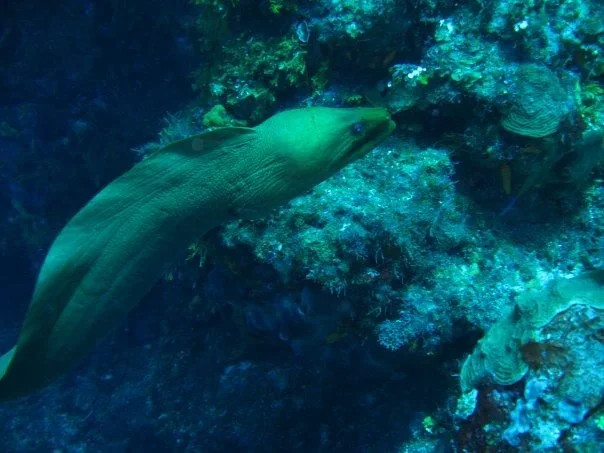
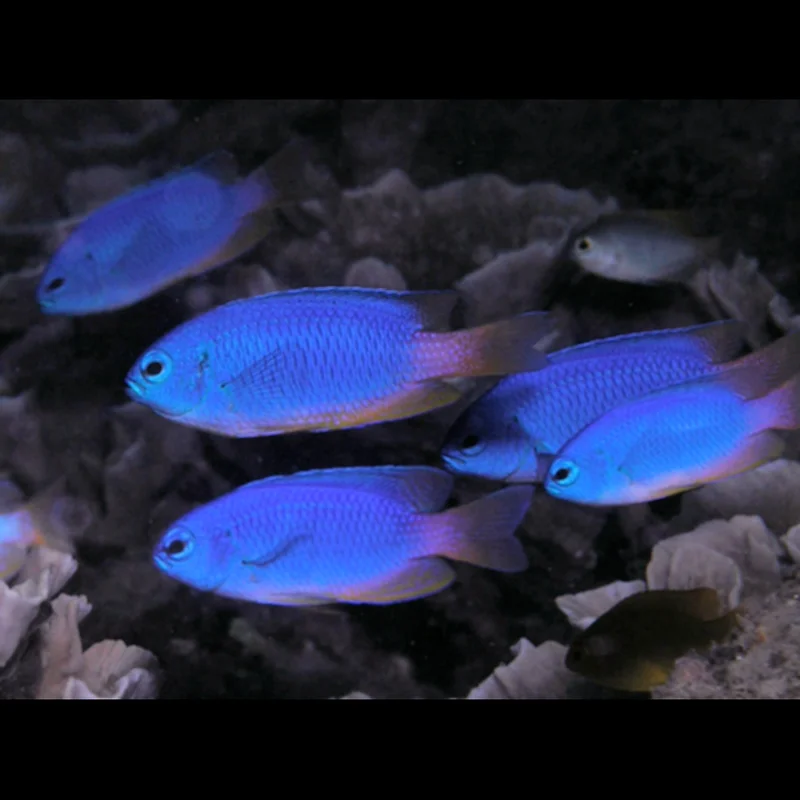
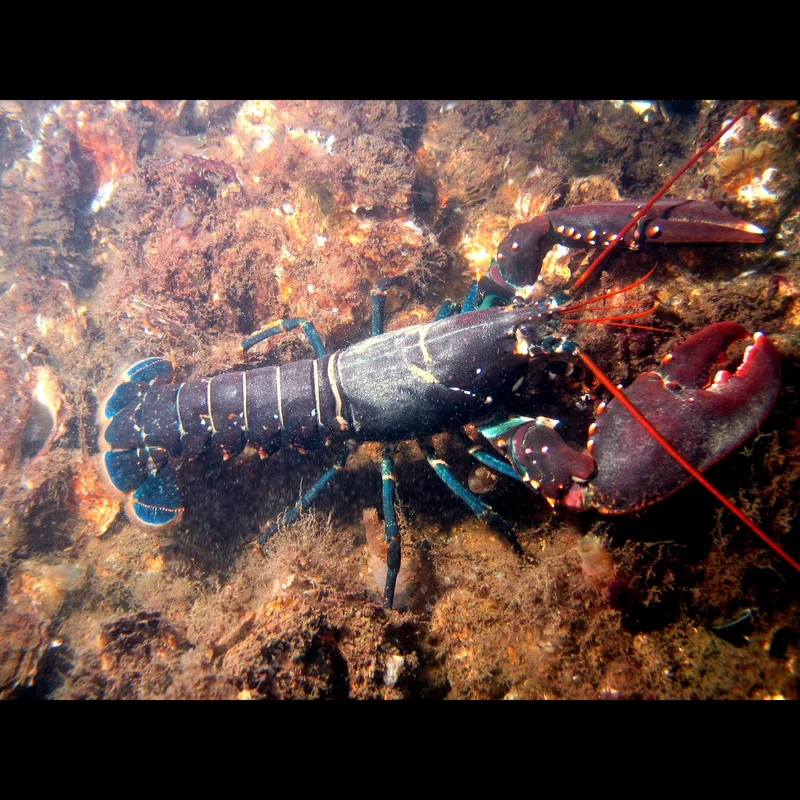
Closer inspection reveals groupers lurking in shadowy crevices and moray eels weaving through the twisted metal. Sea bream and damselfish are commonly seen along the deck, while lobsters find shelter beneath overhangs.
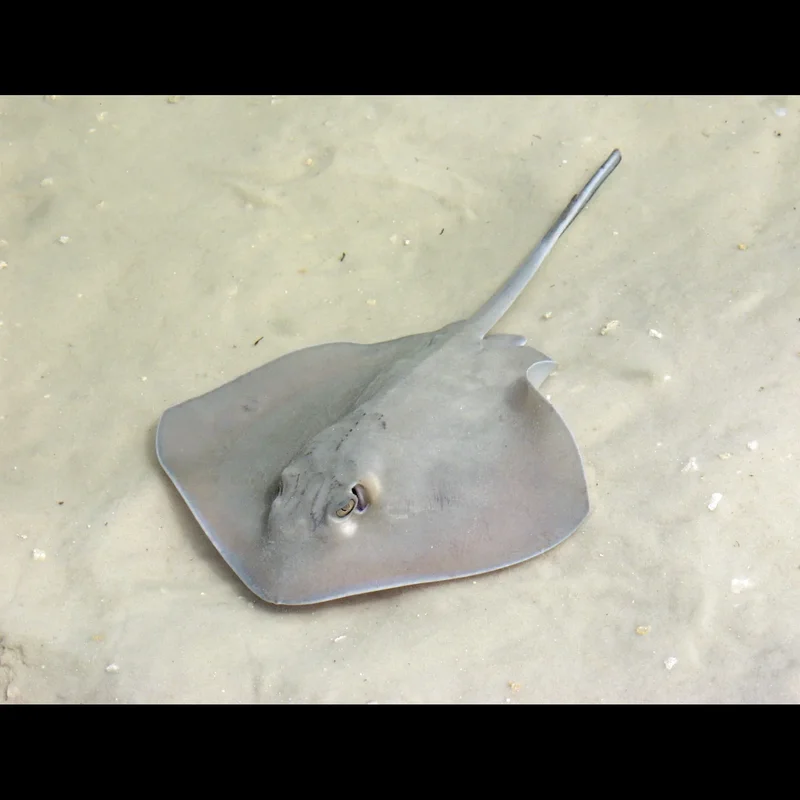
Keep an eye out for barracuda and dentex patrolling the open water, and occasionally, stingrays gliding over the sandy bottom near the stern. In the warmer months, pelagic visitors such as tuna and sunfish may make an appearance near the site.
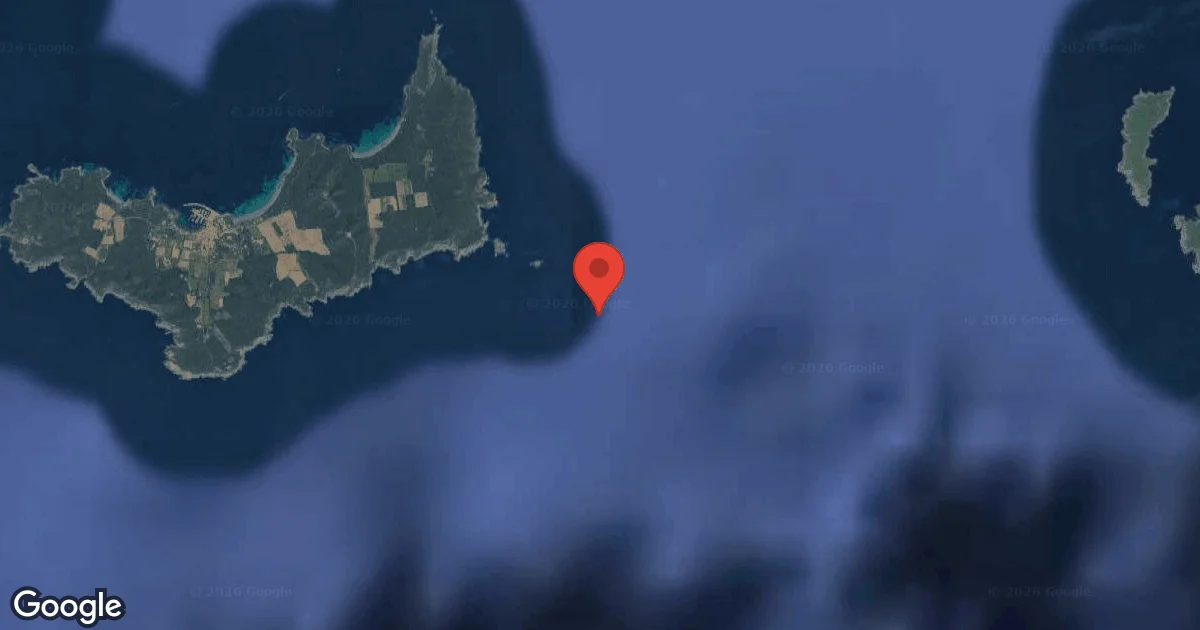
Dive Sites Near Donator (Prosper Schiaffino)
View all dive sites in FranceDiscover more underwater gems in this area.
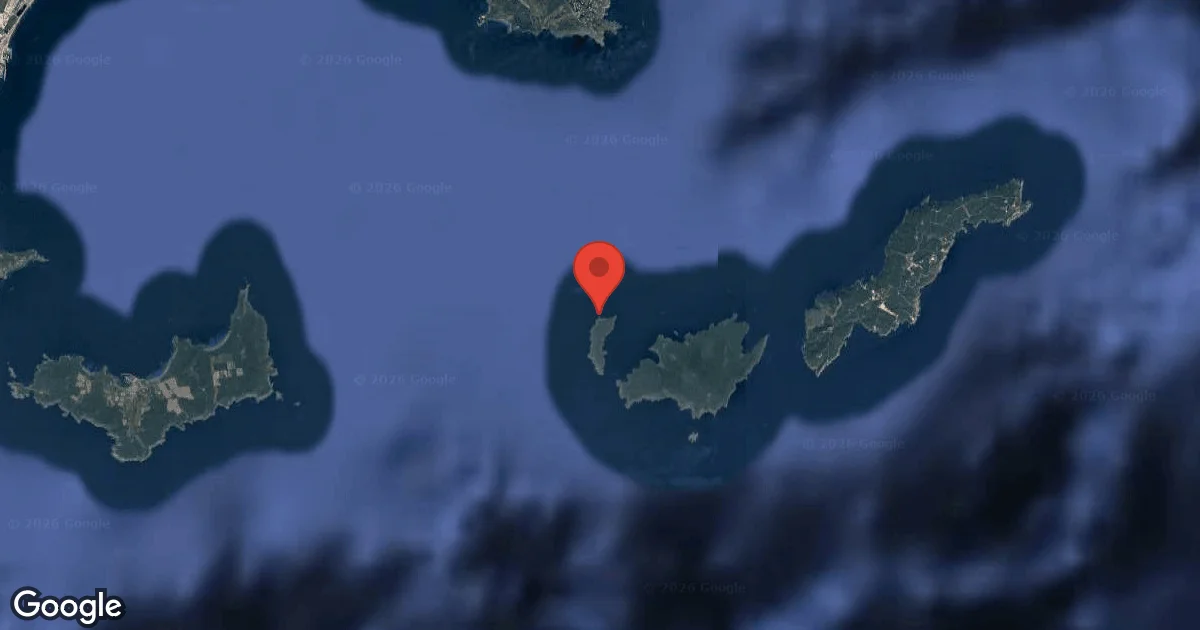
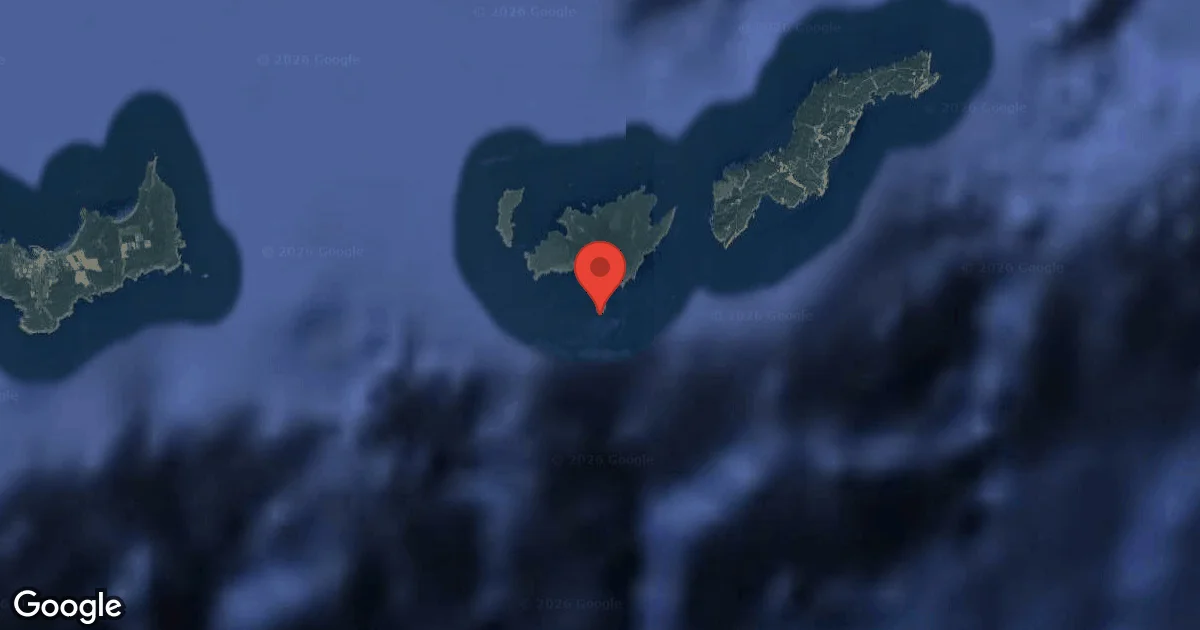
Dive Centers Near Donator (Prosper Schiaffino)
Today: 08:00 - 19:00
Nearest Airports
Nearest airports to help plan travel to this dive area.
Search Flights
Check available flights and routes on Expedia, using the nearby airports listed in this section.
Search Flights on ExpediaFrequently Asked Questions
What is the Donator wreck?
Known also as the Prosper Schiaffino, this cargo ship is over 70 meters long and sank in 1945. It lies upright on a sandy bottom, now an artificial reef off France's coast.
What are the depths of the Donator wreck?
It rests at recreational diving depths; its bow is around 48 meters and the stern reaches a maximum of 51 meters. Divers typically make a stop around 20-25 meters during descent to observe the full structure.
Is the Donator wreck suitable for all divers?
No, this site is generally for experienced divers due to its depth and potential for strong, even violent, currents. Proper deep dive training and preparation are essential for safe exploration.
What kind of marine life inhabits the Donator?
A diverse ecosystem thrives on the wreck, including groupers, moray eels, lobsters, and schools of barracuda and dentex in open water. Its hull is covered with vibrant gorgonians, sponges, and various sea bream.
When is the best time to dive the Donator?
Optimal diving is typically from June through August, offering clearer visibility and favorable air temperatures. These months generally experience lower rainfall and calmer conditions compared to other times.
What are the main challenges when diving this wreck?
Managing potentially strong and unpredictable currents is a primary challenge. Its depth range also requires careful planning for bottom time and decompression, making it a site for advanced divers.
What is the historical significance of the Donator?
Originally built in 1931, the Donator was a cargo ship transporting goods like bananas and wine. It sank after striking a mine in 1945, a loss that contributed to the fate of the Schiaffino Company.
Planning to dive Donator (Prosper Schiaffino)?
Send one inquiry and receive offers directly from the best verified local dive operators.
Conditions are Moderate
Optimal conditions expected
Current conditions near Donator (Prosper Schiaffino) show 23° air, 24° sea temperature, 1.5 m waves, and 36 km/h wind. Forecast data is refreshed regularly to ensure accuracy.