
Diving at Hellcat (Grimman F6F) (France)
A testament to wartime aviation history, the Hellcat (Grimman F6F) wreck off the coast of France holds a compelling story. French naval archives confirm its accidental demise on May 14, 1956, during a low-speed training flight. An engine failure forced an emergency water landing by the pilot, who was fortunately rescued by a passing boater. This fighter plane, however, was lost to the sea for decades before its eventual rediscovery.
As evening covers Hellcat (Grimman F6F), the local air temperature is measured at 23.5°C. The current wave height at the surface is recorded at 0.7 m. These late-day readings characterize the surface conditions for the night.
Dive Site Location & Key Facts
Dive Site Overview
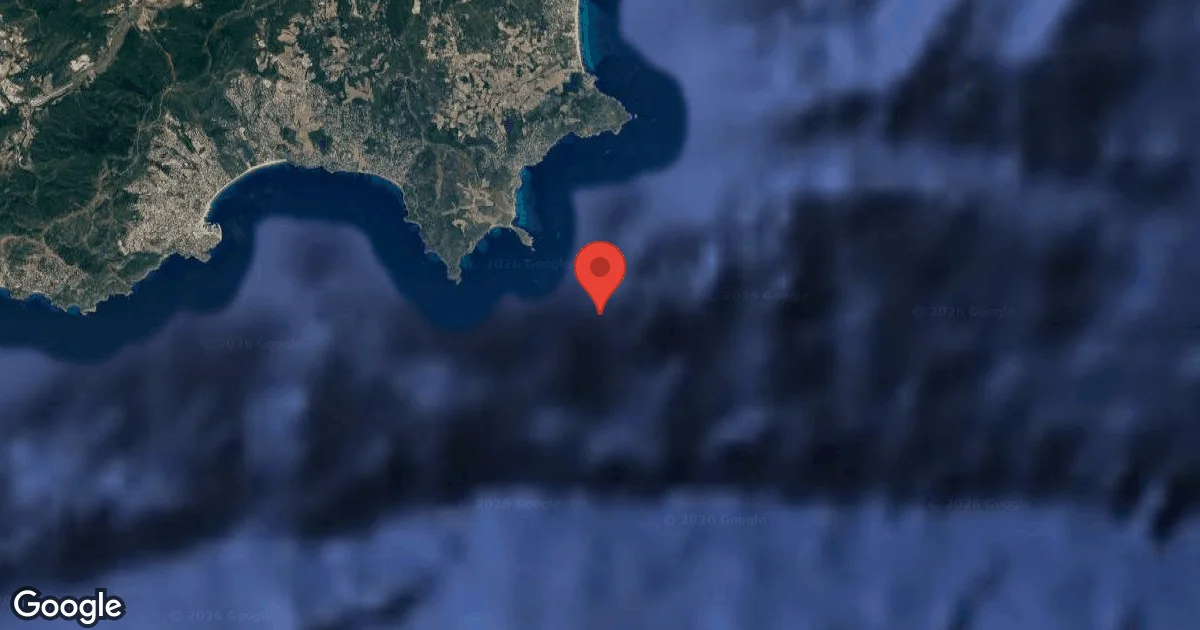
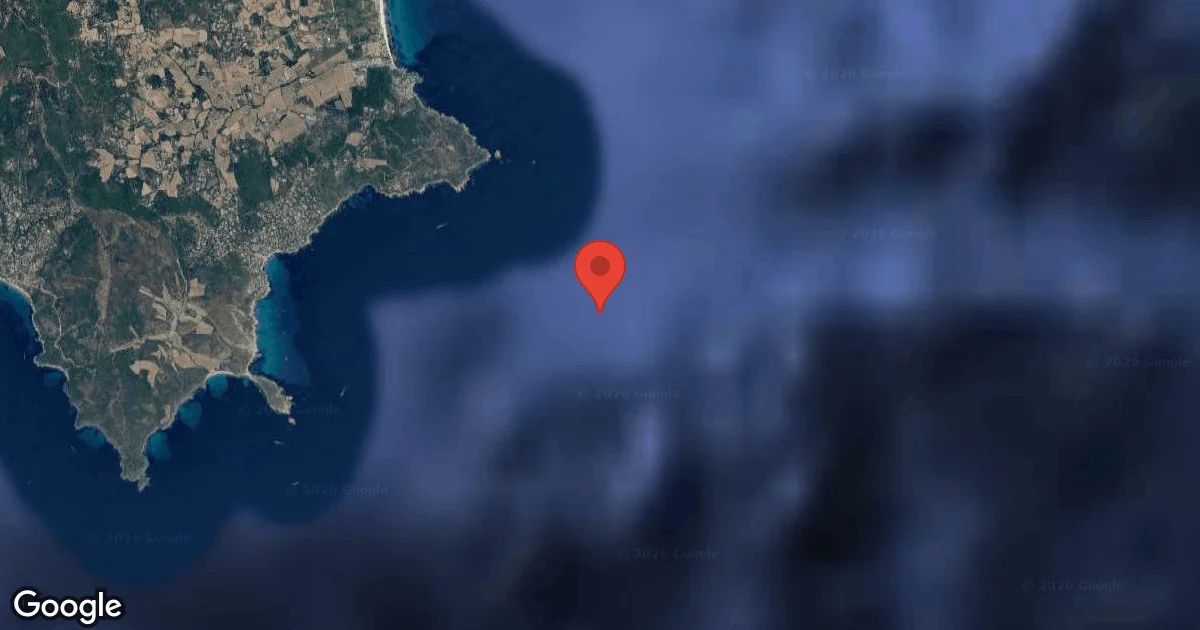
Resting largely intact, the iconic Hellcat F6F wreck is frequently explored at around 11 m (36 ft) in a cleared patch of coral off Cap Nègre in the Bay of Lavandou. The Grumman-built aircraft, measuring approximately 10 meters in length with a 13-meter wingspan, faces south.
A starboard wing lies partially embedded in the coral, stabilizing its position on the seabed. Flaps are visibly down, and the cockpit remains open, allowing a clear view of still-present instruments. Divers can often discern the plane's serial number without difficulty.
Closer inspection reveals a missing engine cover, exposing the oil tank, which is shielded by an armored plate. Two distinct bullet holes are evident: one at the front of the tail and another behind the cockpit.
Ammunition magazines are also open, exposed over time. While this recreational depth is typical for exploring the Hellcat, reports for other wrecks in the broader region suggest significantly greater depths, sometimes nearing 57 meters (187 ft), necessitating advanced technical diving skills.
Conditions are Good
07:00 - 14:00
Optimal conditions expected
Current conditions near Hellcat (Grimman F6F) show 23° air, 25° sea temperature, 0.7 m waves, and 28 km/h wind. Forecast data is refreshed regularly to ensure accuracy.
Best Time to Dive
Optimizing a visit to the Hellcat wreck hinges on seasonal conditions, with a notable contrast between the warm, calm summers and cooler, potentially choppier winters. The prime diving window typically spans from April through October, consistently yielding 'Good' dive scores. During these months, air temperatures are pleasant, ranging from approximately 15°C (59°F) in April to a peak of 27°C (81°F) in July, gradually cooling to 18°C (64°F) by October. Rainfall during this period is minimal, often less than 2 mm (0.08 in) from May to September, contributing to generally clear days. Wave heights are lowest in August, averaging about 0.6 m (2.0 ft), enhancing comfort on the surface. Conversely, winter months like January and March show 'Moderate' dive scores, with lower air temperatures around 10-12°C (50-54°F) and increased wave activity, sometimes exceeding 1.2 m (3.9 ft).
PEAK SEASON SCORE
Scores combine air & water temps, waves, wind & rainfall for overall conditions.
BEST MONTHS TO DIVE
Monthly records compiled from satellite and marine observation nodes over the last 3 years. Data provided by Open-Meteo and MET Norway.
Dive Experience & Conditions
Navigating the Hellcat wreck typically presents a straightforward experience, accessible to most certified divers given its shallower recreational depth range. Reported visibility around the plane is usually good, often around 15 m (50 ft), though this can vary with local currents and recent weather events. The immediate environment of the wreck is characterized by a cleared patch of coral, providing a distinct contrast to the surrounding seabed. While specific water temperature data isn't consistently reported, the area generally experiences seasonal temperature fluctuations common to the Mediterranean. Winds tend to be moderate, particularly during peak dive season, and wave activity is generally manageable, although it can increase in choppier conditions. Observing the intact structure and detailed features makes for a rewarding dive.
Dive Difficulty & Safety Guidelines
Ensuring the preservation of the Hellcat wreck is paramount; divers should adhere to strict guidelines to protect this historical artifact. Disturbing or removing any part of the aircraft, including ammunition rounds that have previously been targets for theft, is prohibited. Wreck penetration is not recommended for recreational divers, particularly as the structure is fragile in places.
Maintaining excellent buoyancy control is essential to avoid contact with the plane's surface or stirring up sediment. Divers should always be mindful of their gas consumption, especially when focusing on the intricacies of the wreck, and plan their dive within no-decompression limits. Always dive with a buddy and respect the site's historical significance.
Recommended Equipment
Overhead / entanglement risk. Wreck penetration requires proper training.
- Dive Computer
- Primary & Backup Lights
- Wreck Reel
- Cutting Tool
This gear list is based on verified equipment signals for Hellcat (Grimman F6F), France. Always confirm final gear choices with your dive operator, guide, or liveaboard.
Recommended Dive Suit
Forecast conditions over the next few days suggest temperatures will remain relatively stable.
Two divers in the same water temperature may experience very different comfort levels.
Many divers find that 3mm wetsuit offers the right level of insulation for conditions like these. A hood or vest is suggested for sensitive divers due to surface winds. The surrounding waters at Hellcat (Grimman F6F) are currently registering temperatures of roughly 25°C (78°F). Surface air temperatures are resting at 23°C (74°F).
Emergency & Medical Support
Essential information to help you plan your dive trip to Hellcat (Grimman F6F).

Hyperbaric chambers are a critical part of dive safety infrastructure. Availability varies significantly by region, and not all dive areas have immediate access.
Before diving, it's recommended to:
- confirm nearest medical facilities
- check emergency procedures with local dive operators
- ensure dive insurance covers evacuation if required
Divers Alert Network
Diving emergency assistance available through DAN Europe.
+39 0642115685- 24/7 emergency hotline
- Diving medical assistance
- Evacuation coordination
Emergency contacts are provided for reference. Always verify local emergency services before diving.
Closest Listed Hyperbaric Chambers
Showing listed hyperbaric chamber facilities within 200 km of this dive site.
Distances are approximate straight-line distances and may not reflect emergency travel time.
Service de médecine Hyperbare et d'Expertise Plongée
24/7 ListedICU CapableToulon, France•Approx. 42 km straight-line
Service de médecine Hyperbare et d'Expertise Plongée
24/7 ListedICU CapableInformation is provided for reference and planning purposes only. Dive Navigator does not verify operational status, staffing, availability, or quality of care at listed facilities. In an emergency, contact local emergency services, DAN, your dive operator, or the chamber directly. Do not travel to a facility without calling ahead.
Service de médecine hyperbare (Clinique Clairval)
Marseille, France•Approx. 84 km straight-line
Service de médecine hyperbare (Clinique Clairval)
Information is provided for reference and planning purposes only. Dive Navigator does not verify operational status, staffing, availability, or quality of care at listed facilities. In an emergency, contact local emergency services, DAN, your dive operator, or the chamber directly. Do not travel to a facility without calling ahead.
Service de médecine hyperbare (CHU Ste Marguerite)
24/7 ListedICU CapableMarseille, France•Approx. 86 km straight-line
Service de médecine hyperbare (CHU Ste Marguerite)
24/7 ListedICU CapableInformation is provided for reference and planning purposes only. Dive Navigator does not verify operational status, staffing, availability, or quality of care at listed facilities. In an emergency, contact local emergency services, DAN, your dive operator, or the chamber directly. Do not travel to a facility without calling ahead.
Marine Life at Hellcat (Grimman F6F)
While the Hellcat wreckage itself provides limited habitat, its placement within a cleared patch of coral fosters a localized ecosystem. Divers often observe a variety of smaller reef fish sheltering around the plane's structure and within the surrounding coral.
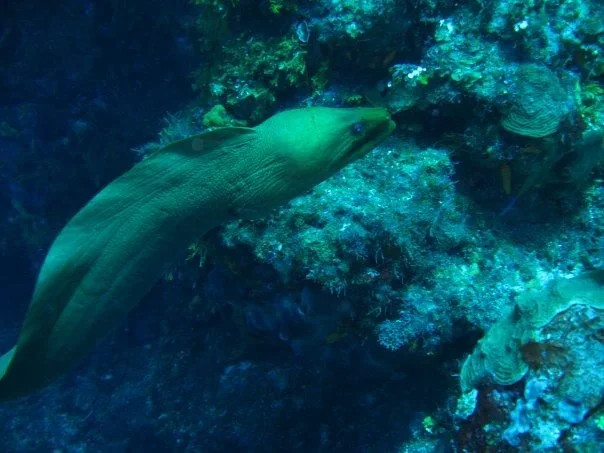
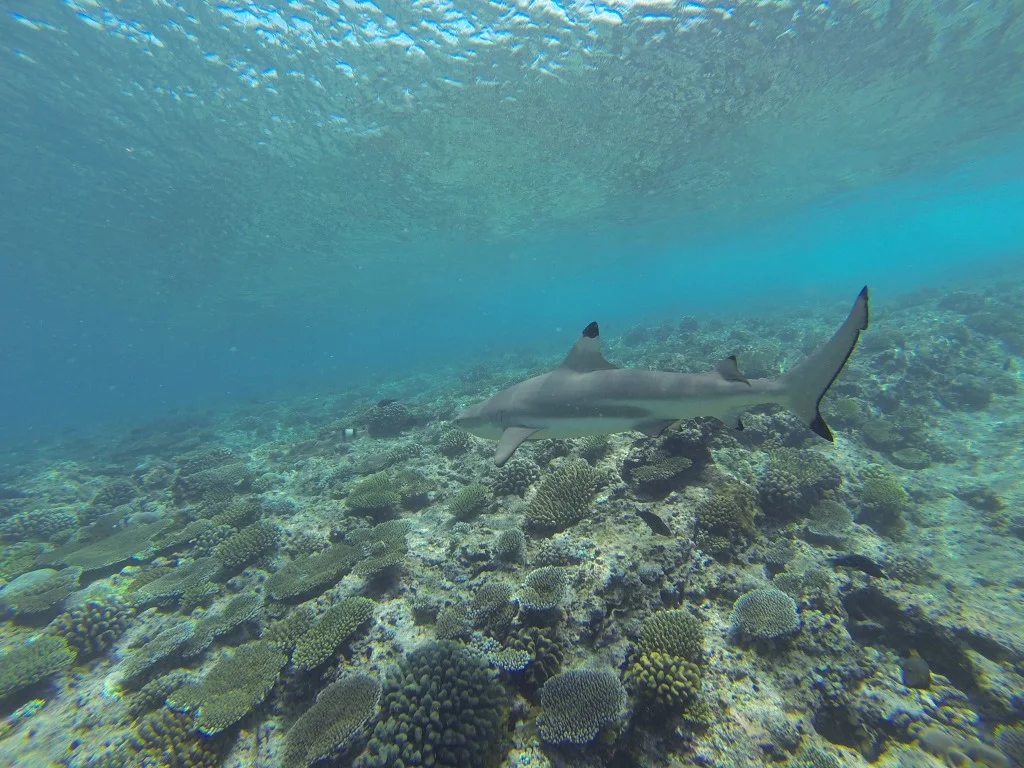
You might spot crustaceans or moray eels utilizing crevices for refuge. Additionally, the broader Bay of Lavandou is known for occasional sightings of more pelagic species, including various types of sharks, whales, dolphins, and turtles, though encountering these larger animals directly on the shallow wreck is less common.
Dive Sites Near Hellcat (Grimman F6F)
View all dive sites in FranceDiscover more underwater gems in this area.
Dive Centers Near Hellcat (Grimman F6F)

Today: 08:00 - 19:00
Nearest Airports
Nearest airports to help plan travel to this dive area.
Search Flights
Check available flights and routes on Expedia, using the nearby airports listed in this section.
Search Flights on ExpediaFrequently Asked Questions
What is the historical significance of the Hellcat wreck?
This Grimman F6F Hellcat was a fighter plane acquired by France in the 1950s. It was lost during a training flight off Cap Nègre on May 14, 1956, after an engine failure forced the pilot to ditch the aircraft. Its story is documented in French naval archives.
What is the typical depth for diving the Hellcat?
The Hellcat wreck is most commonly dived at a recreational depth of about 11 m (36 ft). There are reports of other Hellcat wrecks in the region at greater depths, but the detailed plane described is found in shallower waters.
Is the Hellcat wreck intact?
Yes, the plane appears largely intact. The fuselage, wings, and cockpit are all recognizable, with the starboard wing partially buried. Features like the open cockpit, deployed flaps, and visible instruments contribute to its well-preserved state.
What kind of dive experience can I expect?
Diving the Hellcat offers an accessible wreck dive suitable for most certified divers. It's a relatively shallow site, allowing for ample bottom time to explore the aircraft's details in generally good visibility. The site provides a unique opportunity to interact with a historical artifact.
Are there any hazards or special precautions needed?
No specific major hazards beyond general wreck diving considerations are reported. Divers should practice excellent buoyancy control to avoid contact with the fragile wreck. Removing any artifacts is strictly prohibited to preserve the site for future exploration.
What is the best time of year to dive this site?
The optimal time to dive the Hellcat is from April to October. During these months, the weather is warmer, rainfall is minimal, and wave heights are generally lower, leading to more comfortable surface and underwater conditions.
Planning to dive Hellcat (Grimman F6F)?
Send one inquiry and receive offers directly from the best verified local dive operators.
Conditions are Good
07:00 - 14:00
Optimal conditions expected
Current conditions near Hellcat (Grimman F6F) show 23° air, 25° sea temperature, 0.7 m waves, and 28 km/h wind. Forecast data is refreshed regularly to ensure accuracy.