
Diving at Togo (France)
Togo presents an advanced wreck diving challenge off the coast of France. This site demands careful preparation and appropriate certification due to its significant depth. Divers typically engage with the foredeck around 47-48 meters (154-157 ft). Its vast size and compelling history make it a destination for experienced wreck enthusiasts. It's not a casual plunge; planning is key to fully appreciating this deep-water relic.
Tonight's objective overview for Togo shows an air temperature of 21°C. The measured surface conditions include wave heights around 0.2 m. This environmental data is logged for the close of the day.
Dive Site Location & Key Facts
Dive Site Overview
The wreck of Togo holds a compelling history, resting off the coast of Cavalaire after striking a mine on May 12, 1918. Originally built as a modern steel vessel in 1882 at Robert Thompson and Sons shipyard, it featured five watertight bulkheads and a double hull.
After several name changes, it became Togo in 1912, primarily transporting coal across the Mediterranean. The 76-meter (249 ft) long ship was cut in half by the mine, with its stern flowing immediately and the bow drifting approximately a hundred meters before settling on a sandy bottom. Richard Calmes, a biologist and diver, rediscovered the wreck 59 years later.
Today, its bow points towards Cavalaire beach, with substantial portions of the hull lying intact on a slightly sloping sandy expanse.
Conditions are Excellent
07:00 - 14:00
Optimal conditions expected
Current conditions near Togo show 21° air, 26° sea temperature, 0.5 m waves, and 18 km/h wind. Forecast data is refreshed regularly to ensure accuracy.
Best Time to Dive
Optimal diving conditions for Togo generally prevail from May through October. During these months, air temperatures are most favorable, ranging from an average of 17.5°C (64°F) in May to 26°C (79°F) in August, creating a more comfortable surface experience. Water temperatures in summer typically vary between 20°C and 26°C (68-79°F), dropping to 12°C to 16°C (54-61°F) during winter. Low average rainfall, particularly from June to August (0.14-0.65 mm), contributes to generally improved underwater visibility, which can range from 10 to 30 meters (33-98 ft). Mild currents and no reported surge usually characterize these periods, although wind speeds can reach up to 26 km/h (16 mph) in March.
PEAK SEASON SCORE
Scores combine air & water temps, waves, wind & rainfall for overall conditions.
BEST MONTHS TO DIVE
Monthly records compiled from satellite and marine observation nodes over the last 3 years. Data provided by Open-Meteo and MET Norway.
Dive Experience & Conditions
Approaching Togo typically involves a descent into open blue water, as the foredeck appears around 47-48 meters (154-157 ft). This initial plunge is a key part of the experience, revealing the immense metal carcass as it materializes from the depths. The wreck itself lies flat on a sandy bottom, its bow strikingly intact and aimed towards the beach of Cavalaire. Divers can explore the front castle, dimly lit by four portholes, and peer into the empty holds that once carried coal, now only showing scattered remnants. Along its flanks, views of gorgonians add color to the structure, while two magnificent jas anchors remain prominently on the bow. Navigating the wreck requires mindful bottom time due to its considerable depth.
Dive Difficulty & Safety Guidelines
Diving the Togo wreck requires rigorous planning and adherence to advanced diving protocols due to its significant depth. Careful gas management and decompression planning are essential given the foredeck sits consistently around 47-48 meters. An important consideration for divers here is the presence of old fishing gear; while the site is tranquil, netting can occasionally snag, so situational awareness is crucial.
Entry and exit strategies should be meticulously reviewed with your dive operator. Given the intermediate rating for general site access, divers venturing to the deeper sections should possess qualifications beyond standard recreational limits.
Recommended Equipment
Overhead / entanglement risk. Wreck penetration requires proper training.
- Dive Computer
- Primary & Backup Lights
- Wreck Reel
- Cutting Tool
This gear list is based on verified equipment signals for Togo, France. Always confirm final gear choices with your dive operator, guide, or liveaboard.
Recommended Dive Suit
According to recent observations, water temperatures near Togo are approximately 26°C (78°F). Surface air temperatures are resting at 21°C (69°F).
Forecasts suggest rising temperatures later this week. A warming trend is expected over the next few days.
In water temperatures like these, 3mm wetsuit typically offers sufficient warmth for most recreational dives. A hood or vest is suggested for sensitive divers due to surface winds. Surface intervals may feel cooler. Some divers naturally tolerate cooler water better than others.
Due to technical issues with our weather providers, data hasn't been fetched for over 48 hours. The data above reflects the conditions at the time of the last successful fetch.
Emergency & Medical Support
Essential information to help you plan your dive trip to Togo.

Hyperbaric chambers are a critical part of dive safety infrastructure. Availability varies significantly by region, and not all dive areas have immediate access.
Before diving, it's recommended to:
- confirm nearest medical facilities
- check emergency procedures with local dive operators
- ensure dive insurance covers evacuation if required
Divers Alert Network
Diving emergency assistance available through DAN Europe.
+39 0642115685- 24/7 emergency hotline
- Diving medical assistance
- Evacuation coordination
Emergency contacts are provided for reference. Always verify local emergency services before diving.
Closest Listed Hyperbaric Chambers
Showing listed hyperbaric chamber facilities within 200 km of this dive site.
Distances are approximate straight-line distances and may not reflect emergency travel time.
Service de médecine Hyperbare et d'Expertise Plongée
24/7 ListedICU CapableToulon, France•Approx. 53 km straight-line
Service de médecine Hyperbare et d'Expertise Plongée
24/7 ListedICU CapableInformation is provided for reference and planning purposes only. Dive Navigator does not verify operational status, staffing, availability, or quality of care at listed facilities. In an emergency, contact local emergency services, DAN, your dive operator, or the chamber directly. Do not travel to a facility without calling ahead.
UTOH
24/7 ListedICU CapableNice, France•Approx. 84 km straight-line
UTOH
24/7 ListedICU CapableInformation is provided for reference and planning purposes only. Dive Navigator does not verify operational status, staffing, availability, or quality of care at listed facilities. In an emergency, contact local emergency services, DAN, your dive operator, or the chamber directly. Do not travel to a facility without calling ahead.
Service de médecine hyperbare (Clinique Clairval)
Marseille, France•Approx. 94 km straight-line
Service de médecine hyperbare (Clinique Clairval)
Information is provided for reference and planning purposes only. Dive Navigator does not verify operational status, staffing, availability, or quality of care at listed facilities. In an emergency, contact local emergency services, DAN, your dive operator, or the chamber directly. Do not travel to a facility without calling ahead.
Marine Life at Togo
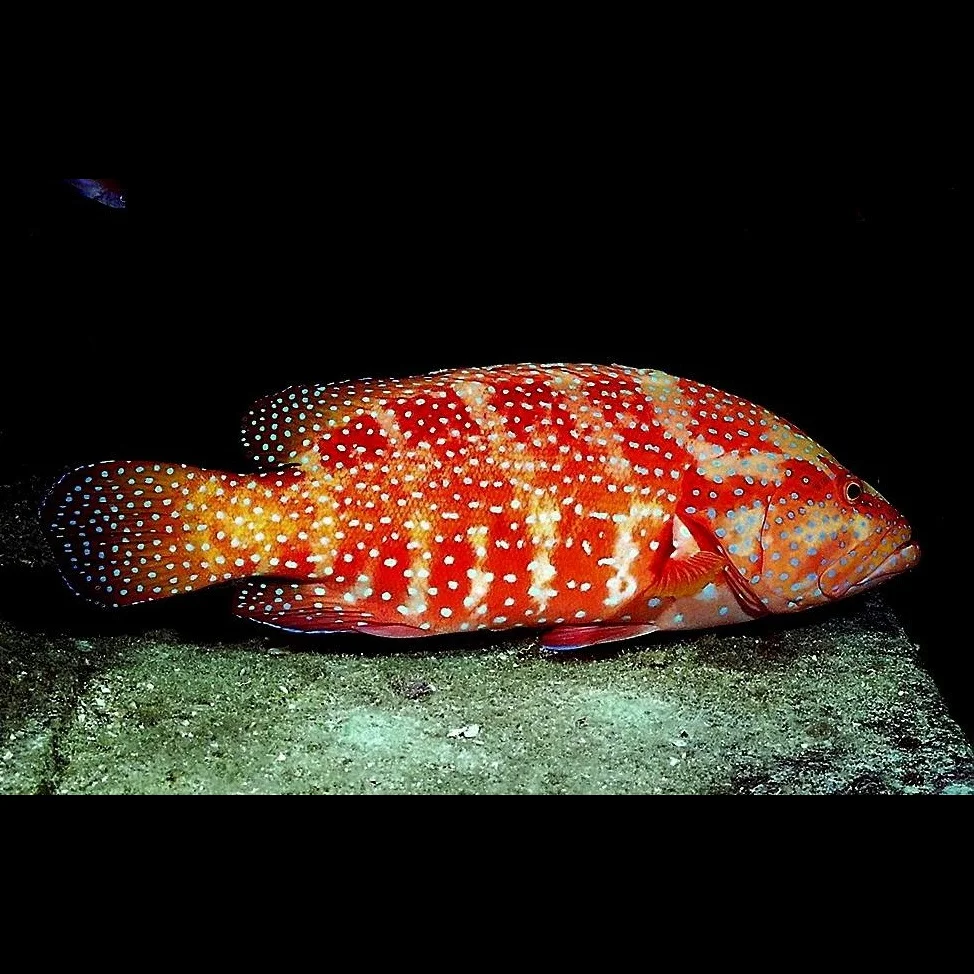
Beneath the surface, Togo supports a notably rich variety of marine life, thriving amidst the historic wreck and surrounding rocky formations. Divers frequently encounter schools of groupers, often seen sheltering within the structural remnants of the ship.
Dentis and sea bream are also commonly observed patrolling the site. Delicate red gorgonians adorn parts of the wreck's superstructures and flanks, creating colorful patches against the metal.
The combination of the artificial reef and nearby sandy bottom provides diverse habitats, attracting both pelagic and benthic species to this deep-water environment.

Dive Sites Near Togo
View all dive sites in FranceDiscover more underwater gems in this area.
Dive Centers Near Togo
Today: 08:00 - 19:00
Nearest Airports
Nearest airports to help plan travel to this dive area.
Search Flights
Check available flights and routes on Expedia, using the nearby airports listed in this section.
Search Flights on ExpediaFrequently Asked Questions
What is the maximum depth of the Togo wreck?
The Togo wreck's foredeck rests at approximately 47-48 meters. Below the bow, the sandy bottom slopes about 8 meters deeper.
What kind of ship was the Togo?
Togo was a modern steel steam and sail ship, originally built in 1882. It measured 76 meters long and had a tonnage of 1,640 tons, primarily used for transporting coal.
When did the Togo sink?
Striking a 150 kg mine laid by the German submarine UC 35, the Togo sank on May 12, 1918. The impact broke the ship in half, leading to its immediate descent.
What kind of marine life can be seen at Togo?
The wreck is home to diverse marine life, including groupers, dentis, and sea bream. Red gorgonians also grow on the wreck's structures, adding vibrant color.
What are the typical water temperatures at Togo?
During the summer months, water temperatures typically range from 20-26°C (68-79°F). In winter, temperatures are cooler, generally between 12-16°C (54-61°F).
Is the Togo wreck suitable for all divers?
The Togo wreck is considered an advanced dive due to its depth. Divers planning to explore the main wreck should possess certifications and experience suitable for deep and potentially technical diving.
Are there any notable features to explore on the wreck?
Divers can explore the intact bow, including its front castle and two magnificent jas anchors. The wreck also features open hatches leading to empty coal holds, a huge winch, and remnants of the galley and engine room.
How is visibility typically at the site?
Visibility at Togo is generally good, varying between 10 to 30 meters depending on conditions. The site experiences mild currents and typically no surge.
Planning to dive Togo?
Send one inquiry and receive offers directly from the best verified local dive operators.
Conditions are Excellent
07:00 - 14:00
Optimal conditions expected
Current conditions near Togo show 21° air, 26° sea temperature, 0.5 m waves, and 18 km/h wind. Forecast data is refreshed regularly to ensure accuracy.