
Diving at Ile du Planier (France)
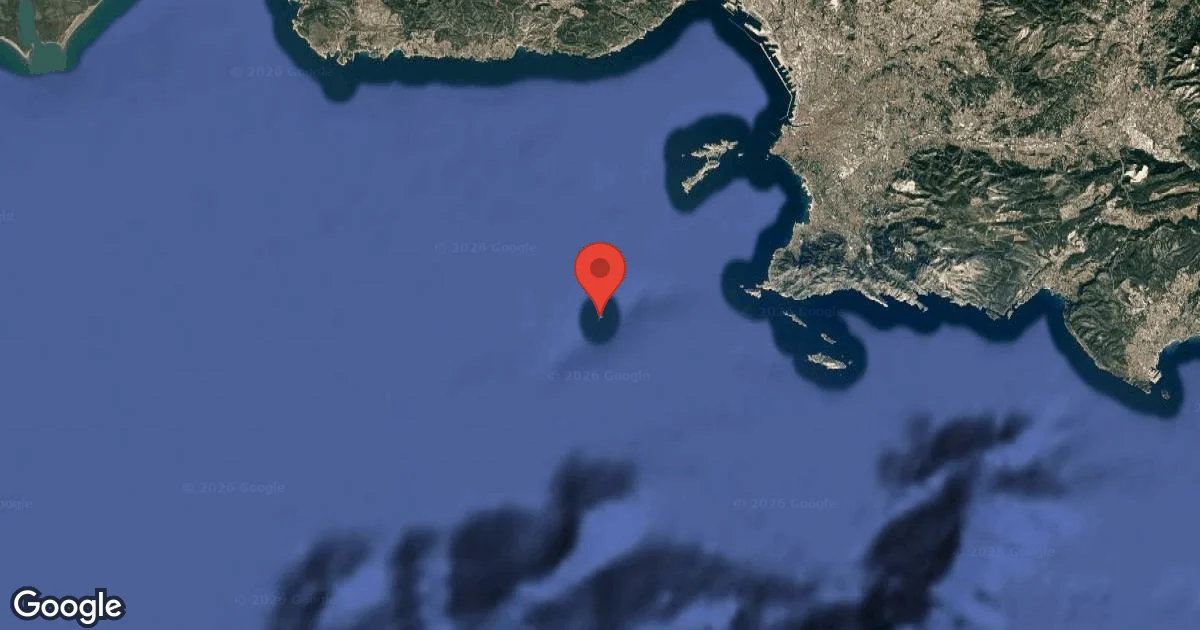
Ile du Planier provides a diverse range of underwater experiences, primarily centered around its historic wreck sites and surrounding topography. Depths here vary significantly, from shallow cave entrances at 7 m / 23 ft to challenging wreck sections and wall dives descending to 35 m / 115 ft. This makes the area suitable for multiple certification levels, offering something for almost any certified diver to explore across its underwater landscape.
As evening covers Ile du Planier, the local air temperature is measured at 25.5°C. The current wave height at the surface is recorded at 1.1 m. These late-day readings characterize the surface conditions for the night.
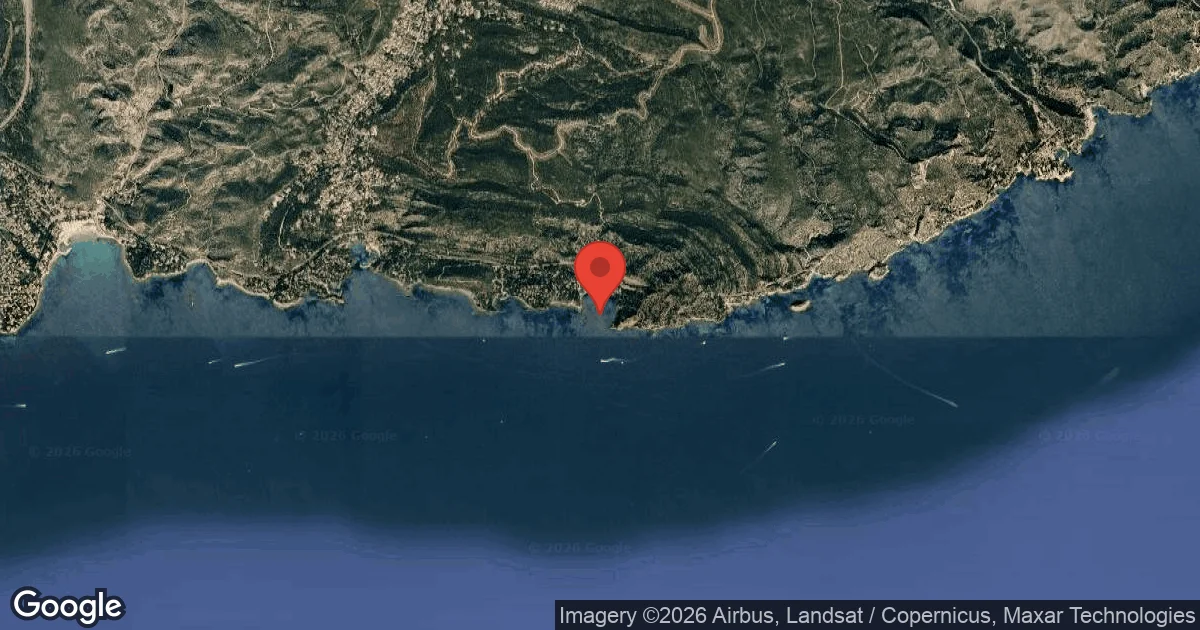
Dive Site Location & Key Facts
Dive Site Overview
The underwater topography surrounding Ile du Planier is characterized by a compelling mix of significant wreck sites and diverse natural rock formations. The Chaouen, a Moroccan cargo ship, which grounded in 1970, lies between 12 and 32 m / 39 and 105 ft, its structure still recognizable and offering accessible exploration across a range of depths.
Another prominent wreck, the Dalton, a 70.5-meter cargo ship built in 1877 and sunk in 1928, rests at comparable depths to the Chaouen; its bow section is heavily damaged, but the central and stern portions remain more intact for divers to investigate. Beyond these historic wrecks, sites like the Grotte Arc-en-Ciel provide unique light plays within its shallower sections, creating a magical basin when weather permits. Rocher de Briançon and Figuere present varied underwater landscapes reaching some of the site's greater depths, featuring rich biodiversity.
Tombant du Planier further offers an engaging wall diving experience, adding another dimension to the site's rich and complex underwater offerings that support substantial biodiversity.
Conditions are Good
07:00 - 14:00
Optimal conditions expected
Current conditions near Ile du Planier show 25° air, 24° sea temperature, 0.7 m waves, and 28 km/h wind. Forecast data is refreshed regularly to ensure accuracy.
Best Time to Dive
Optimal diving conditions at Ile du Planier are generally experienced from late spring through early autumn, with underwater visibility often at its clearest during these months. May through October typically offers the best dive scores, supported by pleasant air temperatures that range from 18°C / 64°F in May to a peak of 25.5°C / 78°F in July. During this peak season, wave heights are consistently lower, generally below 1 meter / 3 feet, and wind speeds tend to be calmer, averaging around 21-24 km/h / 13-15 mph. Rainfall is also minimal from May to September, directly contributing to improved underwater clarity and overall comfort. While diving is indeed possible year-round, conditions outside this window, particularly in winter and early spring, can present choppier seas and increased rain, potentially impacting surface comfort, underwater visibility, and access to some sites.
PEAK SEASON SCORE
Scores combine air & water temps, waves, wind & rainfall for overall conditions.
BEST MONTHS TO DIVE
Monthly records compiled from satellite and marine observation nodes over the last 3 years. Data provided by Open-Meteo and MET Norway.
Dive Experience & Conditions
Understanding the local current dynamics is essential when planning dives around Ile du Planier. While consistent current reports are limited, local intel suggests that wave heights are generally lower from May to September, averaging less than a meter, indicating potentially calmer surface and entry conditions. Wind speeds during this period also trend lower, around 21-24 km/h / 13-15 mph, which contributes to a more comfortable experience both on the boat and at the dive site. These conditions can vary, however, particularly with changing weather fronts. The exposed nature of some dive sites, especially around the island's perimeter, means that incoming swell direction and strength can significantly influence dive plans and underwater movement. Divers should anticipate potential variations in water movement, particularly around deeper sections and within the wrecks, and always plan dives according to prevailing weather patterns and their individual comfort levels.
Dive Difficulty & Safety Guidelines
Diving the wrecks at Ile du Planier presents specific safety considerations, primarily due to the overhead environments. The Chaouen and Dalton sites require adherence to appropriate wreck-diving procedures. Maintaining excellent buoyancy control is crucial, especially when exploring around the structure of these vessels, to prevent stirring up sediment or entanglement.
Always maintain awareness of your surroundings and your team. While other sites like the Grotte Arc-en-Ciel are shallower, careful navigation is still advised.
Divers should assess their experience level against the demands of each site; some areas are accessible to all levels, while others, like Rocher de Briançon and Figuere, are geared towards advanced divers.
Recommended Equipment
Technical depth range. Advanced planning, gas management, and appropriate certification required.
Overhead / entanglement risk. Wreck penetration requires proper training.
- Dive Computer
- DSMB
- Primary & Backup Lights
- Wreck Reel
- Cutting Tool
This gear list is based on verified equipment signals for Ile du Planier, France. Always confirm final gear choices with your dive operator, guide, or liveaboard.
Recommended Dive Suit
A warming trend is expected over the next few days. A warming trend is expected over the next few days.
Two divers in the same water temperature may experience very different comfort levels. Stronger winds may also make surface intervals feel cooler than usual.
Many divers find that 3-5mm wetsuit offers the right level of insulation for conditions like these. Strong winds are present; please take strong precautions against rapid cooling during surface intervals. The surrounding waters at Ile du Planier are currently registering temperatures of roughly 24°C (75°F). Surface air temperatures are resting at 25°C (78°F).
Due to technical issues with our weather providers, live updates are temporarily delayed. The data above reflects the conditions at the time of the last successful fetch.
Emergency & Medical Support
Essential information to help you plan your dive trip to Ile du Planier.

Hyperbaric chambers are a critical part of dive safety infrastructure. Availability varies significantly by region, and not all dive areas have immediate access.
Before diving, it's recommended to:
- confirm nearest medical facilities
- check emergency procedures with local dive operators
- ensure dive insurance covers evacuation if required
Divers Alert Network
Diving emergency assistance available through DAN Europe.
+39 0642115685- 24/7 emergency hotline
- Diving medical assistance
- Evacuation coordination
Emergency contacts are provided for reference. Always verify local emergency services before diving.
Closest Listed Hyperbaric Chambers
Showing listed hyperbaric chamber facilities within 200 km of this dive site.
Distances are approximate straight-line distances and may not reflect emergency travel time.
Service de médecine hyperbare (CHU Ste Marguerite)
24/7 ListedICU CapableMarseille, France•Approx. 16 km straight-line
Service de médecine hyperbare (CHU Ste Marguerite)
24/7 ListedICU CapableInformation is provided for reference and planning purposes only. Dive Navigator does not verify operational status, staffing, availability, or quality of care at listed facilities. In an emergency, contact local emergency services, DAN, your dive operator, or the chamber directly. Do not travel to a facility without calling ahead.
Service de médecine hyperbare (Clinique Clairval)
Marseille, France•Approx. 17 km straight-line
Service de médecine hyperbare (Clinique Clairval)
Information is provided for reference and planning purposes only. Dive Navigator does not verify operational status, staffing, availability, or quality of care at listed facilities. In an emergency, contact local emergency services, DAN, your dive operator, or the chamber directly. Do not travel to a facility without calling ahead.
Service de médecine Hyperbare et d'Expertise Plongée
24/7 ListedICU CapableToulon, France•Approx. 57 km straight-line
Service de médecine Hyperbare et d'Expertise Plongée
24/7 ListedICU CapableInformation is provided for reference and planning purposes only. Dive Navigator does not verify operational status, staffing, availability, or quality of care at listed facilities. In an emergency, contact local emergency services, DAN, your dive operator, or the chamber directly. Do not travel to a facility without calling ahead.
Marine Life at Ile du Planier
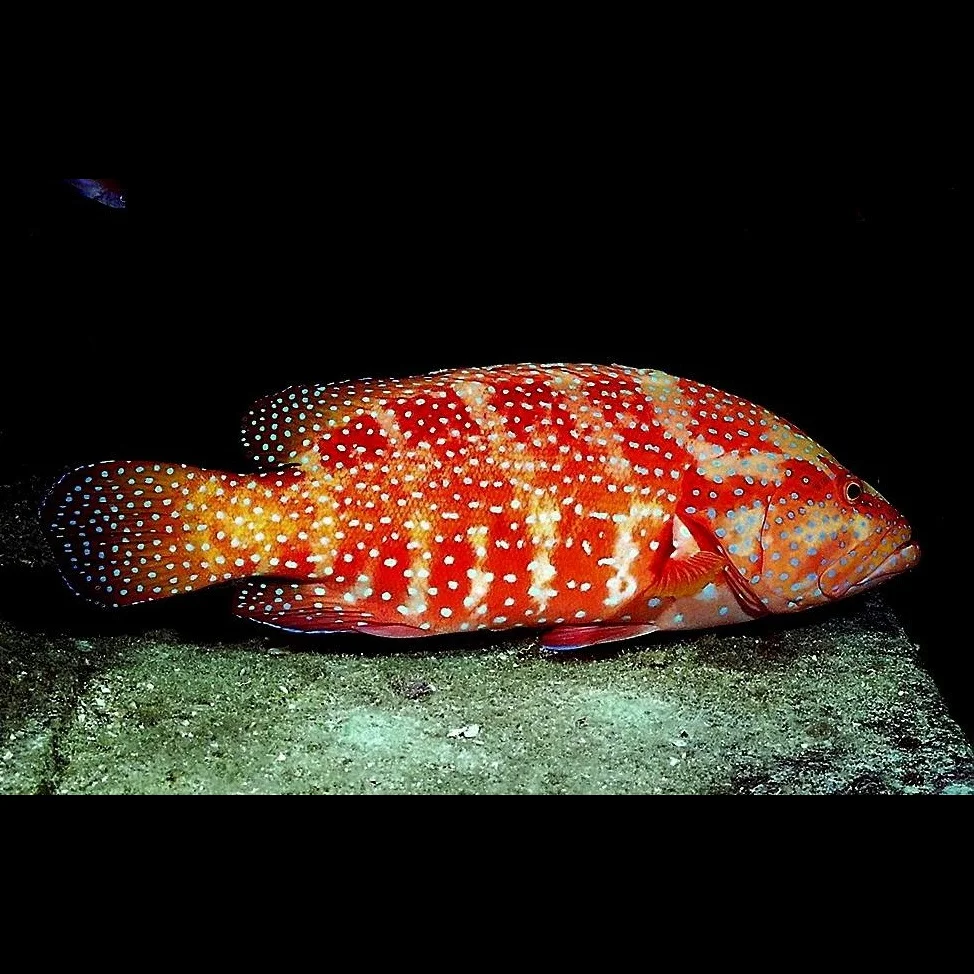
As you descend at Ile du Planier, sightings of various marine life are common, particularly around the wrecks and rocky structures. Groupers are frequently observed, often sheltering within the ship's framework or amongst the natural reefs.
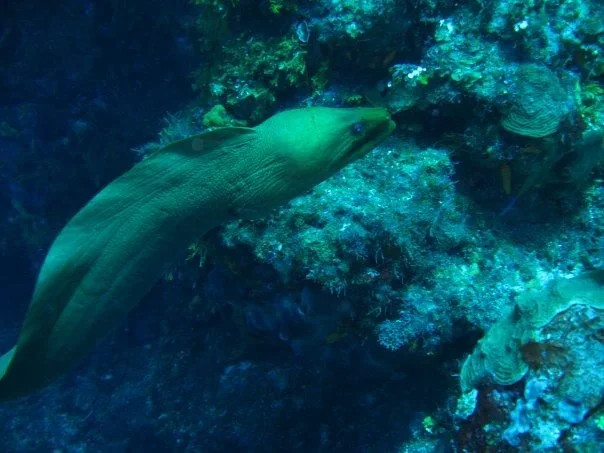
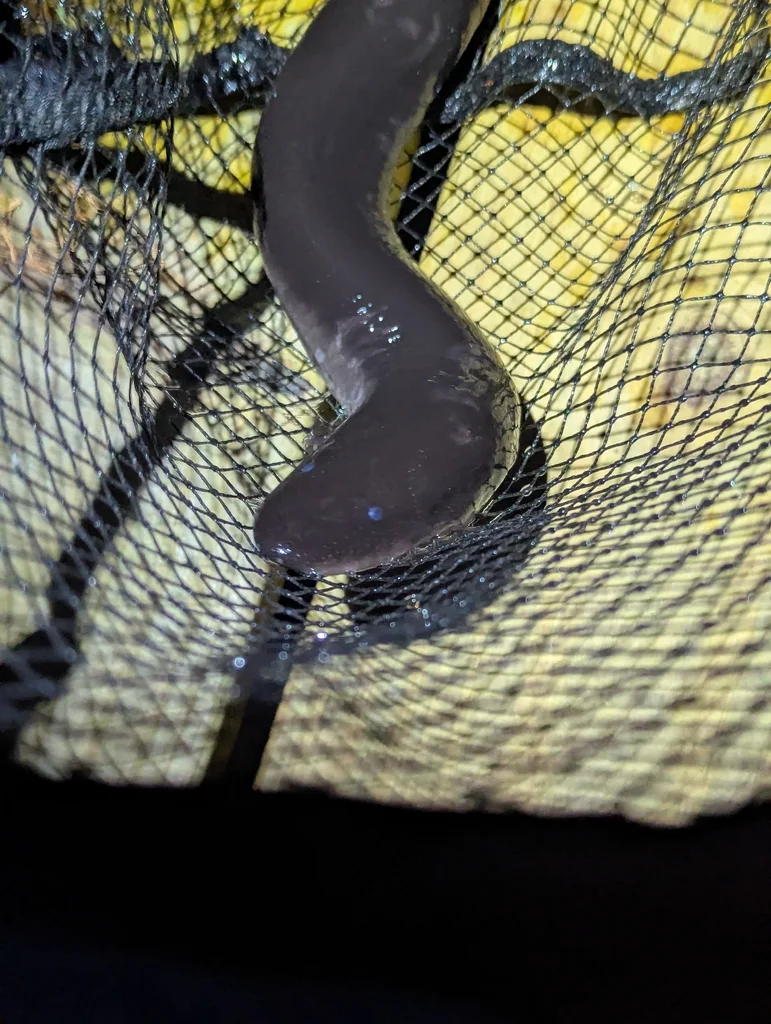
Divers often spot octopus camouflaged against rocks or exploring crevices. Look for conger eels and moray eels residing in the nooks and crannies of the wrecks and walls, adding to the allure of these underwater habitats.
While less common, the presence of common dolphins has been noted, adding a rare highlight for those fortunate enough to encounter them.
Dive Sites Near Ile du Planier
View all dive sites in FranceDiscover more underwater gems in this area.
Dive Centers Near Ile du Planier
Today: 08:00 - 19:00
Nearest Airports
Nearest airports to help plan travel to this dive area.
Search Flights
Check available flights and routes on Expedia, using the nearby airports listed in this section.
Search Flights on ExpediaFrequently Asked Questions
What is the main attraction for divers at Ile du Planier?
Ile du Planier primarily draws divers with its compelling historic wreck sites, such as the Chaouen and the Dalton. These wrecks offer varied exploration opportunities, rich in marine life and historical context. The surrounding natural topography, including walls and caves, adds further appeal.
What depth ranges can be expected when diving here?
Dive sites here span a considerable depth range, from shallower areas like the Grotte Arc-en-Ciel to deeper wreck sections and wall dives. This variability allows for diverse diving experiences suitable for various certification levels.
Is Ile du Planier suitable for beginner divers?
Certain areas of Ile du Planier, particularly the shallower sections of wrecks like the Chaouen, are accessible to divers of all levels. However, other sites, such as Rocher de Briançon and Figuere, are recommended for advanced divers due to their depths and potential conditions. Always check specific site requirements.
What kind of marine life might divers encounter?
Divers frequently encounter groupers, often found sheltering within the wrecks or rocky reefs. Octopus and conger eels are also common sightings, using the abundant crevices and structures for habitat. Moray eels add to the diversity of life here.
What are the major safety considerations when diving at Ile du Planier?
The primary safety considerations revolve around the wreck sites, which involve overhead environments. Divers must be certified for wreck diving, possess excellent buoyancy control, and maintain constant awareness of their surroundings to navigate safely and avoid entanglement or stirring up sediment.
When is the best time of year to dive Ile du Planier?
The best time to dive is typically from late spring through early autumn, roughly May to October. During these months, air temperatures are warmer, and wave heights are lower, contributing to clearer visibility and more comfortable surface conditions.
Are there any natural dive sites beyond the wrecks?
Yes, Ile du Planier offers several notable natural dive sites. These include the picturesque Grotte Arc-en-Ciel, the biodiversity-rich Rocher de Briançon and Figuere, and the engaging wall dive known as Tombant du Planier. These sites showcase varied underwater landscapes and abundant fauna.
Planning to dive Ile du Planier?
Send one inquiry and receive offers directly from the best verified local dive operators.
Conditions are Good
07:00 - 14:00
Optimal conditions expected
Current conditions near Ile du Planier show 25° air, 24° sea temperature, 0.7 m waves, and 28 km/h wind. Forecast data is refreshed regularly to ensure accuracy.