
Diving at Blue Hole (Greece)
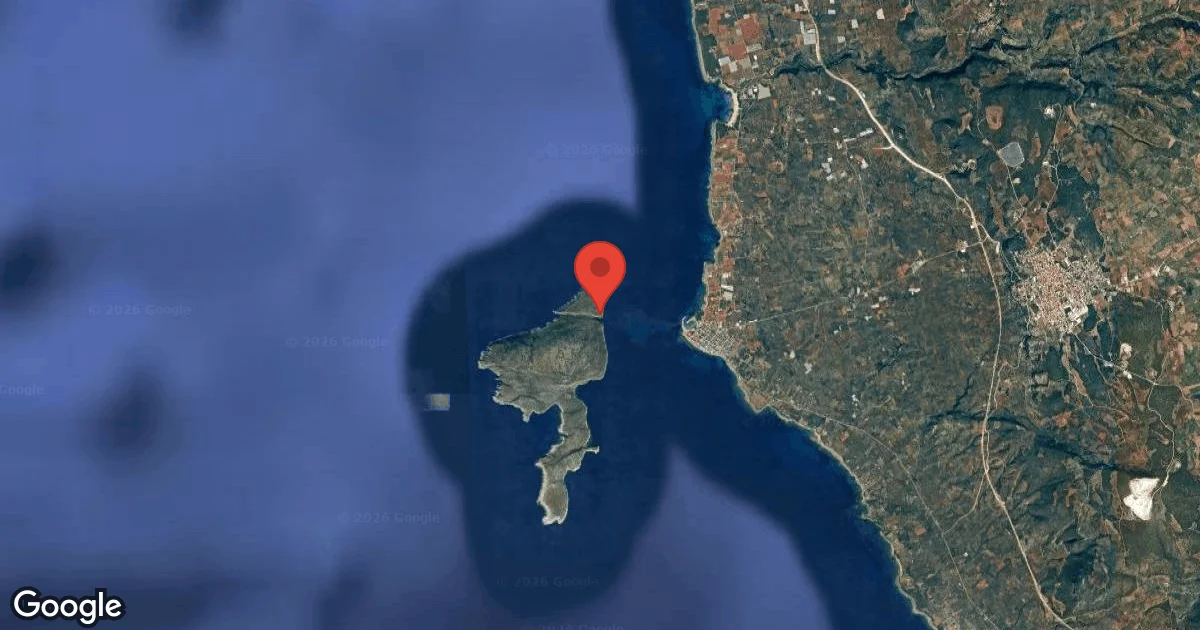
Situated on the west side of Proti Island, the Blue Hole dive site presents a compelling natural formation. Divers begin their exploration within a small, sheltered cove, acting as the entry point to a striking underwater landscape. This initial submersion leads directly into an intriguing cavern, setting the stage for the depths that follow. Beyond the cavern, the dive transitions into a significant wall.
As evening covers Blue Hole, the local air temperature is measured at 26.5°C. The current wave height at the surface is recorded at 0.1 m. These late-day readings characterize the surface conditions for the night.
Dive Site Location & Key Facts
Dive Site Overview
Divers approaching the Blue Hole experience a distinct underwater progression, shifting from a confined overhead environment to an expansive vertical drop. An initial descent from a sheltered cove guides explorers into a captivating cavern system, where ambient light gradually shifts, creating an exploratory atmosphere.
Within this initial segment, the geological contours reveal themselves, hinting at the deeper complexities ahead. Navigating the passage leads to a notable air-filled chamber, accessible to those with appropriate training, where striking stalactites hang impressively from the ceiling. Surfacing briefly within this unique room offers a momentary pause, providing an almost otherworldly perspective of the formations.
After exiting the cavern's more confined spaces, the dive dramatically opens onto a significant wall. Descending further into the sea, the impressive vertical face showcases various geological formations, including distinctive ledges and small canyons, providing ample opportunities for exploration.
Recreational depths along the expansive wall can extend to 35 meters (114 feet), accommodating divers with advanced certifications looking for a deeper profile and extended exploration. Blending intricate cavern exploration with the grandeur of a deep wall dive ensures a dynamic and varied experience, appealing to those seeking both confined and open water challenges.
Conditions are Excellent
07:00 - 14:00
Optimal conditions expected
Current conditions near Blue Hole show 27° air, 27° sea temperature, 0.2 m waves, and 19 km/h wind. Forecast data is refreshed regularly to ensure accuracy.
Best Time to Dive
Visibility often peaks during the warmer, drier months, making May through October particularly favorable for diving the Blue Hole. During this period, average air temperatures comfortably range between 20°C and 29°C (68°F and 84°F). Rainfall is significantly lower from June to September, contributing to generally unimpaired underwater conditions. Wave heights also tend to be minimal in summer, ensuring smoother boat entries and exits. While specific water temperature data isn't consistently reported, it typically aligns with the comfortable seasonal air temperatures. Diving in March, April, and November also offers good conditions, with slightly cooler air temperatures and a moderate increase in wave activity, though visibility generally remains good.
PEAK SEASON SCORE
Scores combine air & water temps, waves, wind & rainfall for overall conditions.
BEST MONTHS TO DIVE
Monthly records compiled from satellite and marine observation nodes over the last 3 years. Data provided by Open-Meteo and MET Norway.
Dive Experience & Conditions
Navigating the Blue Hole presents divers with a distinct progression from a confined overhead environment to an open wall. The entry from a small cove ensures a calm start, leading into the cavern where light subtly changes as you penetrate deeper. Inside the stalactite-filled room, buoyancy control is paramount to avoid disturbing delicate formations. Exiting the cavern, the dive transitions to a dramatic wall, where depths gradually increase. While significant currents are not a consistently reported feature for this particular site, divers should always monitor local conditions. Visibility generally remains excellent, providing clear views of the wall's features and marine life.
Dive Difficulty & Safety Guidelines
Careful planning is essential when approaching the Blue Hole, especially due to its overhead environment. Diving through the cavern requires specialized training, such as PADI Cavern Diver certification, alongside precise buoyancy control and a reliable torch. The maximum depth of 35 meters (114 feet) on the subsequent wall dive necessitates PADI Advanced Open Water Diver certification or equivalent experience.
Divers must meticulously plan their depth and bottom time to ensure safe ascent profiles and decompression limits. Always dive within your training and comfort levels, and consider a local guide for initial explorations of this site.
Recommended Equipment
Overhead environment. Do not enter beyond training and gas planning limits.
- Dive Computer
- Primary & Backup Lights
- Reel / Spool
- Cutting Tool
This gear list is based on verified equipment signals for Blue Hole, Greece. Always confirm final gear choices with your dive operator, guide, or liveaboard.
Recommended Dive Suit
Divers planning deeper dives may feel cooler than those staying in shallower areas.
Many divers find that 2-3mm shorty or light wetsuit offers a comfortable balance between warmth and mobility. Forecast trends indicate similar diving conditions over the next few days.
Divers heading to Blue Hole today should expect water temperatures around 27°C (81°F). Surface air temperatures are resting at 27°C (80°F).
Emergency & Medical Support
Essential information to help you plan your dive trip to Blue Hole.

Hyperbaric chambers are a critical part of dive safety infrastructure. Availability varies significantly by region, and not all dive areas have immediate access.
Before diving, it's recommended to:
- confirm nearest medical facilities
- check emergency procedures with local dive operators
- ensure dive insurance covers evacuation if required
Divers Alert Network
Diving emergency assistance available through DAN Europe.
+39 0642115685- 24/7 emergency hotline
- Diving medical assistance
- Evacuation coordination
Emergency contacts are provided for reference. Always verify local emergency services before diving.
Marine Life at Blue Hole
A variety of marine life inhabits the Blue Hole's diverse underwater terrain. Along the impressive wall, divers can observe vibrant sponges, adding color to the rock faces.
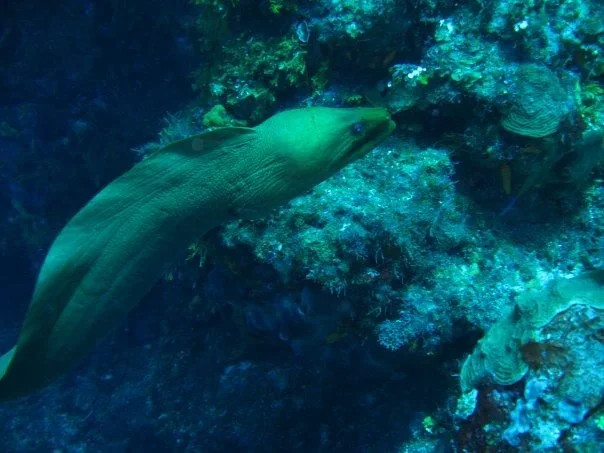
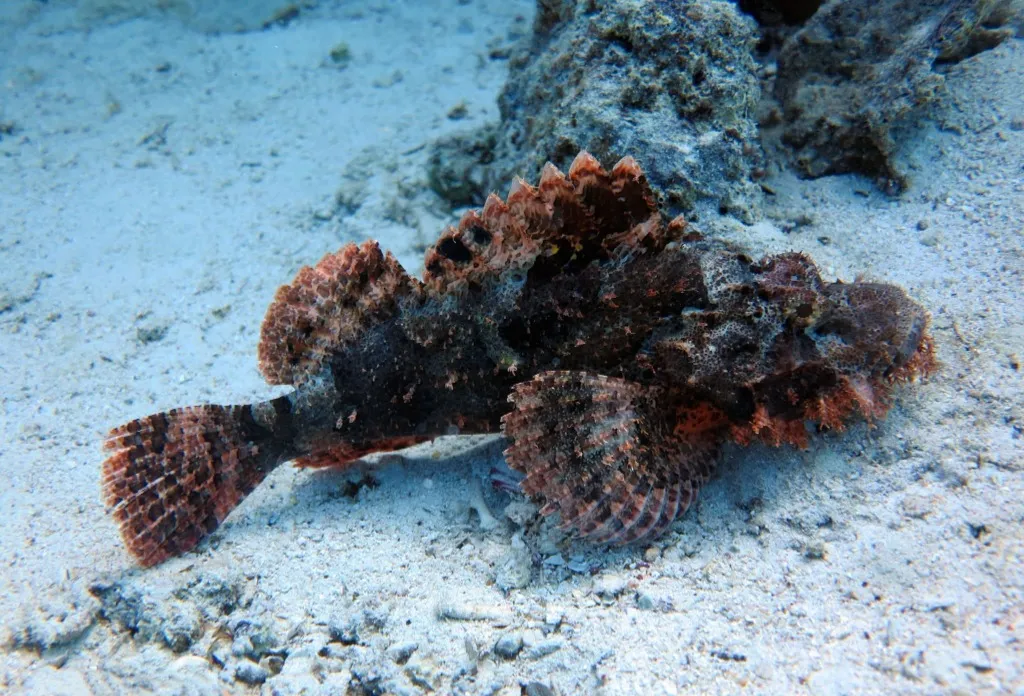
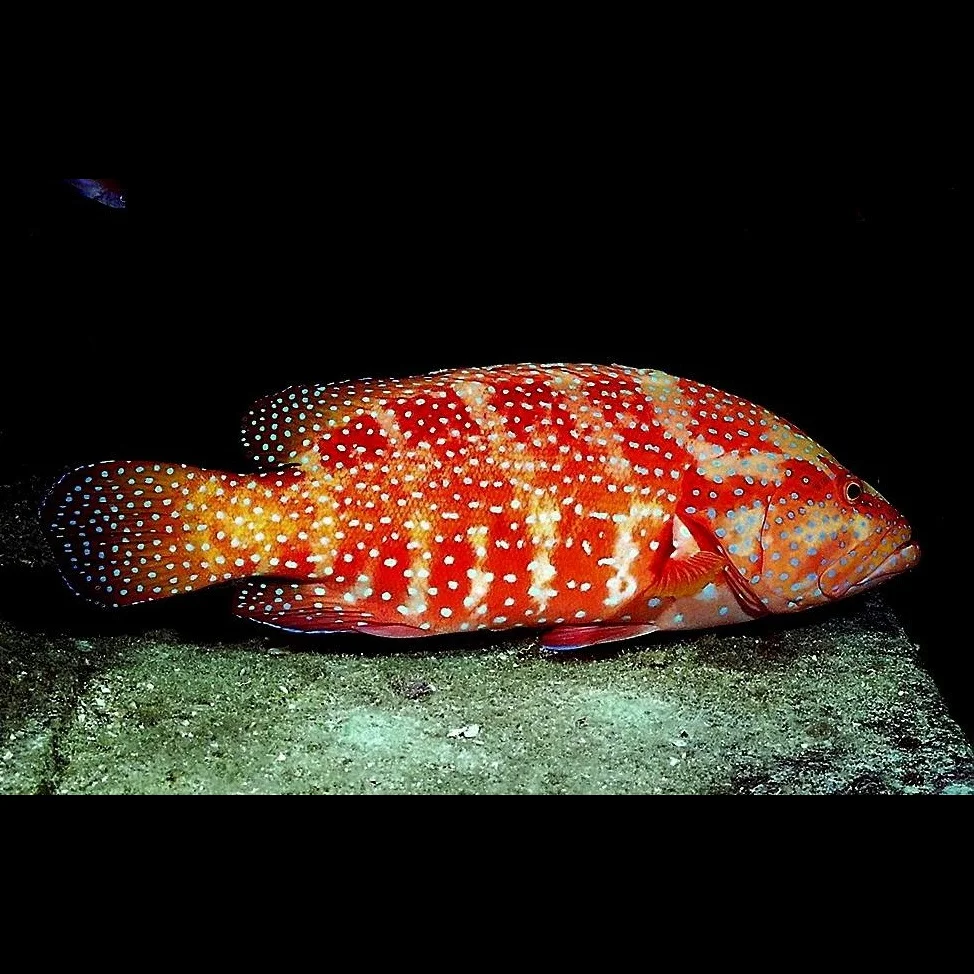
Commonly sighted species include groupers, often found sheltering in crevices, and scorpionfish camouflaged against the reef. Moray eels can be spotted peeking from their hiding spots.
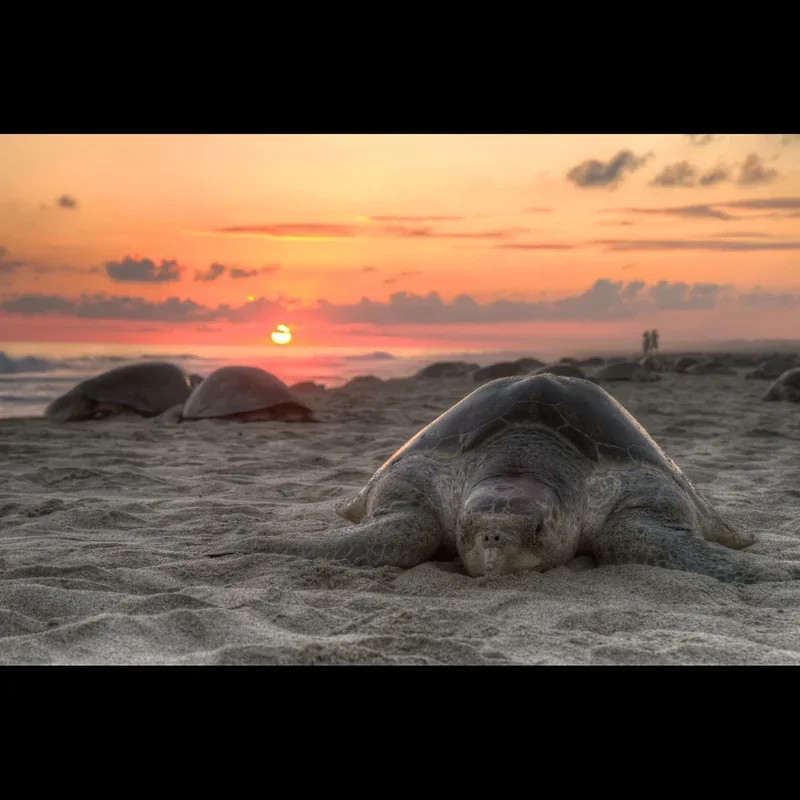
Occasional encounters with sea turtles and various other fish species contribute to the site’s dynamic ecosystem, particularly within the deeper sections and around the cavern exit.
Dive Sites Near Blue Hole
View all dive sites in GreeceDiscover more underwater gems in this area.
Dive Centers Near Blue Hole
Today: 09:30 - 15:00
Nearest Airports
Nearest airports to help plan travel to this dive area.
Search Flights
Check available flights and routes on Expedia, using the nearby airports listed in this section.
Search Flights on ExpediaFrequently Asked Questions
What type of dive is the Blue Hole, Greece?
This site features a compelling combination of a cavern dive transitioning into a wall dive. Divers first explore a passage leading to a stalactite-filled room before following an extensive wall that descends to deeper recreational limits.
What is the maximum depth at Blue Hole?
The maximum reported depth for the wall dive at Blue Hole is 35 meters (114 feet). Shallower sections within the cavern are accessible to less experienced divers, but the full profile requires advanced certification.
What certifications are recommended for this dive?
PADI Open Water Diver is suitable for initial exploration of shallower areas. For the full experience, including the deeper wall and cavern, PADI Advanced Open Water Diver and PADI Cavern Diver certifications are highly recommended.
What marine life can I expect to see?
Common sightings include groupers, scorpionfish, lionfish, and moray eels. You'll also observe various fish species and vibrant sponges adorning the wall sections, contributing to the site's rich biodiversity.
Is the Blue Hole suitable for beginner divers?
Beginner divers can enjoy the initial, shallower parts of the dive within the sheltered cove and near the cavern entrance. However, exploring the cavern's overhead environment and the deeper wall sections requires appropriate training and experience beyond entry-level certification.
How is entry to the dive site typically made?
Entry to the Blue Hole is exclusively by boat. Divers are usually transported to the small, sheltered cove that serves as the starting point for the underwater exploration.
Are strong currents a factor at Blue Hole?
Strong, turbulent currents are not consistently reported as a primary feature of the Blue Hole on Proti Island. Divers typically experience calm conditions at the entry and generally mild currents along the wall, though local conditions can vary.
Planning to dive Blue Hole?
Send one inquiry and receive offers directly from the best verified local dive operators.
Conditions are Excellent
07:00 - 14:00
Optimal conditions expected
Current conditions near Blue Hole show 27° air, 27° sea temperature, 0.2 m waves, and 19 km/h wind. Forecast data is refreshed regularly to ensure accuracy.